
Inactive· since May 10, 2026
- 17
- days it ran
- 6
- relaunches
Ad copy
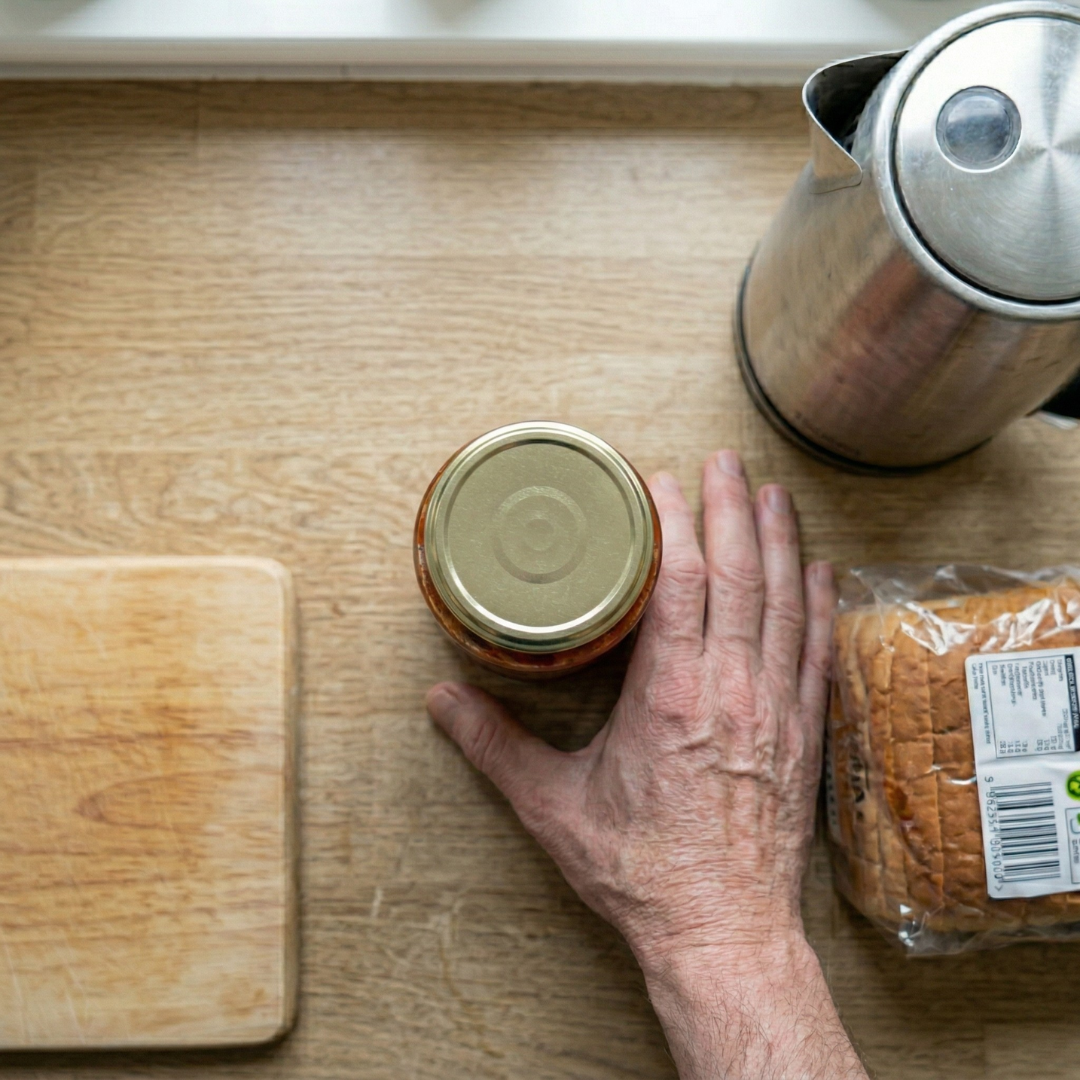
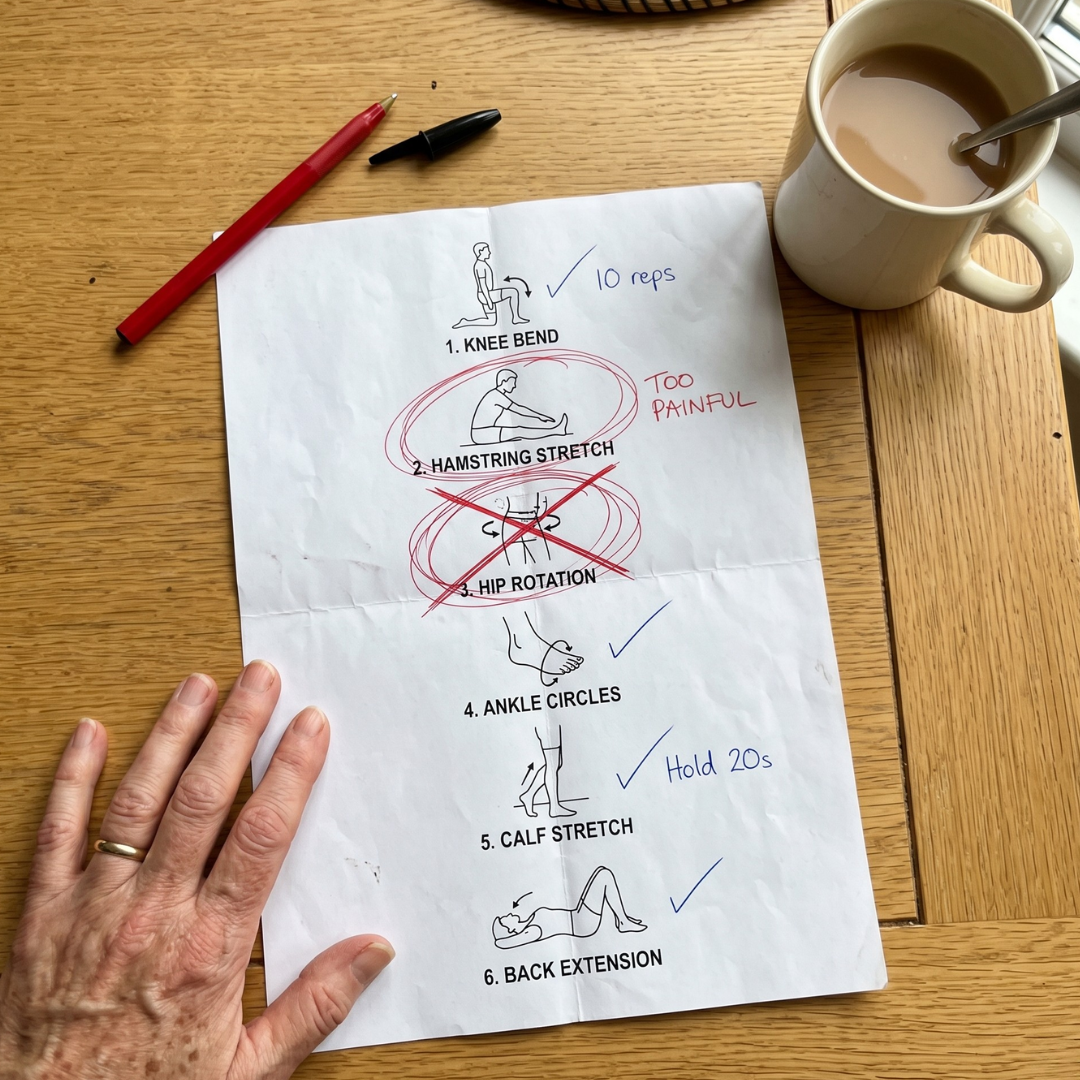
My physiotherapist pulled me aside after my appointment and said: 'Whatever you're doing at home—don't stop. I've never seen joints respond like this.' I'd just mentioned, casually, that I'd got out of bed that morning without setting my early alarm. She stared at me like I'd said I'd grown new cartilage overnight. Here's what you need to understand: I'm a Year 6 teacher in Manchester. I've optimised everything to improve my health. My bedroom has blackout curtains for sleep quality. My Fitbit tracks my recovery. I have a £1,200 memory foam mattress with a cervical neck support pillow. But every morning at 6:15 AM, my real alarm would go off—the one that wakes me so I can lie there for thirty minutes, wiggling my toes and flexing my knees, mentally preparing myself to unfold. Thirty minutes. Every single morning. That's 182 hours a year spent as a human origami project, trying to convince my joints to remember how to move. The stiffness in my hands meant I couldn't unscrew the milk top to make my morning tea. I couldn't unzip my jacket with my fingers. The rigidity in my spine meant I waddled like a penguin for the first hour. My husband started calling me "Tin Man" because I'd literally creak getting out of bed. My GP said, "You're only fifty-two. It's probably just how you're sleeping." I called it unacceptable. We have technology that can edit genes, but I'm supposed to accept waking up feeling like a crumpled car every morning? I mentioned this at my sister's birthday lunch in Didsbury. The looks. "Have you tried yoga?" someone asked. "Maybe you need more pillows." I had ten pillows. Ten. Under my knees, between my ankles, propping my neck, supporting my lower back. My bed looked like a Dunelm clearance section. But why? Why should a fifty-two-year-old woman need an hour of preparation and a pharmacy's worth of heat patches just to walk down the stairs? I started researching one night—my back had locked up again after lying down for barely an hour. Not desperately. Methodically. The same way I research lesson plans. "Morning stiffness relief." 1.2 million results. All the same advice: stretch before bed (tried it, woke up worse), sleep on a firmer mattress (bought one, felt like sleeping on concrete), drink more water (drank half my body weight daily, still stiff), anti-inflammatory diet (gave up gluten and dairy for six months, no change). The rheumatology forums were particularly grim. People my age describing years of trying one thing after another, still waking up unable to bend their fingers. One woman wrote: "My morning stiffness got so severe I couldn't make it into work and lost my job after a change to administration who was no longer sympathetic." I recognised that fear immediately. Then I found something different. Not stretching. Not pillows. Not another supplement. Molecular hydrogen water. My first thought: This is either legitimate cellular science or complete wellness rubbish. Most of what I found was rubbish. £20 bottles from Amazon with reviews saying "tastes like chlorine" or "stopped working after a week." Reddit threads calling it "expensive placebo water." But buried in a study from a Japanese sports medicine institute, I found something that made me sit up straight—well, as straight as my spine would allow. The Japanese have been using molecular hydrogen therapy for recovery and inflammation since the 1960s. Not for hydration. For oxidative stress. For the exact cellular inflammation that causes morning stiffness in joints. Here's what nobody tells you: When you wake up stiff, it's not because you "slept wrong." It's because during sleep, your body isn't moving. Without movement, inflammatory markers pool in your synovial fluid—the lubricant in your joints. That's why the first hour is agony and then it "loosens up." You're literally walking the inflammation out. Every solution I'd tried—pillows, heat, stretching—was treating the symptom. None of them addressed the root cause: oxidative stress at the cellular level. Molecular hydrogen is different. It's the smallest molecule in existence. Whilst you sleep, it penetrates your joints, crosses into the synovial fluid, and works to neutralise the inflammatory radicals before they can stiffen you up. The science was compelling. The problem was that consumer versions were rubbish—cheap electrolysis that created chlorine gas, required special mineral water, or cost £2,500 for a worktop unit fitted to your tap. At 1:43 AM on a Wednesday, I found it. A small company in Berkshire. The founder's backstory convinced me: he and his mum had both been dealing with chronic inflammation. His physiotherapist mentioned hydrogen water therapy being used in Japanese sports medicine. When he looked into it, he found that most devices were either dangerously cheap—producing low concentrations and failing to vent out chlorine and other toxic gases—or prohibitively expensive. So he designed his own. One that actually worked safely. The specs: 3,000 parts per billion dissolved hydrogen—a concentration most bottles on the market never come close to. PEM technology that vents toxic gases out the bottom instead of into your water. It cost under £100. I ordered one. Four days later it arrived. That evening, I filled it with water, pressed the button, waited ten minutes. The device hummed. Blue light. Then bubbles—thousands of them, swirling through the water like a snow globe. I opened it. A sharp pop of escaping gas. The water looked clear, neutral, ordinary. It tasted clean. Pure. Like proper spring water, not the flat, metallic tap water I was used to. I drank 600ml that evening. Made another batch and left it by my bed. That night, I set my usual 5:45 AM "preparation alarm." The next morning, when my 6:15 alarm went off, I realised I'd slept through the first one. And then I stood up. Just stood up. No wiggling. No mental negotiation. No creaking. I walked to the bathroom and only when I was brushing my teeth did it hit me: I hadn't unfolded myself. I went back. Sat on the bed. Stood up. Sat down. Stood up. No stiffness. Not "a bit better." None. I told myself it was coincidence. One good morning proves nothing. But here's what convinced me: Week two, I noticed a pattern. On evenings I didn't drink the hydrogen water, my mornings felt noticeably different. The penguin waddle started creeping back. When I returned to drinking it consistently—900ml spread throughout the evening—mornings felt normal again. I noticed this correlation repeatedly. It wasn't dramatic or instant. But it was consistent enough that I stopped questioning whether it was working and started making sure I never ran out. I did the maths. At under £100, that's 27p per day over the 12-month warranty. The over-the-counter pain relief I'd been relying on for years cost considerably more than that — and came with the stomach issues my GP kept flagging at every appointment. Eight weeks later, I went back to my physiotherapist for a scheduled check-in. She tested my range of motion. Pressed on my joints checking for inflammation. Had me do the standard morning stiffness questionnaire. She looked at her notes. Looked at me. "You're scoring a two out of ten. You were an eight last time." "What changed?" "Water," I said. That's when she pulled me aside. She explained: most people think morning stiffness is mechanical—sleep position, mattress quality, pillow height. It's not. It's biochemical. During sleep, inflammatory cytokines accumulate in joints. Many anti-inflammatories struggle to reach the synovial space in meaningful concentrations. They work on the surface. Molecular hydrogen is the smallest molecule in existence. It crosses membranes that larger molecules simply can't reach — penetrating synovial fluid, joint capsules, even cartilage. Because it's selective, it targets harmful radicals without interfering with the body's natural recovery processes. "It's not masking anything," she said. "It's working at the source." My mum visited last month. Seventy-two. She's been managing joint inflammation for over a decade, and watching her struggle with mornings has always been difficult. She watched me get out of bed at 7 AM — no preparation, no creaking — and walk straight to the kitchen to put the kettle on. "You're moving like a normal person," she said. I showed her the bottle. "That seems too simple." Exactly. We've been conditioned to believe that relief requires complexity — more interventions, more compromises, accepting that "this is just how mornings are now." Last week, I bought bottles for several other teachers at my school — all between forty-five and fifty-eight, all dealing with morning stiffness. The staffroom WhatsApp has been busy. Sarah said she didn't need her 5:30 AM alarm anymore. Emma's exact words: "I walked my dog this morning without having to shuffle around for half an hour first. I actually cried." Every morning now, I have an extra thirty minutes. Not lying there, wiggling and stretching and mentally preparing to move. Not waddling like a penguin until my joints "warm up." That's 182 hours a year of my life back. If you're still setting an early alarm just to prepare yourself to get out of bed, you're not managing your inflammation. You're accommodating it. Your physiotherapist may well be surprised at your next check-in. Your mornings will feel normal again. And you'll wonder why nobody told you that waking up stiff wasn't inevitable — it was something you could address. I'm telling you now. The only question is whether you'll believe me or keep sleeping with ten pillows, drinking gallons of water, and accepting that the hardest part of your day will always be the beginning. Your mornings are worth more than that. Your life definitely is.
Read This If You Wake Up Stiff Every Single Morning ☝️
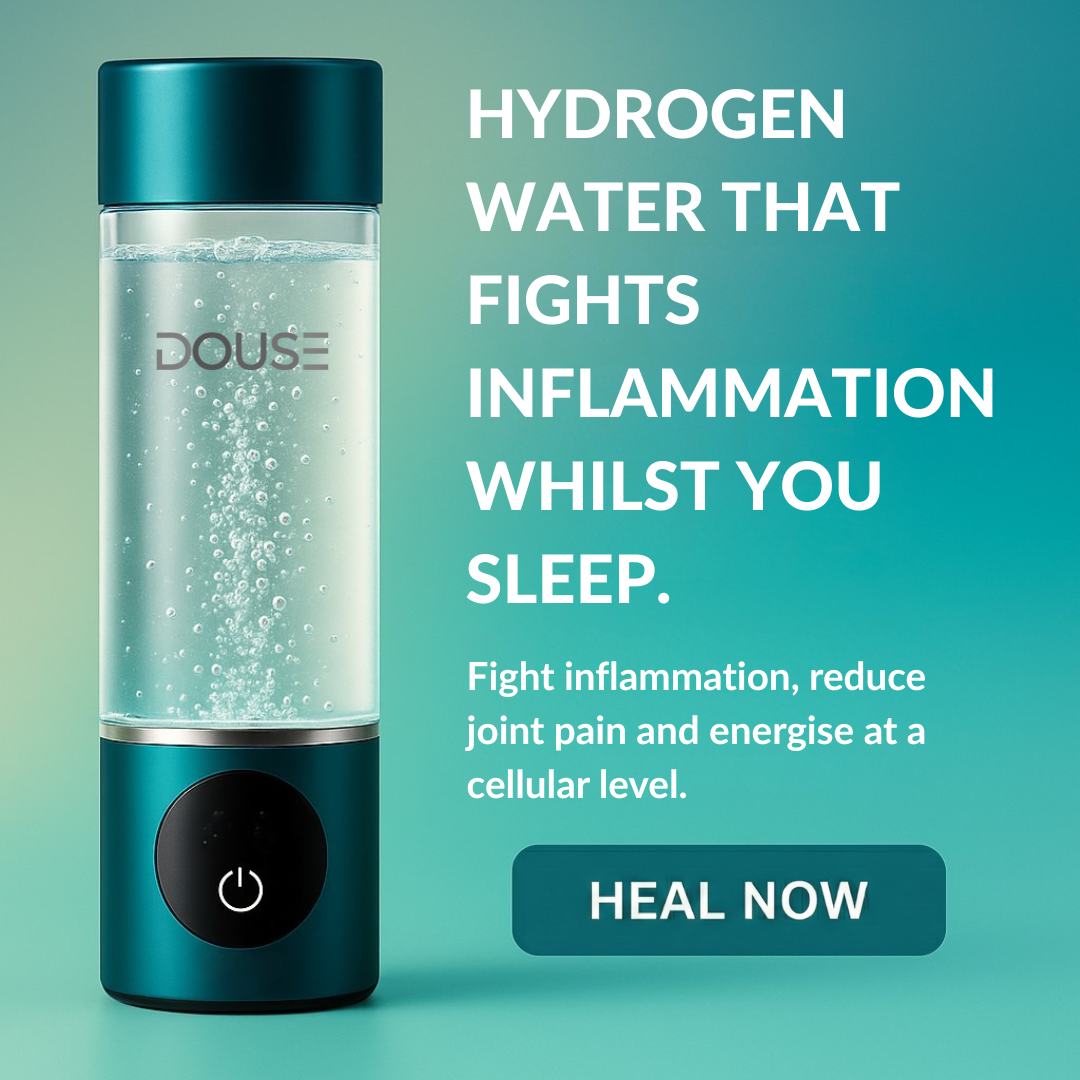
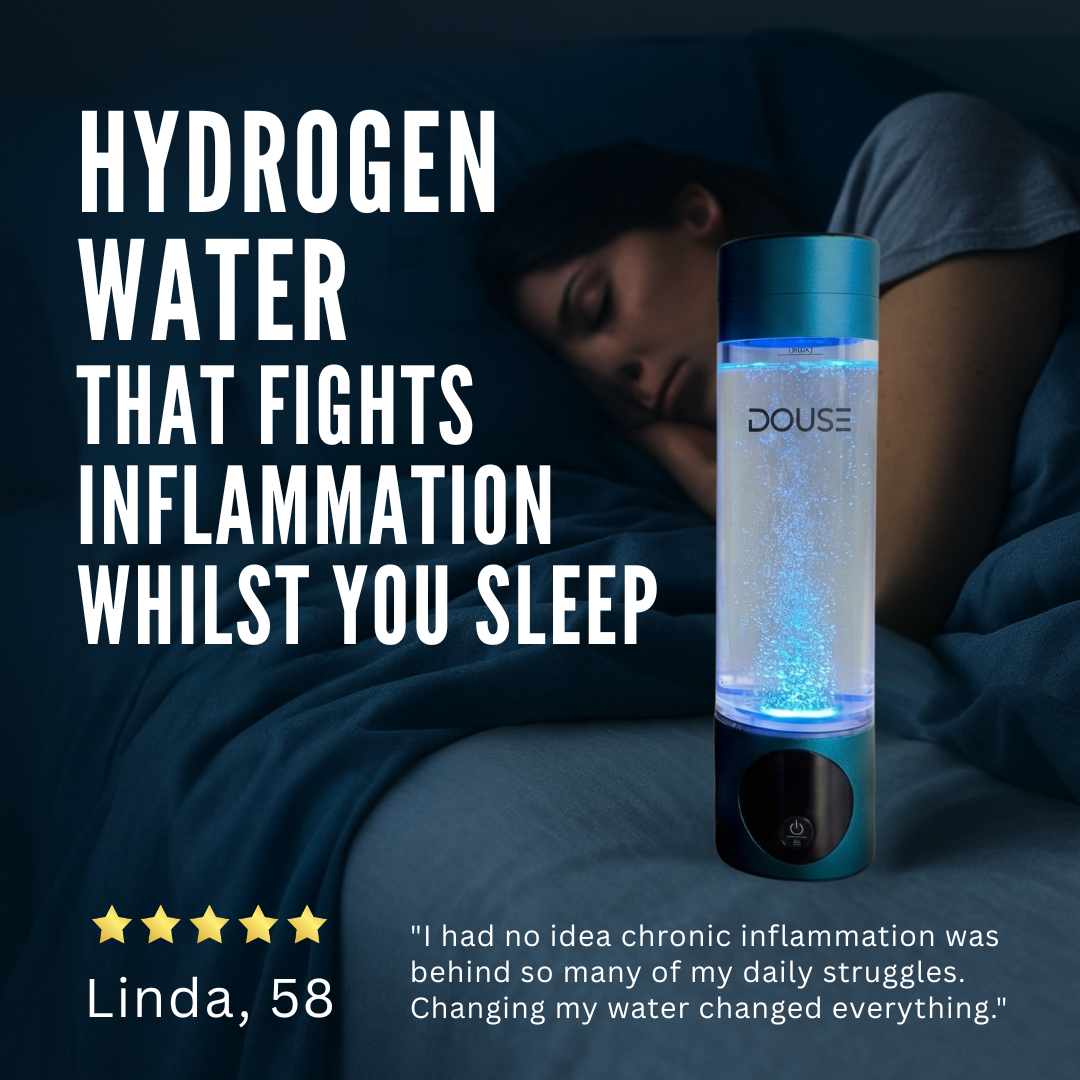
A premium portable water bottle designed to infuse drinking water with dissolved molecular hydrogen using advanced PEM electrolysis technology. Designed for daily hydration routines at home or on the go.
SHOP NOWLike this ad? Make it yours.
Crush rebuilds this exact creative around your product — your brand, your colors, your offer — in about a minute.