
Inactive· since Jun 2, 2026
- 5
- days it ran
- 5
- relaunches
Ad copy
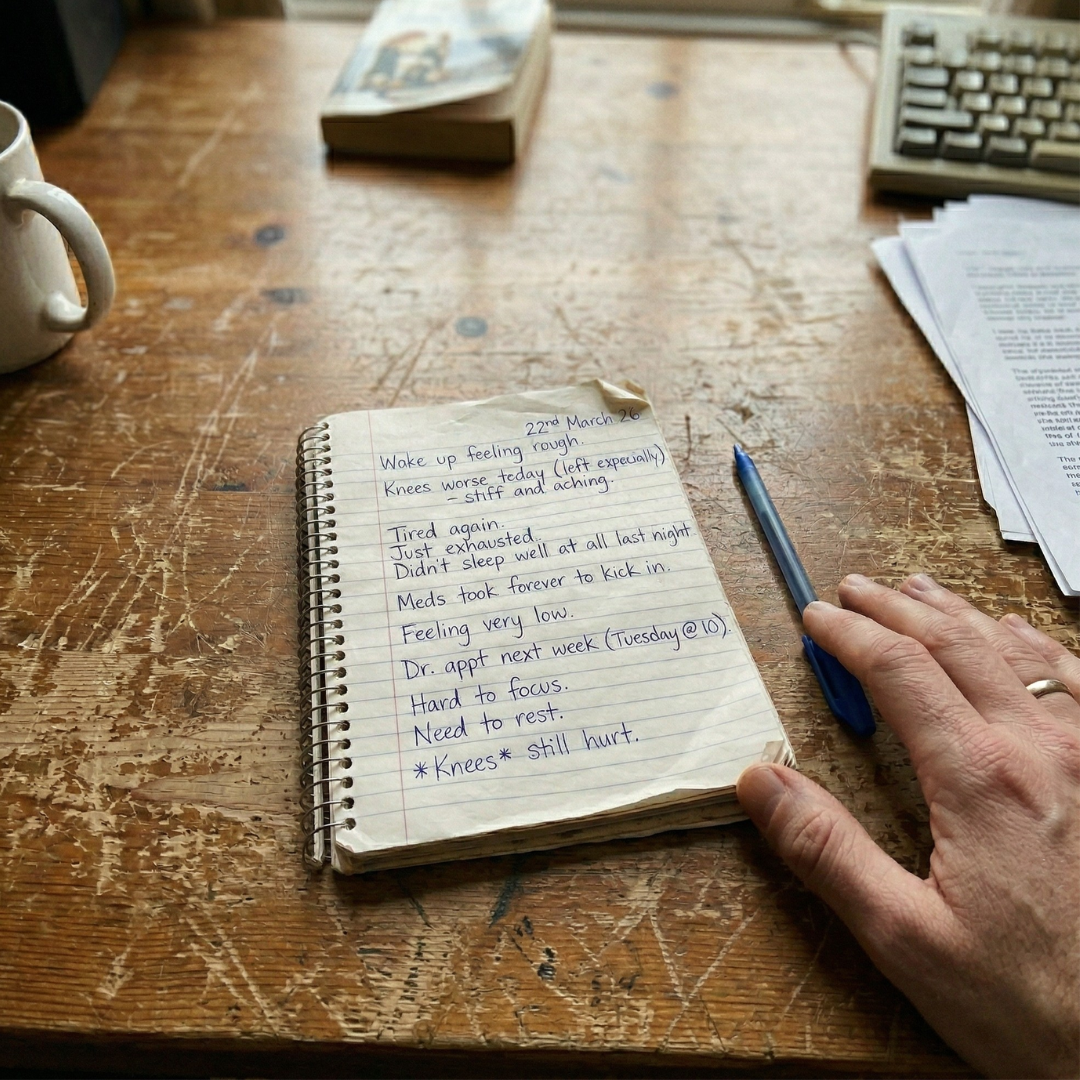
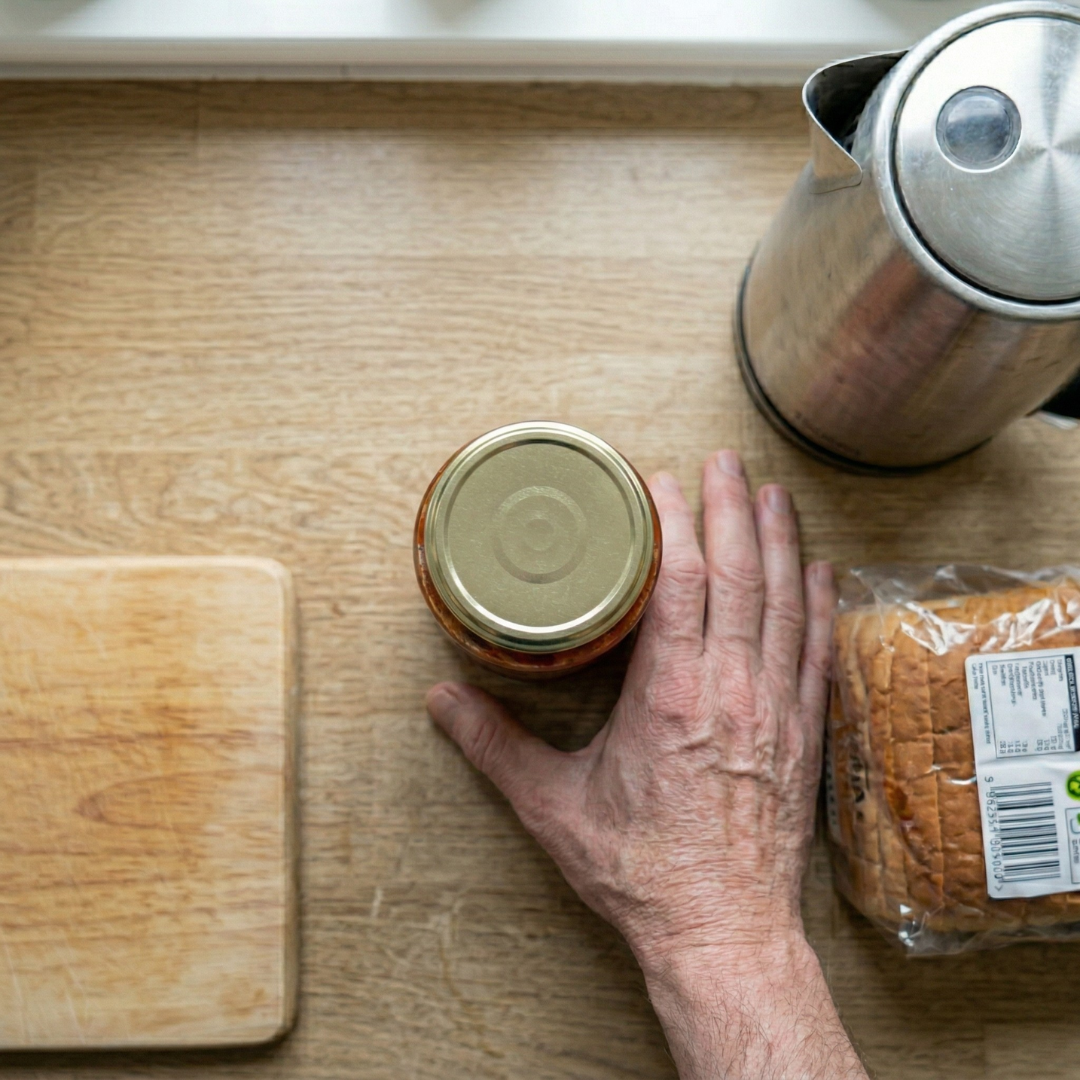
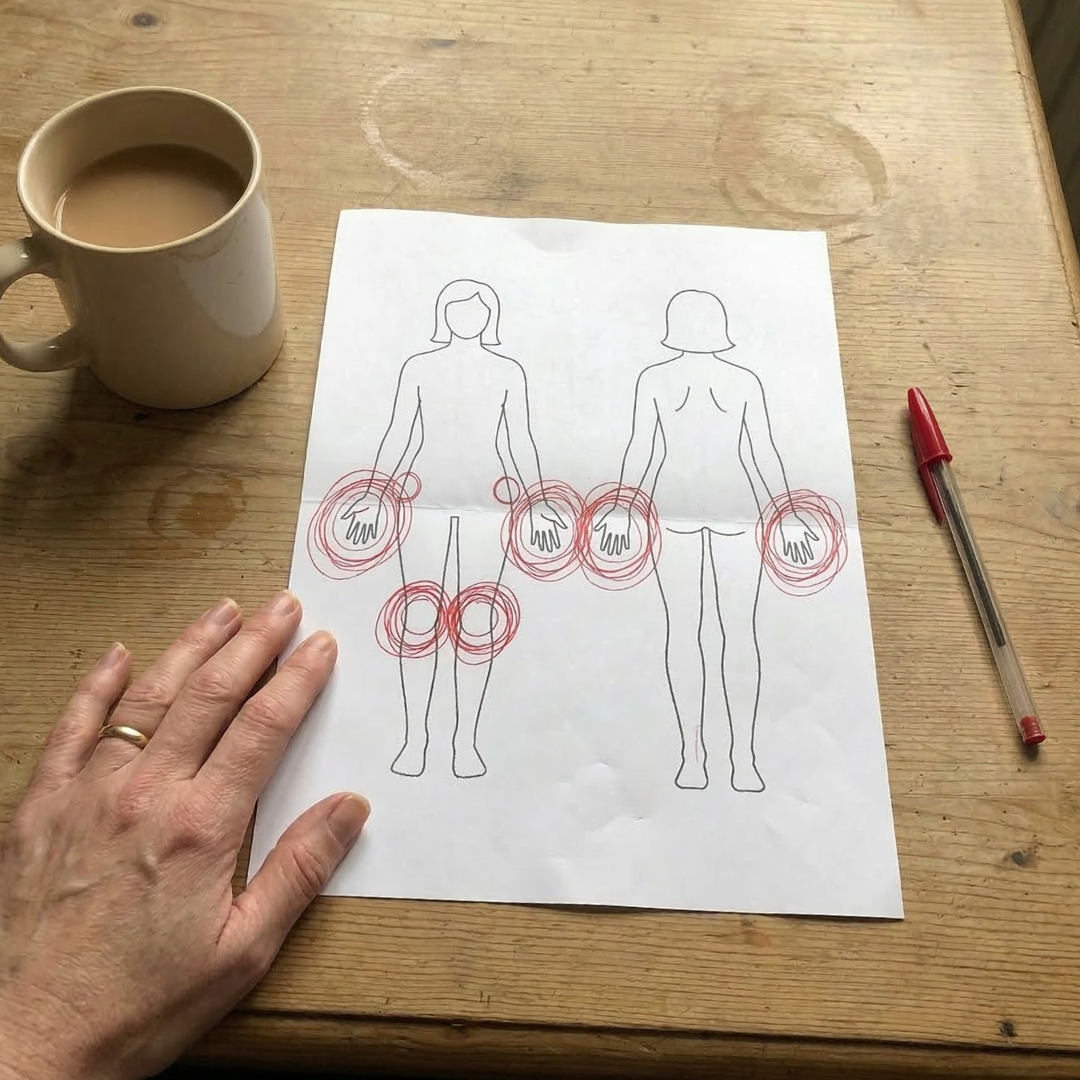
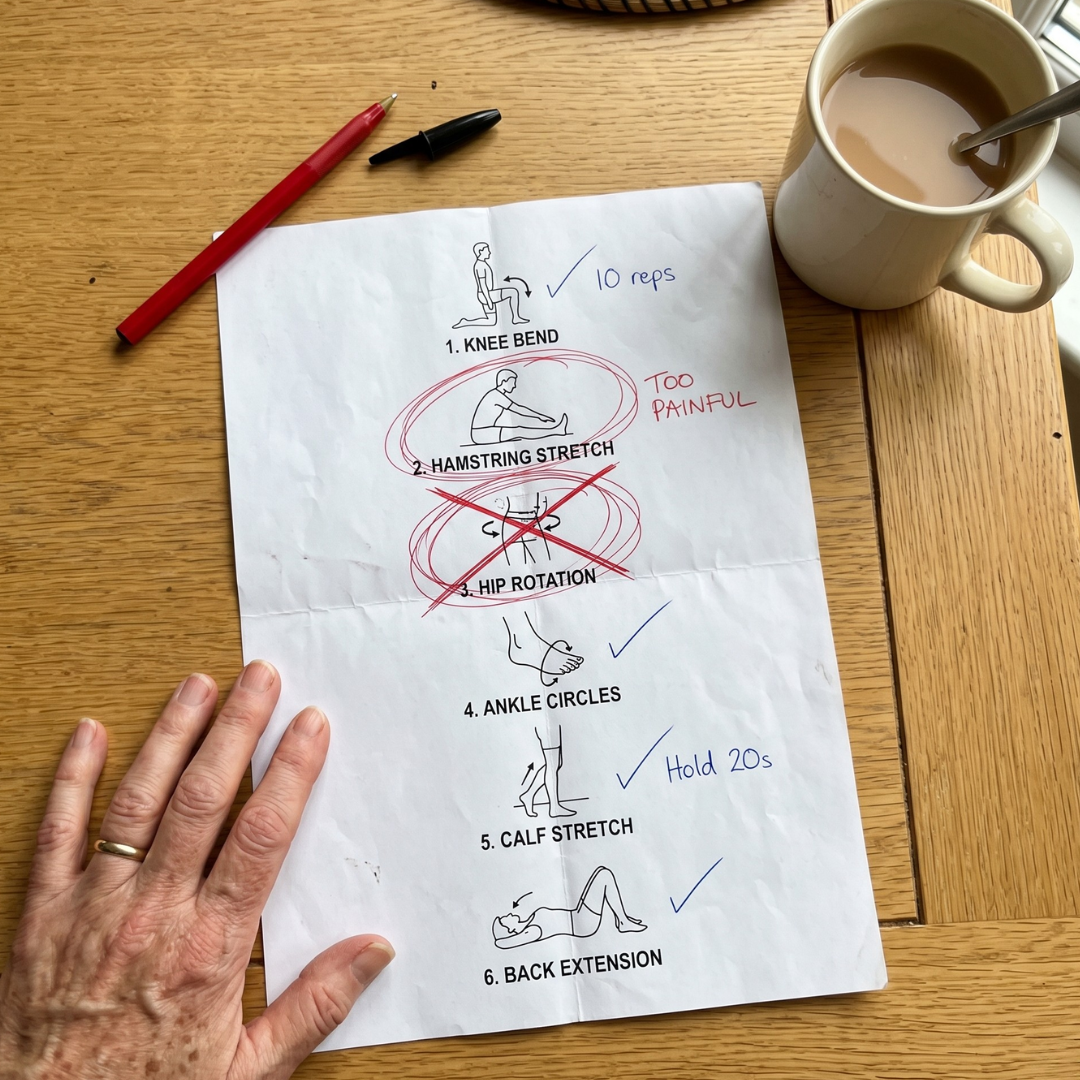
For two years I accepted that waking up in agony was just the price I paid for getting older. It took one conversation with a woman at my physio's office to make me realise I'd been blaming my body for something that was actually happening inside my cells. I need to back up. I turned 54 in March. And somewhere around 52, mornings stopped being mornings. They became negotiations. With my own skeleton. I'd open my eyes and just lie there. Not because I was tired. Because I already knew what was coming. The stiffness in my lower back. The deep ache behind both knees. That weird burning thing in my shoulders that nobody could properly explain. I used to set my alarm for 5:15. I was that person. Up before the house. Coffee made, kitchen tidied, sometimes a walk around the block before anyone else stirred. That was my time. I protected it. By last year I was setting my alarm for 6:00 and still not getting out of bed until 6:30. Not because I was lazy. Because I needed those extra minutes to build up the courage to move. Literally lying there. Shifting one leg at a time. Testing how bad it was going to be today. Some mornings were tolerable. Most weren't. I tried to explain it to my husband once. The best I could come up with was that it felt like someone had poured cement into my joints while I slept. He nodded and said something kind. But how do you really understand something you don't live inside of? He wakes up and just stands up. Doesn't think about it. Doesn't brace himself on the nightstand. Doesn't pause halfway through straightening his back. He just gets up like a normal person. I used to be a normal person. The worst part wasn't even the pain itself. The worst part was how small my world had become because of it. I stopped walking the dog in the mornings because the first ten minutes were miserable and I didn't want the neighbours to see me shuffling like someone thirty years older. I stopped going to the gym because the warm-up took forty minutes and by the time I felt halfway decent the session was nearly over. I stopped bending down to pick things up. I'd nudge them with my foot toward a counter so I could grab them without going all the way to the floor. I never said any of this out loud. You don't, do you? You just quietly adjust. Move the things you need to higher shelves. Sit on the edge of the bed longer. Smile and say "I'm fine, just a bit stiff" and change the subject. My GP sent me for bloodwork. Everything normal. Referred me to a rheumatologist. Everything within range. No inflammation markers. No autoimmune flags. Nothing structurally wrong. "You're in good shape for your age," he actually said. I wanted to scream. If this is good shape then what does bad look like? But I just nodded. Took the leaflet about stretching exercises that I'm sure he hands to everyone over fifty who walks in with the same complaints. I tried the stretches. I tried turmeric capsules. I tried magnesium spray. I tried sleeping with a pillow between my knees, which just made me feel like I was in a hospital bed. I tried glucosamine for four months. I tried yoga. The yoga teacher kept telling me to "listen to my body." I wanted to tell her my body had nothing useful to say anymore. It just complained. Nothing made a meaningful difference. A few things took the edge off for an hour or two. But every single morning started the same way. Eyes open. Lie still. Test the damage. Begin the slow, grinding process of becoming a functioning person. I'd accepted it. Completely. Filed it under "things that happen now" alongside reading glasses and forgetting why I walked into a room. Then in October I was sitting in the waiting area at my physiotherapist's office. I'd started going every two weeks, which felt like another surrender because the relief never lasted more than a few days. There was a woman next to me. Maybe early sixties. We'd been chatting lightly, the way you do in those places. Then she said something I haven't been able to stop thinking about since. She told me she'd had the same thing. Years of it. The mornings, the stiffness, the feeling of being trapped in a body that was aging faster than the rest of her. She said her daughter had sent her an article about something called oxidative stress. Not a disease. Not a condition. Just this thing that happens at a cellular level where your body accumulates damage faster than it can repair. Especially as you get older. Especially if you have chronic low-grade inflammation that doesn't show up on standard bloodwork. She said the thing that struck her was that it wasn't about the joints or the muscles at all. It was about the cells not recovering properly. The damage just building up overnight. Every night. While she slept. And by morning, the body had fallen further behind. It made sense to me. Not in a medical way. I don't pretend to understand the science deeply. But in a common sense way. Of course my body feels wrecked every morning. It's not resting. It's losing a war I can't see. She said her daughter had found her a hydrogen water bottle. Not the overpriced alkaline things they sell at health food shops. A proper one with something called a PEM membrane and a physical gas release valve. She said the gas release part mattered because the electrolysis process doesn't just produce hydrogen. It can produce byproduct gases too, depending on the tap water you use. Chlorine. Ozone. Things you definitely don't want to be drinking. The physical valve vents those out. So only pure molecular hydrogen actually makes it into the water. Most cheap bottles don't have one. No valve means those byproducts have nowhere to go. They just cycle right back into what you're about to drink. I'd never heard of hydrogen water doing anything for anything. I told her that. She laughed and said she'd said the exact same thing. But she'd been drinking it for about five months at that point. And she said the first thing she noticed, about three weeks in, was that mornings got quieter. That was her word. Quieter. Not painless. Not miraculous. Just less loud. The stiffness was still there but it started fading faster. Where it used to take her until midmorning to feel like herself, she was getting there by 8:30. Then 8:00. Then she stopped noticing the transition at all. I went home and looked it up. I'm not someone who buys things based on one conversation. I spent about a week reading whatever I could find. The molecular hydrogen research was more substantial than I expected. Not miracle territory. But a real, measurable antioxidant mechanism that specifically targets the most damaging free radicals in your cells. The kind that build up with age. The kind that standard antioxidants from food can't reach because the molecules are too large. Hydrogen is the smallest molecule that exists. It goes everywhere. Crosses every barrier your cells have. I ordered one. Committed to sixty days before making any judgment. The first two weeks I felt nothing. Absolutely nothing. I almost convinced myself I'd wasted my money on expensive water. Around day nineteen or twenty, something strange happened. I woke up and swung my legs over the side of the bed without thinking about it. I was halfway to the bathroom before I realised I hadn't done my usual inventory of what hurt. My back was still tight. My knees still had that dull awareness. But the sharp, heavy feeling that had been my alarm clock for two years was softer. It didn't disappear overnight. It's not like that. But over the next few weeks it kept softening. The mornings got shorter. Not the clock. The recovery. The time between opening my eyes and feeling like a person went from thirty minutes to fifteen to something I stopped tracking because it stopped mattering. I started walking the dog again in January. Not fast. Not far. But I was outside at 6:30 in the cold and my body wasn't punishing me for it. Last week I bent down and picked up a sock off the floor without thinking. My daughter saw me do it and didn't react at all. Which is how I knew things were actually different. She'd gotten so used to kicking things toward me that normal had become invisible. I still have stiff mornings sometimes. I'm not pretending I've been cured of aging. But the agony is gone. That heavy, grinding, cement-in-the-joints feeling that made me dread consciousness? It's just not there most days. I keep thinking about how long I spent believing it was normal. How many mornings I white-knuckled through because every professional I saw told me nothing was wrong. Something was wrong. It just wasn't something they were measuring. I don't know if this would work the same way for everyone. I don't know if my experience is typical or unusual. I only know what changed for me. And when. And what I was doing differently when it changed. If your mornings feel like mine did, I'm not telling you what to do. I'm just telling you what I found when I stopped accepting it. That feels like enough.
Read This If You Wake Up Stiff Every Morning ☝️
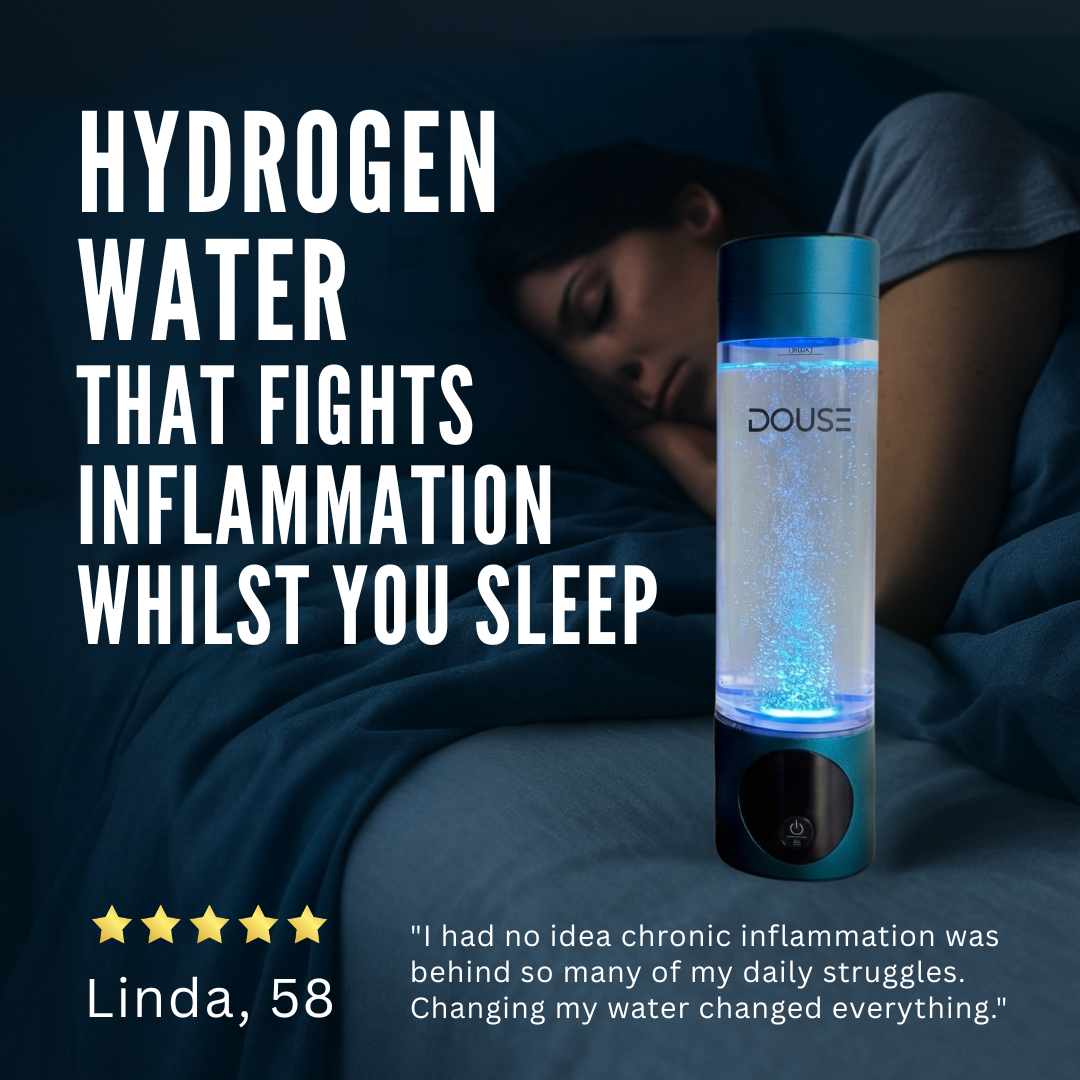
A premium portable water bottle designed to infuse drinking water with dissolved molecular hydrogen using advanced PEM electrolysis technology. Designed for daily hydration routines at home or on the go.
SHOP NOWLike this ad? Make it yours.
Crush rebuilds this exact creative around your product — your brand, your colors, your offer — in about a minute.