
Inactive· since Aug 4, 2026
- 7
- days it ran
- 0
- relaunches
Ad copy
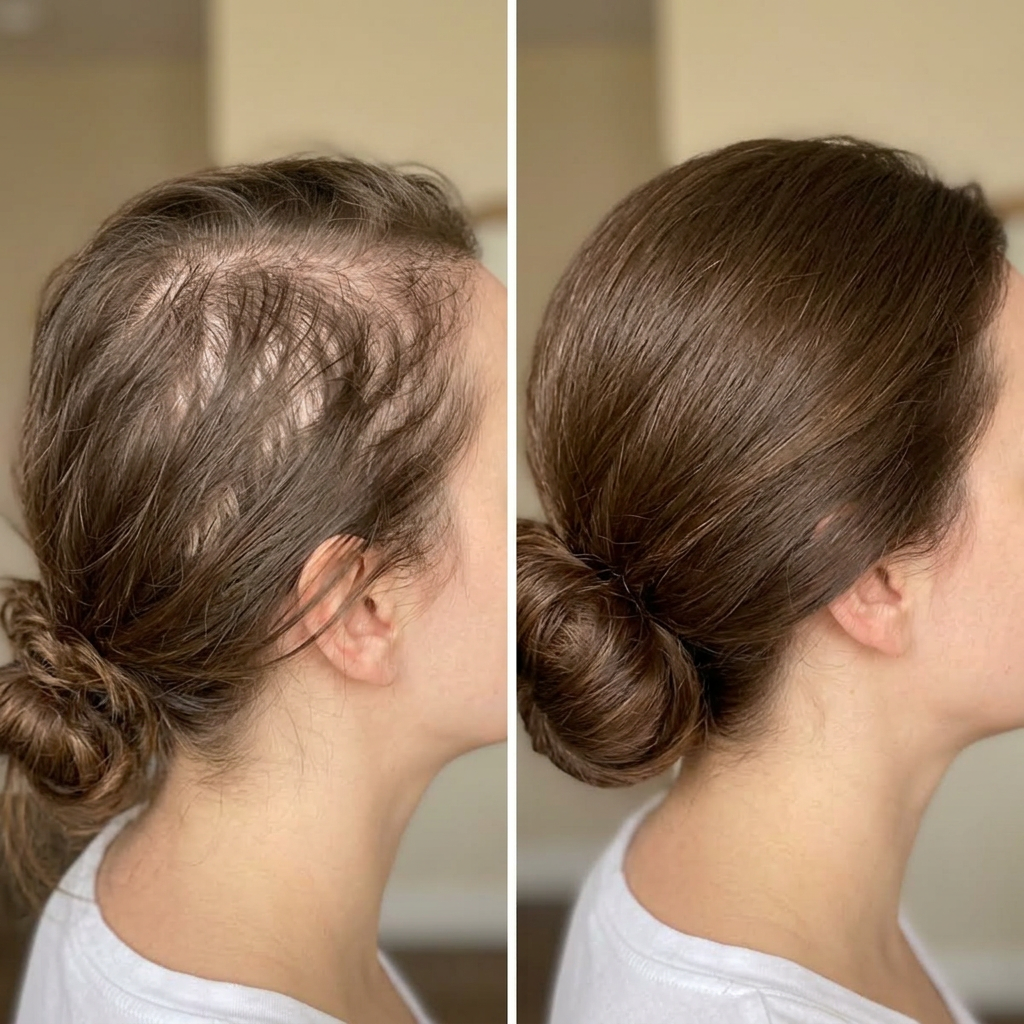
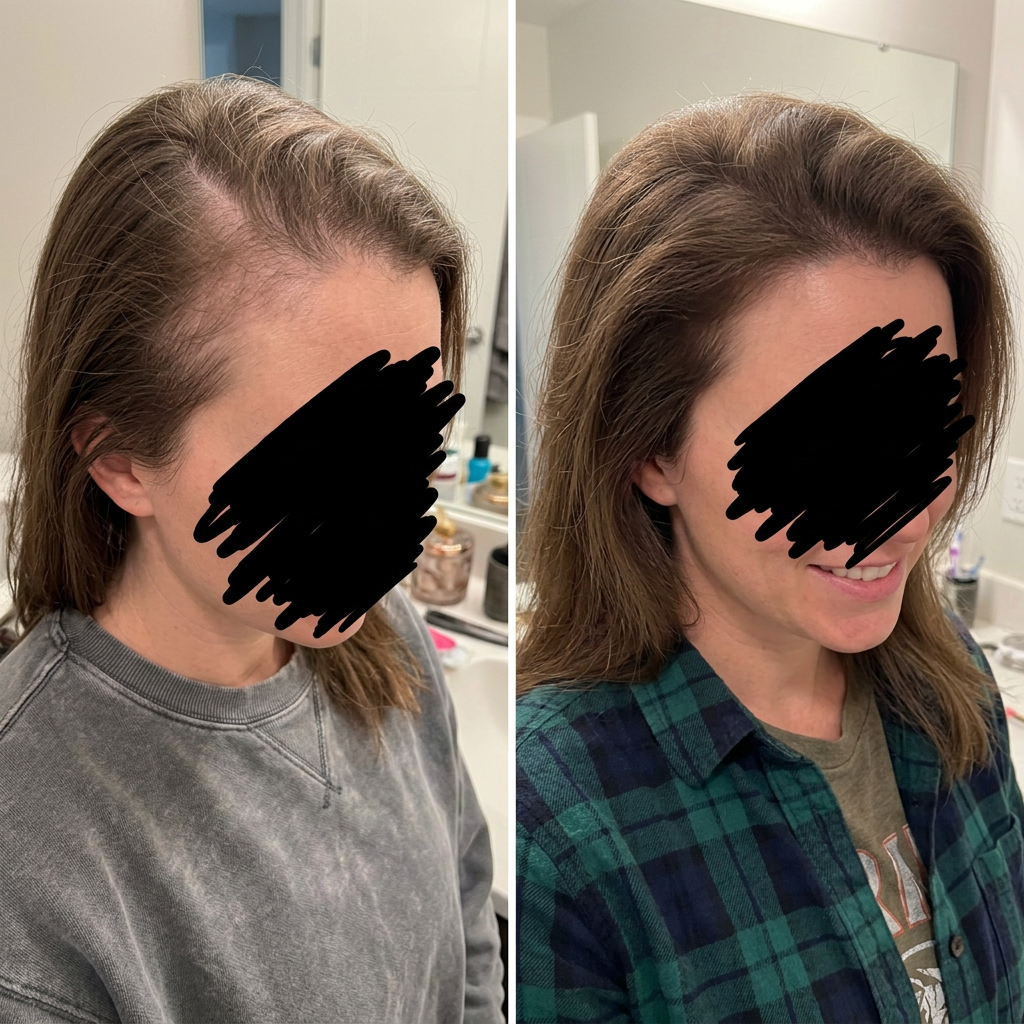
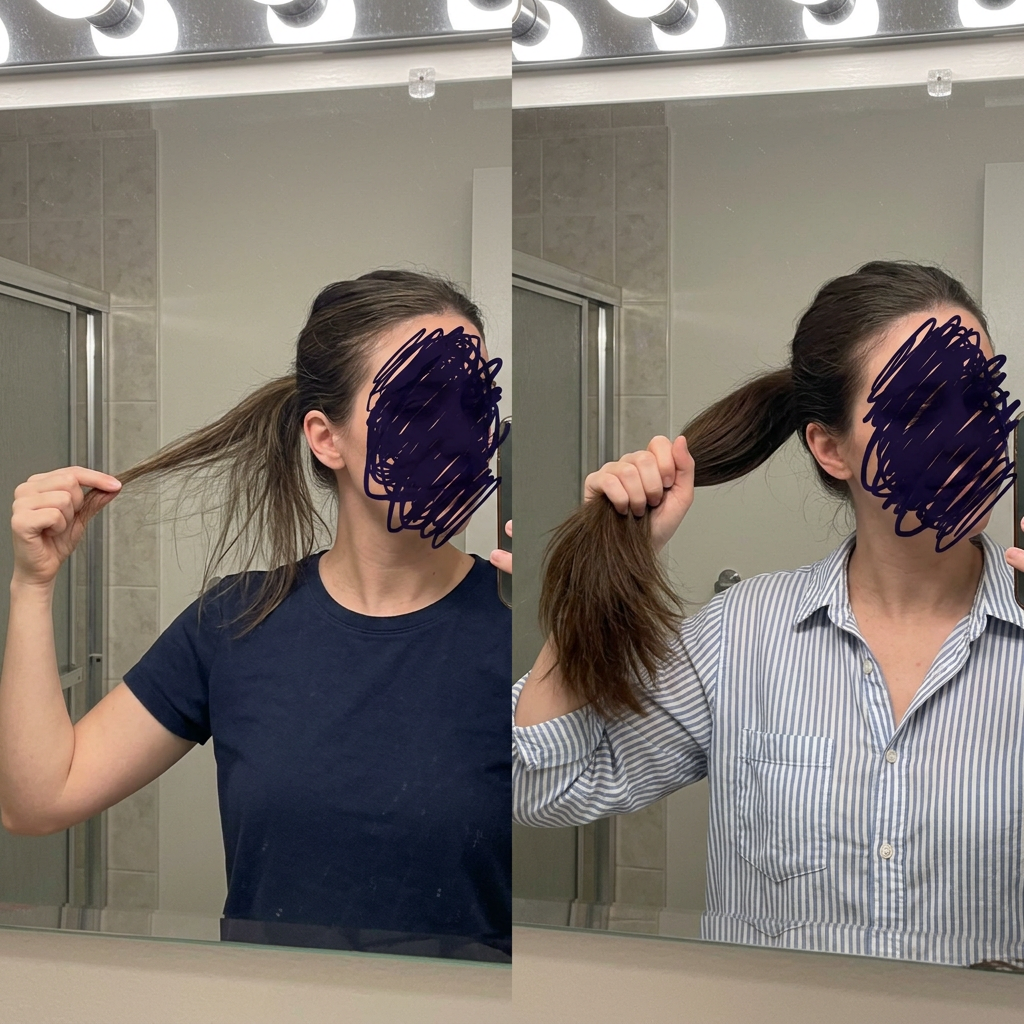
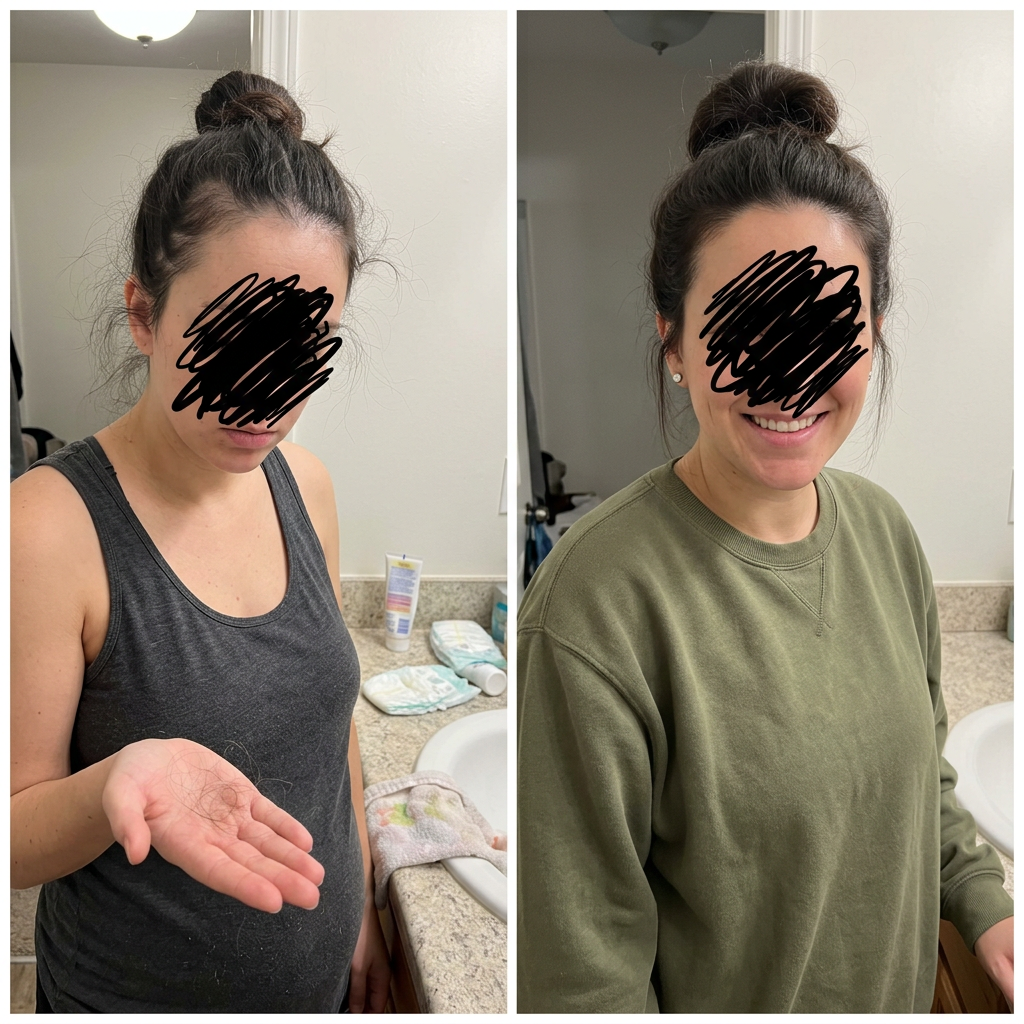
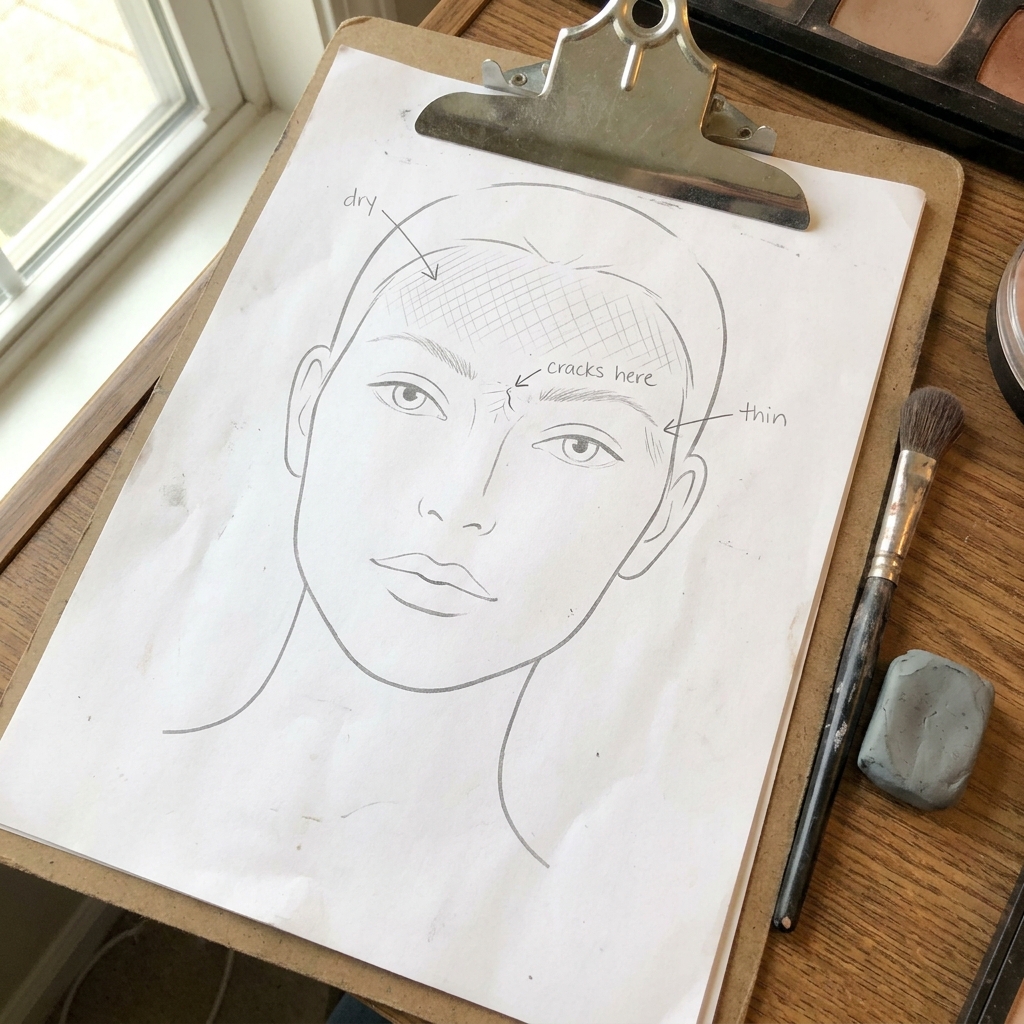
A bridal makeup artist looked at my forehead for four seconds and said, "Three years? Maybe four." I hadn't told her anything. I was just sitting in the chair. It was three and a half years, is the thing. She was reading it off my skin like a parking ticket. This is the story of what she said in the next ten minutes, because it rearranged how I understand faces, mine specifically, and it cost her a paying customer's worth of Botox to tell me, which is why I trust it. I'm Jenna. I'm 37. I live in Franklin, Tennessee. Last October my college roommate Steph got married at a barn venue outside Leiper's Fork, and I was maid of honor, which means I spent the morning of the wedding in a getting-ready suite that smelled like champagne and hot rollers, sitting in a director's chair by the window. The makeup artist was a woman named Rosa. Mid-fifties. Silver streak. Thirty years of faces, weddings mostly, some film work out of Nashville. The kind of woman who holds your chin and turns your head toward the light like she's appraising an antique, because she is. I watched her do Steph first. It was like watching somebody split wood: no wasted motion, no narration, product going exactly where it went with the confidence of ten thousand repetitions. She kept up a low patter with Steph the whole time about the weather and the groom's mother, and her hands never once participated in the conversation. Her hands were somewhere else entirely, doing their four-hundredth face of the year. I say that so you understand: when this woman says something about skin, it's not an opinion. It's a census. She primed my cheeks, got to my forehead, stopped, and did a thing with her thumb. Pressed lightly, dragged half an inch, watched the skin come back. Then she said it. "Three years? Maybe four." I said, "Sorry?" She said, "The injections. Three years?" I laughed the way you laugh when a stranger reads your bank statement out loud. I asked how she could possibly know that, because my Botox was at week nine and I had lines showing. I did not look frozen. There was, I would have sworn, nothing to see. What she said back is the reason I'm writing this. She said Botox skin has a texture. Not the smoothness, that's the part everyone knows. Underneath the smoothness. Skin that's been sitting on a paralyzed muscle for years gets thin and dry in a specific way, she said. Fine crepe, like tissue paper that got damp once. And it takes makeup differently, because makeup is designed to sit on skin that moves and breathes and oils itself. Then she gave me the line I've repeated to probably fifteen women since: "Painting your forehead right now is painting drywall. I need plaster. Drywall cracks by the ceremony." Thirty years, four hundred faces a year. She said she can sit a woman in her chair and tell her injectables schedule from texture alone, and she's stopped being wrong about it. And here's what got me, because she wasn't selling anything and had no reason to be kind about it: she said the saddest part of her job is that the women doing the most to their faces have the worst skin under the makeup. Not despite the appointments. Because of what the appointments don't do. "The needle stops the muscle," she said, working while she talked. "Nobody feeds the skin. Twenty years ago I prepped dry patches on brides maybe once a month. Now it's every chair, every weekend, and the foreheads are the driest thing on the face. Foreheads never used to be the dry spot. That's new. That's the injections." Then she reached into her kit, past the airbrush stuff, and took out a small dented tin of something ivory-colored, and worked a tiny amount into my forehead with her ring finger. I asked what it was. She said, "Tallow. Old theater trick. Stage artists used it before any of this existed. It's the only thing I carry that makes dead-looking skin take makeup like living skin, because as far as your skin can tell, it is skin." My makeup did not move that day. Twelve hours, an outdoor ceremony, a dance floor, two rounds of crying (Steph's vows, then Steph's dad). The photographer's shots of me from that night are the best I've looked in photos in five years, and I checked, because that's what we do. I found Rosa at the send-off and asked her about the tin like I was asking for contraband. She told me what to look for instead of handing me a brand: grass-fed tallow, rendered properly, short ingredient list, and she said if it has raw honey in it, better, honey holds water in the skin while the fat feeds it. Then she picked up her kit and said the sentence that ended my med spa era: "You've got good bones and starving skin. Feed it for a season and come see me at the next wedding." I sat in my car in a barn parking lot at 11 p.m. googling "grass fed tallow balm raw honey." That's how I found Based Supplies. Small company. Their Tallow & Honey Balm is exactly Rosa's spec: grass-fed and grass-finished tallow, raw honey, beeswax, cold-pressed olive oil. Four ingredients in the fragrance-free jar. Two ounces, glass jar, metal lid, $30. There's a 30-day money-back guarantee, which mattered because I am the kind of person who needs an exit row. And I should be honest about what the exit row was for, because Rosa was not my first attempt at fixing my skin, she was roughly my ninth. Before the Botox years I did the serum years. There was a $70 "barrier repair concentrate" that smelled like cucumber water and did the work of cucumber water. There was a vitamin C that oxidized to the color of iced tea in six weeks, which I now know means I paid $52 for the privilege of watching oxidation. There was a ten-step spring where my bathroom counter looked like a chemistry set and my skin looked exactly the same, which is how I ended up at the med spa in the first place: not vanity, fatigue. The needle was the first thing that visibly DID something, and when you're that tired of products that do nothing, doing the wrong something feels like relief. So when I clicked buy on a $30 jar of literal fat, the exit row wasn't cynicism. It was scar tissue. It came in four days. First impressions, since nobody ever gives you these: it looks like soft butter and smells like almost nothing, a whisper of honey if you go looking. It feels rich for about ten minutes and then it's simply gone, absorbed, no film, no slip. The first night I used too much because I have moisturizer habits, and moisturizer habits do not apply. A pea does the entire face. The jar looks small in your hand and then refuses to empty; ten weeks in, mine still looks half full. And the wedding photos came back while I was in week three. There's a shot of me laughing during the toasts, forehead lit by the string lights, makeup intact at hour nine. I put it next to a photo of myself from my cousin's wedding in 2023, professionally done, four hours in, foundation already sitting in the lines like grout. Same me. Different surface. Rosa's tin was the difference and I hadn't even started the jar yet when that photo was taken, which is exactly what sent me to the parking lot to google. The part where I tell you what happened, without decorating it: I let my January appointment lapse while I tried it. Pea-sized amount at night, that's the whole protocol. Week one was just hydration, which after Rosa's speech I now understood was the point and not the preview. The papery 4 p.m. tightness went away by day five. Week three, my makeup stopped cracking into the two lines between my brows by lunch. Plaster, not drywall. I texted Rosa. She sent back a thumbs up and nothing else, which is extremely Rosa. Week six, the Botox was fully gone, the lines it had been hiding surfaced, and this is the part you should hear: they surfaced shallower than I braced for, into skin that had been getting fed for six weeks. The comeback everyone dreads was quieter than the forums promised. I have a theory that the dread-window is worst on starving skin, and I'd been feeding mine. Week nine I sent Rosa a bare-forehead selfie with no caption, because Rosa does not believe captions. Three hours later: "There's the plaster. Keep going." Then, a minute after that, because she cannot help herself: "Drink more water too. You all think I can't tell." Month four, I did my own makeup for a work gala. Prepped the way Rosa prepped me: warm a half-pea of the balm between two fingers, press it into the forehead and cheekbones, wait five minutes, then foundation. Looked at my forehead in the ring light at hour six of the gala and did a small private ceremony for the $500 I was not spending that quarter, and the one after, and the one after that. The bridal party group chat deserves a mention here. When Steph's photos dropped, eleven women went through them the way you do, complimenting the bride, finding themselves, zooming. And then Dana R., who I have known for fifteen years and who misses nothing, wrote: "Jenna what is happening with your skin, you look insane, in the good way." I typed and deleted four versions of the answer, because "a makeup artist told me my forehead was drywall and now I put beef fat on it" is a lot for a group chat. I ended up saying I'd been off Botox and on "an old-school balm" for a season. Six of them DMed me separately within the hour. Women don't ask skincare questions in the main chat. The DM is where the truth lives. Also, for the record, Steph's mother cornered Rosa at the reception last October and demanded her secret, because Steph's mother is 61 and Rosa is somewhere past that and looks the way she looks. I was standing right there. Rosa said, "Ma'am, I put fat on my face and I mind my business." Steph's mother laughed for ten seconds and then wrote it down on a cocktail napkin. I have thought about that napkin more than some of my own life decisions. My lines are there. I'm 37 and I frown at spreadsheets; they're mine and they move. But the skin they live in looks thick and awake now, and makeup sits on it the way it sits on my 29-year-old coworker, and I know the difference between those two things now: smooth is a surface, fed is a condition. Botox buys the surface, $500 a quarter, while the condition gets worse underneath. Thirty dollars a season buys the condition. The surface follows it home. I can't promise you Rosa's speech or my timeline. Skin is slow and yours is yours: some women see it in two weeks, some need the whole season she prescribed, and if a month goes by and your mirror shrugs, the guarantee gives you your thirty dollars back and you've lost nothing. It's the Tallow & Honey Balm from Based Supplies, the fragrance-free one is the four-ingredient one. Small batches, sells out, comes back. That's everything I know. Jenna P.S. I told Rosa I was writing this and asked if I could use the drywall line. She said, and I quote: "Tell them brides ask me for airbrush and I tell them give me living skin and I'll give you photographs." Put that on my chair, honestly. P.P.S. Steph's one-year anniversary is this month. I'll be doing my own makeup for the party, on plaster.
Like this ad? Make it yours.
Crush rebuilds this exact creative around your product — your brand, your colors, your offer — in about a minute.