
Inactive· since Jul 12, 2026
- 8
- days it ran
- 0
- relaunches
Ad copy
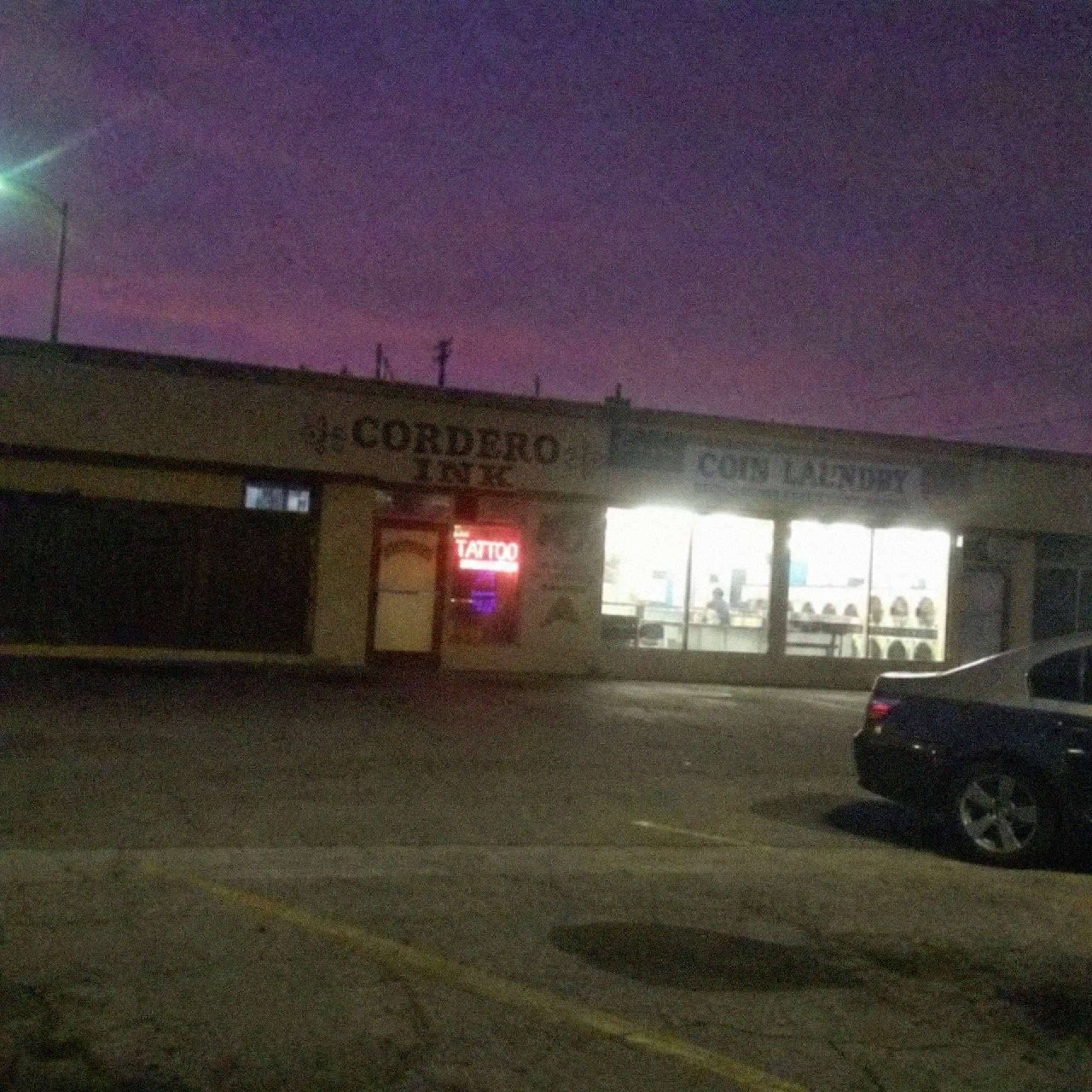
My son walked out my front door in 2011 and disappeared into the streets. A shelter in Fresno told me he was dead… Last month a 34 year old man walked into my tattoo shop, sat down in my chair, rolled up his sleeve, and asked me to cover the tattoo of my own initials I'd put there when he was 20. The tattoo with the tremor in the M. I asked him where he got it. He said his father did it, in the back of a shop in Long Beach, right before everything fell apart. I put the needle down. A tattoo artist learns to read the skin of a man he has never met and know what he needs before he sits down. You look at the old ink, the scars, the way the muscle moves under the surface, and you know the story they are trying to tell. I spent 40 years reading skin and never once read my own son when he was asking me for help without saying it. I am Miles Cordero. Most people call me Miller. I run Cordero Ink, a small shop on a working class strip in Long Beach, California. There is a laundromat next door that always smells like bleach and hot dryer lint. There is a Salvadoran restaurant across the street that plays cumbia music loud enough to hear through my front window on Tuesday afternoons. I have been in this exact location since 1994. The neighborhood has changed 4 times since then. The rent has tripled. The kids who used to ride their bikes past my window are now bringing their own kids in for their first pieces. But the shop stays the same. I was born in East LA in 1963. My father ran a printing press. He came home every night with black ink permanently stained into the creases of his knuckles. My mother cleaned houses in Beverly Hills and took the bus 2 hours each way to do it. I left school when I was 15 to apprentice under Sal Menendez at a shop in Boyle Heights called Menendez Fine Line. Sal was a hard man who didn't talk much, but he taught me everything. He taught me how to tune a machine by ear, listening for the exact pitch of the hum to know when the voltage was right. He taught me how to pack color into the dermal layer so it stays bright for 30 years instead of fading to mud. Most importantly, he taught me how to run a single needle line. Line work is the hardest thing in this craft. Anyone can hide mistakes in heavy shading. But a single needle line is naked. You have to move a machine that vibrates 100 times a second at a consistent angle, consistent pressure, and consistent speed for 4 to 6 hours without wandering a fraction of a millimeter. Surgeons have magnification and teams of nurses handing them tools. I work freehand, leaning over an arm under a harsh fluorescent lamp, breathing shallow so my chest movement doesn't throw off my hand. My hands are my entire life. They are my identity. They are the only reason people walk through my door. I opened my own shop in 1985 when I was 22. Over the last 40 years, I have tattooed 4 generations of some families. I have done full sleeves on 200 people. I have tattooed bikers, lawyers, mechanics, and nurses. I have never taken a walk-in I did not want to take, and I have never put a piece of art on someone that I wouldn't wear myself. On the wall above my workstation, there is a framed photograph of me at 25, standing next to Sal. I am wearing a white t-shirt and smiling. Sal is looking at the camera like it owes him money. Inside a glass case next to that photograph sits Sal's original 1958 coil machine. The brass is tarnished. The coils are wrapped in old black tape. He passed it to me in 2003 when he died. I keep it locked in the case, but I look at it every single day before I turn on my own power supply. In 1987, I met Marisol at a lowrider show in Elysian Park. She was leaning against the fender of a candy apple red Impala. We got married in 1990. She was a hairdresser. She ran her own small salon 3 blocks from my shop. She had high, sharp cheekbones that made people stop talking when she walked into a room, and a loud, sudden laugh that filled up any space she was in. She wore a gold chain around her neck with a small cross on it. We had Danny in 1991. Danny grew up in the shop. He started drawing when he was 4 years old. He would sit in the corner on a rolling stool with a sketchbook and a set of pencils while I worked. He would watch the clients. He would watch my hands. He was quiet, always absorbing the room. He was going to apprentice under me when he turned 15. We had it all planned out. I bought him his first sketchbook when he was 7. I taught him how to draw a straight line without a ruler when he was 9. But when he was 14, he broke his arm skateboarding in an empty pool. It was a bad break. The bone came through the skin. The doctor at the emergency room prescribed Oxycontin for the pain. Danny liked it. He liked the way it made his brain quiet. He liked the way it made the world feel soft around the edges. Marisol saw it before I did. She saw the way his eyes looked glassy at dinner. She noticed the pills disappearing faster than they should have. I was too busy looking at the skin of strangers, too focused on my line work, to look closely at my own son. It took 6 years to lose him completely. We sent him to rehab 3 times. He would get sober for a stretch, come home, start drawing again, and then he would be out for a stretch. The stretches of being out got longer. The stretches of being home got shorter. In April 2011, Danny came home for the last time. He was 20 years old. He looked thin and exhausted. He had pawned Marisol's mother's ring for drug money. We had a fight that night. A bad one. I said things a father should never say. I told him he was killing his mother. I told him he couldn't sleep under my roof if he was using. He packed a bag, walked out the front door, and disappeared. No calls. No letters. Nothing. We hired a private investigator in 2012. He traced Danny to Portland, then to Sacramento, then nothing. He said Danny was living on the streets and did not want to be found. He said that when a person wants to disappear into that world, they disappear. Marisol never recovered. She kept a plate for Danny at Christmas every year. The grief hollowed her out. She was diagnosed with breast c*ncer in 2013. The doctors said it was aggressive, but I always believed it was the grief that finally broke her immune system. I spent the next 2 years taking care of her. I cut my hours at the shop. I sat by her bed. Her last words to me were about Danny. "Find him," she said. "Forgive him. Forgive yourself." She died in 2015. She was 51 years old. I never found him. I stopped looking in 2017, after a shelter in Fresno told me a man matching his description had died of an overdose that winter. They could not confirm it. I decided to believe it, because believing it hurt less than hoping. I have not been on a date since. I live alone in our small stucco house 15 minutes from the shop. The house is too quiet. My only company is a 12 year old rescue pit bull named Peso, who sleeps at the foot of my bed and follows me from room to room. I walk to the shop 6 days a week. I open the door, turn on the lights, and I work. After Danny disappeared, and then Marisol died, I stopped being careful about anything. I ate what was easy from the drive-thru. I drank warm Modelo in the shop after hours while I cleaned my tubes. I stopped seeing my doctor. I had already lost the only things that mattered to me. I became the guy in the chair. Not Miller. Not a husband. Not a father. Just the guy in the chair. I haunted my own shop. Stayed alive out of habit, not intention. I have not seen a doctor since 2016. Then came a Tuesday afternoon in mid-October. The shop was quiet. My apprentices were off for the day. I was sitting at my station, prepping my tray, wiping down the stainless steel surface with alcohol. A man walked in. He was 5'11", clean shaven, wearing a black t-shirt. He had sleeves of tattoos on both arms, all heavy coverups with dark shading. He wore a gold chain around his neck. I recognized the chain instantly. It was the gold chain Marisol had given Danny when he turned 13. He had a small crescent scar under his right eye. He stood in the doorway, looking at the flash art on the walls, looking at the framed photo of Sal. He didn't say his name. He just walked over to my station and asked for a coverup on his forearm. I told him to sit in my chair. I pumped the chair up to the right height. I prepped his arm with green soap. I wiped it down with a paper towel and looked at the tattoo he wanted covered. It was the letters MC. I stared at the ink. I recognized the line work immediately. It was my own. But more than that, I recognized the specific, slight tremor in the second stroke of the M. That tremor was my signature from a very specific 3 week window in the spring of 2011. I had that tremor because I had not slept in 3 weeks while my son was coming apart in front of me. My hand had been shaking from exhaustion and fear. Nobody else in the world has that specific line signature. I have seen it in my own work a dozen times over the years, and I know exactly when it happened. I had put those letters on Danny's forearm 3 weeks before the fight. He had asked for my initials. He said he wanted to carry me with him. I thought it meant he was coming back to us. I looked up from the forearm. I looked at the man's face. I saw Marisol's high, sharp cheekbones. I saw my own stubborn jaw. I saw the eyes of the boy who used to sit in the corner with a sketchbook. "You're alive," I whispered. The words barely made it past my throat. Danny looked at me. His voice was soft, exactly the way it used to be. "Hi Dad," he said. I put the needle down on the stainless steel tray. My hands were shaking so hard I couldn't hold it. My chest seized up. The air left the room. We sat in the shop in absolute silence for 40 minutes. I couldn't speak. My brain could not process what my eyes were seeing. I had mourned this boy. I had decided he was dead because a stranger on a phone in Fresno made it easier to stop hoping. I finally stood up, looking at the tremor in the M one last time, locked the front door, flipped the sign to closed, and took him to the Salvadoran restaurant across the street. We sat in a dark vinyl booth in the back. Danny told me the whole story. He hitched a ride to Portland the night of the fight. He lived on the streets and used heroin for 3 more years. Shelters. Underpasses. A tent by the river through 2 winters. He knew we were looking. He saw the flyers the investigator posted at a shelter in Sacramento. He tore one down and kept it folded in his jacket for a year. He tried to call me twice from payphones. He dialed the number both times. He hung up both times before it rang. He thought he had already broken us. He thought that if he came back using, watching the relapse would kill Marisol faster than the silence would. So he waited to get clean first. But clean kept not coming. Then he read Marisol's obituary at a public library computer, 2 months after the funeral. He told me he sat at that computer and cried until a librarian asked him to leave. After that, he stopped trying to call. He kept punishing himself with the silence. He decided I was better off with a dead son than a homeless one. He was arrested in 2014 for possession. He was sent to a mandatory recovery program in Oregon. He finally got clean. He fought through the withdrawals and he stayed clean. He went back to school. He became a social worker in Long Beach, helping kids coming out of the foster system. He met a nurse named Talia in group therapy in 2016. She had her own scars, but she was strong. They got married in 2018. They had a son named Miles Jr. in 2019. Named after the grandfather he had never met. He had been trying to work up the courage to walk through my door for 5 years. I sat in the booth listening to him. The cumbia music played from the kitchen. I couldn't eat my food. I just stared at his hands resting on the table. They were clean. They were steady. For 4 weeks after that Tuesday, we circled each other. I didn't know how to be a father to a 34 year old man I had already grieved as dead. I had been just the guy in the chair for too long. I didn't know how to bridge that gap. Danny didn't push. We met for coffee twice at a diner near the shop. We talked about safe things. We talked about the weather. We talked about the neighborhood changing. I couldn't bring myself to meet Talia and Miles Jr. yet. I was terrified. I was terrified that if I let myself love them, the universe would realize it made a mistake and take them away again. Danny understood. He waited. The signs started small. I dropped my keys unlocking the shop door one morning. Blamed the cold. A week later, I stopped halfway through a basic shading job because my wrist cramped. Told myself I slept on it wrong. Then one morning I was sitting in my truck in the shop parking lot when my phone buzzed. Danny had sent me a text message with a photo. It was Miles Jr. in a school play. He was dressed as a tree. He had thick glasses, messy hair, and a serious, focused expression that looked exactly like Danny at that age. I sat in my truck and stared at the photo for an hour. I am 61 years old. I look 71. My beard is gray, my face is lined, and my body feels heavy. I looked at the photo of a 6 year old boy who had been asking about his grandfather for 2 years. I realized in that moment that I had spent 14 years waiting to die. And now, I wanted to be alive. I wanted to be alive for him. In mid-November, I drove to Danny's small stucco house in Long Beach. I parked on the street. I walked up the driveway. My heart was hammering against my ribs. I knocked on the door. Talia opened it. She knew I was coming. She didn't smile. She didn't hug me. She looked at me with direct, assessing ER nurse eyes. She was measuring me, figuring out if I was going to hurt her husband again. She shook my hand firmly. "Come in," she said. I walked into the living room. It smelled like laundry detergent and coffee. Miles Jr. was sitting on the living room floor, drawing a bird with crayons on a piece of construction paper. I sat down heavily on the couch. Miles Jr. stopped drawing. He stood up and walked over to me. He looked at my tattooed arms, then up at my face through his glasses. "Are you my grandpa?" he asked. "Yes," I said. My voice cracked. "Do you draw?" "Yes. I draw all the time." He handed me his blue crayon and the piece of paper. I took the crayon. I leaned forward over the coffee table. I started to draw a bird next to his bird. I drew the head, the beak, the first wing. On the second wing, my hand shook. It wasn't a small twitch. It was a visible, undeniable tremor. The line went jagged across the paper. My fingers felt weak, like the signal from my brain wasn't reaching the muscle. Miles Jr. didn't notice. He just liked the bird. He smiled and took the paper back. I stared at my own hand resting on the coffee table. For half a second, I did not see my hand. I saw the hand of my old friend Freddie Ruiz, wandering over a drawing he used to do in his sleep. I will tell you about Freddie soon. All you need to know right now is that seeing his hand at the end of my own wrist scared me more than any doctor ever has. But Talia was standing in the doorway watching. She noticed. I saw her eyes drop to my hand, then back up to my face. She didn't say a word, but she knew. I started having dinner at Danny's house on Sundays. It was a slow integration. Talia was careful with me for the first 3 weeks, watching me closely, making sure I was stable, before she finally softened and started joking with me. Miles Jr. called me Grandpa immediately, without any adjustment period. To him, I was just the missing piece of the puzzle that had finally shown up. I brought Peso to one dinner, and Miles Jr. fell in love with the old pit bull, feeding him scraps under the table. Danny was quiet and observational. Recovery had taught him to watch and listen rather than react. He didn't talk about the 14 missing years unless I asked, and I asked very slowly. For 4 weeks, I learned who my son had become. I learned that he liked his coffee black, that he read history books, and that he was incredibly patient with his son. On a Saturday morning, Danny took me to a wetlands preserve near the coast. We walked along the dirt trails. Miles Jr. ran ahead, pointing at the water. He identified 12 different species of birds by sight. I had brought a small sketchpad in my jacket pocket. I sat on a wooden bench and drew each bird he pointed out. I hadn't sketched for pleasure in 10 years. My hand was shaky, and the lines weren't as clean as they used to be, but the drawings were still mine. Danny sat next to me on the bench, watching me sketch. "Dad," he asked quietly, "could I apprentice at the shop sometime? Just to be around?" "Yes," I said without hesitating. "Whenever you want." At Sunday dinner the next week, we were sitting around the table eating roast chicken. Miles Jr. kept looking at my tattooed arms. "Grandpa, can I get a tattoo when I grow up?" he asked, pointing his fork at my sleeve. "When you are 18," I told him seriously. "And I will do it if I can." Danny looked up from his plate. He looked right at me. I didn't walk the statement back. I meant it. Then came a Sunday in early December. I was in the kitchen helping Talia. She was cutting vegetables at the counter. The kitchen was warm, and the radio was playing softly. I reached up to grab a heavy glass bottle of olive oil from a high cabinet shelf. I gripped the bottle with my right hand. As I pulled it down, my arm simply gave out. The muscle didn't cramp. It just quit. The strength vanished completely, like someone had cut a wire. The heavy glass bottle slipped from my fingers. It hit the tile floor and shattered with a loud crash. Thick green olive oil spread rapidly across the white tile, mixing with the shards of glass. Miles Jr. heard the crash and came running into the kitchen. He didn't see the spill. He stepped right into the spreading oil. His foot slipped out from under him instantly. He started to fall backward toward the broken glass. I lunged and grabbed his arm before he hit the ground, but I didn't have the strength in my hand to hold his weight. My grip failed. His knee hit the tile with a sharp, sickening crack. I dropped to my knees in the oil, ignoring the glass, trying to help him up. Miles Jr. started crying. Not badly, but he was scared. Talia was there instantly. She dropped her knife. She looked at my shaking hands covered in oil. She looked at my pale, sweating face. I saw her nurse eyes cataloging the failure. She saw the weakness. She had known for weeks, ever since the crayon drawing. "Miles," she said quietly, her voice perfectly calm. "Come here." She lifted him up easily, carried him to the sink, cleaned his knee, and put a bandage on it. Danny walked into the kitchen. I was still sitting on the floor in a puddle of olive oil, surrounded by broken glass, my hands shaking uncontrollably in my lap. I looked down at them and saw Freddie's hands again. Hands that used to be instruments, turning into strangers. "Dad," Danny said. I couldn't answer. I couldn't look at him. The shame burned in my chest. Danny walked over, ignoring the glass. He sat down on the floor next to me, right in the oil. He put his hand firmly on my back. Talia picked up Miles Jr. and left the room quietly, giving us space. "I am not losing you a second time," Danny said. His voice was thick. "Talk to me." "I know," I whispered. "I know." I saw Dr. Chen at the internal medicine clinic that Thursday. Talia had made the appointment and threatened to drive me there herself if I didn't go. They drew blood. I waited in the examination room for 20 minutes. When the results came back, Dr. Chen sat across from me with a clipboard. He looked concerned. "Your LDL cholesterol is 219," Dr. Chen said, tapping the paper. "Your blood pressure is dangerously high. Your lipid profile is a mess. I want to put you on atorvastatin immediately. 10 milligrams a day to start." I sat there on the crinkly paper of the exam table. I didn't hear his lecture about cardiovascular risk. I was remembering Freddie Ruiz. Freddie was a legend in the LA tattoo world. He ran Ruiz Ink in Highland Park from 1978 until 2022. He defined a whole generation of West Coast black and grey style. He was the guy everyone wanted to be. I apprenticed with him for 6 months in 1984 before I opened my own shop. He was my older brother in the craft. He had hands like a machine. In 2021, Freddie had a small cardiac event. It wasn't a full heart attack, just a warning. His cardiologist put him on rosuvastatin, the generic for Crestor. Within 14 months, Freddie's line work started to wander. He developed a specific micro-tremor in his right hand. In tattooing, a micro-tremor is a career-ending sentence. You can't fake a straight line. He tried to push through it for another year. He ruined a few pieces. He started refusing complex jobs. Finally, he sold the shop to his apprentice in 2022. Now, Freddie sits at the front counter of Ruiz Ink 4 days a week. He greets clients. He tells stories about the old days. And he never touches a machine. Last Christmas, I drove up to Highland Park to see him. We sat in Ruiz Ink in the empty afternoon. The shop smelled like green soap and Dettol. Freddie was sitting at a drawing desk, trying to sketch a koi fish design with a pencil. He had drawn that exact koi 400 times over his career. It was muscle memory. I watched his hand. The lines were wandering. His hand was working, but the confidence was entirely gone. The precision was destroyed. Freddie set the pencil down on the desk. He didn't throw it. He just set it down gently. He looked at me. "I could do this in my sleep for 40 years, Miller," he said. "Now I cannot do it awake." He didn't cry. I didn't cry. We just sat there in the quiet shop, looking at the ruined drawing. That is what I saw when Dr. Chen prescribed atorvastatin. I saw Freddie setting the pencil down. I saw my own hands betraying me. "No," I told Dr. Chen. He blinked. "Mr. Cordero, an LDL of 219 is extremely dangerous. With your age, and with your family history of heart disease..." I knew my father died of a heart attack at 64. But that wasn't why I was saying no. "You are at high risk for a major cardiac event." "No statins," I said. My voice was hard. "You need to understand the risk you are taking," he argued, leaning forward. I stood up. I put my jacket on. I walked out of the room while he was still talking. For the next 3 months, I changed my life. I was determined to beat the number on my own. I walked Peso for 2 miles every morning before the sun came up. I drank water instead of Modelo in the shop. I threw out the fast food. I ate grilled fish, broccoli, and oatmeal. I did everything right. I felt like I was doing the work. I went back to the clinic for second bloodwork. Dr. Chen looked at the results. LDL: 211. Down 8 points. 3 months of discipline, 3 months of miserable diets and sore knees, and it was a rounding error. It meant nothing. Dr. Chen pushed the pills again. He said lifestyle changes weren't enough. He said my genetics were fighting me. I refused again. I walked out again. I walked out to my truck in the clinic parking lot. I sat in the driver's seat. If I take the pills, my hands go. I lose the only thing I have ever been good at, the only reason people walk through my door. If I don't take the pills, my heart goes. And I lose the son I just got back, and the grandson who just asked me to draw a bird. I gripped a steering wheel I wasn't sure I'd be able to hold next year either way, and felt the walls close in. I drove to Danny's house that evening. We sat on the porch. He asked how the appointment went. I told him the number was still high. He asked what I was going to do. "I don't have an answer," I said. We sat with that in the dark for a while. The next night, a Thursday, Priscilla Mendoza came into the shop for her scheduled piece. Pris is a retired ER nurse. She spent 32 years pulling people back from the edge at Long Beach Memorial. I have been tattooing her since 2003. She started with a small memorial piece for her sister, and she comes back every year for something new. Her arms and back are my slow canvas. She is tough, smart, and she trusts me more than she trusts most doctors. Her appointment was after hours, a small piece on her clavicle. I had been hiding my shaking hand for 3 weeks, gripping the machine tighter, bracing my elbow against my ribs. Pris sat in the chair. I prepped her clavicle with alcohol. I dipped the needle in the black ink. I took a breath, held it, and started the line. My hand shook. The needle wavered against her skin. I stopped immediately and pulled back. Pris looked at me. Her eyes were sharp. "Miller," she said. "Turn off the machine. Sit down. We need to talk." I didn't argue. I turned off the power supply. The hum of the machine died. I sat down heavily on my rolling stool. I told her everything. The 219. The statin. The 3 months of grilled fish that bought me 8 points. Pris stood up. She walked over to the front counter and pulled a blank client waiver form off the stack. She grabbed a black Sharpie from my tray and sat back down in the chair. "Miller, I have seen people with perfect numbers have the worst outcomes," she said. "32 years in that ER. I worked the night shift for 19 of them. I lost count somewhere around 300 cardiac arrests. You know what half of those people had in common? Controlled cholesterol. Statins in their medicine cabinets. Perfect numbers on their charts. LDL under 100. And I'm doing compressions on them at 3 in the morning while their lab reports sit at home saying everything is fine." She tapped the Sharpie on the paper. "Your doctor is looking at the wrong thing, Miller. The number is not what kills you. LDL is a transport molecule. Your body makes it on purpose." She drew a circle on the back of the waiver form. "This is the LDL particle," she said. "When oxygen attacks the fat in your bloodstream, it rusts it. Same word as rust on an old fender. Rusted cholesterol turns sticky. It burrows into the artery wall. It is the same reason a bad ink rejects out of the skin. It never belonged there in that state." She drew jagged, rusted particles packing tightly into the layers. "Layer over layer for years," she said. "One day a chunk breaks off. The artery jams. Heart attack. That is the whole thing." She looked at me straight. "The number your doctor watches counts how much cholesterol you have. It says nothing about how much of it has already gone brown. You can have a beautiful number and rusting arteries in the same body." I told her about Freddie. About the pencil. About the koi. She nodded slowly. "His numbers were perfect on that pill, weren't they. And the rust was building the entire time. His doctor was reading the cover of the book. Nobody ever read what was inside." She drew a wheel with arrows chasing each other. "The body reads the rust as damage," she said, tapping the wheel. "It sends more cholesterol to patch it. More cholesterol means more surface to rust. More rust means more damage. It is a wheel chasing its own tail. Round and round. Your pill only chops the fat count down. It never touches the rust that keeps spinning the wheel. It scabs the tattoo without treating the infection underneath." She leaned forward. "Miller. That production line the pill closes in the liver, it makes cholesterol, yes. But it also makes CoQ10. The thing every muscle burns to work. Especially fine motor muscles. Especially your right hand at the machine. Same switch. That is what happened to Freddie. That is what is starting in you. Your line is not aging. Your line is starving." She drew a new circle next to the artery. "There is a category of pigment called betalains. They are the deep crimson pigment inside the beet. Not just a color. An antioxidant that does 2 things nothing else does." She pointed the Sharpie at me. "Most antioxidants are a carpet bomb. Betalains are a smart missile. They target only the exact reaction that turns cholesterol rancid and leave the rest alone. And they actually get inside the LDL particle itself. Folded right into the cholesterol particle where the rusting starts. A statin can't reach in there. Fish oil can't. Nothing on a shelf can. Betalains go in and stop the rust at the source." She set the Sharpie down. "And they do all of this without touching the CoQ10 production line. So they stop the rust the pill ignores, and they leave the spark the pill drains. Stop the rust. Leave the spark." She folded the waiver. "That's what I know. Do what you want with it." I nodded. I wasn't sure I believed her yet. I went home and looked up betalains. The research was real. The next day I drove to a health food store on Redondo Avenue. I figured a beet was a beet. I bought a jar of generic beetroot capsules off the shelf. I also figured the capsules would do what the diet couldn't. I stopped being as strict. A few Modelos after work. A burger without thinking about it. I told myself it didn't matter now that I was taking the thing that actually addressed the problem. I took them every morning for 4 weeks. I actually felt a small energy lift. The afternoon fog cleared up slightly. My line work at the shop started to feel a little steadier. I thought I had figured it out. I thought I had beaten the system. At the end of the month, I drove to a walk-in lab and paid cash to check my numbers. I just wanted the proof. The nurse handed me the printout. LDL: 214. It was slightly worse. The grocery store beetroot had done absolutely nothing to fix the problem. The rust was still building. I walked out to the parking lot. I sat in my truck. On the passenger seat was a drawing Miles Jr. had sent me through Danny the day before. It was a hummingbird, colored in bright blue and green. Across the top, he had written "For Grandpa" in uneven, wobbly letters. I stared at the drawing. My throat felt tight. I could not tell Danny this number. He had come back to me. He had trusted me. He had already lost his mother while he was gone, without a chance to say goodbye. And now I was going to be the person who takes the second parent away. Only this time he would have to watch it happen. The shame of it made me want to disappear. The next time Pris came into the shop, I pulled the bottle out of my drawer. "This doesn't work," I told her. She took the bottle. Looked at the label. She shook a capsule into her palm and twisted it open over my paper towel dispenser. A dull, brick-brown powder spilled out. "Look at that color," she said. "You know pigment better than anyone in this city. Is that pigment alive or dead?" "Dead," I said. "Dead. The real pigment in a beet is deep crimson, almost violet. That pigment is the whole medicine. This was spray dried at high heat because it is fast and cheap. You have been swallowing red dust for a month. And it is the wrong beet anyway. They bred that beet for sugar for 100 years. Sweeter, bigger, cheaper to ship. Every generation bred for sugar breeds the medicine down. Candy, not medicine." "But I felt something," I said. "You did. Even weak beetroot moves your blood a little. That is the fastest thing a beet does, and it is how the cheap ones fool you. You feel a little lift and think it is working. Meanwhile the real problem never got touched. The feeling is not the proof, Miller. The lab sheet is the proof. You already have your proof. It says 214." I reached into the top drawer of my workstation. I pulled out Marisol's wooden rosary. I held the beads in my lap. I hadn't held them in 3 years. Pris saw it. She didn't comment. She just grabbed a blank client waiver form and a black Sharpie. She wrote 4 criteria on the bottom of the waiver form. "Strain," she wrote. "Must be Blutwurzel. Old Amish seed line from Lancaster. Not the sugar beet. Grocery beet is candy. Blutwurzel is medicine." "Drying," she wrote next. "Shade dried. Heat kills the pigment. Same reason you never heat sterilize the wrong way. You destroy what does the work." "Dose," she wrote. "1,300 mg per capsule. Not a fraction hidden inside a proprietary blend." "Lab report," she finished, underlining it twice. "Outside lab, actual batch, published. You would not accept a jar of ink from a supplier who would not tell you what pigments are in it. Same principle. The clinical study from Wageningen University showed a 15-point drop in 12 weeks. That is the proof you look for." Pris handed me the waiver. "Cross reference it yourself," she said. "Do not trust me. Trust the sheet." I folded the waiver carefully. I put it in the drawer next to Marisol's rosary. I drove home that night. I sat at the kitchen table with Peso sleeping at my feet. I opened my laptop and cross referenced every beetroot brand I could find against Pris's 4 criteria. The Redondo health store brand was the wrong strain. It was a sugar beet. The Amazon options were all heat processed, spray-dried into red dust. The proprietary blends hid the dose. ROSABELLA kept coming up. Blutwurzel strain. Shade dried. 1,300 mg dose. Independent lab report published right on the site. Four for four. I ordered it immediately. More expensive than the health store brand. Didn't care. They had a buy 3 get 3 free offer running, so I bought 6 bottles. The box arrived on a Wednesday. I was at the shop early, before hours. I took a bottle out of the box. I took one capsule out of the bottle. I held it over the small, mirror-polished stainless steel prep tray I use to lay out sterile needles. I twisted the capsule open. A deep crimson pigment fell onto the steel. It was almost violet. It looked nothing like the brown dust I had bought at the health food store. I let a single drop of water fall from my finger onto the powder. It bled red across the tray instantly, exactly like ink coming out of a freshly loaded machine. I have been putting ink on skin for 40 years. I know what alive pigment looks like. This was alive. I took 2 capsules with a glass of water. I sat down in my own tattoo chair. I looked at the clock on the wall. SEVENTEEN MINUTES LATER, I felt it. It started as a warmth moving slowly down my arms, into my elbows, down to my wrists. Then the heavy, dull static behind my eyes began to thin out. It felt like someone had found a dimmer switch in the shop and slowly turned the lights up in a room I didn't even know had gone dim. This was not the cholesterol benefit. That takes weeks and shows up on bloodwork. This was blood moving easier. This was oxygen reaching muscles that had been starving for it. The days began to accumulate. I unlocked the shop door without dropping the keys. I finished a full shading job without my wrist cramping. My line work steadied. The micro-tremor faded. On a Saturday, I did a full 5 hour black and grey session on a longtime client. My hand held the whole way. I didn't have to stop. I didn't have to brace my elbow. I won't pretend the capsules did all of it. I'd been walking Peso every morning for months. Eating right. One thing feeds the next. But I'd done all of that for 3 months before, and my hand still shook over a child's crayon drawing. Something turned. At week 4, I drove back to the walk-in lab. LDL: 168. The rust was stopping. The numbers were moving. At week 6, I got full bloodwork done with Dr. Chen. He walked into the exam room with his laptop. He looked at the screen. He frowned, scrolled down, and looked again. LDL: 152. Dr. Chen looked up at me. "Something changed," he said. "I found something that worked," I told him. He didn't push the statin. He closed the laptop with a soft click. "Whatever you're doing, keep doing it," he said. "These numbers are heading in the right direction." It was a Sunday. I drove straight to Danny's house for dinner, the printout folded in my jacket pocket. I walked into the kitchen. Talia was cutting vegetables at the counter, the radio playing softly. "Miller, can you grab the olive oil?" she asked. The high cabinet shelf. The heavy glass bottle. I reached up with my right hand, gripped it, and pulled it down. My arm didn't give out. The muscle held. Steady and strong and mine. Not borrowed. Not conditional. Mine. I set the bottle gently on the counter next to her cutting board. She stopped cutting. She looked at the bottle, then at my hand, then up at my face. Her nurse eyes were shining. Danny walked into the kitchen. I handed him the printout without a word. He read it. He read it again. "Dad," he said. His voice cracked. "Okay. Okay." "I want to do something," I told them. "For Miles Jr.'s 7th birthday next month. I want to draw him a bird in the shop. My chair, my machine, the real ritual. No needle, no ink. Just my hand and a skin marker, the way Sal tested every apprentice. And when he is 18, if he still wants it, I will trace it for real. Only if you two say yes." Danny looked at Talia. "Only you," Talia said, her nurse eyes finally soft. "Nobody else touches him." I nodded. We spent 4 weeks building up to Miles Jr.'s 7th birthday in mid-February. It was a Saturday afternoon. I closed the shop to the public. I pulled the blinds. Danny was there. Talia was there. Peso was sleeping in the corner under the flash art. Miles Jr. was sitting in my chair, pumped up to the highest setting so he was exactly at my eye level. I had set up Sal Menendez's original 1958 coil machine on the workstation next to my modern rotary machine. Not to use, but as a witness. Sal was watching. Marisol was watching. Miles Jr. had drawn the bird he wanted. A small hummingbird, single line, no shading. He wanted it on his forearm, just below the elbow. It was the exact same spot on the forearm where Danny's MC tattoo used to be, right over where the tremor in the M used to sit. I prepped the arm with green soap, the full ritual, exactly the way I would for any client. "Grandpa, will it hurt?" Miles Jr. asked, watching my hands. "Not this one," I said. "This one is just you and me." "Okay." I stepped on the pedal of the empty machine so he could hear it. The low, steady hum filled the quiet shop. Then I set it down, picked up the sterile skin marker, and gripped it the way I have gripped a machine for 40 years. My hand was perfectly steady. I ran the line. Single stroke, freehand, no ruler. It took 12 minutes total. There was not a single wavering line in the drawing. My hand moved with the confidence of 40 years of reading skin. Sal used to say an artist's whole life shows in one unbroken line. Every line I had run for 40 years was practice for this one. When I finished, Miles Jr. looked down at his arm. "That is the best bird," he said, smiling huge. Danny was standing against the wall, crying silently. Talia was holding his hand, leaning her head against his shoulder. I looked at my own hand. It was steady. It was strong. It was mine. I am not just the guy in the chair anymore. I put the marker down next to the machine. 11 years from now, when he turns 18, I plan on picking that machine up for him. Both of these hands will be ready. The tremor in the M told the story of the worst 3 weeks of my life. The line on my grandson's arm, in the exact same spot, tells the other one. No tremor in it anywhere. The doctor watches the chart. The people who love you watch the man. Freddie's doctor saw perfect numbers while the whole shop watched Freddie set the pencil down. Talia saw my hand shake over a child's drawing, and she was the one who was right. If you have watched someone you love fade behind a perfect lab report, or if you are watching your own hands lose the spark they need to work, trust what you see. The numbers don't show the rust. Rosabella supports the body where it needs it most. It helps fight the rust from the inside out, without draining your spark. 2 capsules. 1 glass of water. The proof that you got the real thing comes today. https://track.tryrosabella.com/bfcb877b-9f52-4175-9be6-9bc1a89ce3a8 - Miles "Miller" Cordero P.S. Pris told me something important after that first lab result came back at 168. She said the wrong fight is arguing with a doctor about a number on a chart. The right fight is stopping the actual rot the number doesn't measure. Rosabella fights the right fight. They offer a 90-day money-back guarantee, which means you have absolutely nothing to lose except the plaque that is quietly building in your arteries while you wait. P.P.S. You will feel it in the first 20 minutes. Not a jolt, but a quiet shift. Warmth moving down your arms. The lights coming up in a room you didn't even know had gone dim. Let me be clear: that is not the cholesterol benefit. Cholesterol takes weeks to change and only shows up on bloodwork. What you feel that fast is much simpler. It is your blood moving easier. It is oxygen finally reaching places where it hasn't flowed in a long time. If the powder in the capsule is DEEP CRIMSON, you will know. P.P.P.S. I sent a bottle of Rosabella to Freddie Ruiz. Freddie didn't just throw his prescription away because a tattoo artist handed him a beet. He is smarter than that. He took what I gave him to his own doctor, showed him the independent research, and they made the call together while monitoring his blood. Coming off one of these pills on your own can be dangerous. Don't do it alone. Do it with the person who can monitor your blood while you transition. Freddie has been off the statin for a month now. His hands are still shaky. The damage was deep. But last Saturday, he picked up a pencil for the first time in a year. His hand still trembled, but he held it. I don't know if he will ever get all the way back to where he was. But I know he is holding a pencil again. P.P.P.P.S. For the women reading this. If your husband is the one with the high numbers and the doctor pushing pills and you are watching him resist and you don't know what to do, I want you to know that Talia is the reason I am alive today. Not because she found the capsules. Because she made me go to the doctor. Because she refused to let me hide. You might be the person who makes him go. You might be the person who hands him the glass. The rust works the same in women as it does in men. Rosabella isn't a men's product, it's a human one. If your own numbers are climbing, it's for you too. But if you are reading this for him, do what Talia did. Don't ask. Tell him. "Just take it. For me." P.P.P.P.P.S. Rosabella is a small company, and they sell out frequently. It is one heirloom seed line grown by Amish families in Lancaster County. It is hand-harvested once a year after the first frost and shade-dried slowly. You simply cannot scale a 150-year-old seed line the way you scale a commercial sugar beet. When a season's batch is gone, it is gone until the next harvest. They have a buy 3 get 3 free deal running right now. That is 3 months for you, and 3 months for the person you have been thinking about this whole time. If your bloodwork is coming up in 30 to 60 days, check their availability now. Every week you wait is another week of rust that didn't need to happen. https://track.tryrosabella.com/bfcb877b-9f52-4175-9be6-9bc1a89ce3a8
Support stamina and heart health every day
LEARN MORELike this ad? Make it yours.
Crush rebuilds this exact creative around your product — your brand, your colors, your offer — in about a minute.