
Inactive· since Apr 1, 2026
- 14
- days it ran
- 1
- relaunches
Ad copy
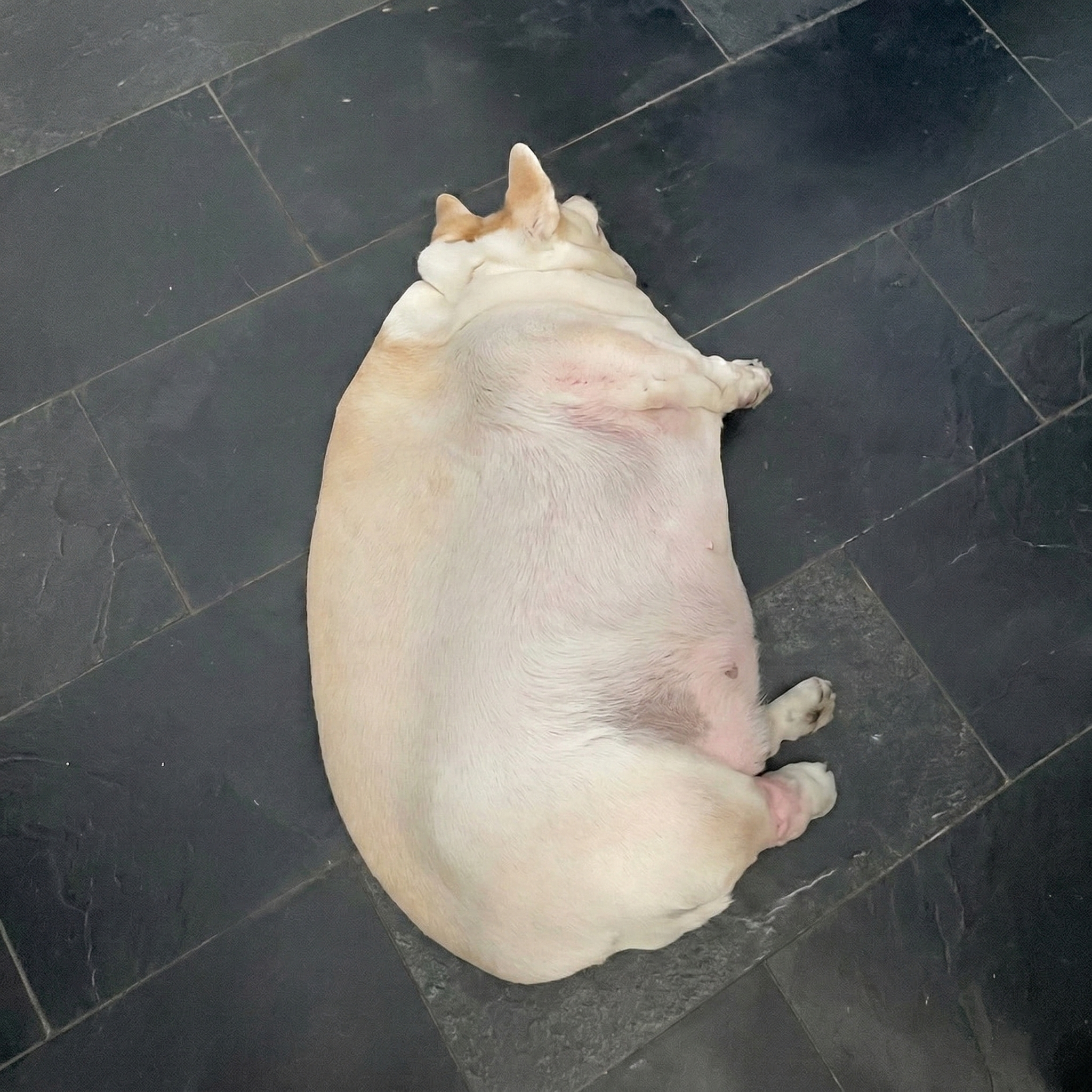
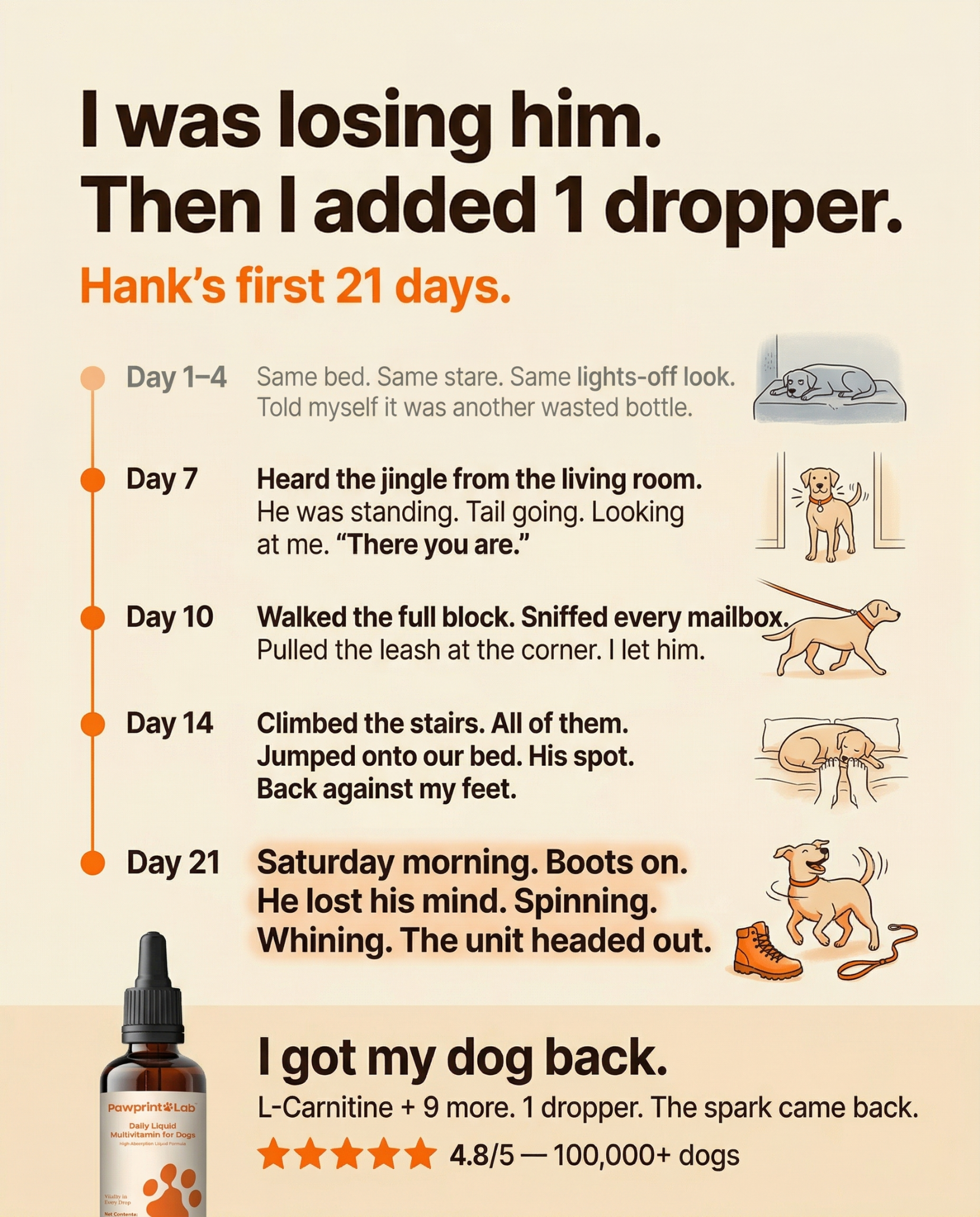
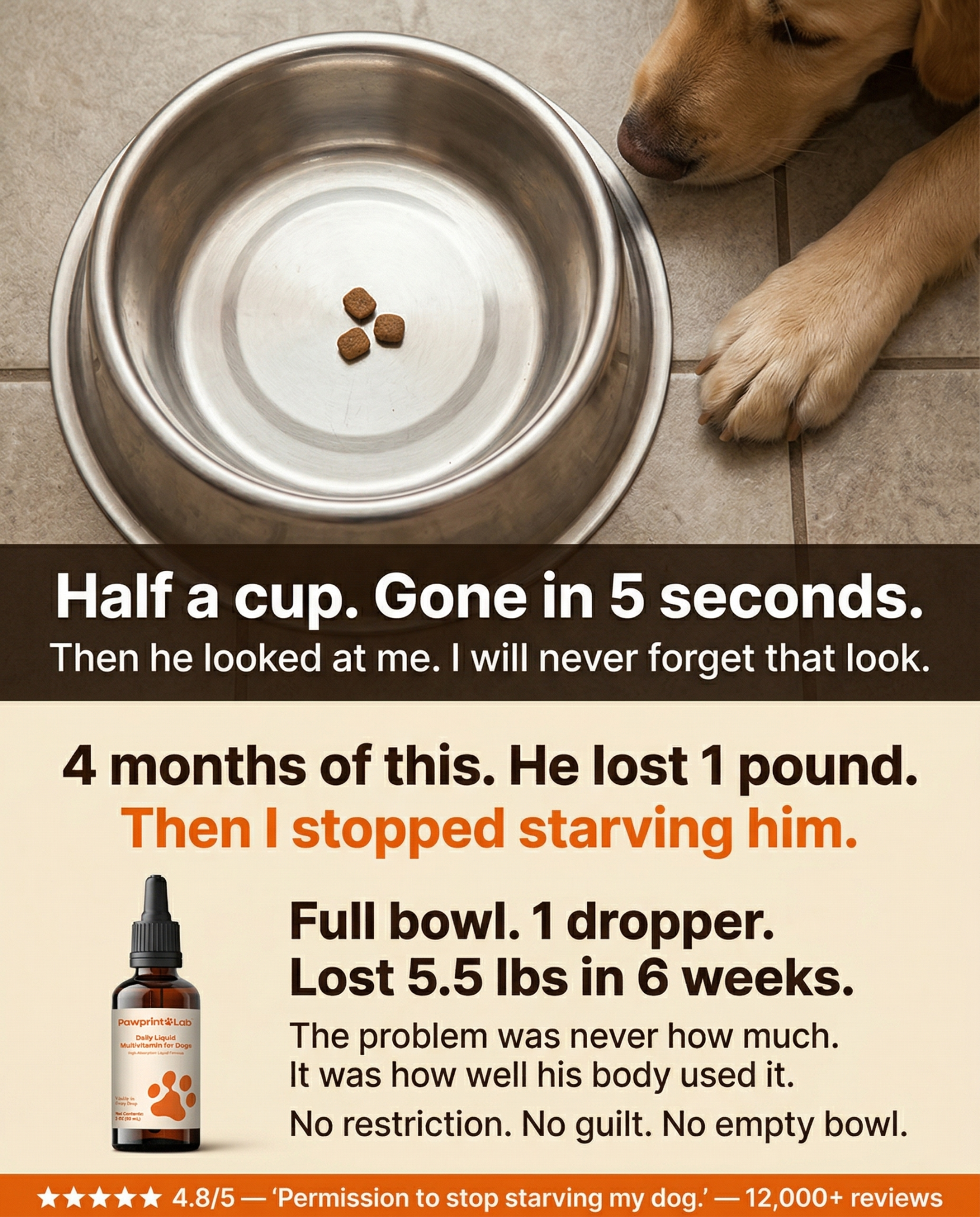
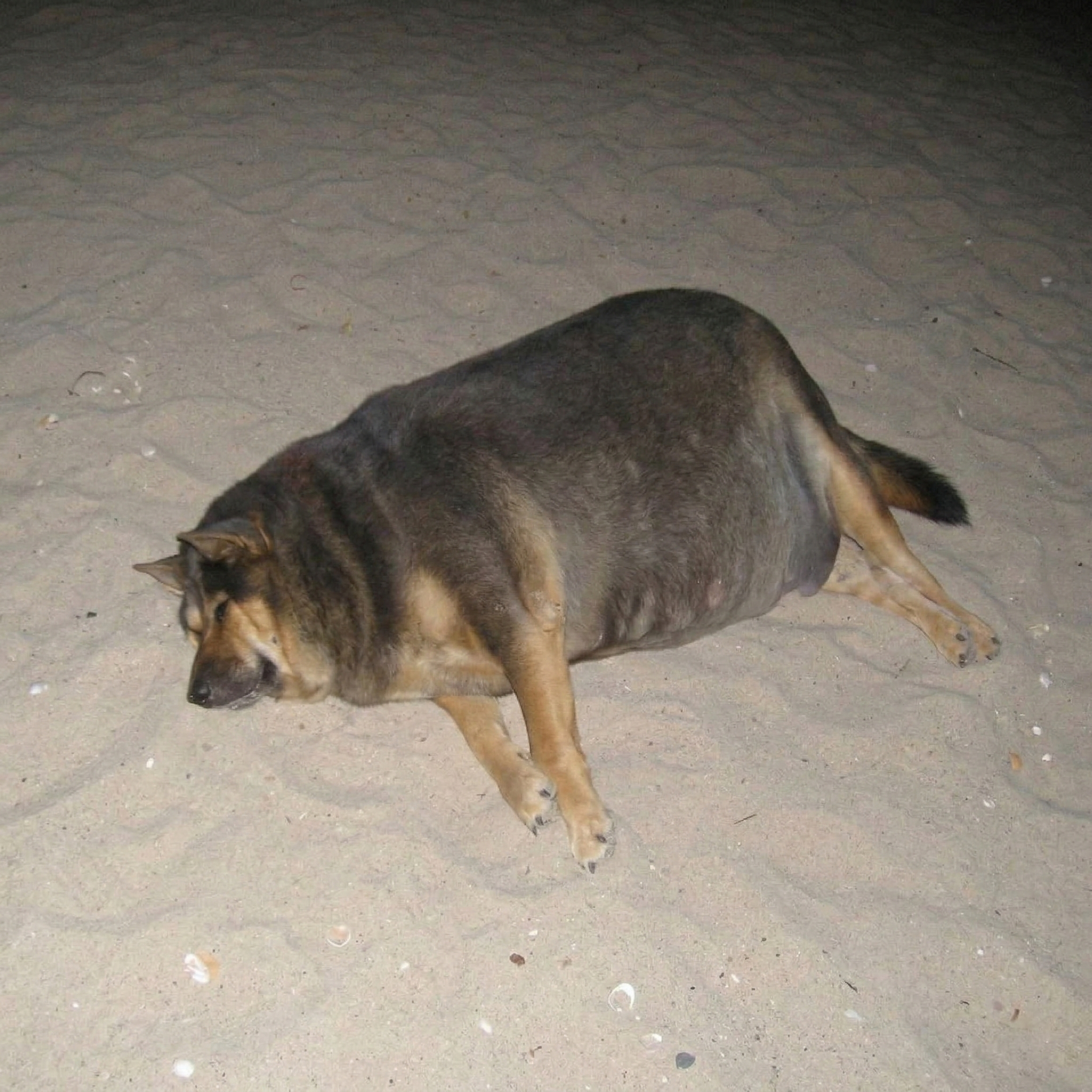
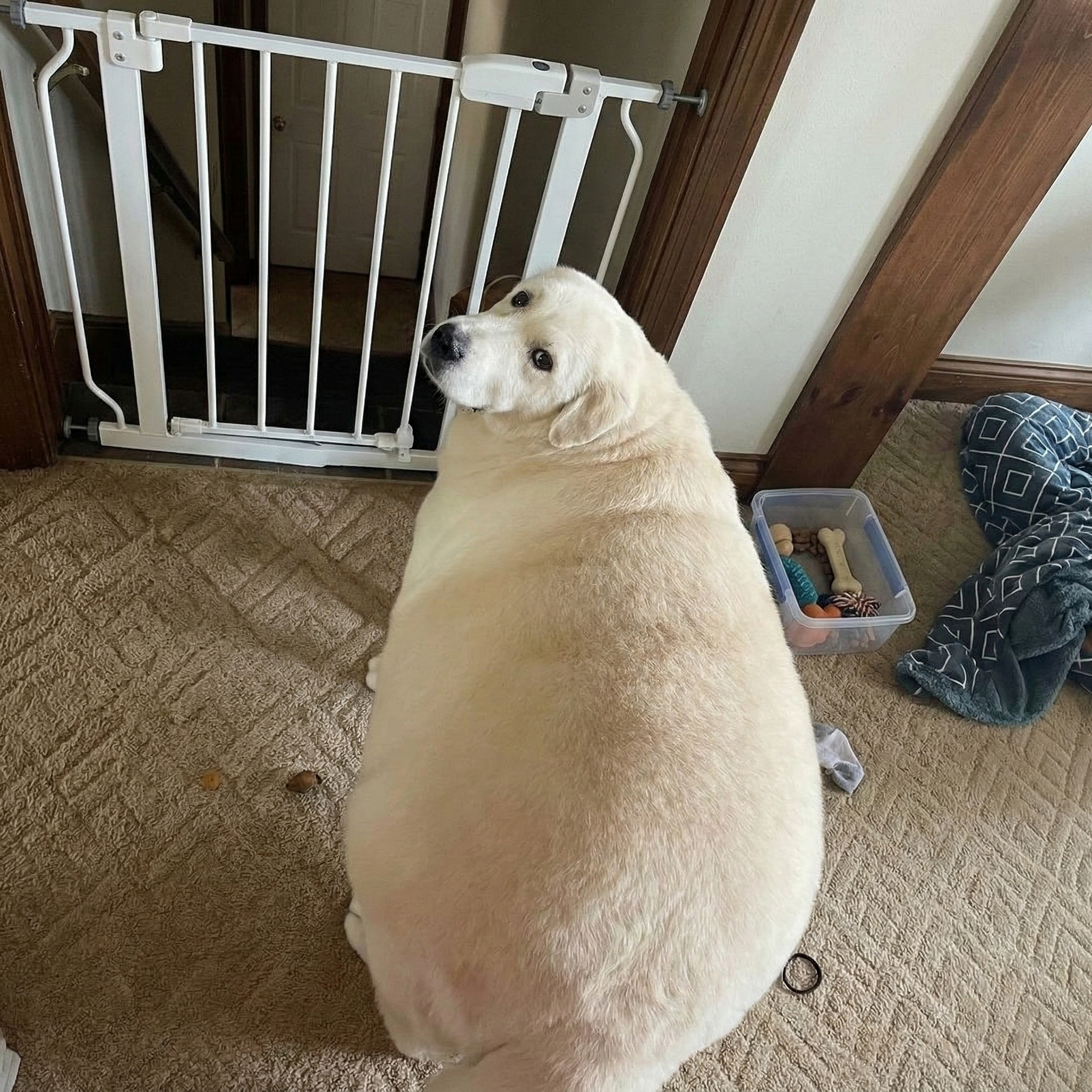
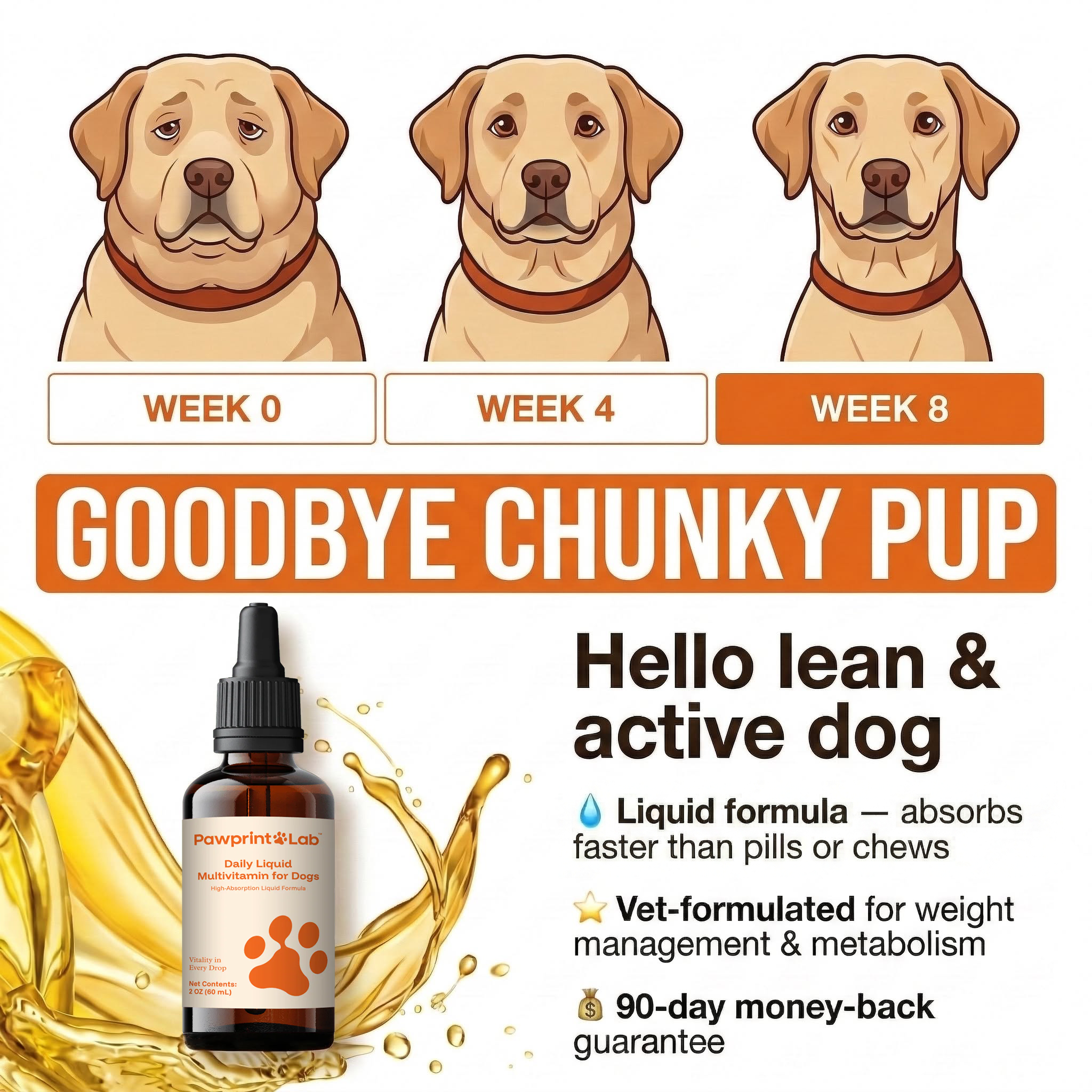
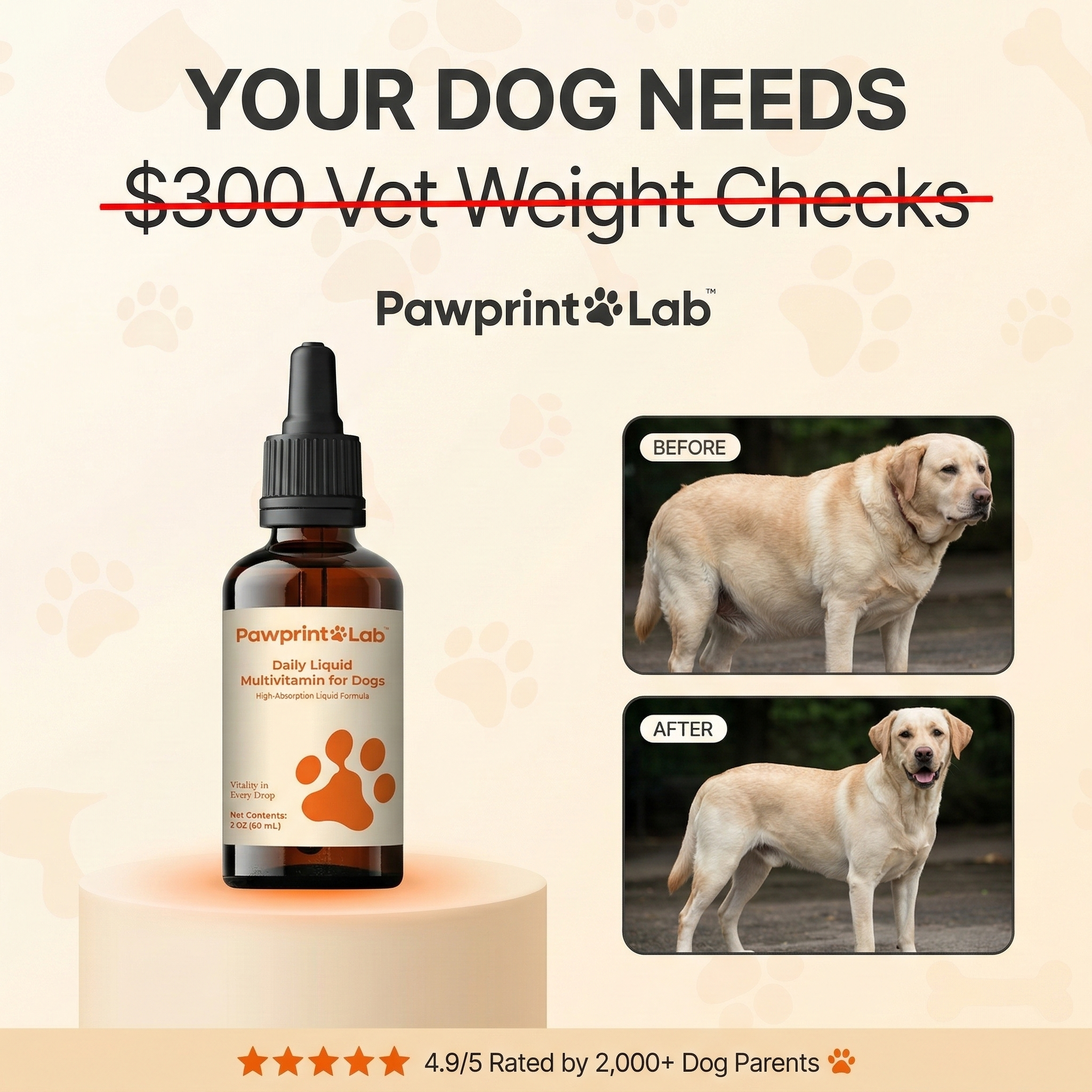
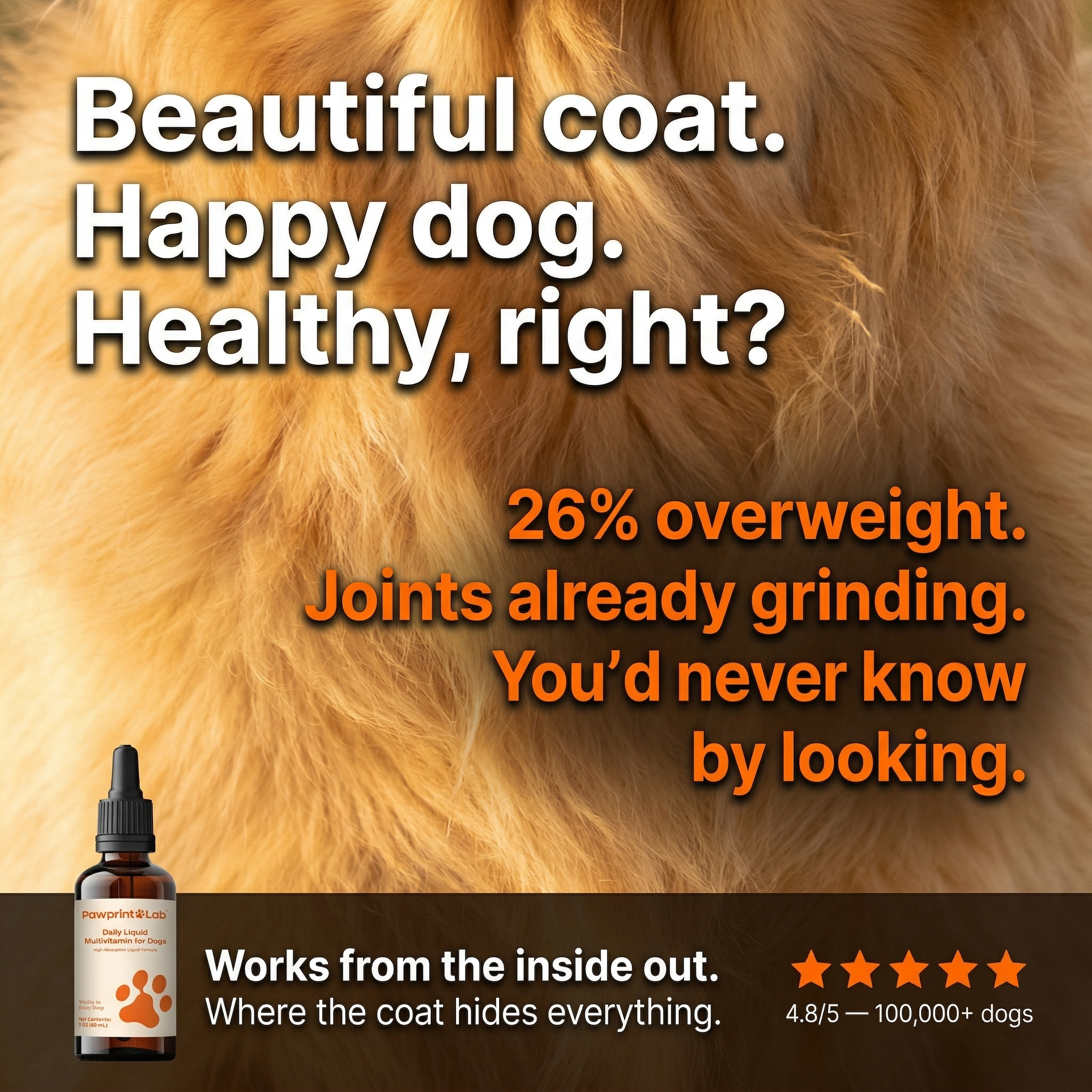
Forty percent of owners with overweight dogs think their dog is a normal, healthy weight, and I was one of them until a vet showed me what was happening inside my dog's body. It was a Friday afternoon in early March. I was at the vet for Biscuit's annual checkup. Routine. Quick. Nothing to worry about. He was sitting on the exam table, tongue out, tail thumping against the metal surface, looking like the happiest animal on earth. I wasn't concerned about a single thing. He looked great to me. Bright eyes. Beautiful coat. That thick, golden, fluffy chest that made every stranger at the park say, "Oh my God, he's gorgeous." I was scrolling my phone, half-listening, waiting for the usual: "He looks good. See you next year." The vet didn't say that. She ran her hands down his sides. Slowly. Pressing in. Then she stepped back and looked at him from above. Then from the side. "When was the last time you could feel his ribs?" she asked. I blinked. "I mean... he's fluffy. He's a Lab mix. He's barrel-chested. That's just how they're built." She shook her head. Not unkindly. But firmly. "He's not barrel-chested," she said. "He's overweight. He's sixty-three pounds. His ideal is around fifty. That's twenty-six percent above where he should be." I actually laughed. Not a funny laugh. A defensive one. The kind that comes out when someone says something that doesn't match the picture in your head. "He doesn't look overweight," I said. "He looks like a Lab." "That's the problem," she said. "Most Labs look like this. Most Labs are also overweight. We've normalized it. The fluffy coat hides the fat. The barrel shape hides the missing waist. Owners look at other dogs of the same breed, see the same body type, and assume it's genetic. It's not. It's weight." She pulled up a body condition chart on her tablet. Nine silhouettes. She pointed to number seven. "This is Biscuit. No palpable ribs. No visible waist. Fat deposits over the spine, hips, and tail base." She pointed to number five. "This is what a healthy Lab mix looks like. Ribs easily felt. Waist visible from above. Abdominal tuck from the side." I looked at the chart. Then at Biscuit. Then at the chart again. And for the first time, something shifted. The "barrel chest" wasn't a barrel chest. It was a layer of fat so evenly distributed under a thick, fluffy coat that it looked like body structure. The "sturdy build" I bragged about was padding. The "stocky" frame my husband loved was insulation hiding a dog who was thirteen pounds too heavy. I had been looking at my overweight dog every single day for years and seeing a healthy one. Because his coat was doing what fluffy coats do. It was hiding everything. That was the moment I stopped trusting what my eyes were telling me. For at least two years — probably longer — I had been in complete denial. And I don't say that lightly. I'm not a careless owner. I walked him every day. I bought quality food. I took him to the vet on schedule. I considered myself informed, attentive, responsible. But I was wrong. And I had all the clues in front of me. My mother-in-law said it once, about a year ago. "He's getting a little chunky, isn't he?" I smiled and said, "He's not fat, he's fluffy." It became a joke. We put it on his Instagram bio. "Not fat, just fluffy." My neighbor said something too. Not directly. She just looked at Biscuit one day and said, "Labs are such stocky breeds, aren't they?" I agreed. I didn't hear the question behind the question. Even my vet had mentioned it the year before. But she'd said it softly. "He could stand to lose a few pounds." A few pounds. It sounded like nothing. It sounded optional. I nodded and forgot about it by the time I got to the parking lot. Nobody pushed hard enough because nobody pushes hard enough. Vets are trained to be gentle. Friends don't want to offend. Family learns to stop bringing it up. So the denial stayed comfortable. And Biscuit stayed fat. And I stayed blind. But this visit was different. This vet was new. She was direct. And what she told me next is the thing I cannot unhear. She pulled up imaging on her screen. Not Biscuit's — she hadn't done X-rays yet. It was a reference image from a veterinary study. "This is what excess weight does inside a dog's body," she said. "You can't see it from the outside. The coat hides it. The personality hides it. But inside, the damage is already happening." She pointed to the joints. "Every extra pound multiplies into four pounds of force on the hips, knees, and spine. Thirteen pounds over means his joints have been absorbing over fifty extra pounds of pressure with every step. Cartilage is wearing. Inflammation is building. He doesn't limp yet because dogs are stoic. They hide pain. By the time you see limping, the damage is advanced." She moved to the next image. "The liver. Excess weight causes fat to infiltrate the liver. It's called hepatic lipidosis. It's silent. The liver still functions, but it's under stress. Over time, it leads to chronic dysfunction." Next image. "The heart. Extra weight means the heart has to pump harder to move blood through more tissue. Increased cardiac workload. Higher blood pressure. Shortened lifespan." She looked at me. "Studies show that overweight dogs live up to two and a half years less than dogs at a healthy weight. Two and a half years. That's not a statistic. That's every morning walk you won't take together. Every Christmas he won't be lying under the tree. Every time your daughter comes home from college and he's not at the door." I felt the room tilt. "But he's happy," I said. My voice was small. "He doesn't seem sick. He doesn't seem in pain." "That's what makes this so dangerous," she said. "Dogs don't show you the inside. They show you the outside. The wagging tail, the happy eyes — that's real, but it's not the whole picture. The joints are grinding silently. The liver is absorbing fat it can't process. The inflammation is building in every system. You'd never know by looking." You'd never know by looking. That sentence hit me like a truck. I had been bragging about how healthy my dog was. Posting photos of him on hikes. Showing off his "beautiful thick coat." And the whole time, his body was deteriorating behind the curtain of fur and personality that made everyone say "he looks great." I drove home in silence. Biscuit was in the backseat, tail wagging, oblivious. Looking "fine." Looking "healthy." Looking exactly the way he'd looked for years while his joints were compressing and his liver was straining and his heart was working harder than it should. I walked in the door and my husband said, "How'd the vet go?" "He needs to lose thirteen pounds," I said. My husband looked at Biscuit. Looked at me. "He's not fat. He's just a big boy." "That's what I said. I was wrong." So I did what the vet suggested. I switched to weight management food. Our kitchen became a graveyard of expensive bags I kept swapping in desperation. The "metabolic" formula with the clinical label and the thirty-six-dollar price tag. Lower fat, lower protein, higher fiber. He ate it grudgingly and lost nothing. The "healthy weight" blend my neighbor's golden retriever was also on. Also didn't work for her dog. Also didn't work for mine. The prescription diet from behind the vet counter. Forty-four dollars. Carefully portioned. He ate it like a prisoner eats cafeteria food — mechanically, joylessly, because there was nothing else. Three different diet foods over four months. Not a single pound lost. His coat — the fluffy, thick, gorgeous coat that had been hiding the weight this entire time — started thinning. Getting dry. Losing its shine. The irony nearly killed me. The very coat that had hidden the problem was now falling apart because the diet food was stripping the nutrients that maintained it. They all did the same thing. They cut calories. They added fiber to fake fullness. They reduced fat and protein. And his body responded the way every calorie-restricted body responds: it slowed down. It hoarded. It conserved. His metabolism didn't speed up. It crawled to a halt. He was eating less and keeping more. It was like trying to drain a bathtub by turning down the faucet while the drain was plugged. Less water going in, sure. But nothing going out. So I tried supplements. Everything the vet suggested and everything I found on my own. Glucosamine chews he bit in half and spit across the floor. Fish oil capsules he extracted from every hiding place with the surgical precision of a bomb disposal unit. A "joint and metabolism" soft chew that was eighty percent maltodextrin and glycerin with a dusting of actual ingredient sprinkled on top like confetti. A green powder from a pet wellness influencer that smelled like lawn clippings and that Biscuit ate around so skillfully he left a perfect green ring on an empty plate. They all failed the same way. He refused to eat them. Or they were so packed with filler and flavoring that the active ingredients were decorative. Or they were decent pills that got destroyed by stomach acid before they reached anything useful. It was like trying to mail medicine to someone by tossing it out a car window and hoping it landed on their doorstep. The intent was there. The delivery was a disaster. That night — four months into diet food that wasn't working, supplements that weren't absorbing, and a coat that was getting worse by the week — I sat at the kitchen table after everyone was asleep and opened my laptop. I didn't go to the forums. Every thread was the same: "My vet said he needs to lose weight but he looks fine to me." And every reply was: "Same. Labs are just big dogs." A support group for denial. I was done with it. I started digging into veterinary research. Not blog posts. Not pet magazine articles. Actual studies. Published data. I wanted to understand what excess weight does to a dog's body when you can't see it from the outside. I read until midnight. Then 1 AM. Then 2. And then I found a paper from a veterinary researcher that made me put the laptop down and stare at the wall. He wasn't talking about what weight looks like. He was talking about what weight does. Silently. Invisibly. From the inside out. He described excess weight in dogs as an "invisible inflammatory disease." Not a cosmetic problem. A disease. A chronic, progressive, systemic condition that attacks from the inside while the outside looks perfectly normal. Here's what he explained: Fat tissue isn't just storage. It's an active organ. It produces inflammatory compounds called cytokines that circulate through the entire body. The more fat, the more cytokines. The more cytokines, the more inflammation. Everywhere. Joints. Liver. Heart. Immune system. Skin. This inflammation doesn't announce itself. There's no limp. No cry. No visible sign. It just builds. Layer by layer. Day by day. The joints absorb four times the extra weight in force pressure. Cartilage grinds silently. By the time the dog hesitates at the stairs, the cartilage is already thinning. By the time the dog limps, it's advanced. The liver fills with fat it can't process. It still functions, but under increasing strain. By the time bloodwork shows liver values elevated, the organ has been compensating for months or years. The immune system diverts resources to fight the constant inflammation, leaving the dog more vulnerable to infections, allergies, skin issues. The hot spots that seem to come from nowhere? Inflammatory cascading. The dull coat? Nutrient diversion. The recurring ear infections? Immune suppression. All invisible. All happening behind a fluffy coat and a wagging tail. And here was the part that made me sick: He said the average owner doesn't recognize their dog is overweight until the dog is at least twenty percent above ideal weight. By then, the internal damage has been accumulating for months or years. The joints have already started wearing. The liver has already started straining. The inflammatory cascade is already entrenched. Forty percent of owners with overweight dogs believe their dog is a healthy weight. Forty percent. Four out of ten people looking at a fat dog and seeing a healthy one. I had been one of them. For years. And the thing that hid it? The coat. The "breed standard" excuse. The fact that every other Lab at the park looked the same. Collective normalization of a disease that was silently shortening my dog's life. But the paper didn't just describe the problem. It described the solution. And the solution was not diet food. Diet food cuts calories. That's all it does. It doesn't address the inflammatory cascade. It doesn't restart the stalled metabolism. It doesn't rebuild the joints already grinding. It doesn't repair the immune system already diverted. It strips nutrients while cutting fuel, which often makes the coat, skin, and energy worse — removing the very early-warning signals that might finally make an owner notice something is wrong. Diet food makes the invisible damage more invisible. The solution, the paper said, was metabolic intervention. L-Carnitine — a nutrient that works as a shuttle, carrying stored fat into the mitochondria where it gets burned as energy instead of stored. Without it, fat stays. Weight stays. Diet food can't force the body to burn fat it doesn't have the tools to process. Clinical research showed dogs supplemented with L-Carnitine lost significantly more body weight than dogs on calorie restriction alone. Anti-inflammatory support — Fish Oil, Turmeric — to quiet the cytokine storm that excess weight creates. The inflammation doesn't stop when you cut calories. It stops when you directly address it. Joint protection — Glucosamine, Chondroitin, MSM, Hyaluronic Acid — to feed the cartilage that's been silently grinding and give it the raw materials to stabilize before the damage becomes irreversible. Immune repair — Beta-Glucans, Zinc — to rebuild the immune system that has been diverting resources to fight chronic inflammation instead of protecting the dog from infections, allergies, and skin breakdown. Not one of these things. All of them. Together. Addressing the invisible disease from every angle at once. I stared at the screen. Then I looked at Biscuit, asleep on his bed, his thick coat puffed around him like a disguise. For years, I had looked at that coat and seen "healthy." Now I understood: the coat was a curtain. And behind it, every system in his body was under siege. We had been hiding behind his looks. We had been starving him with diet food that made the inside worse while the outside got just dull enough to maybe — finally — make me wonder. We had been throwing treat chews at a systemic disease like putting a Band-Aid on a bullet wound. Nobody had tried to fight the invisible fire. Nobody had tried to repair what I couldn't see. I felt a wave of guilt so profound it took my breath away. How long? How many months — years — had this been happening while I was posting "not fat, just fluffy" on Instagram? But right behind the guilt was urgency. Because the paper said something else: early intervention changes outcomes. The sooner you address the invisible damage, the more reversible it is. Cartilage can stabilize. Inflammation can cool. Liver fat can reduce. The cascade can slow, stop, and begin to reverse. But only if you act before the outside catches up to the inside. Once you can see the damage, you're behind. I started searching for something that could work from the inside out. I didn't want another bag of diet food that stripped nutrients while cutting calories. I didn't want treat chews packed with filler. I wanted something that could get inside his system and address the invisible disease directly — the fat his body couldn't burn, the inflammation building silently, the joints grinding without a sound, the immune system stretched thin. I learned that most chewable supplements don't survive the delivery journey. Chewed by teeth. Dissolved by stomach acid. Degraded through the intestinal wall. By the time anything useful reaches the bloodstream, the dose is negligible. You're buying a feeling of doing something. You're not actually doing something. I needed a delivery system that actually delivered. I found a small company called Pawprint Lab. I almost kept scrolling. A small amber bottle with a dropper. No flashy branding. No celebrity vet on the label. No transformation photos with dramatic lighting. But then I read the reviews. They weren't just saying "good product." They were describing my exact denial and my exact wake-up call. "He's not fat, he's fluffy. That's what I said for two years. I was wrong." "My vet never said anything. I had no idea he was overweight." "Stocky breed. Barrel-chested. Big-boned. All the excuses I made. This is what actually helped." "I was in denial. His coat hid everything. I wish I'd started this a year ago." Every single one was my life for the last two years. It wasn't a treat chew. It wasn't a powder. It wasn't another diet kibble with clinical packaging. It was a liquid formula. Ten active ingredients in one dropper. You squeeze it onto their food or directly into their mouth. It absorbs straight into the system — no pill casing to dissolve, no stomach acid gauntlet, no filler eating the space where real ingredients should be. L-Carnitine to restart the fat-burning shuttle that diet food can't touch. Fish Oil and Turmeric to fight the silent inflammation that excess weight produces inside every system. Glucosamine HCl, Chondroitin Sulfate, MSM, and Hyaluronic Acid to protect and rebuild the joints that had been grinding invisibly. Beta-Glucans and Zinc to repair the immune function that had been quietly diverted to fight the inflammatory cascade. Vitamin E to support the skin and coat from the inside. It worked from the inside out. Not from the outside in. Not by cutting calories. Not by adding fiber. By directly addressing the invisible disease that the coat, the personality, and the wagging tail had been hiding. I ordered a bottle. I didn't tell my husband. He still thought Biscuit was "just a big boy" and I didn't have the energy to explain invisible inflammatory disease at 2 AM. When it arrived three days later, I waited until dinner. Biscuit was at his bowl, eating his diet kibble with the dead-eyed determination of a dog who'd given up expecting food to taste good. I squeezed one dropper over his food and stirred it in. He sniffed. His tail moved. He dove in and cleaned the bowl in thirty seconds. First time he'd finished dinner enthusiastically in months. "Okay," I thought. "He's eating it. That's all I need right now." I didn't expect to see anything. You can't see inside a dog. That was the whole problem. The damage was invisible. Any repair would be invisible too. At least at first. Day one. Same dog. Same fluffy coat. Same happy face. Day two. Nothing I could detect. Day five. I almost didn't notice it. But Biscuit got up from his bed and walked to the door a little... faster. Not dramatically. Just a half-step quicker than usual. A subtle urgency that hadn't been there. I filed it away. Might be nothing. Might be everything. Day eight. My husband was petting Biscuit on the couch and his hand stopped. "Is he... thinner?" "I don't know," I said. "Do you feel ribs?" He pressed into Biscuit's side. His eyes widened. "I think I feel something. Under there. Under the fur." He did it again. So did I. Through the thick, fluffy coat that had hidden everything for years — I felt the faint outline of a rib cage. Not prominent. Not visible. But there. Under the disguise. For the first time. Day twelve. The coat. I noticed it in the morning sunlight. The dry, thinning patches that had appeared during the diet food months — they were filling back in. Softening. There was a sheen returning. A warmth in the fur that had been missing. The coat wasn't just looking better. It was telling me something. The nutrients that the diet food had stripped were being replaced. From the inside. Day fifteen. He did something he hadn't done in months. We were in the backyard. My daughter threw a frisbee. Not to Biscuit — to her friend. It sailed over their heads and landed near the fence. Biscuit ran. Not trotted. Ran. Across the yard, scooped it up, and brought it back. Tail going. Body wiggling. Eyes bright. My daughter screamed. "BISCUIT GOT THE FRISBEE!" My husband walked out, saw Biscuit standing there with the frisbee in his mouth, and looked at me. "Is this the thing?" he asked, pointing at the kitchen window where the amber bottle sat on the counter. "That's the thing." Day twenty-one. I took him to the vet. The new vet. The one who'd told me the truth. She ran her hands along his sides. "Ribs palpable," she said. She looked from above. "Waist emerging." She checked his tuck. "Abdominal contour improving." She checked his weight. He'd lost four and a half pounds. She looked at me. "What are you doing differently?" I showed her the bottle. She read the label. Turned it over. Read the ingredients. "This makes sense," she said. "The L-Carnitine for metabolic support. The joint complex for cartilage that's been under load. The anti-inflammatories. The liquid delivery." She paused. "Most owners do diet food and treat chews. This is actually addressing the systems." Then she said the thing that will stay with me forever. "The damage was invisible. The repair is too — at first. But you're seeing it now because the inside is finally catching up to the outside. His body is starting to work the way it should." The inside catching up to the outside. That's exactly what was happening. For years, the outside looked fine while the inside deteriorated. Now the inside was healing, and the outside was finally reflecting it. That was six weeks ago. He's lost almost seven pounds. You can feel his ribs now without pressing hard. There's a waist. An actual waist. The barrel shape is dissolving. Under the fluffy coat — which is now thick and shiny again — there's a dog-shaped dog emerging. The hot spots cleared up. The ear infections stopped. His energy is back — real energy, not manic energy. He walks the full loop. He chases squirrels. He brings the frisbee. He stands at the door when he hears my keys. Last weekend, my neighbor saw Biscuit in the yard and said, "Did you get him groomed? He looks amazing." I smiled. "No. He just lost weight." She looked confused. "I didn't know he was overweight." "Neither did I," I said. "That's the problem." I'm sharing this because I know there are thousands of dog owners right now looking at their dog and thinking, "He looks fine." I know your dog has a thick coat. I know your breed is "just built that way." I know your vet maybe mentioned it once, gently, and you nodded and moved on. But I need you to do something. Put your hand on your dog's side. Right now. Press gently. Can you feel individual ribs? Look at them from above. Is there a waist — a curve inward between the ribs and the hips? Look from the side. Does the belly tuck up? If the answer is no — if the ribs are buried, the waist is straight, the belly hangs flat — your dog is overweight. And you'd never know by looking. The coat is hiding it. The breed excuse is hiding it. Every other dog at the park who looks exactly the same is hiding it. But inside, right now, where you can't see: joints are grinding. The liver is straining. Inflammation is building. The immune system is stretched thin. And your dog's lifespan is quietly getting shorter while their tail keeps wagging. Stop waiting until you can see the damage. By then, you're behind. Stop relying on diet food that cuts calories while stripping the nutrients your dog needs to heal. Stop buying treat chews that are eighty percent filler and don't survive the journey to the bloodstream. Your dog needs intervention from the inside out. Not less food. Not more fiber. Real metabolic support, real joint protection, real anti-inflammatory action, real immune repair. This little amber bottle isn't magic. It's just... honest. It works where you can't see. Which is exactly where the damage is. If your dog "looks fine" but you've never checked their ribs... If you've been saying "he's just a stocky breed" without questioning it... If your vet once mentioned a few pounds and you let it go... You need to try Pawprint Wellness Protocol. Biscuit gets one dropper a day. My vet calls it "treating the inside before the outside tells you it's too late." I call it the truth I almost missed. Don't wait until the damage you can't see becomes the damage you can't fix. Click below to find out what's really happening inside your dog's body.
Like this ad? Make it yours.
Crush rebuilds this exact creative around your product — your brand, your colors, your offer — in about a minute.