Joshua Fanks
 Facebook ad: “Drop a follow or save this post for…”
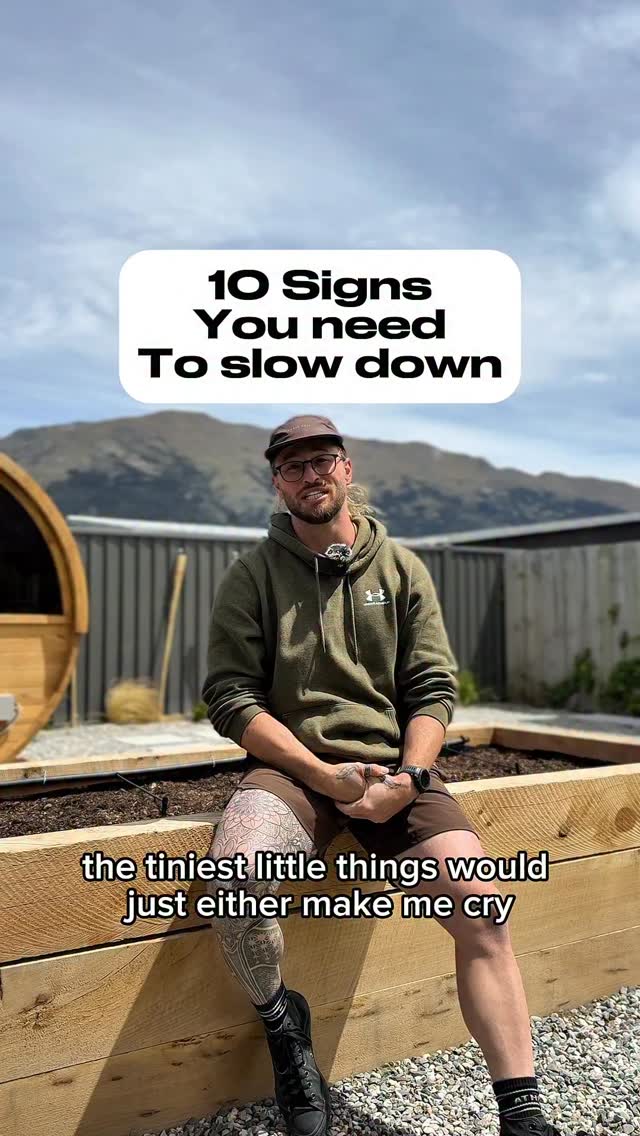
Running for 203 days since April 14, 2026. Crush last saw it on November 3, 2026.
Run by Joshua Fanks on Facebook. Crush is not the advertiser and does not verify its claims. See this ad in Meta's Ad Library(opens in a new tab)
Make your own version of this ad
Crush makes it, launches it in your own Meta ad account, scales the winners and pauses the losers.
About this ad
- Meta Ad Library ID
- 1469439424687596
- Platforms
- Facebook and Instagram
- Relaunches
- 2
Ad text
Drop a follow or save this post for free tools to take back control - 1st one 2moro 1. Constant worrying Your brain is stuck in threat-prediction mode. Chronic stress keeps cortisol elevated, which biases your mind to scan for danger instead of safety. You’re not “negative” — your nervous system thinks survival is urgent. 2. Racing thoughts This is an overstimulated sympathetic nervous system. High adrenaline + cortisol speed up neural firing so your brain can’t downshift. You’re mentally sprinting with no recovery. 3. Poor sleep Cortisol should be low at night. When stress keeps it high, melatonin gets suppressed. You feel wired but exhausted — the classic “tired but can’t switch off” pattern. 4. Forgetfulness & disorganisation Chronic stress shrinks working memory and impairs the hippocampus (your memory centre). Your brain is prioritising survival over recall, planning, and logic. 5. Inability to focus Stress fragments attention. The prefrontal cortex (focus, decision-making, self-control) gets overridden by the amygdala (threat centre). You’re not lazy — your brain is hijacked. 6. Being pessimistic & only seeing the negative Cortisol literally narrows perception. Your Reticular Activating System (RAS) filters for threat. You don’t see opportunity because your brain is scanning for danger. 7. Changes in appetite (too much or too little) Stress disrupts blood sugar and hunger hormones (ghrelin & leptin). Some people lose appetite because digestion shuts down. Others binge because the brain is chasing fast dopamine for relief. 8. Procrastination & avoiding responsibilities This isn’t a motivation issue — it’s a stress-avoidance response. When tasks feel threatening to the nervous system, your brain chooses short-term safety over long-term payoff. 9. Increased use of drugs or alcohol You’re self-regulating. Alcohol and substances temporarily dampen the stress response by depressing the nervous system. The relief is real — but the rebound anxiety is worse. 10. Nervous behaviours (nail biting, fidgeting, jaw clenching) These are subconscious attempts to discharge excess arousal. Your body is physically trying to burn off the stress you haven’t processed.