
Active· since Jul 12, 2026
- 66
- days running
- 2
- relaunches
Ad copy
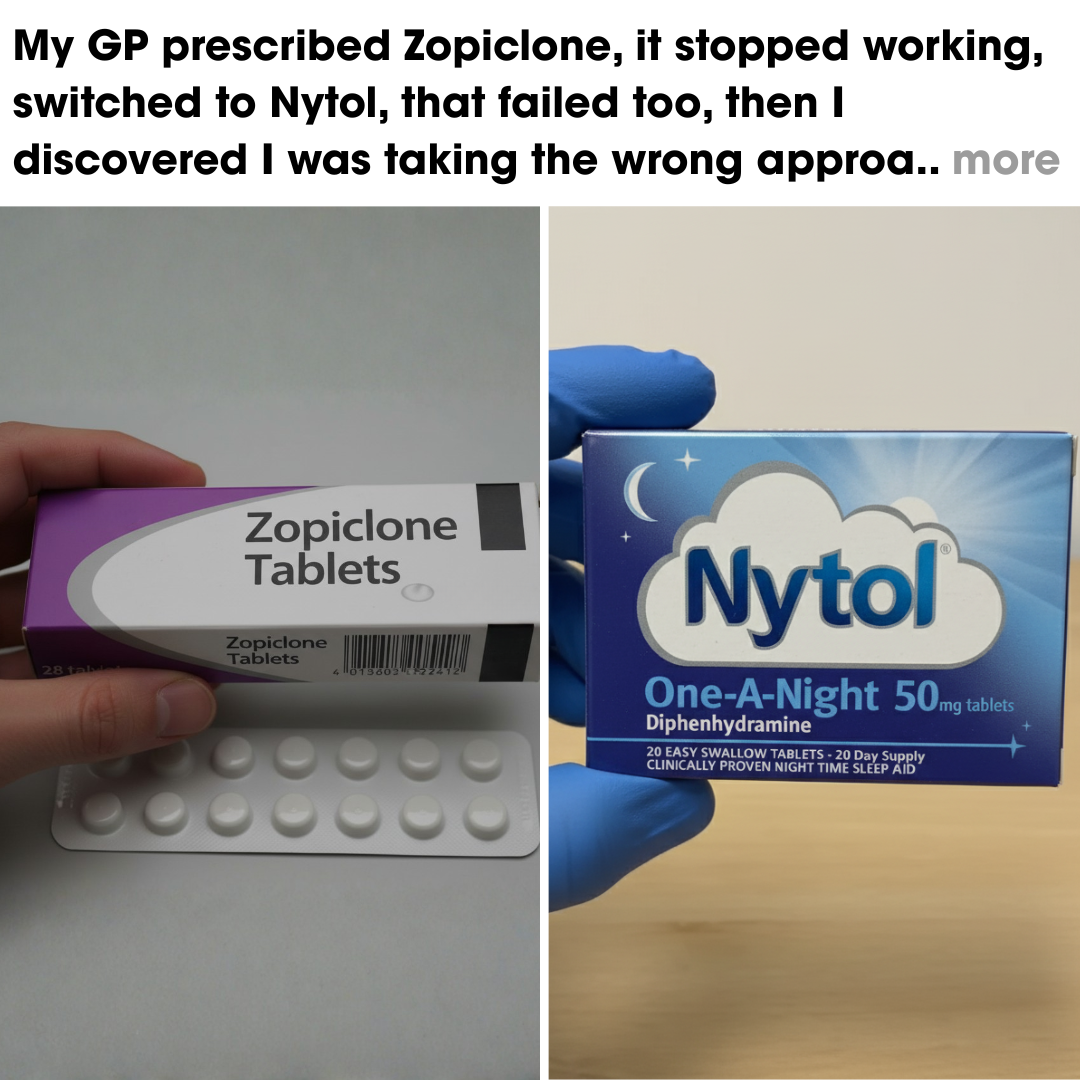
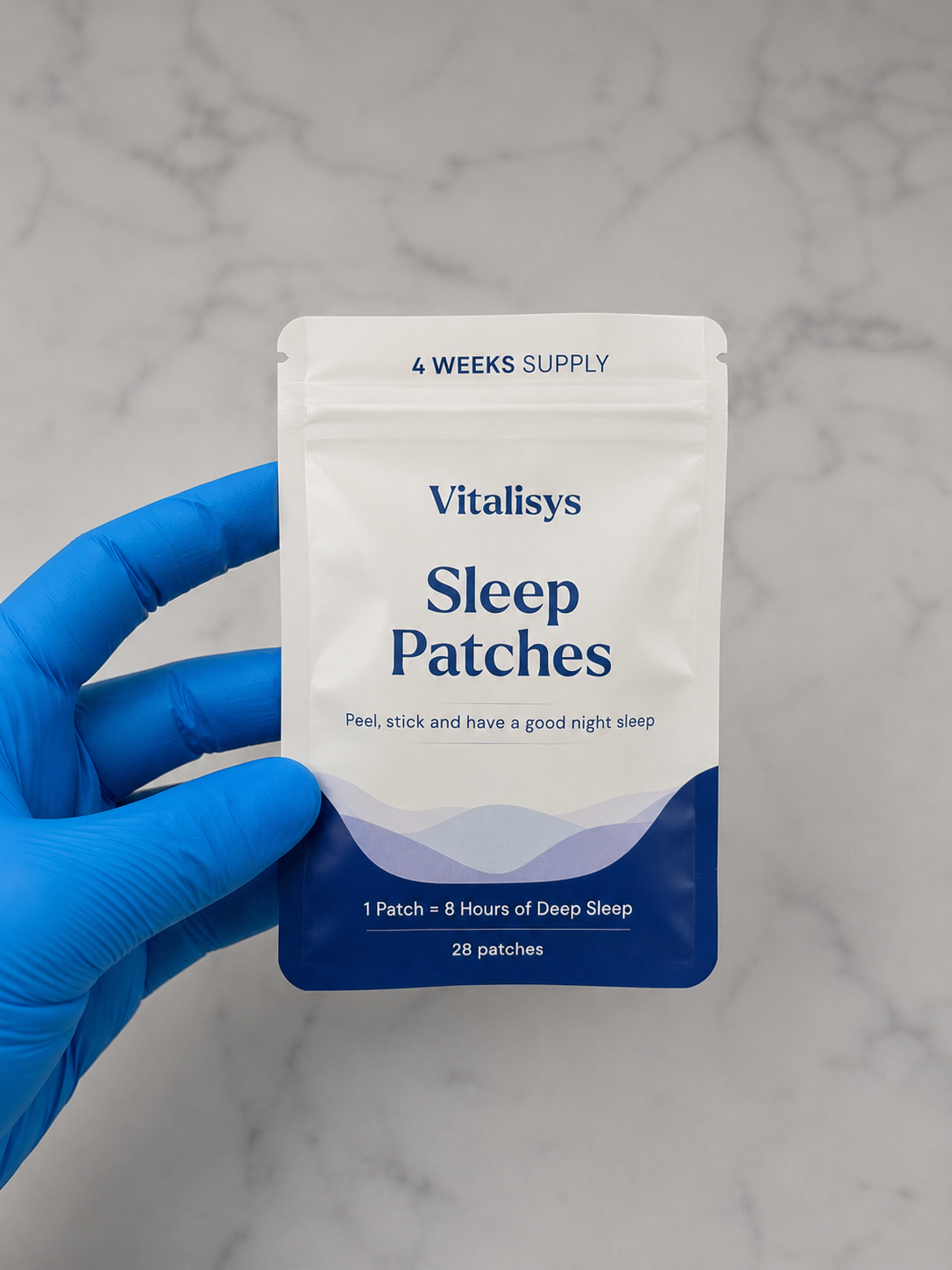
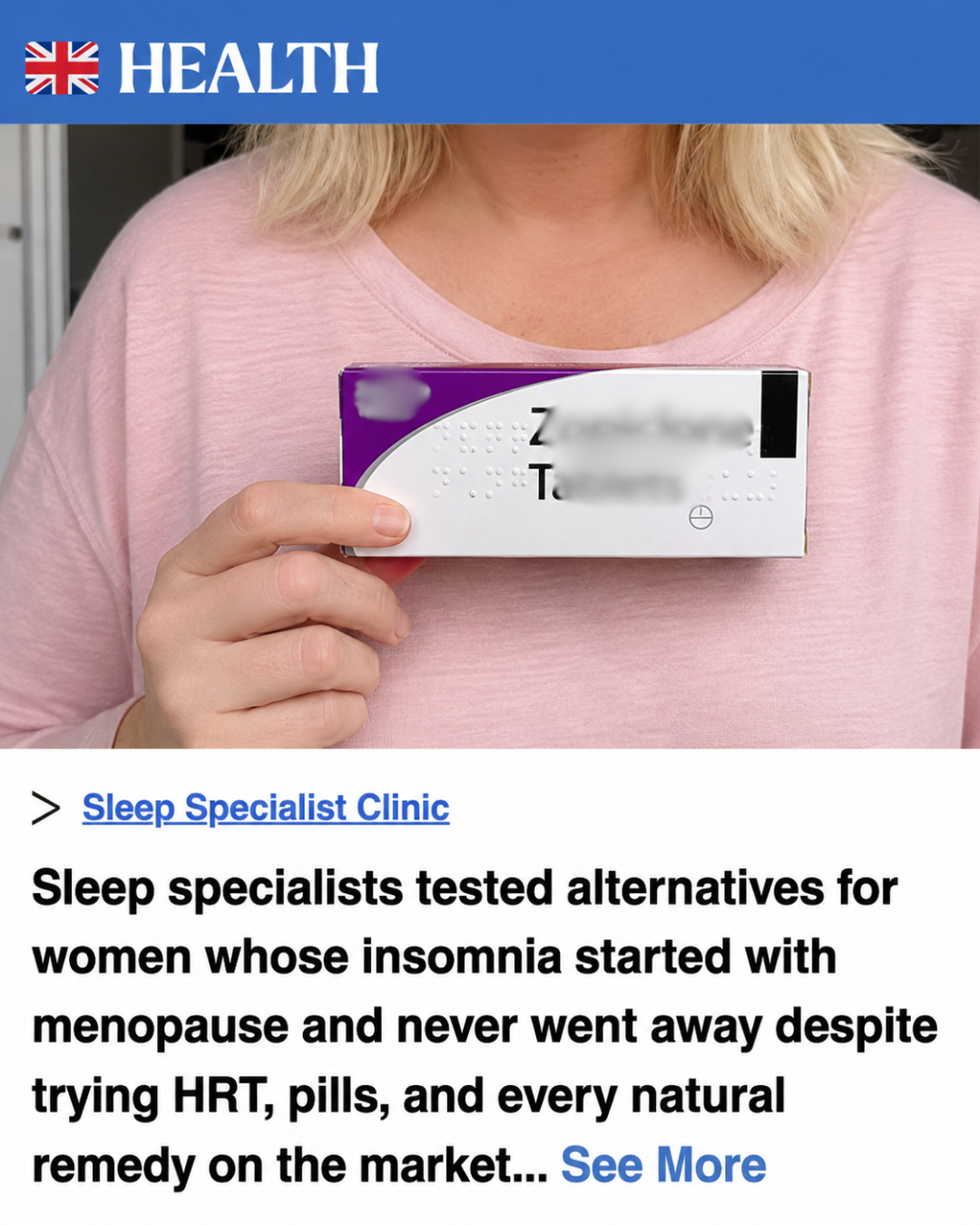
Don't waste another night on sleeping pills until you see what happened to my 74-year-old patient Look, I'm a GP with three decades in practice, And I've constantly had patients come to me with chronic insomnia… But it was only when one of my long-term patients (she’s 74), came in looking completely defeated that I was moved enough to look beyond the prescription pad for the first time. I'd seen her try everything. Nytol from the chemist. Melatonin. Magnesium. Every supplement the general practice recommended. But she was just not getting better. And then she ended up on Zopiclone. That was six years ago. She was still on it when she sat in my office that morning. Still waking up at 3 AM. Still exhausted every day. She'd stopped seeing her friends because she was too tired to enjoy it. She'd stopped doing the things she used to love. She told me she couldn't remember the last time she'd woken up feeling like herself. And she wasn't the only one. Hundreds of patients came to my clinic with the same story. "I've tried everything, Dr Harris. Is this just what getting older feels like?" But here's where it gets interesting. When patients came to me with chronic insomnia, most of the time they did not have a "sleep disorder" in the classical sense. What they had was a dysregulated nervous system. Now, most people think of sleep problems as not being able to fall asleep. You get into bed, you lie there, you can't switch off. But what I'm talking about is something different: the inability to stay asleep. And this appears far more in women over fifty. Here's what's actually happening. Your nervous system has two modes: alert and rest. When you're younger, switching between them is automatic. You're alert during the day, you get into bed, your body relaxes, your nervous system shifts into rest mode, and you sleep. But after years of stress, hormonal changes, and, crucially, broken sleep itself, your nervous system gets stuck. Even when your body is exhausted and lying in bed, it's still scanning for threats. Still running. Still alert. That's why you wake up at 3 AM with your heart going a little too fast and your mind already moving. And here's the part that took me years to fully understand: sleeping pills don't fix this. They sedate you. They force you unconscious temporarily. But your nervous system is still running in alert mode underneath. That's why: — You wake up when the pill wears off, because your alert system kicks straight back in�— You feel unrested even after hours in bed, because you were sedated, not actually resting�— You build tolerance quickly, because your body adapts to the sedation while the underlying problem remains�— You feel groggy and foggy in the morning, because you were knocked out, not restored This is what I had to explain to my patient that morning. She'd been on Zopiclone for six years not because she needed it, but because nobody had explained to her what was actually happening. And the longer you stay on a prescription like that, the harder it becomes to stop, the rebound insomnia alone can be severe enough to keep people trapped for years. She understood immediately. And she asked me the question I'd been waiting for: "So if the pills aren't fixing it, what does?" The answer is addressing the root cause directly: calming the nervous system rather than sedating it. And doing it in a way that works throughout the night, not just for the first few hours. This is where delivery method matters enormously. Think of it this way. When you swallow a sleeping pill, everything enters your digestive system at once. It peaks in your bloodstream within one to two hours, and then it starts to fall. By 3 AM, most of it is gone. Your nervous system wakes up because there's nothing left to keep it calm. Your digestive system is fast. It was designed to process things quickly. Your skin works completely differently. When something is delivered transdermally, through the skin, it absorbs slowly and continuously. No spike. No crash. No gap at 3 AM when your body jolts awake because the medication has worn off. The botanicals are still releasing at 2 AM. Still releasing at 4 AM. Still there when your nervous system would normally pull you out of sleep. That's not a theory. That's just the fundamental difference between how your gut and your skin process things. After researching transdermal approaches for patients who had failed on conventional sleep medications, the Vitalisys Sleep Patches were the most effective solution I found, a four-plant botanical blend specifically formulated to calm the nervous system rather than sedate it. - Lavender to activate the brain's calming receptors.�- Hops to reduce cortisol and ease the transition into deep sleep.�- Jasmine to quiet the racing mind.�- Cedar to maintain the calm state through the night and prevent the early-morning cortisol spike that pulls you awake. My patient was sceptical. After six years of things that hadn't worked, that was entirely reasonable. I told her I wasn't going to push her into anything. But I had a small supply of samples, and I thought it was worth trying before we discussed anything else. I want to be honest about what happened next, because I've seen too many things overpromised in this space. The first few nights, she noticed nothing in particular. She still woke up. She was prepared for that, and so was I. What she noticed first, around the end of the first week, wasn't the nights. It was the mornings. She told me she'd woken up one day and realised she hadn't immediately started dreading the day ahead. She'd just lain there for a moment. Neutral. She couldn't remember the last time that had happened. In the second week, she told me she'd woken up one night and looked at the clock. It said 4:40. She'd slept past 3 AM without noticing. By the end of the month, she was sleeping through most nights. She came back to see me eight weeks later. I could tell before she sat down. The exhaustion that had been written across her face for years was gone. She told me she'd started seeing her friends again. That she'd gone back to the things she'd stopped doing. She asked me, with some frustration, why nobody had explained any of this to her six years ago. I didn't have a good answer. She's been off Zopiclone for four months now. She didn't need it anymore. I've since recommended this approach to a number of patients who had been failed by conventional sleep medication. In most cases, the pattern is similar: ✅ Week 1: Most patients notice nothing dramatic in the first few nights. But by the end of the week, some begin to notice something in the mornings, a little less dread, a little more quiet when they wake up. Some stop waking at 3 AM entirely. ✅ Week 2: Others aren't waking up in the night anymore. The constant heaviness they've carried for years starts to lift. The brain fog that followed them into every morning begins to clear. ✅ Week 3: The night-time waking has mostly stopped. They're sleeping through. They tell me they have energy in the afternoon for the first time in years. ✅ Week 4: When they come back to see me, I can tell before they sit down. The exhaustion is gone. Their mood has shifted. They tell me they feel like themselves again. Not every patient responds the same way. Bodies are different, and the pattern of insomnia matters. Which is why I want to mention something before I leave you with a link. I've put together a short sleep quiz — it takes about two minutes — that helps identify your specific pattern of insomnia. Not just whether you sleep badly, but how you sleep badly: when you wake up, what your mornings feel like, how long this has been going on, what you've already tried. The reason this matters is that not every type of insomnia responds to the same approach. The quiz helps you understand your own pattern first, and tells you honestly whether this is likely to help in your specific situation. I'd recommend starting there before you do anything else. It's free. It takes two minutes. And it's the same set of questions I'd ask you if you sat down in my office. https://vitalisys-quiz.lovable.app/ If the quiz suggests this approach is right for your pattern, the Vitalisys patches come with a 30-day money-back guarantee. If you try them and you're still waking up at 3 AM, you contact them and they refund you in full. No questions asked. You have nothing to lose except another night of broken sleep. — Dr. James Harris
Here's how you can get your 1st full night's sleep in years
Answer 8 quick questions. We'll tell you exactly what's keeping you awake — and whether there's something you haven't tried yet.
LEARN MORELike this ad? Make it yours.
Crush rebuilds this exact creative around your product — your brand, your colors, your offer — in about a minute.