
Inactive· since Apr 15, 2026
- 21
- days it ran
- 1
- relaunches
Ad copy
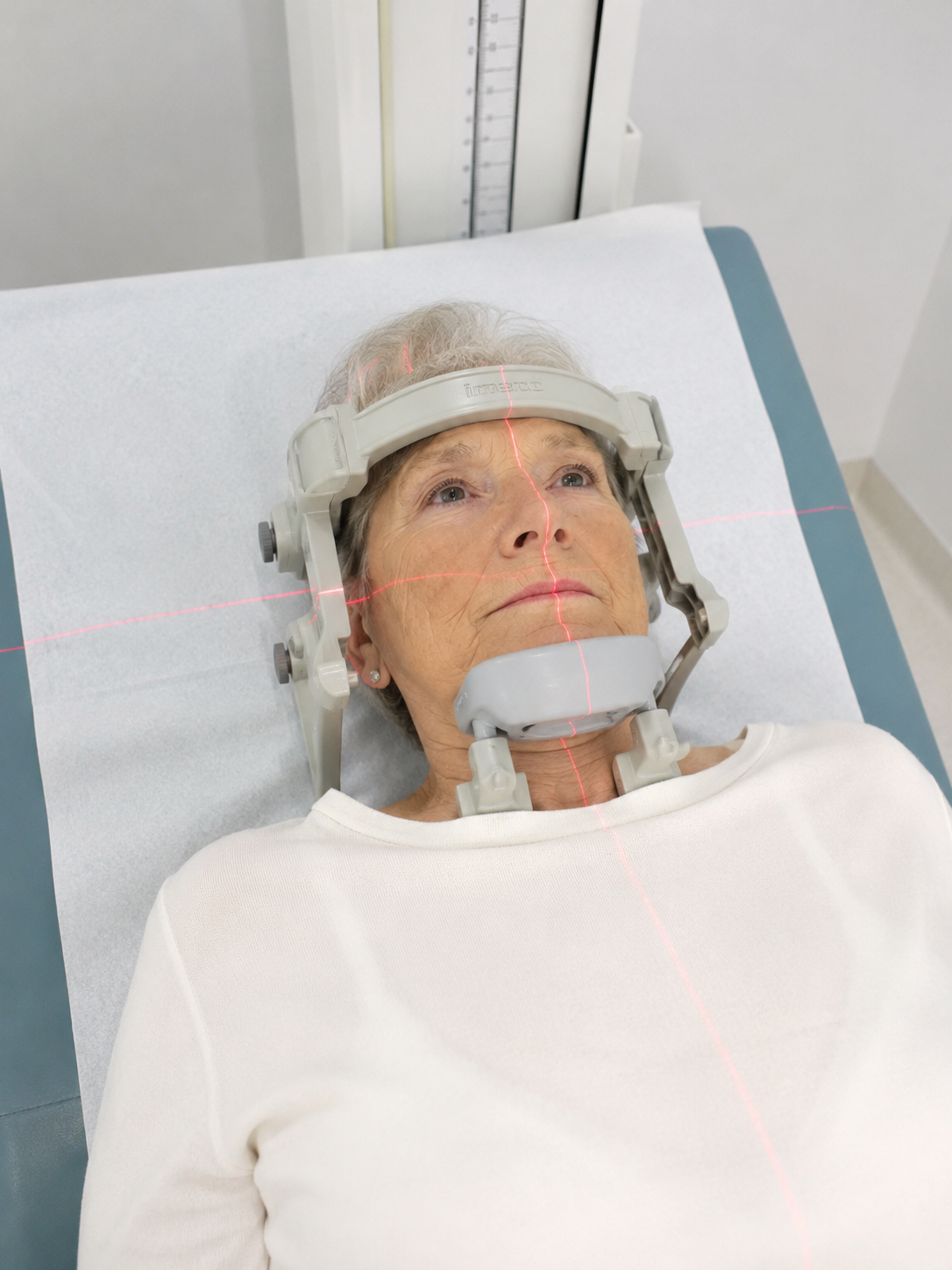
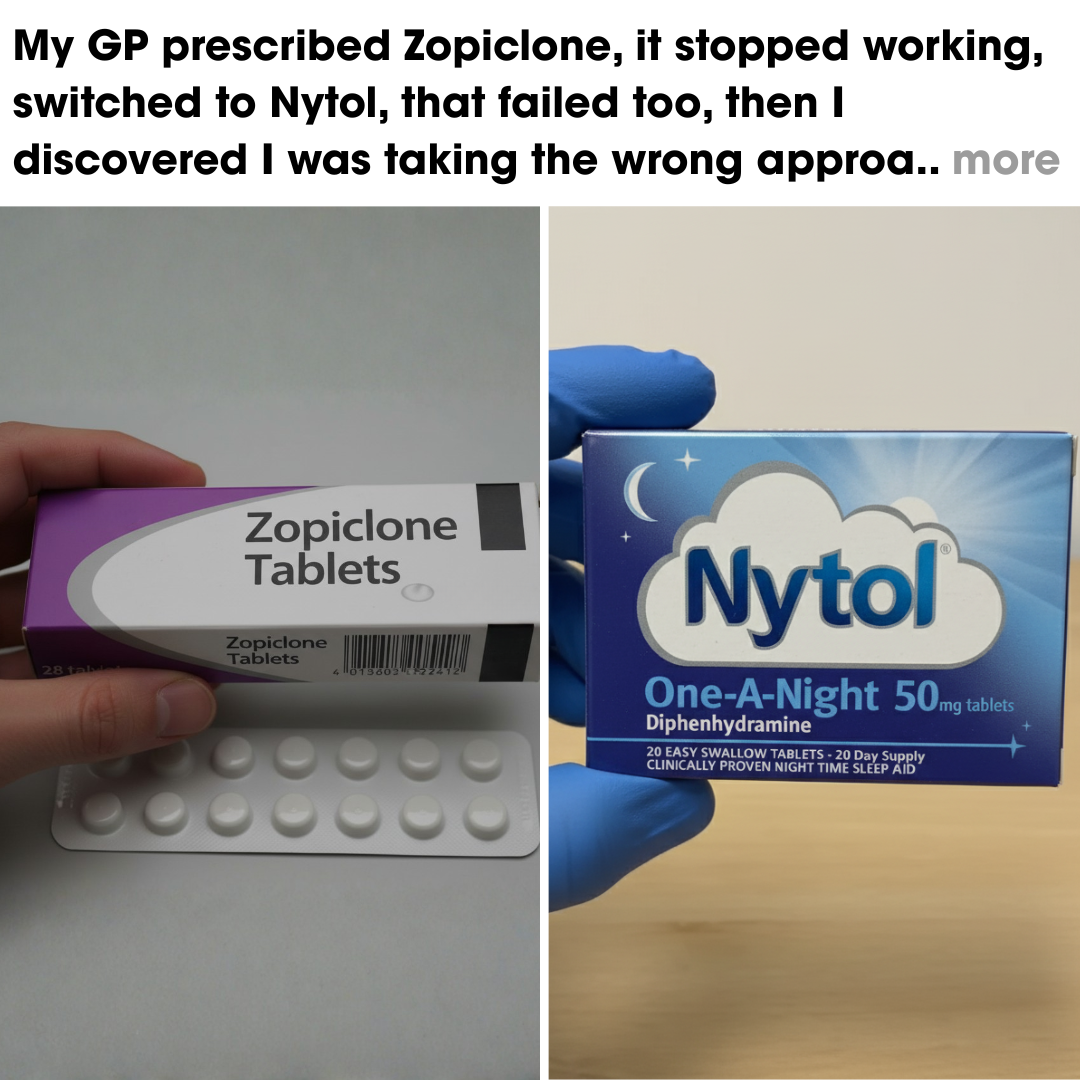
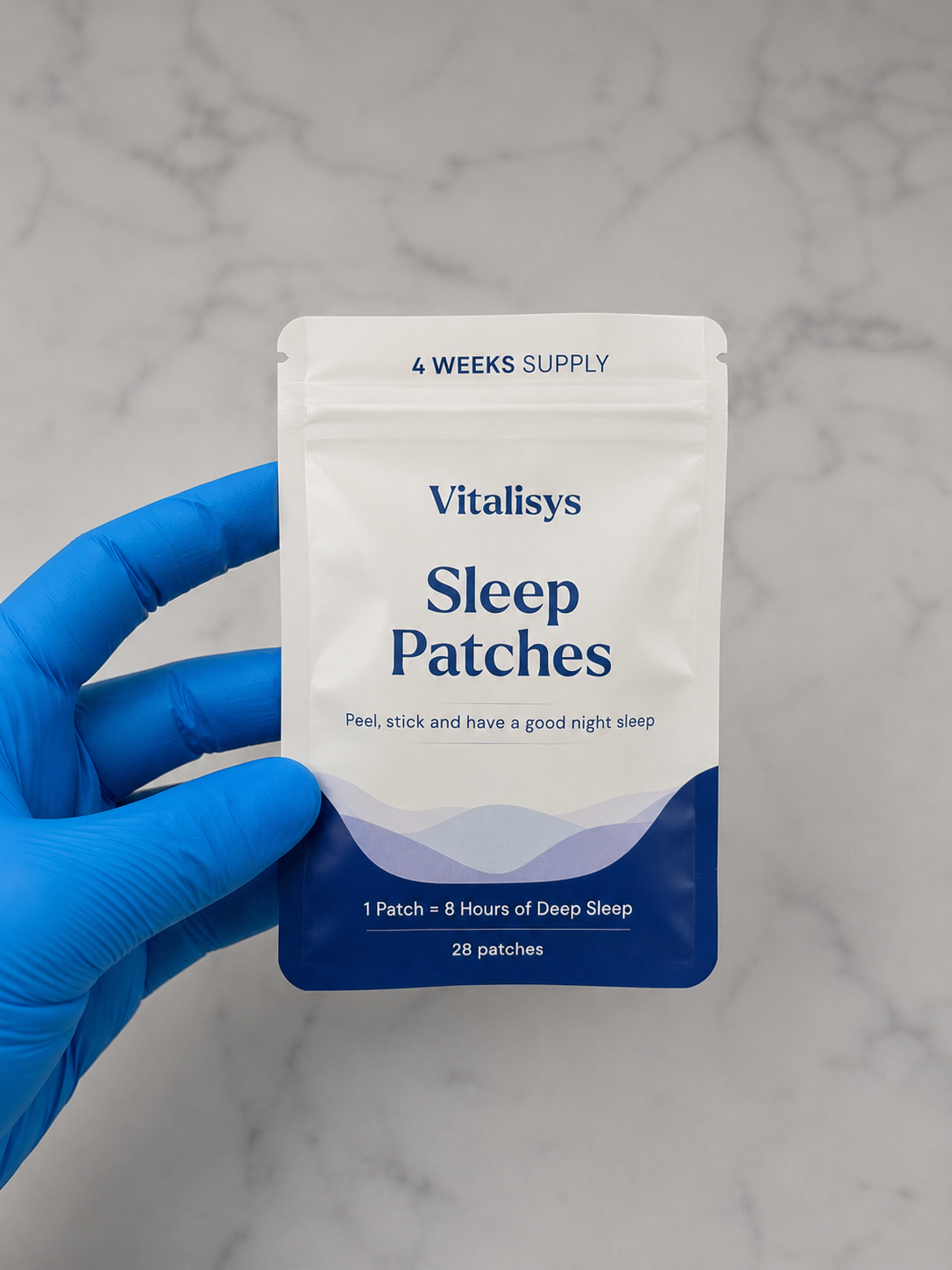
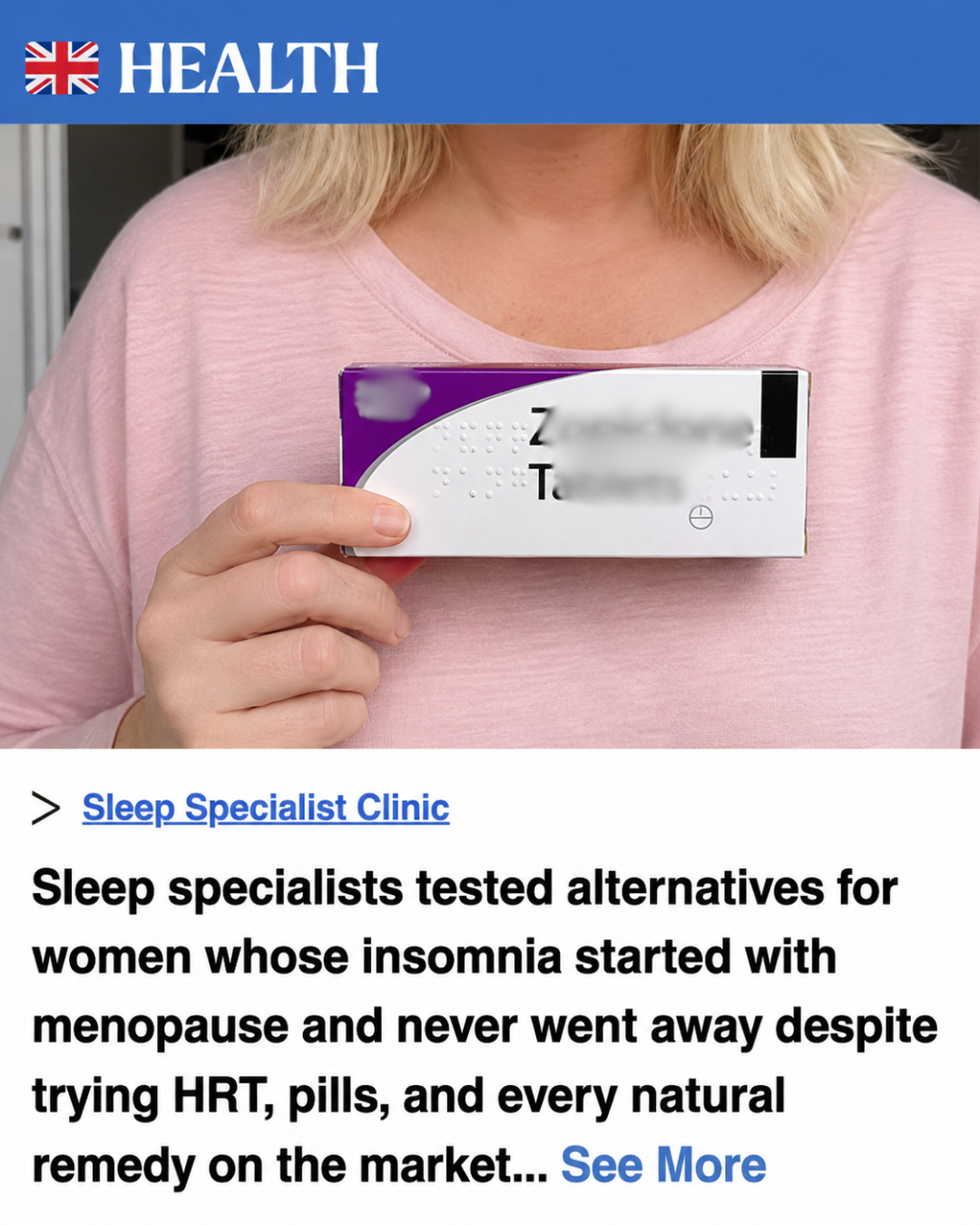
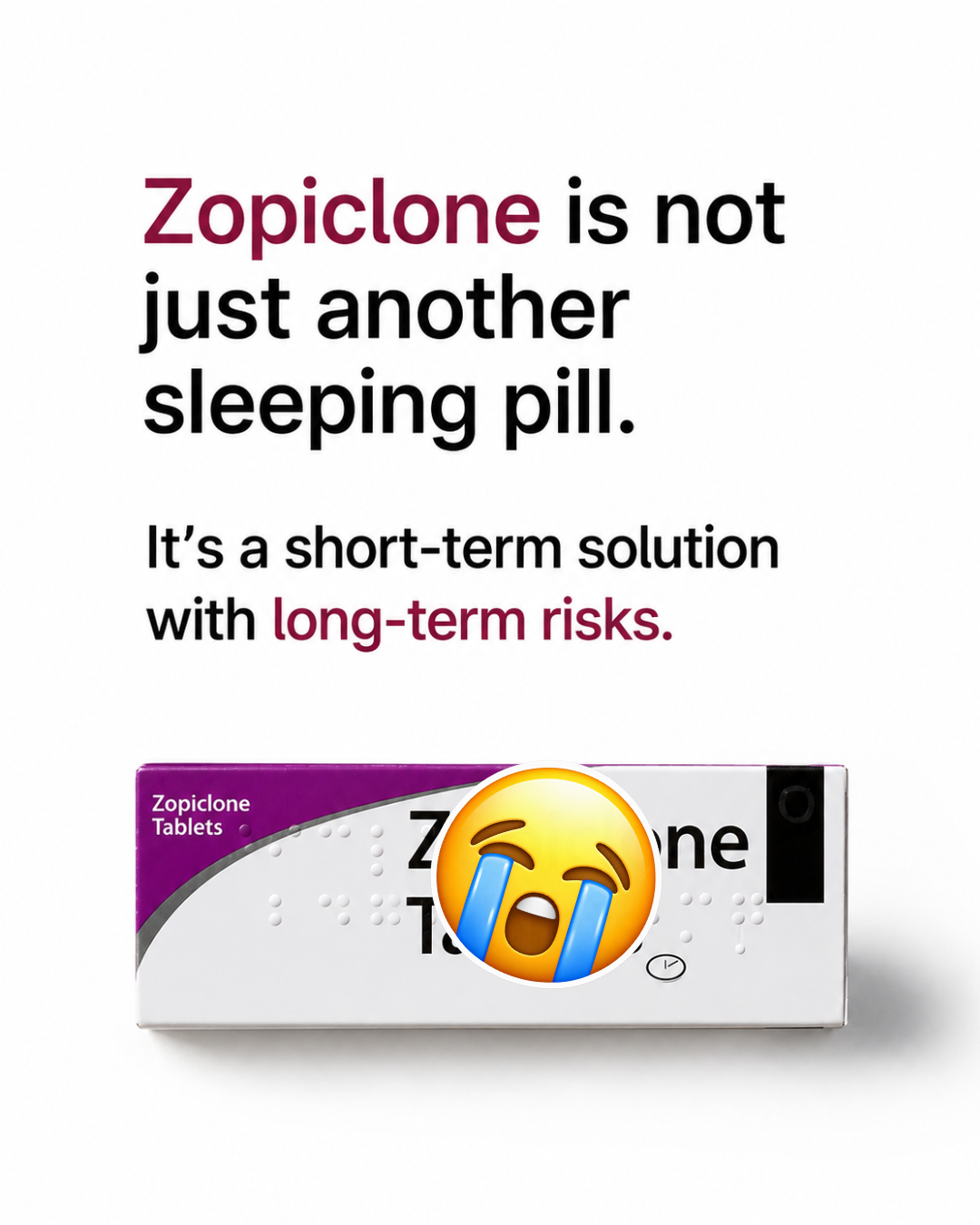
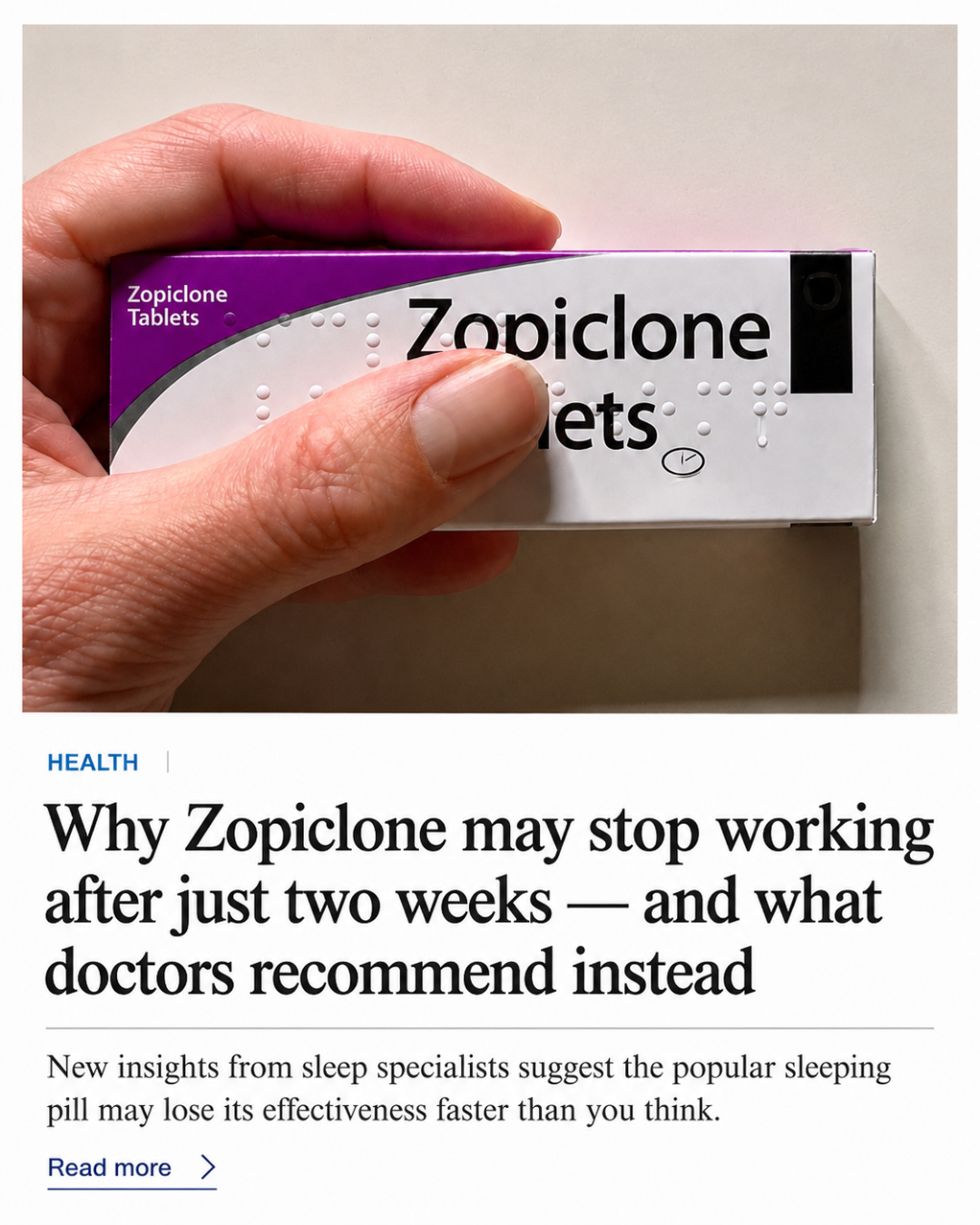
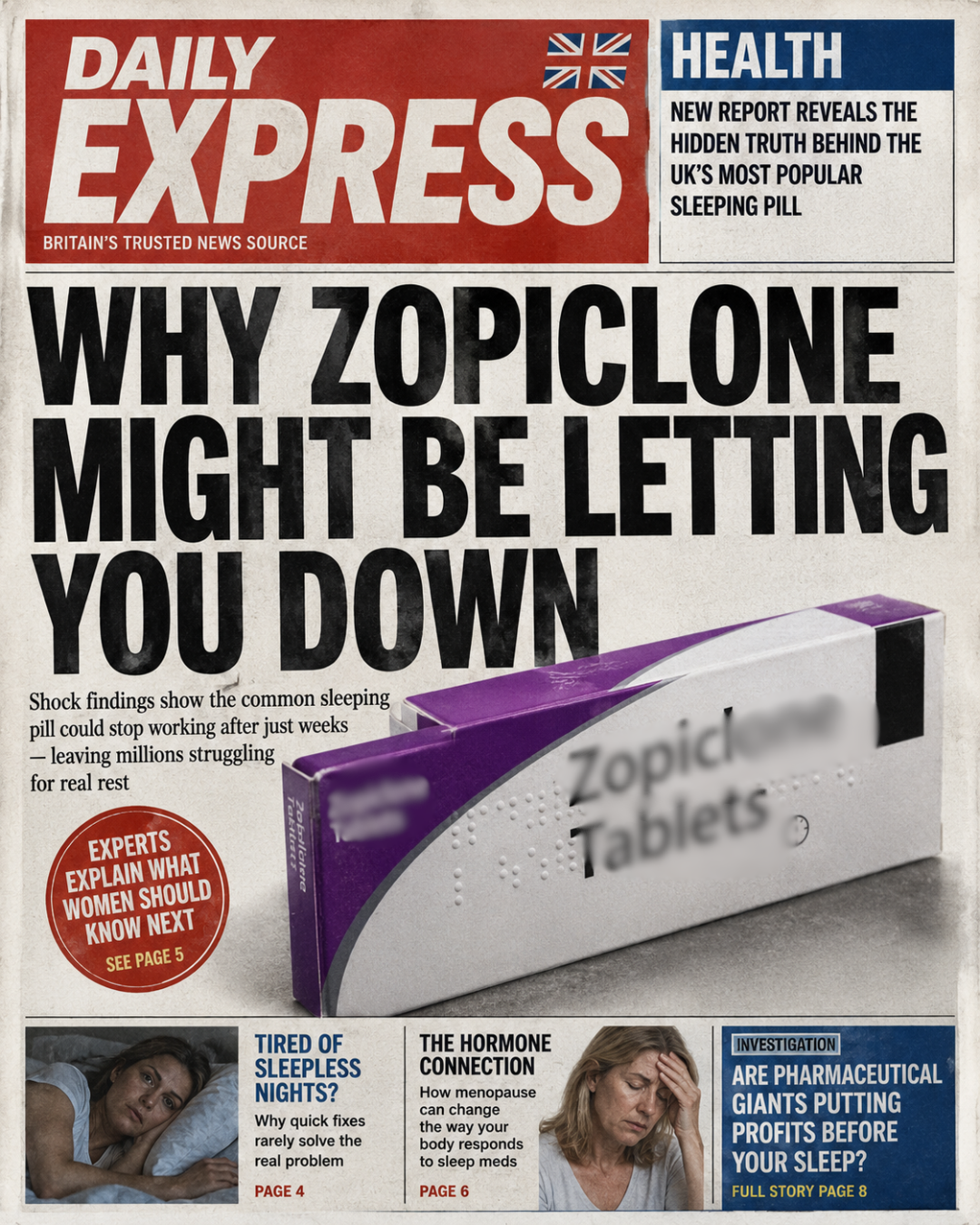
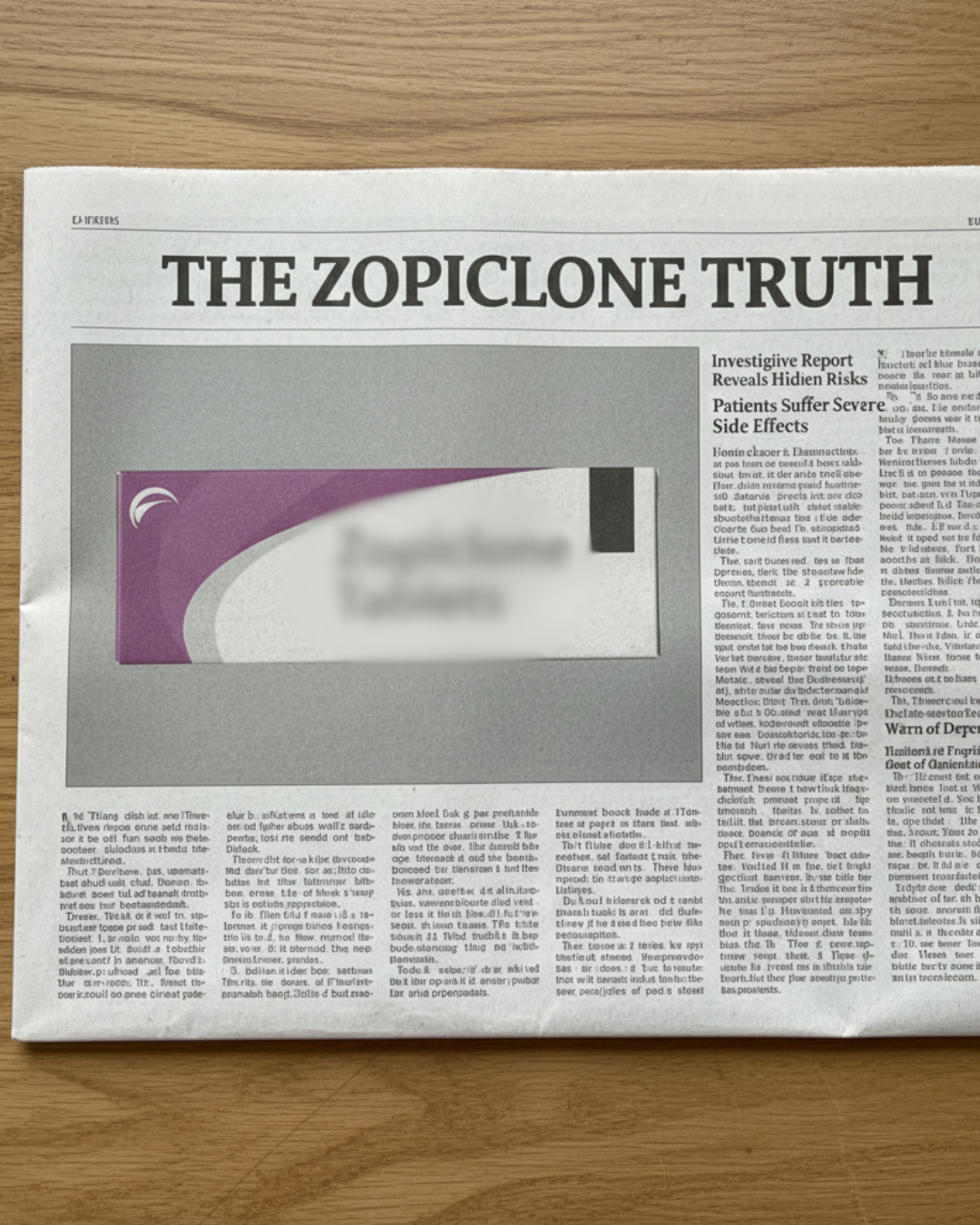
If Zopiclone Doesn't Work For You, It's Because This Medication Doesn't Address The Real Cause of your Insomnia. I see the same pattern on People over 50, week after week. They've been on Zopiclone for two, three months, sometimes years. Those first few weeks felt like a miracle, proper sleep for the first time in years. But now they're waking at 3 AM again, that distinctive metallic taste lingering from the night before, a constant reminder of what they've become dependent on. They've tried increasing the dose. It helps for a fortnight, maybe three weeks. Then the same thing happens, they're back where they started, only now they're trapped, unable to sleep with the medication, unable to sleep without it. If this sounds familiar, I need you to understand something: it's not your fault. And more importantly, it's not that nothing works for you. The problem is that Zopiclone, like most sleep medications, treats the symptom, not the cause. Margaret came to see me at 68, a retired teacher, grandmother of three, and someone who had struggled with sleep for as long as she could remember. She'd tried everything before Zopiclone: Nytol, Kalms, melatonin, magnesium. Nothing worked, so her GP prescribed Zopiclone 7.5mg. Those first weeks were transformative, then it stopped working. She'd wake at 3 AM, just like before. Her GP increased the dose, it helped for a month and then the same cycle repeated. By the time she came to me, she was exhausted, too fatigued to keep up with her grandchildren, too foggy to enjoy even a cup of tea with friends. That metallic taste had become a constant companion. Her GP had suggested Mirtazapine next. Margaret tried it, same pattern: it worked initially, then tolerance built, side effects accumulated and then weight gain, morning grogginess that lasted until noon. She felt completely trapped. I see this escalation constantly. Zopiclone stops working, so doctors prescribe Mirtazapine or other antidepressants. But these medications share the same fundamental flaw, they sedate you. They don't address why you can't sleep in the first place. Margaret had been told for years that she had insomnia, as if that explained anything. But insomnia isn't a disease. It's a symptom. The question is: a symptom of what? The answer, in almost every case I see, is this: a nervous system that is stuck in fight-or-flight mode. A 2018 study published in the journal Sleep used direct nerve recordings to measure sympathetic nervous system activity in chronic insomniacs. What they found was striking, people with chronic insomnia have measurably overactive sympathetic nervous systems. Even lying in bed, even exhausted, their bodies are in alert mode. Falling asleep requires your body to shift from sympathetic to parasympathetic dominance, from fight-or-flight to rest-and-digest. It's an active neurological process, not just feeling tired. In chronic insomnia, this shift doesn't happen properly. Your heart rate stays elevated, your body temperature doesn't drop the way it should, stress hormones remain high. This is precisely why Zopiclone fails. It sedates you, forces you unconscious, but it doesn't regulate your nervous system. Your body is still in fight-or-flight mode, you're just chemically knocked out. That's why you wake when the medication wears off. Think of it this way: if your car's accelerator is stuck, pressing harder on the brake doesn't fix the problem. You might stop the car temporarily, but the moment you release the brake, you're speeding again. Zopiclone is the brake, what you actually need is to fix the accelerator. When I explained this to Margaret, something shifted. She understood, perhaps for the first time, why everything she'd tried had failed. The solution isn't more powerful sedatives, it’s addressing the root cause: retraining your nervous system to make that natural shift from fight-or-flight to rest-and-digest. The key is delivery method. Zopiclone hits your system all at once, a spike of sedation that peaks within an hour and crashes after five. Your body experiences this as a chemical assault and compensates accordingly. Transdermal delivery works fundamentally differently: steady, gradual release over six to eight hours, no spike, no crash, working with your body's natural sleep architecture rather than against it. After researching transdermal approaches extensively for patients who had failed on conventional sleep medications, the Vitalisys Sleep Patches proved to be the most effective solution I found. A four-plant botanical blend specifically formulated to target nervous system regulation rather than sedation. - Lavender to activate the brain's calming receptors, - Jasmine to quiet the racing mind, - Cedarwood to maintain the calm state through the night and prevent the 3 AM cortisol spike, - Hops to reduce stress hormones and enhance deep sleep. Margaret was sceptical. "But Doctor," she said, "if Zopiclone doesn't work anymore, how can a patch possibly help?" I told her what I'm telling you now: because they work through an entirely different mechanism. Zopiclone sedates, these patches regulate. Margaret started using the patches whilst gradually reducing her zopiclone under medical supervision. I won't pretend it was instant. After 48 hours: nothing. She was discouraged. After five days: slight improvement. She woke at 3 AM still, but fell back to sleep within 20 minutes instead of lying awake for hours. During the second week: she noticed real change. The metallic taste was gone. She was waking less frequently. More importantly, she was waking naturally, for the bathroom, as older adults do, but falling straight back to sleep. At the end of the second week, Margaret slept eight hours straight for the first time in three years. Now, three months later, she sleeps peacefully most nights. Not perfectly, nobody does at 68. But naturally, without pills. Without that constant, exhausting cycle of dependence and disappointment. She's back playing with her grandchildren. She's rejoined hobbies. That crushing daytime fatigue, the one that made her feel guilty and useless, is gone. "I wish I'd known about this years ago," she told me at her last appointment, "before I became dependent on zopiclone." If you're reading this, you probably recognise yourself in Margaret's story. Tired of that metallic taste, tired of waking at 3 AM, tired of feeling trapped on medication that barely works anymore. I'm not suggesting you stop your prescribed medication without medical supervision, Zopiclone withdrawal should always be managed carefully. What I am saying is that there is an alternative, one that addresses the root cause rather than sedating you into unconsciousness. The Vitalisys Sleep Patches use the Transdermal Delivery system I described above. They're designed specifically for people over 50, who've been let down by conventional sleep medications. Vitalisys have put together a free Sleep Profile Quiz, it takes about two minutes and helps identify exactly what's driving your sleeplessness, not just the surface symptoms, but the pattern underneath. It's where I'd suggest starting. I leave it here, it takes 60 seconds: https://vitalisys-quiz-uk.lovable.app/
Like this ad? Make it yours.
Crush rebuilds this exact creative around your product — your brand, your colors, your offer — in about a minute.