
Inactive· since Dec 15, 2025
- 74
- days it ran
- 1
- relaunches
Ad copy
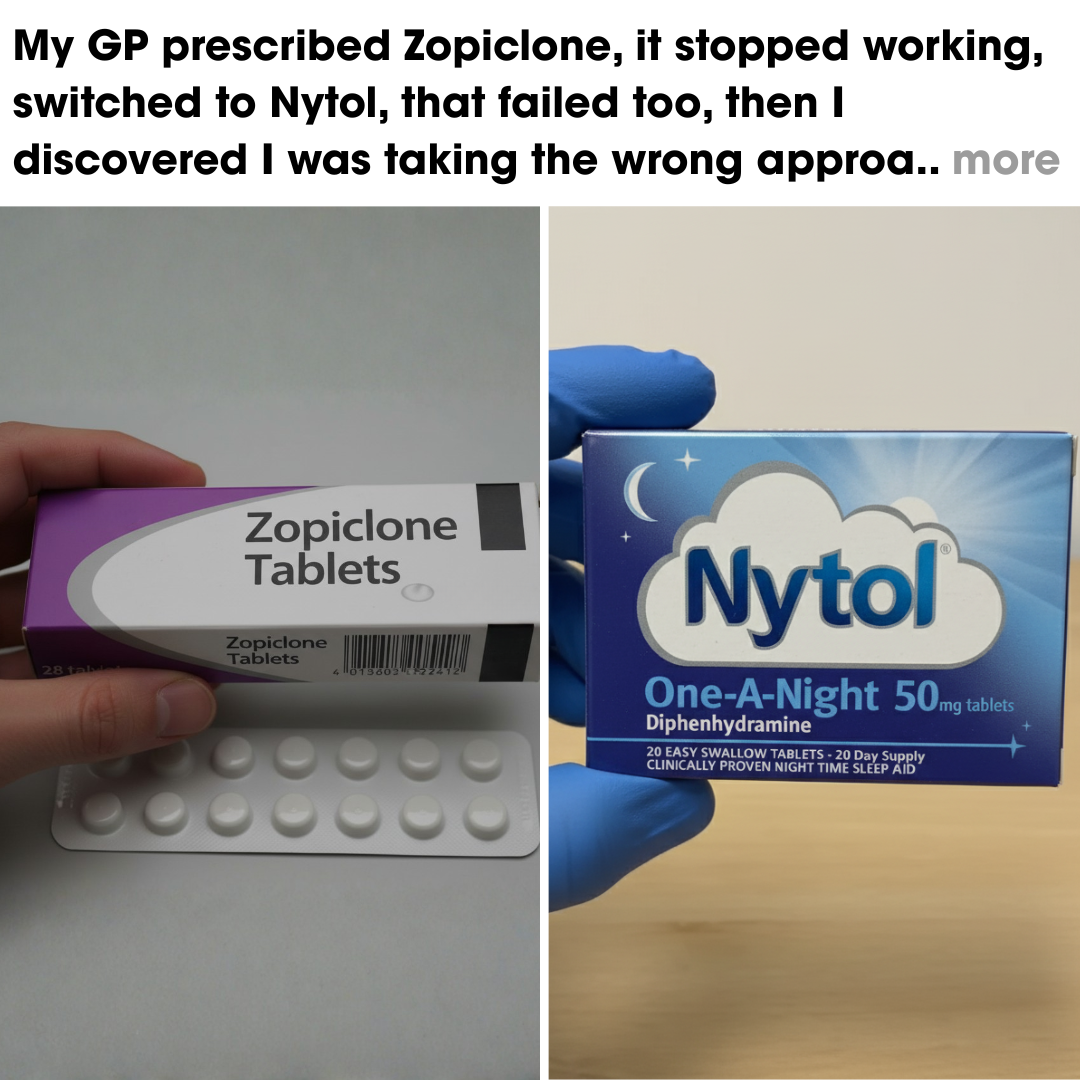
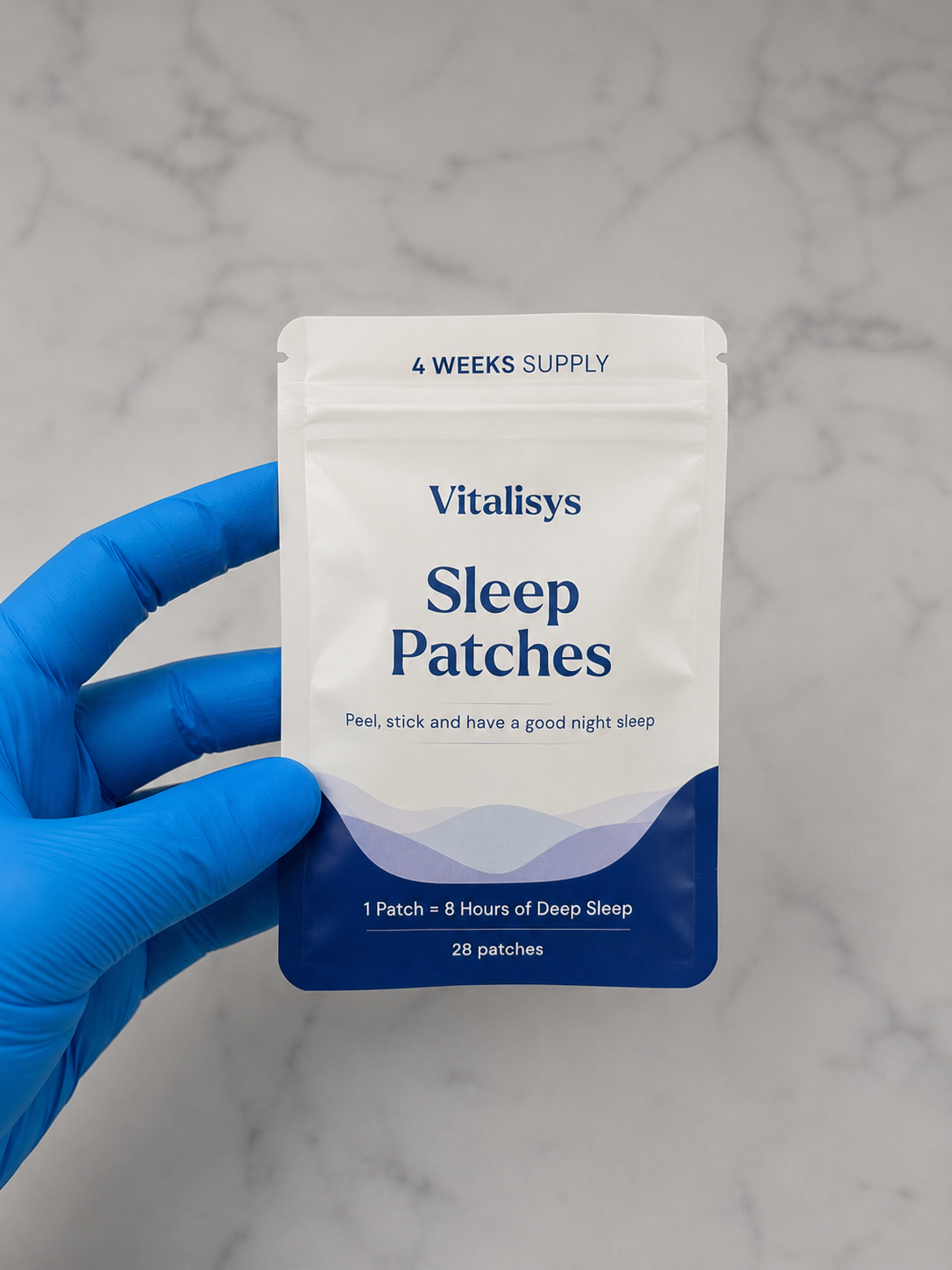
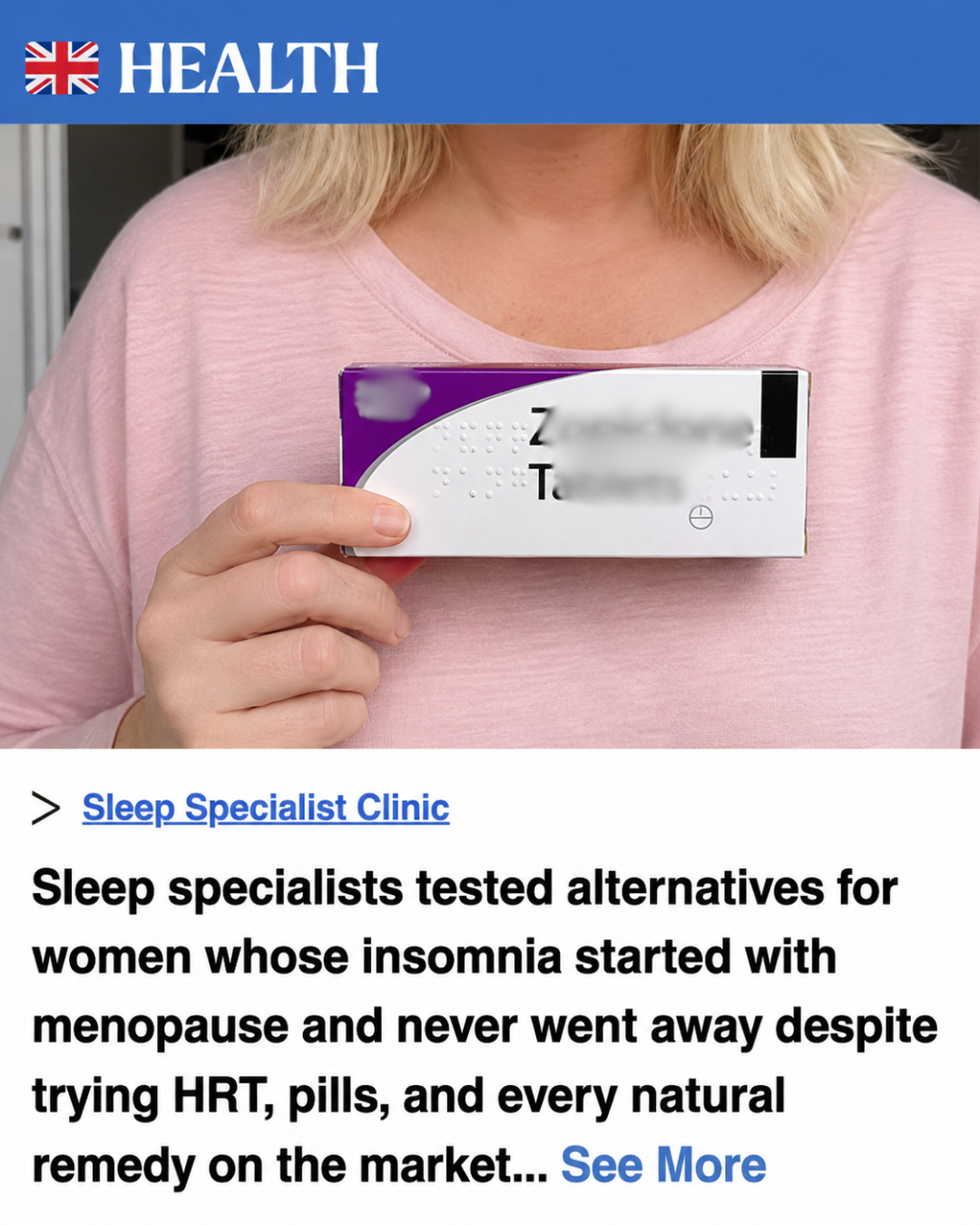
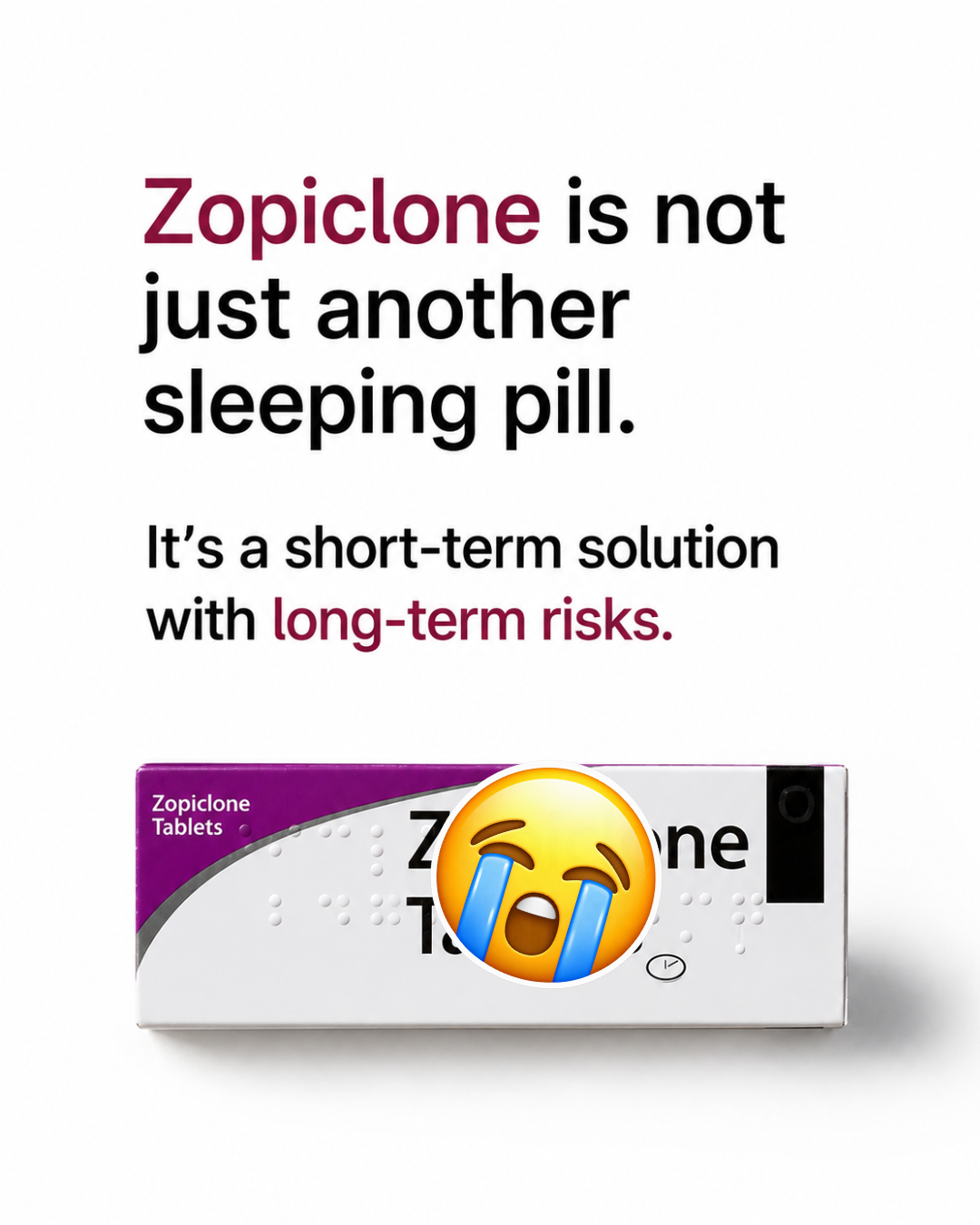
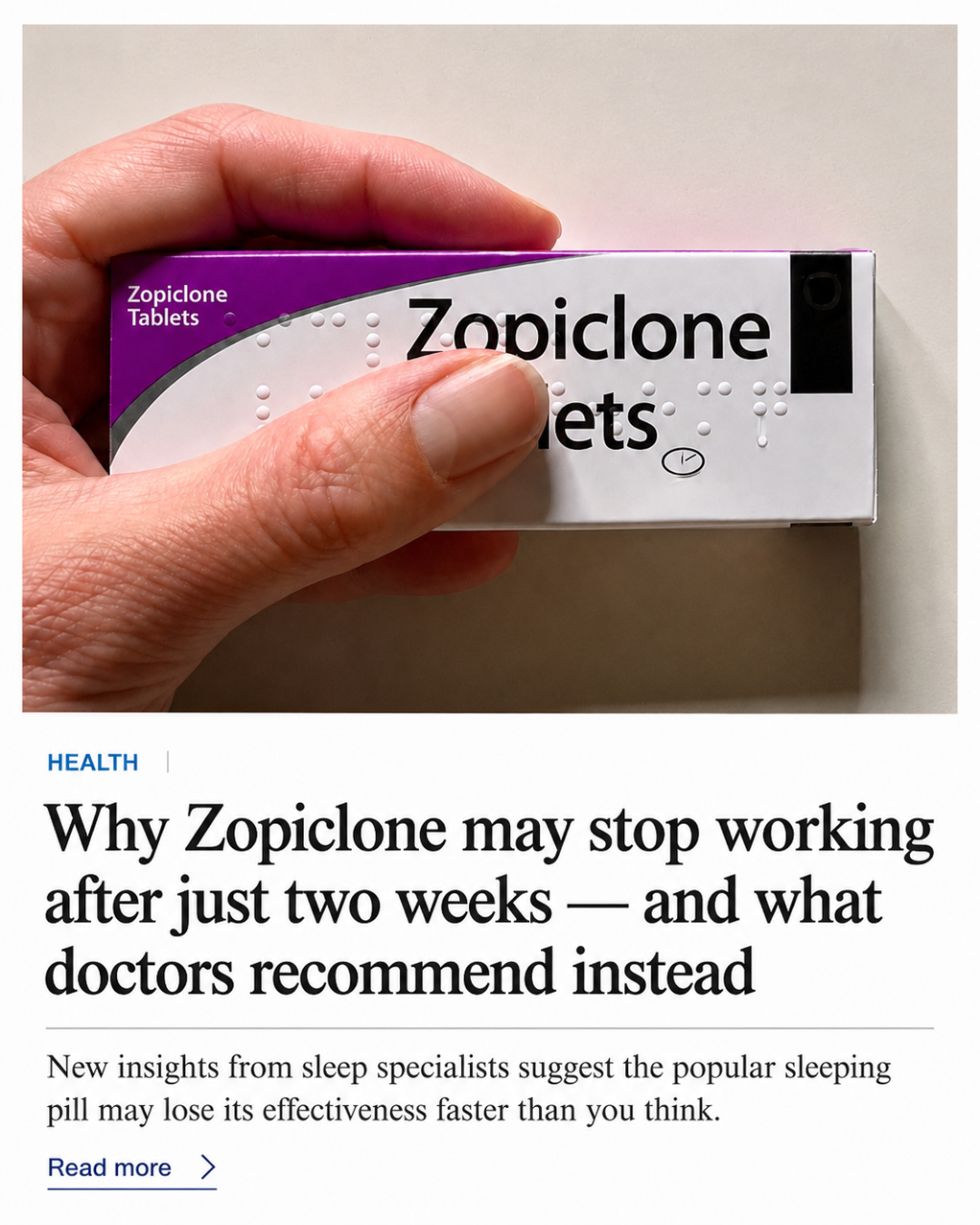
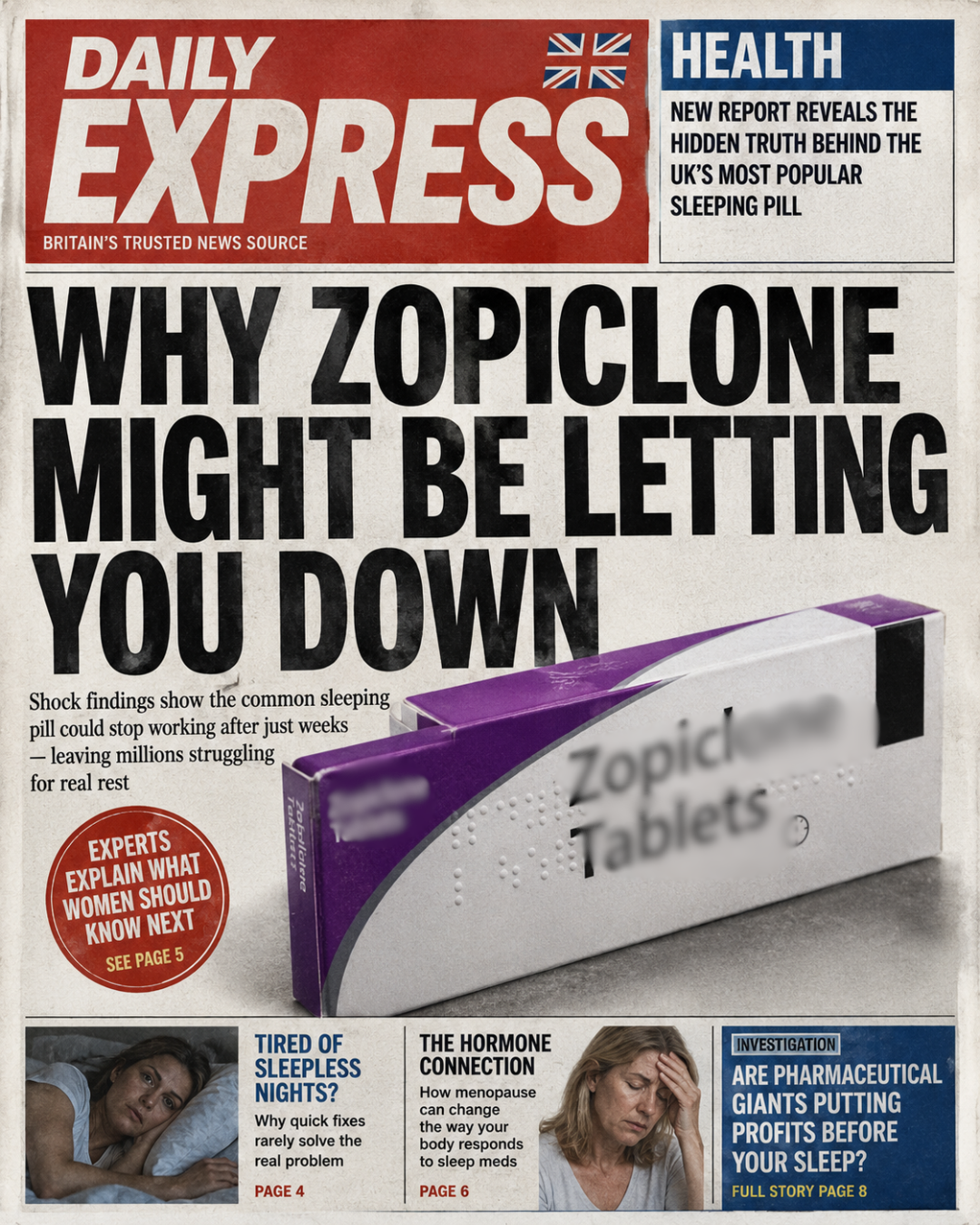
I stood in front of my bathroom cabinet at 2:47 AM, staring at the collection of pill bottles lined up like broken promises. Zopiclone 7.5mg. Nytol. Melatonin 5mg. Magnesium tablets. Each one represented hope. Each one had promised to finally give me a proper night's sleep. Each one had failed. I picked up the Zopiclone bottle and read the label: "Take one tablet 30 minutes before bedtime." I'd been taking it religiously for fourteen months. Every single night at 10:30 PM. And every single night, without fail, I'd wake up at 2:30 AM with that awful metallic taste in my mouth and my mind racing. The pattern was so predictable I could set my watch by it: - 10:30 PM: Take the pill - 11:00 PM: Fall asleep (finally) - 2:30 AM: Wide awake, heart racing, mind spinning - 2:30 AM - 5:00 AM: Lie there, exhausted but unable to sleep, watching the hours tick by - 6:00 AM: Finally drift off - 7:00 AM: Alarm goes off, feel like I've been hit by a truck. Standing there in my bathroom at 2:47 AM, holding that pill bottle, I felt completely hopeless. I'm 59 years old. I'm supposed to be enjoying my life. But instead, I was trapped in this cycle of exhaustion, dependency, and frustration. The worst part? It hadn't always been this bad. Everything Started Eighteen months earlier, I'd gone to my GP because I was having trouble sleeping. Nothing dramatic, just taking longer to fall asleep, waking up once or twice during the night. "Let's try Zopiclone," she said. "Start with 3.75mg. It's very effective for sleep onset." And it worked! For about six weeks, I slept beautifully. I fell asleep quickly, stayed asleep most of the night, and woke up feeling... normal. Then it stopped working. I went back to my GP. She looked at her computer screen and said, "Let's increase the dose to 7.5mg. That should help." It did help. For another six weeks. Then it stopped working again. Third visit to the GP. This time, she leaned back in her chair and said something that made my blood run cold: "Sarah, I think we need to try something different. Zopiclone doesn't seem to be effective for you anymore. Let's try Mirtazapine. It's an antidepressant, but it can really help with sleep." I stared at her. "But I'm not depressed. I'm just exhausted." "It's not about depression," she said quickly. "Mirtazapine has sedating properties. Many of my patients find it helpful for sleep." She'd already sent the prescription to the pharmacy before I could ask any more questions. The Mirtazapine was a disaster. Yes, it knocked me out. But the next morning, I felt like I'd been drugged. I couldn't think clearly. I felt disconnected from everything. And I started gaining weight: 8 pounds in three weeks! After two weeks, I stopped taking it and went back to the Zopiclone. At least with Zopiclone, I could function during the day, even if I was exhausted. On my fourth visit to the GP in six months, I sat in her office and tried not to cry. "The Zopiclone isn't working anymore," I said. "I'm taking the maximum dose, and I'm still waking up at 2:30 AM every single night. I'm exhausted. I can't focus on nothing during the day. I'm irritable with everyone. I feel like I'm falling apart." She looked at her screen, then at me, and said something I'll never forget: "Sarah, you're 59. Difficulty sleeping is quite normal as we age. Your body is changing. Perhaps you just need to accept that 8 hours isn't realistic anymore. Most of my patients your age sleep 5-6 hours and manage perfectly fine." I felt something break inside me. Normal? Feeling like a zombie every day was normal? But it wasn't just my GP saying this. My best friend Lisa had said the same thing over coffee the week before: "We're not 30 anymore, love. My mum was the same at our age. It's just what happens." My husband, trying to be supportive, had said one morning: "Maybe the doctor's right. Maybe you need to stop fighting it and just... adjust your expectations." Adjust my expectations? I was supposed to accept that being exhausted, foggy-headed, and irritable was just... my life now? Maybe for the next 30 years? I refused to believe that. But I didn't know what else to do. I'd tried everything: - Sleep hygiene rules (blackout curtains, no screens after 9 PM, cool bedroom temperature) - Meditation apps (hard to meditate when your mind is racing) - Chamomile tea (drank so much I was up peeing every hour) - Magnesium supplements (gave me an upset stomach) - Melatonin (worked for two weeks, then stopped) - Nothing worked. Or rather, nothing worked for more than a few nights before my body adapted and I was back to lying awake at 2:30 AM. The breaking point came on a Sunday afternoon at my daughter's house. We were having lunch: me, my daughter Emma, her husband, and my 6-year-old granddaughter Lily. It was supposed to be a lovely family afternoon. After lunch, Lily came running up to me with her favourite board game. "Nana, will you play with me? Please?" Of course I said yes. I sat down at the table with her, and she started explaining the rules with that beautiful enthusiasm that only six-year-olds have. Ten minutes later, I couldn't keep my eyes open. I literally fell asleep at the table while she was still talking. Mid-game. Mid-sentence. When I woke up twenty minutes later, Lily was playing alone, quietly setting up all the pieces by herself. Emma was in the kitchen, and I could hear her telling her husband in a low voice: "She's not herself anymore. I'm really worried about her. She can barely stay awake for a simple board game with her granddaughter." I looked at Lily's disappointed face, and something broke inside me. This wasn't who I was supposed to be. I wasn't supposed to be the grandmother who falls asleep during games. I wasn't supposed to be too exhausted to enjoy time with my family. I'm 59 not 84. I drove home in tears. That evening, I made a decision: If my GP wouldn't help me understand what was actually happening, I would figure it out myself. I turned my insomnia into a research project. While the house was silent at 3 AM, I was reading medical journals, watching sleep specialist interviews, joining online forums with other women experiencing the same thing. I needed to understand: WHY do sleeping pills stop working? WHY do I wake up at exactly 2:30 AM every night? WHAT is actually happening to my body? The breakthrough came at 3:17 AM on a Tuesday night. I was reading a research article about chronic insomnia, and one sentence made everything click: "Chronic insomnia in adults is rarely about the inability to sleep. It's about a dysregulated nervous system stuck in hypervigilant mode." I read that sentence three times. That was it. That was what my GP never explained. Here's what I learned that night, and what my GP never bothered to explain: Your nervous system has two modes: 'alert' and 'rest'. When you're younger, switching between them is automatic. You're alert during the day, you get into bed at night, your body relaxes, your nervous system switches to 'rest mode,' and you sleep. But after years of stress, poor sleep, and anxiety about sleep itself... your nervous system gets STUCK in alert mode. Even when your body is exhausted and lying in bed, your nervous system is still scanning for threats, still rehearsing tomorrow's conversations, still worrying about things you can't control. That's why you lie there with a tired body but a racing mind. And here's the part that made me angry: Sleeping pills don't fix this. Pills force sedation. They knock you unconscious temporarily. But they don't actually switch off the alert system underneath. Your nervous system is STILL running in alert mode while you're sedated. That's why: - You wake up at 2-3 AM when the pill wears off (your alert system kicks back in) - You feel unrested even after 8 hours in bed (you never reached deep, restorative sleep) - You build tolerance quickly (your body adapts to sedation, but the alert system remains) - You feel groggy and foggy in the morning (you were sedated, not rested). Everything made sense now. The Zopiclone wasn't 'stopping working.' It was never addressing the actual problem. My GP wasn't incompetent. She just wasn't looking at the right thing. And I wasn't broken. My nervous system was stuck, and nobody had taught it how to switch off again. I sat there at 3:30 AM with tears streaming down my face. Not from frustration this time. From relief. Because for the first time in two years, I understood what was actually happening. And if I understood it, maybe I could fix it. Once I knew the real problem, I started searching for solutions that actually addressed nervous system regulation instead of just sedation. That's when I found research on transdermal delivery systems. The concept made perfect sense to me: When you swallow a pill, everything hits your digestive system at once. You get a big spike in your bloodstream for 2-3 hours, then it crashes. That's why you wake up at 2 AM, the medication has worn off. But transdermal delivery, releasing ingredients slowly through your skin, bypasses digestion completely. Steady, gradual absorption over 8 full hours. No spike, no crash. More importantly: natural botanicals that calm the nervous system rather than forcing sedation. I came across Vitalisys Sleep Patches while scrolling Facebook at 2:47 AM (because where else would I be at that hour?). My first thought was the usual: "Another sleep gimmick. Here we go again." But something made me click through. Maybe because I'd just spent weeks researching transdermal delivery. Maybe because I was desperate. The reviews caught my attention. These weren't the typical 'MIRACLE CURE!' testimonials. These were women who sounded exactly like me: "I was on Zopiclone for two years. Kept increasing the dose, kept waking up at 3 AM. These patches were the first thing that actually worked." "My GP prescribed Mirtazapine and I felt like a zombie. These patches gave me my life back." "After 18 months of failed sleeping pills, I finally found something that lets me sleep through the night naturally." At 3:23 AM, exhausted and with nothing left to lose, I ordered them. They offered a 30-day money-back guarantee. If they didn't work, I'd be out £30 and right back where I started. I had zero expectations. I was preparing myself for disappointment number forty-seven. Here’s what happened: Night 1: I applied the first patch to my shoulder at 10:30 PM, about 30 minutes before bed as instructed. Honestly? Nothing happened. I still lay there for an hour before falling asleep. Still woke up at 2:47 AM. 'Here we go again,' I thought. 'Another thing that doesn't work.' Nights 2-3: Second and third nights were similar. Still taking ages to fall asleep, still waking up. But... something felt slightly different. I can't quite explain it. My mind wasn't racing quite as frantically when I woke up. The panic wasn't as intense. After 1 Week: This is when I started noticing real changes. I Fell asleep in about 40 minutes instead of 90. Woke up at 3 AM but drifted back to sleep within 15 minutes. And here's what really surprised me: I wasn't feeling drugged. No metallic taste. No morning fog. I felt... naturally drowsy. Like my body was actually ready to sleep instead of being forced unconscious. By the end of week 2: I went to bed at 10:30 PM. Applied the patch. Read for 20 minutes. The next thing I remember was my alarm going off at 7 AM. I'd slept through the entire night. No 2 AM wake-up. No 3 AM ceiling-staring. No checking my phone to see how many hours I had left. I woke up and actually felt... rested. Properly rested, for the first time in over two years. Over the next two weeks, the pattern continued. Most nights I was sleeping 7-8 hours straight. The occasional wake-up, but nothing like before. But here's what really got me: it wasn't just about sleeping longer. My husband commented over breakfast one morning: "You seem... lighter. Like yourself again." I had energy during the day. Real energy, not the desperate, jittery kind from too much coffee. I could focus on conversations without my mind wandering. I enjoyed things again. Actually enjoyed them, instead of just trying to get through them. After four weeks of consistent results with the patches, I made an appointment with my GP. I told her I wanted to reduce my Zopiclone dose gradually, under her supervision. To her credit, she was supportive (and admittedly curious about what had changed). Over the next two months, I tapered down from 7.5mg to 3.75mg to stopping completely. It's been six months now. I haven't taken Zopiclone in four months. I sleep 7-8 hours most nights. My medicine cabinet looks completely different – no more pill bottles, just these patches. And here's the best part: I feel like myself again. Not the exhausted, irritable, foggy version of myself I'd become. The actual me. The woman who has energy for her grandchildren. Who can focus at work. Who enjoys going out with friends. The grandmother Lily deserves, one who stays awake during board games! Looking back now, I'm angry. Not at my GP specifically. She was doing what she was trained to do – prescribe medication for symptoms. But I'm angry that nobody explained what was actually happening. That I spent two years trapped in a cycle of dependency and exhaustion because nobody thought to mention that sleeping pills don't fix dysregulated nervous systems. I'm angry that when I asked for help, I was told "it's normal for your age" and expected to just accept it. I'm angry that I had to spend three months researching this myself at 3 AM because the medical system failed to look deeper than a prescription pad. But mostly, I'm grateful. Grateful that I refused to accept "it's just aging." Grateful that I found a solution that actually addressed the problem instead of just masking it. Grateful that I got my life back. ————————- This is exactly the type of case where I recommend Vitalisys Sleep Patches Chronic insomnia that hasn't responded to traditional treatments. If you keep waking up every night 3-4-5 times a night. Here's what I want you to know: You're not broken. You haven't 'forgotten how to sleep.' This isn't just aging. You have a dysregulated nervous system that needs support, not sedation. And there are options your GP might not know about or might not have thought to mention. Don't wait until you're at breaking point. And most importantly, don’t let another year slip away because you're too exhausted to enjoy it. Right now, Vitalisys has a special offer you buy 1 Box and you get another one for FREE. There's a 30-day money-back guarantee: either you experience real improvement in your sleep, or you get a complete refund. You could be sleeping properly again within 1 week. If you’ve also been trying everything for years without results… Read this. Within four minutes you’ll finally understand what your body actually needs.
Women Over 50: If You Can’t Sleep at Night, Read This 👉
Improve your rest with Vitalisys! Discover natural sleeping solutions and natural sleep patches for insomnia and deep, refreshing sleep every night.
LEARN MORELike this ad? Make it yours.
Crush rebuilds this exact creative around your product — your brand, your colors, your offer — in about a minute.