The Nerve Health Journal
The Nerve Health Journal Facebook ad: “The R-Form ALA your doctor never mentioned”
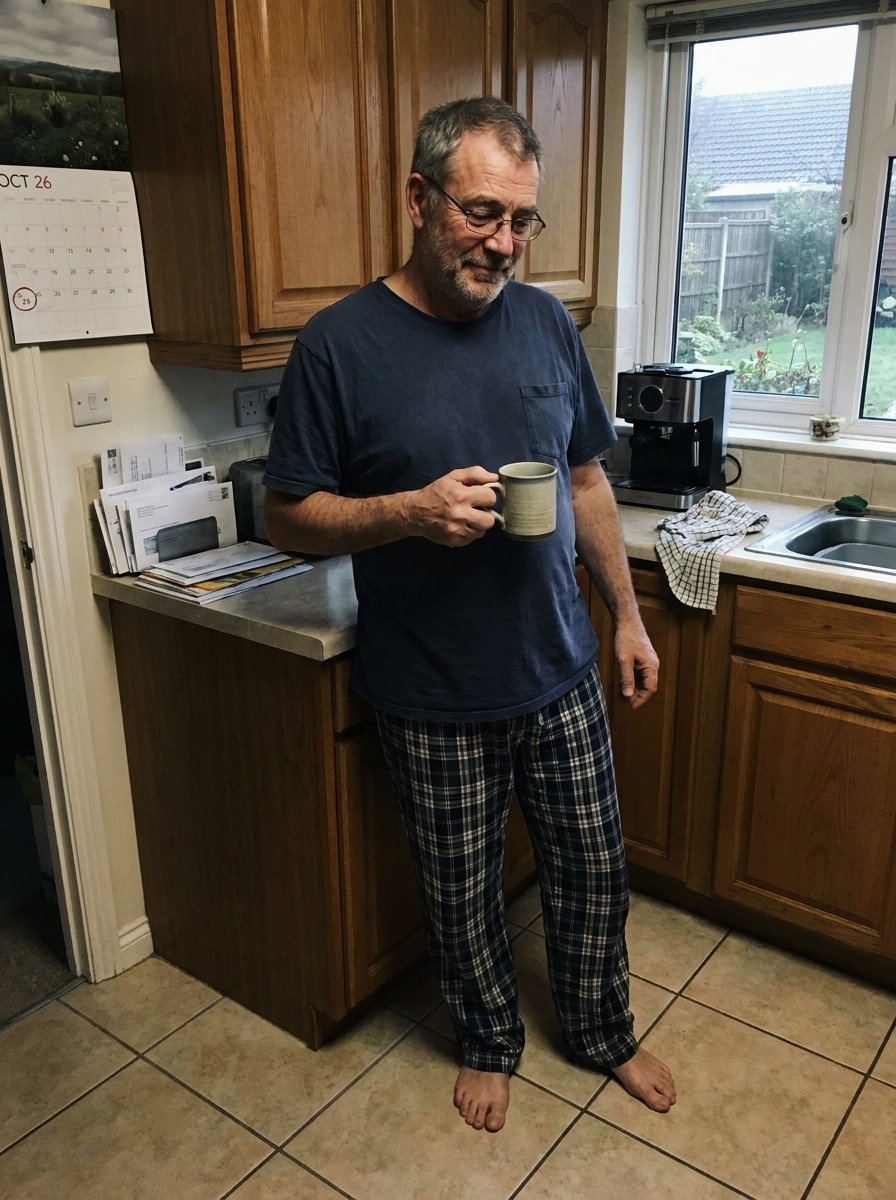
Ran for 41 days, from June 27 to August 7, 2026, the last day Crush saw it.
Run by The Nerve Health Journal on Facebook. Crush is not the advertiser and does not verify its claims. See this ad in Meta's Ad Library(opens in a new tab)
Want an ad like this for your product?
Crush makes new ad images for your product from this ad: your logo, your product photo, your offer.
Trials from $19.95 USD, then $79.95 USD a month. Cancel anytime.
About this ad
- Meta Ad Library ID
- 1484053576805047
- Platforms
- Facebook, Instagram, Audience Network, Messenger and Threads
- Relaunches
- 0
Ad text
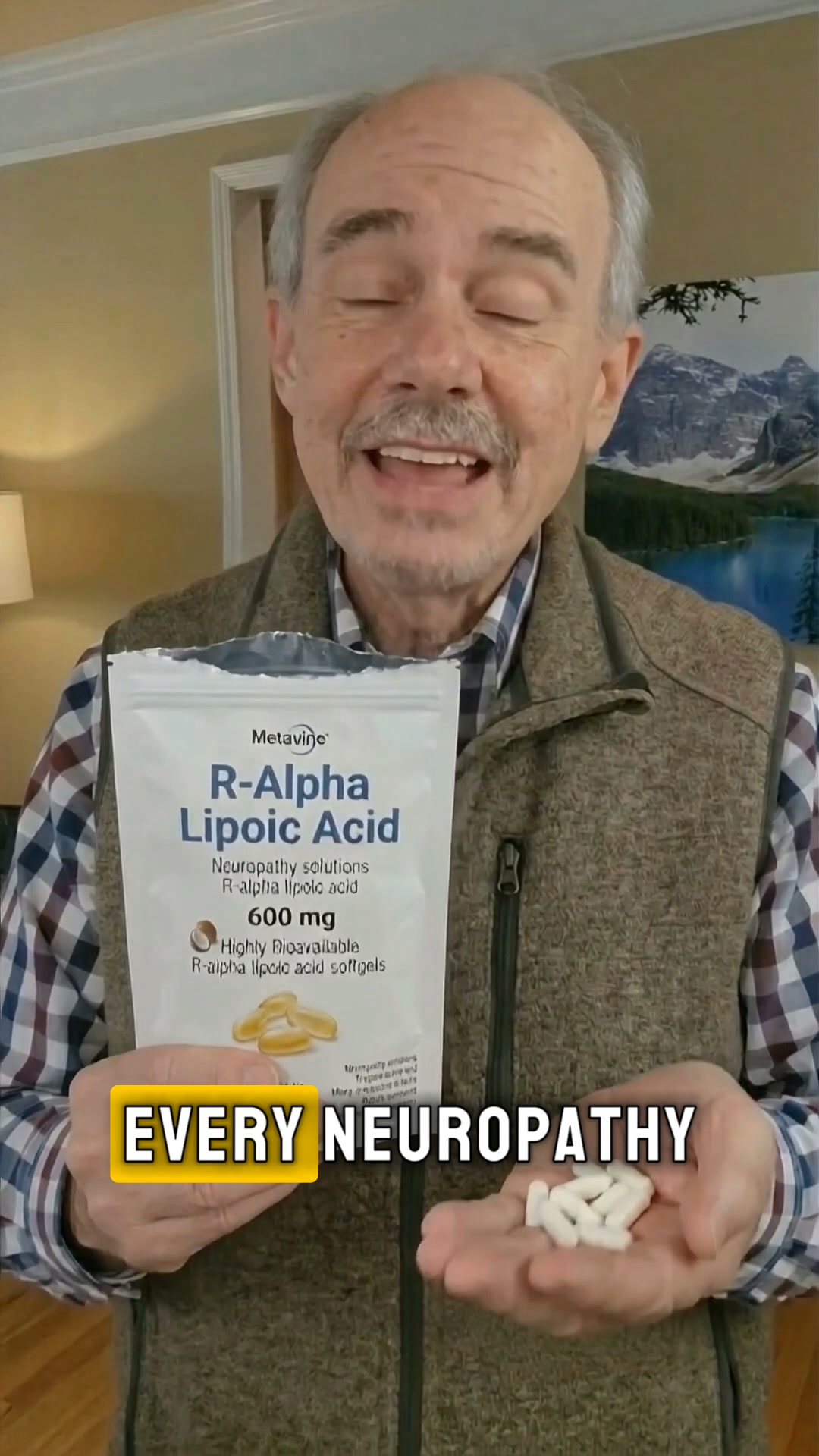
My doctor said if I refused gabapentin, she'd write it in my chart as non compliance against medical advice. I had fourteen minutes with her. She'd never met me before. Dr. Hargrove's retirement letter came on a Tuesday. Standard form letter. "After 36 years of practice, I'm stepping away effective April 1st. Your care will be transferred to Dr. Lena Soto." I sat at the kitchen table staring at it. Thirty one years. I'd been seeing Dr. Hargrove for thirty one years. He knew my history, knew what nerve medication did to my father, knew my fear of starting down that road, and he'd always worked with me. Always said the same thing. "Let's keep trying the natural approach first, Ray. Your symptoms are manageable. You're doing the right things." Now he was gone. My first appointment with Dr. Soto was April 16th. Routine physical. Transfer of records. Meet the new doctor. I sat in the exam room. Same room I'd been in for decades. Same posters about diabetes and nerve damage. Different doctor. Dr. Soto walked in. Young. Maybe 37. Laptop in hand. "Mr. Calloway." Firm handshake. All business. "I've been through your file." She sat down, pulled up my records, scrolled, and her face changed. "Your neuropathy history." She turned the screen toward me. "2022, mild tingling in both feet. 2023, burning at night, two or three times a week. 2024, numbness spreading into the toes, balance issues noted. 2025, burning every night, can't stand socks against the skin, loss of sensation across the ball of the foot. Today you're reporting nighttime burning, numbness, tingling, and at least one near fall in the last month." She looked at me. "Five years of progressively worsening peripheral neuropathy. Stage two for three of them. No medication prescribed." "Dr. Hargrove and I had a plan. B12, alpha lipoic acid, blood sugar control. He was monitoring..." "For five years?" Her voice went sharp. "Mr. Calloway, your nerve damage has been progressing for three years without treatment. I don't know what your previous doctor was thinking, but this should have been treated aggressively years ago." My stomach dropped. "Dr. Hargrove knew my history. My father had terrible reactions to..." "Your father's history doesn't change what's happening to your nerves. The burning, the numbness, you're already losing protective sensation, you're a fall risk. This condition is permanent and progressive. You could be in a wheelchair in five years." She was already typing. "We're starting gabapentin. 300 milligrams, three times a day." "I'd rather..." "This isn't a discussion. Your neuropathy is advancing. If you refuse treatment, I'm required to document it as non compliance against medical advice." The printer hummed. She handed me the prescription. "Follow up in twelve weeks. We'll do a full nerve assessment and see where you're at." She stood. Left the room. The whole thing took fourteen minutes. I sat there holding the prescription, hands shaking, the words "non compliance" and "against medical advice" rolling through my head like a sentence. And one more word, the one that hit hardest. Permanent. In the parking lot I called my wife Carol. "How was the new doctor?" "She says Dr. Hargrove should have put me on gabapentin years ago, and she wants me on it now." Silence. "What?" "She said five years without medication was irresponsible. She said it's permanent." "But Dr. Hargrove always said you were..." "I know what he said. She doesn't care. I either take the pill or it goes in my record that I refused." That night I couldn't sleep. I lay there staring at the ceiling, the burning in my feet worse than usual, Carol's breathing steady beside me. Dr. Hargrove had respected my concerns. We'd worked together for over three decades. B12, alpha lipoic acid, blood sugar control, magnesium, daily walks when I could manage them, checkups every six months. My symptoms had gotten worse, yes. But gradually. No sudden flares. No emergencies. No falls. Was he wrong to be patient? Was I letting something permanent set in while I waited? At 3 AM I went downstairs, sat at the kitchen table with my laptop, and started searching. is peripheral neuropathy really permanent nerve damage risk without medication balance loss neuropathy fall risk men 50s Every article said the same thing. Permanent. Progressive. No cure. Manage the symptoms. Maybe Dr. Soto is right, I thought. Maybe I've been reckless. Then I searched, gabapentin long term side effects. Brain fog. Memory loss. Dizziness. Weight gain. Suicidal thoughts. Withdrawal worse than the pain itself. And my father's face came up in my mind. He'd been on nerve medication for fifteen years. Started on gabapentin. The same pill sitting on my counter right then. The fog came within six weeks. Not a little forgetfulness, a heavy blanket that settled over his whole brain, made him slow to answer, made him lose his train of thought mid sentence, made him stare at the TV without knowing what he was watching. They moved him to a higher dose and the burning eased a little. Then the dizziness came. He fell twice in one month. Broke his wrist the second time. The fog got thicker. He started forgetting things. Small things first, where he'd left his keys, what he'd walked into a room for. Then bigger things. Names of people he'd known for years. The punchline of a story he'd told a hundred times. And the fatigue. That was the worst. This was a man who coached my little league team, built our back deck with his own hands, fixed the car in the driveway on weekends. By 66 he was napping twice a day, couldn't follow a conversation without losing the thread, lost interest in everything he used to love. Just existing. Going through the motions of a life that didn't feel like his anymore. My mother said it was like watching him disappear. He died at 71. Heart attack. While taking the medication that was supposed to help him. Fifteen years of side effects. Fifteen years of feeling like a shadow of himself. And his feet still burned the whole time. I closed the laptop, rubbed my face, and sat there in the kitchen with the prescription on the counter mocking me from across the room. I didn't fill it. One week passed. Then two. Dr. Soto's office called. "Mr. Calloway, our records show you haven't filled your prescription. Dr. Soto wants to confirm you're taking your medication as directed." "I need more time to think about it." "Sir, Dr. Soto flagged this as urgent. She strongly recommends..." "I said I need more time." I hung up. Carol found me in the garage that evening. "Ray. Talk to me." "I'm looking for options." "Options? The doctor said it's permanent. She said you could end up in a wheelchair." "She said Dr. Hargrove was wrong for not putting me on a pill. But Dr. Hargrove knew me for thirty one years. He knew my father's history. He saw what those drugs did to him. He was being careful with me." "But what if she's right? What if you..." Her voice broke. "I don't want to watch you disappear like your dad did." "You won't. I just need to find another way." "What other way?" I didn't have an answer. That weekend I searched everything. B12. Methyl B12. Alpha lipoic acid. Acetyl L carnitine. Benfotiamine. Magnesium. Nerve creams. Every natural neuropathy supplement with any research behind it. I tried the top rated B12 nerve formula on Amazon. Six weeks, every morning without fail. The burning was the same. Maybe a fraction better some nights. Probably just a good night. Switched to high dose alpha lipoic acid. 600mg. Eight weeks. Nothing. Tried a full nerve support stack from a specialty supplement store. ALA, B vitamins, acetyl L carnitine, benfotiamine. The most expensive thing they had. Some nights felt slightly easier. Most felt the same. I was running out of time and running out of ideas. Three weeks before my appointment I was back at the laptop at 2 AM going in circles. Same supplement forums. Same Reddit threads. Same dead ends. Then I changed the search. I stopped looking for supplements and started looking for the real reason nerves break down in the first place. What's actually happening inside the nerve. Why my symptoms kept getting worse year after year no matter what I took. And I found something that changed how I understood the whole thing. It wasn't hidden. It wasn't some secret nobody wanted me to know. It was basic science. Just nothing anyone had ever bothered to explain to me in an exam room. The damage isn't the problem. The power is the problem. I read that line three times. Your nerves are living tissue. The whole network running through your hands, your feet, your legs is alive, and it's being maintained every second by living cells. Those cells are constantly working to keep the protective coating around the nerve intact, carry signals between your brain and your body, and tend to damage as it happens. But those cells can only do that work when they have energy. And here's what makes nerves different from almost every other cell you have. They're enormous. A single nerve can run over three feet long. Keeping that much living tissue alive takes a massive amount of energy. The cells in your nerves are the hungriest cells in your entire body. They need more energy than almost anything else you've got. That energy comes from your mitochondria. Your mitochondria are your body's power supply, running through every cell you have, including the cells in your nerves. Think of it as the power grid for your whole body. When the grid runs strong, energy flows everywhere it needs to go. The nerve cells get everything they need. Signals travel clearly. Damaged tissue gets tended to. The coating stays intact. Everything works because the power is flowing. But as you age, your mitochondria slow down. They stop producing energy the way they used to. And modern life makes it dramatically worse. Processed food full of seed oils and refined sugar. Environmental toxins. Chronic stress. All of it loads the system. The grid starts shutting down faster than aging alone ever could. And here's why it hits your nerves first. Because the cells in your nerves are the hungriest in your body, they're the first to starve when the grid goes down. Other cells get by on less. But those massive three foot long nerve cells that need enormous energy just to stay alive, they can't keep up. That's when the tingling starts. Then the burning. Then the numbness. Then the spreading. I sat back in my chair. That was why my feet kept getting worse year after year. That was why the B12 hadn't worked. That was why the alpha lipoic acid hadn't worked. That was why the nerve stack hadn't worked. Every one of those supplements was dropping raw materials at the door. Vitamins. Antioxidants. Building blocks. The cells had everything they needed to do the work. But they had no power to do it with. I was delivering lumber to a construction site with the power cut off. That image hit me like a truck. Because it was exactly what I'd been doing. Real work. Real money. Months of swallowing the pills every morning like I was supposed to. All of it handed to cells that had no energy to use any of it. And the gabapentin? The gabapentin would turn down the pain signal. The burning would feel quieter. Dr. Soto would be satisfied. But the nerve cells would still have no power. Still couldn't tend the damage. Still couldn't rebuild the coating. The drug doesn't restore the power. It just turns down the alarm so you can't hear it screaming. That's why people on gabapentin keep getting worse. That's why the numbness keeps spreading even when the burning is dulled. That's why my father's feet still burned through fifteen years of it. We were addressing the wrong thing. So I started looking for something else. Something that actually went after the power. Not the symptom. The power. What I needed was something that could turn the grid back on. Restart the mitochondria. Get cellular energy flowing to the nerve cells again so they could finally do the work they'd been trying to do all along. Most supplements don't do that. They deliver nutrients. They calm the signal. But they don't touch the master switch that turns the power back on. I looked at the usual suspects. CoQ10. PQQ. NAD boosters. They all had a little research behind them, but the results were small. Then I found something that actually fit. And the part that got me wasn't a trendy new powder. It was that the answer had been sitting in plain sight, used in clinics overseas for decades, while doctors over here just kept reaching for gabapentin. There's a compound that does exactly what I'd been reading about. It flips on AMPK, the master switch for your mitochondria. When AMPK gets switched on, it restarts the power grid and gets your mitochondria producing energy again the way they did when you were younger. On top of that, it's one of the only antioxidants that's both water and fat soluble, which means it gets everywhere, including inside the nerve cell and into the mitochondria themselves, where it neutralizes the very damage that's been draining the system for years. It's called alpha lipoic acid. I actually laughed when I read it, because I'd already tried alpha lipoic acid. 600mg. Eight weeks. It did nothing. So I kept reading, and that's when I found the part nobody had told me. What's sold on most shelves is the cheap synthetic version. A 50/50 blend of two mirror image forms, R and S. Your body can only use the R. The S form is dead weight. So when I took it, I was swallowing a capsule that was half filler, in a dry pill that barely absorbed. I never actually got the thing the research was talking about. Almost nobody does. The form that does the work is R-Alpha Lipoic Acid. The real R form, on its own, no synthetic half. Up to forty times more usable than the stuff I'd wasted eight weeks on. And it's the exact form neurologists across Europe, Germany especially, have used at a clinical dose for decades to bring down the burning, the tingling, and the numbness, while the standard here stayed gabapentin and Lyrica. And here's the part that stopped me cold. When the power comes back on, the nerve cells are among the first to respond. Because they're the hungriest. They've been starving the longest. They've been sitting there with all the raw materials your old supplements delivered and no power to use any of it. The second the energy starts flowing again, they get to work. They start tending the damage. They start rebuilding the protective coating. They start restoring the signal between your brain and your feet. The burning fades because the cells finally have the fuel to address the damage instead of just firing off a distress signal. The tingling quiets because the signal is being restored. Feeling comes back because the coating is being rebuilt. Balance returns because your brain and your feet are talking to each other again. Not because something forced it. Because your body is doing what it always knew how to do. You just had to turn the power back on first. The lumber and the power, finally on the same site. I almost ordered the first R-ALA bottle I could find. Grabbed one off Amazon that weekend. Cheap capsules. Fourteen dollars. Carol saw the bottle on the counter. "R what? Since when do you take that?" "Since now. Maybe." I took it a week. Didn't feel different. Didn't expect to right away, you can't rebuild nerve tissue in seven days. But I went back to the research and caught something I'd skipped the first time. The form the clinics use isn't a dry powder capsule. Dry R-ALA is unstable and barely absorbs. It needs to be carried in a fat to actually get into your system, and it needs to be the full clinical dose, not a token amount sprinkled in for the label. One writeup said the cheap dry capsules most companies sell lose most of their potency before you ever swallow them. So you end up with a bottle that does nothing. The Amazon bottle was junk. Whatever was supposed to be working was gone before it hit the capsule. That explained the dead week. It didn't explain what I was going to have to pay for the real thing. At 4 AM I searched, R alpha lipoic acid coconut oil clinical dose. One brand kept coming up. Not on the wellness blogs. On the forums where people post their actual symptom logs, week by week, tracking what worked. Metavine. One hundred percent R-Alpha Lipoic Acid. No synthetic blend. The full 600mg clinical dose the European clinics use. Suspended in a coconut oil softgel so it actually absorbs. Non GMO, third party tested, made in the USA. No fillers, no harsh additives. Money back guarantee. I ordered it immediately. The package came three days later. Three softgels with water every morning. That's the whole protocol. I took the first dose after breakfast. Didn't expect much. I'd been wrong three times already. I knew nerves take time. Nothing was going to happen overnight. So I told myself give it the full stretch and don't expect anything before then. But I noticed something by the end of the first week. The 2 PM crash, the one I'd accepted as normal, didn't come. I made it to dinner without feeling like I was running on fumes. Slept through the night without the burning waking me at 3 AM. Could be placebo. Could be a good week. I wasn't counting it yet. Week two, I woke up on a Saturday and my feet didn't feel like they were on fire. The dull throb that had been there for years, the background hum I'd stopped noticing because I'd made peace with it, was quieter. Carol said it first. "You seem less heavy. Like something lifted." She was right. I didn't have a word for it until she said it. Week three, I was making coffee and I felt the cold tile under my feet. Not the burning. Not the numbness. The cold. Of the floor. Through my bare feet. I stood there a full minute making sure I wasn't imagining it. I called Carol in. "Touch my foot." "What?" "Just touch the top of my foot." She did. And I felt it. Right where she touched. Not muted. Not far away. There. She started crying. Week four, I sat down with a notebook and a basic monofilament I'd ordered online, the same kind a doctor uses to test protective sensation, and I tested every spot on both feet. Three days running. Same routine. I was feeling things I hadn't felt in two years. Week seven, I tested again. Same routine. Three days. Every spot. Sensation across the whole foot. Balance better than it had been in three years. No nighttime burning for nine straight nights. I sat at the kitchen table and just breathed for a while. Two days before my appointment with Dr. Soto, I had my pre visit nerve assessment with the nurse. Standard monofilament test, vibration test. The results would be in my chart before she walked in. At the appointment I sat in the same exam room. Same posters about diabetes and nerve damage. Different feeling. Dr. Soto walked in. Opened my chart. Stopped. "Protective sensation has returned across both feet. Vibration sense improved. Balance within normal range." "Yes." She looked at the old note. Then the new one. "You started the gabapentin?" "No." She looked up. "No?" "R-Alpha Lipoic Acid. I know how it sounds. But there's a real reason it works. The cells in your nerves need energy to do their job, and that energy comes from your mitochondria, the power supply for every cell in your body. As you age, and from modern life, that supply slows down. The nerve cells are the hungriest in the body, so they're the first to starve. That's where the burning and numbness come from. The R form flips on a master switch called AMPK that restarts the mitochondria, and it neutralizes the damage inside the nerve at the same time, so the cells finally have the power to do the work they've been trying to do. It's the same compound the clinics in Europe have used for decades." Long pause. "Where did you read this?" "Research on AMPK activation and mitochondrial function, and the European clinical work on R-Alpha Lipoic Acid. I'll send it tonight." She looked at my chart again. Then at me. "What specifically are you taking?" "Metavine. R form only. Full 600mg dose. Coconut oil softgel. Third party tested." She typed it in, read for a long time, looked at the sourcing and testing. "Continue what you're doing. Back in twelve weeks. If sensation keeps returning, we'll skip the gabapentin entirely. No medication." I walked out of that office and sat in my car for ten minutes. Called Carol. "Sensation's come back. She's not prescribing anything." She went quiet. Then, "no medication?" "No medication. We just keep monitoring." She didn't say anything for a moment, and when she did her voice was tight. "I knew you'd find something." That was four months ago. Last week I got my quarterly nerve assessment. Full protective sensation across both feet. Normal balance. No burning. No spreading numbness. Stable. No medication. No compliance flag in my chart. Just feeling. If you're reading this, you're where I was. Cornered. Pressured. Feeling like gabapentin or one of its cousins is the only thing your doctor will accept. Here's what I learned after months of failed supplements and two nights of real research. The reason most neuropathy supplements don't work is that they deliver raw materials to cells that have no power to use them. B12. Alpha lipoic acid. Magnesium. Acetyl L carnitine. All of it shows up at the door. But the nerve cells can't do anything with it, because the mitochondria, the power supply, have been shutting down for years. Until you turn the power back on, the cycle doesn't stop, the damage keeps spreading, and your symptoms keep getting worse no matter how much you take. Gabapentin turns down the pain signal, but it doesn't restore the power either, which is why people on it keep losing feeling, and why my father did, and why his feet were still burning the day he died. And the reason my own alpha lipoic acid failed the first time wasn't that the compound is weak. It's that I took the cheap synthetic blend in a dry pill that didn't absorb. The R form, at the clinical dose, in a fat that actually carries it in, is a different thing entirely. That's the version the research is built on and the version Europe has used for decades. Metavine was the only one I found that matched what the research called for. One hundred percent R form. Full 600mg clinical dose. Coconut oil softgel so it actually absorbs. Third party tested. Made in the USA. I don't know if it's the only good one out there. I know it's the one that worked for me. I went from waking up every night at 3 AM with my feet on fire to feeling the cold floor under my feet for the first time in years. My doctor monitors me quarterly. No medication. No lectures. No compliance flag. Just feeling she can't argue with. If you feel cornered, give it 90 days, track your symptoms at home, write down what you feel and what you don't, then walk into your next appointment with the record. Stay consistent. Take it every morning. Don't skip days. That's the whole protocol. Money back guarantee. If you don't feel a difference, if you're not satisfied for any reason, contact customer service for a full refund. No questions asked. You risk nothing. Metavine makes everything in small batches to keep the potency up, which is part of why it works when the cheap stuff doesn't, and also why it sells out and you sometimes wait for the next run. Feeling is the only thing that changes a doctor's mind. 👉 https://www.metavinelab.com/products/r-alpha-lipoic-acid Ray Calloway P.S. I noticed energy and sleep by week two, felt the floor under my feet by week three, full protective sensation back by week seven. She dropped the gabapentin on the spot. Your timeline may vary, but 90 days is the window, and you risk nothing. P.P.S. The reason it works is real. You just have to be willing to look for it. I did the looking. Now you have the answer. 👉 https://www.metavinelab.com/products/r-alpha-lipoic-acid
Where the ad sends people
metavinelab.com
The R-Form ALA your doctor never mentioned
.
Learn more: metavinelab.com(opens in a new tab)