
Inactive· since May 8, 2026
- 15
- days it ran
- 0
- relaunches
- 611
- EU reach
Ad copy
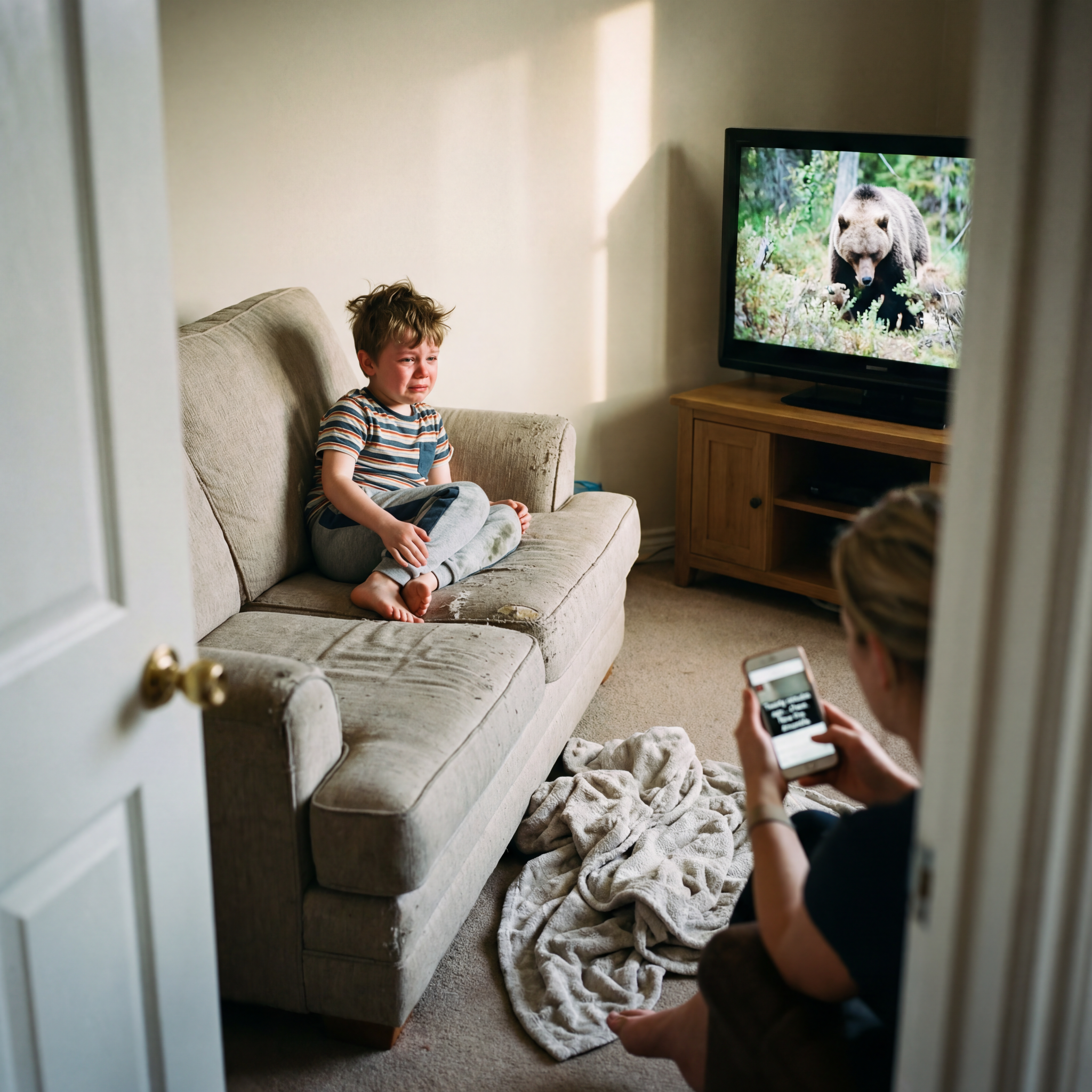
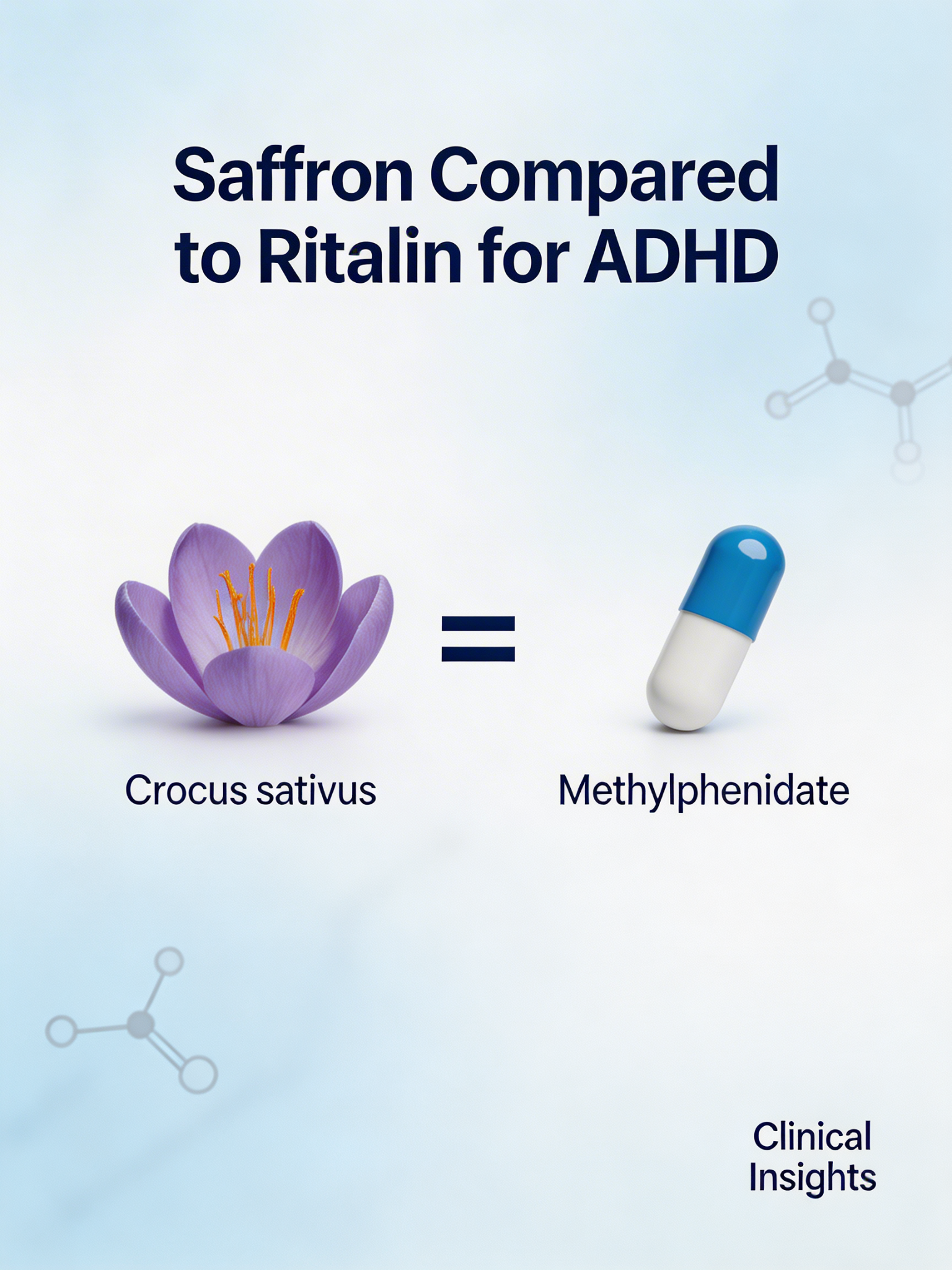
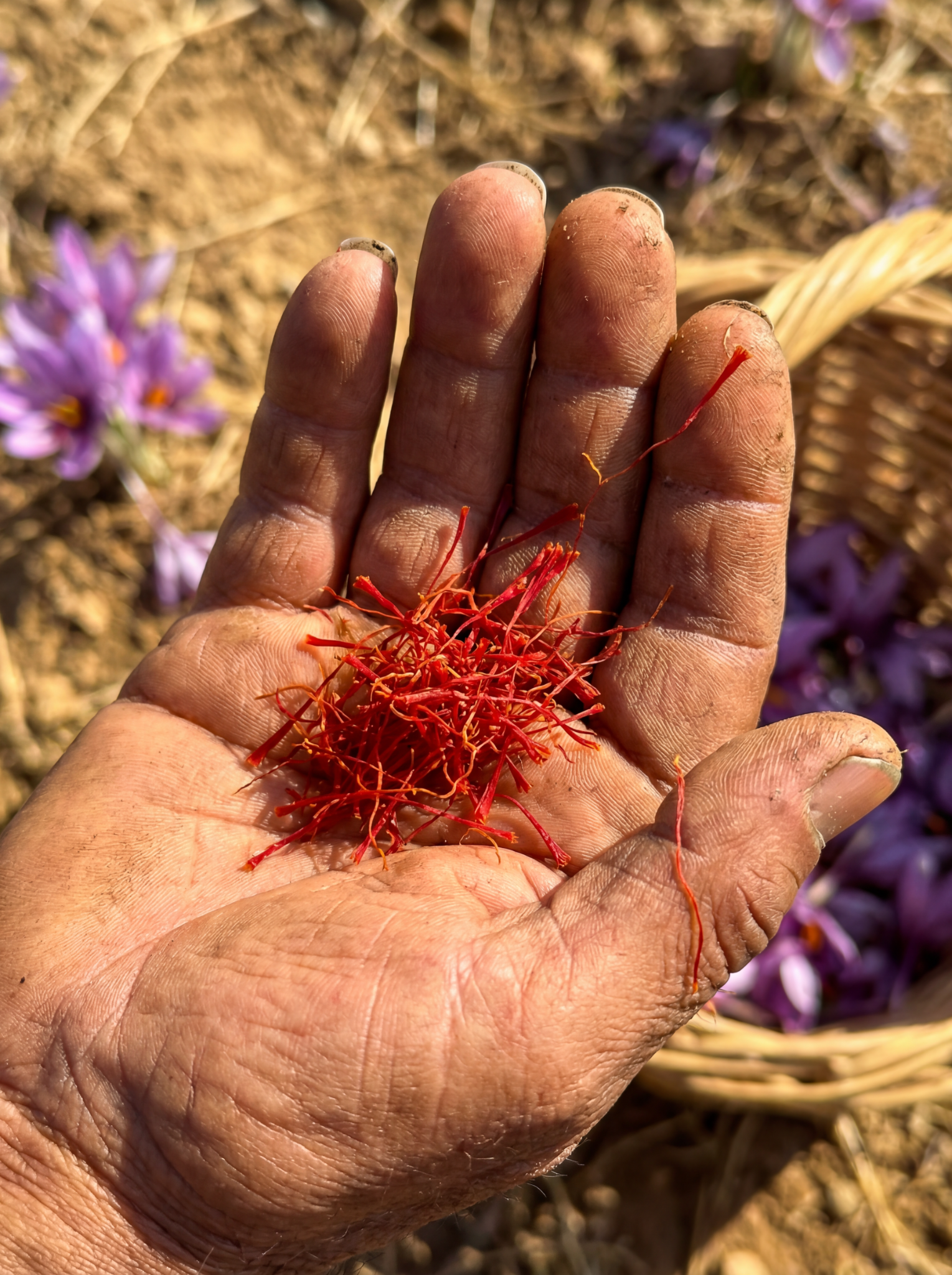
My younger daughter started asking me why her brother was always angry. She was six. He was nine. And I did not have a good answer for her. Because the honest answer was: I do not know why, I have been trying to figure it out for two years, and it is affecting everyone in this house, including you, and I am sorry. I did not say that out loud. I said something about how sometimes brains work differently and that her brother loved her. But after she went to bed I sat with that question for a long time. Because she was right. He was always either fine or not fine, and when he was not fine, the whole house rearranged itself around it. My husband and I had started having versions of the same conversation on repeat. What do we try next. How long do we give it. When do we talk to the doctor about medication. I kept saying I wasn't ready. I didn't have a good reason. I just wasn't. We had tried things. Routines, screen limits, rewards, a therapist we liked and who helped some, magnesium supplements, two different focus gummy products that changed nothing, dietary tweaks that lasted two weeks before I ran out of energy. None of it touched the core thing. The emotional intensity. The way a small frustration would build so fast he couldn't get in front of it. The homework standoffs. The morning launches that sometimes fell apart before we even got to the car. I was tired. I was also starting to feel guilty in a way I couldn't shake. My daughter was growing up in a house where the emotional climate was largely determined by her brother's regulation, and that wasn't fair to her either. I started researching again. Which is something I do when I run out of everything else. I found something I wasn't looking for. I was reading about the history of pediatric medicine, genuinely just going deep on how different cultures historically supported children with behavioral and emotional difficulties, and I found a passage from the Canon of Medicine written by a Persian physician named Avicenna around 1025 AD. He described a category of children with what translated roughly as "restlessness of the spirit." Difficulty holding attention. Emotional responses that were too large for the situation. An inability to stay steady. His documented support for these children included something called za'faran. Saffron. I sat with that for a while. Then I went looking for whether this had ever been studied scientifically. It had. A peer-reviewed clinical trial published in 2019 compared standardized saffron extract to methylphenidate, the active compound in Ritalin, in children with attention and behavior difficulties. They measured focus, emotional regulation, behavior at home and at school. The results were comparable. I understand that sounds like a supplement company talking. I promise this was a real published trial and I read the methodology three times to make sure I was reading it correctly. The same category of medication I was not sure I was ready to try. A plant that physicians had been documenting for over a thousand years showed comparable support in a clinical trial. Once I understood why, it made sense. Children who struggle with emotional flooding and focus often have gaps in both their dopamine and serotonin systems. Dopamine handles focus and the ability to stay with a task. Serotonin handles emotional regulation, mood, and the ability to recover after being upset. Medication like Ritalin addresses the dopamine side by forcing it. Quickly. Effectively. But it leaves serotonin unaddressed and the forcing mechanism is where the tradeoffs come from. Appetite, sleep, personality. Saffron contains compounds that support the brain's natural production of both. Not forcing. Supporting. Both systems at the same time. That is why the kids in the study maintained their personality and appetite while showing comparable focus and behavioral improvements. Their brains were not being overridden. They were being given what they had been running short on. Avicenna did not know about serotonin or dopamine. But he observed the outcome consistently enough to document it across hundreds of years of medical practice. The hard part was finding a product with a real dose. The studies used 20 to 30mg of standardized saffron extract with confirmed active compound concentrations. I pulled up every saffron supplement I could find on Amazon and through health stores. Almost all of them were using 3 to 5mg of non-standardized saffron powder. Not because the companies were lying. Because that is what the supplement industry does with expensive ingredients. Enough to put it on the label. Not enough to matter. A friend who had been through a similar research process mentioned a product she had been using for four months. She said it was the first thing that had genuinely shifted the daily experience in her house. She sent me the label. Properly dosed standardized saffron extract. Magnesium glycinate. Holy basil. Ingredients that matched what the actual research showed at concentrations that could actually function. I was skeptical in the way you get after too many supplements that disappointed you. I ordered it anyway. The first couple of weeks nothing dramatic happened. I kept taking notes in my phone just to have something to point to if nothing happened and I needed to move on. Then around week three I noticed the after-school hour. It was not as loud. Not as fragile. He came home from school wound up the way he always did, but the thing that would have set him off just... did not set him off the same way. Week four, homework. We sat down and got through it in under an hour without a meltdown. I almost cried in the kitchen afterward because it had been so long since that had happened. Month two, my daughter asked me one night, out of nowhere, if her brother was in a good mood lately. I said yes. She said, good, I like him when he is like this. I cannot explain what that did to me. He is still completely himself. Still the loudest person in the room, still has opinions about everything, still makes us laugh every single day. But the emotional ceiling has come down to something manageable. The household is breathing again. My daughter is not tiptoeing anymore. That was the part I had not let myself name until it changed. The whole house had been living around his harder days. And now we are not. A Persian physician documented this plant for this purpose in 1025 AD. It took a 2019 clinical trial for me to take it seriously. I wish I had not waited. EDIT: A few people have asked what product I am referring to. It is Mood Balance by Lumexa. Properly dosed saffron, not the trace amounts most supplements use. The link is below. uselumexa.com/pages/saffron-2
I Was So Focused on Helping My Struggling Child That I Missed What It Was Doing to the Rest of My Family.
Lumexa
SEE DETAILSLike this ad? Make it yours.
Crush rebuilds this exact creative around your product — your brand, your colors, your offer — in about a minute.