
Inactive· since Apr 20, 2026
- 31
- days it ran
- 0
- relaunches
- 4,489
- EU reach
Ad copy
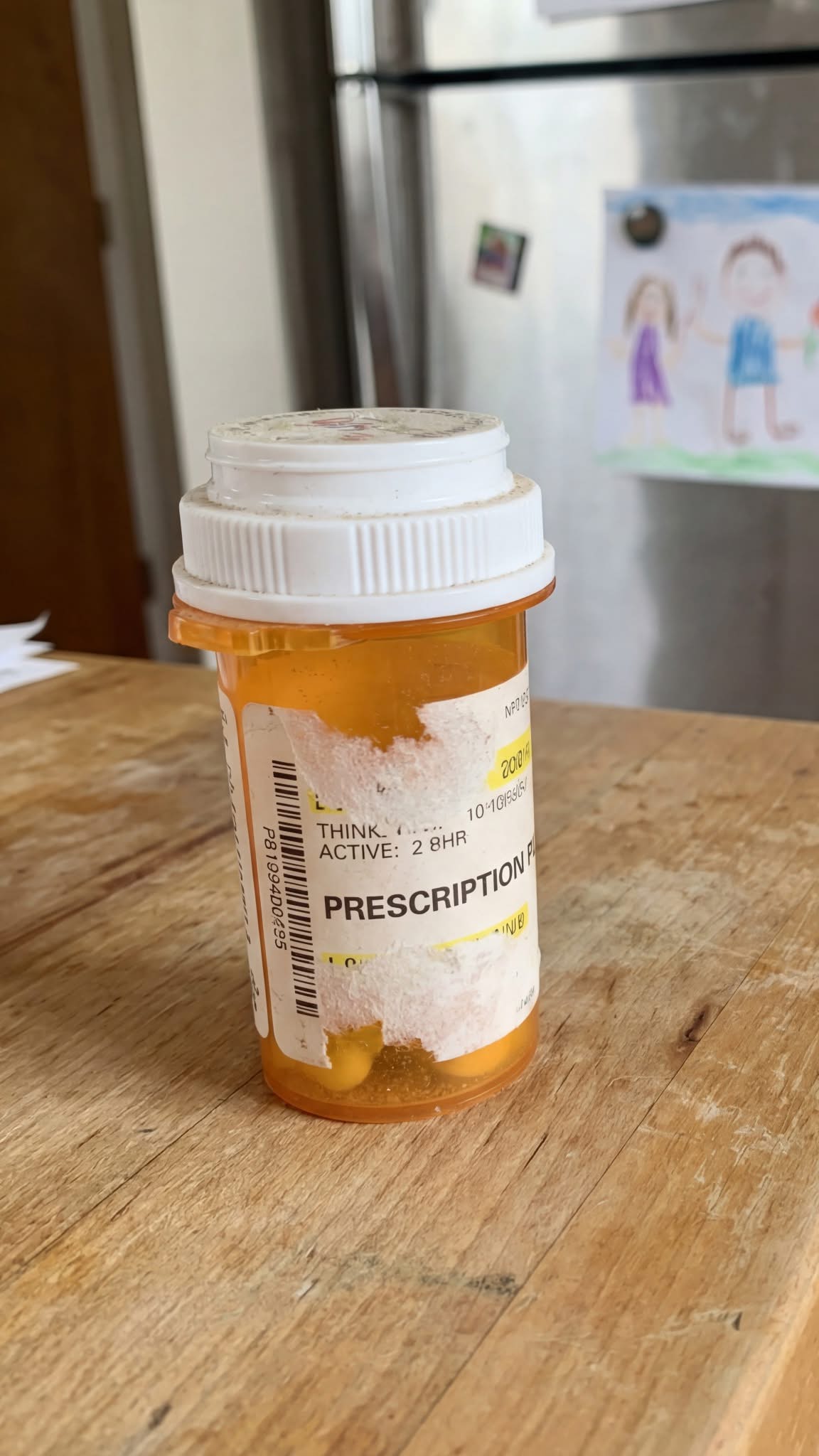
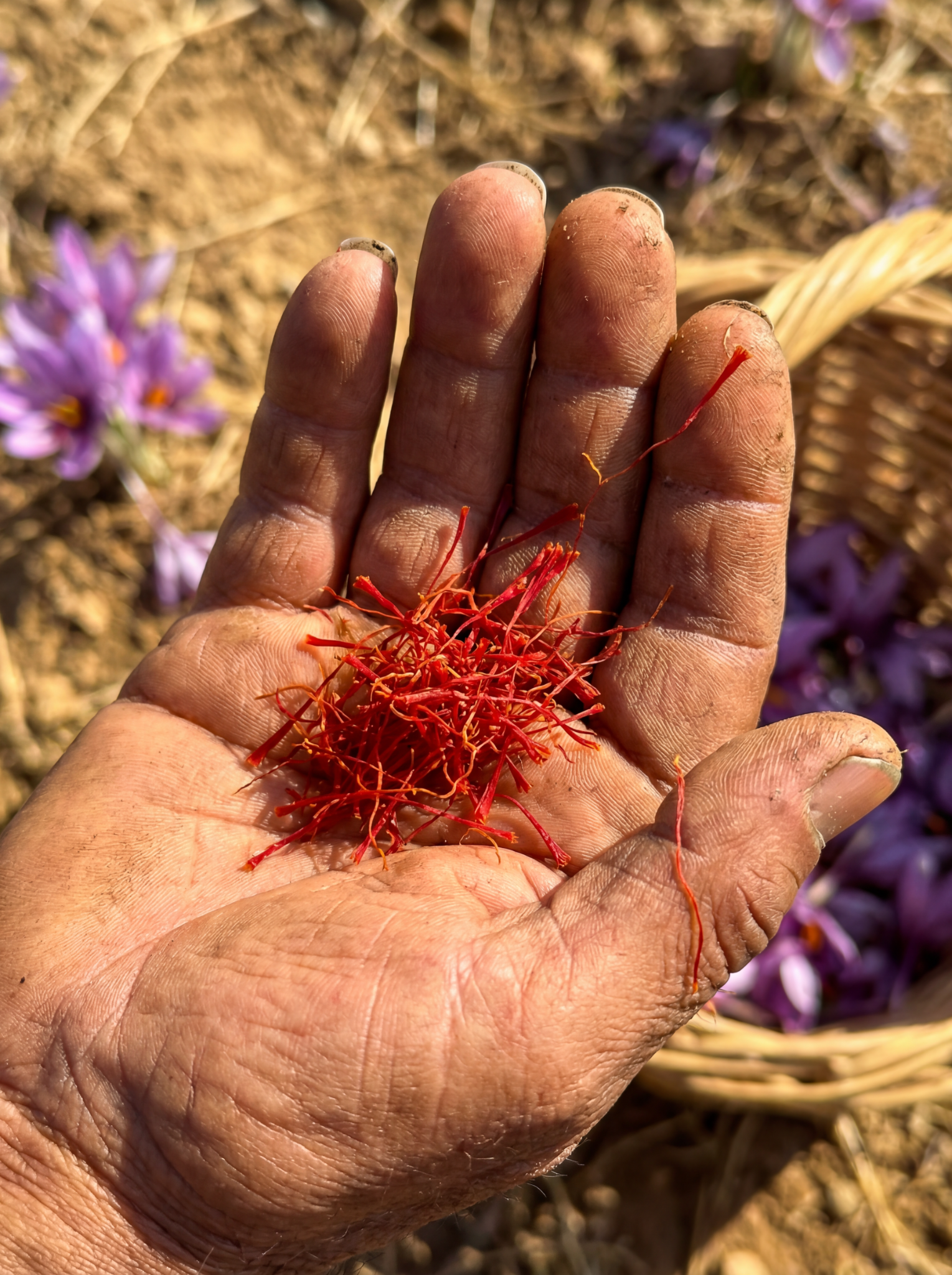
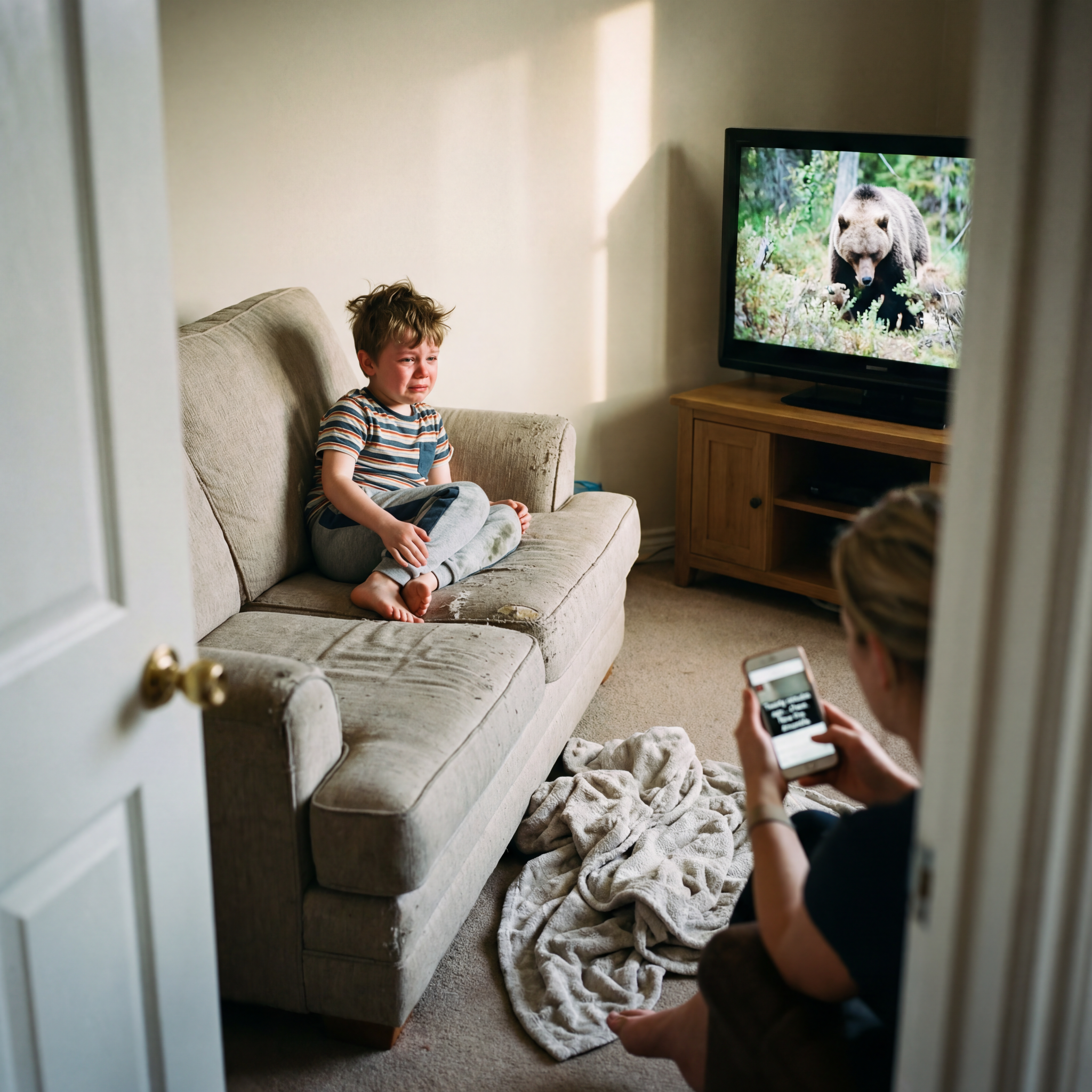
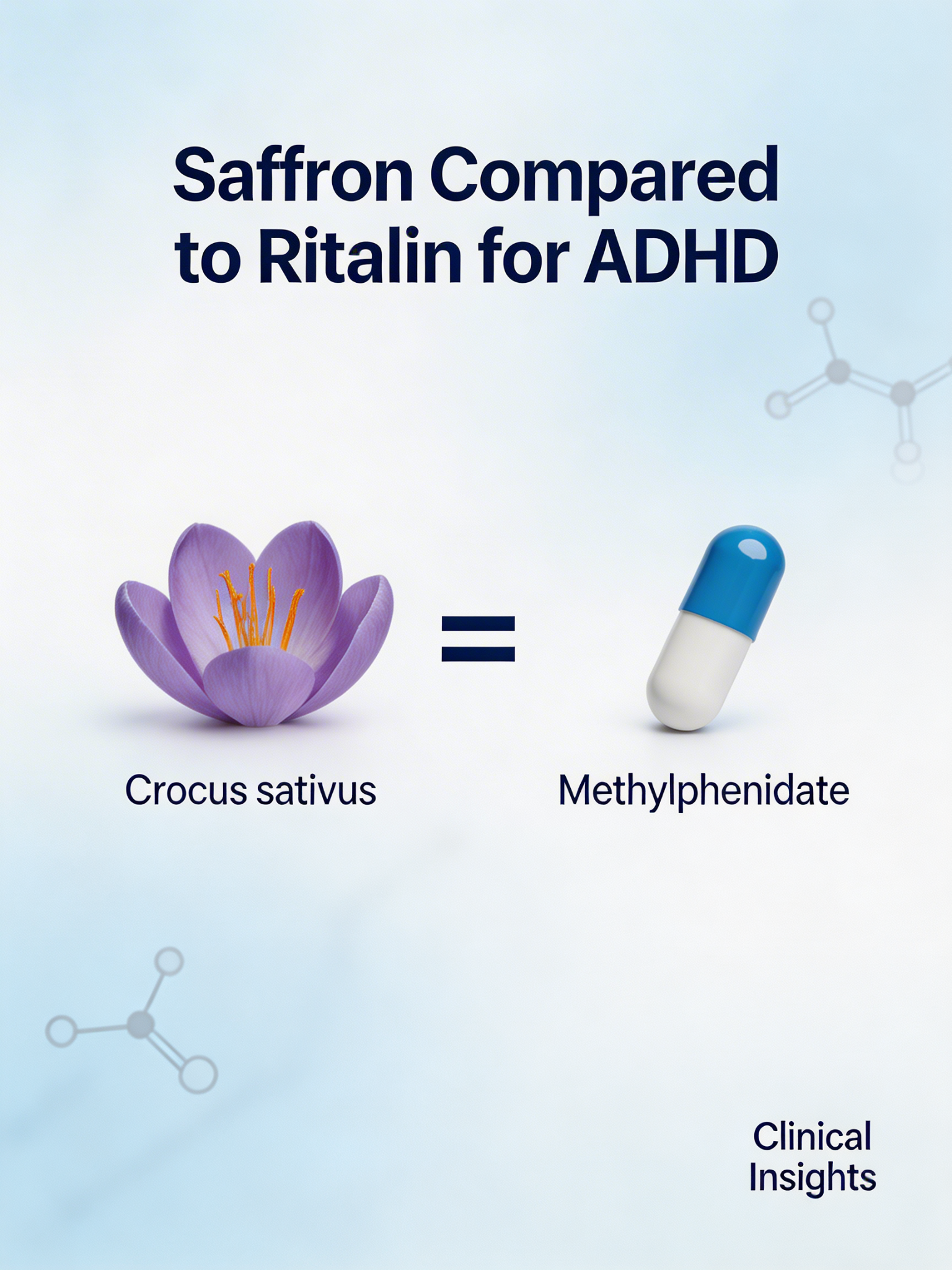
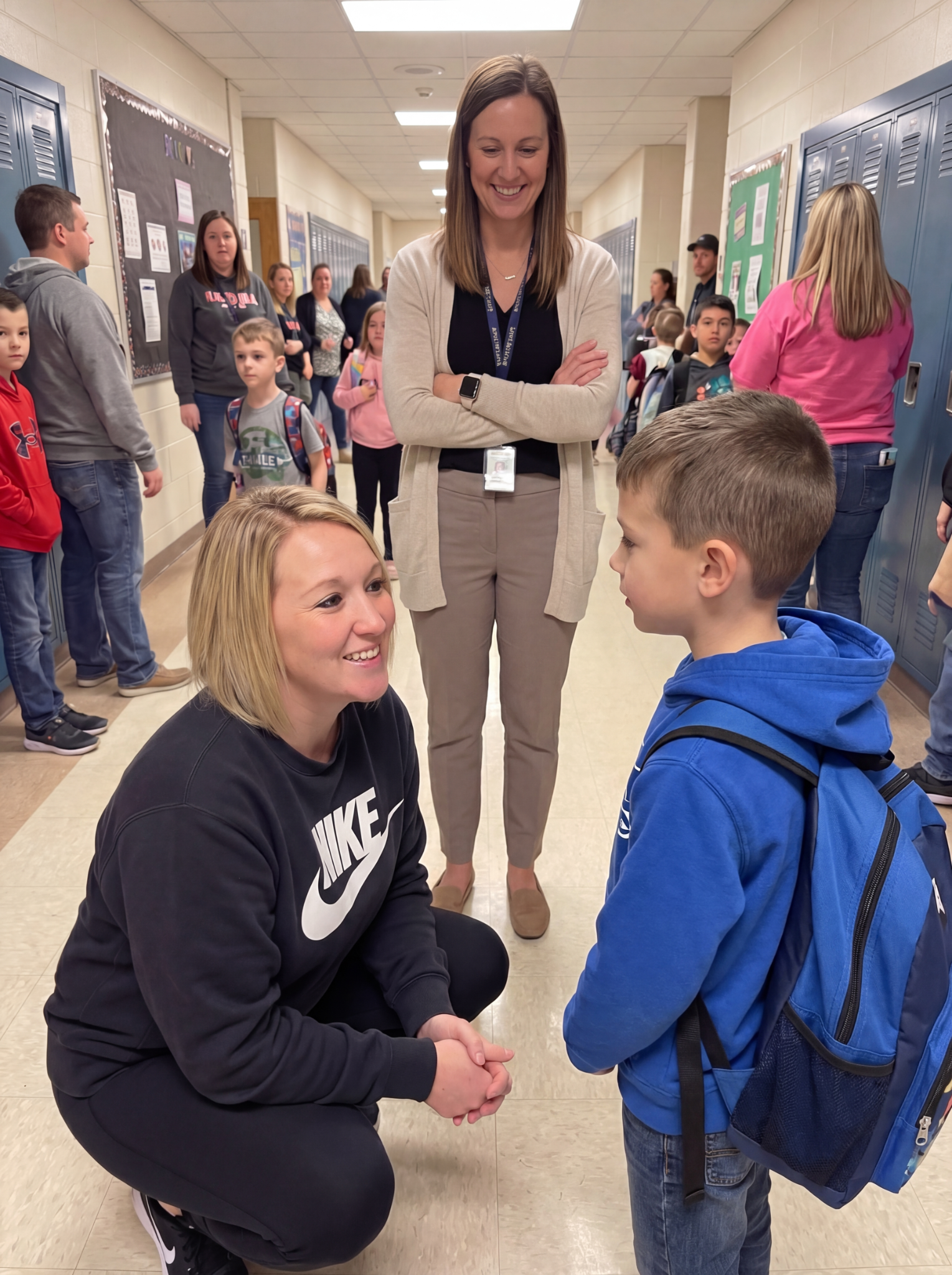
I've prescribed ADHD medication to hundreds of kids over the last 12 years. And I need to tell you what I've started doing differently. My name is Dr. Campbell. I'm a pediatrician. And this isn't something I would have said five years ago. But I've watched too many kids walk into my office focused and empty. Focused and not eating. Focused and not sleeping. Focused and not themselves. And their moms sit across from me saying the same thing every time: "It's working. But I feel like I lost my kid. I just wish there was something natural” I need to explain what I've learned. Because it's changing how I practice and it might change what you decide for your child. — Let me tell you what I see every week. A mom brings her son in. He's 7 or 8. Can't focus in school. Meltdowns at home. Homework is a war. Teacher emails constantly. These moms are exhausted. They've tried everything — magnesium, omega-3s, therapy, cutting screens, reward charts. Nothing really sticks for them. They don't want medication. But most don't know what else to do. I usually prescribe methylphenidate or Adderall. Because that's what I was trained to do. And it works. Within a week the teacher of these kids are saying that the kids are more focused. Finishing work. Sitting still. Raising his hand. Then the mom comes back in six weeks. He's not eating. Lost weight. Lunch comes home untouched. He can't sleep. Lying in bed for hours. Exhausted but wired. And the personality. This is the one that breaks my heart every time. The loud, funny, goofy kid is gone. He's quiet. Flat. Compliant. Sits still. Does what he's told. But the light behind his eyes is dimmer. Mothers saying "His teacher loves him now. But he doesn't feel like my son anymore." I've heard that sentence hundreds of times. And for years, the best I could offer was a dose adjustment. Lower the milligrams. Try extended release. Switch medications. Every adjustment fixes one thing and breaks something else. More focus but no appetite. Appetite comes back but he's crashing by 3 PM. Sleep gets better but the flat personality stays. Like trying to tune a radio that only picks up one station at a time. — I need to explain WHY this happens. Because most parents are never told. ADHD medication — methylphenidate, Adderall, Concerta, Vyvanse — works by forcing dopamine into the brain. One chemical. Artificially. Fast. That's why focus improves quickly. The brain is suddenly flooded with the one thing it was missing. But the brain doesn't run on one chemical. It runs on three. Dopamine, serotonin, and norepinephrine. They work as one system. Dopamine handles focus and attention. Serotonin handles emotional regulation, mood, and sleep. Norepinephrine handles motivation and drive. When you force dopamine up artificially, serotonin and norepinephrine don't come up with it. And in many kids, theses neurotransmitters actually get disrupted. That's why appetite disappears — the dopamine surge suppresses hunger signals. That's why sleep collapses — the artificial spike doesn't wind down on schedule. That's why personality flattens — the brain is being overridden, not supported. You've turned up one dial and muted everything else. I'm not against medication. I still prescribe it. For some kids it's the right choice. But I stopped pretending the trade-off doesn't exist. And I stopped accepting that it's the only option. Most of the time even these kids are borderline and giving them medication is rarely the best option for them. — Three years ago a colleague sent me a study that changed how I think about all of this. Peer-reviewed. Published in a medical journal. Researchers took clinical-strength saffron extract and compared it head-to-head against methylphenidate in children with ADHD. Saffron compared the same in supporting focus, mood, behavior, and anxiety. Rated by parents and teachers. I read that twice. Then I read the full paper. Then I read the follow-up studies that confirmed it. Comparable focus. Comparable emotional support. Comparable behavior improvements. Without the appetite loss. Without the insomnia. Without the personality flattening. The reason is simple once you understand the chemistry. Saffron contains two compounds — crocin and safranal — that support the brain's natural production of dopamine, serotonin, AND norepinephrine. It doesn't force one chemical in artificially. It helps the brain produce more of what it's been running low on. Dopamine comes up — focus improves. Not the artificial laser focus that feels forced. Real, steady, natural focus. The brain can sustain attention because it has its own supply. Serotonin comes up — mood stabilizes. Sleep improves. Emotions stop coming in at a 10 when the situation is a 2. The kid stays regulated AND stays themselves. Norepinephrine comes up — the drive comes back. The motivation to start things, stick with things, get through the morning routine without someone narrating every step. That's the difference. Medication forces one chemical and disrupts the rest. Saffron supports the whole system naturally. Focus comes AND the kid stays. Saffron isn't better than these medications, these meds do a good job of what there designed to do. But saffron addresses all pathways naturally, something these medications don't do. — I started recommending it to parents in my practice. Carefully. Alongside their existing treatment or as a first step before medication. But I learned quickly that not all saffron is the same. Most supplements on the shelf use generic saffron extract. Maybe 20% active compounds. The study used 95%+ pure crocin and safranal. Below that concentration, brain chemistry doesn't change. That's why parents try saffron from Amazon and nothing happens. The dose isn't there. And saffron alone doesn't fill the full picture. The brain needs the raw materials to actually build what saffron helps produce. B6. B12. Magnesium glycinate — not oxide, which barely absorbs. The product I've seen the most consistent results with in my practice is Mood Balance. Clinical-dose saffron at the actual concentration from the study. Plus magnesium glycinate, B6, B12, lion's mane, L-theanine. The saffron to support production. The building blocks to fuel it. It's a gummy. Kids actually take it. That matters more than most parents realize. — I want to tell you about one patient. Because his story is the one that made me change how I practice. He was 8. Classic presentation. Smart kid. Couldn't focus. Meltdowns. Homework wars. Teacher emails. His mom was exactly where every mom is when she walks into my office — exhausted, out of options, scared of medication but running out of reasons to say no. I would have prescribed methylphenidate a year ago without hesitation. Instead I said: "I want you to try something first. Give it three weeks. If it doesn't work, we'll have the medication conversation." She started him on these saffron gummies Two weeks in she called my office. Not with a complaint. She was crying. "He did his homework in twenty minutes last night. No fight. No meltdown. He just did it." Three weeks in she came back for a follow-up. He was eating normally. Sleeping normally. Focused at school — his teacher had already emailed her. And he was still himself. Still loud. Still funny. Still the kid she was terrified medication would take from her. She looked at me and said: "Why didn't anyone tell me about this sooner?" I didn't have a good answer. — That was a year ago. Since then I've recommended this approach to dozens of families. Not every kid responds the same way. Some still need medication. ADHD is a spectrum and there's no one-size-fits-all answer. But the number of kids in my practice who've gotten focus back without losing themselves — without losing their appetite, their sleep, their personality — that number keeps growing. And the moms who come back and say "he's focused AND he's still my kid" — that's something I never heard when I was only prescribing medication. — If you're a parent sitting in a waiting room right now dreading the medication conversation — or if your kid is already on medication and you're watching the trade-off happen in real time — I want you to know there's something in between. I'm not telling you to stop medication. That's a conversation for you and your doctor. But I am telling you that the study exists. The science is real. Focus doesn't have to come at the cost of your kid being themselves. Support the whole system. Not just one chemical. That's what I wish I'd known twelve years ago. And that's what I tell every parent who walks into my office now. EDIT: I keep getting asked which saffron gummy. Mood Balance. Clinical-dose saffron extract with 95%+ active compounds, magnesium glycinate, lion's mane, L-theanine, B6, B12. [uselumexa.com/pages/saffron-2]
I've prescribed ADHD medication to hundreds of kids over the last 12 years. And I need to tell you what I've started doing differently.
Lumexa
LEARN MORELike this ad? Make it yours.
Crush rebuilds this exact creative around your product — your brand, your colors, your offer — in about a minute.