
Inactive· since Apr 18, 2026
- 31
- days it ran
- 0
- relaunches
- 1,275
- EU reach
Ad copy
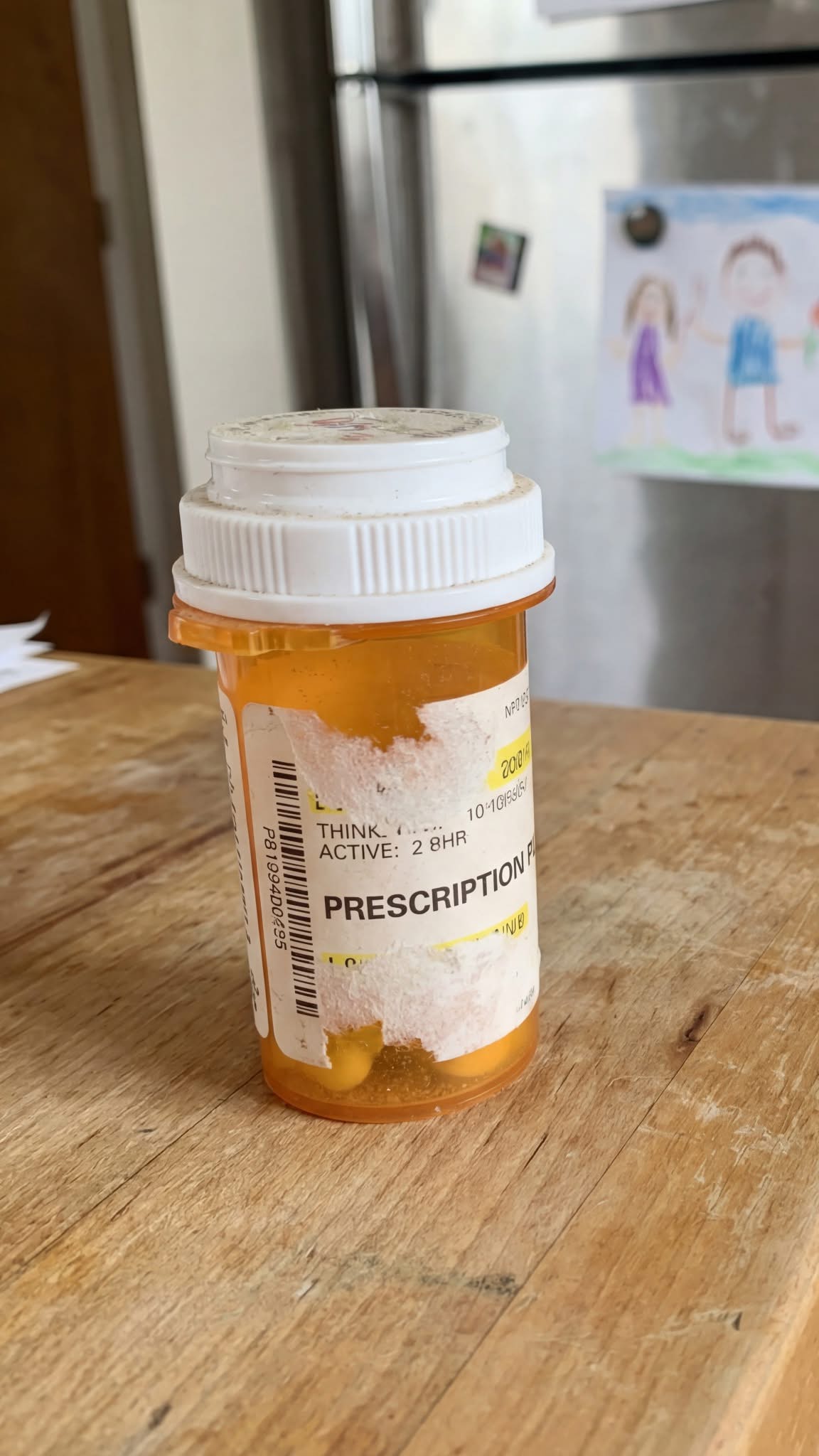
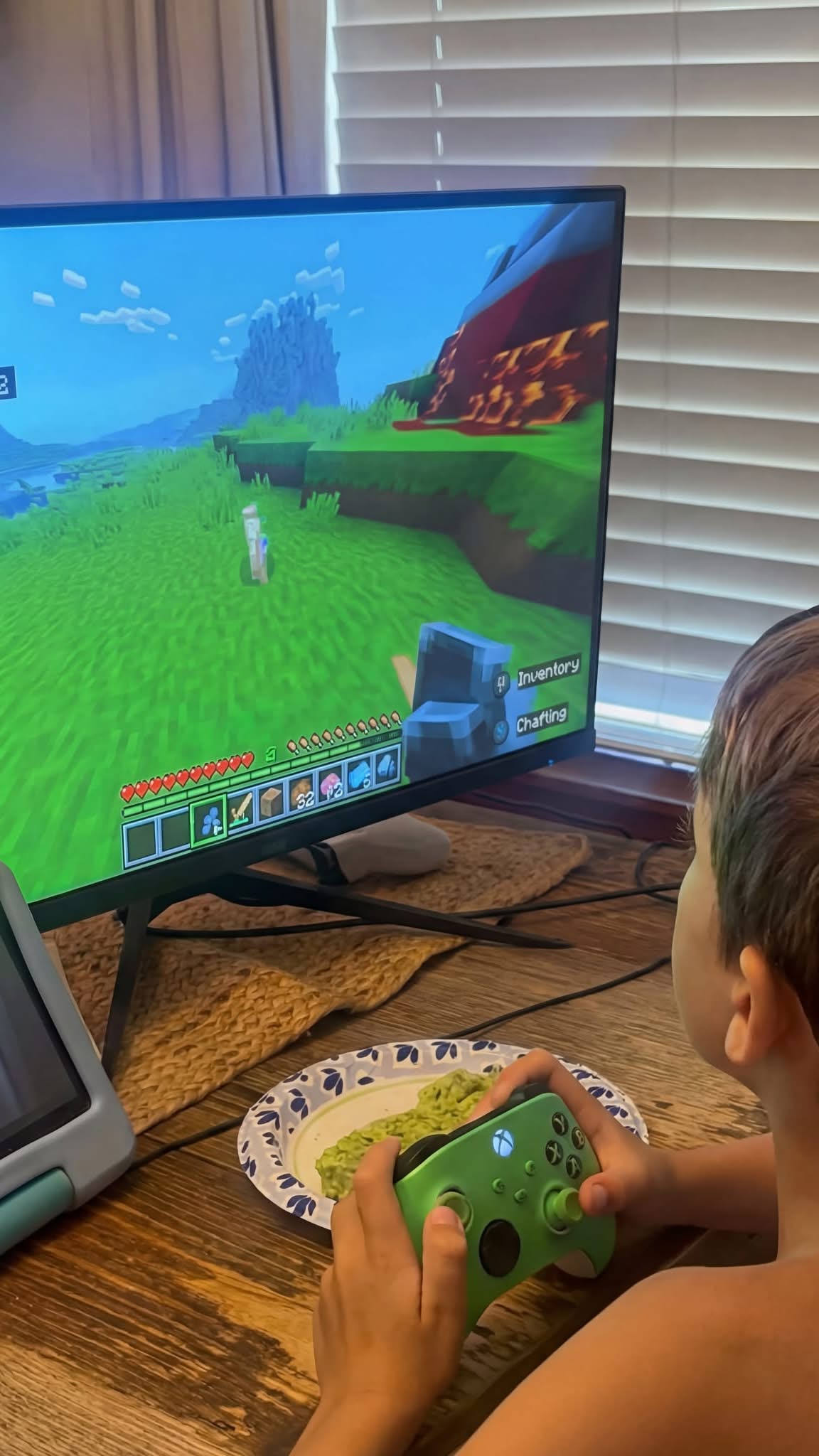
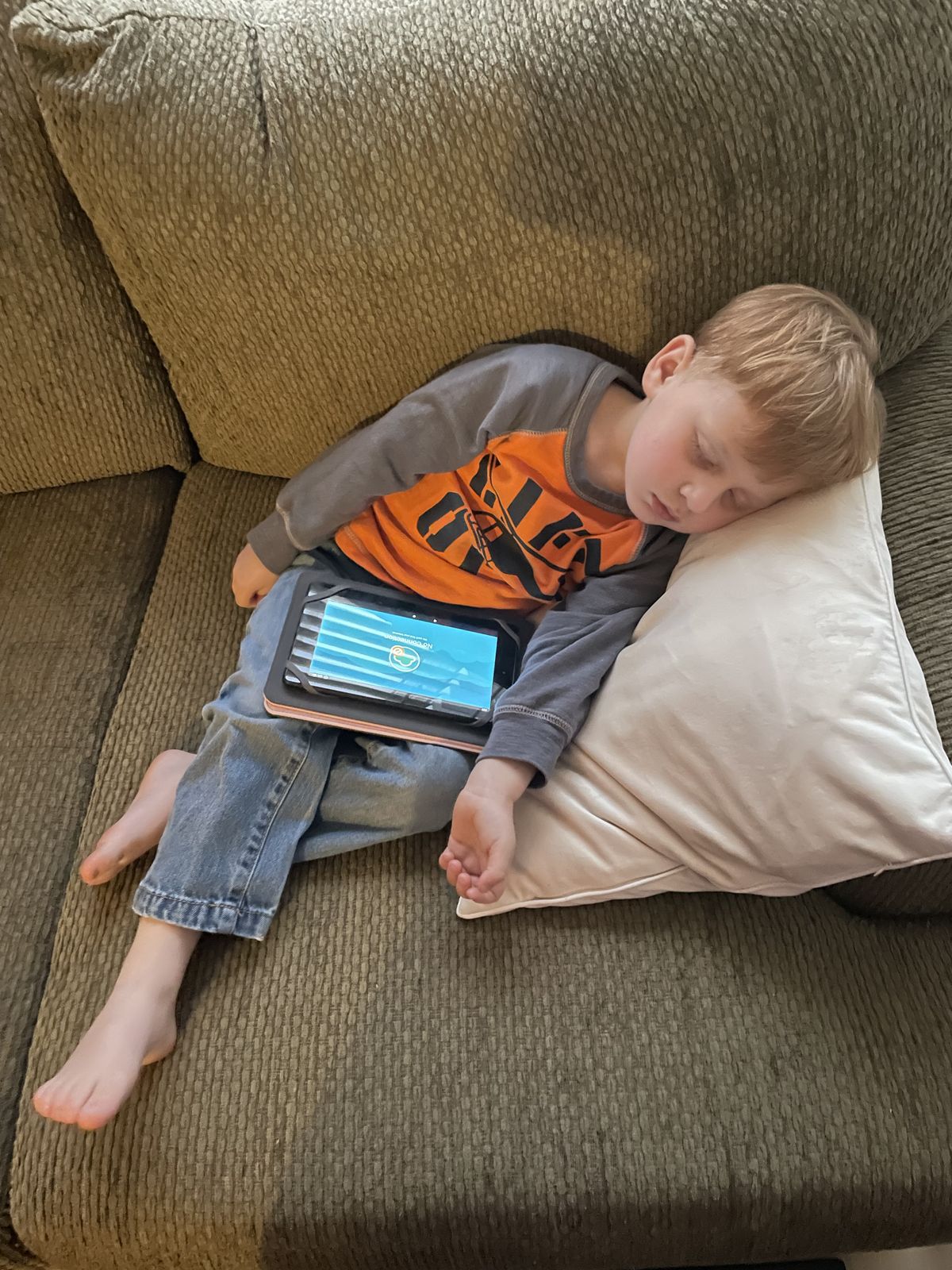
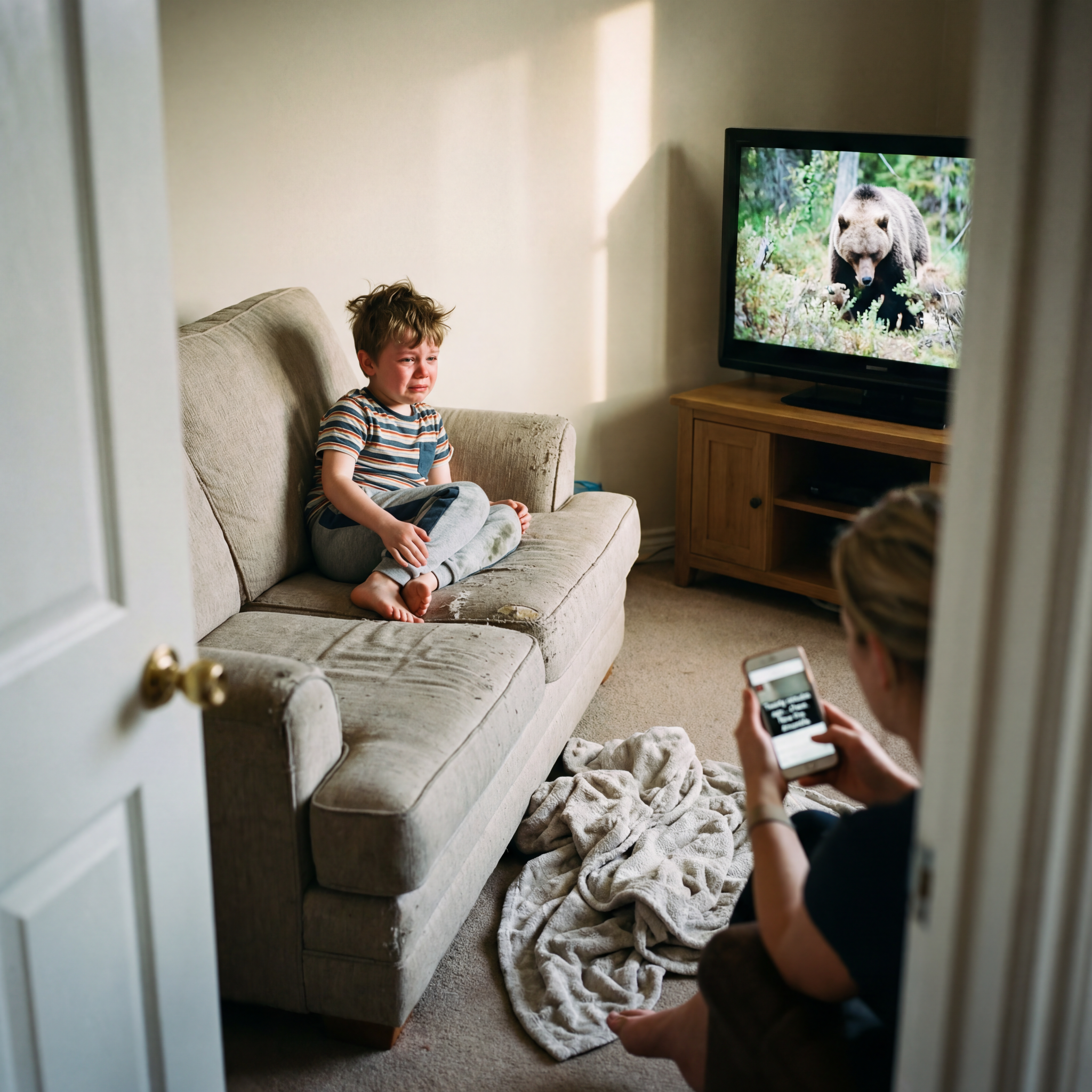
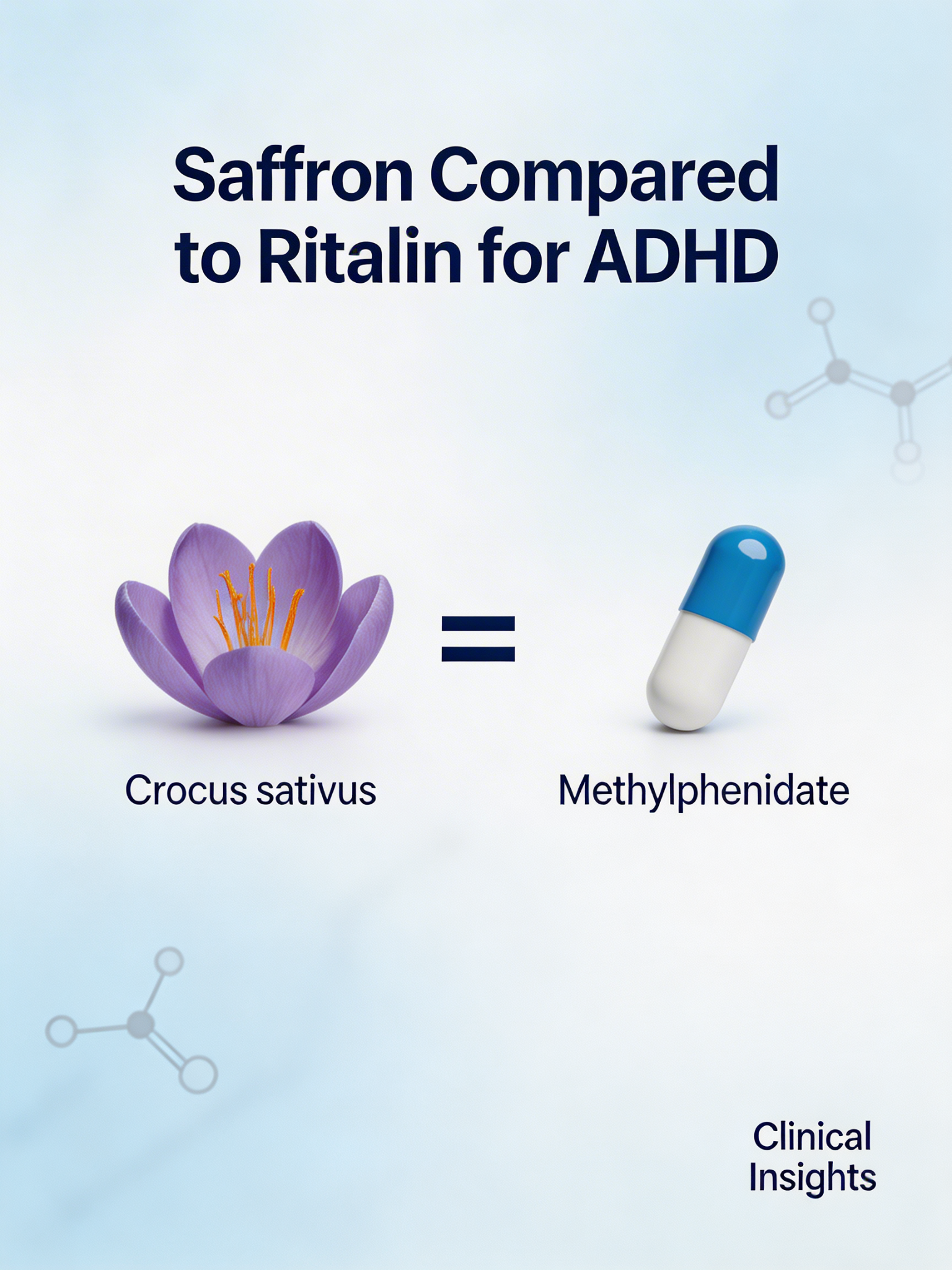
Last Saturday my son had a meltdown in the middle of Target and a woman in the next aisle looked at me and said "maybe try being a parent." I was on my knees on the floor holding my 7-year-old while he screamed and kicked and cried because I told him he couldn't get a toy. That's it. That's all I said. "Not today, buddy." And his brain just broke. He threw himself on the ground. Started screaming. Hitting the shelf. Kicking his legs. Tears everywhere. People were stopping. Staring. A dad pulled his kid closer and walked them around us like we were something to avoid. And this woman — standing there with her perfect cart and her quiet kids — looked right at me and said it loud enough for everyone in the aisle to hear. Maybe try being a parent. I didn't say anything. I couldn't. Because I was too busy holding my son's arms so he didn't hurt himself while his brain melted down over a $12 toy. I carried him to the car. He screamed the entire way through the parking lot. I buckled him in while he kicked the back of my seat. I sat in the driver's seat and gripped the steering wheel and just breathed. Because I couldn't cry in front of them. Not again. — Here's what that woman in Target doesn't know. I AM a parent. I'm a good one. I have tried everything. My son has ADHD. Diagnosed last year. And what happened in that store wasn't about a toy. It wasn't about discipline. It wasn't about me not setting boundaries. His brain cannot handle unexpected frustration. It can't regulate the emotional response. A small "no" hits him like the world is ending because his brain doesn't have the chemicals to process disappointment at a normal level. But that woman didn't see a brain chemistry problem. She saw a bratty kid and a bad mom. And the worst part? Some days I believe her. Some days I look at my son — screaming on the floor of a store over nothing — and I think: what am I doing wrong? Why can't I control my own child? Why does every other kid handle "no" without a meltdown? It's not just stores. It's everywhere. He can't focus on homework — twenty minutes of work turns into two hours of tears. He can't turn off his iPad without an explosion. He can't get through a morning routine without me walking him through every step. His emotions come in at a 10 when the situation is a 2. He lashes out. He argues. The Teacher calling home is a normal occurrence. And he can't handle being told no. Not because he's spoiled. Because his brain doesn't have what it needs to process the frustration and move on. I've tried everything. Therapy. Calm-down strategies. Deep breathing exercises. The Olly gummies. Reward charts. Harsher discipline — which made him worse, not better. His doctor started pushing medication. Methylphenidate. I kept saying not yet. Because my friend put her daughter on it and told me: "She's calmer. But she doesn't laugh anymore. She just sits there." She stopped eating. Lost weight. Her personality disappeared. I didn't want calm at that cost. I wanted my son — just with a brain that could hear "not today" without the whole world collapsing. — A friend of mine finally helped me understand what's actually happening. Tara. Her son is the same. Same meltdowns in public. Same emotional explosions over small things. Same judgment from strangers. She told me she'd been exactly where I was — dreading every outing, every store, every situation where something could go wrong in front of other people. She took her son to a specialist — a pediatric neuropsychologist who works specifically with ADHD kids. And what this woman told her changed everything. "She told me — your son isn't having meltdowns because you're a bad parent. He's having meltdowns because his brain doesn't have the chemicals it needs to regulate emotions. Period." The specialist explained that kids with ADHD don't produce enough dopamine and serotonin on their own. And it's not just your kid being difficult — it's their brain lacking the neurotransmitters it needs. Dopamine is what lets the brain handle frustration and push through something that doesn't feel good. When you tell a kid with normal dopamine levels "not today" about a toy, their brain processes the disappointment, regulates it, and moves on. It takes a few seconds. When dopamine is low, the brain can't do that. The disappointment hits with full force and there's nothing to regulate it. The meltdown isn't a choice. It's a brain that can't process what just happened. Serotonin is what keeps emotions proportional. It's the chemical that helps the brain tell the difference between a small problem and a big one. When serotonin is low, everything is a 10. A toy they can't have is a crisis. Being told to turn off the iPad is an emergency. A wrong answer on homework is a catastrophe. The brain can't scale the emotional response because the chemical that does the scaling isn't there. "That's why our kids melt down in public over things that seem like nothing," Tara said. "It's not spoiled. It's not bad parenting. It's a brain that doesn't have the chemicals to handle a 'no' the way other kids' brains can." And she told me about three things that are making it worse every single day. Screens — flooding his brain with artificial dopamine and building tolerance so that real life can't compete. His brain is so used to constant stimulation that a normal moment — like standing in a store — already feels like deprivation. Add a "no" on top of that and the system crashes. Food — the brain needs specific nutrients to build dopamine and serotonin. B vitamins, magnesium, zinc. And the food supply has changed. Even when you're cooking at home and trying, the produce has fewer nutrients than it did 30 years ago. His brain is trying to produce chemicals without enough raw materials. School — six hours sitting in a chair. Twenty minutes of recess. Movement is one of the strongest natural producers of dopamine. We took it away and replaced it with sitting still. By the time he leaves school his brain is completely drained. That's why after-school and weekend outings are when the worst meltdowns happen — his tank is already empty. "Nobody told me any of this," Tara said. "Not his doctor. Not his therapist. Three things draining his brain every day and not one professional connected the dots." I was sitting there thinking about every public meltdown. Every store. Every birthday party we left early. Every time I avoided going somewhere because I was afraid of what might happen. And now I understood why. His brain had nothing in the tank. And every small frustration was hitting a system that had nothing left to absorb it. — I asked Tara what the specialist said to do. "She said — you can't eliminate screens. You can't fix the school system. You can't change the food supply. But you can give the brain back what all three are taking away. Support the chemistry directly." The specialist told her about saffron. Not the cooking spice. A clinical-strength extract that supports the brain's natural production of both dopamine and serotonin. "There's a study," Tara said. "A 2019 clinical trial where researchers compared saffron extract head-to-head against Ritalin in kids with ADHD. And saffron performed the same, with improvements in focus, attention, sleep, mood, even helping to support anxiety." For context, methylphenidate is the active ingredient in Ritalin. The exact drug my doctor had been pushing. A plant matched the drug. In a clinical trial. In children with ADHD. Without the appetite loss. Without the insomnia. Without the personality disappearing. "Methylphenidate forces dopamine in artificially," Tara said. "That's why focus comes fast but everything else crashes. Saffron helps the brain produce more of its own dopamine and serotonin naturally. So the focus comes. The mood stabilizes. The emotional regulation improves. And the kid stays who they are." I asked what she gives him. "The specialist told me the dose and strain are everything. Most stuff on the shelf — the Olly gummies, the Amazon focus supplements, the calming drops — none of them have the clinical concentration or the actual strain used in the study." She told me about Mood Balance. Clinical-dose saffron — the actual concentration from the study. Plus holy basil for stress and anxiety. Magnesium to calm the nervous system. Lion's mane, L-theanine, B6, B12. "One gummy. Every morning. He takes it in ten seconds. Says it tastes like candy." Her son had been on it for two months. She said the meltdowns went from daily to maybe once a week. Small ones. He recovers fast. He can handle being told no without the world ending. He's focusing better at school. Doing homework without a war. Sleeping better. And still himself — still loud, still silly, still him. That was everything I wanted. Not a different kid. My kid — with a brain that could handle the world without falling apart. I ordered it that night. — When they arrived, I was a little skeptical, but honestly, I was out of options, and it was worth a try He chewed the first one at breakfast. Said it tasted like candy. Ten seconds. No fight. — Week one — still him. Still loud. Still emotional. Maybe slightly less explosive. I told myself not to hope. — Week two — we were at the grocery store. I needed to go but I'd been putting it off for days because every trip ends the same way. I almost left him home. But I brought him. We got through produce. Through the cereal aisle — where he asked for something and I said "not this time" and braced for it. He said: "Okay. Can we get the kind I like though?" I said yes. He put it in the cart. We kept walking. No meltdown. No screaming. No floor. He heard "no" and his brain just processed it and moved on. I stood in the middle of the aisle holding a box of cereal and my eyes filled up. Because that had never happened. Not once. We finished the whole trip. He helped me put things on the belt. Talked to me in the car about something at school. A normal errand. Just a mom and her kid at the grocery store. And it was the best Saturday I'd had in a year. — Week three — homework. Same kid who used to take two hours and end up in tears. He sat down. Did it. Twenty minutes. Got stuck once. Asked for help. Kept going. Done. My husband said: "He seems like he's actually here. Like his brain is in the room." — Week four — told him to turn off the iPad. Braced. He finished what he was doing and set it down. "Can I have a snack?" No screaming. No "I HATE YOU." His brain just let go. — Week five — his teacher emailed. Stomach dropped. Reflex. "He's had an amazing few weeks. Finishing his work. Participating. He seems calmer and more present. Whatever is happening at home, please keep going." I saved that email. First good one ever. That night he ate two helpings, told me about some kid at school, and fell asleep by 8:30. Focus. And still my kid. I didn't know I was allowed to have both. — Week six — bedtime. Told him to brush teeth and get ready. He got up. Plate in the sink. Went upstairs. Came back in pajamas. "Can you read to me tonight, Mom?" I read him two chapters of Wings of Fire. He was curled up next to me. Actually still. Actually listening. Kissed his forehead. Walked to the hallway. Slid to the floor. Because six weeks ago I was on my knees on the floor of Target holding him while he screamed and a stranger told me to try being a parent. And now he's asking me to read him a story. — It's been three months. The meltdowns are mostly gone. Not completely — he's 7, he still has hard moments. But the daily explosions over nothing are over. He can hear "no" and handle it. He can be disappointed without the whole system crashing. Homework takes twenty minutes. iPad goes off without a war. He sleeps. He eats. He laughs. We go to the store now. We go to restaurants. We go places I'd stopped going because I was afraid of what might happen. And it's fine. He's fine. He handles things. His teacher emails me good things now. I save every one. He's still loud. Still goofy. Still talks so fast about Minecraft he runs out of breath. Still every brilliant, exhausting, overwhelming thing that makes him who he is. Just steadier. Like his brain finally has the chemicals it needs to handle the world without falling apart. No flat personality. No appetite loss. No medication side effects. Just a kid who can hear "no" without a meltdown. Who can go to a store without a scene. Who can feel frustrated and have it pass through him instead of detonate. And a mom who no longer dreads leaving the house. — Three months ago a stranger told me to try being a parent while my son screamed on the floor of a Target. Last Saturday we went to Target together. He asked for something. I said not today. He said "okay" and put it back. Same kid. Same store. His brain just finally has what it needs. One gummy. Every morning. Ten seconds. And honestly, it feels good knowing I found a way to support my son naturally. Without medication. Without losing who he is. EDIT: Everyone keeps PMing me asking what I use. Here's the exact gummy — clinical-dose saffron extract, holy basil, magnesium, lion's mane, L-theanine, B6, B12. The real concentrations, not filler. This is what he takes every morning: [https://uselumexa.com/pages/saffron-2]
Last Saturday my son had a meltdown in the middle of Target and a woman in the next aisle looked at me and said "maybe try being a parent."
Lumexa
SEE DETAILSLike this ad? Make it yours.
Crush rebuilds this exact creative around your product — your brand, your colors, your offer — in about a minute.