
Inactive· since Jun 3, 2026
- 76
- days it ran
- 0
- relaunches
Ad copy
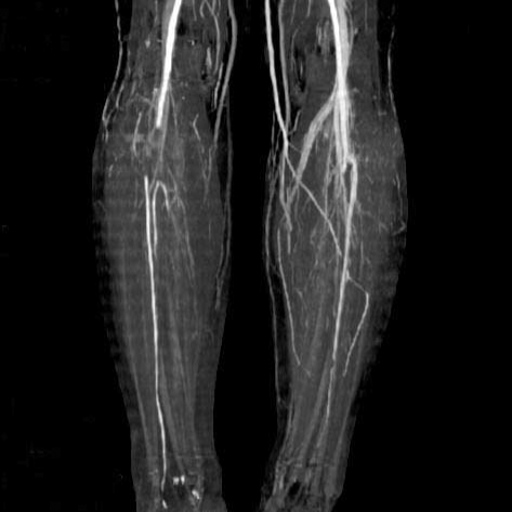
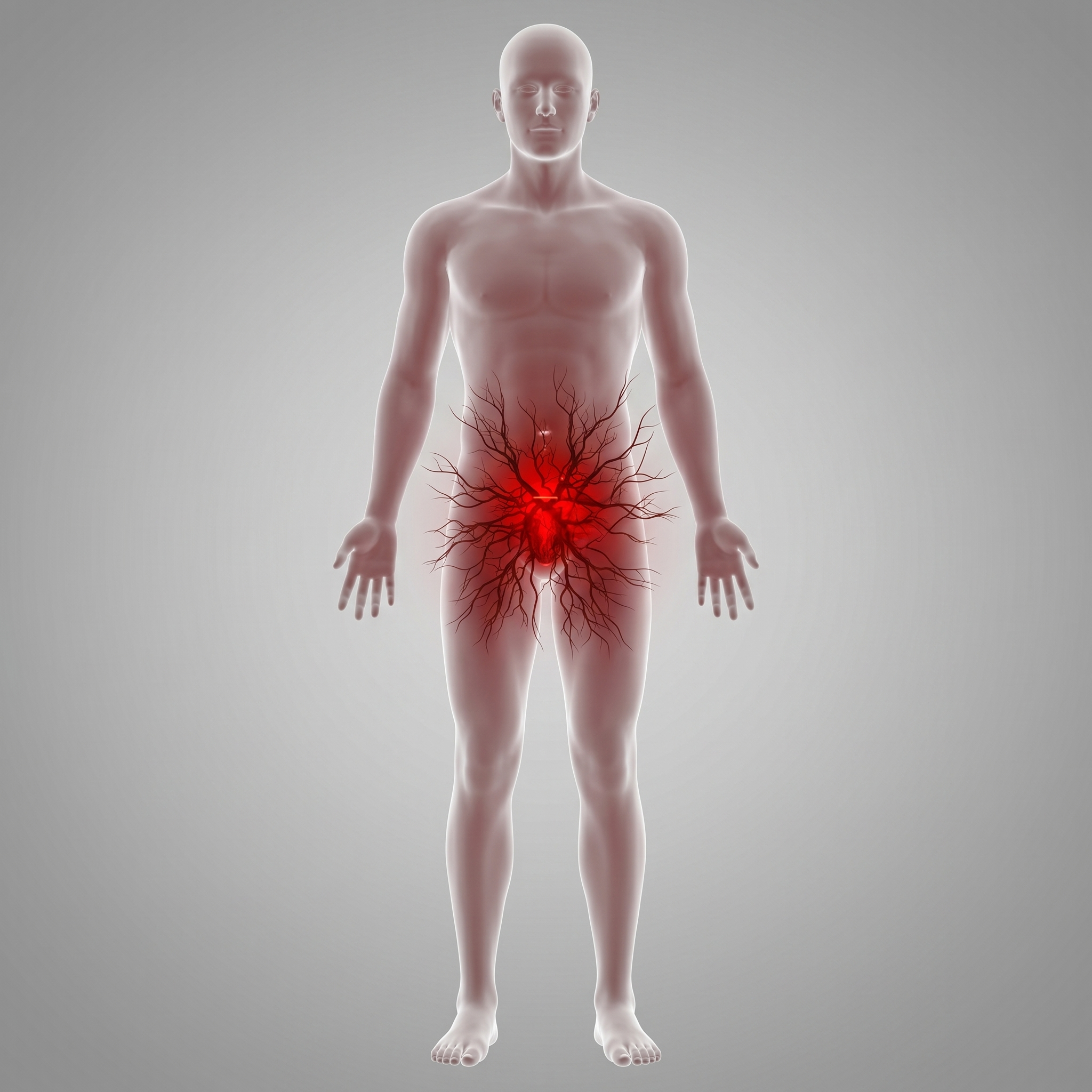
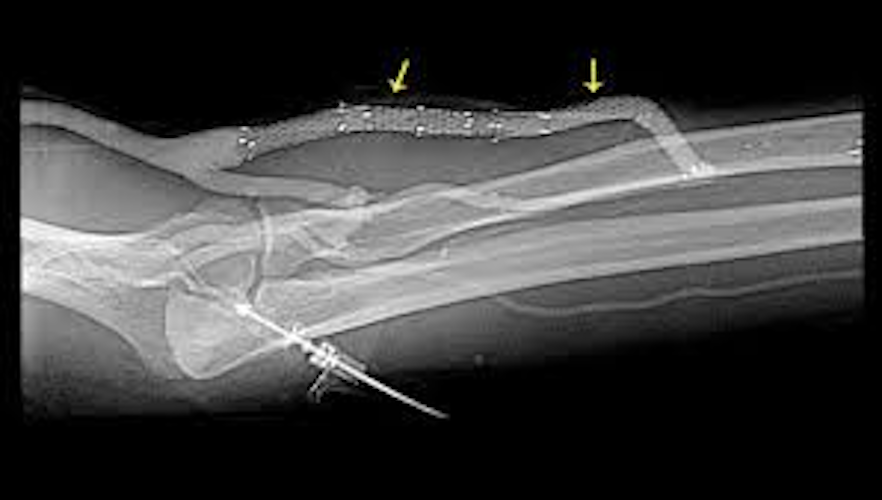
I've performed too many cardiac catheterizations to stay quiet about this. If your cardiologist just added a second statin to your protocol, I need to tell you something they're not. I've performed 6,000+ cardiac procedures in 22 years as an interventional cardiologist — including 1,800 angioplasties, stent placements, and follow-up caths on patients I'd already put stents into. When a 55-year-old man with rising LDL and creeping blood pressure walks into my office and asks whether he should add another medication, I already know exactly where he's heading if he follows the standard protocol. Three to seven years before he's on my cath table getting his first stent. Five years after that, the stent has restenosed and we're back in. Eight years after that, the cardiac surgeon is opening his chest for a bypass. Then post-bypass cognitive decline. Then stroke. Then nursing home. I'm Dr. Roman Pierce. Board-certified cardiologist and interventional cardiologist. 22 years in practice. I still perform cardiac catheterizations and place stents — but only when the vascular damage is genuinely beyond what reversibility could address. Acute myocardial infarctions. Critical stenosis above 70%. Men whose coronary arteries are already calcified and occluded. What I see every day? Men in their 50s being escalated through the statin ladder who should never have gotten there. Men whose coronary calcium accumulation was reversible six months ago — and isn't anymore because we masked it with pills while the underlying endothelial damage progressed. And I was part of the system escalating them. I've been prescribing statins, ACE inhibitors, beta blockers, and intervening cardiac procedures for 22 years. I've seen thousands of men start on Atorvastatin 10mg. Worked great for two months, LDL dropped from 165 to 110. Then a year later the LDL crept back up. Doubled the dose to 20mg. Then 40mg. Then escalated to Rosuvastatin 20mg. Then added ezetimibe. Then added a PCSK9 inhibitor like Repatha. Then their coronary calcium score crossed 200 anyway and they ended up in my cath lab. Then a stent. Then a second stent two years later when the same vessel restenosed. Then a third procedure when an adjacent vessel showed critical narrowing. Then eventually a referral to the cardiac surgeon for bypass. And I've watched what happens 3, 4, 5 years into that escalation. The 58-year-old engineer who took Atorvastatin 40mg faithfully for four years. LDL well-controlled at 78. Calcium score climbed from 140 to 410 over the same period. Had his heart attack on the way to work. Three vessels critically narrowed. Triple bypass at 62. Six months later his wife told me he wasn't the same man — couldn't remember conversations, couldn't follow a recipe, couldn't drive at night. Post-bypass cognitive decline is a documented phenomenon affecting somewhere between 40 and 60 percent of bypass patients depending on which study you read. Almost nobody discusses it before the surgery. The 54-year-old. LDL 178 on standard care. I escalated him to high-intensity statin and added ezetimibe. Six months later he developed severe muscle pain and weakness. Came back with a creatine kinase of 4,200 — early rhabdomyolysis. Pulled him off everything. By that point his calcium score had still climbed. I sent him for a cath. Two stents at 56. The 61-year-old. Diabetic 8 years, on metformin and a statin. Asymptomatic. Routine cardiac CT showed a calcium score of 480. I sent him for catheterization. Three vessels with critical disease. Quadruple bypass scheduled. He had a stroke the night before surgery — a clot dislodged from his aorta during pre-op imaging. Lost speech function. Surgery was cancelled. Stroke rehab for 18 months. He never made a full recovery. I see them in follow-up. They're grateful for the procedures I performed. The stents that opened their arteries. The bypass that gave them more time. But I know what they lost. They had time, before they hit my cath table, to reverse the vascular damage. Years to address what was actually happening inside their coronary endothelium. Years to save themselves from procedures whose recovery includes cognitive decline in 40-60% of cases, depending on which study you read. Their elevated LDL and creeping calcium scores were giving them warnings the entire time. Statins just turned down one number — circulating LDL — while the underlying endothelial damage kept progressing. By the time the calcium had accumulated enough to need an intervention, the damage was severe enough that the only option was forcing the vessel open mechanically. When my own LDL started climbing at 49, I knew something most cardiologists don't. I'd been doing this for 19 years at that point. I knew exactly where the standard protocol would take me. So I went looking for what was actually happening inside coronary endothelium — and what could potentially reverse it before I needed my own stent. What I found made me furious that I'd been telling men "let's add another statin" for two decades without ever telling them what was structurally happening to their vessels. Here's what cardiologists don't tell their patients, because we were never trained to. Your coronary arteries are 2-4 millimeters wide at their main branches and microns wide at the capillary level. The endothelium — the thin inner lining of every vessel — produces nitric oxide on demand to maintain vessel diameter and prevent platelet aggregation. When LDL is elevated and the endothelium becomes inflamed, three things happen simultaneously, and statins address none of them. Zero. The first is endothelial dysfunction. Inflammation damages the eNOS enzyme that makes nitric oxide. Your vessels lose their ability to dilate normally under stress. Blood pressure climbs. Vessel walls thicken in response to the increased pressure they can't accommodate. The second is oxidative LDL particle modification. Standard LDL doesn't cause atherosclerosis. Oxidized LDL does. Oxidative stress in the vessel wall converts ordinary LDL into the inflammatory particle that drives plaque accumulation. Statins lower the total LDL but do nothing about the oxidation process. The third is calcium deposition. As endothelial damage progresses, calcium begins depositing within the vessel wall as the body attempts to wall off the inflammation. This is what coronary calcium scoring measures. Once calcium is deposited, vessels become rigid and lose their ability to flex with blood pressure changes. Statins lower circulating LDL. That's it. They don't restore eNOS function. They don't prevent LDL oxidation. They don't reverse calcium deposition. They lower one number while the underlying mechanism continues to fail. That is not treatment. That is a managed decline. I started researching what could actually repair coronary endothelial damage. A 2024 study in Aging and Disease confirmed that sustained activation of a receptor called TRPV1 — sitting inside the endothelial cells of every blood vessel in your body, including the coronary microvessels — triggers continuous nitric oxide synthase activity AND upregulates SIRT1, a protein that protects endothelial cells from the inflammatory damage that drives atherosclerosis. The compound that activates TRPV1 is capsaicin. From cayenne pepper. A 2017 study in Atherosclerosis showed sustained capsaicin exposure reversed early atherosclerotic changes and improved endothelial function in 67% of subjects over 90 days. Not management. Reversal. The endothelium started producing nitric oxide again without pharmaceutical forcing. I had never prescribed capsaicin in 22 years of practice. The catch is delivery. Capsaicin is fat-soluble. In dry powder capsules it gets destroyed in stomach acid before reaching the bloodstream. The research uses oil-suspended capsaicin combined with piperine, which increases capsaicin absorption by 2000%. I found Aurivita Capsaicin Power. 3mg capsaicin per serving, pre-dissolved in cold-pressed avocado oil. BioPerine for absorption. Beetroot extract for additional nitric oxide support. K2 specifically to prevent calcium deposition during vascular repair — this is the supporting compound that matters most for the cardiac use case. Three softgels daily. Week 4. Blood pressure dropped from 138/88 to 124/79 without changing anything else. Week 8. Repeat coronary CT showed my calcium score had stabilized — it had been climbing 12-18% year over year for three years. First measurement in three years where it didn't climb. Week 12. Flow-mediated dilation testing showed my arterial elasticity had improved 28%. Repeat lipid panel showed my LDL had dropped from 165 to 134 — without escalating my statin dose. The endothelium was producing nitric oxide again. The vessels were repairing. My A1C also dropped from 5.9 to 5.4 over the same period. Capsaicin improves insulin sensitivity through the same TRPV1 pathway, and reduced insulin resistance reduces vascular inflammation. I started telling cardiac patients in my practice — the ones heading toward stent placement, the ones whose calcium scores were climbing year over year — to try capsaicin for 12 weeks before we escalated their statin dose. Tom. 56. LDL 168 on Atorvastatin 40mg. Calcium score 220 with a year-over-year trend up. Cancelled his cath consult after 11 weeks on Aurivita. Calcium score stabilized. LDL down to 128 without dose increase. Daniel. 60. Three stents already placed over five years. Asked me directly if there was any way to prevent the fourth. Started Aurivita alongside his existing meds. Eighteen months later, no new lesions on annual CT. First time that's been true since his original event. Carlos. 52. Diabetic. Calcium score 340 at first reading. Strong family history — father died of MI at 58. Did Aurivita for 12 weeks before our planned cath. Calcium score stable, LDL down, no new symptoms. We deferred the cath. Eighteen months later, still no progression. In 22 years I had never seen coronary plaque progression reverse like that. I am not telling you this because I am against statins. They give measurable LDL reduction to men whose lipid profiles are catastrophic. They work exactly as designed at exactly what they were designed for. But they do not restore endothelial nitric oxide production. They do not prevent oxidative damage to the vessel wall. They do not reverse calcium deposition. They do not address the actual mechanism driving coronary atherosclerosis. They lower one number while the vascular damage progresses underneath. And I see what happens 3-4-5 years into that. The cath lab. The first stent. The restenosis at 18 months. The bypass at 60. The cognitive decline at 62. The stroke at 65. Your symptoms right now — rising LDL, creeping calcium score, blood pressure crossing 140, your cardiologist starting to talk about adding another medication — they are your warning. And you have two choices. Keep masking it with escalating statin doses while the calcium continues to accumulate to the point where stent placement is the only option left. Or activate TRPV1 and address the coronary endothelial damage while there is still vessel left to repair. I think about what I almost did. Not just escalating my own statin dose. That is not the point. I almost spent the next decade watching my own coronary vessels collapse the same way I'd watched them collapse in thousands of patients. Until I was the one being wheeled into my own cath lab on the other side of the table. Aurivita Capsaicin Power costs $54 for 60 servings. Less than $1 a day. Compare that to the trajectory: $200+ monthly on escalating statin combinations. Then $30,000 for cardiac catheterization with stent placement. Then $80,000-$120,000 for bypass surgery. Then years of cognitive recovery, if any. 120-day money-back guarantee. Use it for three full months. If your LDL doesn't move, if your calcium score keeps climbing, if your blood pressure doesn't drop — send back the bags, even empty, and get a full refund. No questions. I have never had a pharmaceutical company offer that. I have never seen a statin prescription come with a money-back guarantee. Activate TRPV1 now. Repair your endothelium while there is still vessel left to repair. https://aurivita.co/products/cayenne-pepper-softgels — Dr. Roman Pierce, MD, FACCBoard-Certified Interventional Cardiologist, 22 Years in Practice P.S. If your cardiologist has already suggested cardiac catheterization — you are not too late, but you are closer than they're telling you. Activate TRPV1 before you reach the point where stents are the only option. Once a vessel is stented, it lives with a foreign body forever. Once calcium has deposited beyond 400, the vessel won't ever flex normally again. Use the warning your body is giving you now.
I've Placed 1,800 Stents. I Know Exactly Where Your Cardiologist Is Sending You.
Marcus Gibson talks about his experience with Aurivita Capsaicin Power
LEARN MORELike this ad? Make it yours.
Crush rebuilds this exact creative around your product — your brand, your colors, your offer — in about a minute.