
Inactive· since Apr 1, 2026
- 14
- days it ran
- 1
- relaunches
Ad copy
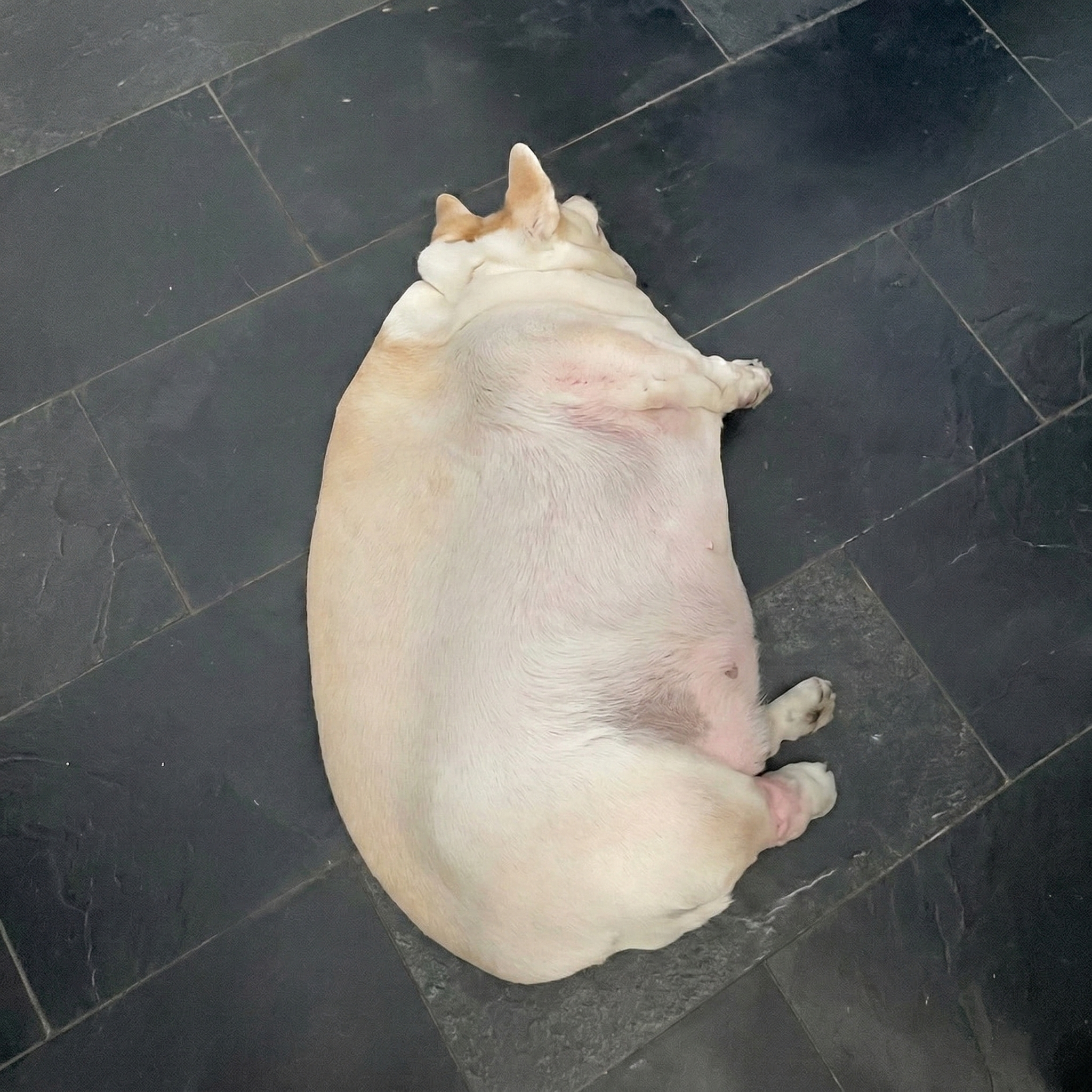
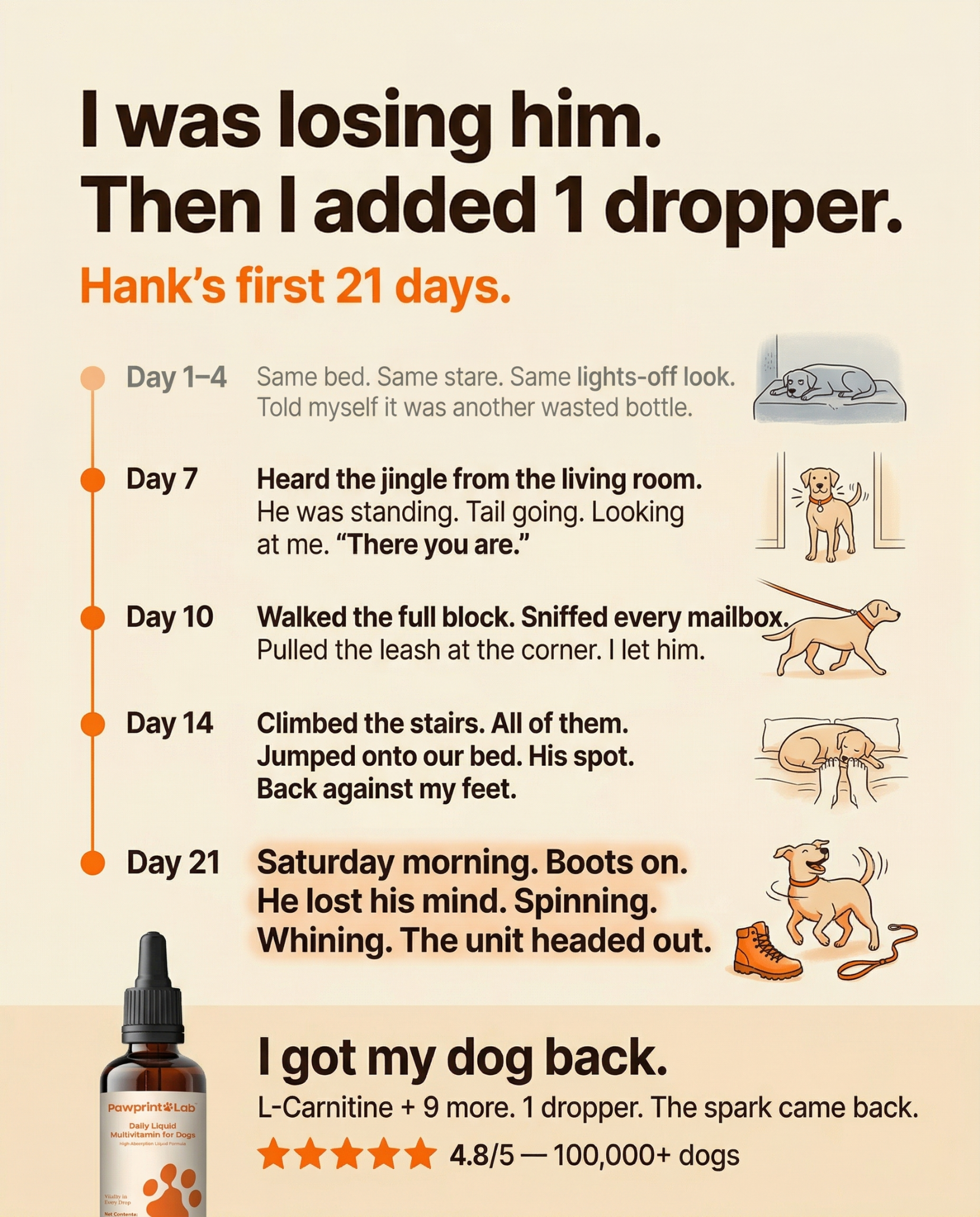
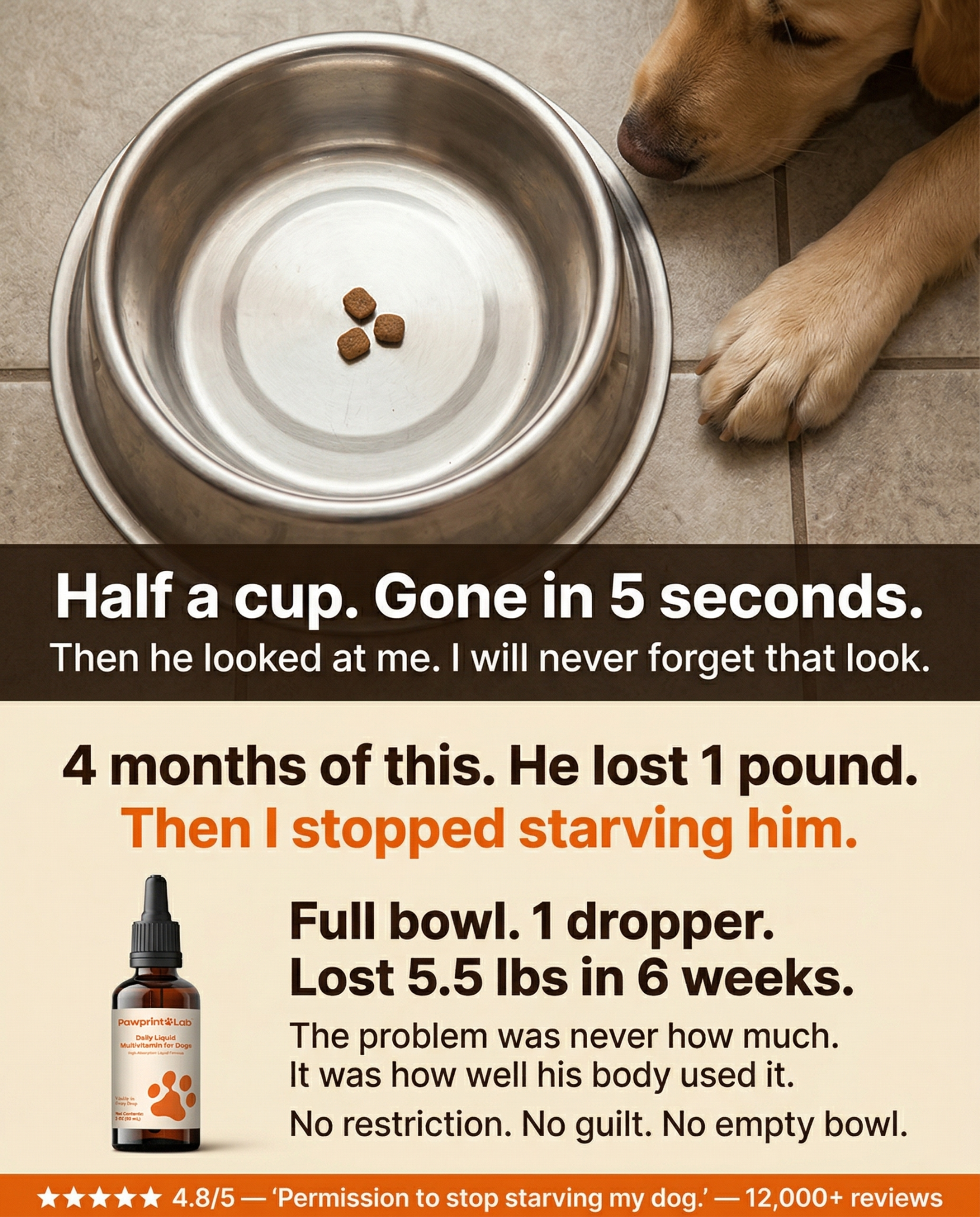
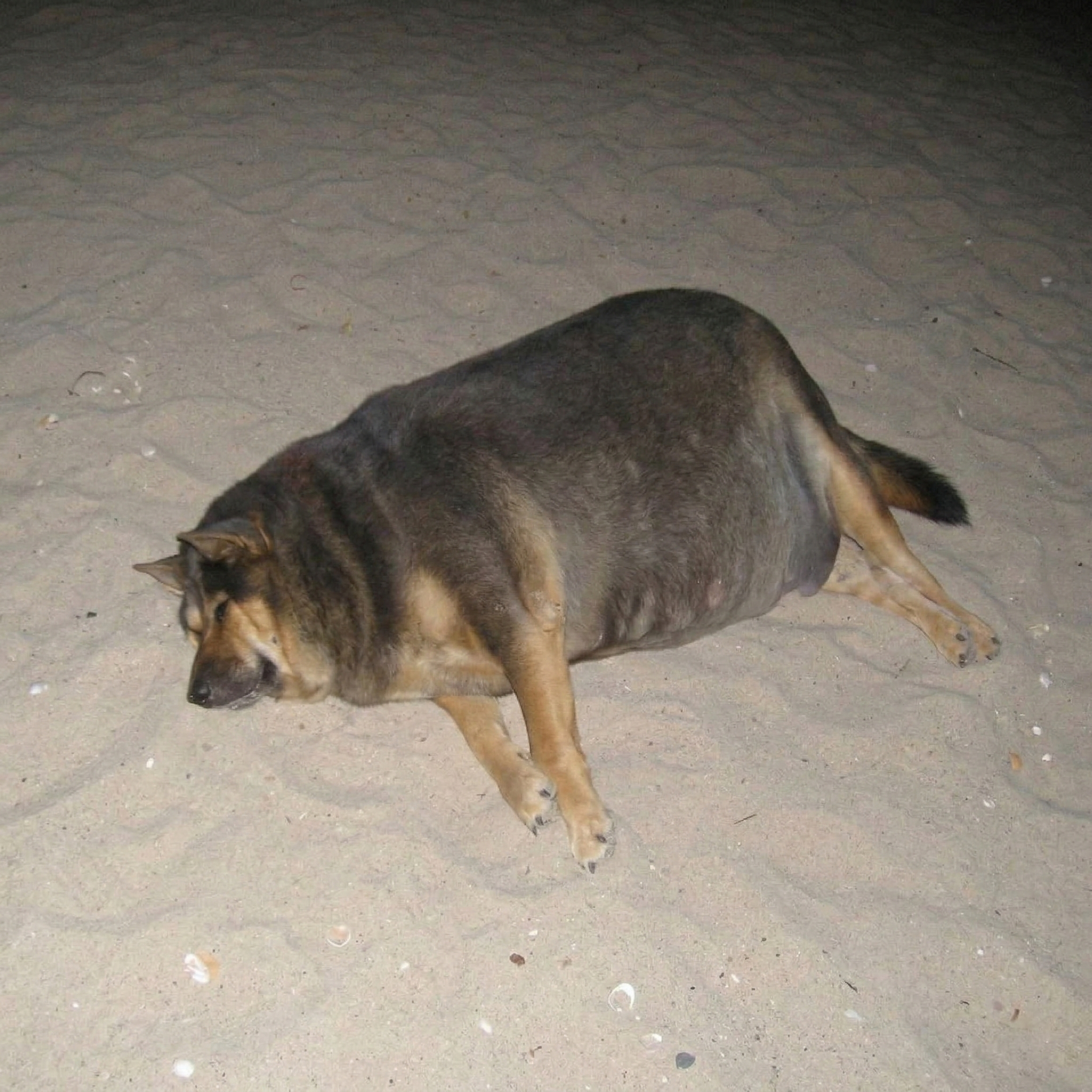
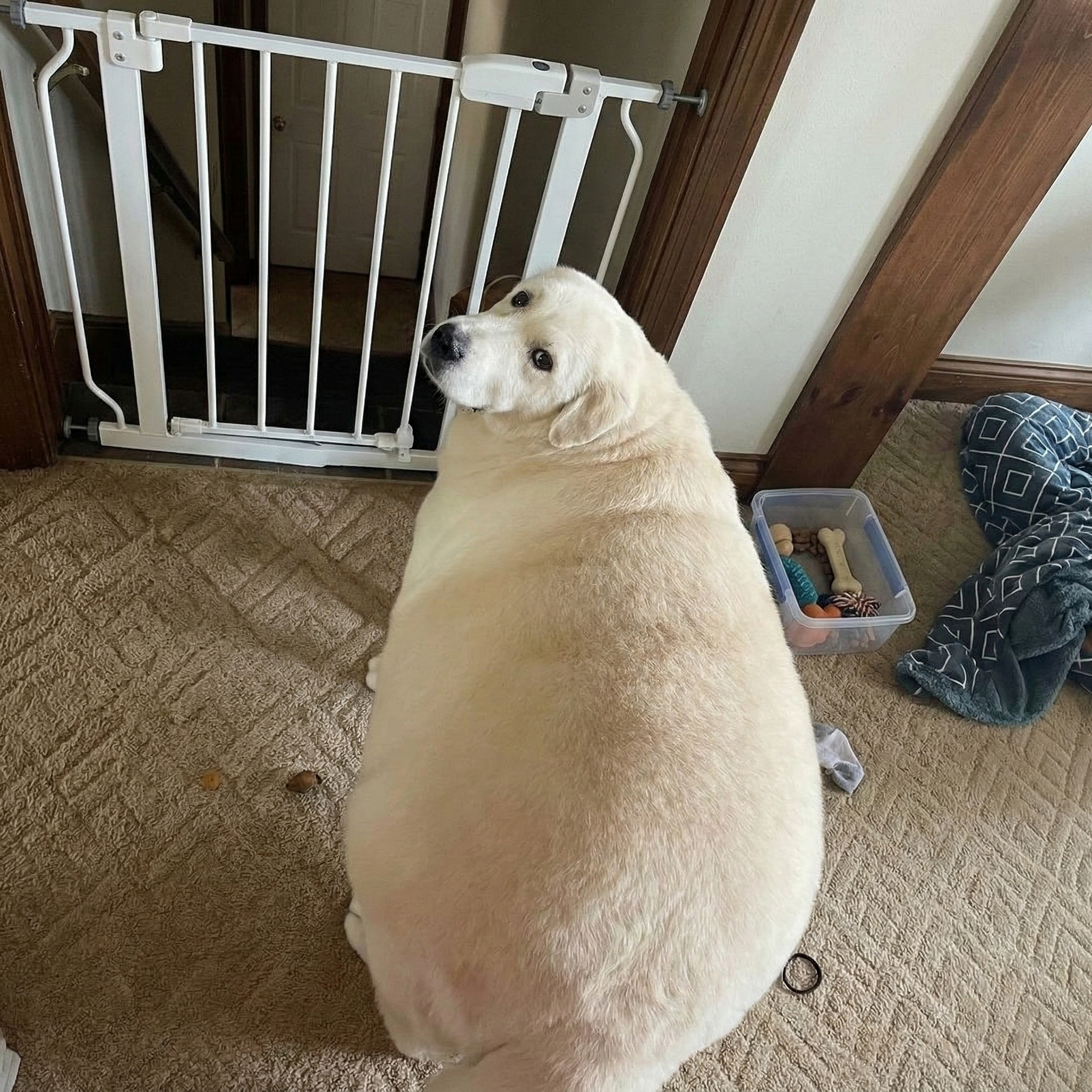
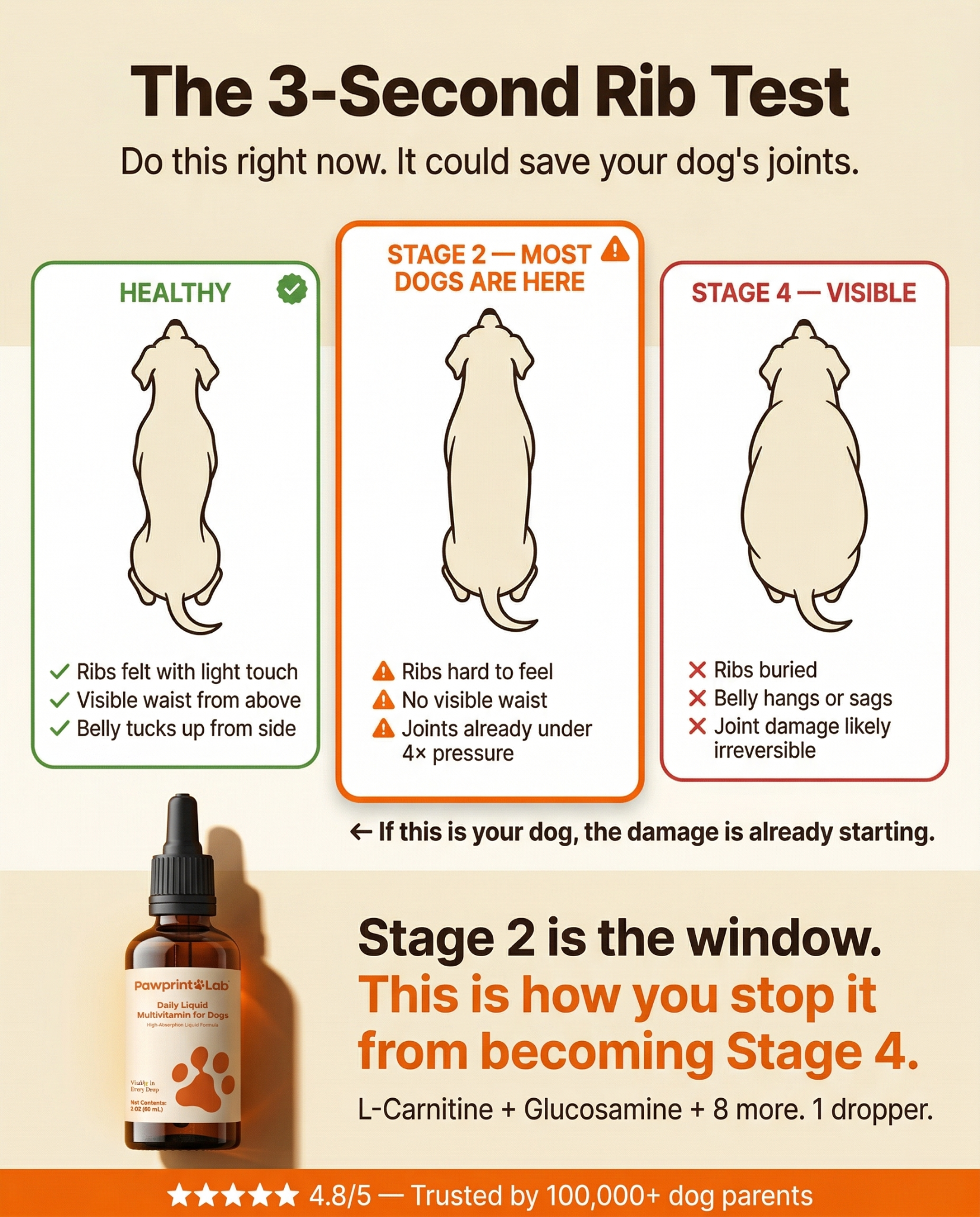
My vet told me my dog was twenty percent overweight and I laughed because I thought he looked fine, but six months later his joints were already damaged. It was a routine checkup on a Wednesday afternoon. The kind you schedule and forget about. Annual vaccines. Quick listen to the heart. In and out in twenty minutes. Baxter was sitting on the exam table, tail wagging, happy as ever. He looked good to me. Shiny coat. Clear eyes. Normal energy. I wasn't worried about anything. I was scrolling my phone, half-listening, waiting for the vet to say "he looks great, see you next year." She didn't say that. She ran her hands along his sides, pressed into his ribcage, and frowned. Then she stepped back, looked at him from above, and frowned harder. "Can you feel his ribs?" she asked me. I reached over and pressed my fingers into his side. I felt... fur. Softness. Warmth. "Not really," I said. "But he's always been a thick dog. He's just big-boned." She didn't laugh. "He's not big-boned," she said. "He's overweight. Significantly. He should be around fifty pounds. He's sixty-one. That's over twenty percent above his ideal weight." I almost said, "That can't be right." Because this was the dog who ran laps around the backyard every morning like he was training for something. The dog who wrestled with my son's golden retriever for an hour at Thanksgiving and came back panting but ready for round two. The dog who hiked a four-mile trail with us in the Smokies last fall and never slowed down once. He didn't look overweight. Not to me. Not to anyone. My neighbor had said just last week, "Baxter looks so healthy." But the vet wasn't looking at him the way I was. She was looking at the body condition chart on the wall. The one with nine silhouettes. She pointed to number seven. "This is where your dog is," she said. "No visible waist. Ribs not palpable without significant pressure. Fat deposits over the spine and base of the tail." She pointed to number five. The ideal. "This is where he needs to be. Ribs easily felt. Clear waist when viewed from above. Abdominal tuck visible from the side." I looked at Baxter. Then at the chart. Then back at Baxter. For the first time, I saw it. The waist that should have curved inward just... didn't. His body went straight from ribs to hips like a sausage in a fur coat. The belly that I thought was normal — "he's just a thick boy" — was actually a layer of fat hanging lower than it should. I had been staring at my overweight dog every single day for God knows how long, and I never saw it. Because it happened so gradually that my eyes adjusted to the new normal without me realizing it. That was the moment I stopped trusting what I thought I knew. For probably two years, I had been looking at my dog and telling myself he was fine. I told my husband he was fine. I told my mother he was fine. I told the lady at the dog park who said "he's a little chunky, isn't he?" that he was "just a stocky breed." "He's a Lab mix. They're just built that way." But they're not built that way. Labs are supposed to have visible waists and ribs you can feel with light pressure. I was confusing "common" with "normal." Most Labs are overweight. That doesn't make it healthy. It just makes it invisible. And here's what the vet told me next that I will never forget. She pulled up his joint X-rays from the year before — his baseline scan — and compared them to today's images. "See this?" She pointed to his hips. "Last year, smooth cartilage. Good spacing. Normal." She clicked to the new image. "See this? The cartilage is already thinning. There's roughening along the surface. Early signs of degenerative change." My chest went tight. "In one year?" I asked. "Every extra pound multiplies into four pounds of force on these joints," she said. "Eleven pounds over means his hips and knees have been absorbing over forty extra pounds of pressure. Every step. Every stair. Every jump onto the couch. For who knows how long." I felt sick. He hadn't been limping. He hadn't been crying. He hadn't given me a single sign that anything was wrong. Or had he? I started thinking backward. The stairs. Three months ago, he had started hesitating at the top of the staircase. Just for a second. A pause before going down. I assumed he heard something outside. The couch. He used to launch himself onto it. Now he sort of placed his front paws up first and dragged his back end after. I thought it was cute. "He's being careful," I told my daughter. The walks. He still walked the full loop. But he'd been slower. Not dramatically. Just... half a step behind where he used to be. I chalked it up to the heat. The naps. He was sleeping more. Not a ton more. Maybe an extra hour a day. Enough to notice but not enough to worry about. None of these things, by themselves, looked like a problem. Together, they were a countdown. And I had missed every single one. "So what do I do?" I asked, trying to keep my voice steady. "Weight management food," she said. "Cut his portions. Try to get him moving more. We'll recheck in six months." I nodded. I drove home. I Googled "overweight dog" in the parking lot and almost dropped my phone. Everything I read said the same thing: By the time most owners notice their dog is overweight, the damage is already happening. Joint wear. Cartilage loss. Inflammation building silently. Organs under stress. Lifespan shortening by up to two and a half years. And the thing that made it worse? The signs are so gradual, so quiet, that most owners don't see them until the dog is already struggling. The body absorbs the damage in silence. The joints don't scream until they're already grinding. The organs don't complain until they're already under siege. By the time your dog is visibly struggling, you're not at the beginning. You're at Stage 3 or 4. I was at Stage 2. Maybe early Stage 3. And I'd had no idea. So I did what the vet said. I bought the weight management food. Our pantry became a graveyard of expensive bags with clinical labels. The "metabolic" formula that cost twenty-five dollars more per bag and made his stools loose for two weeks. The "satiety" blend that was so full of fiber filler he was bloated and gassy and staring at me like I'd betrayed him. The "healthy weight" kibble that my neighbor's dog also ate and also never lost a pound on. They all did the same thing. They cut calories. They added fiber. They reduced fat and protein. They made him feel full on less food. And nothing changed. Three months on weight management food. Not a single pound lost. His ribs still buried. His waist still invisible. His joints still silently deteriorating under the weight I couldn't see until a vet pointed it out. It was like putting a smaller bandage on a wound that needed stitches. The gesture was there, but it wasn't addressing the actual problem. Because here's what those diet foods actually do: They starve the dog of calories while also stripping away the nutrients the body needs to burn fat. They remove the fuel and break the engine at the same time. It's not weight management. It's a slow starvation diet with a clinical label and a premium price. I tried the supplements next. Joint chews she recommended from the vet's shelf. Eighteen dollars for a bag that lasted two weeks. Cooper — sorry, Baxter — chewed one, spit half of it onto the rug, and refused the rest. Glucosamine biscuits from the pet store. He ate them like treats, which is exactly what they were. Eighty percent filler. A dusting of active ingredient. A twenty-dollar placebo wrapped in peanut butter flavor. Fish oil capsules I tried to hide in cheese. He bit through the capsule, the oil squirted across the kitchen floor, and he spent the next ten minutes licking linoleum while I cleaned up the mess. Every single one failed the same way. Either he wouldn't eat it, or there wasn't enough real ingredient in it to matter. These products are designed to make you feel like you're doing something. They're not designed to actually work. That night, after the vet appointment, after the X-rays, after the weight management food and the chews and the capsules, I sat at the kitchen table and realized: I was running out of time. Not years. Months. Maybe weeks of cartilage left before "early changes" became "significant damage" became "chronic arthritis." I had caught this at Stage 2. The window to prevent Stage 3 was closing. If I kept doing what wasn't working — the diet food that didn't reduce weight, the chews that didn't deliver anything, the gradual decline I had been blind to for two years — Baxter was going to hit the wall. And once joints are destroyed, you don't get them back. I didn't go to the forums. I was sick of the forums. Every thread was the same cycle: "My vet says he's overweight." → "Try diet food." → "Diet food didn't work." → "Same, following." → Dead thread. I went to the research. Veterinary metabolism studies. Canine joint degeneration papers. Nutritional intervention data. I wanted to understand what was actually happening inside his body and what I could do to stop it before the window closed. I read until midnight. Then 1 AM. And then I found a paper from a veterinary nutrition researcher that stopped me cold. He wasn't talking about "weight management." He was talking about a cascade. He described how excess weight in dogs triggers a silent chain reaction that most owners never see until it's too late. Stage 1: The dog gains weight gradually. The owner doesn't notice because the change is slow. The dog looks "normal" because most dogs of that breed are also overweight. Stage 2: The extra weight begins compressing joints. Cartilage starts wearing. Inflammation builds. The dog shows micro-signs — slightly slower, slightly stiffer, slightly less eager. Nothing dramatic. Nothing that triggers a vet visit. Stage 3: Joint damage accelerates. Movement becomes painful. The dog moves less. Less movement means more weight gain. More weight means more joint pressure. The vicious cycle locks in. Energy crashes. Coat dulls. Immune function drops. The dog "ages" five years in twelve months. Stage 4: Irreversible damage. Chronic arthritis. Organ stress. Shortened lifespan. The owner finally sees the problem, but the foundation is already crumbling. Most owners don't act until Stage 3 or 4. But the paper said something that changed everything for me: If you intervene at Stage 2 — if you restart the metabolism AND protect the joints before the cycle locks in — you can stop the cascade. The cartilage can stabilize. The weight can come off. The inflammation can drop. The dog doesn't have to reach Stage 3. But here's the critical insight: The body can't burn fat without a specific nutrient called L-Carnitine. It acts like a shuttle inside every cell, carrying fatty acids into the mitochondria — the furnace where fat gets converted to energy. Without enough of it, fat accumulates no matter how little the dog eats. Clinical research showed dogs supplemented with L-Carnitine lost significantly more weight than dogs on calorie restriction alone. And at the same time, the joints that are silently grinding need rebuilding — not just pain masking. Glucosamine, Chondroitin, MSM, Hyaluronic Acid. These are the raw materials cartilage is made from. Without them, the joints just keep wearing down under the invisible pressure. And the systemic inflammation that excess weight creates? It needs calming. Fish Oil. Turmeric. Anti-inflammatory support that quiets the fire building silently in the background. Diet food does none of this. Diet food cuts calories. It strips nutrients. It fills the bowl with fiber and calls it "health." It's like closing the curtains in a house that's on fire. You can't see the flames anymore. But the house is still burning. I stared at the screen. Then I looked at Baxter, asleep on his bed, oblivious. Looking "fine." Looking "healthy." Looking exactly the way he'd looked for two years while his joints were quietly disintegrating. We had been watching the house burn with the curtains closed. I felt a wave of guilt so heavy I couldn't breathe. I should have checked his ribs a year ago. I should have known "thick" isn't the same as "healthy." I should have seen the hesitation on the stairs for what it was. But the guilt was immediately followed by something sharper: urgency. I'm at Stage 2. The window is open. It won't be open forever. I started searching for something different. I didn't want another bag of diet food. I didn't want treat chews packed with filler. I wanted something that could actually intervene at the cellular level — restart fat burning, protect the joints, and calm the inflammation — before the cascade hit Stage 3. I learned that most chewable supplements have a fundamental delivery problem. The active ingredient gets crushed by teeth, dissolved by stomach acid, and a huge percentage is destroyed before it reaches the bloodstream. You're paying for what breaks down in the gut, not for what arrives at the joints and cells that need saving. I needed something that bypassed the entire chew-swallow-and-pray system. I found a small company called Pawprint Lab. I almost scrolled right past them. A small amber bottle with a dropper. No dramatic packaging. No influencer partnership. No transformation photos that looked too polished to be real. But then I read the reviews. They weren't just saying "good product." They were describing what I had just lived through. "Didn't even know he was overweight until the vet told me." "Vet said a few pounds over. I thought he looked fine." "He's just big-boned — that's what I kept saying. He wasn't big-boned." "I thought he looked fine. I thought wrong." Every single one was the denial I had been living in. It wasn't a treat chew. It wasn't a powder. It wasn't another bag of diet kibble. It was a liquid formula. Ten active ingredients in one dropper. You squeeze it onto their food or directly into their mouth. It absorbs straight into the system — no pill casing to dissolve, no stomach acid gauntlet, no filler taking up the space where real medicine should be. L-Carnitine to restart the fat-burning shuttle that diet food can't fix. Glucosamine HCl and Chondroitin Sulfate to feed the cartilage that was already thinning. MSM and Hyaluronic Acid to cushion what was left before it wore through. Fish Oil and Turmeric to fight the silent inflammation building under the weight. Beta-Glucans and Zinc to support the immune system that metabolic stress had been quietly undermining. It wasn't ten separate bottles for ten separate problems. It was one dropper that addressed the entire cascade — metabolism, joints, inflammation, immune function — at the same time. Intervention at Stage 2. Everything I'd been reading about, in one dropper. I ordered a bottle. I didn't tell my husband. He still thought Baxter was "just a thick dog" and I didn't have the energy to explain the staging system and the cartilage X-rays and the L-Carnitine shuttle metaphor at 11 PM. When it arrived three days later, I waited until dinner. Baxter was at his bowl, eating his weight management kibble with the enthusiasm of a man eating hospital food. Chewing slowly. Not finishing. I squeezed one dropper onto his food and stirred it in. He sniffed. His head tilted. His tail did one slow wag. He ate the whole bowl. First time in a week. "Okay," I thought. "He'll take it. That's step one." I told myself not to expect anything. I told myself this was about prevention, not miracles. I was trying to stop a cascade, not reverse one. Day one. Nothing I could see. Day two. Nothing. Day five. Nothing visible. But I noticed something I couldn't see — I noticed an absence. He didn't hesitate at the top of the stairs that morning. He just went down. No pause. No looking first. Just walked. I almost missed it. Because that's how these things work. The signs are so small that you overlook them coming and you overlook them going. Day eight. He finished his breakfast. All of it. Licked the bowl. Stood at the back door waiting to go out. Not sitting. Standing. Weight evenly on all four legs. Tail up. Day eleven. My husband said something at dinner. "Is Baxter faster on walks or am I imagining it?" I put down my fork. "You're not imagining it." Day fourteen. I pressed my fingers into his side. I felt ribs. Not like before, when I had to push through a layer of padding so thick it felt like pressing a throw pillow. I felt ribs. Individually. Under a thinner layer. Right where they were supposed to be. I pulled my hand back like I'd touched something hot. I did it again. Same thing. Ribs. After two years of not being able to find them. I sat on the kitchen floor and Baxter walked over and put his head in my lap, not understanding why I was crying. Day eighteen. He launched himself onto the couch. Not the careful front-paws-first, drag-the-back-end maneuver. A full, confident jump. The cushion bounced. He turned twice, lay down, and groaned with satisfaction. My daughter was sitting next to me and whispered, "He used to do that." "I know," I said. "He just remembered." Day twenty-one. My husband took him on the Saturday morning hike. The short one — two miles through the woods behind the neighborhood. He came back grinning. "He pulled me up the hill. He hasn't done that since he was four." That was six weeks ago. He's lost almost five pounds. I know because I finally took him back to the vet. She ran her hands along his sides. She pressed. She looked. "Ribs palpable with light pressure," she said, checking a box on the form. She looked at him from above. "Waist visible. Abdominal tuck present." She looked at me. "What did you do?" I showed her the amber bottle. She turned it over, read the ingredients, and nodded slowly. "The L-Carnitine," she said. "That's the piece most people miss. And the liquid delivery — that actually matters. Those chews barely deliver anything." She checked his hips on the X-ray. "Cartilage looks stable. No further thinning. The early changes we saw haven't progressed." I had to sit down. Six weeks ago, I was watching a countdown. Cartilage thinning. Joints quietly grinding. A cascade building that I couldn't see and didn't know how to stop. Now the countdown had stopped. Not reversed. Not magically healed. Stopped. Stabilized. Held in place while the weight came off and the pressure eased and the inflammation cooled. I caught it at Stage 2. And Stage 2 is where it stayed. His coat is shinier. His energy is back — not puppy energy, but real, sustained, I-want-to-be-alive energy. He stands at the door when I get home. He brings me the squeaky toy again. He climbs the stairs without pausing. He looks like himself. The way he looked before I lost him in slow motion without realizing it. I'm sharing this because I know there are thousands of dog owners right now who think their dog looks fine. Your dog is "just a thick breed." Your dog is "big-boned." Your dog "has always been built that way." But I need you to do something right now. Put your hand on your dog's side. Press gently. Can you feel ribs? Now look at them from above. Is there a visible waist — a curve inward between the ribs and the hips? Look from the side. Does the belly tuck up, or does it hang level with the chest? If you can't feel ribs without pressing hard... if the waist is straight like a sausage... if the belly hangs flat or sags... Your dog isn't big-boned. Your dog is overweight. And the cascade has already started. You won't see it in their eyes. You won't hear it in their bark. You won't notice it in their walk until it's too late. The joints are grinding silently. The cartilage is thinning. The inflammation is building. Every extra pound is multiplying into four pounds of pressure on hips and knees that are wearing down while your dog wags their tail and looks "fine." I know this is hard to hear. I sat in a vet's office and laughed when she told me. I was wrong. Stop waiting for your dog to limp before you act. Stop trusting diet food to fix a metabolic problem it was never designed to solve. Stop buying treat chews that are eighty percent filler and dissolve before they help anything. Your dog's window is open right now. Stage 2 doesn't wait for you to notice. This little amber bottle isn't magic. It's just... early. It's the intervention your dog needs before the cascade locks in. If you can't feel your dog's ribs right now... If you've been telling yourself "that's just how they're built"... If you just realized your dog has been hesitating at the stairs and you thought it was nothing... You need to try Pawprint Wellness Protocol. Baxter gets one dropper a day. My vet calls it "catching it in time." I call it the thing I almost missed. Don't wait until Stage 3 to find out you were at Stage 2 all along. Click below to check if your dog's weight is already doing damage.
Like this ad? Make it yours.
Crush rebuilds this exact creative around your product — your brand, your colors, your offer — in about a minute.