
Active· since May 20, 2026
- 119
- days running
- 5
- relaunches
- 8,195
- EU reach
Ad copy
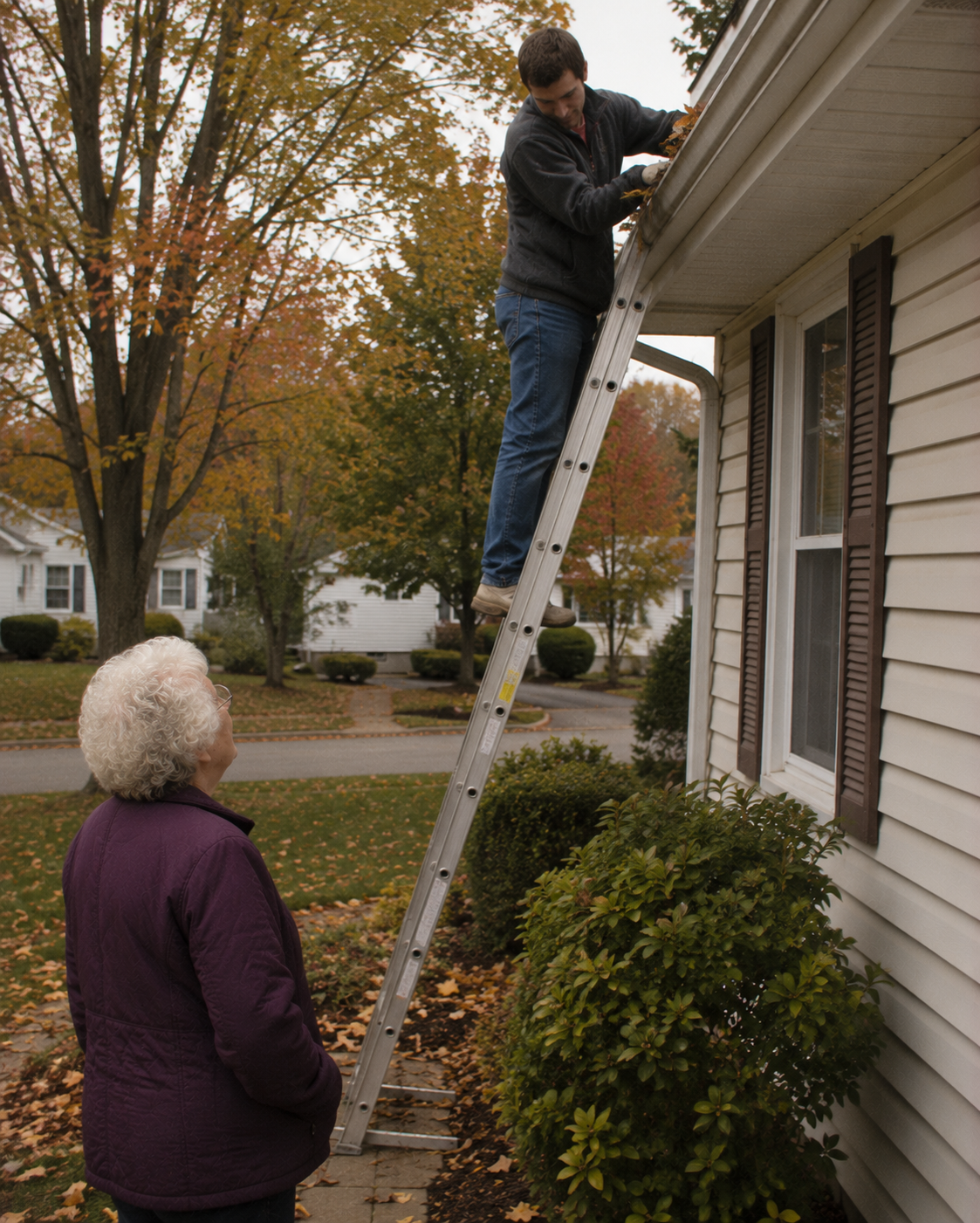
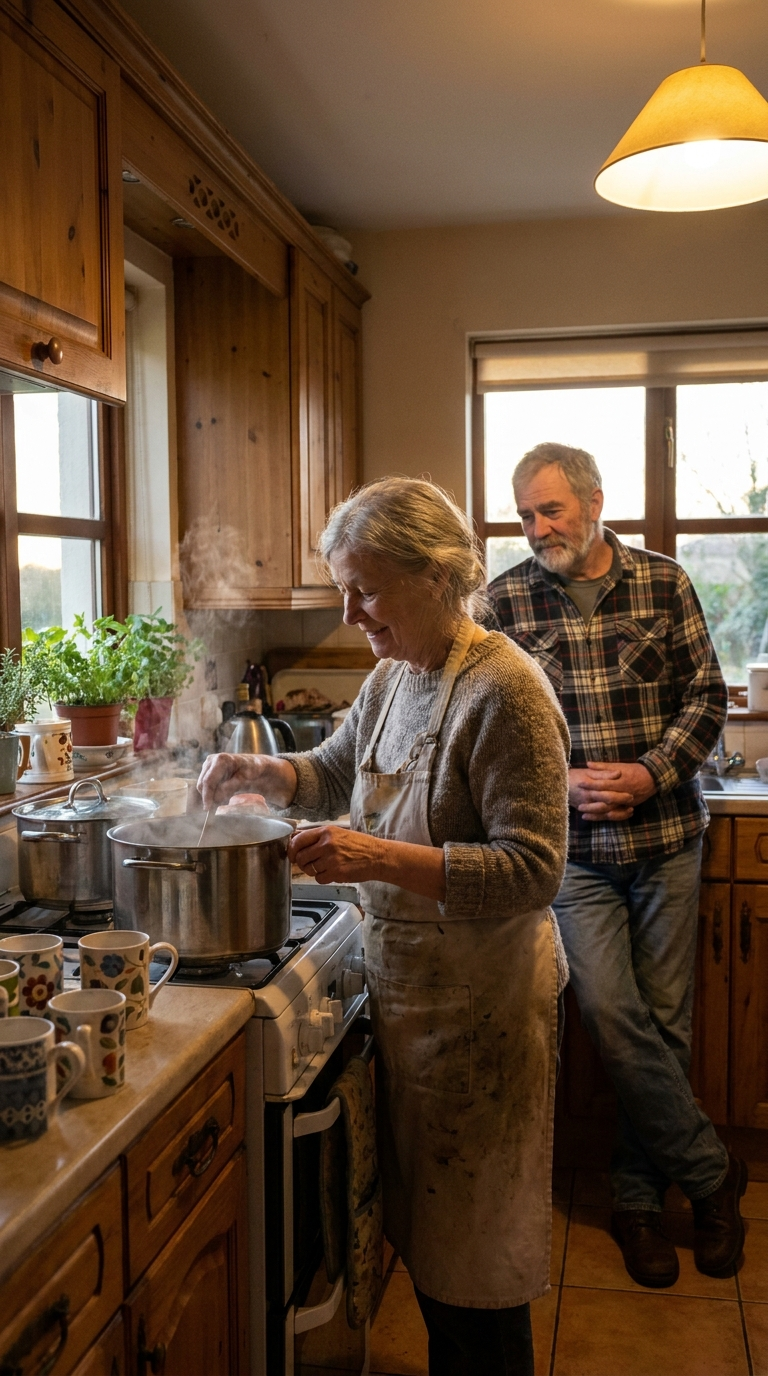
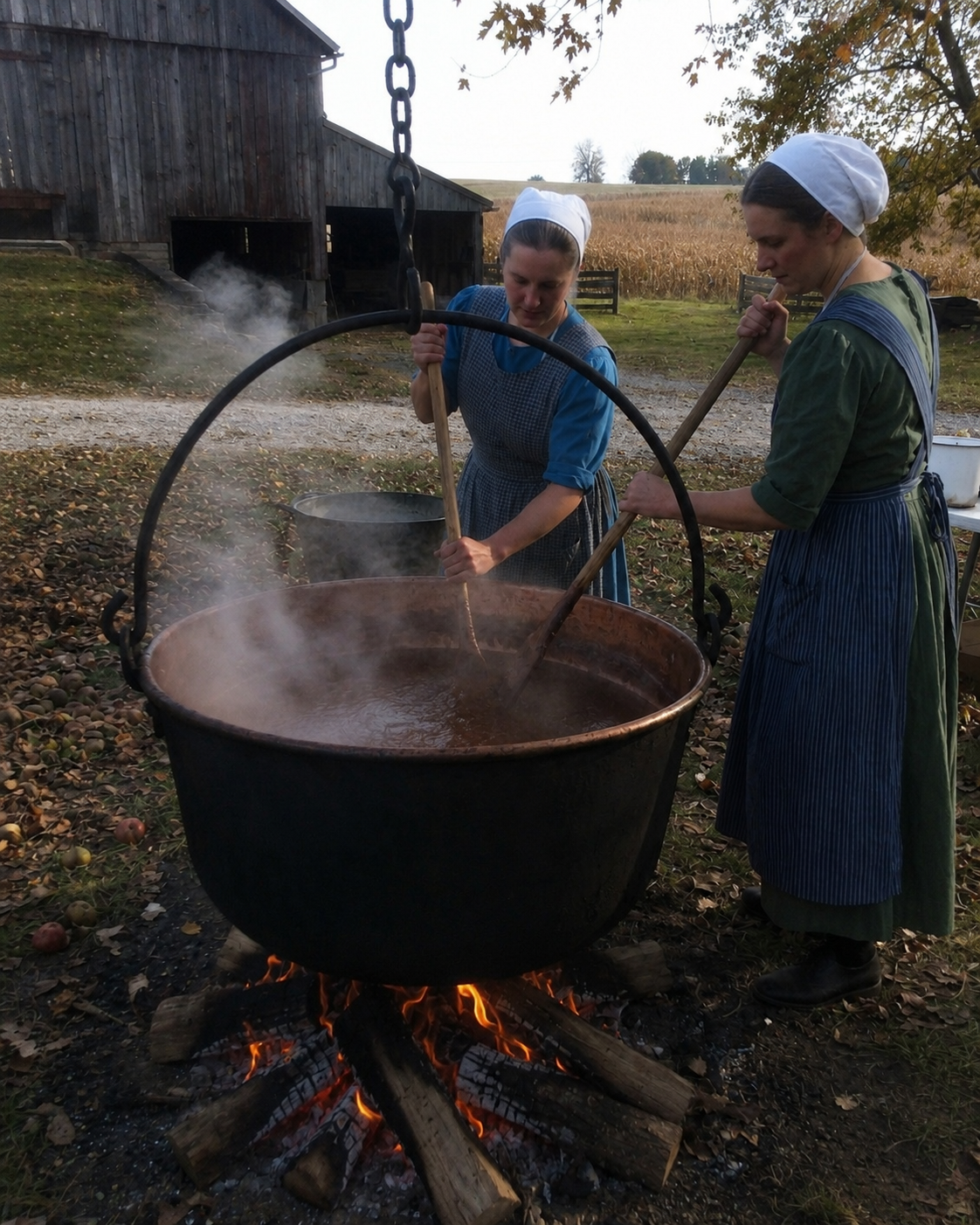
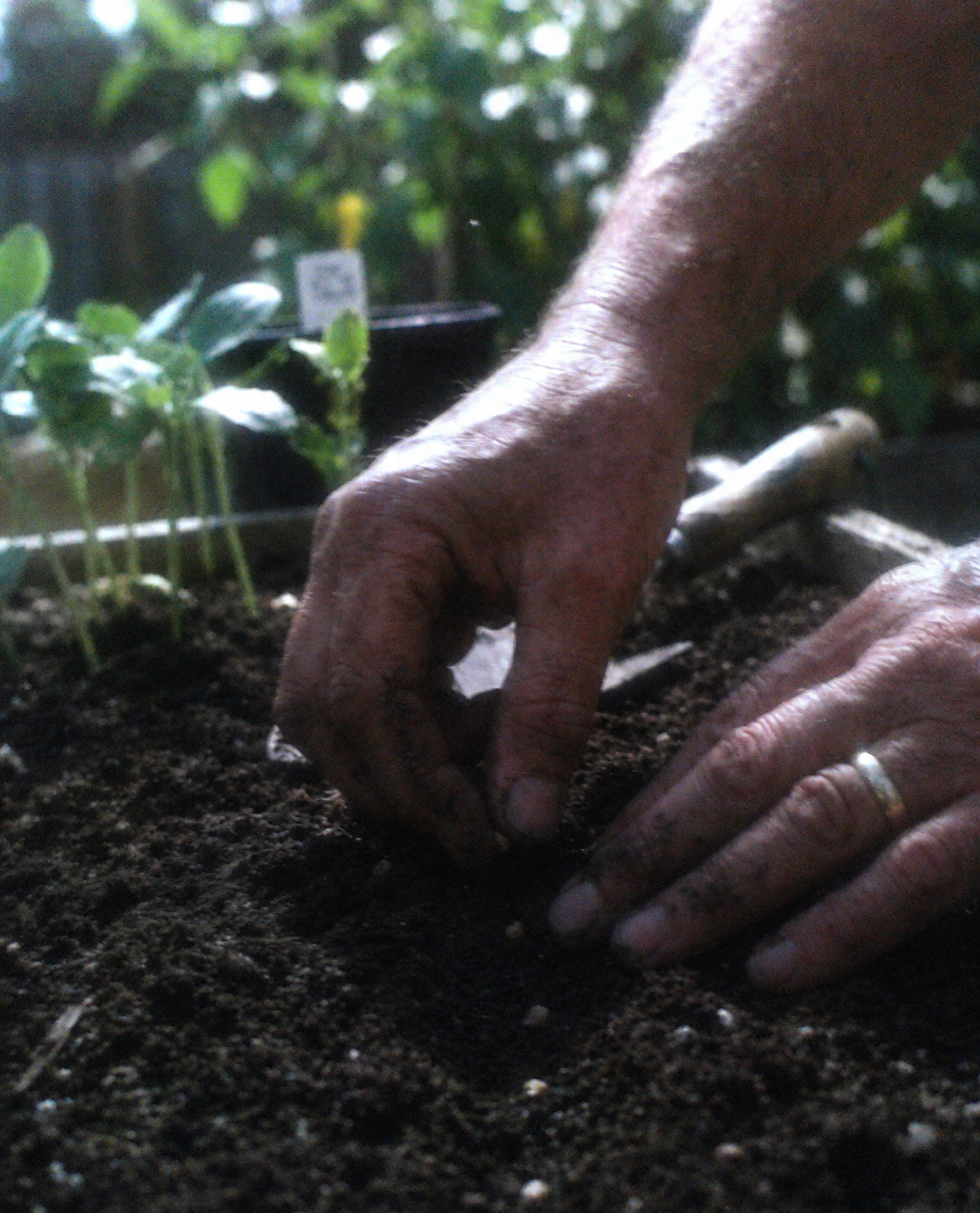
My Husband Had Fought His Cholesterol for 8 Years and Won Nothing. Then My Daughter Married an Amish Man, and His Grandmother Showed Me Her Garden. Tom is 66. We've been married 38 years. He's a retired civil engineer who used to design water systems for small towns across our state. He's the most disciplined man I've ever known. When his doctor first told him at 58 that his cholesterol was elevated, Tom went home that night and threw away the butter, the cream cheese, the salami in the fridge, the bag of pork rinds he kept on top of the refrigerator like a secret. He didn't complain. He didn't negotiate. He just changed. He started eating oatmeal every morning. Real oatmeal, not the packets. He cut red meat down to once a month. He added fish oil. He added psyllium husk. He added plant sterols. He started walking every morning before work at the consulting practice he kept part-time after retirement. He lost 22 pounds and kept them off. He did everything his doctor told him to do. And his numbers came down a little. Then crept back up. Then came down a little. Then crept back up. After two years his doctor put him on a low-dose medication. After four years she increased it. After six years she suggested adding a second medication on top of the first one. That's the appointment Tom came home from and didn't speak for an hour. He sat at our kitchen table with the appointment summary in his hands and looked out the window at our backyard. He finally said: "Linda, I've done everything she's asked me to do for eight years. Every single thing. And the answer is always one more pill." I didn't have anything to say. What can you say to a man who's been doing everything right and is being told it isn't enough? Sarah had been seeing Jacob for almost two years by then. She met him in graduate school. She'd been studying rural land use and food systems for her degree and she'd spent a summer doing field research in Lancaster County. A professor connected her with Jacob's family. Sarah came home from that summer talking about a man named Jacob Beiler who could tell her every variety of seed his family had saved over four generations, and could walk her through every plot of land within three miles of his house by who'd farmed it and what they'd grown and when the soil had last been allowed to rest. I didn't think anything of it. My daughter has always been the kind of person who gets passionate about whatever she's studying. By Christmas she mentioned Jacob again. By Easter she didn't mention him at all, which is when I knew. By July she told us they were engaged. Tom sat at our kitchen table and was quiet for a long time, the way he gets quiet when something is changing that he didn't sign up for. He finally said: "She went to graduate school for five years." That was his way of saying everything he couldn't say. That our daughter, who'd grown up in the suburbs and gone to a good college on a partial scholarship, was going to live in a house without electricity. Was going to wear a plain dress and learn to can vegetables and wash clothes by hand. Was going to leave behind the future he'd been picturing for her since she was four years old standing on the front lawn in a Halloween princess dress. My sister Margaret called me the night we told the family and said: "You can't be serious. She'll come back. Six months and she'll be back." Nobody in my family understood it. I didn't fully understand it either. But I watched Sarah's face when she talked about Jacob and I saw something I recognized. The look I had when I met Tom at 21 and knew before I had any right to know. You can't argue with that look. I tried. It didn't work. The first time we visited the Beilers was in late August. We drove down from our home on a Saturday morning. Two hours through farmland, the corn taller than the car, the air thicker the further we got from the highway. The farm appeared the way an Amish farm appears in pictures, but quieter than I expected. A white farmhouse. A red barn. A windmill that turned slow against the sky. A garden the size of half a football field running along the south side of the house. Jacob met us at the gravel drive. He shook Tom's hand. Tom is six feet tall and worked with concrete and pipe for forty years. His hand is not a small hand. But Jacob's hand wrapped around it and I watched Tom's expression register what a working hand feels like. Jacob is 34. He's built like a man who lifts things every day because that's how things get lifted. He smiled at me and said: "I'm glad you came. Sarah wanted you to meet my grandmother first. She's been waiting." Hannah was in the garden. Seventy-nine years old. A blue dress, an apron over it, her white hair tucked under a black bonnet. She was kneeling on a folded burlap sack, pulling weeds out from between rows of something deep green and leafy. She stood up when she saw us coming. She didn't use her hands to push herself up off the ground. She just stood up. A 79-year-old woman who stood up out of a kneel without bracing on anything. I noticed it because I haven't stood up that way since I was about 55. I doubt Tom has stood up that way since he was 50. She wiped her hands on her apron and walked over to us. Her grip when she shook our hands was firm. Her eyes were bright. There was nothing about her that announced 79 except for the white hair under the bonnet. She said: "Welcome. Come look at my garden first. You've come a long way to see this family. I want you to see what we eat before you eat it." She took my arm. She walked me down the rows. Sweet corn, two varieties. Tomatoes still heavy on the vine in late August. Squash trailing across the ground. Beans up tall against wooden stakes. Cabbage. Kale. Onions. Garlic. A long row of carrots. And along the back fence, a wide block of dark, leafy plants I didn't recognize at first. She stopped at that row. She bent down and pulled one out of the ground with her bare hand. A beet. Dark, deep red. Bigger than my fist. The kind of red that doesn't look like food, it looks like ink. She held it up and smiled at me. "This row," she said, "is what my grandmother taught me to plant. And her grandmother taught her. We eat beets in this house most of the year. Roasted, pickled, in soup. The leaves go in too — we don't waste any of it. My family has been eating these beets out of this soil for six generations." She held the beet out to me. I took it. It was heavier than I expected. The leaves were a deep purple-green, with veins like cathedral windows. She said: "We don't have a lot of medicine in this house. We have a doctor we visit when we need to, and we are grateful for him. But we eat what we grow first. That's an older way of doing things. Not better. Older. Sometimes the older way is the wiser way and sometimes it isn't. But it's the way we've always done it, and our people tend to keep their hands and their hearts longer than most." She didn't say that like she was bragging. She said it like she was telling me the time. We sat on the porch for two hours after the garden tour. Hannah brought out coffee and a pie made from the same beets she'd pulled out of the ground. I'd never had beet pie. It was dense and earthy and slightly sweet, like a carrot cake's older sister. Tom had two slices. He doesn't usually have two slices of anything anymore. Levi came out of the barn while we were eating. Hannah's husband. Eighty-one years old. He'd been mending a piece of harness leather. His hands were stained from the leather oil. He shook Tom's hand. His grip was steady. His back was straight. I watched Tom register it the way he'd registered Jacob's, then Hannah's. Three handshakes in two hours from people whose ages added up to 194 years. Not one of those handshakes had felt old. Tom didn't say anything about it. He just held his coffee with both hands. He'd been doing that for about three years. I'd been pretending not to notice for three years. The wedding was in October. Six weeks of planning that felt like six months. Amish weddings are not what I expected. They're long. They're held in the home or the barn. There's no music. No flowers from a florist. No decorations. The beauty is in the simplicity. The barn had been swept until it shone. Benches in long rows. Sunlight in columns through the loft windows. Sarah wore a navy blue dress Hannah had sewn for her by hand. No white gown. No veil. She looked more beautiful than I had ever seen her, stripped of everything extra, down to just herself. Jacob stood across from her in a black coat and white shirt. They didn't exchange rings. They made promises. I cried. Not because I was sad. Because my daughter had chosen a life I didn't understand and I could see, standing in that barn, that she was exactly where she was supposed to be. That's a hard thing for a mother. And a beautiful thing. Both at the same time. The reception was in the farmhouse. Long tables. Food cooked by the community. Roast chicken. Mashed potatoes. Creamed celery. Bread and butter that tasted like bread and butter should taste. Three different kinds of pie. And the beets. The beets were on every table. Roasted with rosemary. Pickled in jars passed down the line. Sliced in salads. A whole bowl of them in front of every six guests. The Beiler family ate beets at this wedding the way my family eats bread. The toasts came after dinner. Jacob's father Daniel spoke first. Then Hannah's daughter. Then my sister Margaret, who kept it short and polite and didn't say any of the things I knew she was thinking. Then Tom stood up. My husband is not a public speaker. He's a quiet man who shows love through what he builds, not what he says. But he stood at that long table and he gave a toast about Sarah. About the day she was born. About teaching her to balance on a two-wheeler in the driveway of our first house. About watching her walk across a stage to accept her diploma and knowing, the way fathers know, that she was about to go somewhere he couldn't follow. His voice cracked twice. He held his water glass with both hands while he spoke because one hand alone wouldn't have been steady enough. He finished. People clapped. He sat down. Reached for my hand under the table and squeezed. His grip was tired. I squeezed back harder to make up the difference. Then Levi stood up. The room quieted the way a room quiets for a man who doesn't speak often. You could hear the kerosene lamps hissing on the walls. He looked at Sarah first. Smiled at her with the kind of warmth that doesn't need words. Then he looked at our side of the table. Me, Tom, Margaret, my brother and his wife. He looked at us the way a careful man looks at people he's about to say something honest to. "I want to welcome Sarah's family into ours," he said. "You raised a daughter who chose us. That means something. It means she saw something here worth giving up her world for. We don't take that lightly." He paused. Took a breath. "I'm 81 years old. I don't speak often, and when I do, I try to say what's true rather than what's polite. So I'm going to say something to both of our families tonight, and I hope you'll receive it the way it's meant." The room was completely still. "I look around this table and I see two ways of living. Yours and ours. We don't have what you have. You don't have what we have. Neither one of us has it all figured out, and a man who tells you otherwise is selling you something." He smiled gently when he said this. A few people laughed. "But I want to tell you one thing I've learned in 81 years of watching people, because your daughter is our granddaughter now and that makes you family. The world has gotten faster than bodies were made for. The food has gotten further from the ground than bodies were made for. The work has moved off the land and into chairs, and bodies weren't made for chairs either." He looked at Tom. Not unkindly. Directly. "And I want to say this gently, because I'm a guest at my own grandson's wedding and I don't know your family well yet. But the body keeps a quiet record of how it's been treated. Sometimes the record shows up in places you don't expect. The hands. The breath. The numbers a doctor writes down on a chart. None of that is shameful. It's just the record." He paused again. "I don't have a prescription to give you. I don't have a cure. I have a garden, and I have a wife who knows how to use what we grow, and I have 81 years of watching people get well and watching people get sick and noticing the patterns. I'll say no more than that tonight." He raised his glass. Water, not wine. "To Sarah and Jacob. May you build a marriage as steady as the ground under this house. May you eat well and work well and rest well. May the body keep a good record of the love you put into it." We drank. Tom set his glass down with both hands and looked at me. He didn't say anything. He didn't need to. The drive home was three hours. Tom drove. I sat in the passenger seat watching the farmland turn into highway turn into suburbs. For the first hour neither of us spoke. About an hour from home, Tom said: "Linda, I want to talk to my doctor about something I've been thinking about." I said: "What have you been thinking about?" He said: "I want to ask her if there's anything else I can add to what I'm already doing. Not a different medication. Something that supports what I'm doing instead of replacing it. I want to see if I can do anything other than the thing she keeps offering." I said: "Okay." He said: "I keep thinking about Hannah pulling that beet out of the ground." I said: "I know. I'm thinking about it too." Tom went to see his doctor the following Wednesday. I went with him. He sat down across from her and told her what he'd been thinking. He told her about Hannah's garden. He told her about Levi's hands. He told her he didn't want to start a second medication if there was anything else he could try first. She listened. She didn't roll her eyes the way some doctors do when their patients bring up the internet. She said: "Tom, I think that's a reasonable conversation to have. I'm not going to take you off the medication you're on. But there's no reason you can't add other things to what you're doing, as long as we talk about what they are first." He told her about beetroot. She said: "Beetroot has been studied for decades for cardiovascular wellness and antioxidant balance. There's good research on it. I have no concerns about you adding it to your routine. If you want to send me the supplement facts panel of whatever you decide to try, I'll take a look before you start." He sent her the panel that night. She emailed back two days later. She said it was fine. That meant a lot to both of us. We didn't want to be the kind of people who did this behind anyone's back. We weren't. Finding the right brand took longer than I expected. I want to be honest about this part because I learned something I didn't know before. Not every beetroot supplement is the same. Most of them are processed with high heat. That's the fast, cheap way to do it. The compounds inside the beet that researchers have been studying for decades — particularly the betalains and the natural nitrates — are heat sensitive. A lot of what makes the root worth taking gets lost when the processing is rushed. I spent a Saturday afternoon reading labels and processing descriptions. I found one brand that did it the slow way. Rosabella. They cold-press at low temperatures. It takes longer. It costs more. But what ends up in the capsule is closer to what's actually in the beet. I noticed the color when we opened the first bottle. A deep, dark crimson. The same red as Hannah's beet in her hand. That color is the betalains showing up the way they're supposed to. Tom started taking it the Tuesday after we got it in the mail. Two capsules with a glass of water every morning. He didn't change anything else. He kept taking his medication. He kept his diet the same. He kept walking the same route every morning. The only new thing was the two capsules. I'm going to be careful about what I tell you next. Because I want this to be honest. I'm not going to tell you Tom felt something in seventeen minutes. I don't think it works like that. I'm not going to tell you anything dramatic happened in the first week. It didn't. What I can tell you is what we noticed over about three months. The afternoon dragging Tom had been doing for the last few years got a little lighter. He'd come home from his morning walks and not need to sit for an hour before he could start his day. He started taking the longer route on his morning walk — the one that loops past the elementary school — instead of the shorter loop he'd been doing for the last two years. Somewhere in the second month, he was unloading bags of mulch from the back of the truck for our flowerbed. I was working on the other side of the yard. I looked up and he was carrying two bags at once. He hadn't carried two bags at once in maybe four years. He didn't make a thing of it. I didn't make a thing of it. I just stood there in my flowerbed and watched him for a minute. His doctor saw him at his regular six-month appointment about ten weeks after he'd started. She ran his bloodwork. She came back into the room with the printout and sat down. She said: "Tom, your numbers are in better shape than they've been in a few years. I'm not going to add anything to your regimen. Whatever you're doing, keep doing it." She didn't make a big speech about it. Tom didn't make a big speech about it. But on the drive home, he reached over and held my hand at a red light. He doesn't do that often. He hadn't done it in a while. We sat in our driveway for a minute before going in. He said: "I want to send Hannah a thank-you note." I said: "What do you want to say?" He said: "I don't know yet. I just want her to know." He wrote her a letter two days later. I never read it. It was between him and her. I want to be careful about what I'm claiming here. I am one woman. Tom is one man. I am not a doctor and I have not pretended to be one in any of what I've just told you. Beetroot was not the only thing Tom was doing. He was still on his medication. He was still eating the way he'd been eating for eight years. He was still walking every morning. The only thing we added was two capsules with a glass of water. I don't know with certainty what did what. What I can tell you is that we added one thing to a man who'd been doing everything right for eight years and watching it not be enough. And a lot of small things started moving in the same direction. That's the honest version. If you're a woman whose husband has been fighting his numbers for years and feels like he's losing ground he shouldn't be losing — talk to his doctor. Always start there. Whatever he decides to add to what he's already doing should be a decision his doctor is in the loop on. If his doctor is open to it, beetroot is a reasonable thing to look at. It's been studied for decades. It's not exotic. It's just been processed badly by most of the brands selling it. Rosabella is the one we tried because their cold-pressing means the betalains actually survive into the capsule. I'm not the right person to tell you what to do with your husband's body. But I am a woman who watched her husband do everything right for eight years and be told it wasn't enough. And then watched a 79-year-old Amish woman pull a beet out of the ground in late August and realized that some answers are older than the answer the chart is giving you. I hope you find yours. P.S. Two capsules with a glass of water in the morning. That's the whole protocol. Don't change anything else. Not the medications. Not the diet. Not the routine. Just add this and pay attention to what shifts. P.P.S. Talk to his doctor or pharmacist before he starts. This is the first step, not a footnote. If he takes any prescription medication — especially for cholesterol, blood pressure, or his heart — the conversation with his doctor matters more than anything I have to say here. P.P.P.S. Rosabella has a 90-day money-back guarantee. If you're not satisfied for any reason, every penny back. No questions asked. That's a sensible policy for a supplement. It gives you the time you actually need to see whether it helps. P.P.P.P.S. Rosabella is a small operation. They harvest and bottle on their own schedule. I keep an extra bottle in the house now because I don't want to be the woman who runs out and has to wait. They have a multi-bottle option I went with myself. Worth a look. P.P.P.P.P.S. Tom and I drove back down to Lancaster County last month for Sarah's birthday. Hannah was in the garden again. She pulled another beet out of the ground for him. He stood there in the dirt next to her in his sneakers and his Saturday jacket, holding a beet in one hand and a thank-you he could never quite say in the other. She smiled at him. She said: "The body keeps a quiet record. You've been writing yours better lately." She knew. Of course she knew. https://track.tryrosabella.com/4a8944d3-6841-4daa-bcd5-c063901eeae6 DISCLAIMER Individual experiences vary. These statements have not been evaluated by the FDA. This product is not intended to diagnose, treat, cure, or prevent any disease.
Support stamina and heart health every day
LEARN MORELike this ad? Make it yours.
Crush rebuilds this exact creative around your product — your brand, your colors, your offer — in about a minute.