
Active· since May 6, 2026
- 133
- days running
- 3
- relaunches
Ad copy
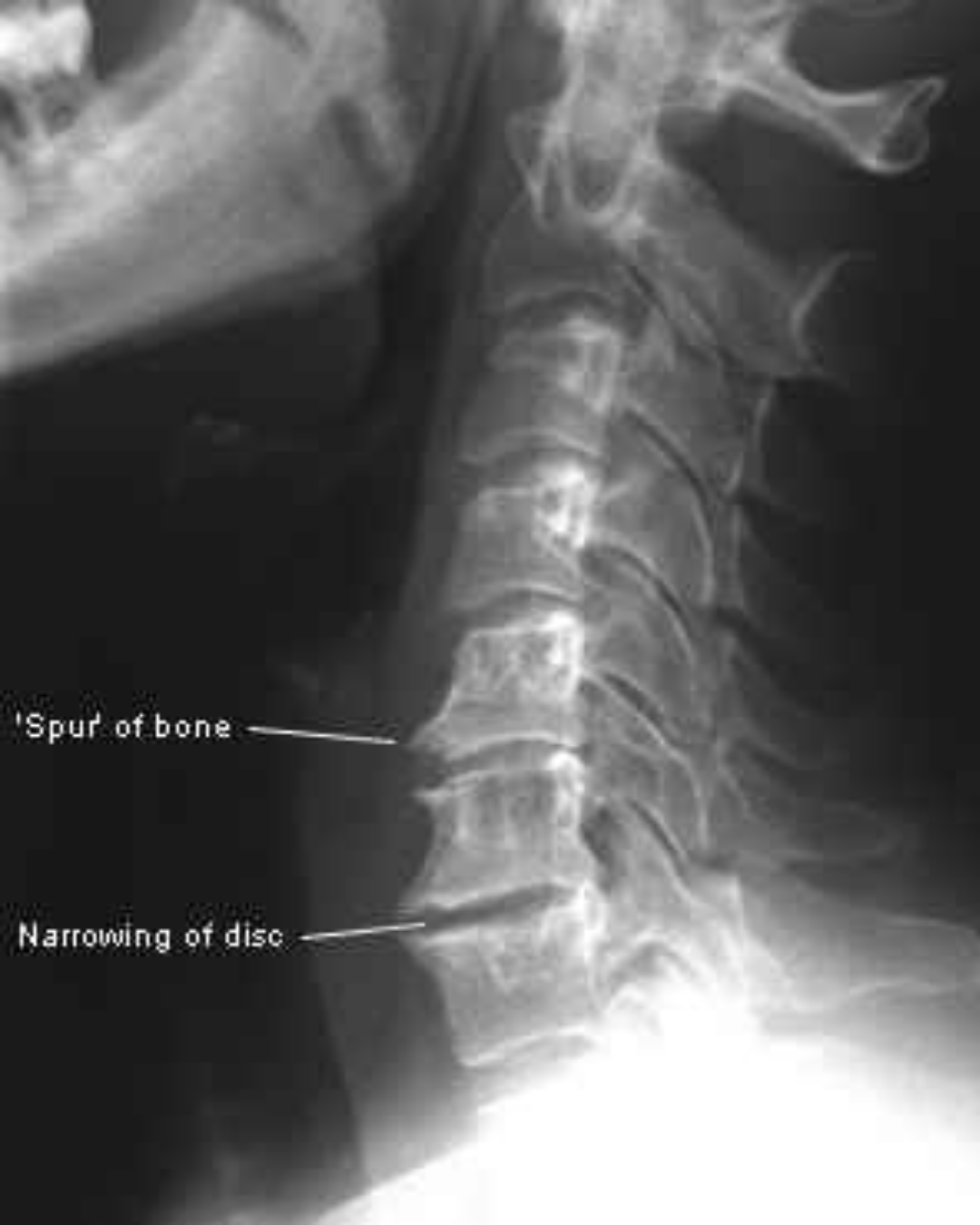
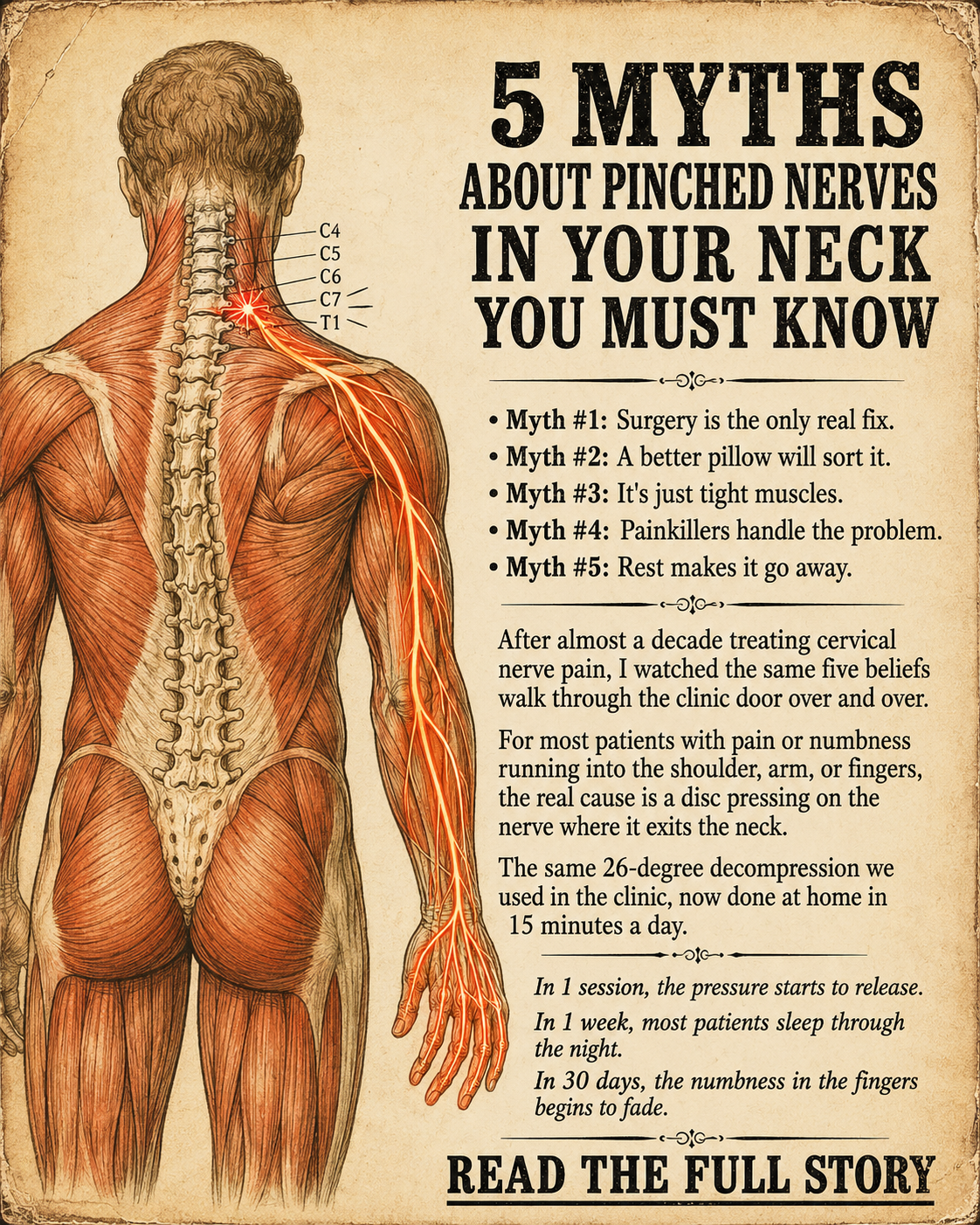
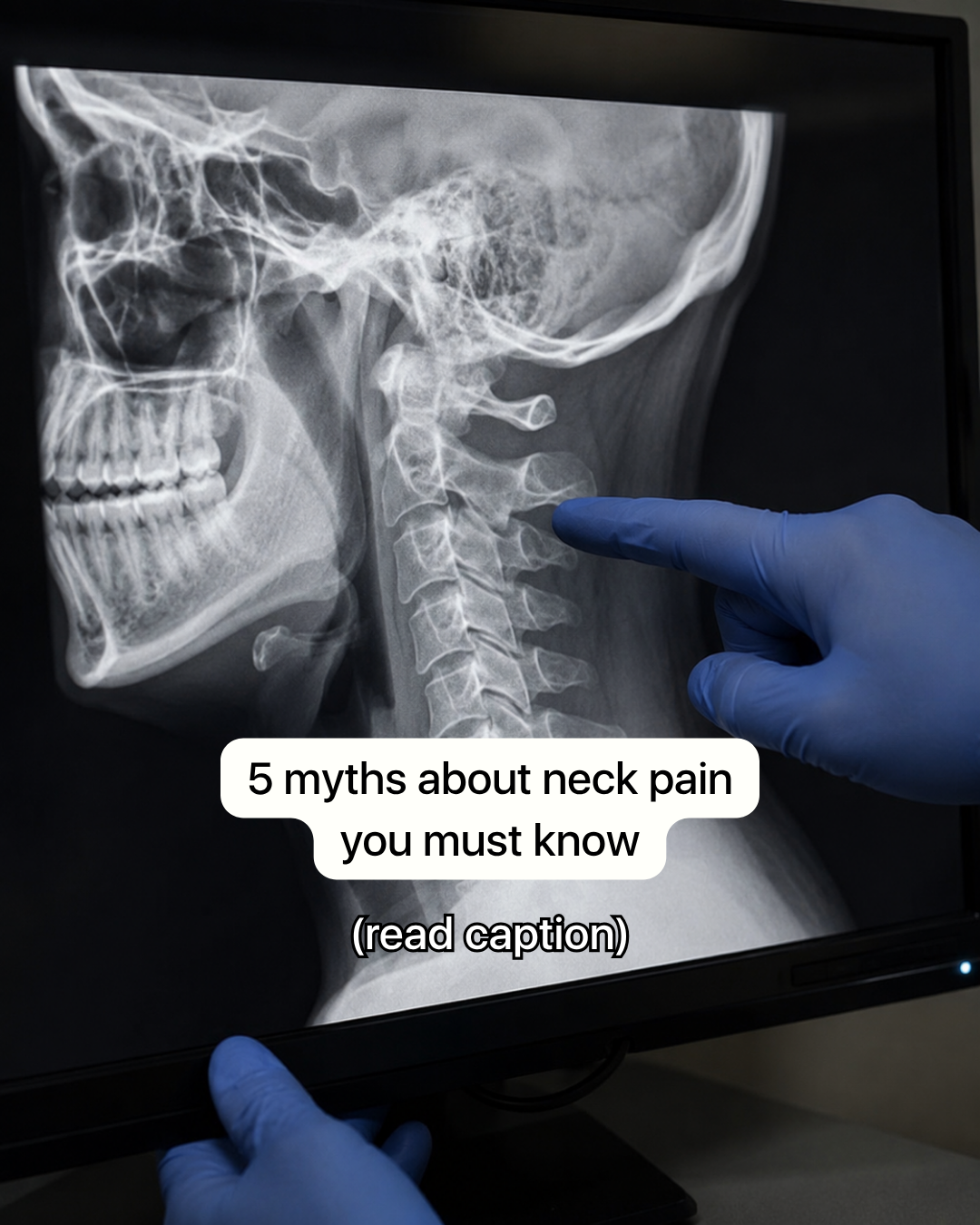
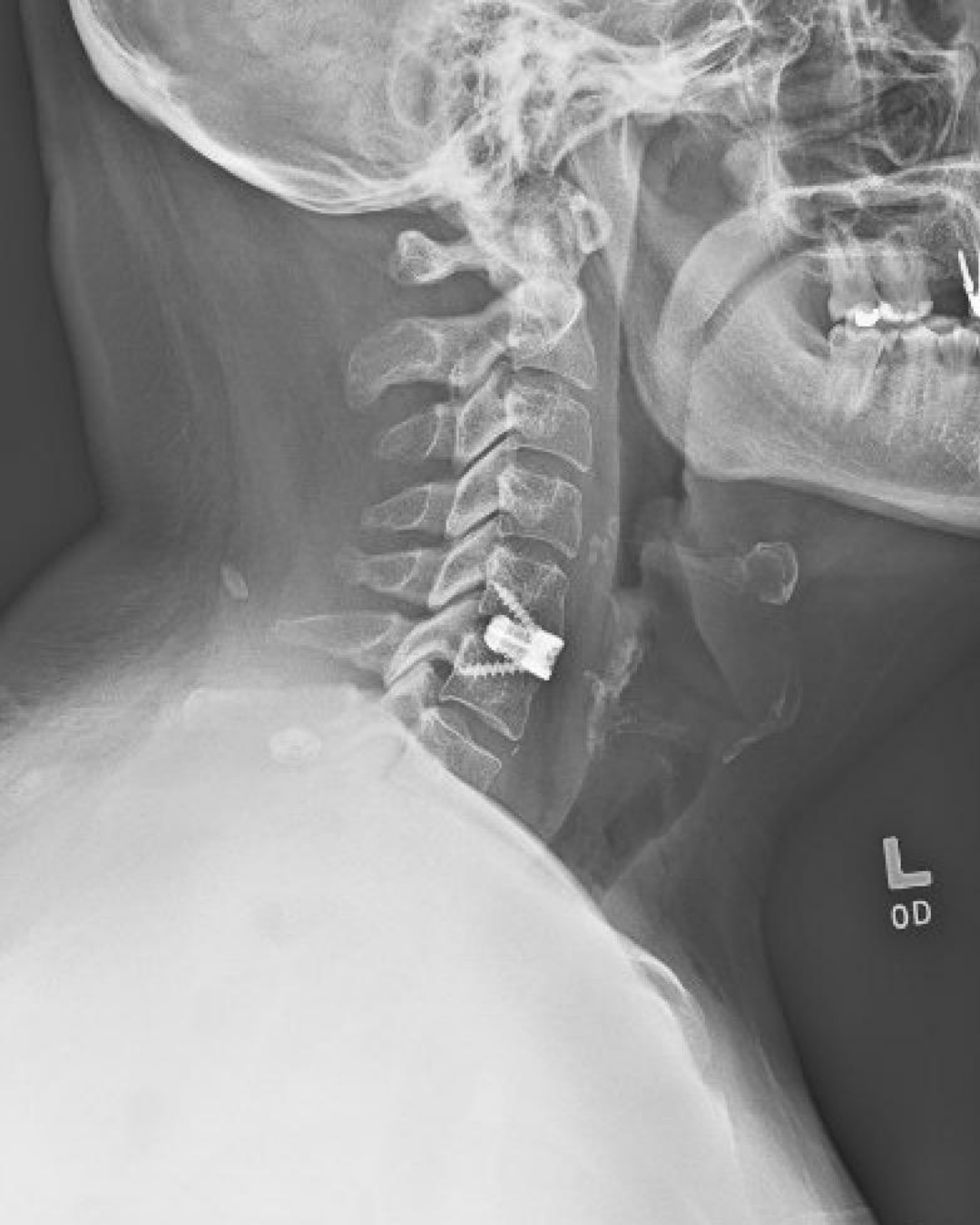
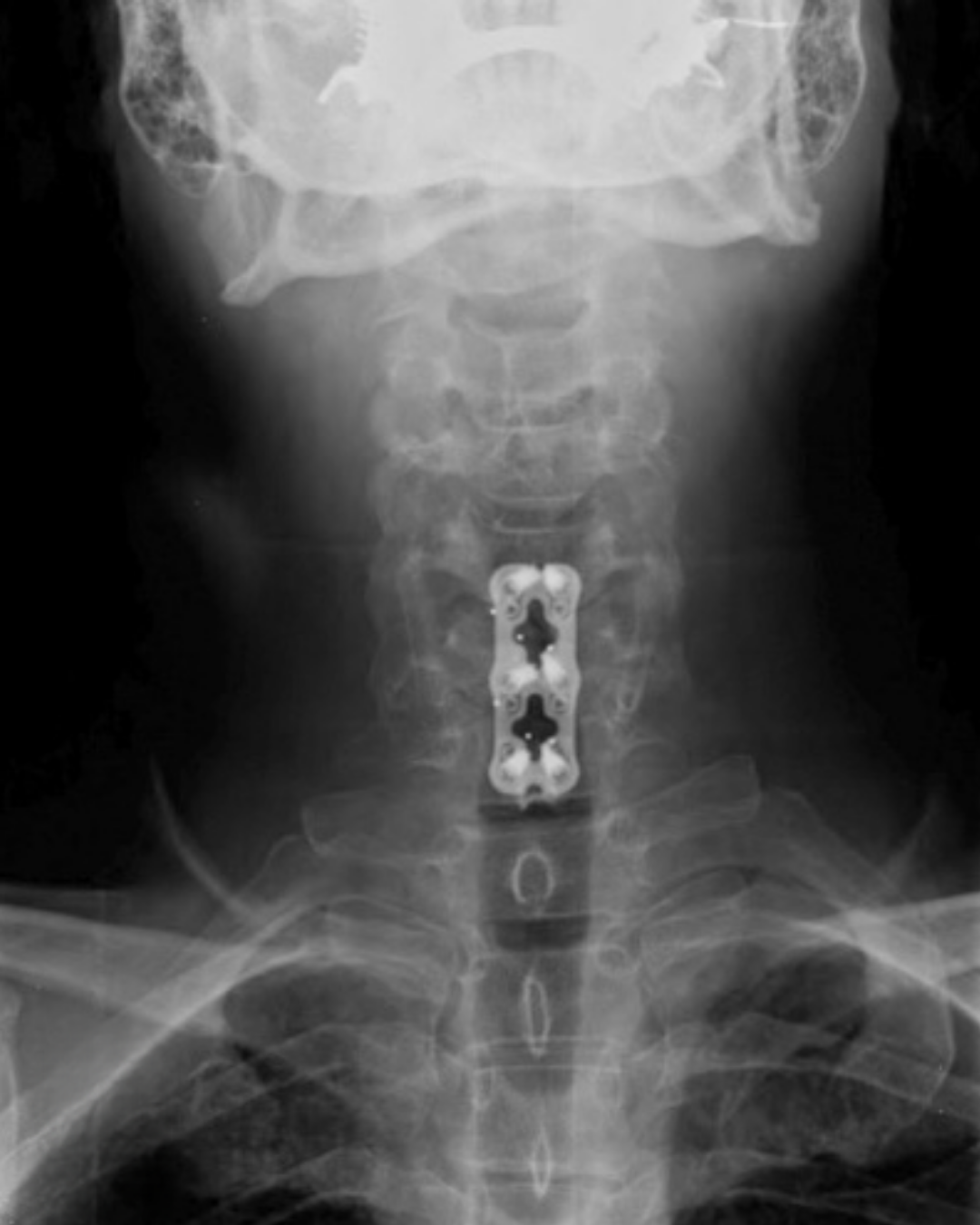
Three different doctors told me the same thing. "You have a herniated disc. Once it's shifted that far, it doesn't go back." They were wrong. I'm 54. I've worked at a desk for over 20 years. About two years ago, what had been a nagging stiffness in my neck started doing something new. Headaches every morning, starting at the base of my skull. Tingling down my left arm by noon. Some days I couldn't turn my head far enough to check my blind spot while driving. My GP said it was age. "Normal wear and tear. Pretty common for someone your age." The orthopedist looked at my MRI and pointed to a disc at C5-C6. "The disc has herniated, pushed out, and compressed the nerve. That's what's causing the arm symptoms. At this stage, it won't retract on its own." The surgeon leaned back. "We can do a fusion. Success rate is around 60 to 65 percent." I asked what happens to the other 35 percent. He paused. "Some patients see no change. Some decline." Then he said what I kept replaying on the drive home. "Without intervention, the compression on that nerve will continue. You're looking at permanent numbness, possible weakness in the hand, and at some point, you may lose grip strength entirely." I sat in the parking lot for a long time before I went inside. That night I couldn't sleep. Not just from the pain, though that was there too. From one question I couldn't stop asking: Is this just what my life looks like now? I refused to accept that. So I started reading. Not forums — actual research, papers written by spine specialists. I found one that stopped me mid-scroll. He wrote: yes, the disc has herniated. But the pain doesn't come from the disc sitting there. It comes from sustained pressure on the nerve root — pressure that keeps building because the disc has lost height, and the surrounding vertebrae have settled closer together. Surgery removes part of the disc or fuses the joint. But it doesn't restore disc height. So even when it works, the degeneration continues at the levels above and below. A significant number of patients need a second surgery within ten years. Then he wrote the part that changed everything. Herniated discs respond to decompression. When you gently separate the vertebrae — creating negative pressure in the disc space — the disc can retract away from the nerve. The pressure lifts. The symptoms follow. That's what the stretches weren't doing. They changed the angle of my neck, not the pressure on the disc. That's what the new pillow couldn't do. That's what the chiropractor's adjustments moved around — the joint — while the disc stayed exactly where it was. I was skeptical. After three doctors, I had reasons to be. But I tried what the article described. Fifteen minutes a day. Thirty days. Week one, the headaches started later. By noon instead of the moment I woke up. Week two, I sat through a full workday without getting up to stretch. That hadn't happened in months. Week four, I woke up on a Monday morning and my left arm felt normal. I flexed my hand a few times just to make sure. No tingling. That was seven months ago. I work full days now. Sleep through the night. I checked my blind spot on the highway last week and didn't think about my neck once. I went back to the orthopedist for a follow-up. Told him the symptoms had cleared. He looked at his notes, then back at me. "That's not what I would have expected to see." I didn't push it. I just thought about what he told me two years ago. "Once it's shifted that far, it doesn't go back." He was wrong. Here's the link to what actually changed it.
Like this ad? Make it yours.
Crush rebuilds this exact creative around your product — your brand, your colors, your offer — in about a minute.