
Active· since Jun 17, 2026
- 91
- days running
- 1
- relaunches
Ad copy
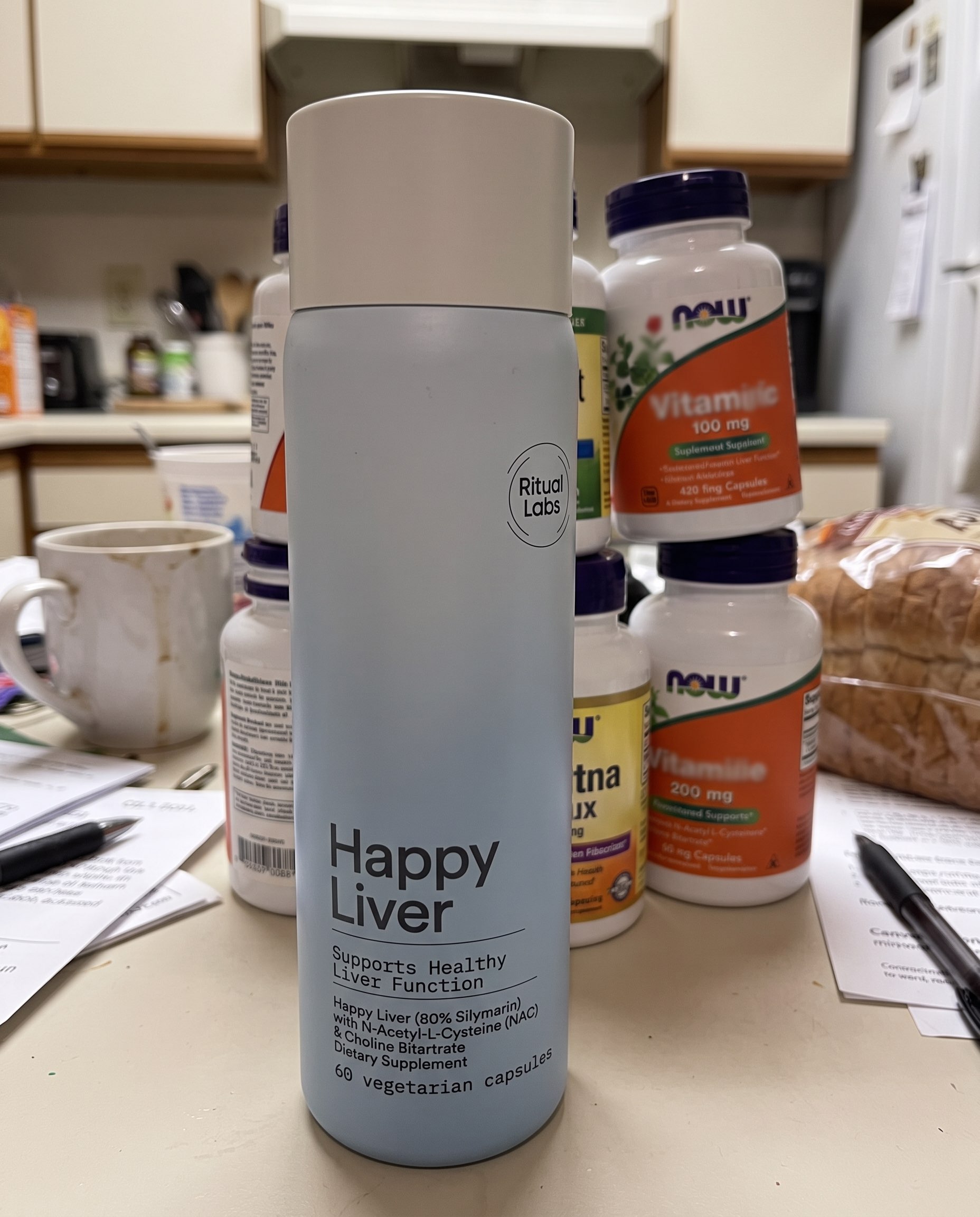
If your glucose reading has been between 160 and 260 or even higher every day for years and your doctor’s only answer is more medication, there is something the diabetes industry is not telling you. I am an endocrinologist, and these are the answers about your blood sugar the pharmaceutical industry has spent decades making sure you never hear. Question 1. Why is my glucose still high even though I eat clean? Because the number has nothing to do with your diet. That number is coming entirely from your liver, which manufactures glucose around the clock. When the liver is healthy, it releases the exact amount your body needs at any given moment and stops when you have enough. When the liver is overloaded, it loses that regulation. It keeps producing and releasing glucose into your bloodstream whether or not your body actually needs it. That is why you can eat perfectly clean for days and still watch the number on your meter stay exactly where it was. The food was never the issue. And by question 6, I will tell you what is actually causing that overproduction. Because it is not what your doctor thinks. Question 2. Why am I exhausted before the day even starts no matter how much I sleep? Because high blood sugar and cellular starvation happen at the same time. Here is the cruelest part nobody explains. Glucose is flooding your bloodstream, but your cells cannot actually absorb it. So your body is simultaneously drowning in sugar and starving for it. The exhaustion, the brain fog, the afternoon crash that hits like a wall at 3pm. The way you wake up feeling like you barely slept even after 9 hours in bed. That is not aging. That is a delivery problem. Your cells are signaling for fuel they can see in the blood but cannot let in. Question 3. Why am I constantly thirsty and waking up at night to use the bathroom? Your kidneys are working overtime trying to flush the excess glucose from your blood. To do that, they pull water from every other tissue in your body to dilute it and expel it through urine. That is why you cannot stop drinking water, and why you are waking up two, three, four times a night to urinate. The thirst never resolves because the flood never stops. Most patients have been living with this for so long that they stopped noticing it was abnormal. Question 4. Why do my sugar cravings feel impossible to control? Because your cells are not absorbing glucose properly, so your brain keeps sending hunger signals even when glucose is already high in your blood. The signal it is sending you is "fuel my cells," but the cells cannot take in the fuel that is already there. So your brain interprets that as needing more. You crave carbs and sugar not because of willpower but because your cells are not getting what they need. And every time you give in, the cycle runs again. Higher glucose in the blood, cells still starving, more cravings. The willpower narrative is the cruelest lie in this disease. Question 5. I have been on Metformin for years and my doctor says I am stable. Why do I still feel terrible? Because stable means your numbers are suppressed on paper. It does not mean your body is well. Metformin does one thing. It tells the liver to release less glucose. That is the entire mechanism. It is not a fix. It is a volume knob. The fat building up inside your liver cells is still building. The insulin signal that has been getting blocked is still blocked. The overnight glucose production that started this whole problem is still running unregulated underneath the medication. Meanwhile the side effects create a second illness on top of the first. The nausea. The bathroom emergencies. The fatigue that gets worse instead of better. Most patients I see feel worse five years into Metformin than they did the year they were diagnosed. Question 6. What is actually causing my blood sugar to stay high? Here is what nobody ever explains. When most people walk into my office, they think this is a pancreas problem. It is not. Insulin resistance is a liver problem that has been blamed on the wrong organ for decades. According to the American Diabetes Association, your liver is solely responsible for regulating your blood sugar between meals and overnight. It stores glucose when there is too much, releases it when there is not enough, and keeps your blood sugar within a precise range every minute of the day. And researchers at Newcastle University documented exactly what happens when this system breaks. When liver cells get congested with fat from decades of processed food, alcohol, medications, and modern life, the cells physically run out of space. The fat accumulates inside the cell and buries the insulin receptors on the cell surface. The cells stop receiving the signal telling them to take glucose in and stop producing more. So the pancreas does what it is supposed to do. It pumps out more insulin trying to get the message through. And more. And more. For years. Until it cannot keep up. That is the moment a doctor diagnoses you with type 2 diabetes. But the disease started decades earlier, in the liver, and it was never about the pancreas. Question 7. Why has nobody told me this? Three reasons. First, there is no pharmaceutical drug that clears fat from inside liver cells. You cannot patent the compounds that do it, so no drug company funds research on them, and no drug rep teaches doctors about them. Second, the standard of care is Metformin. If Metformin stops working, the dose goes up. If that stops working, you add a second drug. If that stops working, insulin. Nobody in that protocol is asking why the liver started overproducing in the first place. The standard of care manages decline. It does not reverse the cause. Third, the diabetes drug industry generates over $116 billion a year in revenue. Every patient who fixes their underlying problem is a patient who stops needing the drug, and that math runs in exactly one direction inside a pharmaceutical company. The system does not have an incentive to teach the cause. Question 8. What happens if I just keep monitoring it? Congested liver cells do not unclog themselves. Every month the fat builds, the insulin signal gets weaker, and the overnight glucose production increases. The morning number creeps up half a point at a time. The A1C drifts from 7 to 8 to 9. The dose increases. The side effects accumulate. The nerve damage in your feet starts. The vision changes start. The doctor mentions adding insulin. Monitoring without addressing the cause is watching the damage accumulate while the suppressant keeps it out of sight. The end of that road, for most patients I have seen who never address the liver, is a regimen of three or four medications, ongoing complications, and a quality of life that gets harder to defend every year. Question 9. I have already tried berberine, cinnamon, and milk thistle from Amazon. Why did none of them work? Because none of them were aimed at the right target. Berberine improves insulin sensitivity in muscle cells, not liver cells. It does pull the number down for a few weeks, but it hits a ceiling fast because the overnight glucose production from your liver is still running unchecked. The morning fasting reading stalls. Cinnamon has a marginal effect on post-meal glucose absorption. It does nothing about the overnight production. The disease is not in your bloodstream after lunch. It is in your liver at 4am. And the milk thistle you find on Amazon is almost never standardized for silymarin content. The label might say 1,000mg of milk thistle but the actual active compound inside the capsule is usually a fraction of what clinical studies use. Patients take it for a month, feel nothing, and conclude the liver angle was wrong. The liver angle was right. The product was wrong. Question 10. What actually repairs the liver? Four compounds working together can do what Metformin alone never could, with two of them going after the cells themselves and the other two cleaning up what the first two break loose. European grade silymarin is the starting point. Extracted from milk thistle seeds, it is a fat-soluble compound that physically penetrates the liver cell wall, which most things you swallow cannot do. Once inside the cell, it shields the cell from further damage and activates the cellular machinery the liver uses to repair itself. NAC works alongside it from inside the cell, supplying the cysteine your body needs to manufacture glutathione, the antioxidant the liver depends on to actually break down stored fat. Hospitals have used NAC since the 1960s as the standard treatment for acute liver failure, and it is one of the most well-studied liver compounds in modern medicine. Together, silymarin and NAC do something neither one does alone. The cell gets shielded and rebuilt while the fat inside it gets dissolved. A 2020 meta-analysis covering 16 separate clinical trials and over 1,300 patients with type 2 diabetes confirmed that this combination significantly lowered fasting blood glucose and A1C without any change to diet. But breaking the fat down inside the cell is only half the work. It still has to physically leave the body, and that is where choline comes in. Choline binds to the broken-down fat and carries it out of the liver and out of the body entirely, and without it the cell never fully empties. Over 80 percent of American adults are deficient in choline because the food sources, mostly egg yolks and organ meats, have largely dropped out of the modern diet. Once the fat is gone, alpha-lipoic acid does the final job, restoring the cellular energy systems that have been running degraded for years and improving insulin signaling at the cellular level. Multiple clinical trials have shown alpha-lipoic acid increases insulin sensitivity within weeks of starting it. It is the compound that takes the cleaned-out cell and reconnects it to the insulin signaling network it lost decades ago. Clearing the fat without restoring the signal leaves the liver structurally repaired but still not functioning. Restoring the signal without clearing the fat leaves cells that cannot respond. All four compounds working together is what actually closes the loop. Question 11. Can I take this with my current medications? Yes. These four compounds work on the liver, while every standard diabetes medication works somewhere else. Metformin works on the muscles. Insulin works on cellular uptake. GLP-1s like Ozempic and Mounjaro work on the gut and the pancreas. None of those overlap with what these compounds are doing inside the liver, which means there is no conflict and no interaction risk. You can take it alongside whatever your doctor has you on right now. And as your numbers start improving, many of my patients have been able to start reducing their medication dose. Some have come off Metformin entirely. Question 12. How long before I see something? You do not have to wait until week eight to feel something different. The first changes start within days, and patients usually feel them before they see them on the meter. By day four, the constant thirst starts easing and the nighttime bathroom trips begin slowing down. By day ten, the afternoon crash starts fading. Sleep gets deeper. The brain fog lifts in a way that is hard to describe until you have not been in it. By week three, the morning number actually starts moving. Not by a lot at first. Two points. Five. Then ten. By week eight, I am getting lab work back showing fasting numbers in the 80s and 90s from patients who had been sitting in the 170s and 180s for years. A1Cs that had not moved off 10 in five years, dropping into the 7s, sometimes into the 6s. Patients reducing their medication dose. A few coming off it entirely under supervision. Question 13. What formula should I use? Most diabetes supplements I see are recycled versions of the same handful of ingredients, chromium and magnesium and sometimes a small dose of milk thistle thrown in for marketing, and none of them are actually aimed at the liver fat that is driving the problem. Even the few that include the right compounds usually under-dose them so far below what the research uses that they were never going to do anything in the first place. The formula I have been pointing patients to lately is called Happy Liver from Ritual Labs, and the reason I bring it up at all is that they are the only one I have found that includes all four of these compounds at doses that actually match what the clinical research uses, with every ingredient listed plainly on the label so you can verify it yourself. What lets me actually recommend it to patients is that the company stands behind it with a 60-day refund window, so if your numbers have not budged by the time you come back in for your next set of labs, you send the bottle back and you are not out anything but a couple of months of trying it. That kind of guarantee is rare enough in this space that it is honestly the only reason I feel comfortable mentioning a specific brand at all. I will leave the link below for anyone who wants to look into it.
Metformin won't fix high blood sugar.
Your liver processes everything - alcohol, medications, junk food, environmental toxins. Happy Liver provides daily protection with clinical doses of Milk Thistle, NAC, and Choline
LEARN MORELike this ad? Make it yours.
Crush rebuilds this exact creative around your product — your brand, your colors, your offer — in about a minute.