Dr. Ryan Hudson - Urologist
Dr. Ryan Hudson - Urologist Facebook ad: “Reactivate Your Body”
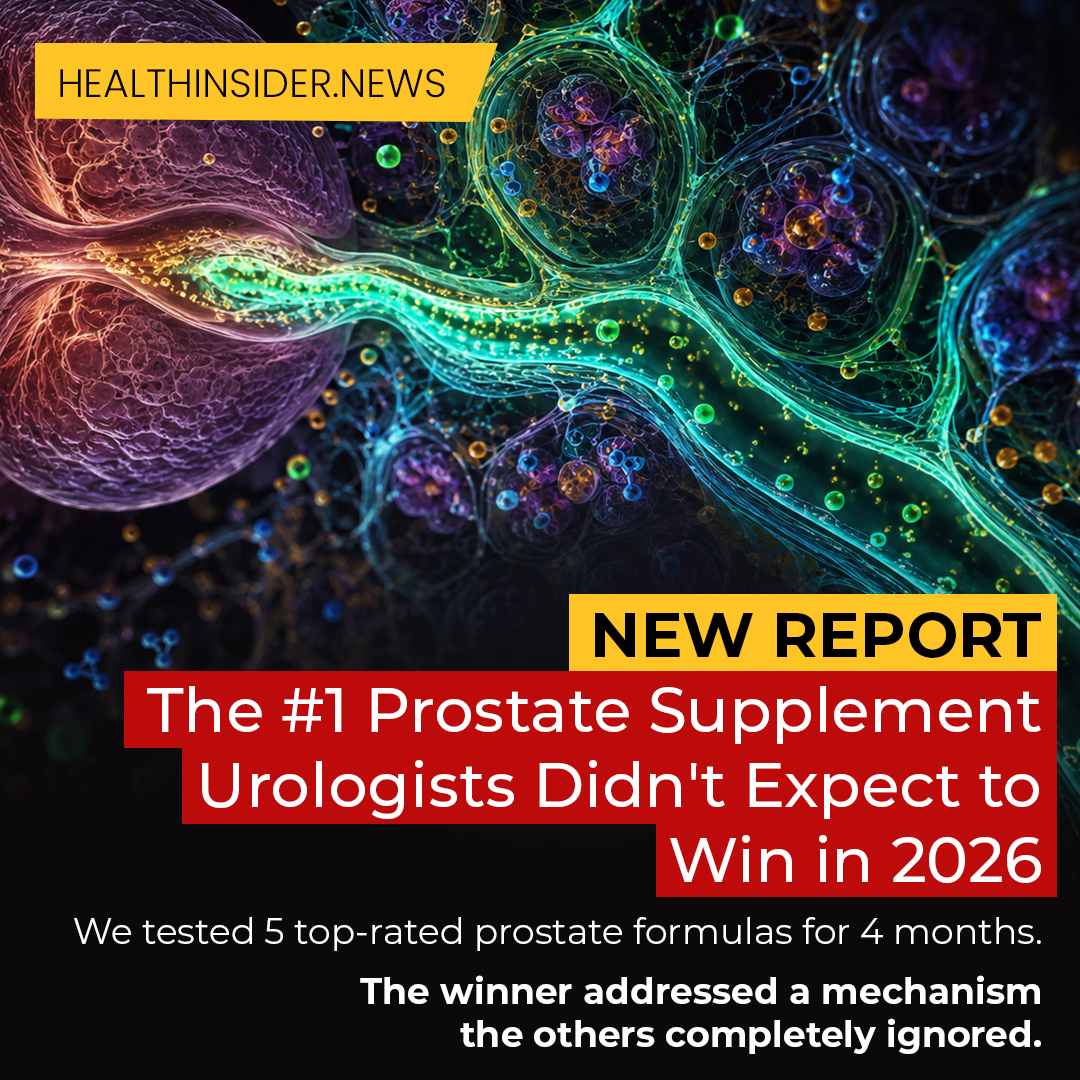
Ran for 2 days, from June 16 to June 18, 2026, the last day Crush saw it.
Run by Dr. Ryan Hudson - Urologist on Facebook. Crush is not the advertiser and does not verify its claims. See this ad in Meta's Ad Library(opens in a new tab)
Want an ad like this for your product?
Crush makes new ad images for your product from this ad: your logo, your product photo, your offer.
Trials from $19.95 USD, then $79.95 USD a month. Cancel anytime.
About this ad
- Meta Ad Library ID
- 1515689659662682
- Platforms
- Facebook, Instagram, Audience Network, Messenger and Threads
- Relaunches
- 0
Ad text
I'm a urologist. Here are 15 questions about prostate problems — and the answers your doctor won't give you. Question 1: "I'm getting up 3-4 times a night to pee. Is that normal?" No. It's common. But it's not normal. Your body is designed to sleep 7-8 hours without needing to empty your bladder. If you're waking up multiple times, something is putting pressure on your bladder that shouldn't be there. In most men over 50, that something is a swollen prostate. Your prostate sits directly below your bladder, wrapped around the tube that carries urine out. When it swells, it presses upward against the bladder floor. Even a small amount of urine triggers a signal that says "full — go now." So you get up. Shuffle to the bathroom. Stand there. Wait. Produce a trickle. Go back to bed. An hour later, same thing. That's not aging. That's a gland compressing your bladder because something is making it swell. And by question 4, I'll tell you what that something actually is — because it's not what your doctor thinks. Question 2: "Why is my stream so weak? It used to be strong and now it's barely a trickle." Your urethra — the tube that carries urine from your bladder through your penis — runs directly through the center of your prostate. When the prostate is its normal size, the urethra is wide open. Full flow. Strong stream. No waiting. When the prostate swells, it squeezes inward on the urethra from all sides. Like stepping on a garden hose. The opening narrows. The pressure drops. The stream weakens. The worse the swelling, the weaker the stream. If you're standing at the toilet waiting 30 seconds, a minute, two minutes for anything to come out — and when it does it's a slow, stop-and-start dribble — your prostate is significantly enlarged and actively compressing your urethra. This doesn't get better on its own. It gets progressively worse. Because the thing causing the swelling — which I'll explain shortly — doesn't stop on its own either. Question 3: "I get this sudden, desperate urge to pee and I can barely make it to the bathroom. What's going on?" That's called urgency. And it's one of the most disruptive symptoms of a swollen prostate. Here's what's happening: your swollen prostate is pressing against the base of your bladder. This constant pressure makes the bladder wall irritable. It starts contracting involuntarily — sending "GO NOW" signals even when there's barely any urine inside. So you get hit with this white-hot urgency out of nowhere. Mid-conversation. Mid-drive. Mid-grocery store. Your entire world becomes a countdown to the nearest bathroom. And the cruel part? When you get there, almost nothing comes out. Because your urethra is squeezed shut by the same swollen prostate that's pressing on your bladder. Maximum urgency. Minimum output. That's BPH. Question 4: "I feel like I can never fully empty my bladder. There's always something left." There is something left. It's called post-void residual. When your prostate squeezes the urethra, your bladder can't generate enough pressure to push all the urine through the narrowed opening. So some stays behind. 30mL. 50mL. 100mL. Sometimes more. That retained urine is why you feel like you're never done. Why you finish, zip up, take three steps — and immediately feel like you need to go again. Why you dribble after you think you're finished. It's also a medical risk. Urine that sits in the bladder becomes a breeding ground for bacteria. Chronic urinary retention is the reason many men with BPH develop recurring UTIs — and eventually end up with a catheter because the blockage becomes complete. If you're experiencing this, your prostate is not mildly enlarged. The obstruction is significant enough that your bladder physically cannot overcome it. Question 5: "I've noticed problems in the bedroom. Less drive. Weaker performance. Is that connected to my prostate?" Directly connected. And almost never discussed. Your prostate sits at the center of the male pelvic anatomy. The nerves that control erection run along the outside of the prostate capsule. The blood vessels that supply erectile tissue pass through the same pelvic region. The muscles involved in ejaculation are right next to the gland. When the prostate is swollen and the surrounding tissue is inflamed, everything in that neighborhood is affected. Nerve signaling is disrupted. Blood flow is compromised. The pelvic floor muscles that should be relaxed become chronically tight from the constant pressure. Add in the medications — finasteride kills libido in a significant percentage of men, and Flomax can cause ejaculation problems — and you have a situation where the disease AND the treatment are both working against your sexual function. Most men don't connect these dots because their urologist handles the prostate and nobody handles the bedroom conversation. But the mechanism is the same: pelvic congestion and inflammation affecting everything in the region. Question 6: "I'm exhausted all the time. Could that be related to my prostate?" If you're getting up 4-5 times a night, you haven't had a full sleep cycle in months. Possibly years. Deep sleep — the restorative kind that repairs your body, consolidates memory, regulates hormones — requires 90-minute uninterrupted cycles. If your bladder is waking you every 60-90 minutes, you're never reaching deep sleep. The result looks like: brain fog, irritability, low motivation, difficulty concentrating, afternoon crashes, feeling old beyond your years. Most men blame aging. Their wives think they're depressed. Their doctor might even prescribe an antidepressant. But the root cause is a swollen prostate waking them up all night. Fix the prostate, fix the sleep. Fix the sleep, and half of those symptoms disappear on their own. Question 7: "I've been on Flomax and finasteride for years. My doctor says I'm stable. So why do I still feel terrible?" Because "stable" means your numbers aren't getting dramatically worse. It doesn't mean you're getting better. Flomax relaxes the smooth muscle around your urethra. It gives you a slightly easier path for urine to squeeze past the swelling. That's all it does. The swelling itself? Unchanged. Finasteride blocks new DHT production. It slows the rate of new prostate growth. But it does nothing about the swelling that's already there. And nothing about the CAUSE of the swelling. You're on two drugs. One opens the exit slightly. The other slows one growth input. Neither addresses why the prostate is inflamed and swollen in the first place. That's why you're "stable" but still getting up four times a night. Still dreading long drives. Still avoiding anything that takes you more than 20 minutes from a bathroom. Your numbers are managed. Your life isn't. Question 8: "So what IS actually causing my prostate to swell?" This is the question nobody answers. And it's the only question that matters. Your prostate sits inside one of the densest lymphatic networks in the male body. A web of drainage vessels called the periprostatic subcapsular lymphatic network wraps around the entire gland. This network has one job: flush waste out of the prostate tissue. Every day, your prostate produces metabolic byproducts — dead cells, inflammatory debris, hormonal waste from DHT conversion. The lymphatic system picks it up, carries it through your pelvic lymph nodes, and eliminates it. When this drainage is flowing, the prostate stays clean. Compact. Healthy. But the lymphatic system has no pump. It relies on pelvic floor muscle contractions to push fluid through the vessels. Walking, moving, shifting positions — that's the pump. Now think about your life after 50. How many hours a day are you sitting? Desk. Car. Couch. Ten, twelve, fourteen hours with your pelvis stationary. If the pump barely runs, the fluid barely moves. If the fluid barely moves, waste accumulates in the prostate tissue. Trapped waste triggers inflammation. Inflammation causes swelling. Swelling compresses the lymphatic vessels themselves. Compressed vessels drain even less waste. More waste, more inflammation, more swelling. A self-reinforcing cycle. Getting worse every year. With no natural braking mechanism. That's BPH. Not a mysterious growth. A drainage failure creating a congestion-inflammation loop that compounds over time. And not one medication you're taking addresses the drainage. Question 9: "Why hasn't my doctor told me about this?" Three reasons. First — there's no pharmaceutical drug that targets pelvic lymphatic drainage. You can't patent botanical compounds that restore lymphatic flow. So no pharmaceutical company funds research or educates doctors about it. Second — there's no billable procedure for it. No CPT code for "lymphatic drainage support" means no revenue for the practice. Third — most urologists were never trained to connect lymphatic anatomy to BPH treatment. The prostate's lymphatic network is documented in anatomy textbooks dating back to 1787. But it's not in the prescribing protocols they follow. So they default to: take Flomax, take finasteride, we'll monitor your PSA. Come back in six months. Meanwhile, BPH medications generate billions in annual revenue. Every refill, every specialist visit, every surgical consultation, every TURP procedure. The system profits from managing your decline. Not from fixing the drainage problem causing it. Question 10: "What happens if I just keep 'monitoring' it?" A congested lymphatic system doesn't unclog itself. And a swollen prostate doesn't shrink on its own. Every month the drainage stays backed up is another month of inflammatory waste accumulating in your prostate tissue. More inflammation. More swelling. More compression. The stream gets weaker. The nighttime trips multiply. The urgency gets worse. The dribbling starts. The bedroom goes quiet. Until one day, the word you hear isn't "enlarged." It's "catheter." Or "TURP." Or you're sitting in a pre-op room wearing a gown that opens in the back while a nurse marks your hand with a Sharpie. I've watched it happen hundreds of times. In most cases, the man was on medication the entire time. His prostate was being "managed" on paper while the congestion underneath kept building unchecked. Monitoring without addressing drainage is watching a flood from behind sandbags. The water's still rising. Question 11: "Will this work if I'm already on Flomax or finasteride?" Your lymphatic drainage system functions independently of BPH medications. Flomax relaxes muscle around the urethra. Lymphatic drainage clears the waste causing the swelling. Completely different mechanisms. Finasteride reduces new DHT production. Lymphatic drainage clears the accumulated waste already deposited. Again — different targets entirely. Supporting drainage while on medication means your body is finally doing what the drugs alone cannot — reducing the stimulation AND clearing what's already built up. Many men have been able to work with their prescribing physician to reduce or discontinue medications once drainage was restored and symptoms improved. That's a conversation for your doctor — but drainage support doesn't conflict with standard BPH therapy. Question 12: "Can I take this with my current medications?" Lymphatic-supporting botanicals are natural compounds that work with your body's existing systems. If you're on blood thinners like Warfarin or Eliquis — consult your doctor first, as bromelain may have mild interactions with anticoagulant therapy. For most men with BPH, elevated PSA, or early prostate concerns, drainage botanicals are well-tolerated alongside alpha-blockers, 5-alpha reductase inhibitors, and standard cardiovascular medications. Question 13: "So what actually works to fix the drainage?" You need something that restores pelvic lymphatic flow — the waste removal system nobody checks. Cleavers extract sweeps stagnant fluid and trapped inflammatory waste through congested lymphatic channels surrounding your prostate. Classified in every herbal pharmacopoeia specifically as a pelvic lymphatic drainage herb. Used for centuries for prostatitis, BPH, and urinary tract inflammation. This opens the drain. Echinacea purpurea at 500mg activates macrophages and natural killer cells — the immune cleanup crew — to break down and remove inflammatory debris sitting in congested tissue. A published study found it reduced prostate mass and reversed degenerative tissue changes over 8 weeks. This scrubs the pipes. Dandelion at 250mg provides the flush. A 2024 study found it reduced prostate weight and lowered DHT through androgen modulation. Its diuretic action gives mobilized waste somewhere to exit. You can open the drain, but you need to run the water. Burdock Root at 200mg purifies the lymphatic fluid itself. Its active compound arctigenin has demonstrated anti-inflammatory effects specific to prostate tissue and the ability to inhibit prostate cancer cell proliferation while leaving healthy cells intact. This filters the drainage. Bromelain at 100mg dissolves the protein-based inflammatory debris physically blocking lymphatic channels. A clinical study of 140 men: PSA dropped from 7.3 to 4.6 in three months with a protocol including bromelain. 245 men with chronic prostatitis showed significant symptom improvement. The molecular drain cleaner. Rutin at 100mg strengthens fragile lymphatic vessel walls so they can sustain drainage long-term. Published research found it reduced prostatic hypertrophy by lowering IL-6, IL-8, TNF-alpha, and TGF-beta1 — the exact cytokines that accumulate when drainage fails. You can clear the blockage. But if the pipes are weak, they'll collapse again. Rutin rebuilds them. Lemon Peel at 50mg delivers citrus flavonoids that support vascular integrity throughout the drainage network. Modified citrus pectin from citrus peels slowed prostate cancer progression as measured by PSA doubling time in human studies. Kelp with 10% Fucoxanthin at 30mg suppresses NF-kB — the inflammatory pathway driving both prostate swelling AND lymphatic vessel damage simultaneously. Lab studies found fucoxanthin dramatically reduced prostate cancer cell viability. For BPH, it cools the chronic inflammation that congestion creates. Inflammation down AND drainage up. No BPH drug does both. Question 14: "How long until I see results?" Most men notice the first shifts by week 2-3. Fewer nighttime wake-ups. Slightly less urgency. The first sign that something is changing. Those are signals your lymphatic system is activating and waste is beginning to move. By week 4-6, the stream starts strengthening. The urgency softens from desperate to manageable. Sleep improves. The exhaustion that's become your baseline starts lifting. You feel less like a man managing a condition and more like yourself. By week 8-12, that's when the measurable changes show. PSA trending down. Flow rate improving. Post-void residual dropping. Symptom scores shifting. The proof on paper. The drainage has to clear before the swelling can respond. You're undoing years of accumulation. Give it the full window. Question 15: "What brand should I use?" Most prostate supplements ignore lymphatic function entirely. They're the same recycled formula — saw palmetto, beta-sitosterol, zinc, maybe some lycopene — targeting hormonal stimulation when the real problem is waste removal. If you source the eight lymphatic drainage compounds separately, you're looking at 8 bottles and $250-300 a month. Different brands. Different stores. No standardized dosing. No way to know if you're getting therapeutic amounts. The formula I use — and the one my patients are seeing results with — is Sculptique Lymphatic Drainage capsules. All 8 lymphatic drainage compounds. Clinical-strength doses. Every ingredient listed with exact amounts — no proprietary blends hiding behind vague numbers. Third-party tested. Echinacea purpurea at 500mg. Dandelion at 250mg. Burdock Root at 200mg. Cleavers at 100mg. Rutin at 100mg. Bromelain at 100mg standardized to 2400 GDU/g. Lemon Peel at 50mg. Kelp Extract at 30mg with 10% Fucoxanthin. Right now they're running buy 2 get 1 free — that's 3 months for the price of 2. Exactly the window you need to see real changes in your symptoms and your next PSA test. Plus a 90-day money-back guarantee. If your symptoms don't improve, full refund. You're not risking anything except staying exactly where you are. https://trysculptique.com/products/lymph-cc-select-uni
Where the ad sends people
trysculptique.com
Reactivate Your Body
Sculptique
Learn more: trysculptique.com(opens in a new tab)