
Inactive· since Aug 5, 2026
- 17
- days it ran
- 2
- relaunches
- 16,760
- EU reach
Ad copy
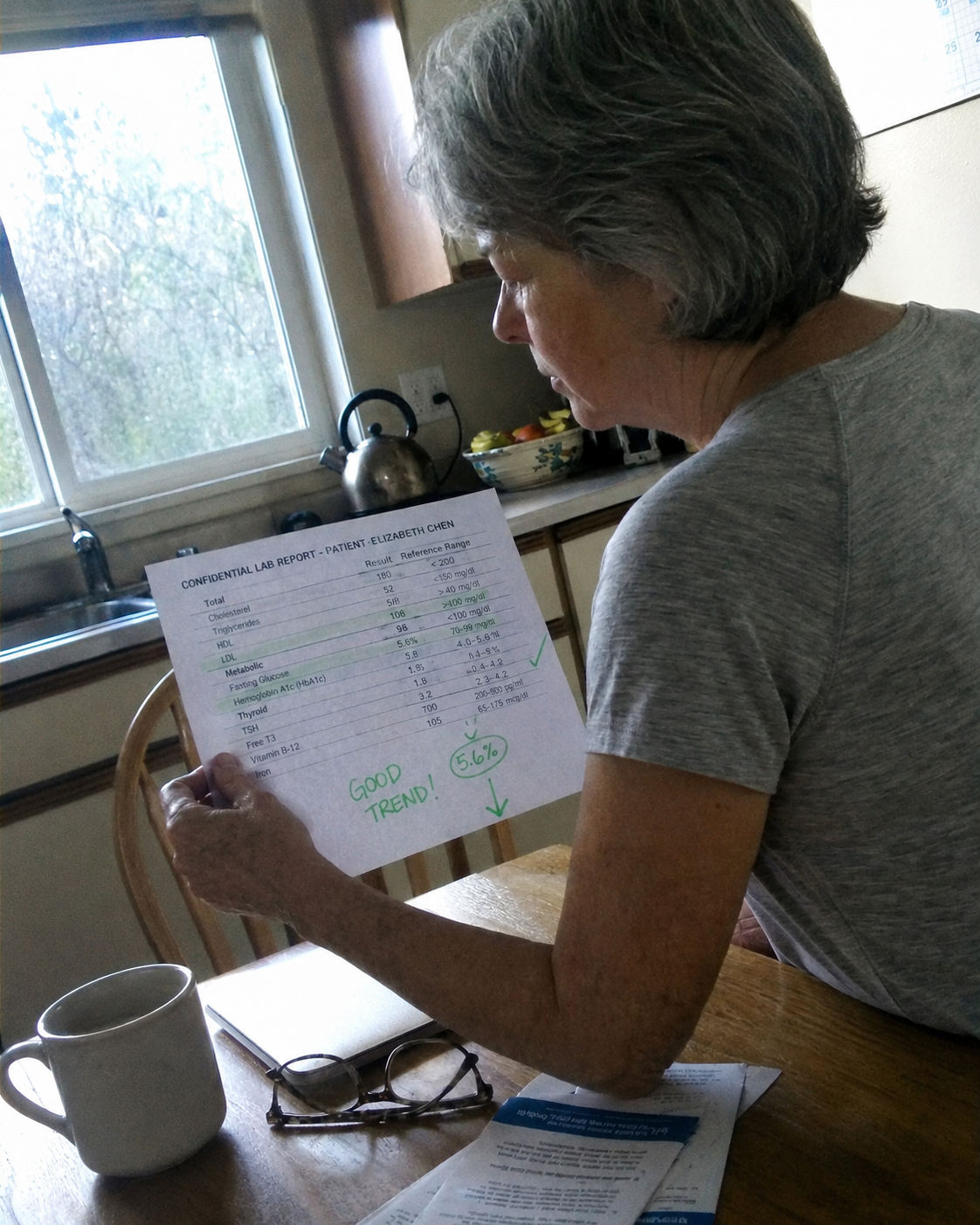
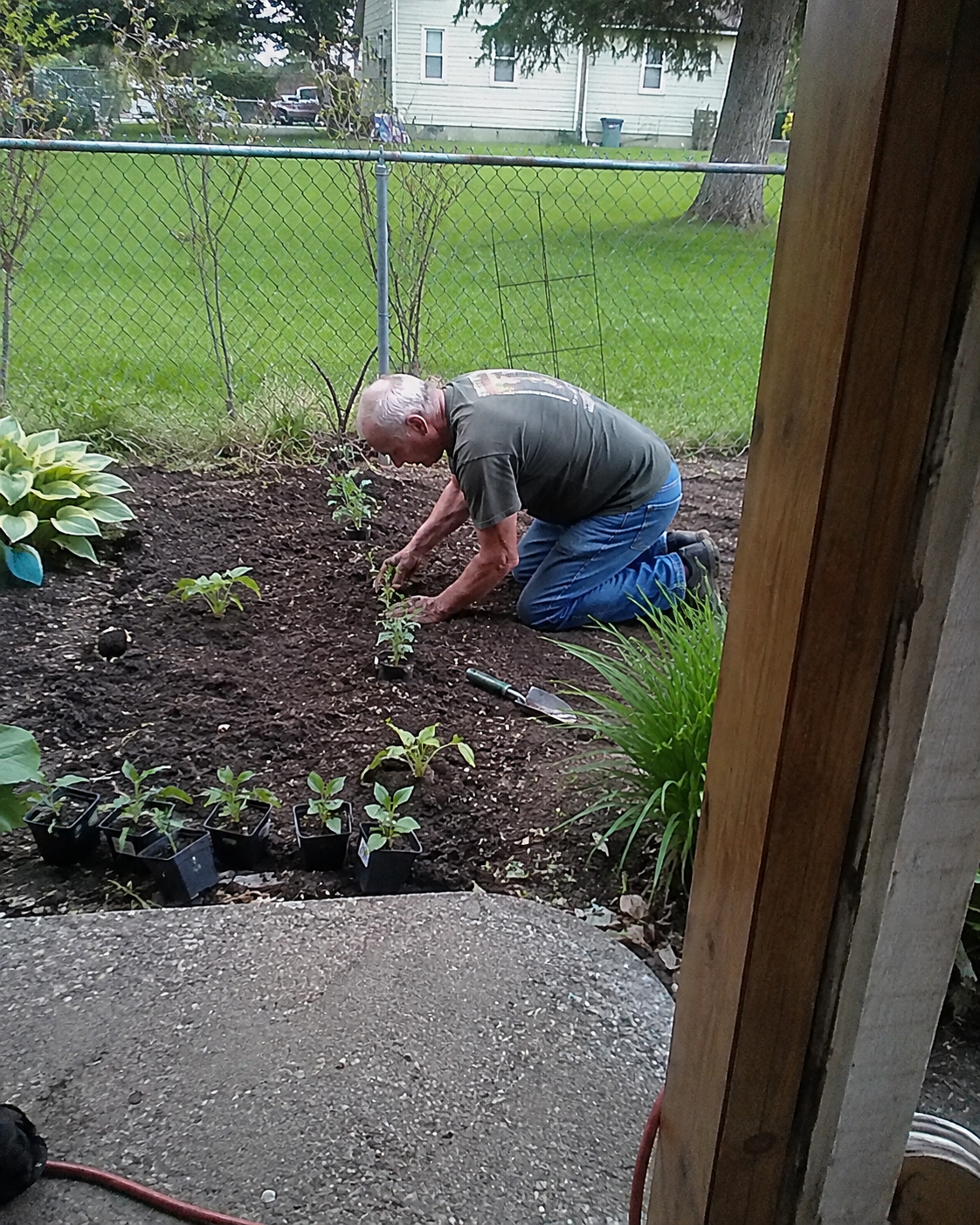
My husband stopped halfway up our own staircase last spring. He said he was just catching his breath. He wasn't catching his breath. He was resting. On our own stairs. The ones he'd carried our sons up two at a time thirty years ago. I pretended not to notice. That's the part I'm not proud of. I'd been pretending for a long time by then. My husband's name is Glen. He's sixty-six. For most of the years I've known him, Glen was a man in motion. He didn't sit still. He couldn't. He had a garden out back that the whole street used to slow down to look at. He rewired half this house himself. He was the one the neighbors called when something needed fixing, and he never once said no. And then, somewhere over about three years, that man got quieter. Not all at once. That's the thing nobody warns you about. It doesn't happen in a day you can point to. It happens in a hundred small surrenders you don't notice until you add them up. The garden went first. One summer he planted half of what he used to. The next summer, a quarter. Last summer it was just tomatoes, and even those he let go soft on the vine. Then the recliner started winning. By four in the afternoon he'd be in it. By seven he was asleep in it, the television talking to nobody. He stopped offering to help the neighbors. Stopped offering to help me, really — not because he didn't want to, but because by the time the dishes needed doing he was already gone, already folded into that chair with his eyes closed. I kept telling myself it was age. That's what you tell yourself. He's in his sixties. Men slow down. Everybody slows down. But I'd watch him push himself up out of that recliner with both hands on the armrests, bracing like the floor might not hold him, and something in me knew the word "age" was doing a lot of work it hadn't earned. We went to his doctor. Dr. Aldridge. Good man, thorough. He ran everything. Bloodwork, the whole panel. Glen sat on the table in the paper gown and I sat in the chair by the door and we waited for someone to tell us what was wrong. Nobody did. "Everything looks fine," Dr. Aldridge said, scrolling through the results. "Honestly, Glen, for sixty-six this is a good chart." A good chart. I remember walking out to the car thinking: then why does my husband need both hands to get out of a chair? The numbers were fine. The man attached to the numbers was disappearing. And there's no line on the bloodwork for that. The garden was what finally made me do something. By late spring the back yard had gone to seed. Glen couldn't keep up with it and wouldn't admit he couldn't, so it just grew over. The bed he used to be so proud of looked like a vacant lot. I couldn't stand looking at it. So I asked around, and a woman at church gave me a number for a young woman who did yard work and odd jobs around town. Her name was Dani. She showed up on a Saturday in a truck that had seen better days, looked at the mess in the back yard, and said, "Oh, this used to be somebody's pride. I can tell. Give me a few weeks." She came every Saturday after that. And here's what I noticed about Dani right away, before I knew anything about her: she didn't stop. She had this engine in her. She'd work straight through, hauling and digging and hauling some more, and at the end of it she'd be standing in the yard grinning like she'd been on a walk in the park. I used to have a husband with an engine like that. Glen took to her. He'd come out to the porch — which was more than he'd done for anyone in months — and sit there with his coffee and tell her where things used to be. "There was a trellis there. Climbing roses. My wife's favorite." Dani would ask him questions about it. Real ones. And Glen would talk longer than I'd heard him talk in a year. One Saturday in June she came in for lunch. I'd started making her a sandwich on the days she worked because it felt wrong not to. We were sitting at the kitchen table, the three of us, and Dani watched Glen get up to refill his water — both hands on the table, the slow push, the little exhale he does without knowing he does it. She didn't say anything then. But I saw her see it. After Glen went back out to the porch, she stayed at the table a minute. Then she said, quiet, like she was deciding whether it was her place: "My dad used to get up like that." His name was Walt, she told me. Sixty-eight. He'd been a long-haul mechanic his whole life, the kind of man who could lie under a truck for six hours and then go bowling. And over a few years he'd faded the same way — the chair, the afternoons gone, the not-getting-up. The doctors told her the same thing they told us. Everything looks fine. He's just getting older. "I hated that answer," she said. "'Just getting older.' Like there was nothing underneath it. Like the chart was the whole man." So she'd started reading. Not chasing miracle cures — she was clear about that, almost stern about it. She wasn't looking for something to replace what his doctor had him on. She was looking for something to add. Something with actual research behind it that might support the part of him the bloodwork didn't measure. "The part nobody talks about," she said, "is the cellular part. The energy part." She explained it the way she'd come to understand it. That as we age, the body's own systems for producing cellular energy naturally slow down — that this is just a thing that happens, and that standard care doesn't really have much to say about it. That the chart can look fine while the cells underneath are running low on fuel. "That's what I think happened to my dad," she said. "He wasn't sick. He was running on empty at a level nobody was checking." What she'd found, after a lot of reading, was beetroot. Not a trendy thing — she was almost apologetic about how unglamorous it was. One of the more researched ingredients in the cardiovascular wellness category, she said. Studied for decades. The active part is a group of compounds called betalains — the deep crimson pigment that stains your hands when you cut a beet. "They're one of the more potent antioxidants in the food supply," she said. "They support the body's natural antioxidant balance. They support healthy circulation, healthy energy — the underneath stuff. Not a replacement for anything. Support for the layer that wasn't getting any." She told me she'd checked with a pharmacist before she ever gave the first capsule to her dad — just to make sure there was nothing in his routine it would interfere with. The pharmacist said it was a sensible thing to add. So she added it. Changed nothing else. "About a week in," she said, "he got off the couch one morning without rocking forward three times first. I almost dropped my coffee. A couple weeks after that he asked me to drive him to the shop so he could 'just look at the trucks.' He didn't fix anything. He just stood there holding a wrench, turning it over. I hadn't seen him hold a wrench in two years." She looked out the window toward the porch, where Glen was sitting in the sun. "I'm not a doctor," she said. "I can't tell you it'll do for your Glen what it did for my dad. Bodies are different. But I keep an extra bottle in my truck for exactly this. For when I meet somebody who reminds me of him." She went out to the truck and came back with it and set it on the kitchen table. "Talk to his doctor first. Same as I did. But if they say it's alright to add — try it. The worst case is a few weeks and a little money. The best case is something you thought was gone comes back a little." I didn't say no. That night I told Glen everything. About Walt. About the cellular part. About Dani checking with the pharmacist first, and that it wasn't a replacement for anything, just an addition. He sat with it a while, the way he sits with things. Then he said: "Call Aldridge's office. Tell the nurse exactly what it is and ask if it's fine with everything I'm already doing. If she says yes, I'll take it." I called Monday. The nurse came back on the line and said it was a sensible thing to add and to mention it at his next visit. Glen started the next morning. Two capsules. A tall glass of water. Next to his coffee. That was the whole thing. I'm going to be careful here, because I promised myself I wouldn't oversell this the way the internet oversells everything. I don't know exactly what did what. I can only tell you what I watched. About a week in, Glen got up out of the recliner without the both-hands-on-the-armrest brace. Just stood up. I was at the sink and I watched it in the reflection of the window and I held very still, the way you do when you don't want to scare off a bird. A couple of weeks after that, the afternoons got longer. He wasn't gone by four anymore. He'd be awake at six, at seven, asking what was for dinner instead of sleeping through it. A month in, he went out back and looked at the garden Dani had cleared and said, "I could put the tomatoes back. It's late, but I could get a few in." He got a few in. Six weeks in, on a Sunday, he asked me if I wanted to take a walk before dinner. We hadn't taken an evening walk together in I don't know how many years. I put my shoes on so fast I had to redo the laces. I'm not telling you he's twenty-five. He's sixty-six and he still naps and his knees still complain on the stairs. But the man who used to live in this house — the one with the engine — he's been showing up again. In pieces. In small returns. Glen had his follow-up with Dr. Aldridge a few months in. He'd had bloodwork the week before. Aldridge looked at the chart, then looked at Glen, then back at the chart. "Whatever you've been doing," he said, "keep doing it. Your bloodwork's in better shape than it's been in a few years. Don't change a thing that's working." Glen told him about the beetroot. Told him he hadn't changed anything else. Aldridge nodded and made a note. "That's a sensible thing to add. There's good research on antioxidant support. Keep it up, and we'll check in again down the road." Glen called me from the parking lot. He didn't say much. Just: "Lorraine. I think I might be alright." I was standing in the kitchen. I had to sit down on the floor against the cabinets for a minute. Not sad crying. The other kind. I'm telling you all this because I think there's a decent chance you're where I was last spring. Watching someone you love get quieter every year. Watching them disappear into a chair while their doctor tells you the chart looks fine. Calling it aging because that's the word everyone hands you. If something in you has been saying this isn't just age — that the tiredness is too deep, the slowing down too fast, the spark too far gone — I'd listen to that. The doctor's been watching the chart. You've been watching the person. You might be closer to the truth than the chart is. I went looking for one thing Glen could add. Something with real research behind it. Something that might support the part the bloodwork doesn't measure — the cellular energy layer that naturally slows down as we age. What I found was beetroot. The brand I added to Glen's morning is Rosabella. 1,300 milligrams of organic beetroot per serving, cold-pressed at low temperatures so the betalains stay intact. Two capsules with a glass of water in the morning. Added to everything else he was already doing — not in place of any of it. Talk to your doctor or pharmacist before adding any new supplement to someone's existing care. That one phone call is what made Glen comfortable starting. It's what I'd tell anyone to do first. It's what Dani told me, and she's the reason I'm writing this at all. That's the whole story. A young woman cleared out a garden, ate a sandwich at my table, and told me about her father. And my husband took a walk with me before dinner for the first time in years. P.S. If you're the wife reading this and your husband has been dimming for years even though everyone keeps calling it normal aging — you're not imagining it, and you're not being dramatic. You've been watching something real. I needed a stranger with a truck and a garden full of weeds to give me permission to see what I'd been refusing to see. I'm telling you now so you don't have to wait for your own version. P.P.S. Glen replanted the whole bed this fall. Dani still comes by some Saturdays, but mostly now they just stand in the yard arguing about tomato varieties. She brought her dad Walt by last month. The two of them sat on the porch like they'd known each other for years — two men who'd both come back a little — and Glen showed him the trellis he'd rebuilt. Walt's been feeling stronger than he has in a long time. His last checkup went well. P.P.P.S. Here's what I'd tell you to do: check with your doctor or pharmacist first, to make sure it's a sensible addition to whatever's already in place. Then open a bottle. Two capsules with a tall glass of water in the morning. Don't change anything else. Just add this. Give it a couple of weeks before you decide anything. Some people notice something shift in the first week or two — a little more energy in the afternoons, a steadier morning. Others take longer. Bodies are different. Be patient with yours. P.P.P.P.S. Rosabella has a 90-day money-back guarantee. If you're not satisfied for any reason, every penny back. No questions asked. That's a sensible policy for a supplement — it gives you time to actually see whether it helps. P.P.P.P.P.S. Rosabella is a small operation. They harvest and bottle on their own schedule, so I keep an extra bottle in the house just in case. I take it now too. Dani taught me something I hadn't let myself know — that the slipping starts earlier than we think, and the time to support what's still working is before something breaks. Individual experiences vary. These statements have not been evaluated by the FDA. This product is not intended to diagnose, treat, cure, or prevent any disease.
Support stamina and heart health everyday
LEARN MORELike this ad? Make it yours.
Crush rebuilds this exact creative around your product — your brand, your colors, your offer — in about a minute.