
Inactive· since Jan 29, 2026
- 224
- days it ran
- 0
- relaunches
Ad copy
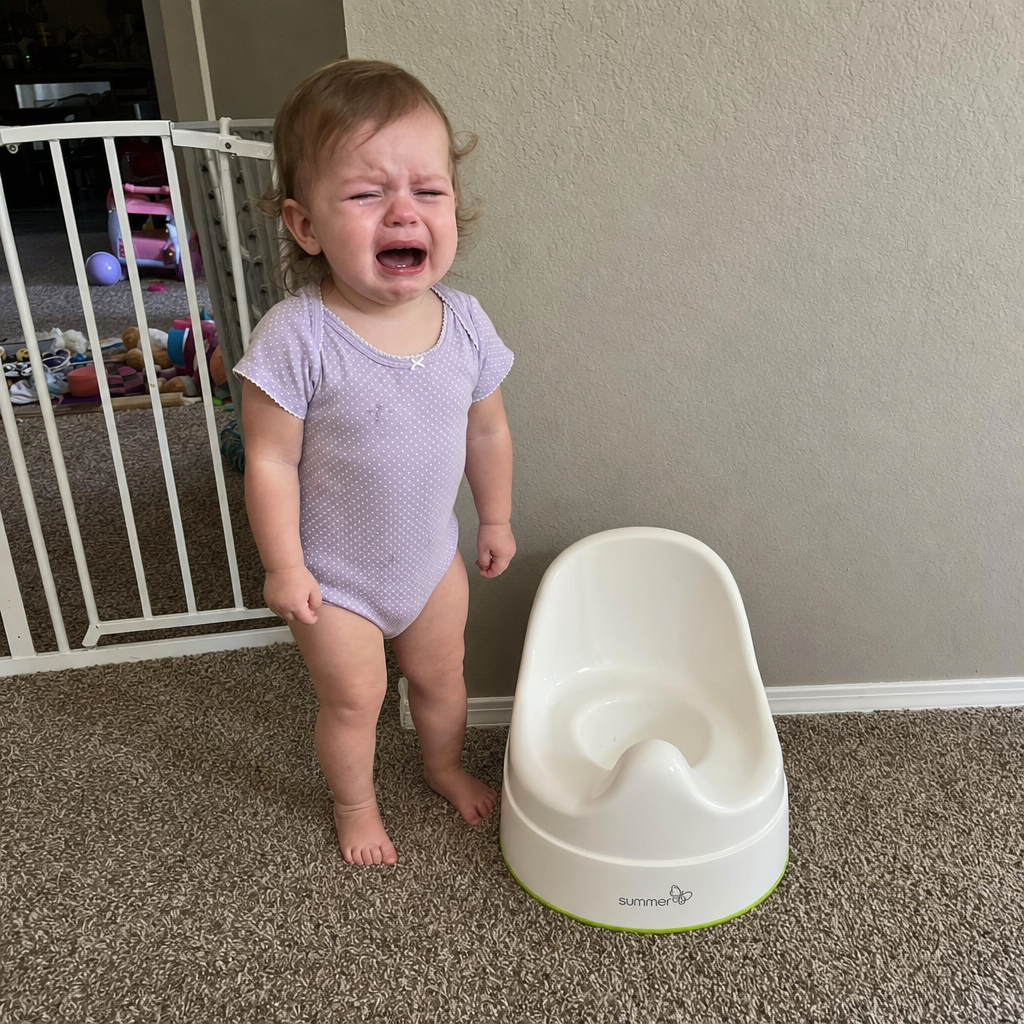
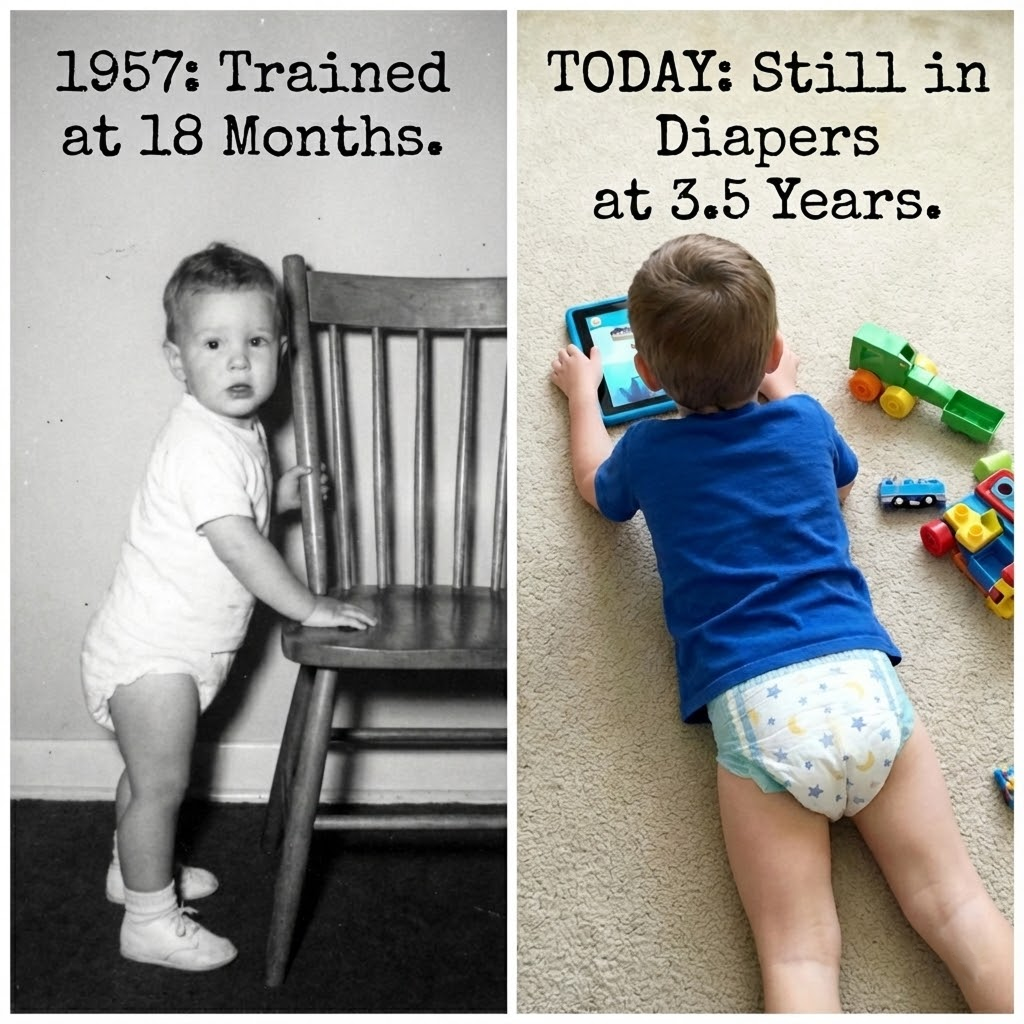
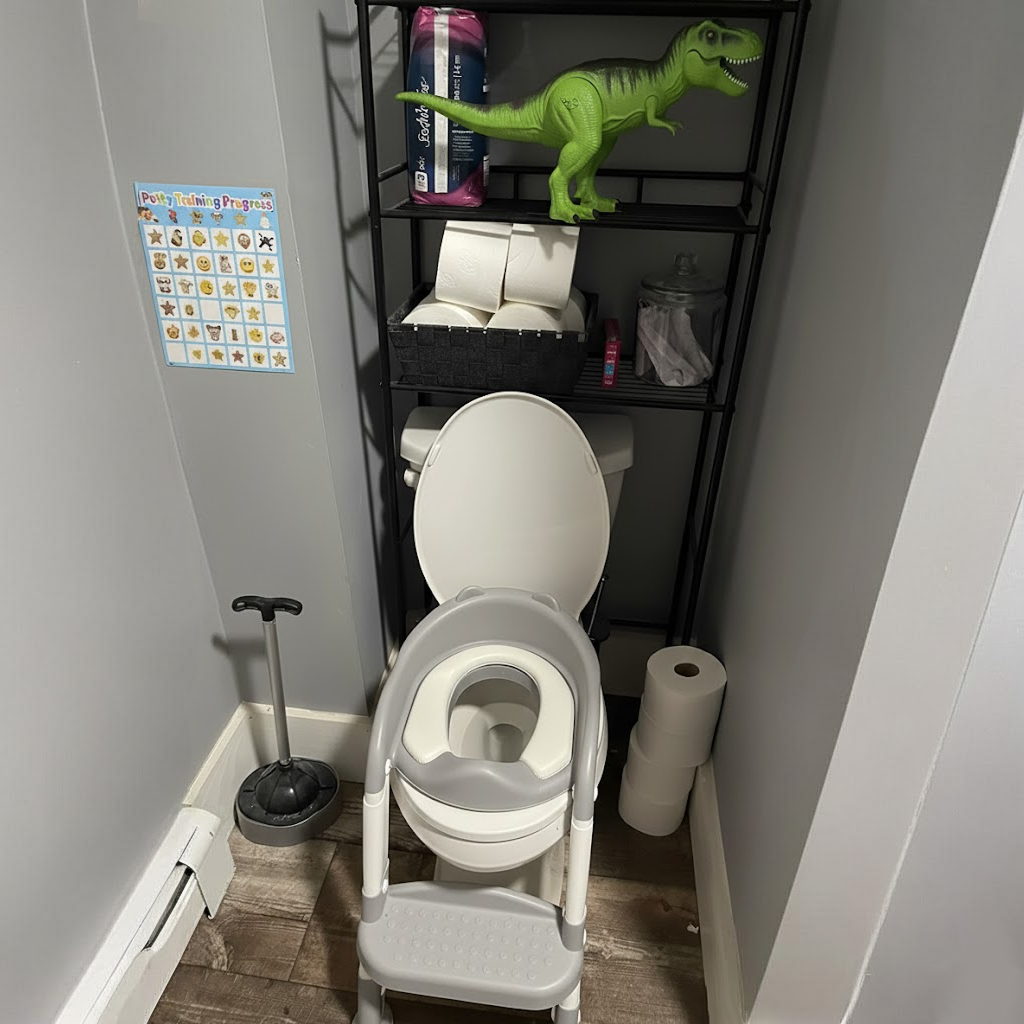
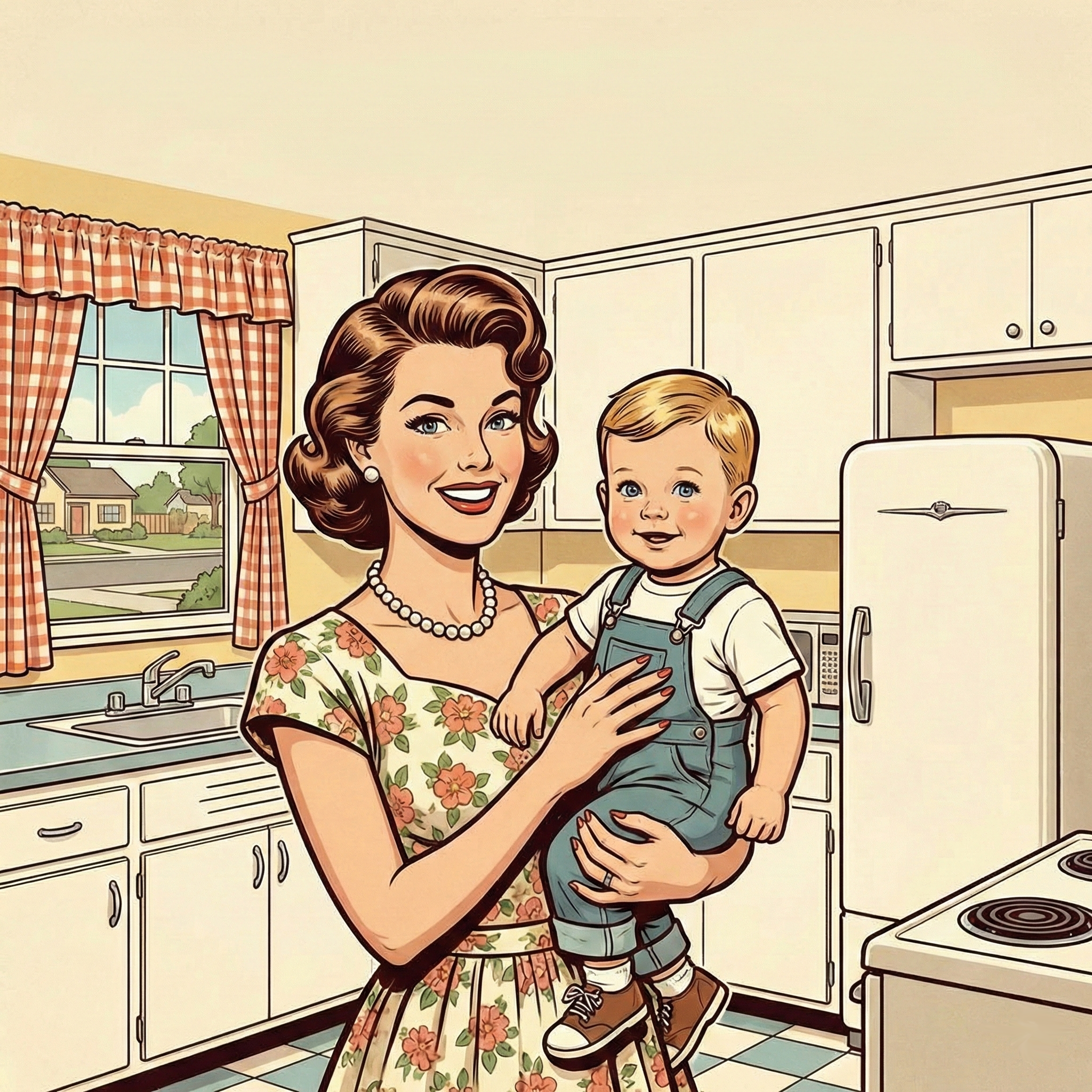
Only 16% of mothers with young children worked outside the home in the 1950s. Today it's 70%. And everyone's right—we don't have time to potty train the way they did back then. Which is why 92% of children in 1957 were potty trained by 18 months. I work 45 hours a week. I have maybe 3 hours with my daughter on weeknights after pickup. So I kept delaying. "I'll start when I have more time." "I'll wait until she's older." "I need days off work to do this right." And now she's 4 years old. Still in diapers. And I'm sitting here absolutely furious. — My name is Bec. I'm 31 years old. I work full-time in marketing. For the past 2 years, everyone kept telling me "you need to take time off work to potty train." "You need 3-5 days straight at home with no interruptions." "Working moms can't do this the same way stay-at-home moms can." So I kept waiting for the "right time." Waiting for a week off. Waiting for her to get older so it would be faster. Waiting for it to somehow get easier. Meanwhile she turned 3. Then 3 and a half. Then 4. And I kept thinking "when I have time off work, we'll do it then." But I never had that time. And last month, my mother-in-law came over for dinner. She watched me change my daughter's diaper after bath time. "You know, in my day, mothers stayed home. My kids were all trained by 18 months." She didn't say it mean. Just... matter-of-fact. Like of course I'm struggling. I work. Husband doesn't really help. What did I expect? Because she's right, isn't she? If I'd stayed home like my mom did. Like her mom did. Like 84% of moms did in the 1950s. Maybe this wouldn't be so hard. — Two weeks ago I was up late googling "how to potty train while working full-time." Desperate for some method that worked with my schedule. And I found a study from the UK that made me stop scrolling. 62% of working parents in the UK delayed starting potty training because they couldn't commit to a structured schedule. I sat there staring at that number. 62%. I'm not alone. Most working parents are doing exactly what I did. Delaying. Waiting. Hoping it gets easier later. But then I kept reading. The study said delaying made it harder, not easier. Kids who started training after age 3 took significantly longer than kids who started at 18-24 months. Wait, what? I delayed specifically so it would be faster when I finally had time. But delaying made it slower? And then I found another stat that actually pissed me off. "In the 1940s and 50s, 92% of children were potty trained by 18 months. Today, the average is 35-39 months." So kids used to train at 18 months when 84% of moms stayed home. Now kids train at 35+ months when 70% of moms work. Everyone says it's because we don't have time. And I believed that. That's why I delayed. But then I found this comment thread that made me question everything. Someone wrote: "My friend is a stay-at-home mom. She's been trying to train her 3.5-year-old for over a year. Still stuck. If it was just about having time, she'd be done by now." Another person: "I work full-time. Trained my kid in 2 weeks. My sister stays home. Took her 18 months. Time isn't the only factor." Wait. If stay-at-home moms with unlimited time are struggling for years... And some working moms with no time are succeeding in weeks... What's the actual difference? — So I went down a complete rabbit hole that night. And I found a thread where a child psychologist was explaining delayed potty training. She said yes, working parents often delay starting because they don't have time for traditional methods. But delaying isn't the main problem. The main problem is what kids are wearing during all those extra months and years. She explained something called operant conditioning. It's how all learning works. You do something, you feel a result, your brain connects the two. Touch hot stove → feel pain → learn don't touch again. Pee in pants → feel wetness → learn use potty instead. But disposable diapers break that learning loop completely. When toddlers pee in a disposable, it absorbs in 2-3 seconds. They never feel wet. Never uncomfortable. Never feel anything. So their brain never connects "I peed" with "something happened." She called this sensory erasure. The learning signal gets erased before the brain can process it. Like trying to teach a kid not to touch a hot stove that never gets hot. They'd keep touching it forever because there's no consequence to learn from. And here's what hit me hard. She said: "There's a critical window between 18-30 months when the brain is naturally wired to learn this connection. By keeping kids in disposables past age 3, you're not just delaying—you're working against their brain's natural development window." My daughter is 4. I kept her in disposables for 2 extra years thinking I was waiting for the right time. But I wasn't just delaying the skill. I was letting the learning window close while she spent years learning to ignore the signal. — Then she said: "Yes, more moms stayed home in the 1950s. But those moms also used cloth diapers that stayed wet for hours." "Kids felt it immediately. Their brain made the connection fast." "Today's working parents don't have time. And today's stay-at-home parents are using disposables that erase feedback." "Neither group has the full advantage 1950s moms had: time plus sensory feedback." "But here's what most people miss: sensory feedback matters more than time." "A working parent with 2 hours a day and the right materials will succeed faster than a stay-at-home parent with unlimited time and wrong materials." And I just sat there. I blamed myself for working. Blamed myself for not having time. Delayed for 2 years because I thought I needed weeks off work. But stay-at-home moms with all the time in the world were stuck too. Because we're ALL using materials that block learning. Time doesn't matter if the signal is erased. The psychologist said the solution isn't quitting your job or taking weeks off. It's using training pants that restore sensory feedback. When kids pee in them, they feel it immediately. But the outer layer contains it so you're not cleaning puddles. That immediate feedback is what creates learning—even with limited time. She specifically mentioned UpAiry training pants. Said they're designed to create strong sensory feedback that disposables erase. And that working parents often see fast results because the feedback is so clear during their limited time together. I looked them up at 1am. Reviews from working moms: "I only have 2 hours a day with my daughter. These worked in 10 days." "Trained in 2 weeks working full-time. My SAHM friend took 6 months." I ordered them that night. — When they arrived, I put them on my daughter after I picked her up from daycare. That evening, she had 2 accidents in our 3 hours together. But both times, she stopped immediately. "Mommy, I'm wet." In 4 years—four years—she'd never said that. She'd just keep playing in disposables. Zero awareness. But these? She felt it the second it happened. Day 2, one accident during our evening time. Told me right away. Day 3, she was playing with blocks. Suddenly stopped. "Mommy, I feel something weird." We ran to the bathroom. She went. Her eyes went huge. "That's what it feels like before?" Four years old. First time she'd ever felt the urge before it happened. Week one, she started telling me before most accidents during our evening time. Daycare said she was doing the same there during the day. Her brain was finally connecting sensation to action. Week two, making it to the potty almost every time. Week three, fully dry for 5 days straight. At daycare and at home. My husband said "Wait, she's actually trained? Already?" I said "Yeah. Because she could finally feel what was happening." — I texted my mother-in-law: "Emma's fully trained." She called me: "Oh wonderful! Did you take time off work?" I said "No. I work the same hours. Just changed what she was wearing." Silence. Then: "Well... that's wonderful, honey." — Also!! I posted about this in a moms group. Four other moms messaged me saying the exact same thing. "I delayed starting because I don't have time off work." "Everyone told me I needed to stay home for days straight." "My kid is 4+ and I keep waiting for a better time." I sent them the link. Two weeks later, all four said something like: "It worked. Even with my work schedule." — Look, the stat is true: 70% of moms work today versus 16% in the 1950s. We absolutely have less time than our mothers and grandmothers did. And that makes traditional potty training methods nearly impossible. But here's what everyone misses: 1950s moms had time plus cloth diapers. We lost the time advantage. But we also lost the sensory feedback advantage. And sensory feedback matters more than time. I delayed for 2 years thinking I needed weeks off work. But I didn't need more time. I needed materials that created feedback during the limited time I had. These training pants worked because my daughter could finally feel what was happening. Even in just 2-3 hours a day. Even with me working 45 hours a week. Even without taking any time off. The learning loop finally completed: Pee → Feel wet → Learn to use potty. And once that signal reached her brain? Three weeks. After 2 years of delaying because I thought I didn't have time. Turns out I didn't need more time. I just needed the right materials during the time I had. — EDIT: My bad I didn't even send the link, so my DMs are full of questions. I can't reply to everyone so here is the link to the ones we used: https://www.upairy.com/pages/training-underwear You don't need to quit your job. You don't need weeks off. You don't need more time. You just need sensory feedback. That's what finally worked for us.
Like this ad? Make it yours.
Crush rebuilds this exact creative around your product — your brand, your colors, your offer — in about a minute.