Teresa Shannon
Teresa Shannon Facebook ad: “Get Grounded While You Sleep!”
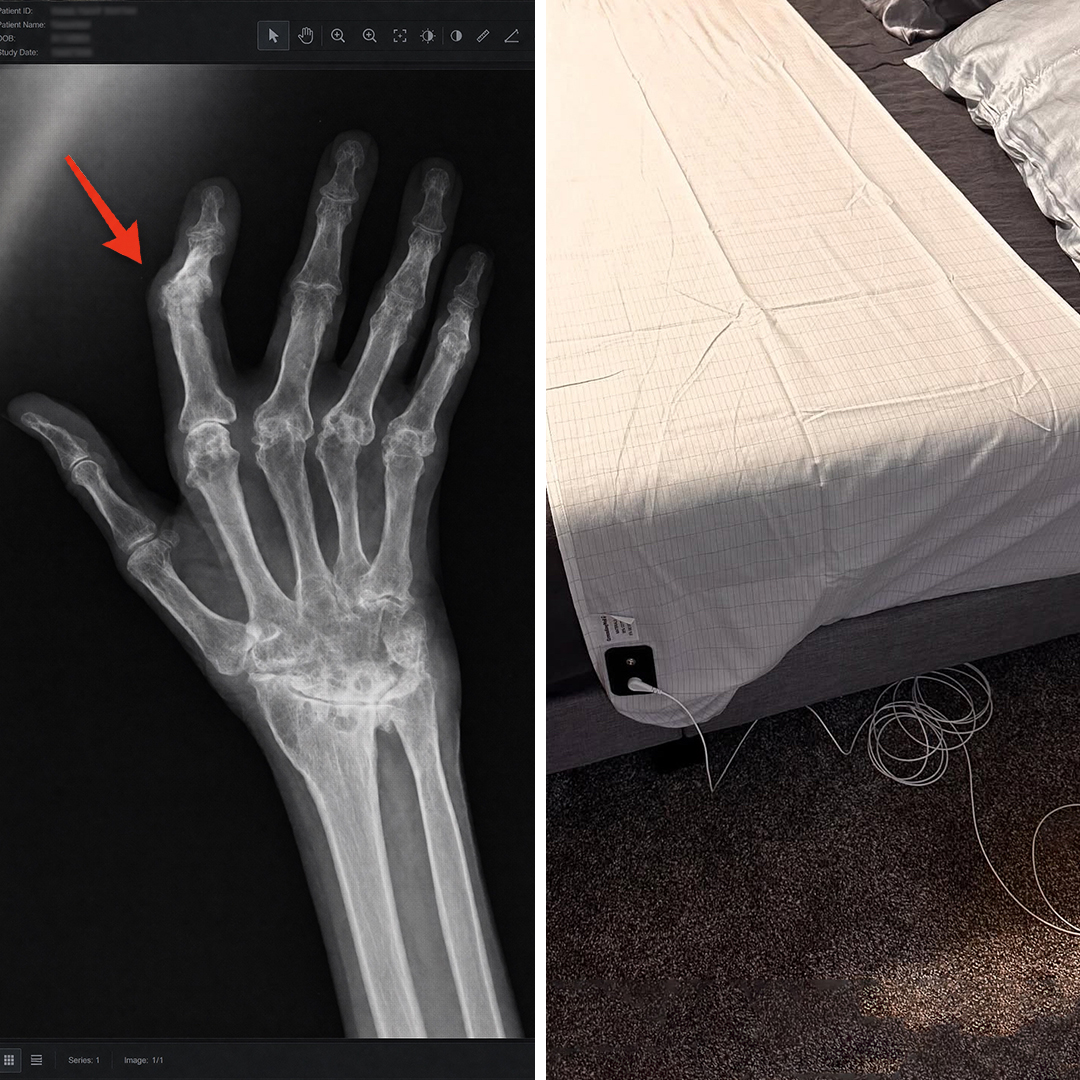
Ran for 10 days, from June 21 to July 1, 2026, the last day Crush saw it.
Run by Teresa Shannon on Facebook. Crush is not the advertiser and does not verify its claims. See this ad in Meta's Ad Library(opens in a new tab)
Want an ad like this for your product?
Crush makes new ad images for your product from this ad: your logo, your product photo, your offer.
Trials from $19.95 USD, then $79.95 USD a month. Cancel anytime.
About this ad
- Meta Ad Library ID
- 1524967849324546
- Platforms
- Facebook, Instagram, Audience Network, Messenger and Threads
- Relaunches
- 0
- EU reach
- 1,282
Ad text
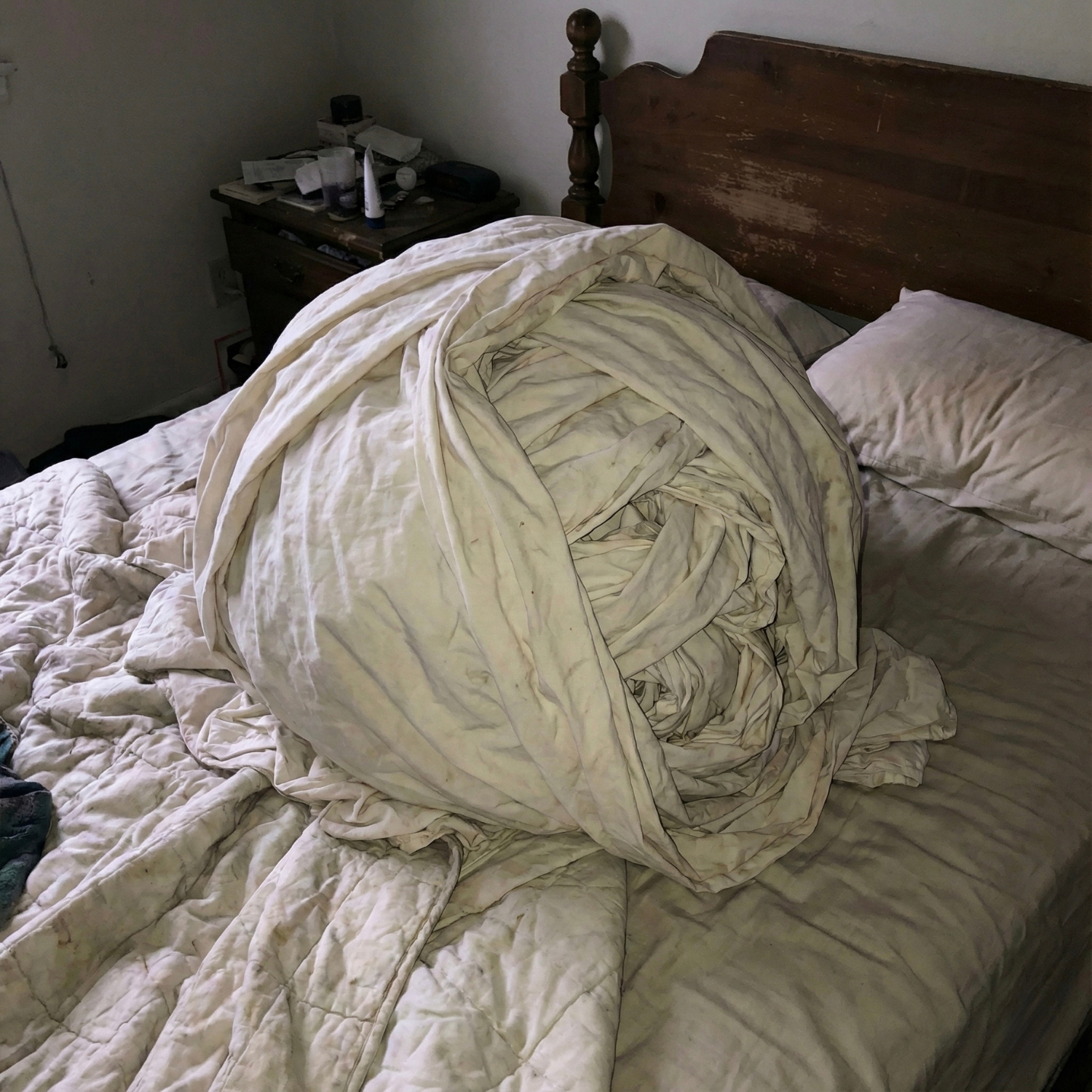
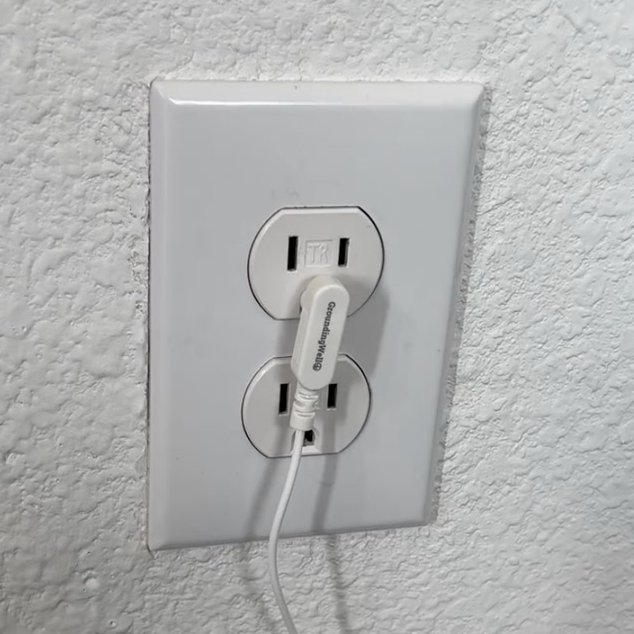
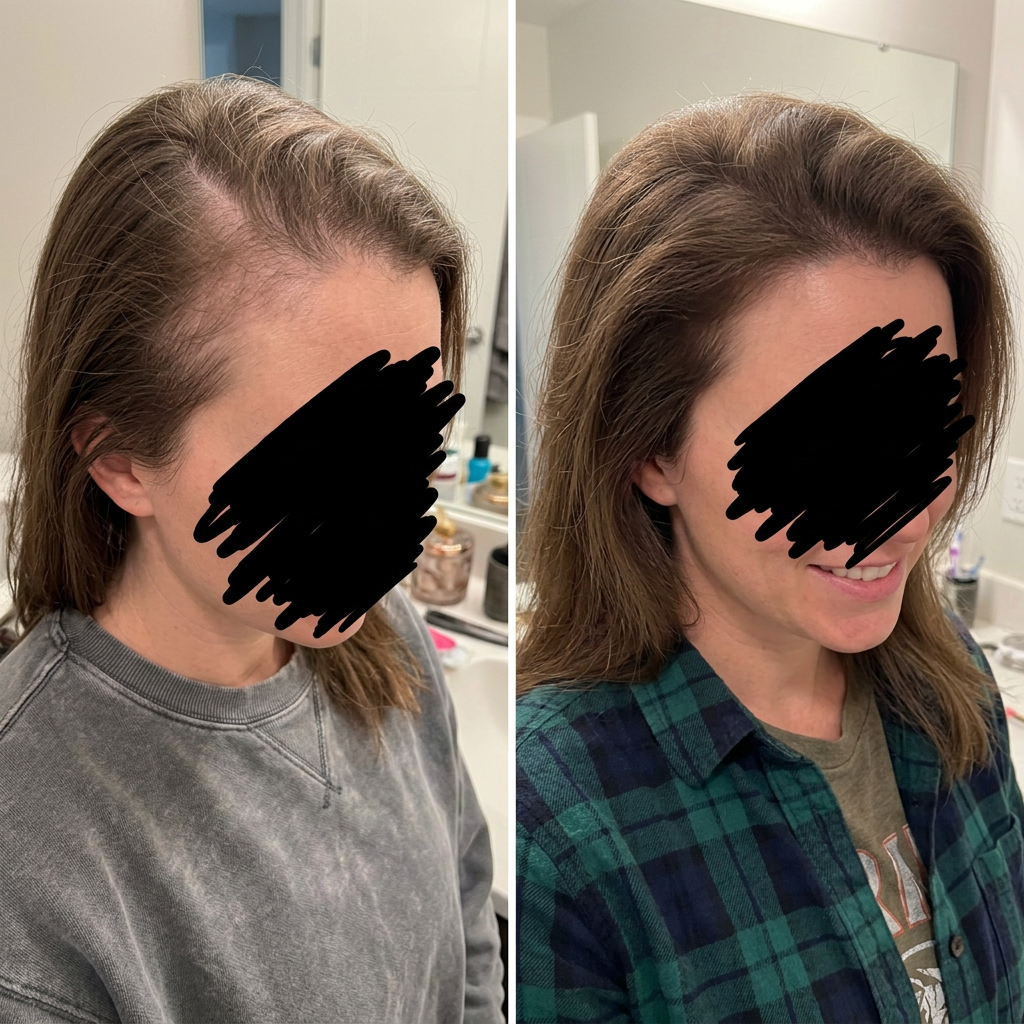
A 61 year old woman died in my unit last month. Not from her rheumatoid arthritis. From a urinary tract infection. She'd had RA for nine years. Her inflammation was "beautifully controlled" on her biologic. Her rheumatologist had praised her at her last appointment. CRP normal. ESR normal. Joint damage stable. By every number her doctor tracked, she was a success story. But the medication that controlled her inflammation had suppressed her immune system to the point where her body couldn't fight a UTI. The infection went septic. By the time her husband brought her to the ER she had a fever of 104 and her blood pressure was crashing. She was in my unit within the hour. She died on a Thursday morning. Her rheumatologist sent flowers. Her inflammation was controlled. Her immune system was gone. And nobody had connected those two facts until it was too late. I've been a rheumatology and internal medicine nurse for 21 years. I've watched this happen more times than I can count. Not always sepsis. Sometimes it's a fungal infection that a healthy immune system would clear in a week, turning into a hospitalization that lasts a month. Sometimes it's a patient who can't get a routine surgery because their immune markers are too suppressed for the anesthesiologist to clear them. Sometimes it's the slow erosion — the patient who came in every six months for their infusion, whose inflammation scores looked great on paper, but who kept losing function anyway. Couldn't open jars anymore. Couldn't walk to the mailbox without stopping. Couldn't sleep through the night without waking up feeling like their joints had been filled with wet concrete. Controlled. That's the word that follows these patients everywhere. Their inflammation is controlled. And they keep deteriorating anyway. If you're on methotrexate, prednisone, Humira, Enbrel, or any other DMARD or biologic and you've been told your inflammation is "under control," keep reading. If you're taking your medication every day and still waking up stiff, still losing grip strength, still hitting a wall of exhaustion by noon that has nothing to do with how much you slept, keep reading. If your inflammatory markers keep climbing between appointments and your doctor's answer is always a higher dose or a different drug, keep reading. Because after 21 years I finally understand why the standard treatment for chronic inflammation fails the people who need it most. And what I found instead has real research behind it that nobody in a clinical setting is talking about. I've had patients who have stayed with me long after their charts were closed. A 58 year old high school librarian. Psoriatic arthritis for seven years. Biologic for four of those years, inflammation markers consistently normal. Her rheumatologist considered her a model patient. She came in with a respiratory infection that had been dismissed as a bad cold for two weeks. By the time she reached us it had progressed to pneumonia her immune system couldn't contain. Eleven days in the hospital. When she was discharged she told me she was afraid to go back on the biologic but more afraid not to. "I don't know which thing is going to kill me first." She was 58 years old. A 63 year old retired electrician. Ankylosing spondylitis for over a decade. He'd cycled through three biologics because each one eventually stopped working — his rheumatologist described his immune system "adapting around" the medication. He came in with a systemic infection that originated from a routine dental cleaning. His immune system was so suppressed that bacteria had entered his bloodstream through a procedure millions of people have every year without incident. He looked at me from the hospital bed and said, "I've been on something for eleven years and I feel worse than when I started." I didn't have anything to say to that. Because he was right. Every time. The same conversation. The family asking how this happened when the inflammation was supposed to be controlled. And me standing there knowing that "controlled" and "healing" are not the same word. Nobody had told them that. After twenty years of those conversations I stopped being able to accept that this was just how it had to go. Chronic inflammation is dangerous. Nobody disputes that. Left unchecked it destroys joints, damages organs, accelerates cardiovascular disease, and drives a cascade of systemic harm that reaches every system in the body. The medications exist for a reason. But if patients on those medications are still losing function, still getting sicker, still ending up in my unit — then suppressing the immune system to manage inflammation isn't addressing what's driving the inflammation in the first place. Something is running underneath that nobody is reaching. I carried that question for years. I followed protocol. I administered the infusions. I monitored the labs. I told families the inflammation was managed. Then last February, during our annual staff wellness screening, I sat down in the chair and the nurse drew my blood the way I'd drawn it from a thousand patients before. The results came back before the end of my shift. CRP: 18.4. Normal is under 1. ESR: 64. Normal is under 20. I pulled up both panels and sat with them for a long time. The hospitalist on duty, Dr. Anand, found me at the nurses' station an hour later. "Teresa. Your inflammatory markers are significantly elevated. I want to refer you to rheumatology. Given your levels and your age, they'll likely want to start you on hydroxychloroquine while we run the full autoimmune panel." I looked at him. I said, I need some time to think about this. He said, "Teresa, these numbers aren't something to sit on." I said, I know what the numbers mean. I've been reading numbers like these for 21 years. I need time. He gave me two weeks. I drove home that night thinking about the 61 year old woman who had died from a UTI. About the librarian who didn't know which thing was going to kill her first. About the electrician who felt worse after eleven years of treatment than he did at the beginning. Their inflammation was controlled. Their immune systems were collateral damage. And the underlying process that had been generating the inflammation in the first place was still running, untouched, underneath every drug they'd ever taken. I wasn't going to walk that road. I started reading that night. Not articles. Studies. The kind with methodology sections and conflict of interest disclosures and citation trails I could follow backward for twenty years. I read for three weeks. Every spare hour. Lunch breaks in my car. After my husband went to bed. I was looking for one specific thing: not how to suppress inflammation, but what was generating it. Not the symptom. The source. What I found changed the way I understood everything I'd spent 21 years watching. Here's what they taught us about inflammation. It's the immune system's response to threat. Something triggers the immune system, the immune system fires, inflammation is the result. So suppress the immune system. Inflammation goes down. Problem managed. That's the logic behind every drug in the standard protocol. And it works, in the narrow sense that the numbers come down. But here's what nobody explains about what's triggering the immune system in the first place. Your immune system doesn't fire without a reason. The trigger for chronic systemic inflammation — the kind that shows up as elevated CRP and ESR and never fully goes away — is oxidative stress. Oxidative stress is driven by free radicals: unstable molecules missing an electron that stabilize themselves by stealing electrons from whatever they contact — your vessel walls, joint tissue, organ cells. Every time a free radical steals an electron from healthy tissue, it damages that tissue. Damaged tissue triggers the immune system. The immune system fires inflammatory signals. Those signals create more oxidative stress. More oxidative stress means more free radicals. More free radicals means more tissue damage. More tissue damage means more immune activation. A cycle that feeds itself. Year after year. That's why your markers were "a little elevated" two years ago and higher at every panel since. Biologics and DMARDs interrupt the immune system's response partway through that cycle. They turn down the inflammatory signal after it's been fired. The number on the panel goes down. Your doctor says controlled. But the free radicals? Still there. Still damaging tissue. Still triggering the immune system. The signal is suppressed. The source keeps running. That's why the dose goes up. That's why patients switch biologics when one stops working. That's why the immune system being suppressed to manage the downstream signal is the same immune system that can no longer fight a UTI. The medication manages the signal. It never addresses what's generating it. I'd tried other things before all of this crystallized for me. Turmeric, which reduces some circulating inflammation but doesn't address the free radical load driving it. Omega-3s, which calm some inflammatory pathways but don't neutralize free radicals. Vitamin D, which supports immune regulation but doesn't reach the oxidative source. Everything worked somewhere downstream. Nothing addressed the source. That's the blind spot. That's what I'd been watching play out in my unit for 21 years. The answer came from a direction I didn't expect. I was deep in a research thread on oxidative stress and chronic inflammation when I found a paper on earthing. Grounding. I'd heard the word in passing and filed it under things I didn't have time to look into seriously. But this was a peer-reviewed paper in a clinical journal, not a wellness blog. And the mechanism it described stopped me where I was sitting. Here's what the research showed. The Earth carries a continuous negative electrical charge on its surface, maintained by the planet's electromagnetic activity. For virtually all of human history, the human body was in uninterrupted contact with that charge — bare feet on soil, sleeping close to the ground. In the last century we severed it almost completely. Rubber-soled shoes. Elevated beds. Paved floors. We live our entire lives electrically disconnected from the surface our biology spent hundreds of thousands of years in contact with. That matters because the Earth's surface is dense with free electrons — negatively charged, available in essentially unlimited supply through direct physical contact with the ground. And free electrons are exactly what free radicals are missing. A free radical is an unstable molecule missing an electron. It stabilizes by stealing one from your tissue, causing damage. But when free electrons from the Earth are available in your body, the free radical takes the electron from the Earth's supply instead of stealing it from your tissue. It's neutralized without causing damage. No tissue damage means no immune trigger. No inflammatory signal means the cycle has nothing to feed it. This is not a supplement adding antioxidants to your bloodstream. This is your body receiving a continuous supply of free electrons from the Earth itself — the same supply it evolved with, the same supply that kept the free radical load in check for all of human history. The research is published and specific. Studies by Gaétan Chevalier and colleagues showed grounding produces measurable reductions in the specific inflammatory cytokines elevated in rheumatoid arthritis, psoriatic arthritis, and systemic inflammatory conditions. Multiple studies showed normalization of cortisol rhythm in grounded subjects — important because dysregulated cortisol is a primary driver of immune escalation. Studies on blood viscosity showed grounding reduced the clumping of blood cells, a direct marker of systemic inflammatory load. Not suppressing the immune signal. Reducing the oxidative stress triggering it. I sat at my kitchen table at 1 AM reading the same studies three times. The free radical cycle that had been driving my CRP and ESR for who knows how long had a direct and documented answer. And it wasn't a drug that suppressed my immune system's ability to fight infections. It was electrons. From the ground. Available every night while I slept. I ordered a GroundingWell sheet the next morning. GroundingWell sheets are made from organic cotton with pure silver fiber woven directly into the fabric. Not a coating. Not a surface treatment. The silver is in the weave, which means the conductivity is uniform across the entire surface and doesn't degrade with washing or with time. Silver is one of the most electrically conductive natural materials that exists. The sheet connects through a grounding cord to the ground port of your wall outlet, which runs through your home's wiring to the grounding rod in the soil outside. You're connected to the Earth's electron supply for as long as you're lying on it. All night. Every night. I'm a nurse. My threshold for believing something works is a number on a lab panel. So I requested a CRP and ESR recheck through my own physician, set a 90-day window, and told myself if the numbers didn't move I'd go to rheumatology and have the conversation Dr. Anand wanted me to have. The first two weeks I noticed nothing I could measure. What I noticed instead was sleep. The quality of it. I'd been waking most nights in the early hours, 3 or 4 AM, restless in a way I'd come to think of as just how I slept. It stopped. I was sleeping through to my alarm and waking up without the low-grade heaviness that had become my morning baseline. Week three, my husband mentioned at dinner that I seemed less inflamed. He didn't use that word. He said I seemed less puffy around my hands and face. He'd noticed before I had. Week four I took my own pulse and blood pressure out of habit. Both lower than my recent baseline. I wrote it down. By the end of the first month I realized I'd stopped taking ibuprofen in the mornings. I'd been taking it almost daily for the joint stiffness in my hands that I'd been quietly attributing to the demands of a physical job. I just stopped needing it. I noticed that only when I went to reach for the bottle and realized I hadn't opened it in three weeks. Month two, a colleague named Sandra on my floor — 54, had been diagnosed with undifferentiated connective tissue disease two years earlier, on low-dose prednisone that her doctor kept saying was "just temporary" — stopped me in the break room and said I looked different. I told her what I'd been doing. She ordered a sheet that night. At 90 days I went back for my labs. CRP: 2.1. Down from 18.4. ESR: 24. Down from 64. Still slightly above the ideal range. But the drop was significant enough that Dr. Anand, when I showed him the results, leaned back in his chair and read the numbers twice. "You didn't start the hydroxychloroquine." "No." "What did you do?" I told him. All of it. The free radical mechanism. The electron transfer. The earthing research. The GroundingWell sheet. The 90 days of sleep changes and the ibuprofen I stopped reaching for without deciding to. He was quiet for a long time. Then: "Come back in three months. We'll run the full panel again. If it keeps trending this direction I want to read everything you just described." I walked out without a prescription. Without an immunosuppressant in my system. With an immune system that could still fight a UTI. That was five months ago. My last CRP came back at 0.9. Inside the normal range. For the first time since I can remember having it checked. Sandra's inflammatory markers have dropped enough that her doctor has started tapering her prednisone. She told me last week that she'd forgotten what it felt like to wake up without immediately taking inventory of what hurt. I want to say this directly to you. The medications used for chronic inflammation work by suppressing the immune system's response to the free radical damage driving it. They manage the signal. They do not address the source. Every day the source keeps running, your tissue keeps taking damage, your immune system keeps being triggered, and your body keeps paying the price — in function, in energy, in its ability to protect you from the infections that a healthy immune system handles without you ever knowing they were there. Grounding addresses the source. Free electrons from the Earth neutralize the free radicals that are triggering your immune system before they can damage your tissue. The trigger quiets. The inflammatory signal comes down. Not because your immune system was suppressed. Because it had less reason to fire. GroundingWell is the only product I found built to deliver this properly. Organic cotton. Pure silver woven into the fabric so the conductivity holds permanently, through every wash, through years of use. A grounding cord included. Setup takes ten minutes. They offer a 90-day guarantee. If your markers don't move, send it back. I'm five months in. The sheet is still on my bed. I'm not telling you to stop your medications. That is between you and your doctor. I'm telling you what the research supports and what I've watched happen in my own panels and in the nurses on my floor who tried it after seeing my results. The 61 year old woman who died from a UTI had her inflammation controlled for nine years. Her immune system was collateral damage. The source was running the entire time. She deserved to know there was another way to address it. So do you. 👉 https://www.groundingwell.com/products/groundingwell-bedsheet ~ Teresa Shannon, RN, Rheumatology and Internal Medicine, 21 years P.S. The 90-day guarantee is what got me past my own skepticism. I've watched patients spend money on supplements that did nothing. I needed to know I wasn't doing the same thing. Five months later the sheet is still on the bed and I just ordered a second one for the guest room. P.P.S. Sandra's rheumatologist asked her at her last appointment what had changed. She told him about grounding. He looked it up during the appointment. He didn't dismiss it. He told her to keep doing what she was doing. She texted me from the parking lot. I think about the 61 year old woman when I read texts like that. P.P.P.S. If you have a family member who's been cycling through biologics and DMARDs for years, whose doctor keeps describing their condition as "managed" while they keep losing function, please show them this. Not because I'm certain it will work for them. Because they deserve to know what the medications they're taking are not addressing. They deserve to make that decision with the full picture. The source has been running the whole time. Someone should have told them.
Where the ad sends people
groundingwell.com
Get Grounded While You Sleep!
The GroundingWell™ Bedsheet channels Earth's electrons into your body, promoting deeper sleep, reduced stress, and faster healing while you rest.
Learn more: groundingwell.com(opens in a new tab)