
Inactive· since Jun 18, 2026
- 24
- days it ran
- 0
- relaunches
- 17
- EU reach
Ad copy
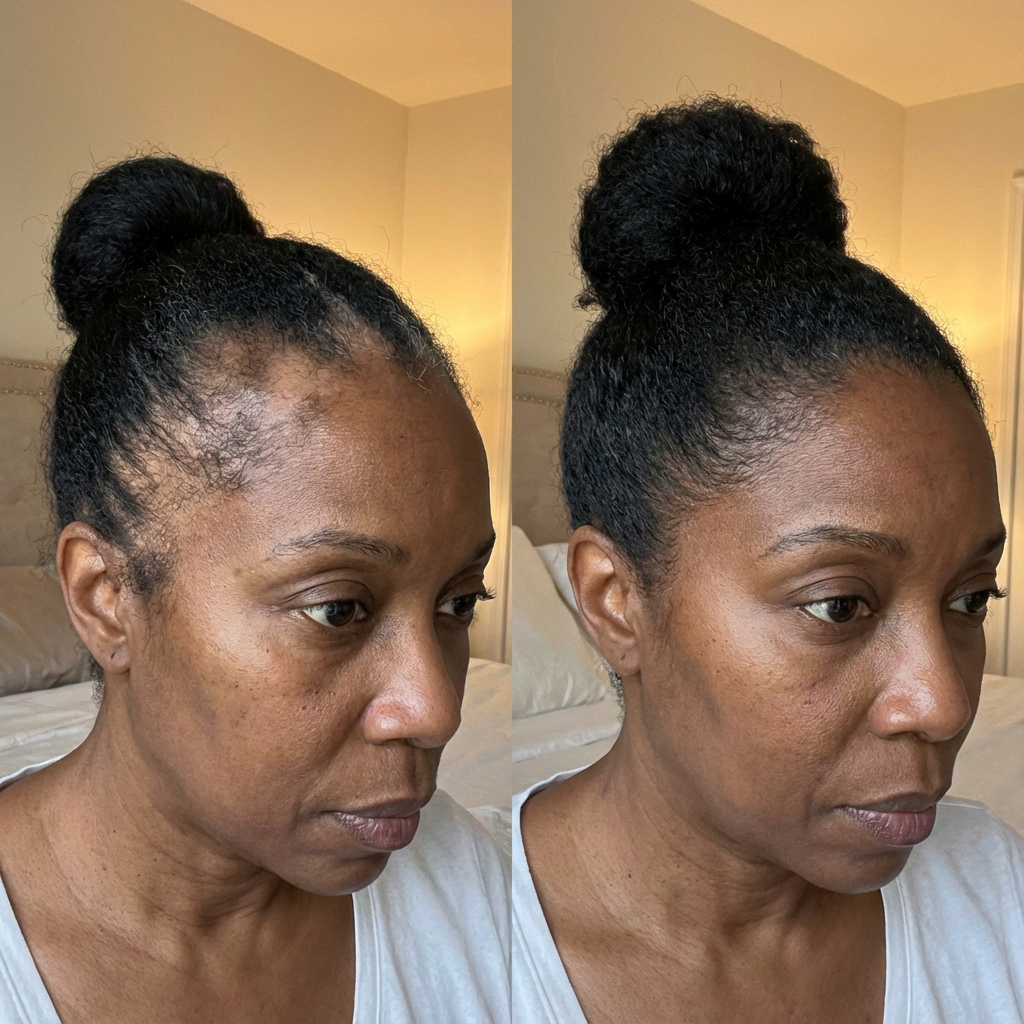
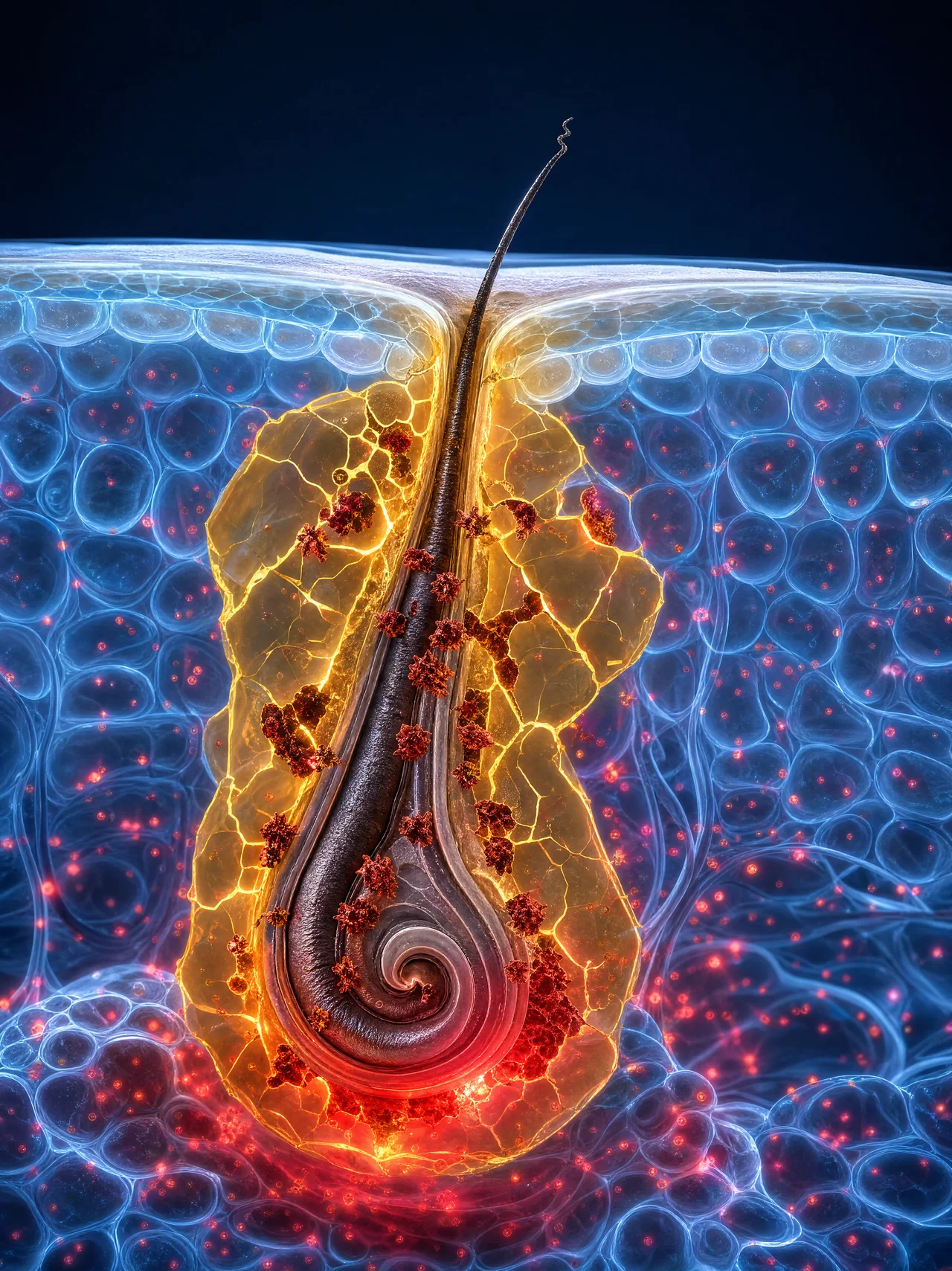
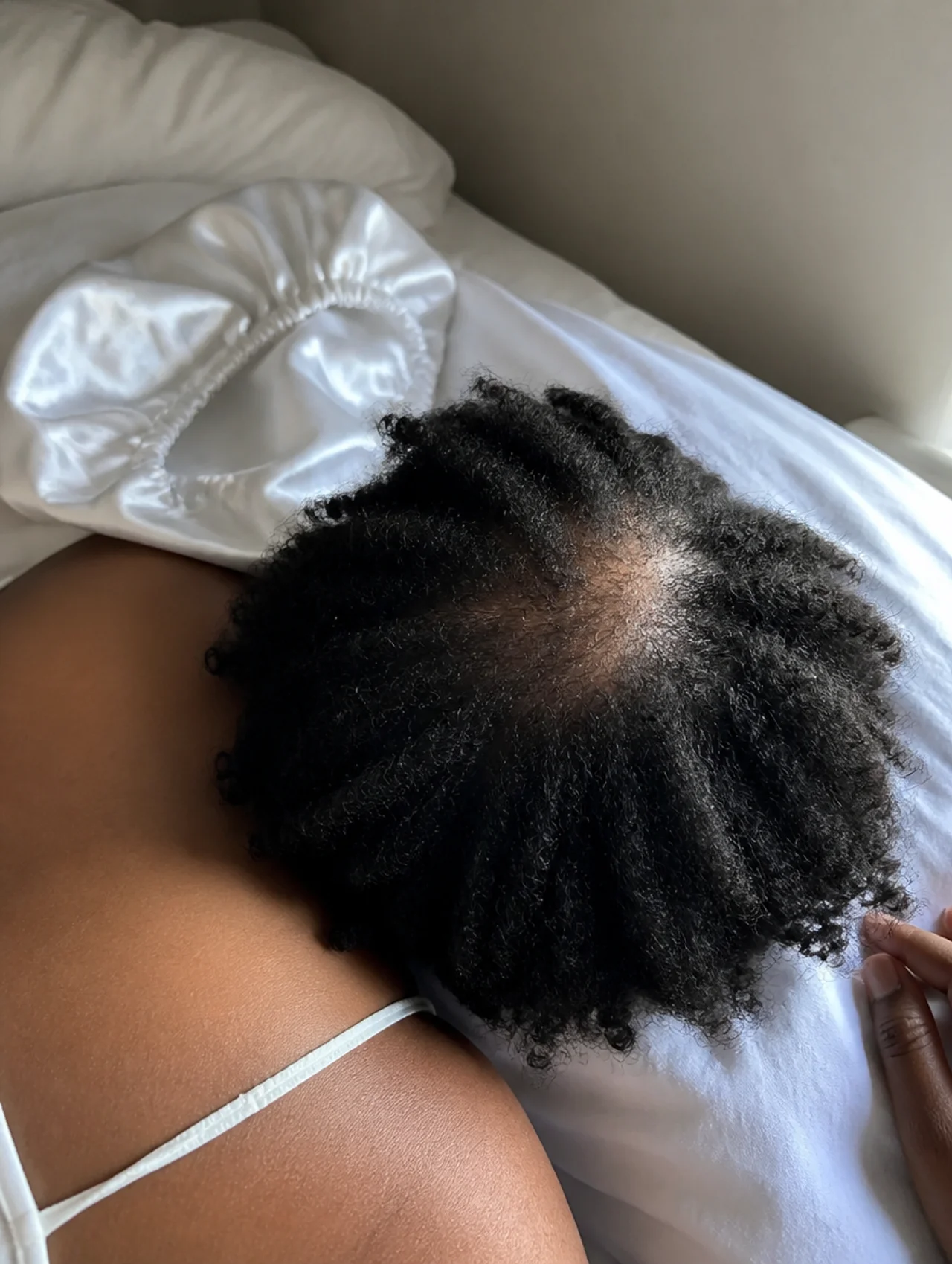
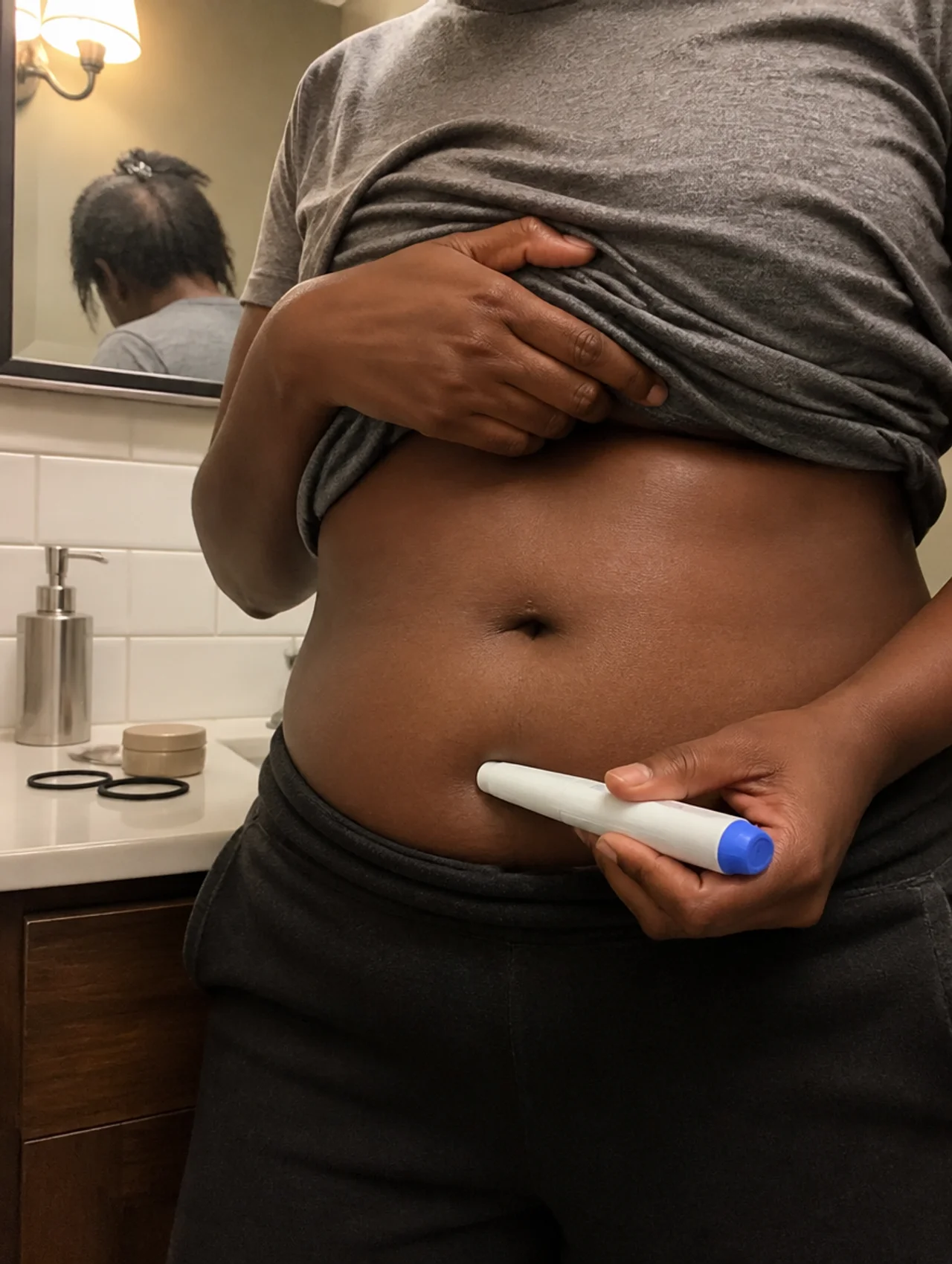
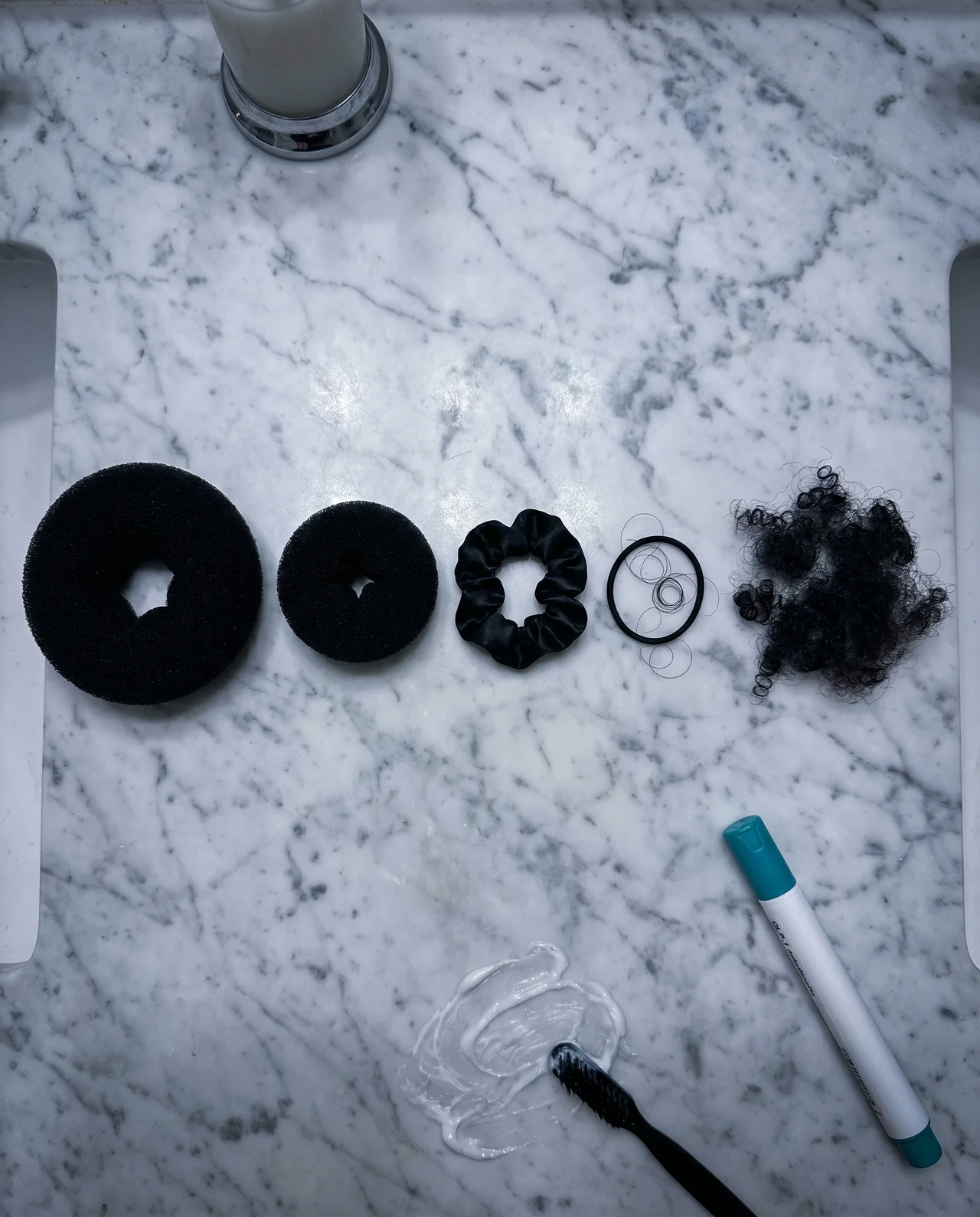
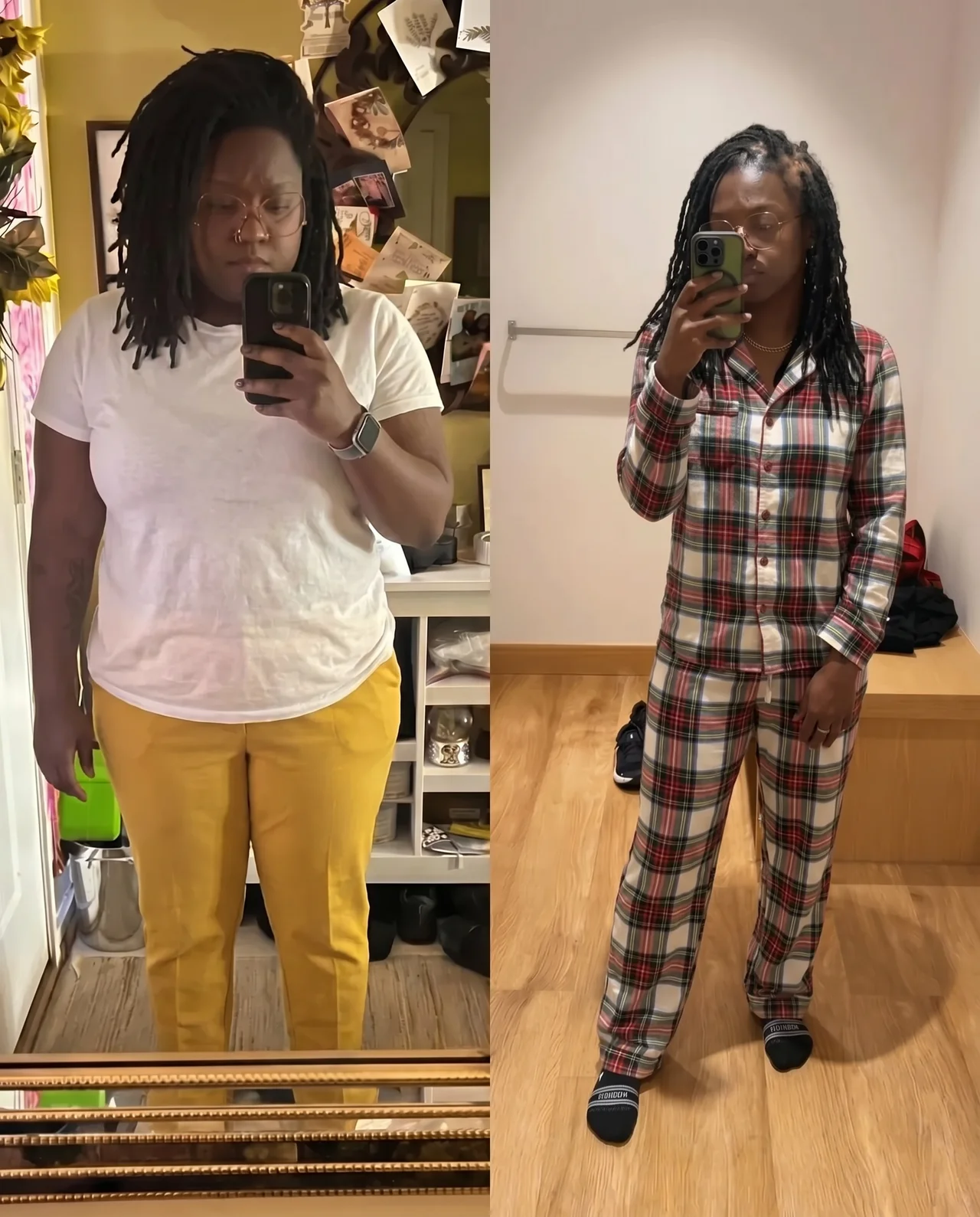
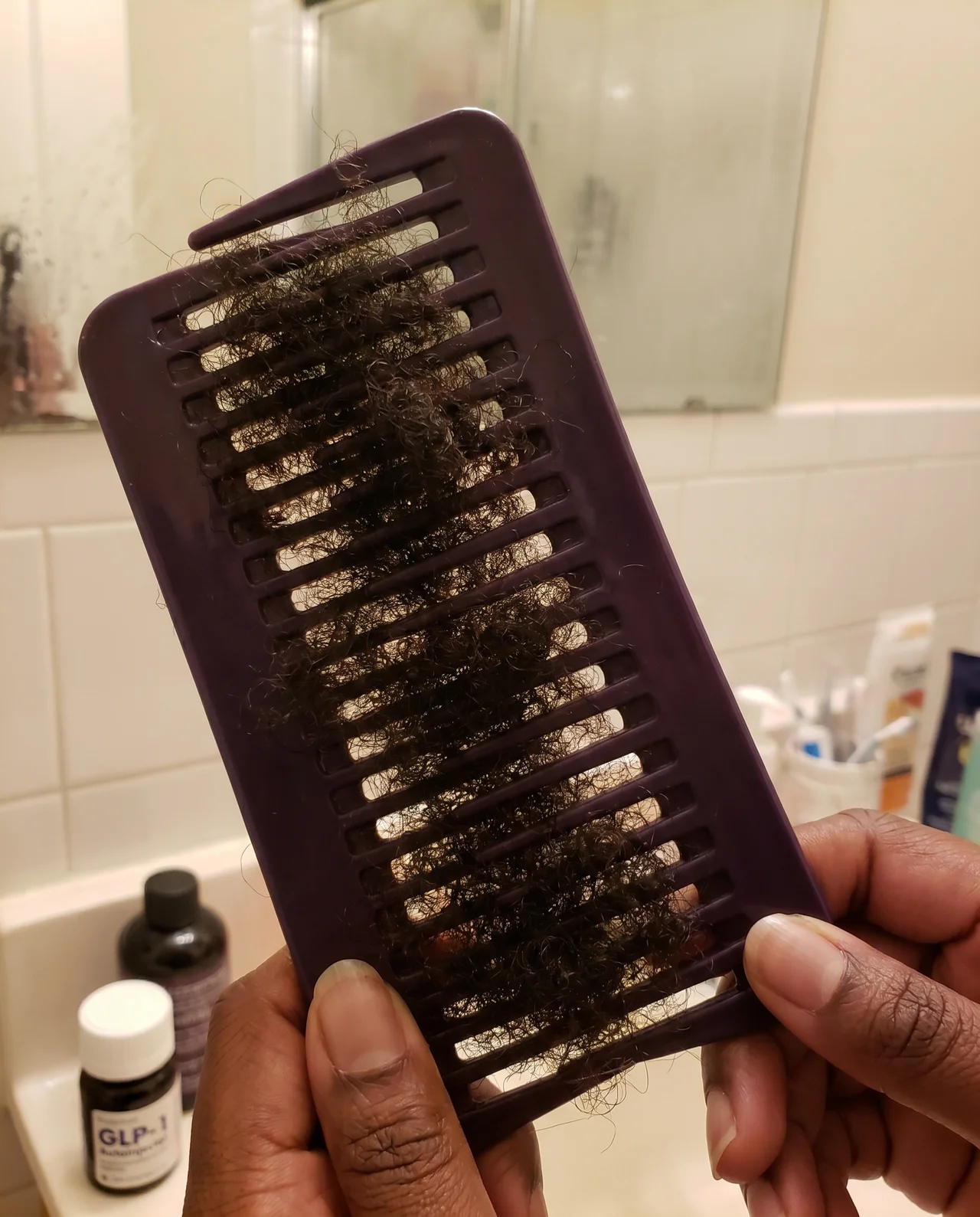
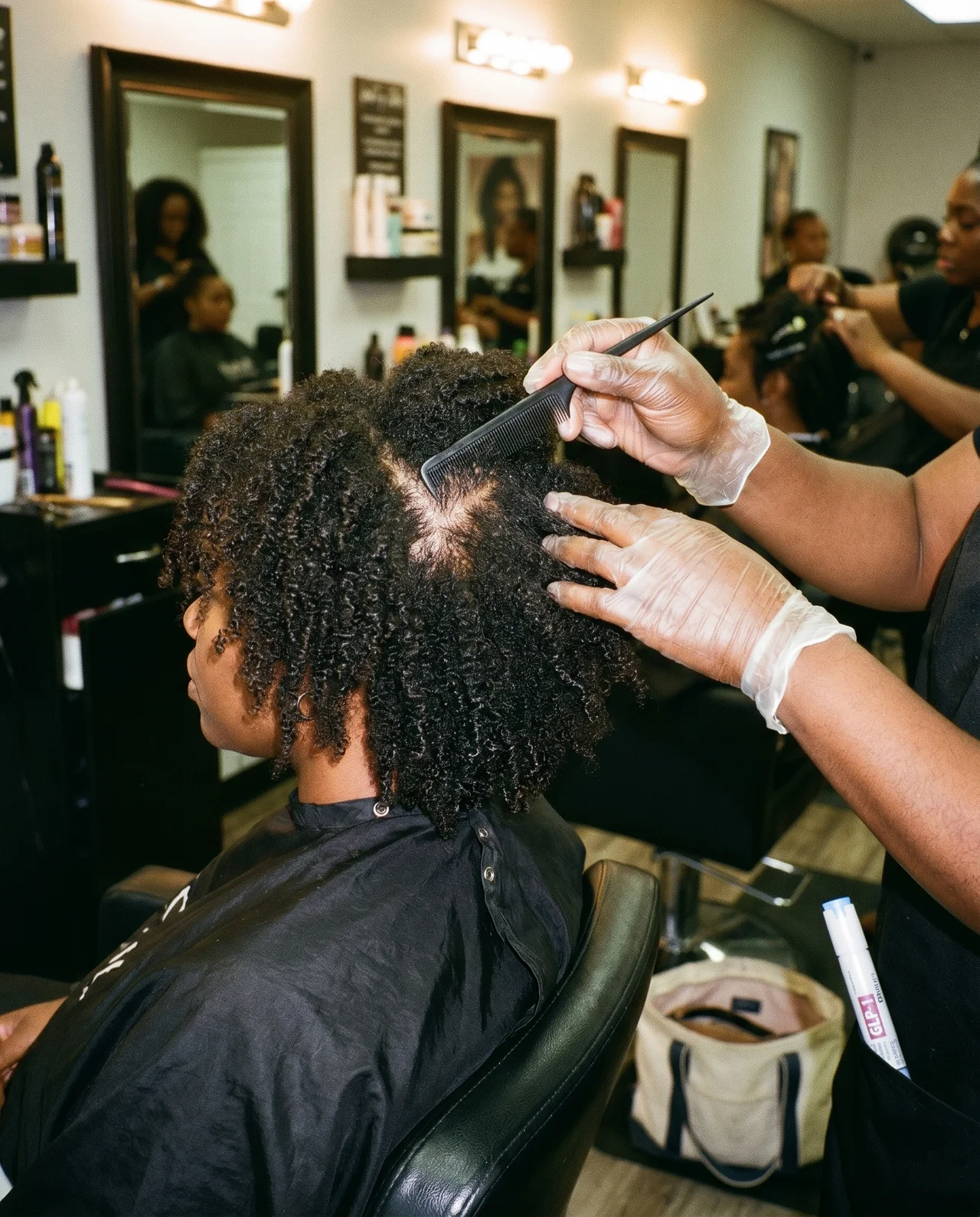
Your GLP-1 f*cked your crown. And "just eat more protein" is making it worse. The one that's happening quietly, right now, while you wait patiently for the shedding to stop. I need to tell you something about the advice you've probably already been given. The "just wait, it'll grow back" advice. Because I've watched that advice hurt more women than it's helped. And I need to explain why before another month goes by. My name is Dr. Sheila Washington. I've been a dermatologist for 17 years. I specialize in hormonal hair loss in women. And over the last two years, something has shifted dramatically in my practice. I used to mostly see women in the middle of shedding. Terrified. Hair coming out in the shower. Drain clogged. Pillow covered. That kind of appointment I know how to handle. But lately? The appointments that stay with me are different. They're women who aren't actively shedding anymore. The scary part is over. The drain looks normal. And yet... they sit down in my chair, pull out their phone, and show me photos. Side by side. Their hair from two years ago. And their hair now. The difference is devastating. Not gone. Not bald. Just... thin. Flat. Like someone dimmed the light on their crown and it never came back up. A patient came in last month. Her name was Simone. 44 years old. On GLP-1 for 13 months. She'd lost 37 pounds. She was proud of that. She should be. But then the shedding started. Four months in. Like clockwork. She called her doctor. "Completely normal," she was told. "It's called telogen effluvium. A temporary stress response to rapid weight loss. Keep your protein up. Take your biotin. Give it six months. It'll resolve on its own." She did everything right. She forced down 100 grams of protein a day even though the GLP-1 had killed her appetite. She bought the biotin. Tried three different brands. Tablets and gummies both. She kept her salon appointment every single month. Hydration treatments. Trims. She switched her part every week to give her weak patches a break. She laid her edges every morning. That was not negotiable. She was patient. She waited. And at month five... the shedding did slow down. She thought: finally. She waited a few more months for the regrowth. For the fullness to come back. For her ponytail to feel like her ponytail again. It never did. Month seven. Still flat. Month nine. Still thin. Month eleven. She looked in the mirror and her part was still twice as wide as it used to be. The hair at her crown was still wispy. She could still see her scalp under certain lights. Her edges, the ones she laid every single morning, still didn't sit right. The shedding had stopped. But her hair had not come back. That's when she came to see me. "Did I do something wrong?" she asked. She hadn't. The advice she was given wasn't wrong. It was just... incomplete. And that incomplete advice cost her almost a year of irreversible follicle damage. Here's what nobody is explaining to women on GLP-1s. There are actually TWO separate things happening to your hair at the same time. Two completely different problems. And most doctors, including good ones, careful ones, are only addressing one. Problem One is telogen effluvium. That's the temporary shedding. When your body loses fat rapidly, it perceives physical stress. It responds by pushing more hair follicles into the resting phase simultaneously. Two to four months later, they all shed at once. That's the terrifying drain-clogging phase. That's what the "just wait" advice is referring to. And here's the thing: it IS real. It IS temporary. It DOES resolve. The advice isn't wrong about that. But here's what they're not telling you. While telogen effluvium is causing your hair to shed... DHT is causing something else entirely. Something quieter. Something that doesn't show up in a standard blood panel. Something that doesn't stop on its own. DHT is a hormone that's been in your body your whole life. In normal circumstances, estrogen acts as a shield. It sits around your hair follicles and physically blocks DHT from attaching to them. That's why younger women with healthy estrogen levels rarely lose their hair. DHT can't get through. But here's what GLP-1 medications do that almost no one is talking about. When you lose fat rapidly on Ozempic, Wegovy, or Mounjaro... You lose stored estrogen. Fat cells don't just store energy. They produce and store estrogen. When the fat goes, so does a significant portion of your estrogen. Fast. And suddenly, your hair follicles lose their shield. DHT, which has been present in your body your entire life, now has direct access. It attaches to the androgen receptors on your follicles. It begins to shrink them. Slowly. Methodically. Quietly. It miniaturizes the follicle. The hair that grows from a shrunken follicle is thinner. Weaker. Shorter. Eventually, if nothing interrupts this process, that follicle stops producing visible hair entirely. Now here's what most dermatologists leave out of this conversation entirely. And what I make a point to tell every Black woman who sits in my chair. This process does not land on neutral ground for us. There is a condition called CCCA, central centrifugal cicatricial alopecia, that affects Black women at a disproportionately higher rate than any other group. It starts at the crown. It spreads outward slowly. Most women who have it have no idea, because it moves quietly for years before it becomes visible. Add to that a lifetime of chemical processing, heat, tight styles that pull at the follicle over time, and for many of us, a metabolic history that already puts the crown at higher statistical risk than most protocols are designed for. That history does not disappear when the GLP-1 starts working. It is still there. So when the estrogen shield drops and DHT moves in, it is not landing on a healthy baseline. It is landing on a crown that was already carrying more than she knew. This is not temporary. This is not "stress shedding" that resolves on its own. ❌ DHT doesn't stop because you waited six months. ❌ DHT doesn't stop because you hit your protein goals. ❌ DHT doesn't stop because your labs came back normal. ❌ DHT doesn't stop because you kept your salon appointment every month. ❌ DHT stops when something blocks it. And nothing in the "just wait" protocol blocks DHT. Think about what actually happened while you were waiting. Month one through five: Telogen effluvium is shedding your hair at the surface. At the same time: DHT is attaching to those same follicles and shrinking them from the inside. Month five: The telogen effluvium resolves. The shedding slows. You breathe. But the follicle damage from DHT? It didn't stop. It's been compounding the whole time. Now those follicles try to regrow. They push out new growth. But the follicles are smaller than they were. Because DHT spent five months, while you were being patient and eating your protein and switching your part and laying your edges every morning, shrinking them. So the regrowth comes in wispy. Thin. Like baby hairs that never quite grow into real hair. Like the density that used to be at your crown and temples and just... isn't anymore. That's not telogen effluvium. That's DHT damage that accumulated silently while the medical system told you everything was fine. That's what Simone showed me in those side-by-side photos. That's what I see every single week. Women who did everything right. And are still sitting in my chair, looking at a crown that should have come back by now. I want to be clear about something. Biotin doesn't block DHT. Protein doesn't block DHT. Collagen doesn't block DHT. Waiting doesn't block DHT. Those things support hair growth. They are not wrong to take. But you cannot feed your hair back to health when DHT is actively starving the follicle at the same time. It's like watering a plant while someone pours herbicide on the roots. You can water as much as you want. The roots are still under attack. I've had patients spend $85 a month on Nutrafol for six months. I've had patients try minoxidil. And I understand why. But minoxidil is only a vasodilator. It widens blood vessels to the scalp. It does not block DHT. So the follicle keeps getting damaged the entire time you're using it. The second you stop, you're back where you started. And for most of my patients, the daily washing requirement makes it a non-starter. A ruined silk press is not a side effect you negotiate around. I've had patients consider spironolactone, a blood pressure medication being used off-label that can affect your hormones in ways you absolutely do not want if you're already going through the hormonal disruption of rapid weight loss. And all of these have something in common. None of them address the root cause. The estrogen shield is down. DHT is in. Until you block DHT, actually block it, the follicle damage continues. So what does actually block DHT? Two things. Together. Pumpkin seed oil and saw palmetto. Let me explain what each one does, because they work completely differently, and you need both. Pumpkin seed oil contains compounds called phytosterols that inhibit an enzyme called 5-alpha reductase. That enzyme is responsible for converting testosterone into DHT. Less 5-alpha reductase activity means less new DHT being produced. But here's the limitation. Pumpkin seed oil reduces how much new DHT your body makes. It doesn't do anything about the DHT that's already there. Already circulating in your scalp. Already attached to your follicles. Already shrinking them. That's where saw palmetto comes in. Saw palmetto doesn't reduce DHT production. It blocks existing DHT from binding to the androgen receptors on your follicles. Think of it this way. Pumpkin seed oil turns down the factory that makes DHT. Saw palmetto puts a lock on the door DHT needs to enter your follicle. One reduces production. One blocks attachment. Together, they provide what I call dual-action DHT protection. And that's what your follicles need right now. Not one or the other. Both. Now, before you go to Amazon and buy them separately, I've had patients try this. One woman bought a bottle of pumpkin seed oil capsules and a standalone saw palmetto supplement from the vitamin aisle. Four months later she came back. Minimal results. Here's why that happens. Most generic pumpkin seed oil supplements are low-dose, unrefined seed powder, not concentrated extract. The therapeutic dose of phytosterols your follicles need is not achievable with a cheap capsule. You would need to eat roughly two pounds of raw pumpkin seeds every day to match a properly concentrated extract. And most standalone saw palmetto supplements? They're prostate supplements. Repackaged with a pink label and marketed to women. The dose is wrong. The extraction method is wrong. They weren't formulated for follicle protection in women experiencing hormonal disruption. So you end up with two supplements that aren't delivering therapeutic levels of either ingredient. And then you stop. And you conclude that natural solutions don't work. They do work. But the formulation has to be right. This is why I recommend Bloom & Bond to every patient I see who is dealing with GLP-1-related hair loss. It's the only formula I've found that combines both pumpkin seed oil and saw palmetto at clinically meaningful doses, together, in a single supplement designed specifically for this. 2,000mg of concentrated pumpkin seed oil extract. Not raw seed powder. Concentrated extract. With the phytosterol levels that actually inhibit 5-alpha reductase. Plus saw palmetto at a dose specifically calibrated for dual-action DHT blocking in women. No biotin filler. No collagen fluff. No synthetic additives. Just the two ingredients your follicles need, in the right form, at the right dose. Here's what I tell my patients to expect when they start: ✅ Weeks 2 to 4: The shedding begins to slow. The drain isn't as frightening. The brush isn't as full. Your follicles are getting protection they haven't had. ✅ Weeks 4 to 8: Shedding reduces noticeably. Some of my patients tell me this is the first time in months they've been able to wash their hair without dreading what they find. ✅ Weeks 8 to 12: Baby hairs. Along the hairline. At the part. At the crown. New growth that's actually establishing because the follicle isn't being damaged anymore while it tries to regrow. ✅ Month 3 to 4: Visible density returning. A ponytail that feels like something again. A part that's closing. A crown that isn't staring back at you in every photo. Edges laying like they're supposed to. Not every patient is the same. Some see results faster. Some slower. But women who use the dual-action approach consistently see a recovery that "just waiting" never gave them. I saw Simone again six weeks after that first appointment. She didn't show me photos this time. She just smoothed back her edges before she sat down. And looked at me. And smiled. "It's moving," she said. "I can feel it." Not done. Not back to where it was before the Wegovy journey started. But moving in the right direction for the first time in almost a year. That's what matters. Motion. After months of standing still. If you're reading this and you've been waiting... Waiting for your crown to come back on its own. Waiting for the regrowth to finally feel like regrowth. Waiting because someone told you to be patient... I'm asking you to stop waiting. Not because the shedding won't slow down on its own. It probably already has. But the DHT that's been working against your follicles this whole time? It hasn't stopped. And every week that passes without blocking it is another week of follicle miniaturization that becomes harder to reverse. You don't have to choose between your GLP-1 and your crown. You don't have to accept thin, flat, wispy regrowth as the new normal. Your follicles need dual-action protection. Block new DHT production. Shield existing follicles from the DHT that's already there. That's what Bloom & Bond does. And it's what I wish every woman on a GLP-1 had started on day one. If you've already waited, start now. Every day you wait is a day DHT gets to work unopposed. 👉 trybloomandbond.com/products/new-pumpkin-seed-oil-softgels-bw
Like this ad? Make it yours.
Crush rebuilds this exact creative around your product — your brand, your colors, your offer — in about a minute.