
Inactive· since Apr 14, 2026
- 15
- days it ran
- 7
- relaunches
Ad copy
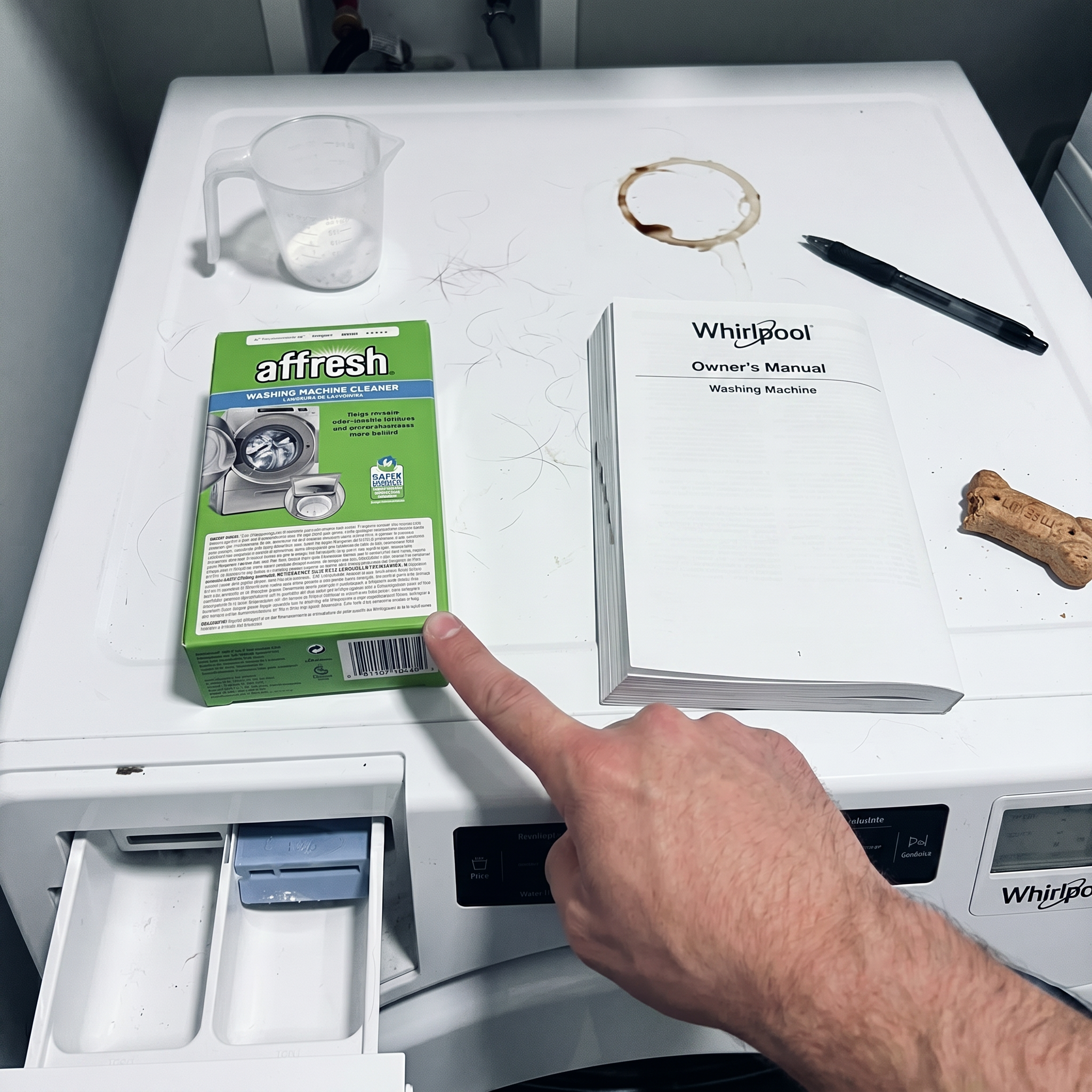
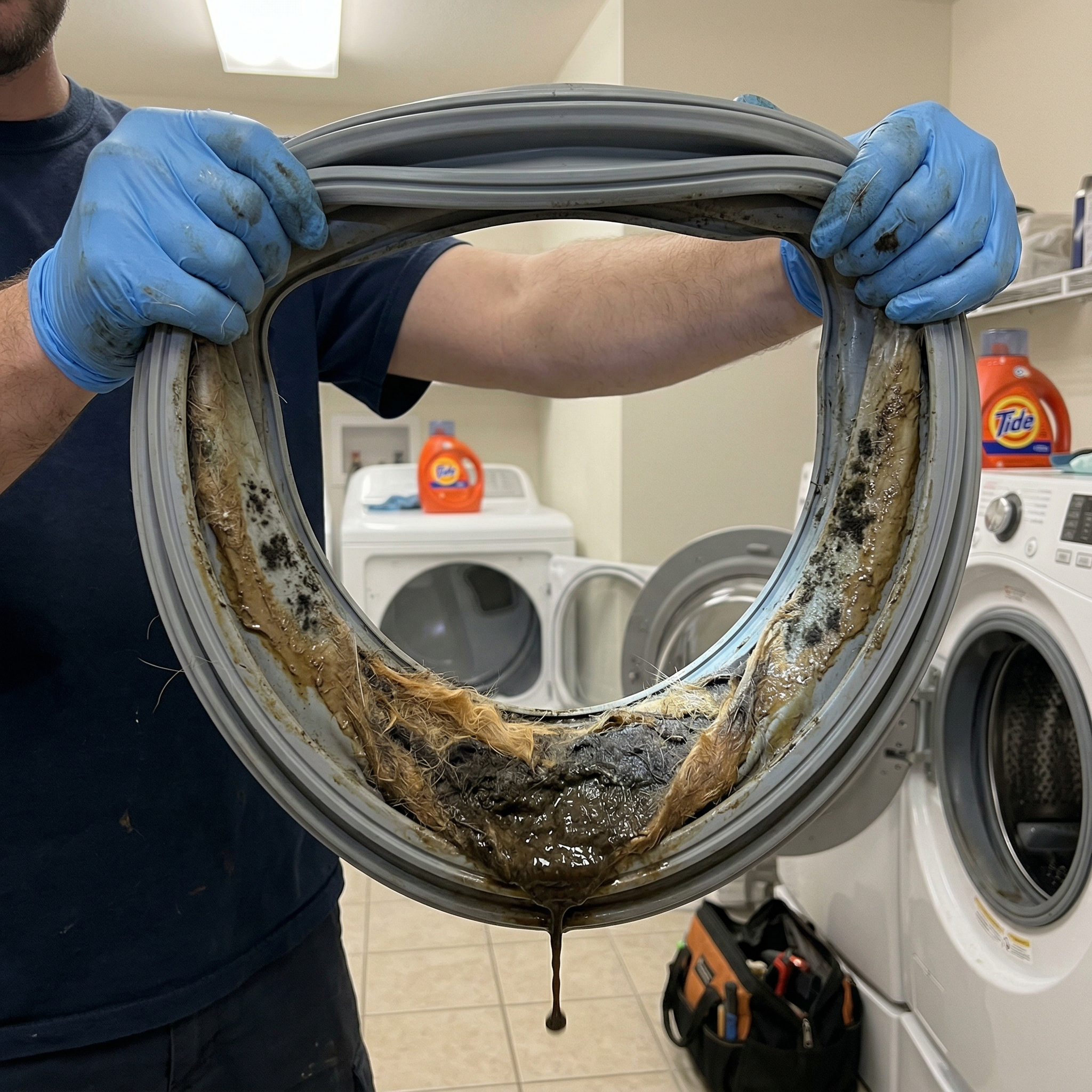
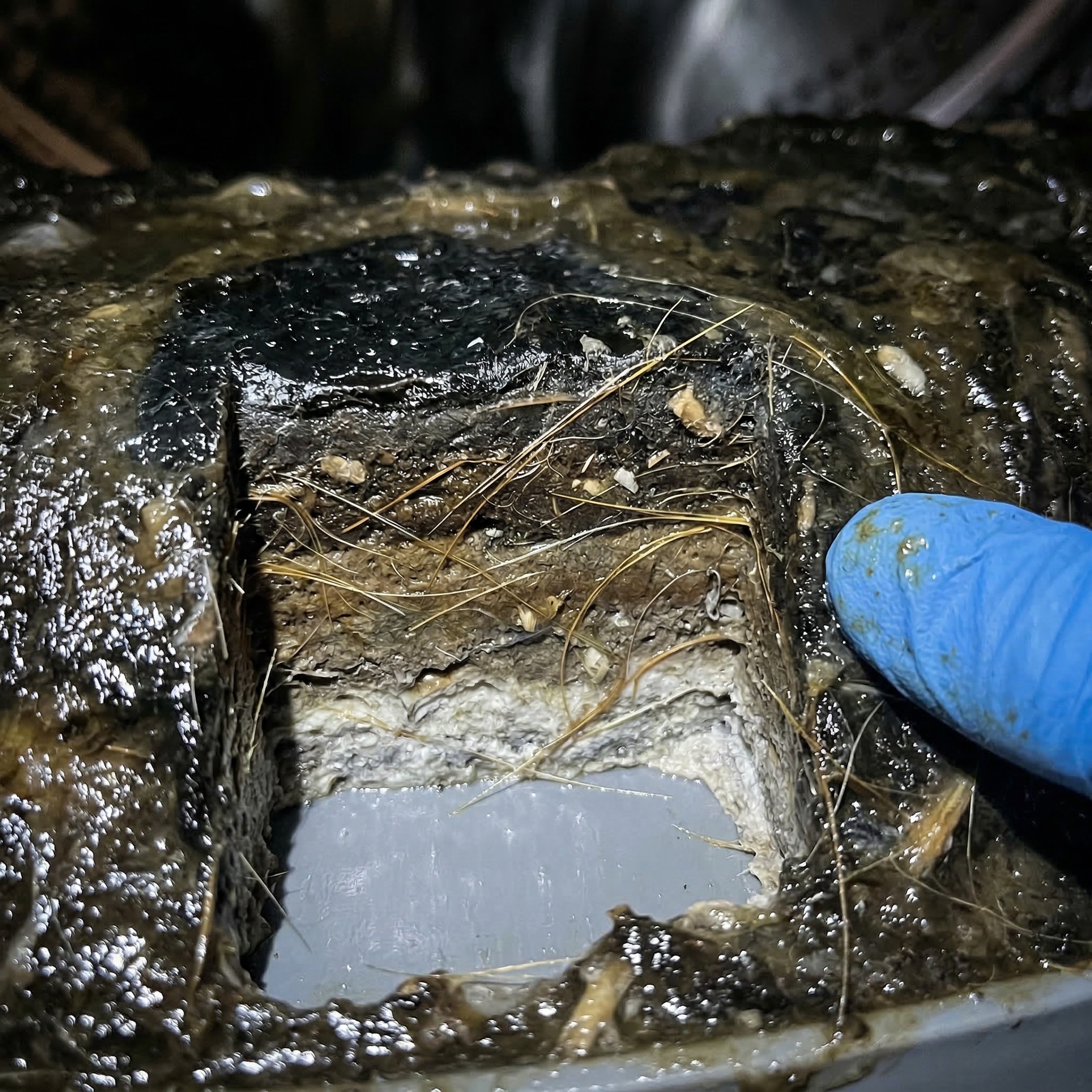
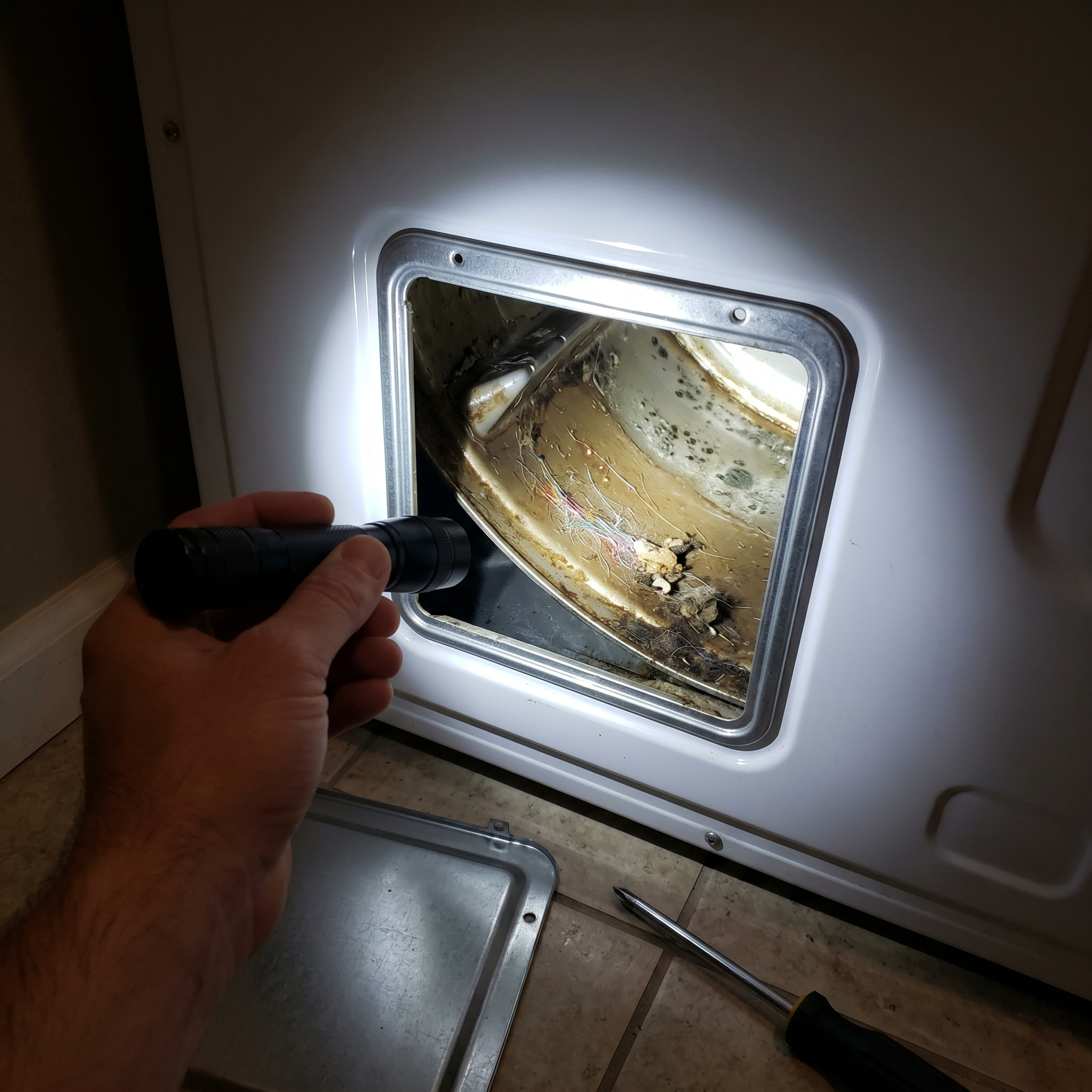
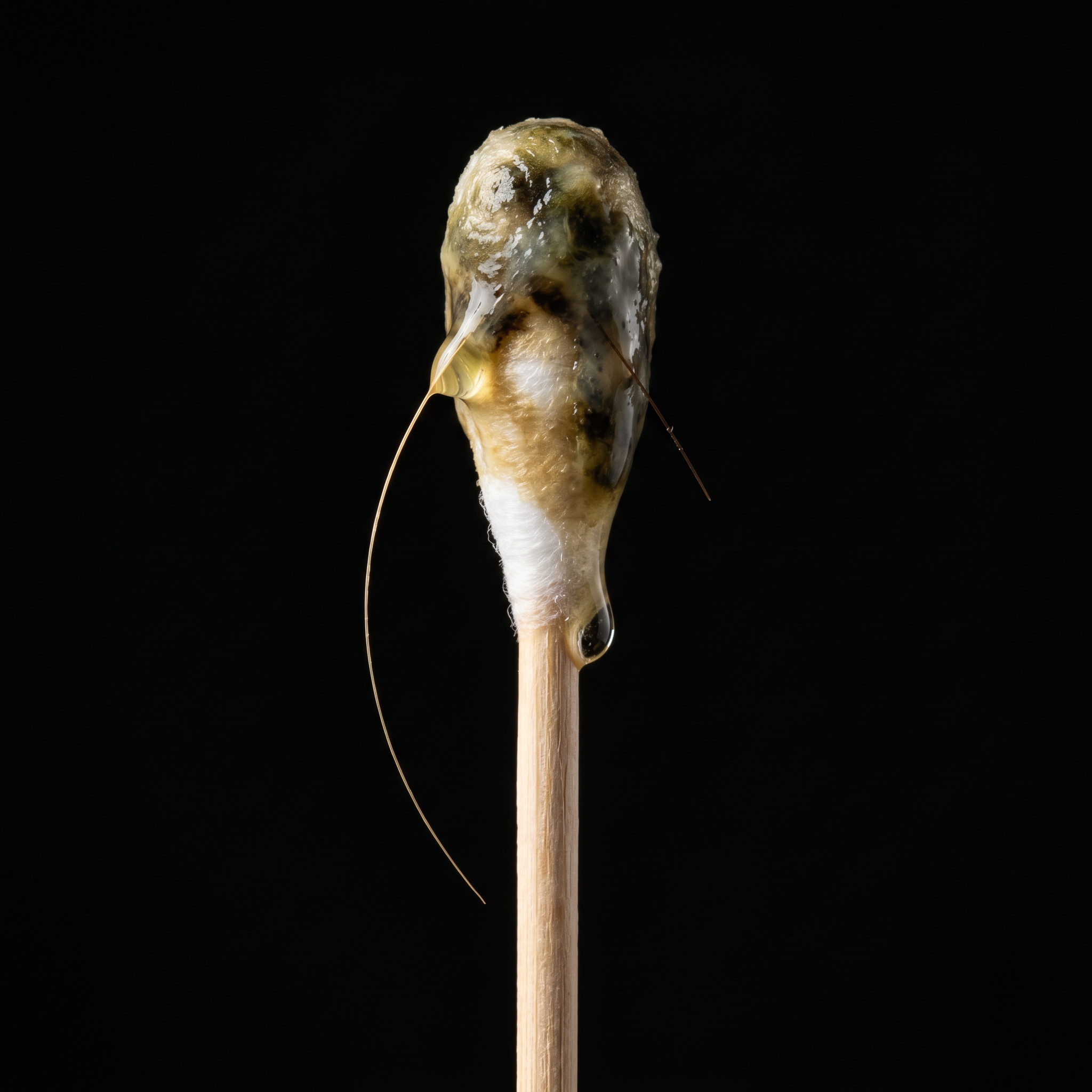
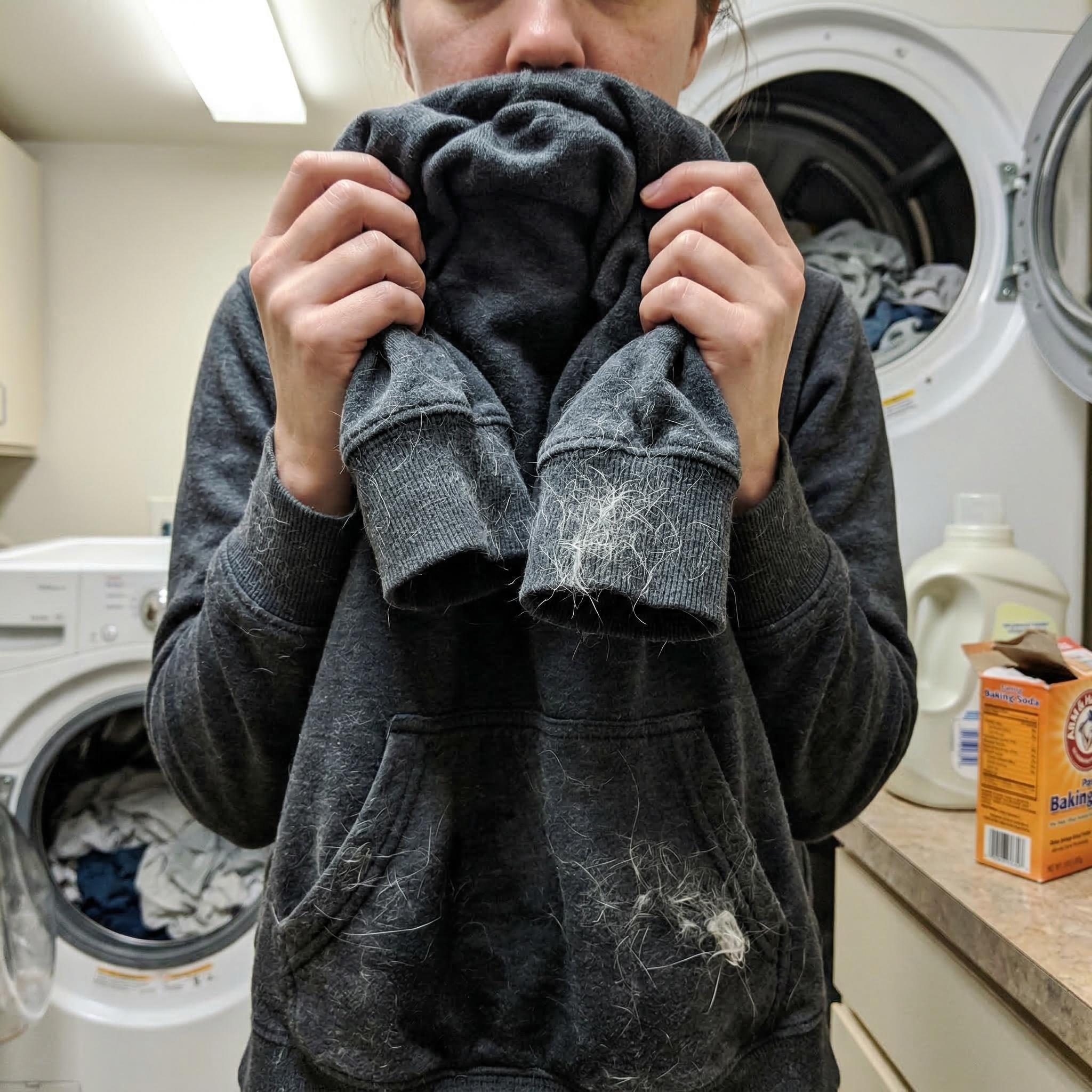
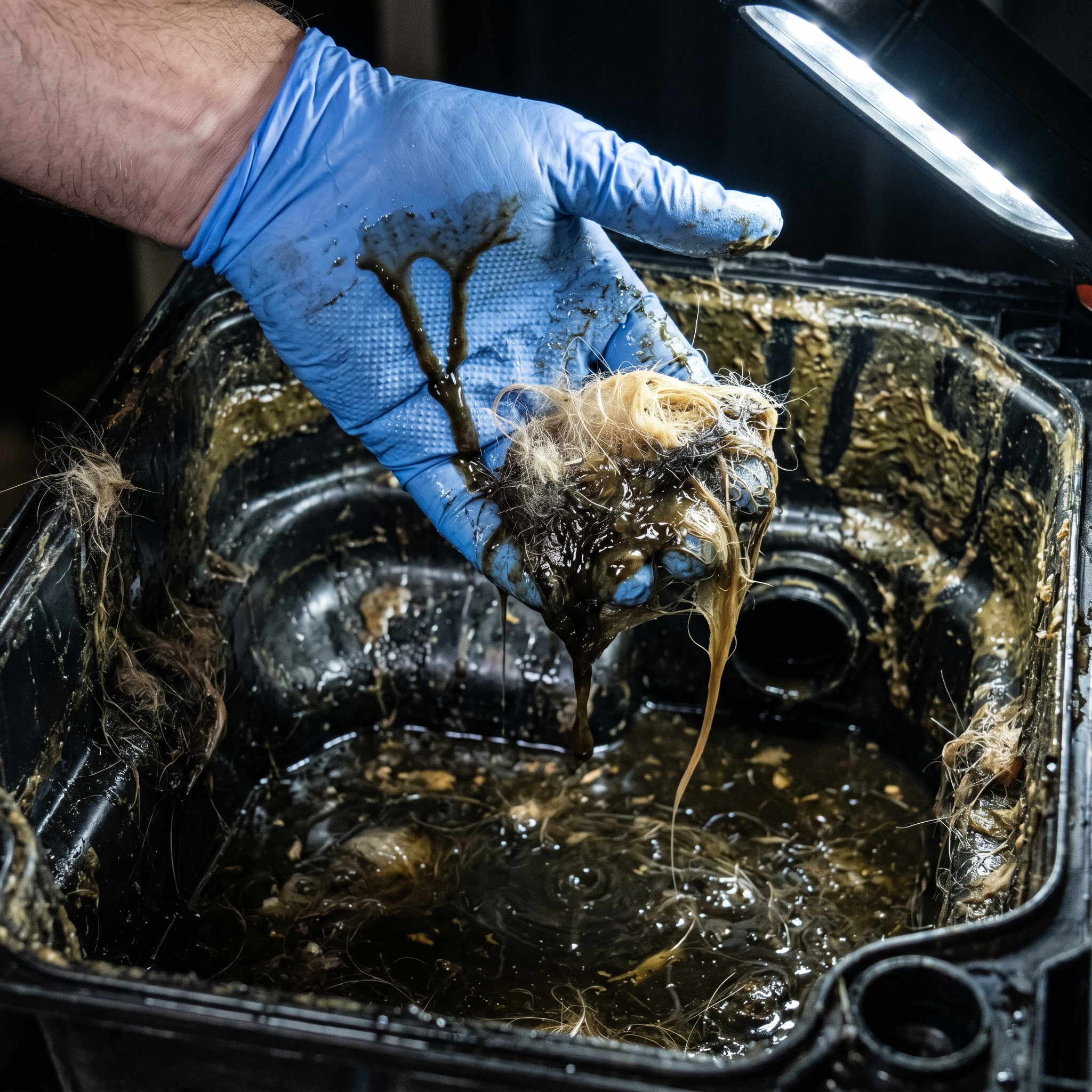
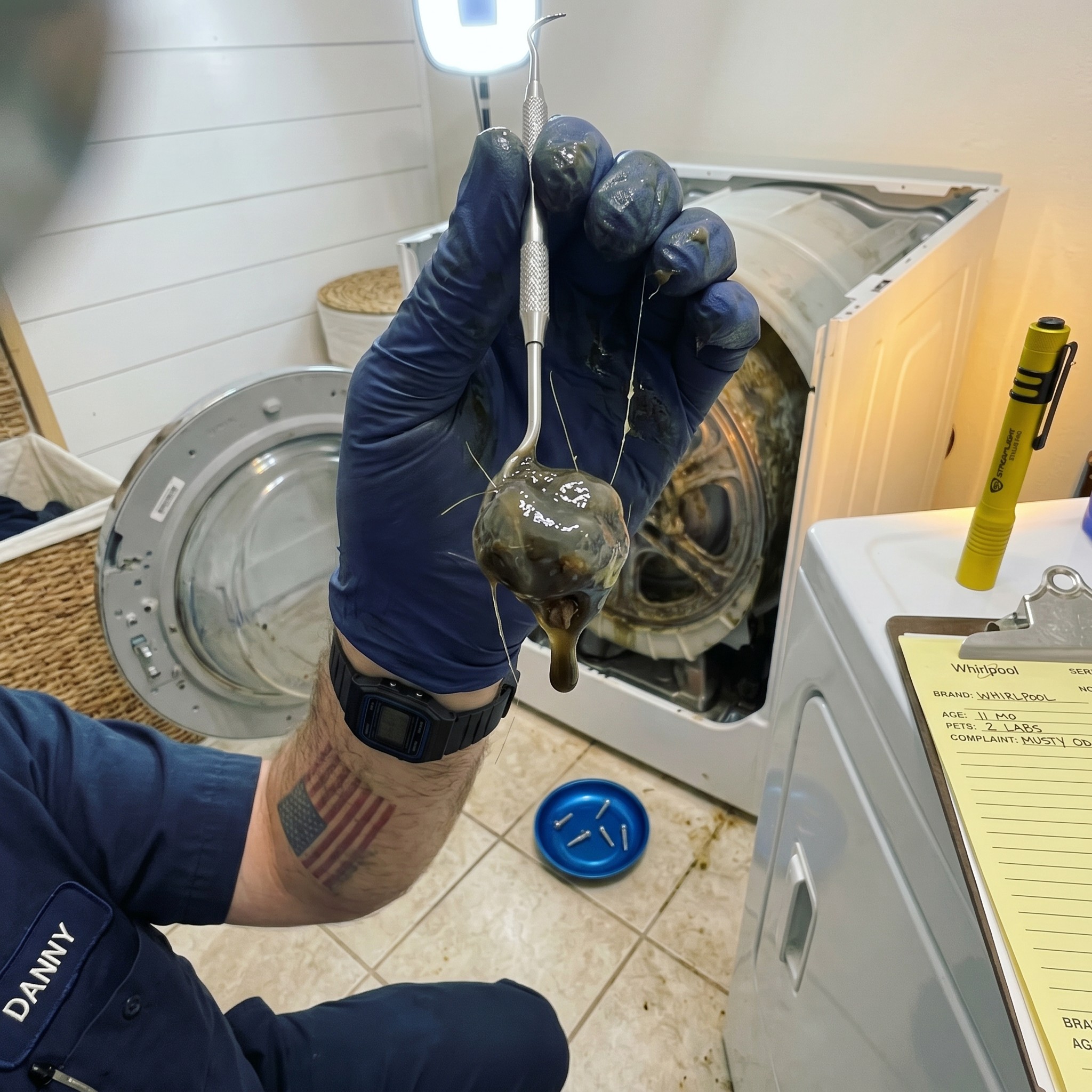
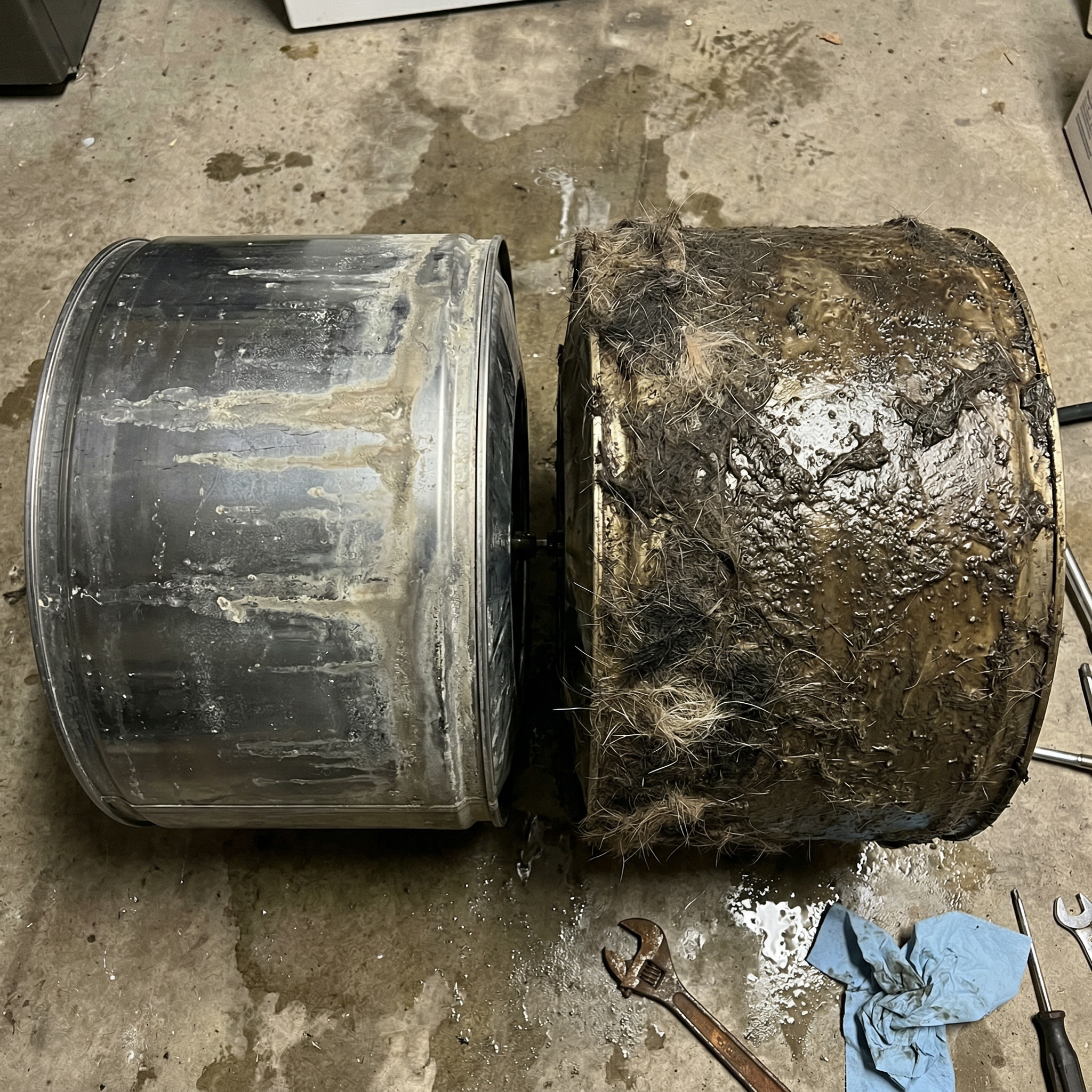
I've opened over 4,000 washing machines in 22 years. And the ones with the worst smell and buildup - every single time, without exception - belong to pet owners. I’m Dave. I run a small appliance repair outfit out of Tampa, Florida - been doing it since 2003. And I tell almost every customer who calls me about musty-smelling laundry the same thing: "Your machine isn't broken. It's dirty. In places you can't see and can't reach." Most of them don't believe me at first. They tell me they already tried vinegar. They ran the self-clean cycle. They switched detergents twice. Some of them have even scrubbed the rubber gasket by hand with bleach. (I've heard every version of this.) And every time, I say the same thing: "None of that is going to fix what's actually causing the smell." Then I pull the outer panel off. And I show them. There's a gap between the inner drum and the outer tub that most people don't even know exists. It's a sealed space. Water sits in it after every single cycle. Moisture never fully dries. And over time, a layer of residue builds along those surfaces - a sticky, organic buildup that bonds to the metal and plastic inside the machine. Here's the thing most people get wrong. Vinegar reaches those areas. So does bleach. Water carries them through the same channels every cycle. But vinegar and bleach aren't formulated to break down this type of buildup. They're designed for surface-level sanitation - killing bacteria on contact. They don't dissolve the layered residue that's been bonding to those internal surfaces for months or years. It's like spraying Windex on baked-on grease. The Windex gets there. It just can't do the job. That's what I've been looking at for over two decades. It looks the same in nearly every machine I open. Especially the newer high-efficiency front-loaders. The older top-loaders were simple. Water went in, water drained out. These new machines recycle water. They use less of it. They seal tighter. And that creates something inside the machine most people would be shocked to see. I started noticing the pattern about ten years ago. More and more calls about the same complaint. Towels that smelled fine for an hour then turned musty. Dog owners calling because their kids' clothes smelled like wet fur, no matter how many times they rewashed them. And every single time, the machine looked perfectly clean from the outside. Here's what most people don't understand. When I show up to a service call, nine times out of ten, the machine runs fine, with no mechanical problems at all. The customer just wants to know why their laundry stinks. And when I pop that outer panel, and they see what's built up in the gap between the drum and the housing, the reaction is always the same. They go quiet, then they say something like, "We just bought this two years ago." Doesn't matter - I've opened machines that were eight months old and already had visible buildup coating the back of the drum. And that layer of gunk I'm showing them? It's not just sitting there... Every time you run a load, water passes through that gap. It picks up whatever's living on those surfaces and carries it right onto your clothes. Your towels. Your sheets. Your kids' pajamas. That's where the smell comes from. Not from your detergent. Not from your water. Not from leaving the load in too long. From inside the machine itself. And I'll be honest, for a long time, I didn't have a great answer for people. I'd tell them to run vinegar. Run bleach. Use the self-clean cycle. But I already knew none of that was formulated to actually break down the residue. It would wash over it. Sanitize the surface for a day or two. And then the smell would come right back. I was just giving them something to try because I didn't have anything better. The vinegar passes through. The bleach passes through. The self-clean cycle heats everything up. But none of it is designed to dissolve and break apart the specific type of organic buildup that accumulates in those sealed areas. I started feeling like I was letting people down. Especially the pet owners. They were the worst cases every single time. Dog hair breaks apart in the wash. The oils, the tiny fibers, the dander - all of it washes off the clothes and gets pulled into that sealed gap. It basically feeds the problem. I had one woman in tears because her daughter's school clothes smelled so bad that another kid said something about it. She'd already tried everything. Then about a year ago, I got a callback from a customer I'd serviced a few months earlier. A woman with two big dogs and a front-loader that was barely three years old. I'd shown her the buildup. Gave her the usual advice. Vinegar. Hot cycle. Leaving the door open. But when she called back, she wasn't complaining. She said the smell was gone, and I asked her what she did. She told me she'd found a cleaning tablet online that was supposed to break down the type of buildup I showed her in her machine. Said it used some kind of enzyme method that actually dissolves the gunk instead of just washing over it I was skeptical. I've seen every "washing machine cleaner" on the shelf at Target and Walmart. Most of them work the same way vinegar does. They sanitize on contact. They might fizz. But they're not breaking down that bonded layer of buildup. And I already told you - that bonded layer is the problem. But she swore by it. Said even her dog blankets came out smelling like nothing. So I looked into it. And what I found actually surprised me. There's real science behind how this thing works. It doesn't just sanitize. Its formula is specifically engineered to break the bond between the residue and the internal surfaces of the machine - the exact buildup I've been showing people for years. The buildup nothing else is designed to dissolve. I won't get into all the technical details here. But once I understood how it worked, I started recommending it to every customer I visited. That was about a year ago. Since then, I've recommended it to probably 200 customers - maybe more. And I've lost count of how many have texted me a week later saying the same thing: "The smell is gone." Not 'a little better' or 'mostly gone'... Gone! The ones with pets notice it the fastest. Which makes sense once you understand what pet hair actually does inside a sealed machine. It breaks apart, the oils separate, and tiny fibers get pulled into every gap and crevice where water sits. It basically creates the perfect feeding ground for that buildup I was telling you about. So when this thing actually dissolves that buildup at the molecular level, people notice within the first load. Look, I'm not a salesman. I fix machines for a living. I don't get paid to recommend products, and I don't have a code or a commission or anything like that. But when I find something that actually solves the problem I've been staring at for over two decades, I'm going to talk about it. The product is called Uproot Washing Machine Cleaner. It's made by a small company out of Florida. They originally made pet hair removal tools, but they followed the research on what's actually happening inside these machines and built something specifically for it. I don't know how long the offer they're running right now will last. I just know every time I check, the price is lower than what I'd expect for something that actually works this well. If your clothes smell musty and you've already tried everything - the vinegar, the baking soda, the self-clean cycle, the detergent switches - then you already know none of that fixes it. This does. I'll leave the link below. You can read the full breakdown of how it works and decide for yourself. But if you're dealing with what I see every single day inside these machines, I think you'll understand pretty quickly why I stopped recommending vinegar. 👉 https://order.uprootclean.com/wmt008-l4v2-mustyclothes
This Is Why Your Laundry Still Stinks
After reviewing university research, government sanitation reports, microbiology papers, and archived NASA data, one conclusion stood out:
SHOP NOWLike this ad? Make it yours.
Crush rebuilds this exact creative around your product — your brand, your colors, your offer — in about a minute.