
Inactive· since Jul 10, 2026
- 7
- days it ran
- 10
- relaunches
Ad copy
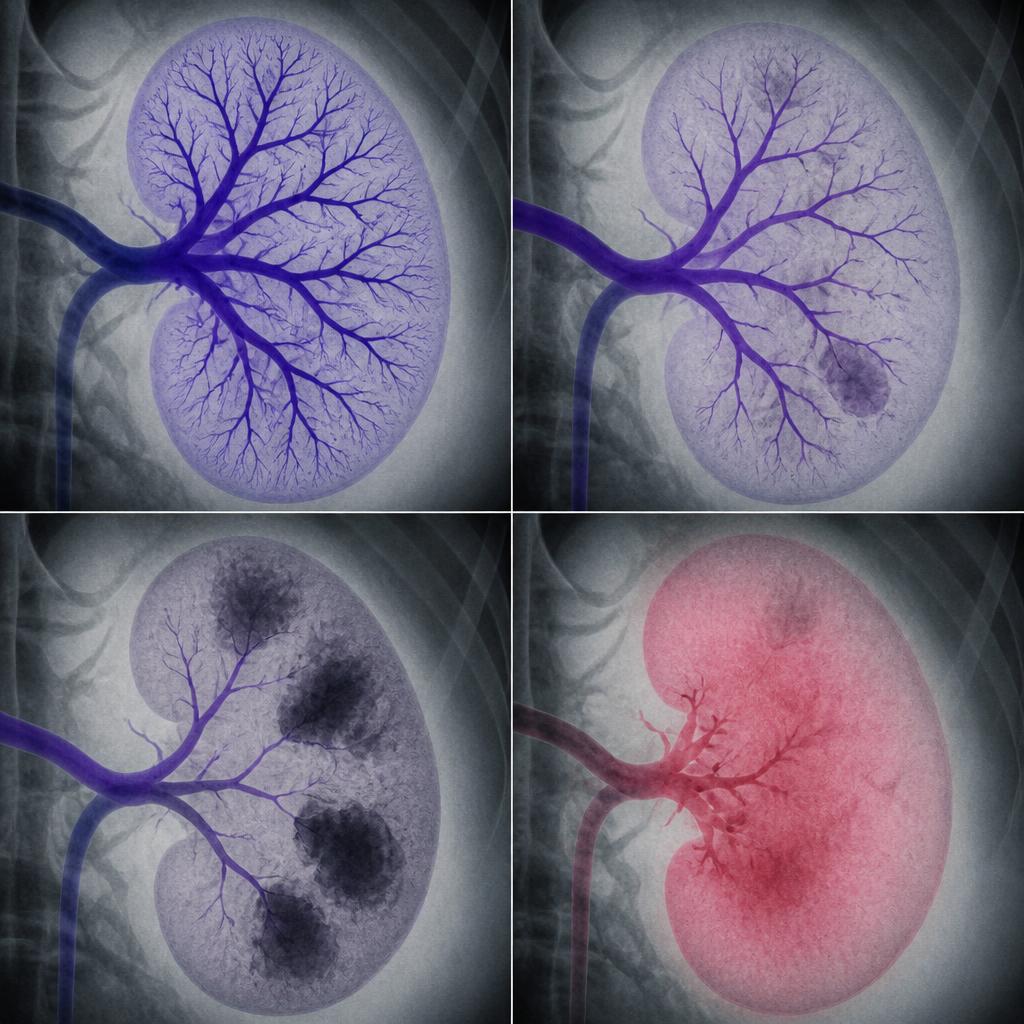
I have been an endocrinologist for seventeen years. In that time I have prescribed Metformin to over two thousand patients and watched their A1C drop and shaken their hands and sent them home. I am writing this letter because I have to tell you what I watched happen next — to them, and then to me — and what I never said out loud in a single appointment. My name is Dr. David Mercer. And the most dangerous thing I ever said to a patient was four words: "Your A1C is well-controlled." I said it in eight-minute appointments while checking a number, smiling, shaking hands, and scheduling the next visit — while the disease continued to destroy nerves, blood vessels, and organs that the A1C was never designed to measure. When my own fasting glucose hit 128 at age 52, I knew something I had never explained to a single patient. The blood sugar isn't the disease. The A1C isn't the disease. The neuropathy isn't a "complication" — it's not something that happens alongside diabetes. It's a symptom of the actual disease. And the actual disease is the oxidative fire burning inside the blood vessels, the nerves, and the pancreas of every person with elevated blood sugar — a fire that Metformin was never designed to reach and has never once extinguished in the history of its use. I have treated thousands of patients on long-term blood sugar medication in my career. I have seen what happens at year three on Metformin. Year five. Year eight. Year twelve. And I have seen what almost no endocrinologist documents properly because the appointments are too short and "well-controlled" has become a clinical shortcut that closes the conversation before it starts. The 56-year-old. Metformin for six years. A1C at every visit: 6.3, 6.4, 6.2, 6.3. Textbook control. His chart was the kind I'd show residents as an example of successful management. He mentioned tingling in his feet at year four. I noted it. "Peripheral neuropathy — common with diabetes. We're monitoring it." Standard phrasing. At year five, the tingling became numbness. I ordered gabapentin for the nerve pain and added a B12 supplement because Metformin depletes B12 — a known side effect most prescribers mention once and forget about. Two medications now. One managing the number. One managing a side effect of the first. At year six he stepped on a roofing nail in his garage. Walked on it for two days. Didn't feel it. By the time his wife noticed the blood on the carpet, the infection had reached the bone. They took three toes. His A1C the week of the surgery was 6.2. I wrote "well-controlled" in his chart the same month they wheeled him out of the OR missing part of his foot. But the case I cannot stop thinking about is Margaret Hollis. Margaret had been my patient for nine years. She was also Ellen's closest friend — my wife's book club, every other Wednesday for as long as I could remember. Our families had Thanksgiving together every year. I was her endocrinologist and her friend's husband, and I failed her in both roles. Metformin plus Januvia. A1C consistently between 6.0 and 6.4. "Excellent control" by every standard I was trained to use. Year four, the fatigue started. She described it as "someone pulling the plug out of the bathtub" every afternoon at two. I tested her thyroid. Normal. Tested her iron. Normal. Told her it was age. Year six, her GFR started dropping. Kidney function declining. I adjusted her medications. Added a third. Year eight, her husband Tom called me. November. Two weeks before Thanksgiving. He said she was having trouble with names. He said it carefully, the way spouses do when they already know the answer and are hoping you'll tell them they're wrong. I told him to bring her in after the holiday. I was at their Thanksgiving that year. Margaret hosted it every year — thirty people, the long table with both leaves in, the kitchen full of women I'd known for a decade. Margaret had always run it. The turkey, the timing, the seating chart she wrote on the back of a grocery bag every November. I was standing in the living room with Tom when their daughter Sarah walked in with the kids. Sarah's youngest — Lily — ran to Margaret the way three-year-olds run. Arms out. Feet slapping the hardwood. Margaret looked at her. She looked at her the way you look at a child in a grocery store. Politely. Without recognition. "Whose little girl is that?" The room didn't go silent all at once. It went silent in a wave. Sarah stopped in the doorway. Tom's hand tightened around his glass. Lily was still reaching. Still running. Margaret picked Lily up. Bounced her on her hip. Smiled. Said something about her dress. Set her down. Went back to the kitchen like nothing had happened. Tom looked at me. I'm her doctor. I'm standing in her living room at Thanksgiving with a glass of cider and I know — I know with absolute clinical certainty — what is happening to this woman's brain. The hydroxyl radicals have crossed her blood-brain barrier. They are in her hippocampus. They are eating the insulation off the wires that hold her granddaughter's name — the myelin sheath around nerve fibers that have carried Lily's face and Lily's voice and Lily's weight in Margaret's arms since the day Lily was born. Once that insulation is gone, the signal dies. The memory doesn't fade. It disappears. Her A1C was 6.1. The fire was in her brain. I had checked her number every six months for nine years and said "looking good" and shaken her hand and sent her home. I had never once tested for oxidative damage. I had never once looked at what the sugar was doing while the score sat clean on my chart. And the medication — the medication I had prescribed, the medication I had adjusted, the medication I had added a second and a third to — had never been designed to cross the blood-brain barrier. Had never been designed to reach the place where Margaret was losing her granddaughter. Had never been within a mile of the fire. Metformin managed Margaret's number for nine years. The disease ate her alive underneath it. I see these patients in follow-up appointments. They do not complain. They are grateful I am "monitoring" their condition. They trust the number. They trust "well-controlled." But I know what they lost. I stood in Margaret's kitchen that Thanksgiving and I understood — clinically, precisely, with the kind of certainty that makes you sick — what was happening to her. And I understood something else. It wasn't just her brain. The same fire was burning everywhere. Hydroxyl radicals — the specific molecules destroying Margaret's memory — were also attacking the lining of her blood vessels. The tiny capillaries that carry glucose from the blood into the cells that need it. Every meal floods your blood with sugar. What's supposed to happen next is the body clears it — moves it out of the blood and into the cells for energy. The flood comes in, the flood goes out. I watched Margaret carry a casserole dish from the oven to the table that afternoon. Steady hands. Normal walk. No one at that table would have known anything was wrong. The fire doesn't announce itself. But the hydroxyl radicals scar the lining of those vessels. Stiffen them. Make them less flexible, less responsive. So the sugar lingers after every meal. Sits in the blood longer than it should. And the longer it sits, the more radicals it generates — which stiffens the vessels further, which makes the next meal's sugar linger even longer. The fire feeds the stiffening. The stiffening feeds the lingering. The lingering feeds the fire. And the fire attacks the beta cells in your pancreas — the cells that produce insulin. The same fire eating your nerves and your brain is eating the machinery your body needs to manage sugar on its own. Every year the fire burns, your body gets worse at doing the job the medication is supposed to be helping with. Metformin manages the number. It does nothing about the fire. The medication keeps the score. The house is on fire. Your A1C is the cover of the book. Nobody is reading what's inside. I knew all of this. I teach it. I publish on it. I watched it destroy Margaret Hollis while I managed her chart. And I did not confront it until it started happening in my own body — and my wife saw it before I did. I build furniture. It's what I do on weekends, what I've done for twenty years. Bookshelves for the grandkids. A dining table Ellen asked me to make for the kitchen — cherry, hand-cut joinery, the kind of project that takes months because you do it right or you don't do it. Ellen's uncle Harold had been on Metformin for eleven years. Lost two toes at year nine. Dead at seventy. Ellen had been the one sitting next to him at family dinners, watching him press his feet into the floor before he stood, watching him fumble his fork, watching the man who'd taught her to ride a bike disappear one piece at a time while his doctor said the number looked good. She knew what the early stages looked like. She knew them in her body — the way you recognize a song from the first three notes. She was watching me from the kitchen doorway on a Saturday morning last October. I didn't know she was there. I was standing at my workbench trying to fit a tenon into a mortise joint. My fingers wouldn't close on the piece. I was pressing them together, willing them to grip, and they were slow. Clumsy. Like they belonged to someone else. I'd been noticing it for months. The screwdriver slipping. The chisel not sitting right in my hand. The fine motor precision that I'd always relied on — in the shop, in the clinic, in everything — was fading. I called it fatigue. I called it age. The next morning I finished a dovetail joint clean on the first try. See? Fine. Just a bad day. I put it out of my mind the way you put anything out of your mind when admitting it means admitting what comes next. Ellen didn't put it out of her mind. She said it three days later, over coffee. "David. Your hands." "What about them?" "You've been dropping things. I've watched you open jars and your fingers don't work the way they did last year. And you press your feet into the floor every morning before you stand up. You think I don't see that. I see it." She set down her coffee. "Harold." One word. She didn't need two. I knew exactly what she meant. She was watching the first three notes of the same song that had taken her uncle's toes and then his life, and this time it was playing in her own kitchen. A week later I was sitting on an exam table with a paper gown crinkling every time I moved. My colleague — an internist I'd referred hundreds of patients to over the years and who had been managing my own primary care since I turned forty — pulled up my bloodwork. "David, your A1C is 6.4. Fasting glucose 128. I'd like to start you on Metformin." "No." He looked at me. "David, you know the protocol as well as —" "I know the protocol. I've written the protocol. Give me ninety days." He leaned back. Put his hands on his knees. "Ninety days. But if these numbers don't move, I'm writing the prescription. And I'm not going to argue with you about it." I tried what every physician in my position tries first. Strict diet. Exercise. Weight loss. My fasting glucose dropped from 128 to 119. The number moved. Nothing else did. I was in the middle of a patient consult in December — explaining her lab panel, pointing at the screen — and I lost the sentence. Mid-word. Gone. I stared at her chart and could not remember what I was about to say. She waited. I recovered. Smiled. Finished the appointment. Sat in my office afterward with the door closed for ten minutes. My fingers were tingling and my brain had just gone blank in front of a patient, and every number on my own chart said "improving." Standard supplements. Berberine. Chromium. Cinnamon. Alpha-lipoic acid. Every one designed to do what Metformin does — chase the number. Not one within a mile of the hydroxyl radicals doing the actual damage. My A1C stabilized at 6.4. My weight came down. My number was "controlled." And every afternoon at two o'clock my brain went dark and every morning my feet buzzed with a static that wasn't there six months ago. And in my shop, my hands were becoming strangers. I was standing where Margaret Hollis had stood nine years ago. Same number. Same symptoms. Same word — "controlled." And I knew how her story ended. I'd been at the Thanksgiving where it ended. I'd watched Lily reach for her grandmother and seen Margaret look at her own granddaughter the way you look at a stranger's child. My ninety days passed. I didn't go back. I wasn't ready to accept the prescription, and I didn't have anything to show him instead. Not yet. March 8th. 11:47 PM. I was at my desk after a full clinic day. My feet were tingling. I'd stood for eight hours and the numbness was worse by evening. I was reading a meta-analysis on oxidative stress interventions in metabolic syndrome. Not looking for anything specific. Just awake because the fog had lifted an hour ago and I knew from experience it would return by morning. I found a review paper on molecular hydrogen and selective free radical neutralization. I read the abstract twice. Molecular hydrogen — H2, the smallest molecule in existence — selectively neutralizes hydroxyl radicals. Only hydroxyl radicals. It doesn't touch the beneficial free radicals the body needs for immune function and healing. It converts them into water. No side effects documented in any clinical trial. I sat back in my chair. My feet were still buzzing. The static I couldn't shut off — the static the berberine hadn't touched, the diet hadn't touched, the exercise hadn't touched. Five months of chasing the number while the fire kept burning underneath it. Most antioxidants work like a carpet bomb — they flood the body and destroy every free radical they encounter, including the ones you need. Vitamin C. Turmeric. The supplements on the pharmacy shelf. You cannot carpet-bomb your own bloodstream and expect precision. H2 is a guided missile. One target. The most destructive free radical in the human body. The one eating your nerves, your blood vessels, your beta cells. And because hydrogen is the smallest molecule in existence, it goes where nothing else can reach. Across cell membranes. Into the mitochondria. Through the blood-brain barrier. I thought about Margaret. Standing in her kitchen at Thanksgiving. Holding her granddaughter on her hip. Not knowing who she was. H2 crosses the blood-brain barrier. Metformin doesn't. Not once. Not ever. One study showed participants taking molecular hydrogen experienced a 12% reduction in HbA1c over 24 weeks, with simultaneous improvements in insulin sensitivity and dramatic drops in oxidative stress markers. Not just a better number — the fire was being put out. Beta cell function preserved. Glucose clearance improving. The drain starting to work again. Not forcing the sugar down harder. Helping the body clear it properly. I was convinced on the mechanism. What I did next was stupid. A colleague mentioned he'd tried a hydrogen water machine for general health. I ordered one. Used it for a week. Felt nothing. I tested the output with a dissolved hydrogen meter I keep in the lab — 1.2 PPM. And even that concentration dissipated within seconds of the water leaving the machine. By the time I raised the glass to my mouth, I was drinking water. I learned the first thing: concentration matters, and machines can't hold it. So I went to Amazon. Found a bottle of hydrogen tablets. Four and a half stars. Two thousand reviews. $22. I ordered it because I am an endocrinologist who has spent seventeen years teaching patients about the difference between clinical-grade interventions and consumer-grade products, and I bought the first thing I found for $22 without checking a single criterion. The tablets arrived. Small. Thin. I dropped one in water. It took almost four minutes to dissolve and left a chalky white residue at the bottom of the glass. I drank it anyway. I learned the second thing: if the tablet doesn't dissolve completely, the chemical reaction that produces hydrogen hasn't finished. That residue at the bottom of the glass meant the hydrogen I was supposed to be drinking was still trapped in unreacted material. Seventeen days of drinking slightly gritty water. And I learned the third thing when I went looking for the product's concentration. The Amazon listing didn't show PPM — not on the bottle, not on the website, not in any documentation. No certificate of analysis. No third-party testing. No way to verify what was actually in the tablet. If a pharmaceutical company submitted a drug to the FDA with this level of documentation, it would be rejected before anyone opened the envelope. I threw the bottle away. I needed three things. Concentration at or above the 10-12 PPM threshold the clinical studies used — the machine barely hit 1, and the Amazon tablets wouldn't even say. Complete dissolution — no residue at the bottom of the glass, because if there's powder sitting there, the reaction never finished and the hydrogen never reached the water. And published verification — a certificate of analysis, third-party tested, something I could read with my own eyes. If they won't show you what's in it, don't buy it. Three criteria. Not from a textbook. From seventeen days of wasting my own time. I checked every hydrogen product I could find against those three. Hydrogen water machines — failed. Concentration too low, dissipates on contact with air. Pre-made hydrogen water — failed. Concentration drops to near zero the moment you open the cap. Capsules — failed. You cannot put a meaningful amount of hydrogen gas in a capsule. Most tablet brands — didn't list PPM. The few that did were 2 to 4. Well below the clinical threshold. I found one that passed everything. PrimeCell H2. Magnesium-based effervescent tablet. Full dissolution in under two minutes. No residue. 12 PPM concentration — at the threshold the clinical research required. Certificate of analysis published with exact H2 concentration, purity, and heavy metal screening. Third-party verified. Three criteria. Six weeks of searching. This was the only one that cleared the bar. And the magnesium isn't an add-on. It's the delivery system itself. The chemical reaction between the magnesium and water is what generates the molecular hydrogen. One tablet. One reaction. Two interventions: hydrogen for the fire, magnesium for the insulin signaling. Eighty milligrams of elemental magnesium in every tablet — the mineral that allows cells to respond to insulin, the one 75% of the population is deficient in, the one that determines whether your cells can hear the signal when insulin tells them to absorb glucose. I had been an endocrinologist for seventeen years and I had never once checked whether my patients' cells had the mineral they needed to manage sugar from the inside. The formulation delivers it automatically, as a byproduct of producing the hydrogen. The elegance of it stopped me cold. I ordered it that night. Dropped the first tablet in a glass of water the next morning. Watched it fizz — aggressive, complete dissolution. No residue. No film. A different product entirely from the chalky Amazon tablets that had wasted seventeen days. Drank it. Sat at my kitchen table. Waited. Twenty minutes. A clearing. The fog that had been sitting behind my eyes every morning for the past year was gone. Not reduced. Gone. My head was sharp. Awake. Present in a way I hadn't felt since my early forties. End of week one: the two o'clock crash disappeared. I saw a full afternoon of patients without the cognitive fade that had been costing me an hour of mental clarity every day. Week two: the tingling quieted. Not gone. Quieter. The static hum in my feet was fading. I could feel the cold tile on my bathroom floor in the morning — clearly, without the buzzing filter. Week three: I was in my shop on a Saturday morning. Reached into the hardware tray for a number eight screw. My fingers found it by feel. In the dark. The way they used to. I didn't notice I'd done it until it was already in my hand. My hand just knew what it was touching again. I stood there for a long time. A month ago I'd been fumbling screws. Dropping them. Reaching into that same tray and not trusting what my fingers were closing around. And I'd been calling it age — the same word I used on Margaret Hollis while the fire ate her brain. That Saturday night I was finishing the cherry table — the one Ellen had asked me to make, the one I'd been afraid was going to sit in my shop unfinished because my hands weren't my hands anymore. Ellen walked into the shop. Looked at the joint I was fitting. Looked at me. "Your hands." Same two words. Different meaning this time. "Yeah." She didn't ask what I was taking. She just stood there for a moment. Then she pressed her forehead against my shoulder and didn't say anything else. She didn't need to. She'd been watching me lose it. Now she was watching it come back. I finished the cherry table in June. Ellen runs her hand across the top every morning when she sets down her coffee. She doesn't say anything. She doesn't need to. Week eight: I got my bloodwork done and made the appointment I'd been avoiding for five months. Same exam room. Same colleague. Same laptop. He pulled up the results. Looked at the screen. Looked at me. Back at the screen. "You were supposed to be here in January, David." "I know." "Five months late." He turned the laptop toward me. "And your A1C is 5.6." He scrolled. "Fasting glucose 102. Down from 128. Oxidative stress markers — normal. Inflammatory markers across the board — significantly reduced." He looked up. "And you ordered a nerve conduction study?" "I did." "Measurably improved." He closed the laptop halfway. Leaned back. "What did you do?" I explained the mechanism. Selective hydroxyl radical neutralization. Endothelial protection. Beta cell preservation. The 12 PPM threshold. The magnesium. He was quiet for a long time. "No Metformin?" "You tell me." "No Metformin. Not with these numbers. Not even close." He shook his head. "Whatever you're doing, David, don't stop." He didn't ask what I was taking. Didn't endorse it. Didn't say the word "supplement." Just shook his head the way a mechanic shakes his head when you bring in a car he expected to be totaled and it runs clean. Two months later he called me. He'd started suggesting it to three of his own patients — two on Metformin with progressing neuropathy, one pre-diabetic with early numbness. He didn't tell me their results. He just said, "I need to know where to send them to order it." I walked out of that office five months late and a different man than the one who'd walked in asking for ninety days. I am not writing this letter because I think Metformin is poison. Metformin works. It lowers blood sugar. For patients who need acute glucose management, it is a legitimate tool. If your doctor has prescribed it, do not stop it without that conversation. But Metformin does not stop the fire. It does not reach the hydroxyl radicals destroying your nerves. It does not cross the blood-brain barrier to protect your cognition. It does not preserve your beta cells. It does not repair the glucose clearance system breaking down in your blood vessels. It manages the number. While the disease continues underneath it. In the nerves first. Then the kidneys. Then the eyes. Then the heart. You have two choices. One path: fill the prescription. Start the Metformin. Watch the number drop and trust that the number means you're safe. Hope the tingling is just neuropathy. Hope the fatigue is just age. Hope the fog doesn't mean what you think it means. Hope the wound heals. Hope the next one does too. And every six months, sit in that exam room and hear "well-controlled" while the oxidative fire nobody is testing for eats your nerves one fiber at a time and the beta cells in your pancreas lose a little more function and the clearance system breaks down one meal at a time. I told Tom about PrimeCell four months ago. Margaret takes it every morning now. Her A1C has improved. The kidney decline has slowed. But the wires the fire burned through — the ones that held Lily's name — those don't come back. That's what "too late" means. Nine years of managed numbers. The fire had too much time. Margaret is what happens when you trust the number for nine years. I don't want you to be year one. Another path: address the fire now, while the nerves are tingling instead of dead. While the beta cells are struggling instead of gone. While the fog is a nuisance instead of a diagnosis. Feel the tile cold and clear under your feet in the morning. Watch the two o'clock crash lift by week one and stay lifted. Reach for something with your hands and trust what your fingers are telling you. Walk into your next lab appointment knowing — not hoping, knowing — that the number moved because you addressed the disease, not just the score. Sit across from your doctor and watch him look at the screen and then look at you and say the same thing mine said: "Whatever you're doing, don't stop." That's what I did. And my doctor — the same one who told me he wasn't going to argue about the Metformin prescription — told me I didn't need it. Not with these numbers. Not even close. PrimeCell H2 is what I take every morning. One tablet. One glass of water. Ninety seconds. The smallest molecule in existence, doing the job the largest pharmaceutical companies never designed a medication to do. They currently have a buy 3 get 2 free offer at $17.99 per box (regularly $59.99) with free shipping. 90-day money-back guarantee — return them, even empty, for a full refund. 👉 https://track.getamalahealth.com/5548c06d-d9c3-4785-b466-fec64a6fdb28 — Dr. David Mercer, MD Board-Certified Endocrinologist, 17 years Practicing physician P.S. — Give it 60 to 90 days. Get a baseline A1C, fasting glucose, and ask your doctor for oxidative stress markers. Take PrimeCell daily. Retest. If the numbers haven't moved meaningfully, send the bottles back. The 90-day guarantee covers you completely. In nine years, nobody ever offered Margaret Hollis a refund when the disease took her memory and the medication never stopped it. PrimeCell does. The downside is ninety days. The upside is the version of yourself that doesn't end up adding two more prescriptions to manage the complications your first prescription couldn't prevent. P.P.S. — Here's what I'd tell you to do, because it's what I did. Drop one tablet in a glass of water. Wait ninety seconds for it to dissolve — fully, no residue, nothing at the bottom of the glass. Drink it. Set a timer for twenty minutes. You're going to feel the clearing I described — a sharpness, a lift, like someone adjusted the contrast on a screen you didn't know was dim. That's molecular hydrogen crossing your blood-brain barrier. Something your Metformin was never designed to do. Something your berberine and your cinnamon capsule couldn't do in a thousand years because they never reach where the fire actually starts. If you feel it, the concentration is real. If you don't feel it, you bought the wrong product — and now you know why the Amazon tablets failed me for seventeen days. P.P.P.S. — For the women reading this. The ones who found this at midnight because your husband's feet have started going numb, or his doctor just said the word Metformin, or you watched your own father lose his independence to a disease the medication was supposed to manage. Ellen saw it in me before I saw it in myself — the hands, the feet, the fog. If you're seeing it in someone you love, trust what you're seeing. PrimeCell works the same way regardless of gender. If YOUR sugar is climbing, if YOUR feet have started tingling, if YOUR doctor is pushing medication — this is for you too. You found this because you're watching someone you love disappear in pieces the way I watched Margaret disappear. The way Ellen watched me start to. You're the reason he'll try it. I didn't get to Margaret in time. Ellen got to me. You can get to him. P.P.P.P.S. — PrimeCell is a small company. They sell out regularly. If your next blood panel is in 30 to 60 days, check availability now. They have a buy 3 get 2 free offer that won't last. Not next week. Now. Your nerves are not waiting. Neither is the fire. 👉 https://track.getamalahealth.com/5548c06d-d9c3-4785-b466-fec64a6fdb28 Individual experiences vary. These statements have not been evaluated by the FDA. This product is not intended to diagnose, treat, cure, or prevent any disease. Do not discontinue any prescription medication without consulting your prescribing physician.
Fix Yourself at the Cellular Level
PrimeCell H2 is a next-generation molecular hydrogen tablet formulated to support your body's natural antioxidant defenses — helping you feel sharper, more energized, and more like yourself.
LEARN MORELike this ad? Make it yours.
Crush rebuilds this exact creative around your product — your brand, your colors, your offer — in about a minute.