
Active· since Jul 3, 2026
- 75
- days running
- 0
- relaunches
Ad copy
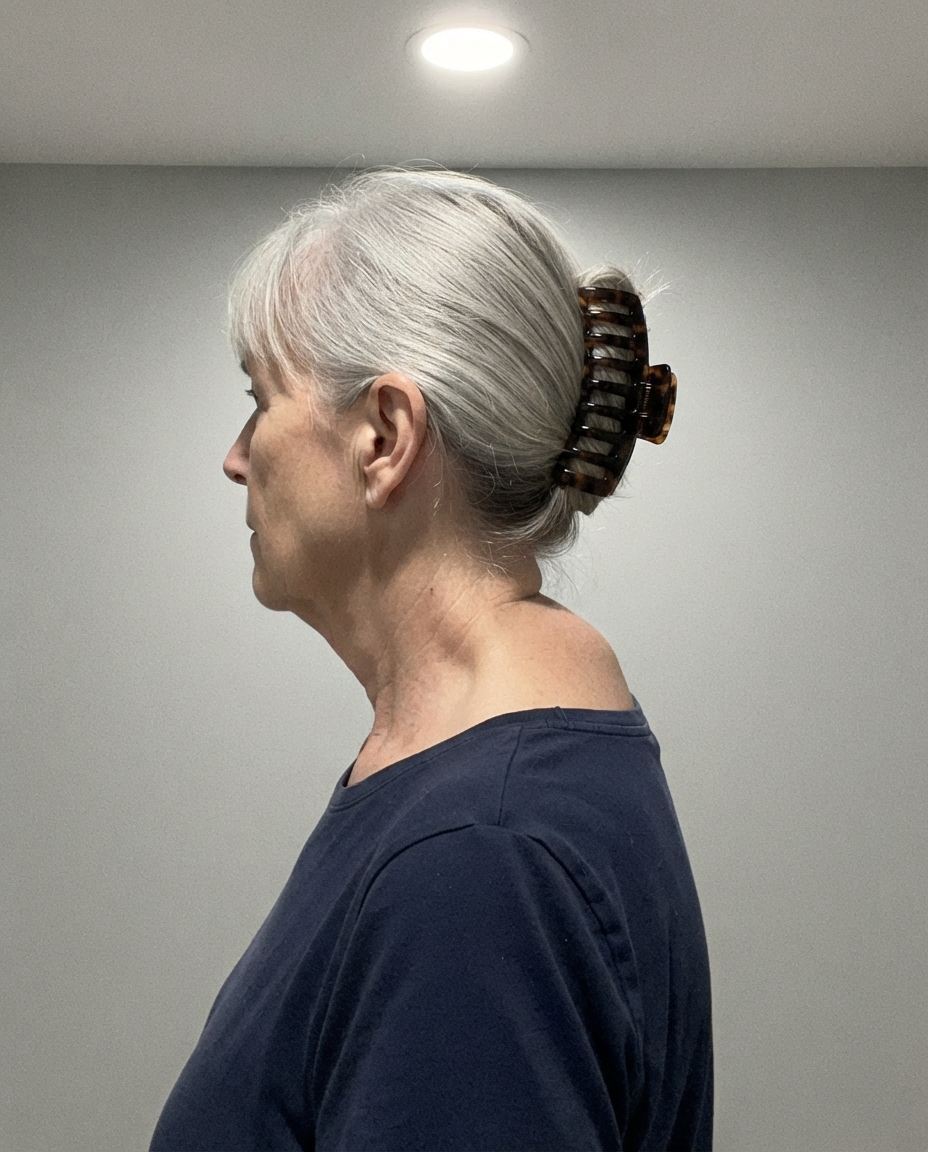
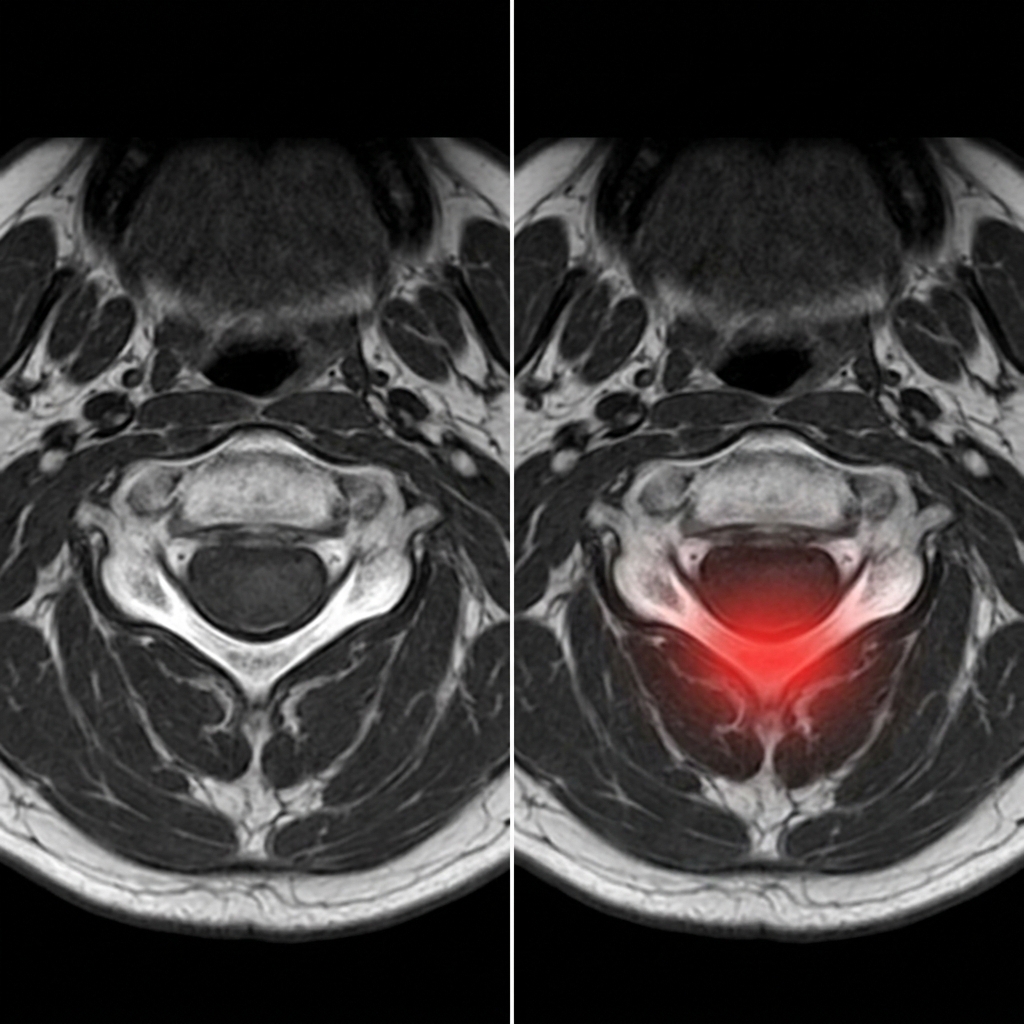
When my mother lived with me, she never had a single season of building. Not one. Her neck hump was being managed, I checked her exercises every morning, and I watched her profile at every visit. Eighteen months at my sister's house, and her profile has set further than it had in the previous five years combined. I found it by accident. I went over to visit, went to help her get ready, because I'm always the one who actually does it, and there it was. A profile that had built continuously for a year and a half while everyone around her thought the exercises were working. Nobody had told me. Nobody had been checking whether anything was actually holding. And the part that still keeps me up at night: it could have been prevented. Every bit of it. While I was asking them to actually monitor her measurements consistently, they were telling her to keep doing the same exercises that had been resetting every single morning. A faithful routine. The routine sat untouched as an actual solution for eighteen months because someone assumed that consistent effort in the surrounding muscles was the same as reaching the junction. That's the thing I've learned the hard way about caring for an aging cervical system. The stuff that feels like you're doing something — the exercises, the corrector, the cervical pillow — is usually the stuff doing nothing at the right address. I found that out from the manual therapist who finally assessed my mother properly. My mother ended up in an intensive programme. I've been driving her three times a week, off a demanding work schedule, waiting for the sessions to do what the exercises never did. The therapist didn't lecture me. She could see I was the one who actually cared. She said, "Can I tell you something nobody explains to families? This wasn't bad effort. And it isn't really about the exercises." She asked how many hours a day she was doing the morning exercise routine before sitting at her desk. "Every morning. She never missed a day." She nodded. "After sixty, the skull-spine junction signal weakens significantly. The deep cervical muscles that are supposed to release the tissue overnight stop receiving the instruction. The surrounding muscles compensate. And here's what families never get told —" She had me press my hand flat on the table. "Feel the surface? Now put a folded towel underneath and press again. Does it help reach what's underneath?" "Not really. The towel just compresses." "That's exercises. They feel productive when you're doing them. But the surrounding muscles activate and then the junction underneath stays quiet. The tissue that should be releasing overnight doesn't. It keeps setting. Silently, while she's going about her day and everyone thinks the programme is working." "So the exercises she was doing—" "Were the exercise version of that towel. They made everyone feel like the problem was being handled." I asked her what clinics do, because clearly they know something families don't. "We don't add more surrounding muscle work. We reach the junction directly. Think of putting your hand into water — the water surrounds every part of it, no single point stays unreached. Junction-specific input does the same thing. It doesn't work on the surrounding muscles. It reaches the address where the signal broke down." That evening, in the clinic car park, I searched for it. Not "best neck exercise for elderly" — I knew that search was useless now, it's just routine sheets with a thousand recommendations from people who had followed them for a week. I searched what she actually told me to. Skull-spine junction input. Gravity-assisted pressure. The exact placement kind that positions at C1-C2 instead of the surrounding musculature. The thing clinics deliver in sessions. Most of it was $200 session protocols and $3,000 intensive programmes. Then I found one a manual therapy forum kept recommending. Same junction-specific mechanism, designed for home use before bed. $44.95. I'd spent more than that on the correctors and pillows that did nothing. When my mother finally came home, to my house this time, I put it on her nightstand before she ever went to sleep. It doesn't look dramatic. It looks almost clinical. A month ago I'd have scrolled right past it. But I wasn't shopping for comfortable anymore. I was shopping for the right address. The visiting therapist pressed it on her first home check. "This is what we use as the take-home protocol in our clinic," she said. "Where did you get this?" That was a few months ago. The morning stiffness has resolved. My evening check-ins, the ones that used to worry me, are routine now. The profile has measurably changed. No new building. I'm still angry at how it happened. I don't know if that ever fully goes away. But for the first time since I saw those measurements, I'm not afraid. I know the junction she carries isn't quietly setting further. I got that part right. If you're the one in your family who actually shows up — the one who drives her, checks her measurements, fills the prescriptions nobody else will — please hear what I wish I'd known before the profile set further than it needed to: Effort doesn't mean address. A programme that activates the surrounding muscles consistently will show excellent strength results while the junction underneath stays quiet, no matter how many stars it has. What she needs isn't more surrounding muscle work. It's junction-specific input — the delivery mechanism clinics have used for decades, scaled down for the nightstand at home. The tool I use is the Cevera Posture Release Tool. Link below. You can't make everyone in your family care the way you do. But you can put the right thing on her nightstand. Take one fear off your list. You've earned that. 👉 https://trycevera.com/pages/adv-womens-wellness-report
It could have been prevented. 👆
A junction-specific release tool that addresses morning stiffness and cervical profile building. Sustained gravity-assisted input delivers what exercises can't reach — the skull-spine junction directly — without sessions, without correctors, without ongoing appointments.
LEARN MORELike this ad? Make it yours.
Crush rebuilds this exact creative around your product — your brand, your colors, your offer — in about a minute.