
Inactive· since Jul 2, 2026
- 12
- days it ran
- 0
- relaunches
Ad copy
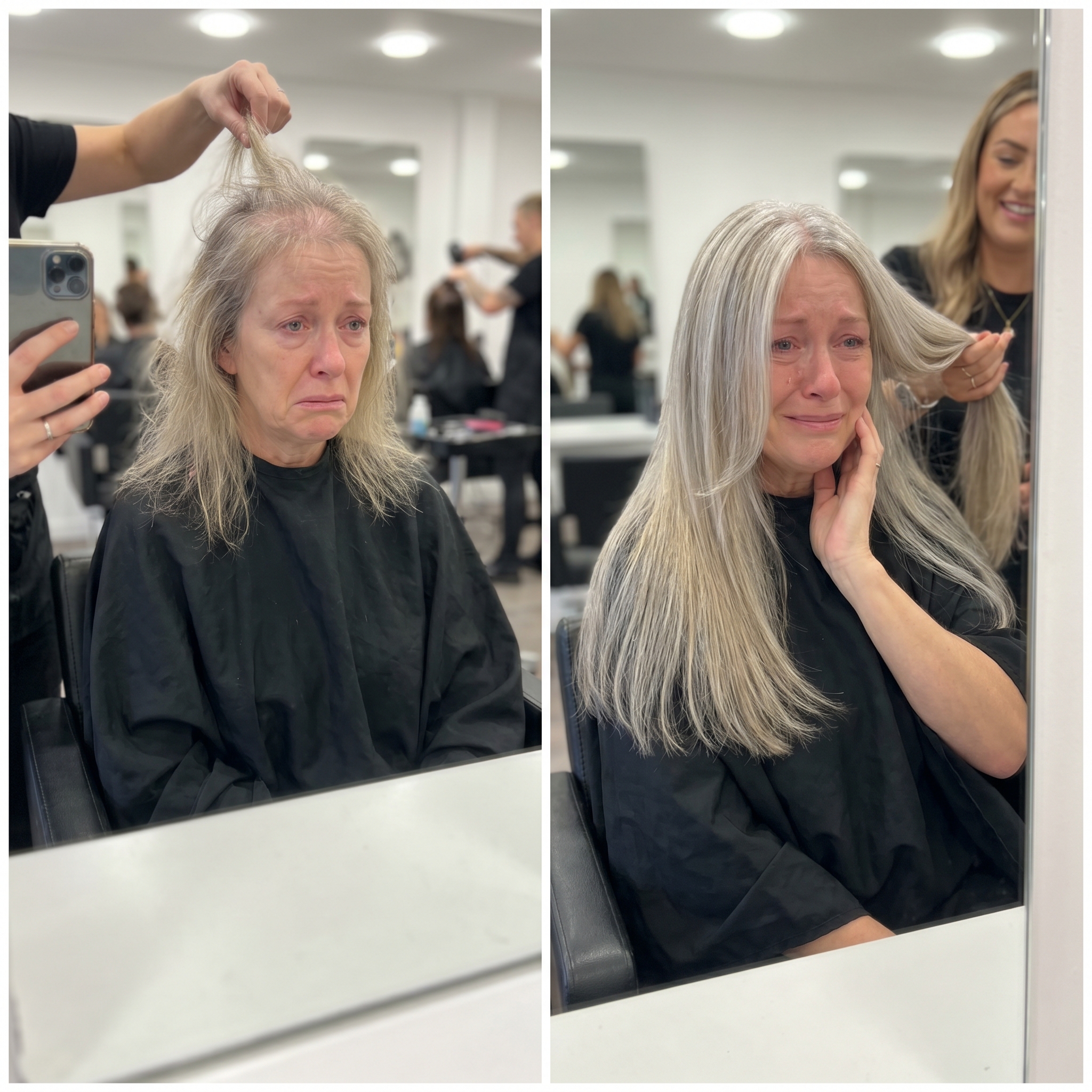
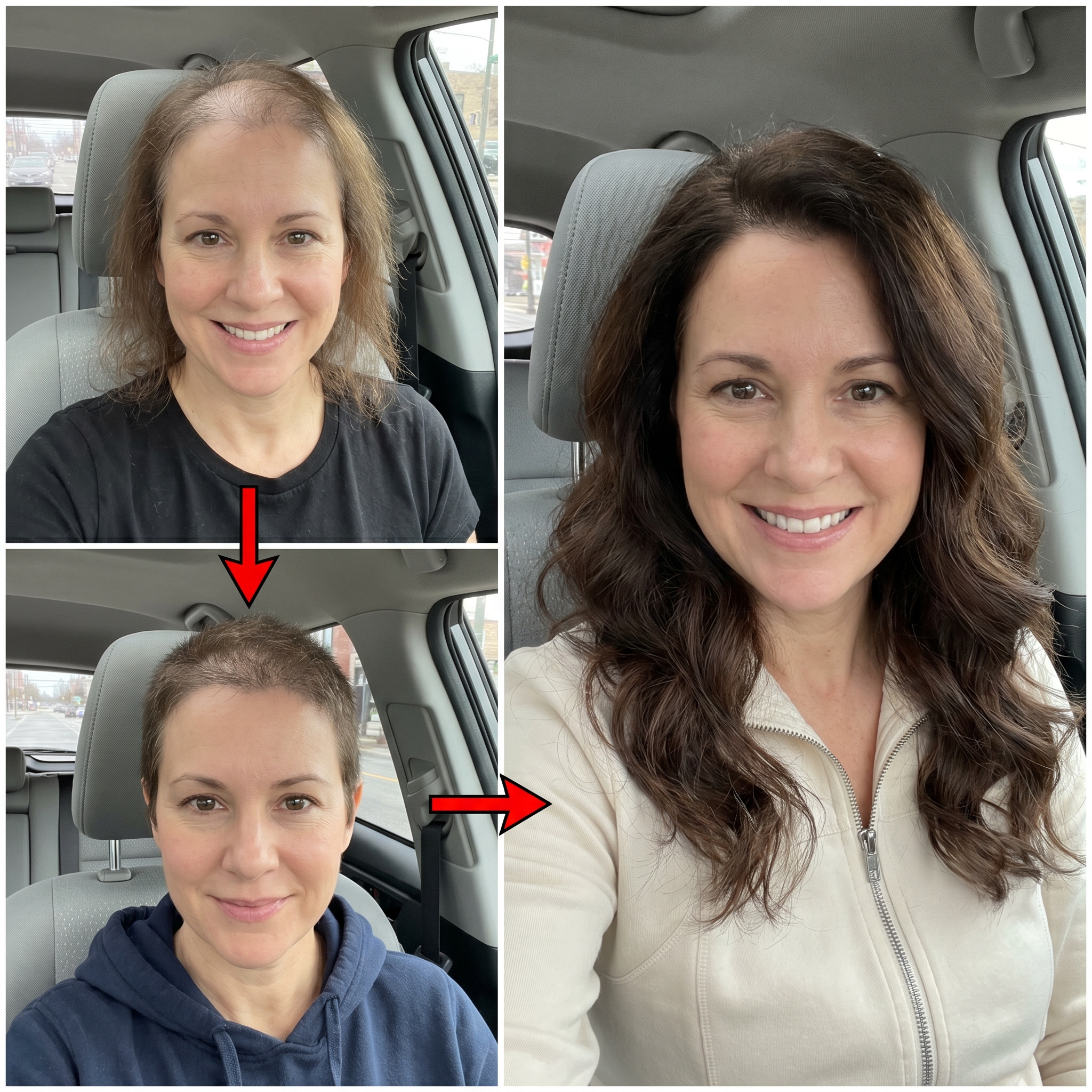
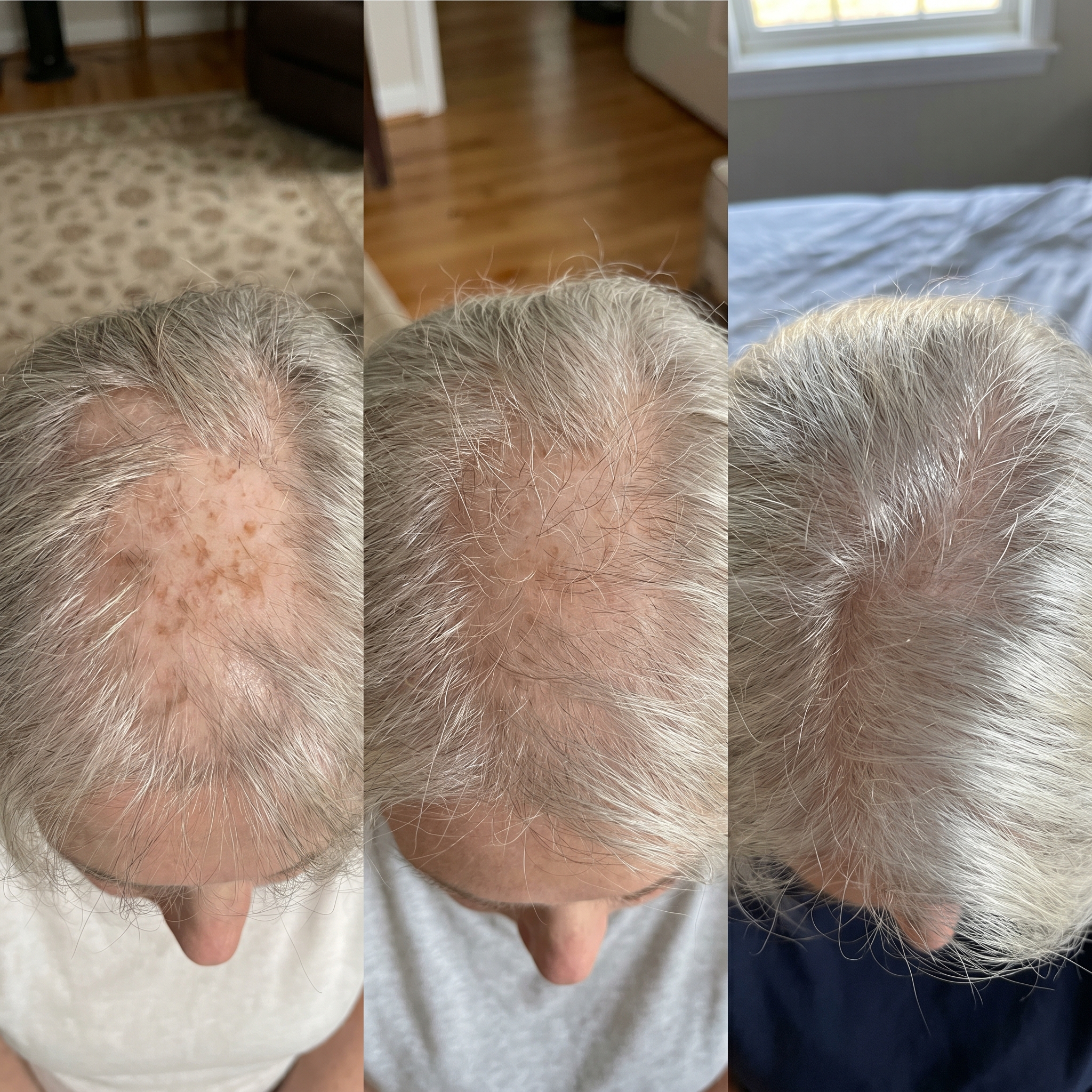
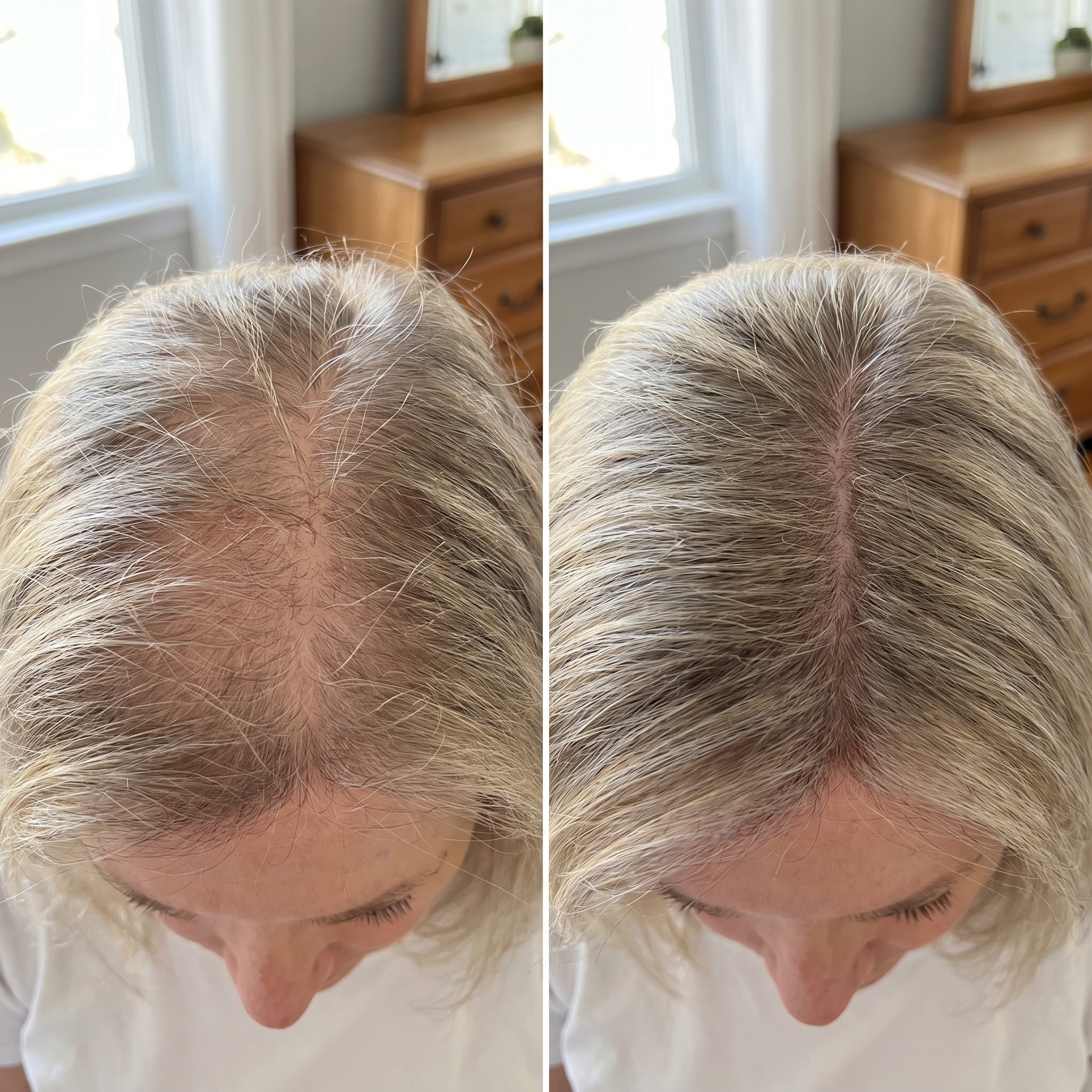
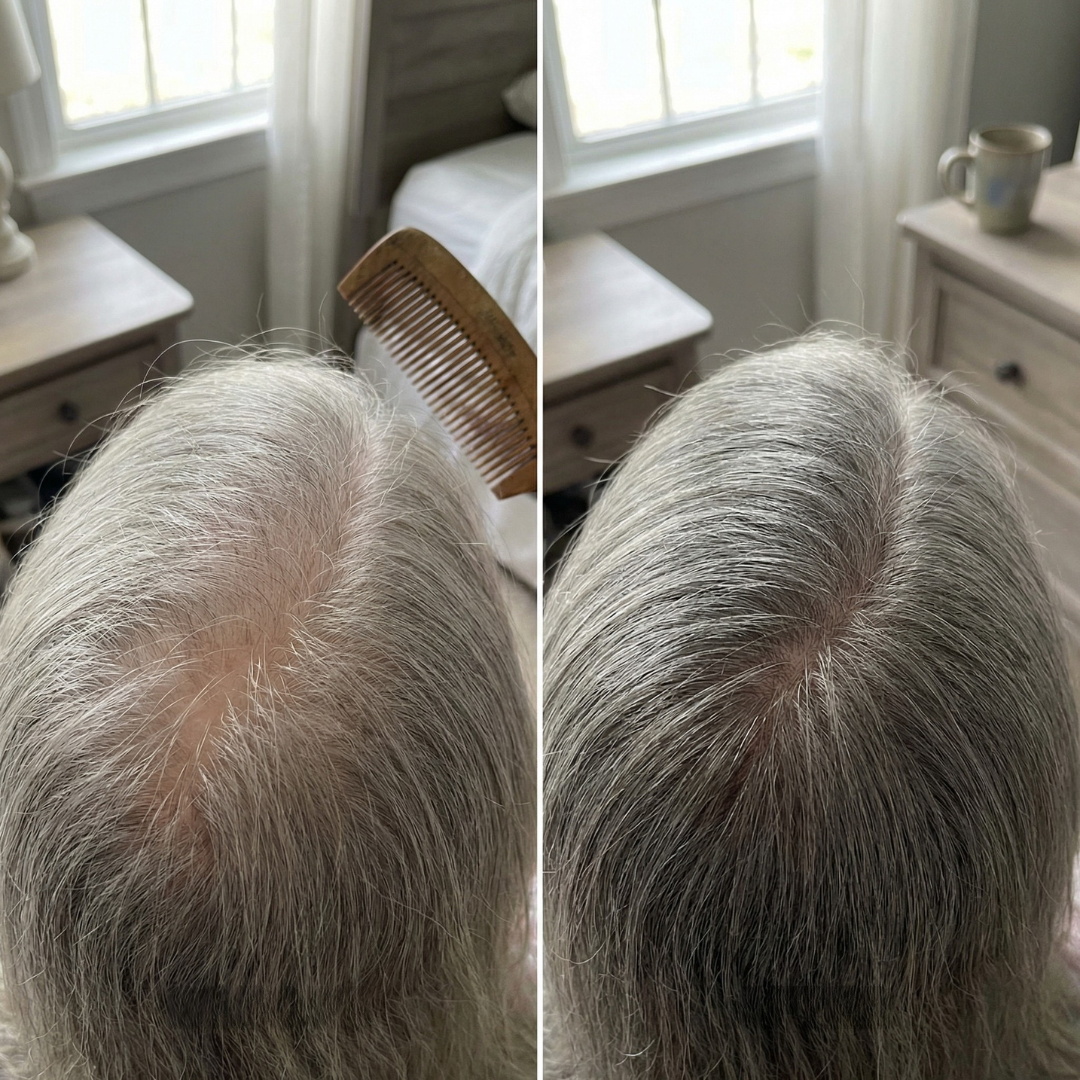
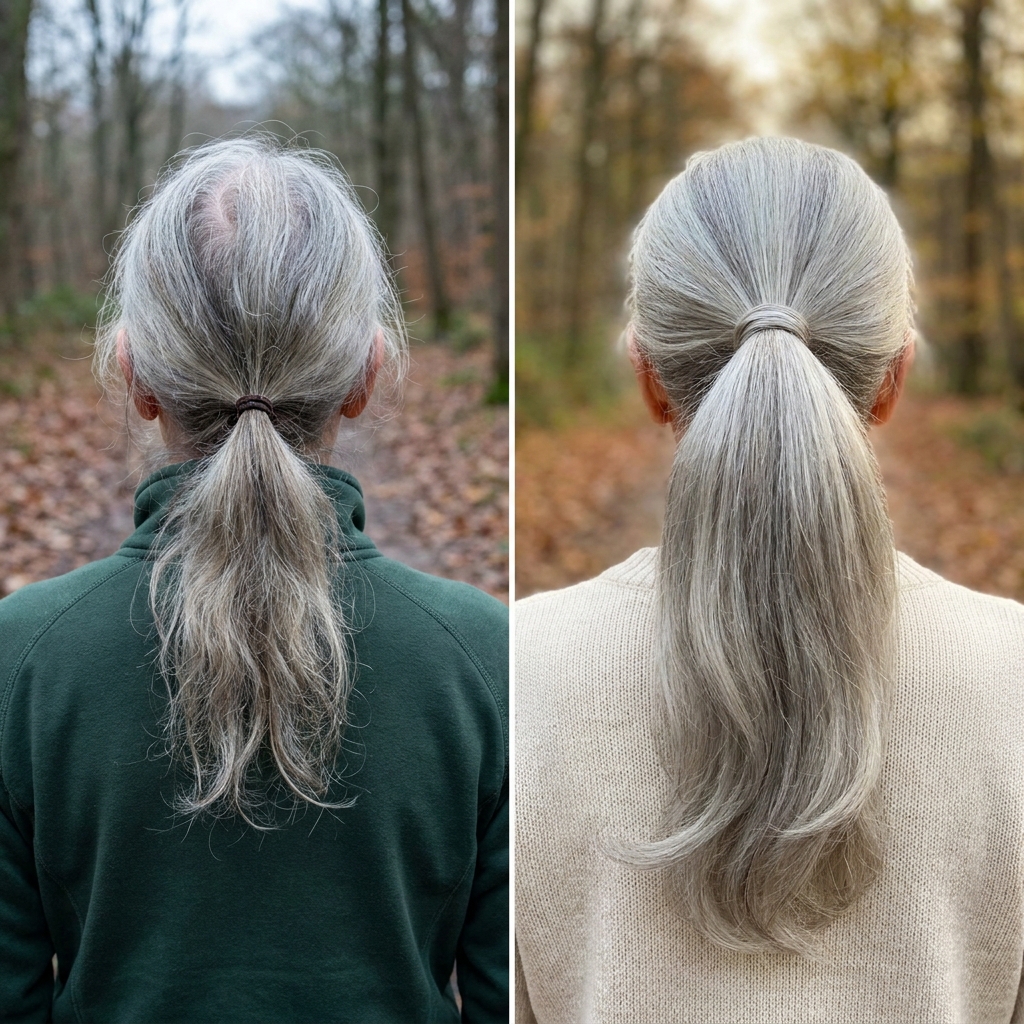
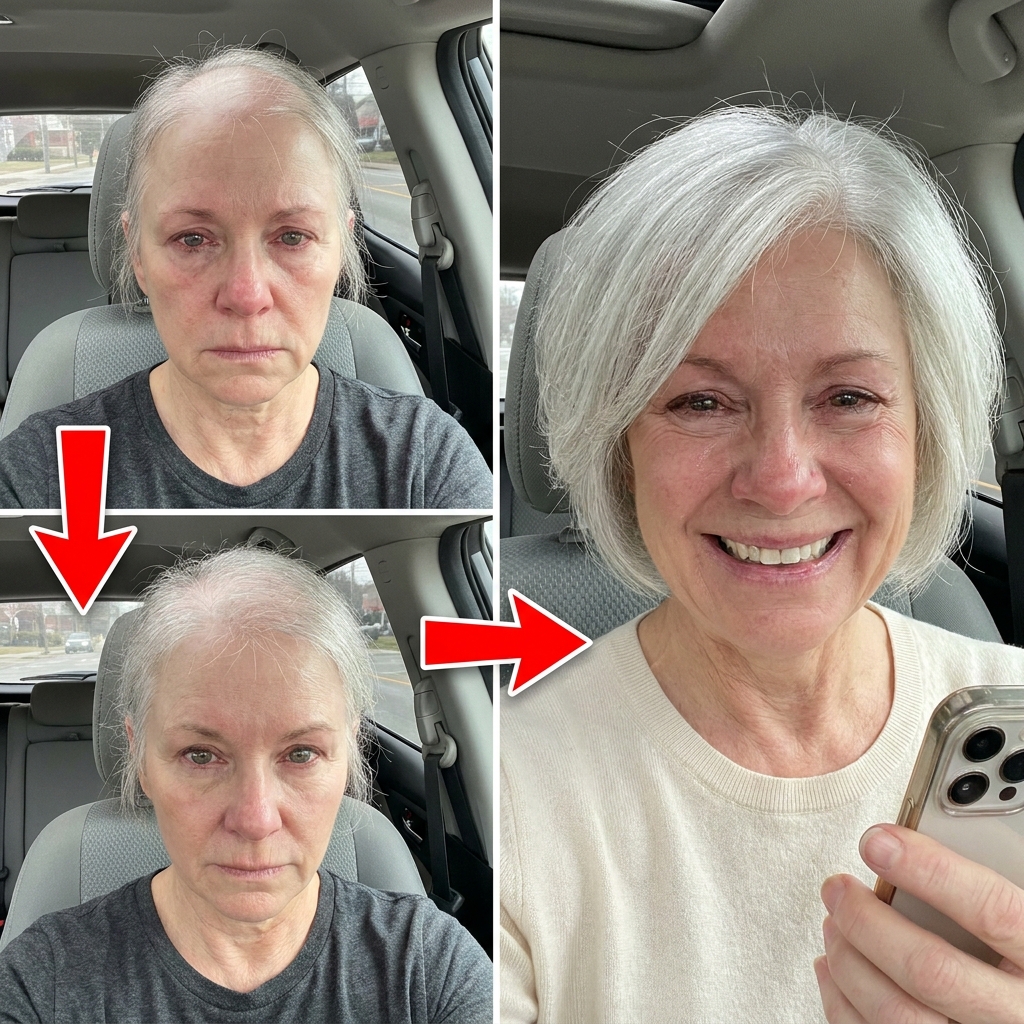
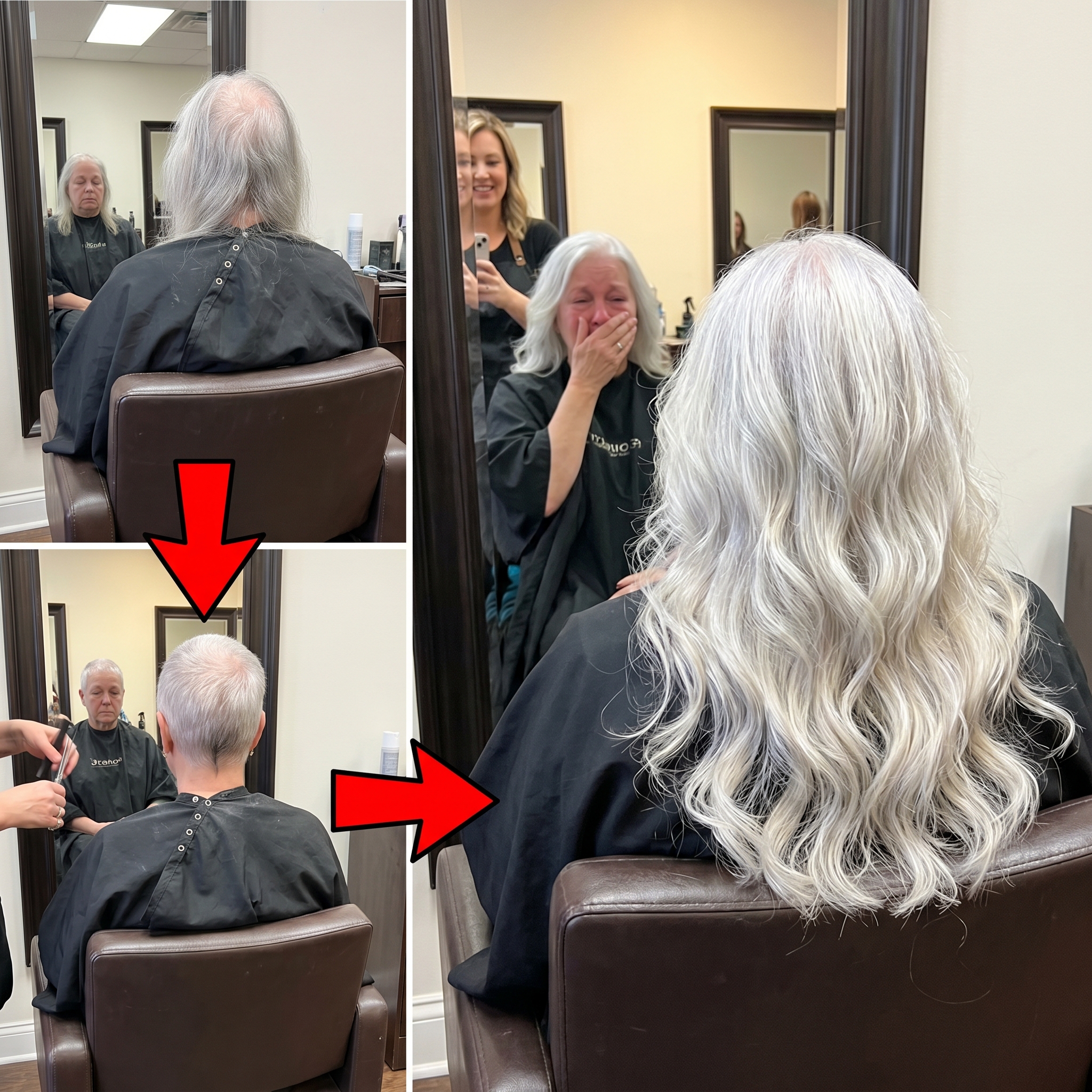
Before you buy another hair product, read where it actually ships from. Most of what is sold to British women with thinning hair never leaves a British warehouse, and was never built around the one mechanism that matters. I work in an opticians' practice in Newcastle, fitting frames and running the pre-test machines, and I am sixty-one. I know the difference between a thing that has been measured and a thing that has merely been described. So when I first read about Mellenza, the line that stopped me was not the promise. It was the doubt I brought to it myself: it does not even contain minoxidil, so where exactly is the proof. That question sat with me for weeks. I had spent three years being sold things that came with confident language and no mechanism, and I had grown allergic to the confident language. I wanted to know what the thing did, at the follicle, in words I could check. What no one had explained to me, in three years of looking, was that the mechanism behind menopausal thinning is not a mystery, and it is not the final word I had been quietly led to assume it was. I had begun rearranging my parting on the way to work each morning. That was the through-line of those years. I would do my hair at the mirror, then catch the overhead light in the lift on the way up to the practice and move the parting an inch to the left, and again at the front desk in the reflection of the dispensing cabinet. By the time the first patient sat down I had rearranged it three times. The crown had started thinning at fifty-six and the part had widened steadily after that, and the morning ritual of hiding it had become so automatic that I stopped noticing I was doing it. What I noticed instead was the photographs. My daughter was finishing a degree she had gone back to study in her thirties, and I knew a graduation was coming, and I knew there would be a hall full of cameras, and I had already started planning where I would stand. I did not go to my GP straight away. When I did, at the practice down on the coast road, I got what most women my age get. Bloods, to rule out the things the NHS is obliged to act on. Thyroid in range. Iron in range. A kind doctor with not very long, who told me it was likely the menopause and that there was not a great deal the NHS could do about that, and had I tried a good shampoo. I had. There was nothing she could prescribe. She wished me well. So I did what you do. I spent. Minoxidil first, the women's strength, because everyone mentions it. Six weeks. My scalp turned dry and flaked at the part, and the early shedding it warns you about frightened me badly enough that I stopped. Forty-odd pounds, abandoned in the bathroom cabinet. HRT, prescribed for everything else the change was doing to me. It helped the nights and the moods and a dozen other things. It did nothing for my hair. Transformed everything except the one thing I was watching in the mirror each morning. Biotin, on a colleague's recommendation. Five months, around ninety pounds across the tubs. The part kept widening. A Nutrafol order placed late one Sunday evening when I had been looking at old photographs and could not sleep. Three months at the better part of seventy-five pounds a month. The part kept widening. A salon scalp treatment course in town, three sessions, two hundred and ten pounds, warm and pleasant and entirely temporary. And a laser cap, bought half-price in a sale, worn faithfully in front of the television three nights a week for the better part of a year, until I packed it back into its box. Comfortably over six hundred pounds, plus the slow wearing-down of the woman I had been before any of it started. Not one of those things had been built around a mechanism. They had been built around hope, and I had supplied the hope myself. Here is the mechanism, which I eventually made myself sit down and understand, the way I would learn a new lens coating before I recommended it to a patient. As estrogen drops through and after menopause, the local DHT activity at the scalp rises. DHT shortens the anagen phase, which is the growth phase of the hair cycle. The follicle spends less and less time producing and more and more time dormant. Each hair it does manage comes through finer and shorter than the last. And then, eventually, it appears to stop. But the follicle is not dead. It has been silenced. The stem cells are still there. The blood supply is still there. Because the silencing happens locally, at the scalp, the interruption has to happen there too. Topical caffeine has been studied for exactly this since the early 2010s. Applied directly to the scalp, it blocks 5-alpha-reductase at the follicle, which extends anagen again, which gives the silenced follicle the chance to wake and resume producing. That was the proof I had been demanding without knowing how to ask for it. Not a marketing claim. A mechanism, local and specific, that I could follow from cause to effect. Mellenza was the first thing I found that had been formulated around it rather than around the hope. A topical scalp serum, sprayed on the crown, the part and the temples at night. Caffeine to block 5-alpha-reductase at the follicle. Polygonum multiflorum root extract, from Korean dermatology research on follicle proliferation. Arginine for microcirculation. Biotin to support the integrity of new growth. Ginger extract for anti-inflammatory scalp support, which mattered to me after what the minoxidil had done. Not a shampoo. Not a volumiser. Not a thing you put inside you. A spray, on the scalp, at night. A wake-up call for follicles that have been chemically silenced for years. And, to the doubt I had opened with, it ships from the United Kingdom. I had been bitten before by things that dressed themselves up as British and arrived weeks later from somewhere else. This did not. It came from a UK warehouse, quickly, which for a woman who had read enough packaging to be suspicious was its own quiet kind of reassurance. I committed to twelve weeks. I made myself, because I had learned by then that thirty days tells you nothing about a hair cycle. Week 4. Less hair gathering at the plughole. I had been counting, privately, for years. The count fell. Week 6. The lengths I still had began to carry a weight I recognised, less the fragile, flyaway feel of the thinning years and more like hair that meant to stay. Week 9. I photographed myself at the bathroom mirror, same light, same angle as a picture from months before. The parting was narrower. Along the edge of it, short and fine, the kind of new growth I had decided, somewhere in the laser-cap year, was no longer available to a woman of my age. Month 4. A patient I had not seen in a long while sat down for her fitting, looked at me across the dispensing desk and said my hair looked well. Unprompted. I had not mentioned a word of it to anyone. Month 5. I stopped rearranging the parting in the lift. I realised it one morning at the front desk, catching my reflection in the cabinet glass and finding that my hand had not gone up to my head. The ritual had simply stopped. The graduation came. The hall had tall windows down one side and the afternoon sun came straight through them onto the rows, the exact light I had spent three years stepping out of. My daughter crossed the stage, and afterwards in that bright hall the cameras came out, and I did not plan where I stood. I stood next to her, under the windows, in the full of the light, and I did not once put my hand to my parting. If you have read the back of enough boxes to have stopped believing what is printed on the front, I understand the doubt completely. The mechanism is real. The silencing is local, which is why the interruption is topical, applied at the scalp rather than worked from within. It will not show you anything in thirty days, and it asks for the full twelve weeks. The link is below. Mellenza ships from the United Kingdom with a 90-day money-back guarantee, a complimentary scalp massager, and an ebook on the menopausal hair cycle.
Most hair products sold to British women never ship from Britain
Women's Health · Updated April 2026 Menopause · Hair Routine 7 Mistakes That Make Menopausal Hair Loss Worse, And the 30 Second Ritual 10,000 Women Used to See Regrowth in 8 Weeks Dr. Sarah Mitchell — Women's Health Writer. If you're standing in front of the mirror doing the 3-elastic ponytail t...
LEARN MORELike this ad? Make it yours.
Crush rebuilds this exact creative around your product — your brand, your colors, your offer — in about a minute.