
Inactive· since Jul 22, 2026
- 16
- days it ran
- 0
- relaunches
Ad copy
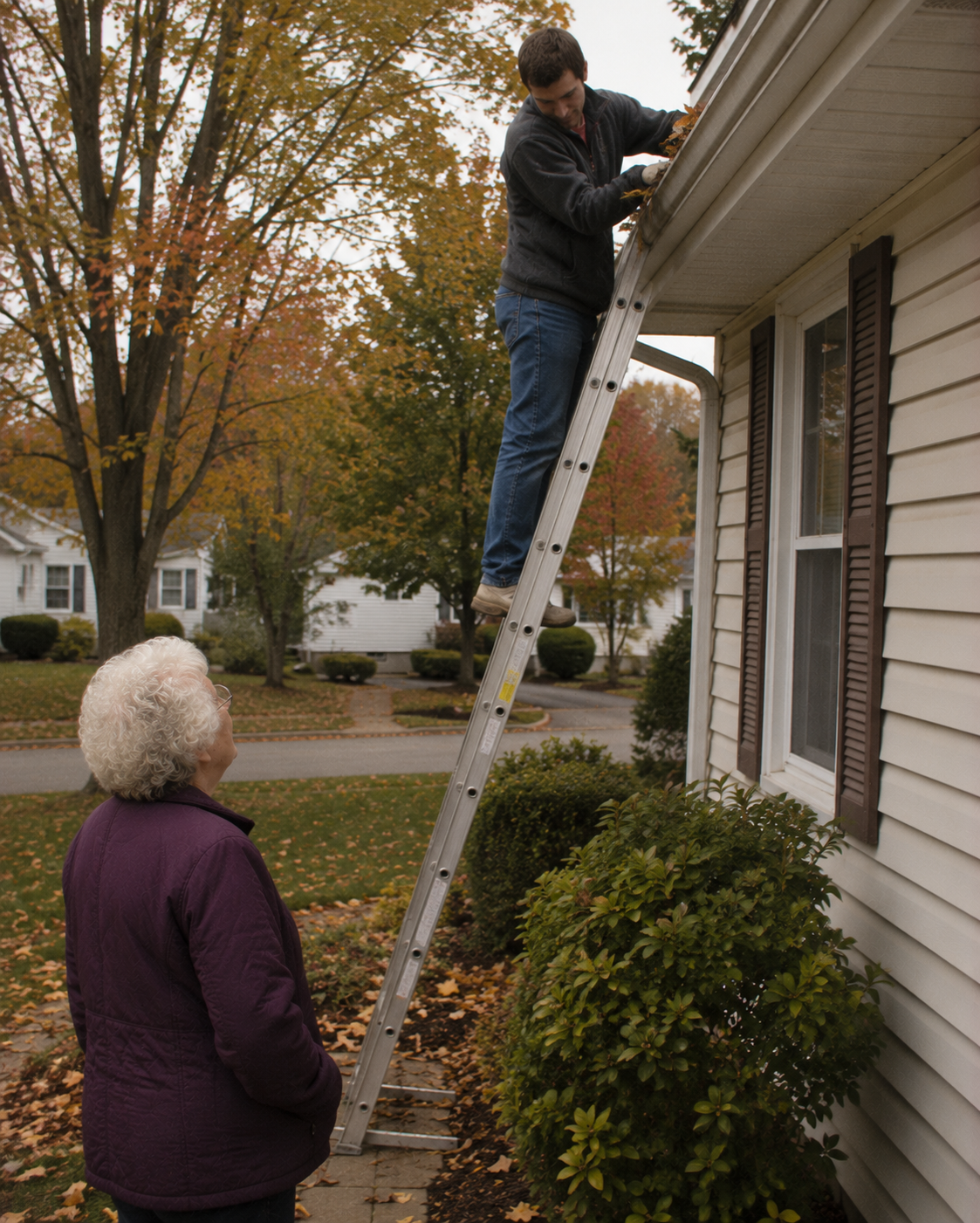
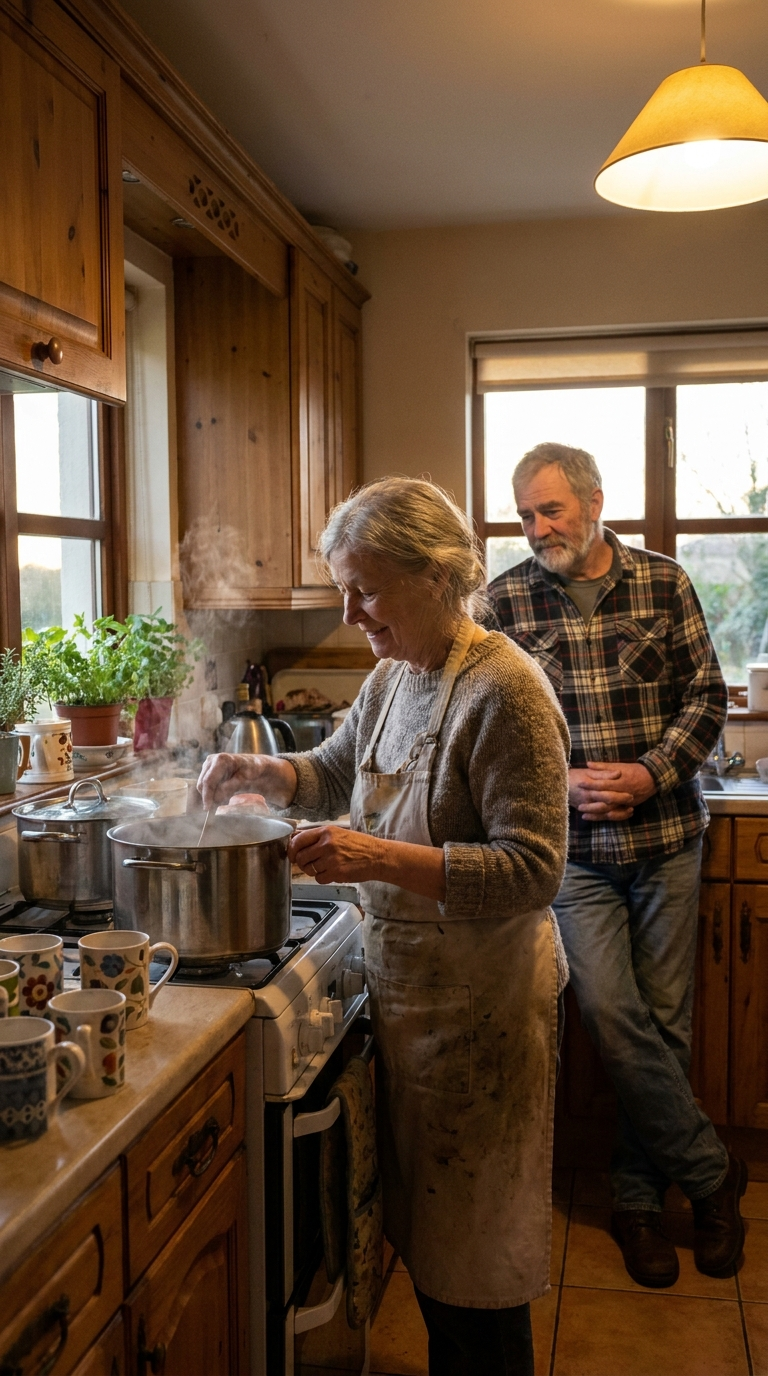
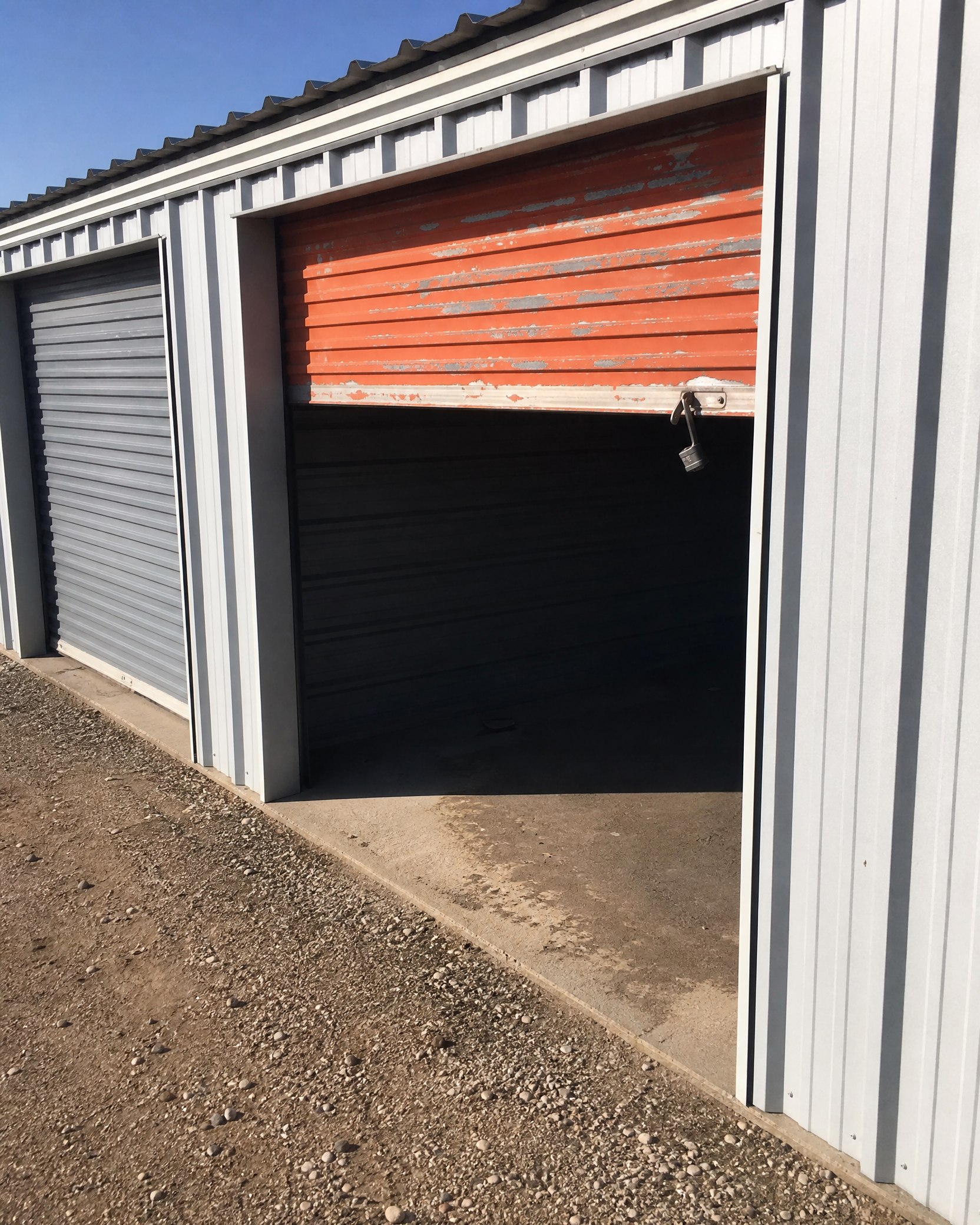
3 days after we buried my brother, his forgiveness found me. His widow called me that morning. Her voice was flat and hollow over the line, exactly the way it had been at the reception after the funeral. She did not ask how I was doing. She did not offer any empty condolences. She just said there was a storage unit across town, out past the county line on Road 9, and it was rented in my name. She said she did not know what was inside it. She had not seen the key. She had not seen the paperwork until she started going through his desk. She said to bring bolt cutters. What that call meant took me another month to face. Vern was 6 years older than me. That does not sound like a lot when you are 54, but when you are 11, 6 years is the entire world. It is the difference between a boy and a man who has to suddenly carry the weight of a broken family. He raised me after Mom died. It was a Tuesday in November. Highway 40. Black ice on the overpass. The sheriff came to the school and pulled us both out of class. I was in the fifth grade, sitting in math. Vern was a senior in high school, looking at college brochures he threw in the trash that same afternoon and never looked at again. Dad survived the crash, but he went somewhere inside himself and did not come back for years. He worked, he sat at the table, he was in the house, but the silence was absolute. The grief hollowed him out until there was nothing left but a shell going through the motions of a life. Vern became the parent. He took over. Just like that. No hesitation. No complaints. He packed my school lunch in a recycled Wonder Bread bag every single morning for 6 years. He made sure there was a sandwich, an apple, and whatever else he could afford on the wages he made working the early shift at the feed store before the school bell rang. He made me sit at the kitchen table, the heavy oak table Dad built with his own hands, and do my homework until 8 o'clock at night. He would sit across from me, reading manuals on diesel engines, making sure I did not skip the math problems I hated. He never missed a single baseball game I played in. Not a single game. He would stand by the chain-link fence, grease still on his hands from the shop, watching me strike out or get a hit, and he always nodded first when I walked back to the dugout. Vern was more of a father to me than the man in the house was able to be. Then came the fight in 2007. It was not about nothing. It was about everything. We were drowning in medical debt trying to cover the hospital bills for Dad's second amputation. The bank was circling. The collection agencies were calling 3 times a day, their voices sharp and demanding, threatening to take everything we had built. I wanted to sell the family quarter-section. For anyone who does not know, a quarter-section is 160 acres of farmland. It was the land our grandfather cleared and turned into farmland with a horse-drawn plow. It was the only thing we had left of value. I wanted to sell it, pay off the hospital, get the bank off our backs, and breathe again. Vern did not. He looked at me like I had just suggested burning the house down with us inside it. He said the land was the blood. He said you do not sell the blood to pay the butcher. We fought in the driveway. The kind of fight where you say the things you can never take back. The things you know will cut the deepest because you know exactly where the armor is thin. We stood in the dirt and tore each other apart until there was nothing left to say. I threw my bags in my truck. I backed out of the driveway, spitting gravel into the ditch. I left. And neither of us called the other for 19 years. My name is Dale Kessler. I am 54 years old. I run the grain elevator in town. The tower where local farmers bring their grain to be dried, stored, and shipped out on rail cars. It is loud, dirty, dangerous work, and I am good at it. I know the machinery better than I know myself. My flaw is that I run from things by outworking them. If something hurts, if a memory creeps up, if a regret starts tapping on my shoulder, I do not sit with it. I put in a 14-hour shift. I let the roar of the machinery and the exhaustion in my shoulders bury it so deep it cannot breathe. Vern's flaw was exactly the same. I remember standing in the hospital hallway the morning the surgeons took Dad's foot. This was 2006. Before the fight. Before the silence. Dad was 5 years into his 12 years on the pill. Vern and I stood shoulder to shoulder outside the recovery room, watching the nurses walk in and out with clipboards and IV bags. The smell of bleach and institutional floor wax was so thick it coated the back of my throat. The fluorescent lights buzzed overhead, a constant, irritating hum that made the waiting unbearable. Vern was holding Dad's glucose logbook. He always kept meticulous records. It was a habit he picked up when he had to manage the household budget at 17. Every number, every date, every decimal point logged in a small, spiral-bound notebook. He flipped through the pages, staring at the columns of numbers. His jaw was tight. His knuckles were white where he gripped the spine of the book. "The doctor shook his hand this week," Vern said. He did not look at me. He was staring at the closed wooden door of the recovery room, as if he could see through the wood and into the sterile room beyond. "Told him the numbers looked fine." I did not know what that meant then. I just knew Dad was missing a foot, and the doctor had smiled and said everything was fine. I also did not know that Vern would get his own diagnosis 6 years before I got mine. I did not know he would keep it a secret from me. I did not know he would spend the next 6 years trying to solve the puzzle that the doctor with the smiling face and the shaking hand had completely missed. 19 years of silence ended at Vern's funeral. It was a Tuesday. Our family loses its people on Tuesdays. It was raining. The kind of cold, driving Kansas rain that turns the cemetery dirt to heavy clay and makes the sky look like a bruised plum. I stood at the back of the tent, water dripping from the brim of my hat. His widow, Sarah, was cold at the reception. She did not offer a hug. She just handed me a paper plate with a piece of dry cake and looked past my shoulder. "Vern got his own diagnosis 6 years ago and turned it around. Nobody knew how." She said it in a flat voice, then walked away. I did not react. I was too deep in the anger of the day to register what she had just handed me. I just stood there holding the plate, watching her walk back to the family I was no longer part of. His grown kids, nieces and nephews I had not seen since they were in grade school, treated me like a stranger who had wandered into the wrong church. They spoke in hushed tones when I walked past. They looked at me with a mixture of pity and resentment. When it was time to carry the casket, I stepped forward. I thought, this is it. This is the moment I finally get to be his brother again. But Vern's grown son stepped in front of me, his shoulder blocking my path. He and 5 men from the agricultural co-op lifted the heavy brass handles. Nobody asked where I was. Nobody looked my way. I watched the men who worked with him carry my brother to the ground while I stood in the mud, entirely alone. 2 days later, they read the will. I sat in the lawyer's office. The wood paneling felt close, suffocating. The air smelled like old paper and stale coffee. Vern left everything to his family. The house on Elm Street. The truck he rebuilt from the frame up. The savings account he built working 60-hour weeks. And the tools. The heavy steel wrenches, the socket sets, the micrometer he used to teach me how to splice a drive belt when I was 15. The tools that felt like an extension of his own hands. Those went to his nephew. The kid who went to college for marketing and did not know a spark plug from a lug nut. My name appeared nowhere in the document. Not a single line. Not a single dollar. Not a single memory. I walked out of the lawyer's office, got in my truck, and drove 200 miles east. The tires hummed on the wet asphalt, but all I could hear was the silence. The wound was burning in my chest, a hot, heavy coal that I could not swallow and could not spit out. I meant nothing. The man who raised me, the man who packed my lunches and checked my math homework, had erased me completely. I was a ghost he had finally chosen to bury. 3 days after the burial, the phone rang. It was Sarah, Vern's widow. "There is a storage unit," she said. Her voice was still that same flat, hollow tone. "Out on County Road 9. It is rented in your name. The rent is paid through the end of the year. I do not have the key." I did not say anything. I just stood in my kitchen, holding the receiver, listening to the static on the line. "Bring bolt cutters," she added. "There was an accident at the shop in March. It was fast. He did not suffer." She hung up. I drove past that storage unit every day for 3 weeks. It was the same long row of corrugated metal doors where Dad used to rent a space for his old tractor parts. Unit 42. I could see the faded orange paint on the door from the highway. The paint was peeling in long, dry strips. Every time I drove past, my hands gripped the steering wheel tighter. I knew Vern's handwriting was on that rental agreement. I could picture the sharp, slanted letters pressing into the carbon copy paper. But I could not stop. I could not pull the truck over. I could not face what my dead brother had left for me. A box of worthless junk. A final rejection with no way to answer back. I was terrified that opening that door would confirm what the will had already told me, that I was nothing to him. So I did what I always do. I outworked the guilt. I outworked the anger. I picked up extra shifts at the elevator. 14 hours a day, breathing grain dust, listening to the roar of the dryers, coming home so exhausted I fell asleep in my work boots. I tried to bury Unit 42 under a mountain of wheat and corn. I tried to pretend it did not exist. Then my body forced me to stop. I went to my doctor in the city 40 miles east. A routine checkup required by the commercial driver's license I needed for the elevator trucks. I sat on the exam table. The paper crinkled loudly in the quiet room. The walls were painted a sterile, calming blue that did not calm me at all. Dr. Evans walked in, looking at his laptop. He did not make small talk. He did not ask about the harvest. He just turned the screen toward me. "Dale, your A1C is 6.8," he said. His voice was clinical, practiced. "Your fasting glucose is 142. We are past the warning stage." I stared at the numbers. They did not mean anything to me, but I knew the tone. It was the tone doctors use when they are delivering bad news they deliver every single day. "We need to start you on Metformin," he continued, already typing the prescription into the computer. "500 milligrams twice a day. It is the gold standard. Take this, watch your carbs, and we will see you in 90 days to check the numbers." "No." The word came out before I thought about it. It bypassed my brain entirely and came straight from my gut. It was a visceral, physical rejection of the word Metformin. He stopped typing and looked up over his glasses. "Dale, this is not a suggestion. This is a straightforward medical protocol." "I said no. Not yet. Give me time." He leaned back in his chair and crossed his arms. He looked at me the way a teacher looks at a stubborn student who refuses to learn the lesson. "I can give you 90 days," Dr. Evans said. "But if this does not improve, if that number does not come down, we are having a different conversation. And next time, I am not going to be asking." I drove home with my hands shaking on the steering wheel. I knew the signs. I had been outworking them for 2 years, pretending they were just the cost of getting older in a hard job. The 2 o'clock fade. It was not just being tired. It was a heavy, crushing weight that hit so hard I had to move from the loading dock into the air-conditioned office just to stay on my feet. I would sit at the desk, staring at invoices, my vision blurring, waiting for the crash to pass. I thought it was just the heat. I thought it was just a long shift. The morning tremor. I would wake up and my hands would shake. A fine, vibrating tremble that I could only see when I held them flat over the kitchen counter. I blamed it on the cold coffee. I blamed it on the vibration of the heavy machinery at the elevator. I blamed it on everything except the truth. And the feet. The cold that lived in my feet through 3 winters. I would get out of bed and press my soles into the floor, waiting for the feeling to register before I took a step, exactly the way I once watched Dad do it. My steel toe caught on the loading dock lip twice last month because I could not fully feel where my foot ended. My body could not decide what to do with the sugar it had, and I could not predict it from 1 hour to the next. I walked into my kitchen and dropped my keys on the counter. And then I saw it. Dad's Metformin bottle. I had taken it from the old farmhouse after Dad's funeral in 2014. Vern and I stood 10 feet apart at the same grave that day and neither of us crossed the gap. Afterward, I walked through the empty house alone and took a single thing, the pill bottle off the windowsill. The man who outworks grief kept the single object he should have thrown away. It had been sitting next to my radio ever since. A little brown plastic cylinder with a faded white label. Dad's name printed in dot-matrix ink. Metformin. 500mg. The gold standard. The same pill Dr. Evans had just tried to hand me. The same pill Dad took every single day while his body fell apart piece by piece. Then the second collision hit me. It hit me so hard I had to grab the edge of the sink to keep from falling. Sarah's line at the reception. The line had been echoing in the back of my mind for 3 weeks. "Vern got his own diagnosis 6 years ago and turned it around. Nobody knew how." Vern got the diagnosis. He did not take the pill. He turned it around. And he rented a storage unit in my name. I did not change out of my work clothes. I did not grab a jacket. I grabbed my keys, walked out the door, and drove straight to County Road 9. I pulled up to Unit 42. The orange paint was peeling in long, dry strips. The heavy steel padlock looked brand new, gleaming in the afternoon sun. I pulled the bolt cutters from the bed of my truck. The metal snapped with a sharp crack that echoed down the empty row of units. I pulled the lock free, grabbed the handle, and threw the corrugated door up. It screamed on its tracks, a harsh, metallic grating sound. The unit was empty except for a single thing in the dead center of the concrete floor. A heavy-duty plastic tote box. Gray with a yellow lid. I walked in. The air smelled like dust and old paper. I knelt down on the cold concrete and popped the latches on the lid. Inside, resting on top, was Dad's original glucose logbook. The same logbook Vern was holding outside the recovery room. Under that, a thick stack of Dad's medical chart records. Under that, a thick manila folder, sealed. And sitting on top of all of it, a spiral-bound notebook. I picked it up. The cover was worn, the edges frayed. I opened to the first page. The handwriting was Vern's. Sharp, slanted, meticulous. "If you are reading this, it took you longer than a week. I know you, Dale." I stopped breathing. He knew. Even from the grave, he knew exactly how stubborn I was. He knew I would drive past it. He predicted the stall. I turned the page. "Dale. If you are reading this, I am dead and I ran out of time to call you first. I was going to call you. "I know you are angry about the will. I know you think I forgot you. I did not forget you. "I left the house and the truck to Sarah and the kids because they need them to survive. But I left you something else. "I left you Dad. Not the land we fought over. The reason we lost him. "I know you think I abandoned you. I know you think I did not care. "But Sarah told me you started taking breaks at the elevator by 2 in the afternoon. She told me she saw you rubbing your hands together at the diner, trying to get the stiffness out of your fingers. "The calls stopped 19 years ago, Dale, but the watching never did. "I have been watching you. And I built this box so you would not end up like Dad. "Dad took a pill for his sugar for 12 years. Every morning with his coffee. Never missed a dose. "His doctor checked his numbers every 6 months and every 6 months the number was beautiful. "The doctor smiled. Dad smiled. They shook hands. "Then they took his foot. Then the infection spread. Then he died. "But the amputation was not the beginning, Dale. The pill wrote a different story first. "The pill was the cover of the book, but nobody read what was happening inside. "Year 3, Dad's hands started going. Do you remember? The man who could strip a combine engine blindfolded in the dark. "I watched him stand at the kitchen sink, running scalding hot water over his fists every single morning for 10 minutes just to get his fingers to open. "The grip that used to bend a steel cotter pin bare-handed fumbled the plastic lid of his own pill bottle. He could not open it. I had to open it for him. "The doctor looked at his chart, saw the perfect number, and called it age. "Year 5, it was his feet. I would watch him get out of bed. He would not walk. "He would just stand there, pressing his bare soles into the cold linoleum floor, waiting, testing the feeling, waiting until he trusted his own feet enough to walk to the bathroom. "Then came the morning he did not trust them, took a step anyway, and fell hard against the dresser. "The doctor said neuropathy was common. Manageable. He said it while looking at a perfect A1C. "Year 8, his mind started slipping away. The fog rolled in. "He would start a sentence at the dinner table and just lose the end of it, staring out the window. "He would walk into the machine shed he built with his own hands and stand there, completely lost, forgetting what tool he walked in for. "He looked at me 1 afternoon and called me Dale. "The doctor called it age-related cognitive decline. "I watched our father disappear in pieces. First his strength. Then his hands. Then his feet. Then his mind. "And the whole time, for 12 years, the number on the doctor's clipboard was perfect. "6 years ago, when I was exactly your age, my doctor told me my A1C was 6.9. He handed me a prescription for Metformin. He told me it was the gold standard. "I did not fill it. I went looking for answers. "I met a retired pharmacist over in Ellis County. A man who had spent 40 years behind the counter at the county pharmacy and had watched his own patients walk down the same path Dad did. "A man who had spent 40 years dispensing Metformin and had watched what it did and did not do. "He explained what happened to Dad. He explained what was happening to me. "And I am going to explain it to you the way he explained it to me, using the only language you and I ever really understood. "Think of it like any drain system, Dale. Kitchen sink, culvert under the highway, irrigation ditch out on the west quarter. "The principle is the same. Water comes in. Water has to leave. If the outlet is closed, the water sits. "The pill you take turns down the well. It slows the pump. Fewer gallons of water go into the ditch. "The meter on the pump reads lower. The county water agent comes by, checks the meter, and he is happy. The number is down. "But the headgates are rusted shut. "The water that is in the ditch cannot get through the gates to the field. It backs up. It sits there. "And the crop is starving to death 40 feet away from water it cannot reach. "The headgates are your blood vessels, Dale. The lining of those vessels is what opens and closes them. "There is a molecule called nitric oxide that acts as the grease. It keeps the gates open. "When nitric oxide is present, the gates open wide. Water reaches the field. "Sugar leaves the blood and enters the cells where it gets burned for energy instead of destroying everything it touches. "But after age 40, the body makes up to 50 percent less nitric oxide. The raw material runs out. The grease is gone. The gates rust shut. "The pill Dad took turned down the well. It lowered the amount of sugar going in. "But it never opened the gates. It never touched the rusted headgates. It was never designed to. "And it gets worse, Dale. This is the part that killed Dad. "Every time you eat a meal, it sends water into the ditch. The body is supposed to clear it through the gates. "But the gates are narrowing, stiffening, rusting shut. So the water sits in the ditch longer than it should. The sugar lingers in the blood. "And that sitting damages the ditch walls. The lingering sugar acts like sandpaper on the lining of the blood vessels. "That damage rusts the gates even further. Which makes the next meal sit even longer. Which causes even more damage. "The cycle feeds itself. The stiffening feeds the trapping. The trapping feeds the damage. The damage feeds the stiffening. "And the pill is just sitting there reading the meter at the well, while the entire system collapses downstream. "Nobody in 12 years ever checked whether Dad's body had the raw material to open the gates itself. They just turned down the well and watched him die. "The retired pharmacist told me what gives the body back the raw material. What acts as the grease. What opens the rusted gates again. "It is in the manila folder, under this letter. Nothing more. Read the studies. See the proof. "There is a yellow card in this box. 4 things to look for. The retired pharmacist helped me write it. "Follow it exactly, Dale. Do not skip steps. Do not buy the cheap version off the shelf. "I am not leaving you a brand name, Dale. Brands get sold. Formulas change. Owners cash out. "I am leaving you the standard. Anything that passes all 4 lines on that card is the real thing. Anything that fails even 1 is not. "I raised you better than to cut corners on this, Dale. Follow the list. "I will see you when the work is done. "Vern" I set the notebook down on the concrete floor. I could not breathe. The air in the storage unit felt too thick, too heavy. I put my head in my hands and I wept. Not the quiet, stoic tearing up of a man who does not want to be seen. I wept until my chest ached and my throat burned. He did not hate me. He was waiting for me. For 19 years I carried the weight of thinking I meant nothing to him. I thought the silence was his punishment. I thought he had erased me from his life the day I drove out of the driveway, spitting gravel in my wake. But for 19 years, he was watching me. He was checking on me through Sarah. He saw the fatigue I thought I was hiding so well. He saw the stiff hands I thought nobody noticed. He spent 6 years sitting at a table figuring out how to save my life because he could not save Dad's. He built a lifeboat and locked it in a concrete room, knowing exactly how long it would take me to finally open the door. I wiped my face with the back of my sleeve and reached into the tote box. Under Vern's letter, I found the thick manila folder. I opened it. Inside, I found Vern's own 6-year medical file. I flipped through the pages. 6 years of blood panels. Every number in range. The last panel was dated 3 weeks before he died. Whatever took my brother, it was not the thing that took Dad. The sugar never laid a hand on him. Under his file were printed medical studies. 34 clinical trials pooled in a single meta-analysis. Over 1,500 people with elevated blood sugar, tested not just for a number on a chart. Tested against the markers that actually matter: fasting glucose, nitric oxide availability, and endothelial function. The retired pharmacist had used a yellow highlighter to mark the same pattern in every single study. The restoration of the raw material. The opening of the gates. Every study named the same source. Concentrated beetroot extract. The specific food-based compound the body converts into nitric oxide. On the next page, Vern had written out a list of the things people usually try. The alternative supplements. Berberine. Cinnamon. Chromium. Alpha-lipoic acid. He had drawn a heavy, violent black line through each item. Next to them, in the margin, he wrote: Chasing insulin sensitivity. Just another way of turning down the well. Not opening the gates. Then I found the checklist. It was written on a heavy yellow index card in Vern's unmistakable ledger-book handwriting. The letters blocky and precise. 1. CONCENTRATED extract. Not juice. Not oil. Not liquid droppers. Not teas. Not powder off a grocery store shelf. Standard processing uses heat, and heat destroys the active compounds before they reach your bloodstream. 2. COLD PROCESSED. If the label does not say cold processed on the front, the raw material is dead by the time you swallow it. Cold processing is the expensive step. You do not pay for it and stay quiet about it. 3. ORGANIC and third-party tested. Standardized concentration listed on the label. If they will not show you a published lab report, no real report exists. 4. HEIRLOOM source. Grown by families who have been pulling it from the same soil for over a century. Not modern varieties bred for shelf life. If the label does not name the source, they do not know what is in it. At the very bottom of the card, Vern had written 4 words: TOO LATE FOR DAD. He had pressed the ballpoint pen so hard into the paper that the cross-out tore through the yellow cardstock. A jagged, angry tear in the paper. Beneath it, written carefully, gently: NOT FOR DALE. I took the folder home. I did not trust the letter. I did not trust the pharmacist I had never met. I wanted to see the science for myself. I sat at my kitchen table and read the studies. I found what the pharmacist had told Vern in peer-reviewed research. The body makes nitric oxide 2 ways. One pathway runs off an amino acid, and it weakens with age. The other pathway runs off dietary nitrate from food, and it becomes the main path after 40, but only if you are eating the right foods. The average diet strips out the nitrate-rich foods our grandparents ate weekly. The raw material for the essential pathway is missing. It was just like pipes in a house. Water flows through. Valves control where it goes. If the valves stiffen, water backs up. The pill turns down the tap. It never touches the valves. I cross-referenced each of Dad's declines with the science. The hands, because the small vessels feeding the nerves in the hands starved. The feet, the same thing, in the feet. The mind, the same thing, in the brain. Every symptom Vern described in the letter was a story of closed exit doors starving the tissue downstream. The pill never touched any of it. I searched for the natural supplements pushed for blood sugar. I found a long list. I went through them one by one. Berberine. Cinnamon. Chromium. Alpha-lipoic acid. Magnesium. Apple cider vinegar. Gymnema. Fenugreek. Every single one aims at insulin sensitivity or slowing carb absorption. Not a single one goes anywhere near the vessels. Not a single one restores the raw material for nitric oxide. They are all downstream of the actual problem, just like the pill. I reached for Vern's yellow checklist. I knew what to buy. I knew what to look for. I knew what to avoid. Then I did exactly what Vern told me not to do. He gave me a single instruction and I treated it like a suggestion. I ignored the list. I looked at the checklist, I looked at the prices of the high-end extracts online, and I balked. I bought the first bottle of beetroot capsules I found on Amazon because it was 12 dollars and had 3,000 reviews. I thought I knew better. I thought a beet was a beet. The bottle arrived in 3 days. Small capsules, dry beet powder inside. I took 2 with water the next morning. By day 4, I felt something. Not dramatic. But real. The morning was easier. The fog behind my eyes thinned. I had more energy than I had in months. I stood on the loading dock one afternoon and realized I had not looked at the clock in an hour. I thought: Vern was right. This is working. I let up on everything. Stopped watching what I ate. Ordered pie at the diner. Told myself I was doing what needed to be done. But the 2 o'clock fade still came. Every day. Just as hard. The heavy weight still dropped me to the office. The swings still hit at 2 in the morning. My hands still shook when I held them flat over the counter first thing in the morning. I told myself it was taking time. I told myself the deep stuff heals last. 3 weeks in, I drove to a walk-in lab on my lunch break and asked them to run an A1C. I sat in the truck in the parking lot with the printout in my hand. A1C: 6.8. Down from 6.8. Zero movement. 3 weeks of daily capsules. Zero movement. I stared at the number. I had a little more energy. My head was a little clearer. But the fade still came every afternoon. The tremor still hit every morning. And the number sat exactly where Dr. Evans had left it. 60 days until Metformin. I was going to become Dad. I was going to walk the same 12-year path. I drove home. Sat at the kitchen table. Pulled Vern's yellow card out from under the folder. I had not actually read it. Not carefully. Concentrated extract? The Amazon bottle label said beet root powder. Not extract. Cold processed? The label did not mention processing at all. Which meant heat. Organic and third-party tested? No lab report. No verified nitrate content anywhere on the listing. Heirloom source? Generic commercial beets. 4 out of 4 failure. I was 54 years old, staring at a bottle that had given me an inch when I needed a mile. He wrote the rules down for me. I ignored them to save a few bucks. I threw the cheap Amazon bottle in the trash can. I sat down at the computer with Vern's yellow card next to the keyboard. I went through every single beetroot product I could find online, line by line, crossing them off just like Vern had crossed off the cinnamon and the berberine. Most failed step 1 immediately. Just cheap powder. The ones that were concentrated failed step 2, no cold processing. The organic ones failed step 4, no specific strain named. I spent 3 hours hunting. And then I found it. Rosabella Beetroot. Not sold on Amazon or eBay. I checked the label against Vern's card. Concentrated beetroot extract. Step 1, check. Cold processed, printed right on the front of the bottle. The nitrate profile preserved from the root to the capsule. Step 2, check. Certified organic and third-party tested, with a published lab report right on their website showing the exact concentration and purity testing. Step 3, check. And the strain. Blutwurzel. An heirloom strain sourced directly from Lancaster County Amish farms. Grown by families who have been pulling it from the same soil for over 100 years. Shade-dried after the first frost, the old way, preserving the compounds. It contained 3 to 4 times the dietary nitrate of anything sold at the supermarket. Step 4, check. Every single capsule delivered 1,300mg per serving. Made in an FDA-registered facility in Ohio. Over 500,000 customers. It passed 4 out of 4. Perfect compliance with Vern's ledger. I could almost hear Vern's voice in my head. "About damn time." I ordered it. It was more expensive than the Amazon brand. But as I clicked confirm, I realized something. Vern did not rent a storage unit in my name, pay for it a year in advance, and spend 6 years researching vascular medicine so I could save 14 dollars on a supplement. The bottle arrived. The capsules were deep, dark magenta. Not the pale brown dust of the cheap brand. I took 2 with a glass of water. Day 1. I went to work at the elevator. At 1:45 PM, I braced myself for the fade. It had come every afternoon on the Amazon capsules. Every afternoon for months before that. I was expecting it now like a train I could set my watch by. I waited for the heavy, crushing exhaustion to drop me to my knees. I waited to retreat to the office. 2 o'clock came. The fade did not. 3 o'clock came. I was still on the loading dock, moving pallets, my head clear, my energy steady. The crash never arrived. Week 2. I woke up on a Tuesday morning and swung my legs out of bed. My hands and feet felt warm. The chronic, creeping cold that had lived in my extremities for 3 winters was gone. The morning grip returned. I picked up my coffee mug and my fingers did not tremble. Not even a fraction of an inch. Week 3. The real test. The main drive belt on the grain elevator snapped. It is a brutal job. You have to reach deep into the dark, greasy housing of the machinery to re-splice it. You cannot see what you are doing. You have to do it entirely by touch. A month ago, my numb, stiff fingers would have fumbled the heavy steel cotter pin. I would have dropped it into the gears. I reached into the dark housing. My fingers found the pin. They gripped the steel, manipulated the heavy spring, and locked it into place by feel alone. Exactly the way Dad had taught me to do it 40 years ago. The feeling was back. The hands were mine again. Week 4. I got my blood drawn. Sat in the lab waiting room and thought about Dad sitting in his own waiting room. Thought about Vern sitting at the kitchen table, writing another margin note, trying to solve what took Dad. The results came back. A1C: 6.1. Down from 6.8. Week 8. I went back for a full panel. Asked them to add the tests that measure the damage, the endothelial function markers, the inflammation, the arterial stiffness measurement, the tests Dad's doctor never ran. The tests Vern spent 6 years learning about. A1C: 5.7. Normal range. Fasting glucose: 104. Down from 142. Endothelial function markers: normal. Arterial stiffness: normal for a man 10 years younger. And then the single test I had asked for that you cannot argue with, the nerve conduction study. The test that measures whether your feet can still feel. The vessels had opened back up. The circulation had come back. And with it, the feeling was back. I sat in my truck outside the clinic. I called nobody. Because I had nobody to call. Vern was dead. Dad was dead. I had no wife, no family, nobody to read the numbers to. But that is not where the story ends. The story ends in Dr. Evans's office. I took the full panel results to Dr. Evans for my 90-day follow-up. I sat on the exam table. He opened his laptop, pulled up my chart, and stopped. He looked at the screen. He scrolled down. He scrolled back up. He looked at me over his glasses. "Dale." A pause. "What did you do?" "Changed some things," I said. He read the numbers again. His eyebrows pulled together. "Your A1C dropped from 6.8 to 5.7. Your fasting glucose is 104. Your vascular function markers are excellent." He shook his head. "These are excellent numbers." He closed the laptop halfway. Leaned forward. "Whatever you are doing, do not stop." "No Metformin?" I asked. "No Metformin," he said. "Not with these numbers. Not even close." He opened the laptop again. "I am ordering another panel in 6 months. I want to see if this holds. But Dale, this is remarkable progress." He did not ask what I was taking. Did not endorse it. Did not say the word supplement. Just shook his head the way a mechanic shakes his head when you bring in a truck he expected to be totaled and it runs clean. I drove out to the quarter-section that afternoon. The land Vern and I fought over 19 years ago. It was still in the family. I found out from the lawyer later that Vern had bought my half from the bank back in 2012, using his own savings, and put it in a trust. He never told me. He just quietly saved the blood. I parked the truck on the dirt road and walked out into the field. I stood exactly where Dad used to walk the pivot, the massive steel irrigation system that rotates across the crops. The wind was blowing hard across the Kansas plains, bending the wheat. I held the lab results in my hand. I read the numbers out loud to the wind. I read them to Vern. I drove home. I walked into my kitchen and sat down at the heavy oak table Dad built. Sarah had given it to me after I finally called her and told her what Vern had left in the unit. The ice broke that day. I poured a glass of water, took 2 Rosabella capsules, and swallowed them. That was 7 months ago. My durability panel came back last week. A1C 5.5. Fasting glucose 98. Vascular markers completely normal. No Metformin. No side effects. No afternoon crashes. No numb feet. Not forcing the number lower. Clearing the sugar better. That is the line Vern would have used if he had lived long enough to see it work. I am carrying Vern's unfinished work now. He could not save Dad, but he saved me. And now I am knocking on doors for him. You are standing exactly where Dad stood for 12 years. Your doctor is looking at a chart, telling you the numbers are creeping up, and pushing the gold standard. Path 1 leads exactly where Dad's led. You take the pill. You watch the number drop on the chart. You trust the number. You let the doctor smile and shake your hand every 6 months. You hope the bone-deep tiredness is just getting older. You hope the numbness tingling in your toes is just minor neuropathy. You hope the brain fog is just stress. And while you watch the number, the gates rust shut. The clearance system breaks down. The damage builds in the dark. Dad walked that path for 12 years. Perfect compliance. Perfect numbers. They took his foot, and then they buried him. There is another path. The path Vern spent his last years building in the dark. Ask your doctor for the tests they never order. Ask for the endothelial function test. Ask for the arterial stiffness measurement. Ask for the nerve conduction study. Find out what the sugar is actually doing to your vessels, not just the number it sits at. Address the closed gates that the medication was never designed to open. Support the clearance system that nobody is looking at. Walk into your next appointment with data your doctor cannot argue with. Vern ran out of time for Dad. He did not run out of time for me. And you are reading this now. Which means he did not run out of time for you, either. P.S. The product Vern's research led me to is called Rosabella Beetroot. You can check availability here: https://track.tryrosabella.com/cdc16426-3e48-40a7-9fad-21098084f6cf Vern wrote something else in the margins of his notes that I did not mention earlier. The doctor watches the chart. The people who love you watch the man. Dad's doctor watched a beautiful number for 12 years while Vern watched our father disappear in pieces. Vern was right. He spent his last years trying to prove it. The right fight is not arguing with a number on a chart. The right fight is stopping the damage the number does not measure. Rosabella fights the right fight. Their 90-day money-back guarantee means you have absolutely nothing to lose except the damage silently building in your bloodstream. P.P.S. Here is exactly what I would tell you to do, because it is exactly what I did: take 2 capsules with a glass of water in the morning. That is the entire protocol. By late afternoon on the first day, pay attention. You are going to notice something. The 2 PM crash that used to hit you every single day just is not there. The fog that used to roll in after lunch and swallow the back half of your afternoon will be gone. That is not a placebo. I took the cheap Amazon capsules for 3 weeks. Yes, my energy came back a little. Yes, my head cleared some. But the 2 PM fade never let up, and when I ran my A1C the number had not moved a single decimal. The first day on Rosabella was a completely different reality. That is the dietary nitrate reaching your vascular system for the first time in years, restoring the nitric oxide your vessels have been starved of, and opening the rusted gates that let glucose out of your bloodstream. The A1C drop comes later, that takes weeks and shows up on bloodwork. What you feel that fast is simpler: your blood moving easier, glucose clearing where it has not in a long time. But that first afternoon tells you the dietary nitrate is alive and in your blood. If it is the real thing, you will know. P.P.P.S. Since I started sharing Vern's research, I have heard from a lot of men in the exact same spot I was. Men whose doctors were pushing the exact same pill Dad took. And I want to be very careful how I say this next part, because it matters. Nobody who wrote to me threw their prescription in the drawer because a grain elevator operator on the internet handed them a story about a beet. The ones who saw the biggest, most undeniable changes were the ones who took the research to their own doctor. They showed him what Vern had found and made the call together. The doctor watching their numbers the whole way while they safely came off the medication. Coming off these pills on your own can be dangerous. Do not do it alone. Do it the way they did, with the person who can watch your blood while you do. A man wrote me 2 months in. He had been on Metformin 4 years. His fingertips were starting to feel things again. He felt gravel under his boot sole for the first time in 3 years walking out to check the mail. His wife wrote too. That was the letter I read twice. P.P.P.P.S. When I tried to reorder my second bottle of Rosabella, it took over a week to come back in stock. Because they use the heirloom Blutwurzel strain from small Amish farms, and because they shade-dry it after the first frost, they are constrained by the actual annual harvest. They cannot just manufacture more in a lab when demand spikes. If your next blood panel is in 30 to 60 days, check availability now. They currently have a buy 3 get 3 free deal that I used to stock up. 3 months for you. 3 for the person you have been thinking about this whole time. Not next week. Now. Vern ran out of time. Dad ran out of time. You still have yours. P.P.P.P.P.S. For the women reading this. The ones who found this post because you are up at midnight worrying about your husband's sugar the way Vern worried about mine without me knowing. Rosabella works the exact same way in women as it does in men. The way the vessels work does not care about gender. If YOUR sugar is high, if YOUR doctor is pushing medication, if YOUR hands are cold and your feet have started to go numb despite doing everything right, this is for you too. Vern did not just research this for Dad. He researched it for me. He researched it for anyone he loved enough to leave a locked box for. You are reading this because someone, maybe you, loves someone enough to stay up at midnight looking for answers. Vern would have understood. He was you. He watched Dad for 12 years and found the answer too late to save him. He left it for me so nobody else would have to be too late. If he is the person with the numbers and he is resisting, do not be too late the way Vern was. Do not ask him. Tell him. "Just take it. For me." P.P.P.P.P.P.S. Do not forget about their 90-day money-back guarantee. https://track.tryrosabella.com/cdc16426-3e48-40a7-9fad-21098084f6cf
Support stamina and heart health every day
LEARN MORELike this ad? Make it yours.
Crush rebuilds this exact creative around your product — your brand, your colors, your offer — in about a minute.