
Inactive· since Jul 25, 2026
- 9
- days it ran
- 0
- relaunches
Ad copy
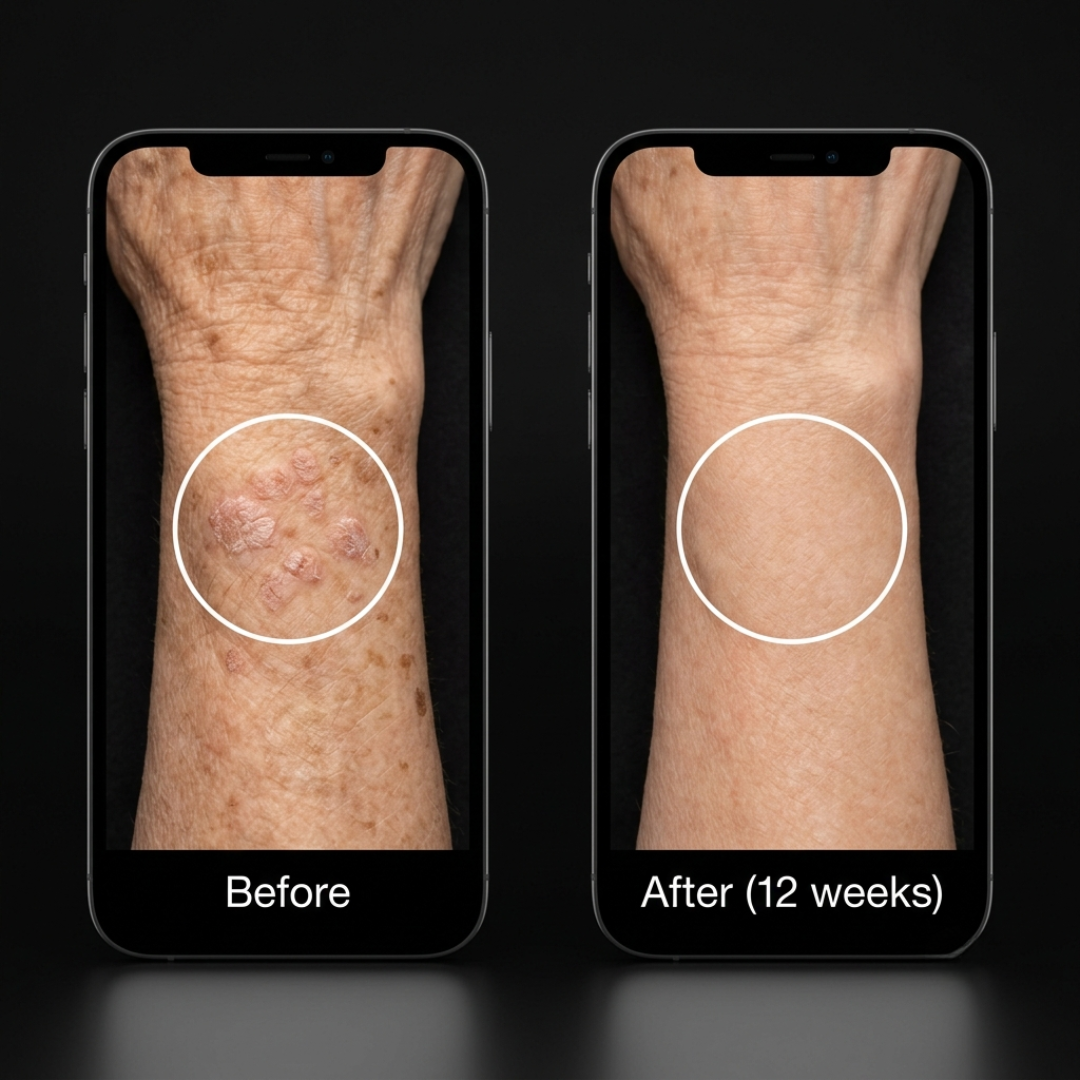
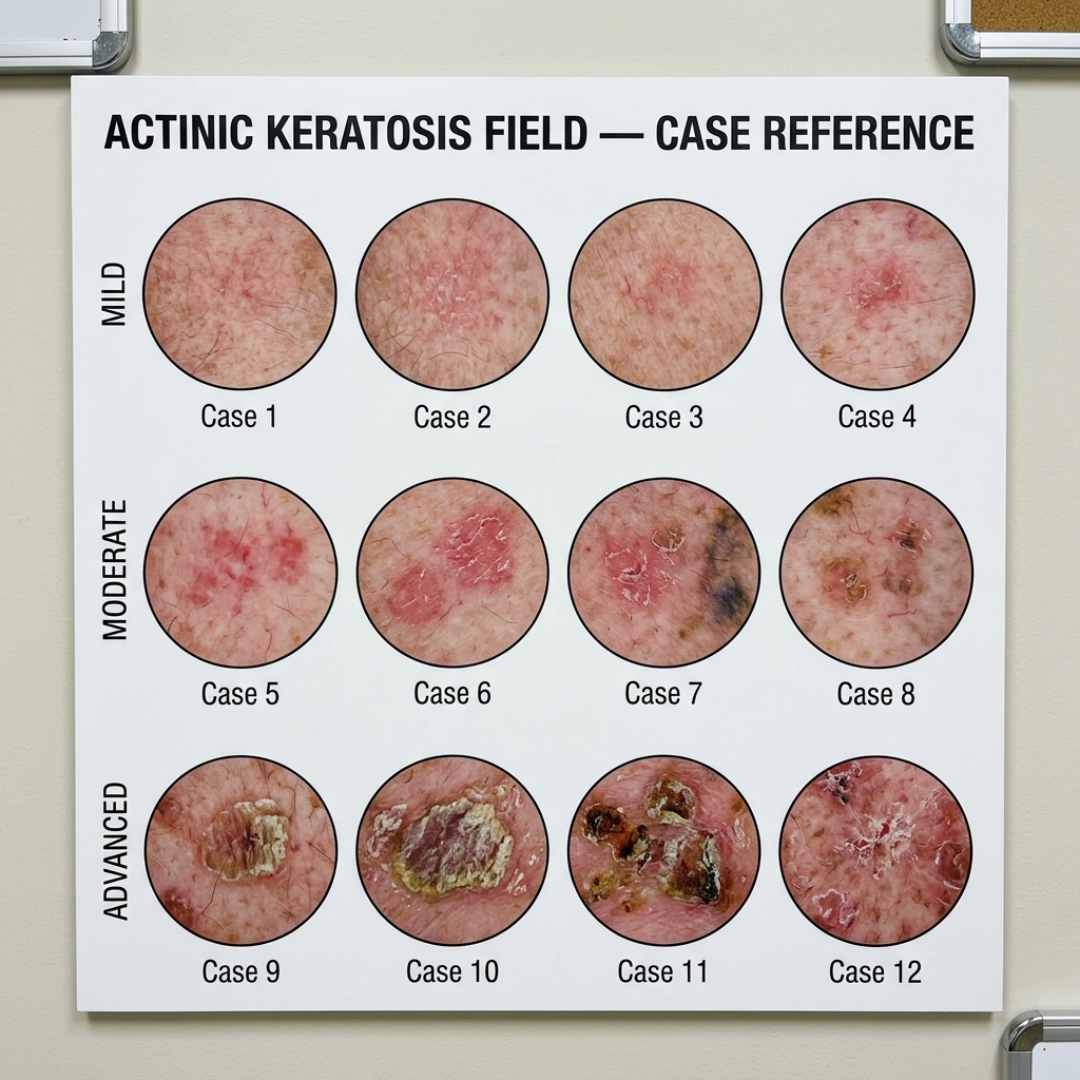
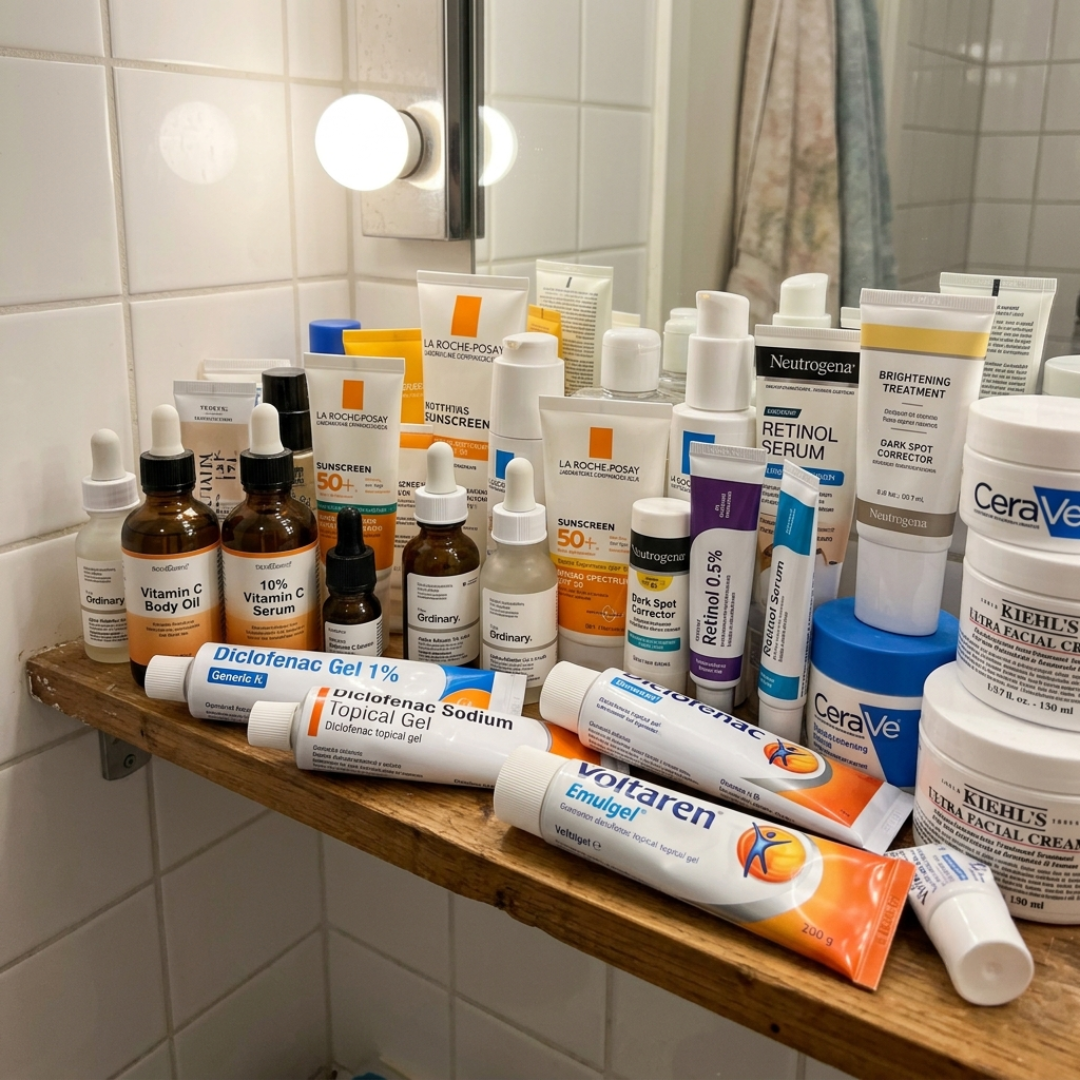
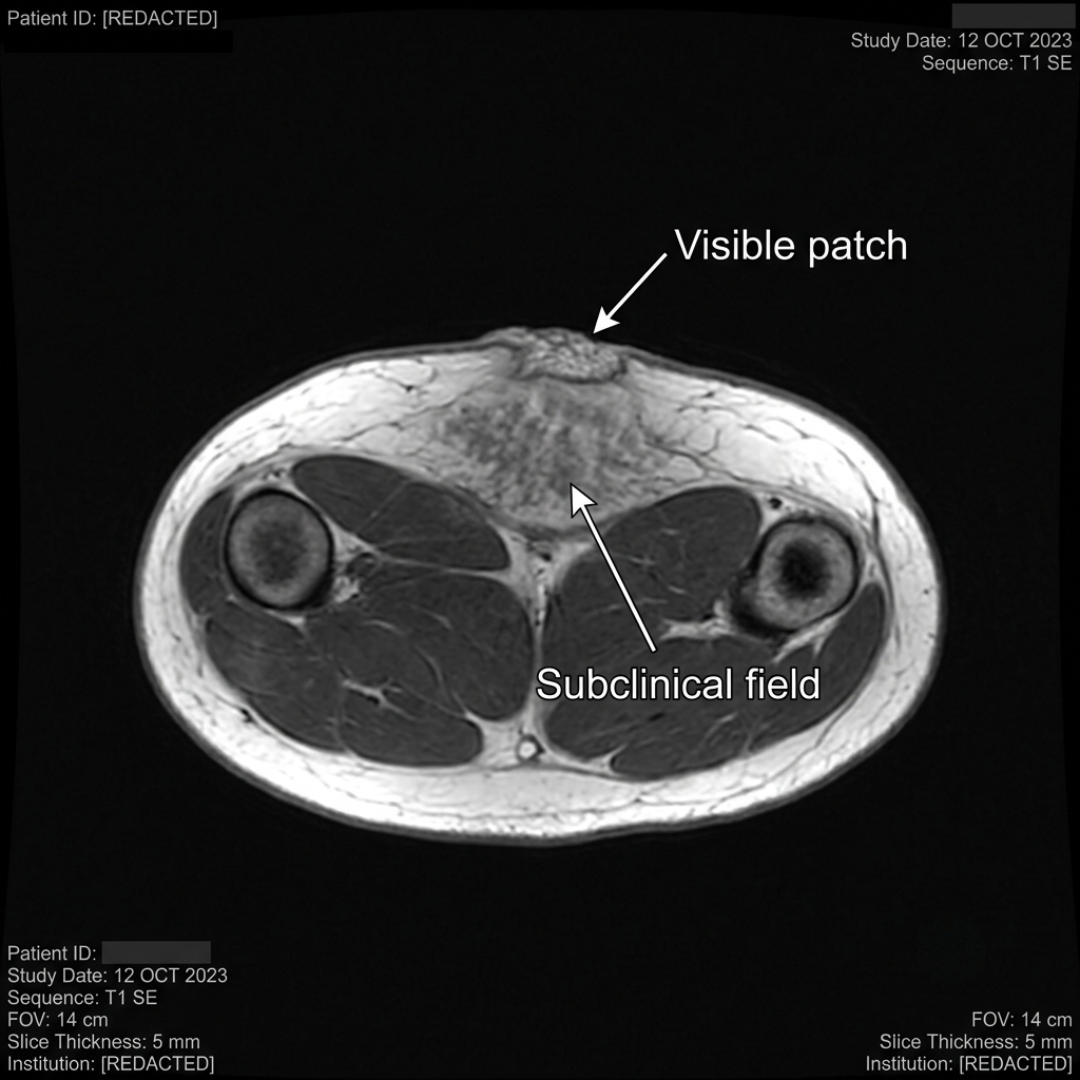
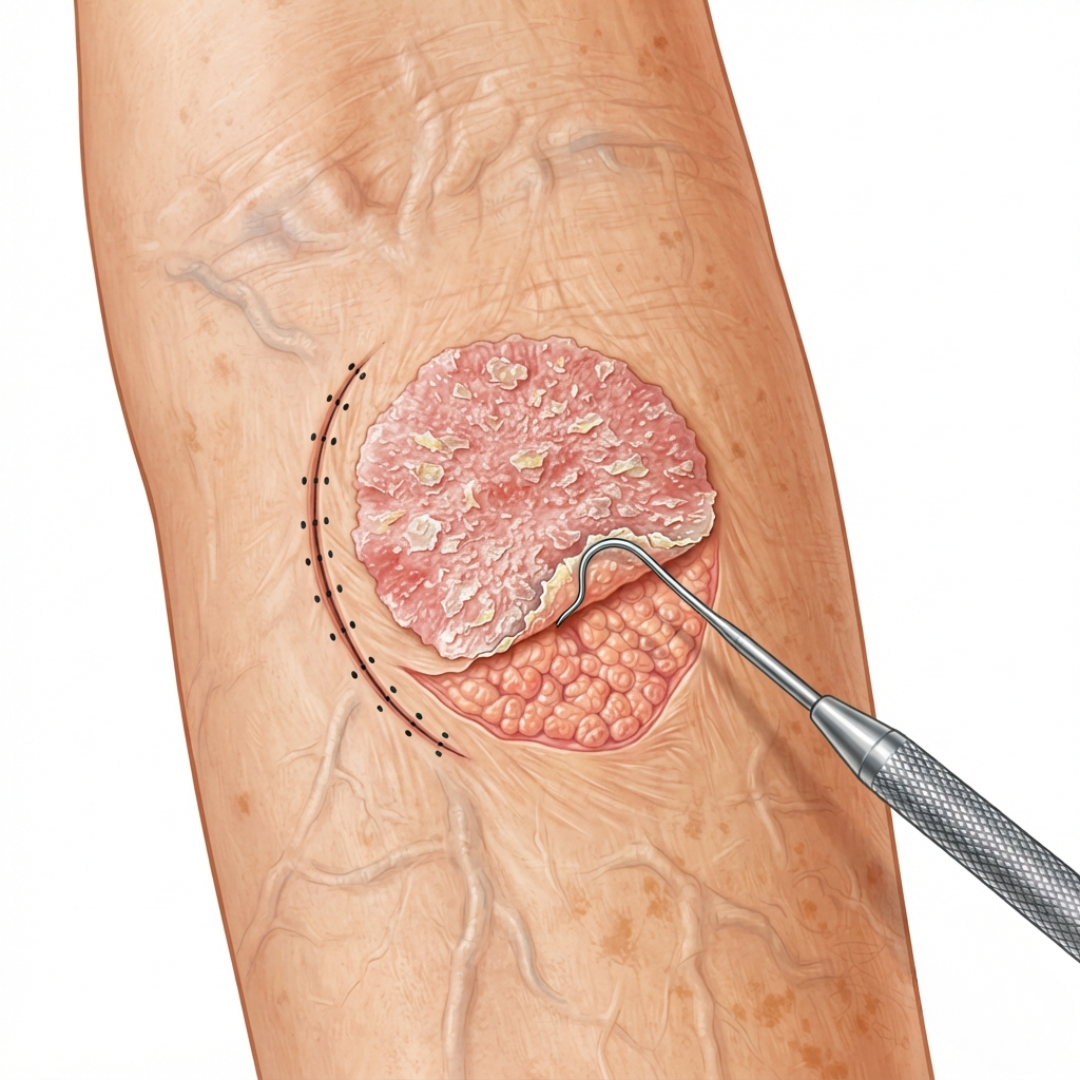
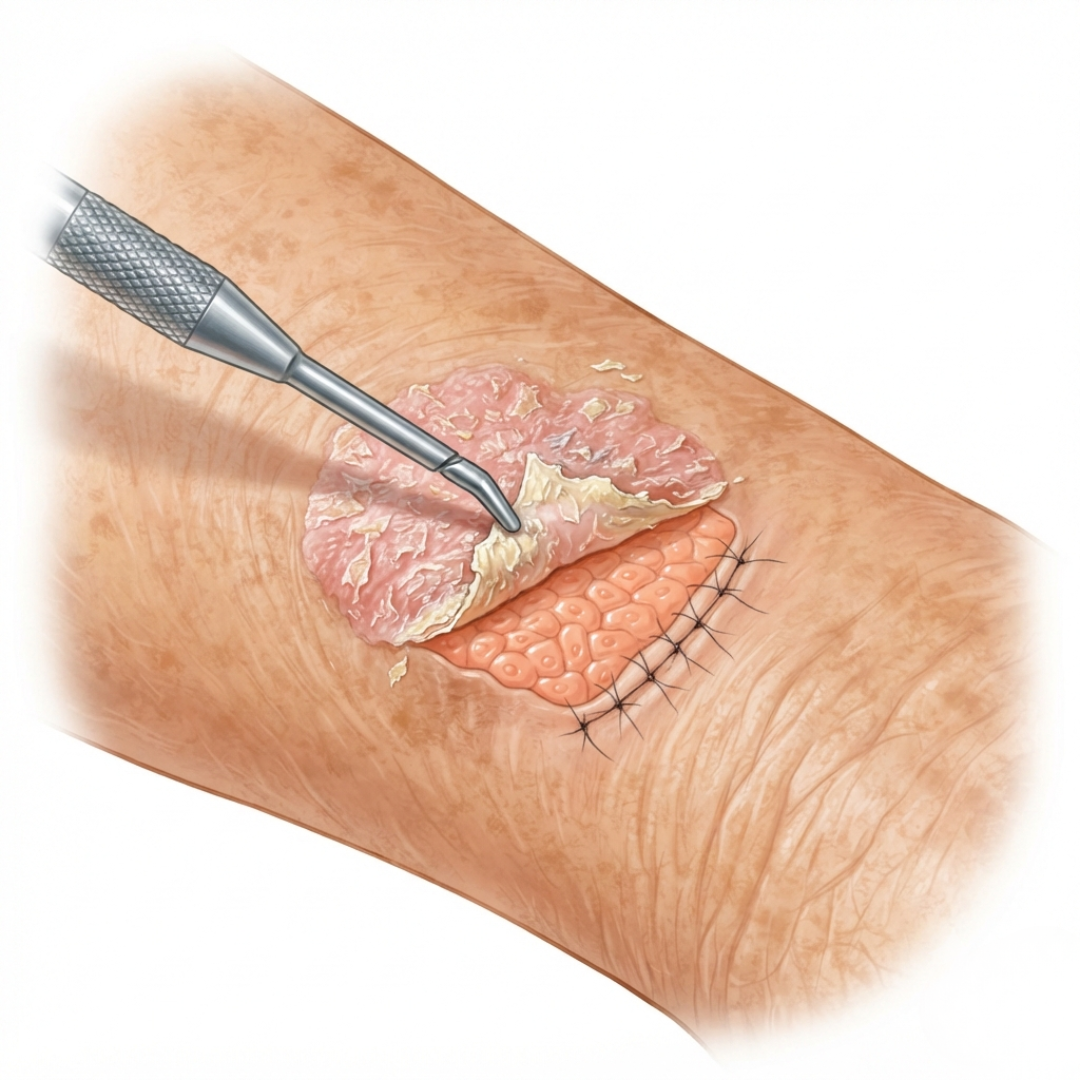
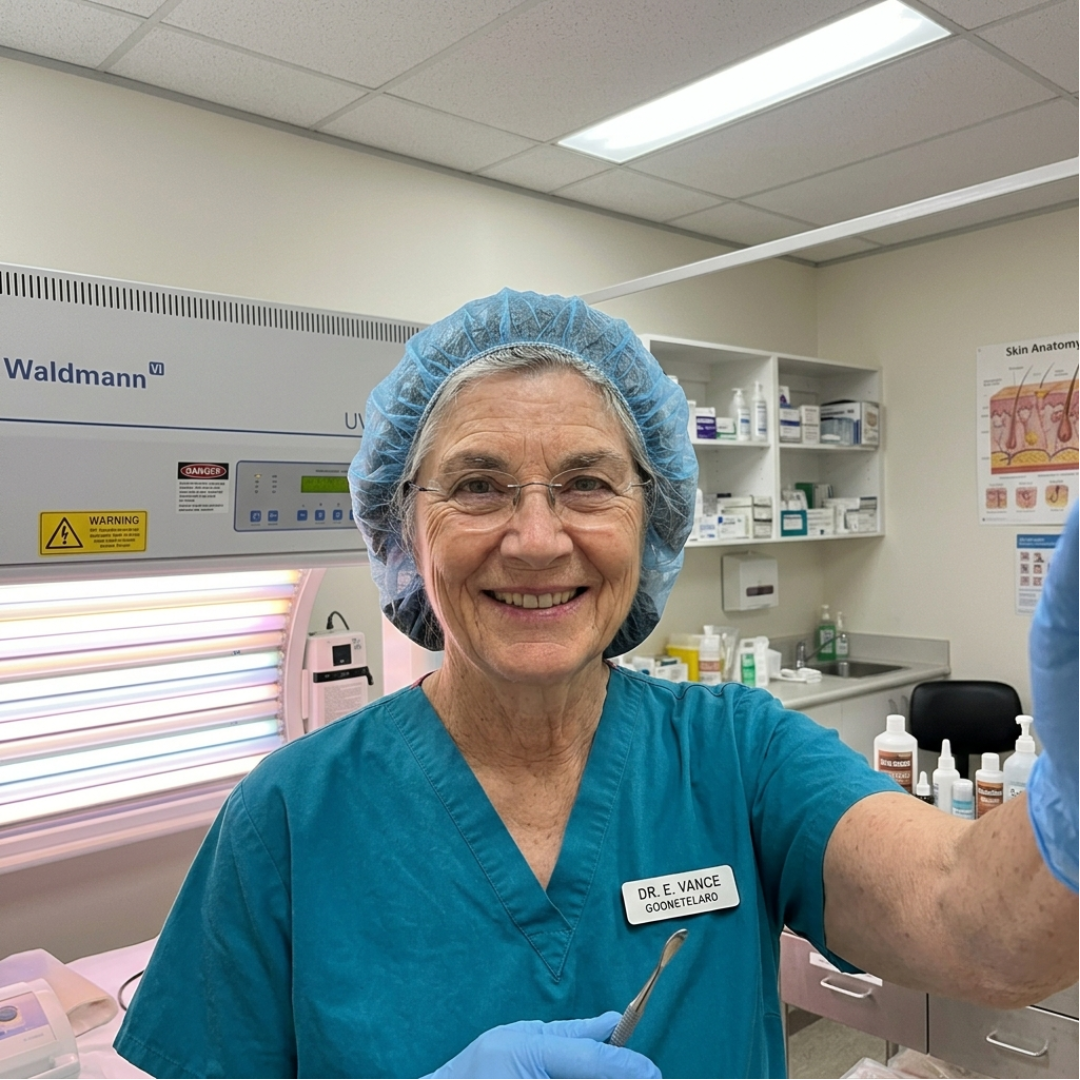
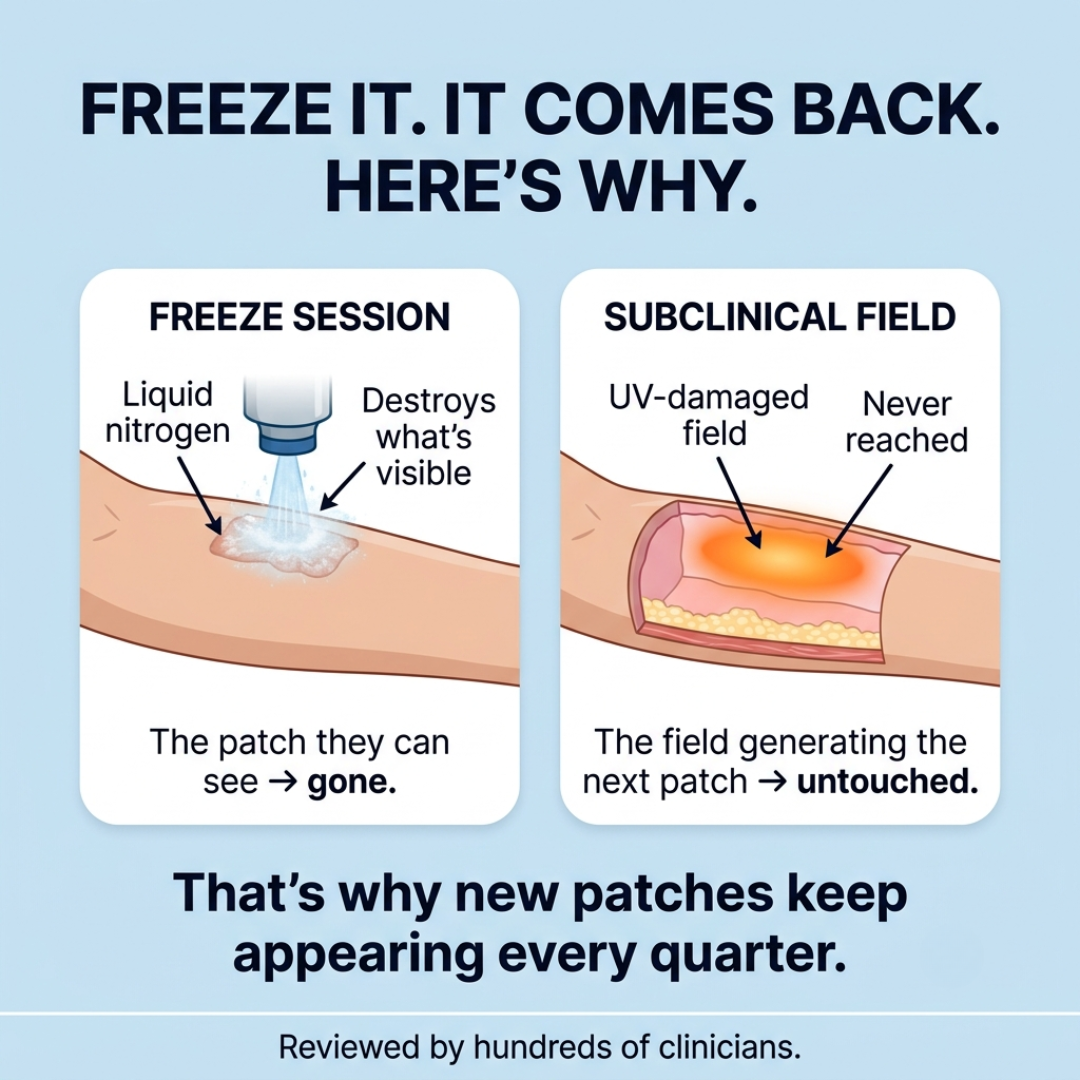
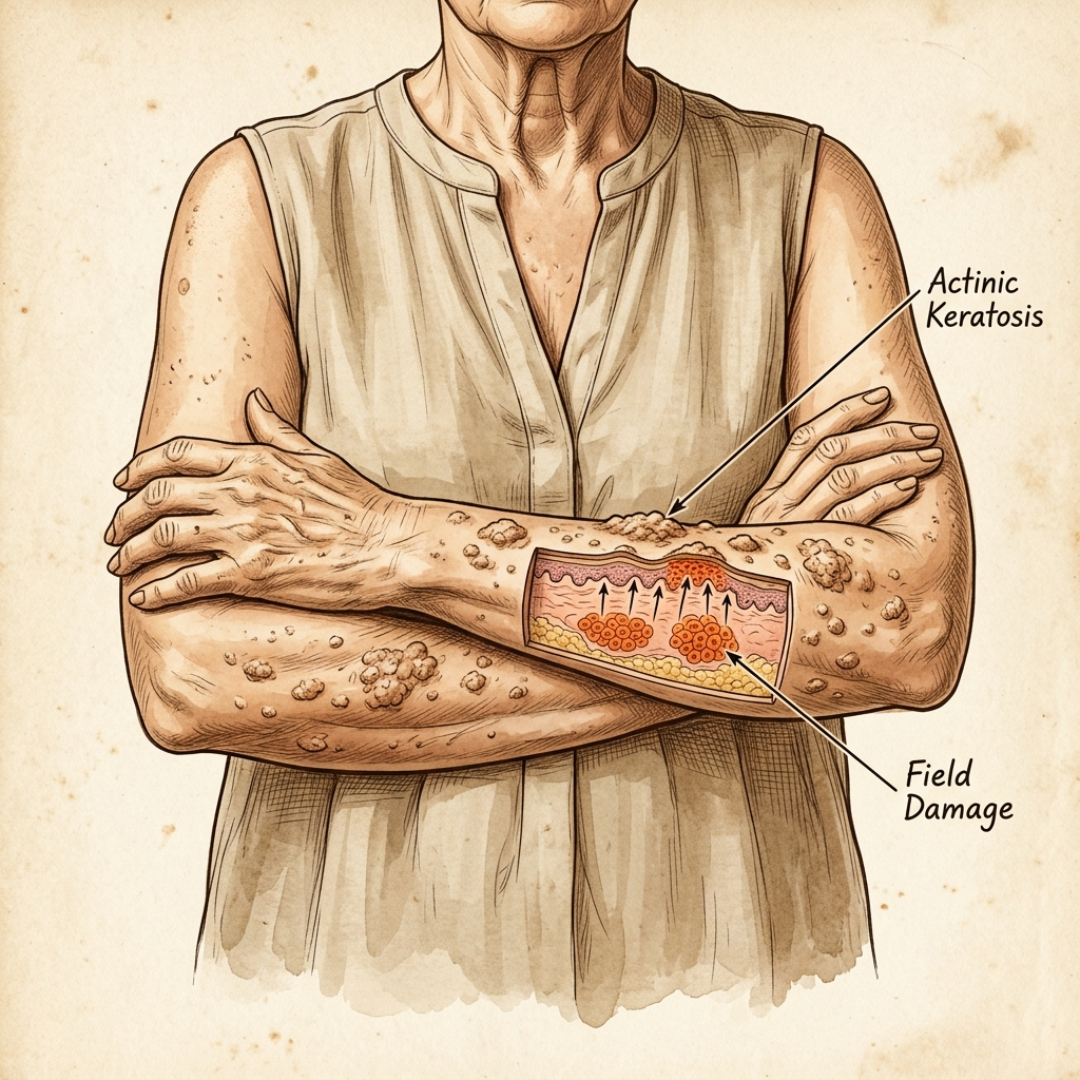
I saw a statistic that made me sick. Women with actinic keratosis are 40 percent more likely to develop squamous cell carcinoma within five years if the underlying field damage goes untreated than women whose field is properly addressed. Not a little more likely. Not the same. Forty percent. I didn't believe it when I read it. I'd had rough patches on my arms and hands for almost 15 years and not one doctor had ever mentioned the field. But here's the truth. Your dermatologist treats the spot she can see. The damaged keratinocytes spreading invisibly across the surrounding skin? Nobody is paid to look there. That's why most of us never heard this. That's why my mother never heard it either. My mother was part of that statistic. Fourteen years of freeze sessions. Squamous cell carcinoma found on her forearm at 71. I'm 63. Last month my dermatologist told me to come back every three months for another freeze and start monitoring more patches. I left the office and sat in my car for twenty minutes. And what I found instead... in a small coastal Georgia farmers market on a Tuesday morning... took me from rough sandpaper patches covering both forearms and dreading every dermatologist visit... to smooth, even skin and wearing short sleeves to my granddaughter's recital. No more freeze sessions. No more "we'll keep watching." But to understand why I was desperate enough to drive four hours to a farmers market at 6 AM, you have to know what I watched those freeze sessions do to my mother. And what I didn't know they were quietly not doing for me either. For 14 YEARS... over a decade... my mother was trapped in the freeze-and-return cycle. Started with liquid nitrogen. Her dermatologist called it "the gold standard." Said she'd need to come in every few months, but that was fine because it would keep the patches clear. The patches did clear. For about six weeks. Everything else got worse. Within the first year the patches came back in the same spots every time they healed. Doctor said it was just her skin needing more frequent treatment. By year three the rough patches had spread from her hands to her forearms and up toward her elbows. She started wearing long sleeves to hide the red, crusted spots left over after each freeze. Her confidence? Gone. This was a woman who had run the front desk of a family insurance office for 26 years, shaking hands with every client who walked in. By year four she was embarrassed to reach across a table. Her skin got more damaged with every session. The patches kept returning. New ones forming alongside the treated ones. And every time we brought it up, her doctor said the same thing. "Your skin looks managed, Dorothy. The patches are just sun damage from years ago. You need to stay consistent with your appointments." She was coming in every eight weeks. Staying out of the sun. More appointments wasn't the answer. My sister said it was like watching her disappear under long sleeves one summer at a time. They had her in that cycle for FOURTEEN YEARS. Fourteen years of the patches returning. Fourteen years of feeling like a stranger in her own skin. Fourteen years of appointments where they'd freeze another spot or add another one to the watch list... but never once... not ONE TIME... did anyone say, "Maybe something is wrong in the surrounding skin that this freeze isn't fixing." And then the squamous cell carcinoma found her anyway. 71 years old. Seventy-one. Found during a routine check while she was sitting in the same chair she'd been sitting in for fourteen years. At the follow-up my sister grabbed my hand and said something I'll never forget. "For 14 years they told her it was just sun damage, Margaret. Just freeze it and come back. They were wrong the whole time." So fast forward to eight months ago. I'm 63. The patches started at 48. I've been a good patient. Sunscreen every morning without fail. Wide-brimmed hat every time I step outside. I've tried prescription Efudex for six weeks — red, raw, painful, and they came back. Diclofenac gel for four months. Two rounds of photodynamic therapy at $400 a session. The patches are still there. New ones appearing near my wrist. The ones that "cleared" are back. I go to my quarterly check. Dermatologist looks at my arms. Looks at her chart. "Margaret, we've got three patches that need freezing today. And there are two new ones I want to start watching. I'd like to move you to monthly appointments." My stomach dropped. Monthly. Fourteen years of watching my mother come home from freeze sessions with red, crusted spots on her arms. Fourteen years of coming back every eight weeks and watching new patches appear anyway. And none of it had stopped it. "No," I said. She blinked. "Excuse me?" "I'm not doing monthly freeze sessions. My mother was in this cycle for 14 years. I watched what it did to her. And I watched them find cancer in her forearm anyway." She gave me that look. "Margaret, actinic keratosis needs to be monitored. The freeze…" "If it worked, why do they keep coming back?" She didn't have an answer. I told her to give me six months. She wasn't happy. Wrote something in my chart. I didn't care. For three months I did everything right. Doubled my sunscreen. Added a vitamin C serum. Wore long sleeves every time I was outside. Ate more antioxidants. Three months later the patches were the same. One new one appearing near my elbow. I made another appointment. She pulled out the liquid nitrogen. "Margaret, we need to treat these today." "Give me three more months." "Margaret, the risk of—" "Three more months." She sighed. I didn't care what she wrote. That night I couldn't sleep. I kept thinking about my mother. Same patches. Same freeze sessions. Same skin coming back worse right up until they found the cancer. At 2 AM I gave up. Went downstairs. Opened my laptop. I started searching. What actually causes actinic keratosis to keep returning. Why the freeze sessions never hold. Why some women keep getting new patches even when they do everything right. Every site said the same thing. Avoid the sun. Wear sunscreen. See your dermatologist. Freeze the patches. I'd done all of it. So I kept digging. Looking for women who'd actually stopped the cycle. Not managed it. Stopped it. That's when I found the thread. A Facebook group post with over 3,100 comments. The title... "Why don't Greek island women get actinic keratosis the way we do?" I almost scrolled past. But something made me click. Ikaria, Greece. Sun-exposed populations with significantly lower rates of progressive actinic field damage than US and Northern European counterparts. Not a little lower. Researchers had been studying it for years. Comment after comment. Stories. Links to studies. Photos of women in their late 70s, arms and hands smooth and clear, working outdoors in full sun. Someone in the comments mentioned a small apothecary. A woman named Elena. Coastal Georgia. Said she'd trained with formulators in Greece and brought the methods back. I looked at the clock. 2:14 AM. By 6 AM I was in my car. By 10 AM I was parking outside a farmers market two counties over. I didn't have much to go on. Just a name. Found her at a small table near the back, behind rows of amber glass bottles and dried herb bundles. She had to be in her mid-70s. Small. Unhurried. Silver hair twisted back loosely. She was labeling bottles with a fine-tip pen without looking up. Clear, even forearms. Not a rough patch in sight. I walked over. By the time I reached the table I was automatically pulling my sleeve down over my left arm out of habit. "Excuse me," I said. "Are you Elena?" She looked up with steady, dark eyes. "I am." I stood there. 63 years old. Hiding my arms at a farmers market at 10 AM. This woman more than a decade older with forearms I hadn't had at 45. "I'm 63," I said. "I've had rough patches coming back for 15 years. My dermatologist wants me to come monthly for freeze sessions. My mother was in that cycle for 14 years. They found cancer in her arm anyway." She set down the pen. Looked at me for a long moment. "You drove a long way," she said. "Let me show you something." She pulled a stool from behind the table and gestured for me to sit. "Your freeze sessions," she said. "They're treating the wrong part of the problem." I didn't understand. "There are two parts to what you're seeing on your skin. The rough patch you can feel. And the field underneath — thousands of sun-damaged cells surrounding every visible patch, invisible to the eye, that keep generating new lesions no matter how many individual spots you freeze." She folded her hands on the table. "But the visible patch is just the tip. The real problem is the field. Your keratinocytes — the cells that form your skin — they've been damaged by decades of UV exposure at the DNA level. The p53 tumor suppressor pathway inside those cells is broken. And that broken pathway doesn't live on the surface of the patch your doctor freezes. It lives in the subclinical field across your entire sun-exposed skin." "That field... that broken signaling... it keeps generating new damaged cells every day. Every week. Telling your skin to produce abnormal keratinocytes faster than your body can clear them. So the patches sit. And they return. And new ones form in the surrounding field." She looked at me steadily. "Your freeze removes what's visible. Your Efudex attacks what's on the surface. But neither one reaches the field. So the field keeps generating. And eight weeks later the patches are back. Sometimes in new spots." My eyes started to sting. "That's why your freeze sessions never hold. That's why your vitamin C serum helps for a season and then stalls. You are treating individual patches while the field underneath keeps running at full production. And no freeze your dermatologist can perform will shut down the field." She leaned back. "That's why your mother's patches kept returning no matter how consistently she came in. The freeze was real. The treatment was real. But the field underneath kept generating and nobody ever touched it." I asked her how she knew all this. She smiled. Small and unhurried. "My mother was a formulator. Her mother before her. In the islands the women have always used certain plant oils, not on the skin... in the skin. Pressed from cold. At the right time of year. The difference between those oils reaching the subclinical field and sitting on top of it is everything." She reached under the table and brought out a small amber bottle. Dark gold inside. Almost copper. "The oils your pharmacy sells are processed with heat. Heat breaks down the molecules that matter. What's left can moisturize. It cannot signal. It cannot reach the field. It cannot talk to the damaged keratinocytes." She held the bottle up to the light. "The right oils, cold-pressed, the right botanical compounds at the right concentration, they absorb into all seven layers of the skin. They reach the field. And they carry a signal that supports the p53 pathway, slows the abnormal cell production, and lets your body start clearing the damage it's already accumulated." She set it down. "Sea buckthorn for the skin barrier. Bakuchiol to signal healthy cellular turnover without the irritation that drives more damage. Oil-soluble vitamin C that actually reaches the field instead of sitting on the stratum corneum. Camellia oil as the carrier because nothing else absorbs as cleanly." She looked at me. "Support the field from inside the skin. Give the damaged keratinocytes a reason to slow down. Let your body clear what it's already accumulated. That's it. That's all of it." I asked her if there was a product made this way. She nodded slowly. "One that I know of that gets the formulation right. Cold-pressed. No filler oils. The right actives at the right concentration. No water diluting the penetration." She wrote the name on the back of a small card and handed it to me. Dermiqua. I ordered a bottle from the parking lot before I'd even started my car. Arrived three days later. I applied it that evening. Both forearms. Up toward my elbows. Sat on the back porch and let it absorb. It disappeared into my skin in minutes. No grease. No residue. Just warmth. I went inside and looked at my arms in the bathroom light. Same as the morning. Too early. Week one. The rough sandpaper texture on my right forearm felt softer when I ran my fingers across it. Less raised. I stopped reaching for the long sleeve every time I walked past a mirror out of habit and then catching myself. Week two. The largest patch on my left forearm was visibly smoother at the edges. Less defined. My daughter called and I was standing at the kitchen counter with bare arms without thinking about it. I noticed halfway through the call and didn't move to cover them. Week three. My forearms. The patches I'd been examining every morning for years. Flattening. Not gone. But flattening in a way the Efudex never achieved without destroying everything around them. I checked them four days in a row in the same light to make sure I wasn't imagining it. Week four. I ran my fingers across both forearms. The sandpaper texture that had been there for years was barely detectable. The raised edges were gone. The red irritation was calm. More than half the rough texture gone in four weeks. Without a single freeze session. My quarterly check was at the end of month two. She looked at my arms before she even pulled up my chart. Stopped. Looked again. "Margaret. What did you change?" I told her. The farmers market. Elena. The cold-pressed oils. The field support. The seven-layer absorption. She pulled her light closer and examined my left forearm carefully. Long pause. "I want to see you again in eight weeks. Do not stop whatever you're doing." Eight weeks later she photographed both forearms for my file. Compared them to my file from six months earlier. "I wouldn't have believed this without the comparison photos," she said. "The field looks significantly calmer. How do you feel?" No freeze session that visit. No new patches added to the watch list. That was five months ago. My skin this morning? Smooth. Even. The rough patches that had been on my left forearm for nine years, gone. The sandpaper texture across my right arm that had been getting worse every summer, gone. My arms look the way they did in my early 50s. I wear short sleeves now. Every day. Without checking the mirror first. Last month I went to my granddaughter's school recital. Wore a sleeveless dress. Let her grab my hand and pull me to my seat without bracing myself. When I looked down at my own arms under the auditorium lights I sat very still for a moment. I called my sister that night. Didn't say anything for a moment. "Mom would have given anything for this, Margaret." If you're reading this, you probably see yourself in this story. Your patches are "being monitored" and still coming back every cycle. Your freeze sessions clear them temporarily and then they return. Your dermatologist has mentioned more frequent appointments, or Efudex, or photodynamic therapy. You've tried sunscreen. You've tried vitamin C. You've tried retinol. Maybe Efudex. Maybe all of them. They didn't hold. But now you know why. You were treating individual patches while the field underneath kept running. The damaged keratinocytes never got the signal to slow down. The field never stopped generating. And every season the patches came back... just like my mother's did... year after year while her dermatologist told her to keep coming back and freeze the next one. Dermiqua is different. Cold-pressed sea buckthorn and camellia oil, not processed with heat. Oil-soluble vitamin C that reaches the field, not the water-based version that sits on the surface. Bakuchiol at clinical concentration, not a token percentage. No filler. No water. No fragrance. Sixteen botanicals. Zero dilution. Apply it morning and evening. Try Dermiqua for 90 days. Take a photo of your worst patch in the same light on day one. Compare it at day 30. Compare it at day 60. Ask your dermatologist to look at the comparison at your next check. If the patches aren't smoother, if the texture hasn't changed, if the field hasn't calmed... full refund. No questions asked. You're at a crossroads. One path. Keep coming back for the freeze. Watch the patches return every cycle. Add Efudex when the freezing stops holding. Add photodynamic therapy when the Efudex irritates too much. Spend the next 15 years treating individual patches while the field underneath keeps generating. End up where my mother did. Sitting in the same chair. Watching them find something worse. Another path. Try what I tried. Reach the field. Let the damaged keratinocytes slow down for the first time in years. Let your body start clearing what it's already accumulated. Track the texture with your fingertips. See what's different in 90 days. I chose the second path. It gave me my arms back. And it may have changed what comes next. The medical system isn't coming to fix the field for you. Your dermatologist is treating the patches she can see. The freeze protocol is designed to manage individual lesions, not address the subclinical damage generating new ones. Nobody is treating the field. Every year you wait is another year the field keeps generating. Another year the patches return. Another year of freeze sessions that clear the spot and leave the source untouched. Another summer like every summer before it. My mother didn't have this information. You do. -Margaret Holloway https://dermiqua.com/pages/actinic-keratosis/ P.S. Within the first week the rough sandpaper texture on my worst patch started softening in a way no treatment had achieved without destroying the surrounding skin. More than half the texture gone by week four. Dermatologist requesting comparison photos at month two. Five months in, my arms look the way they did in my early 50s. Your timeline will be different. But you won't know until you try. P.P.S. My younger sister Carol started Dermiqua six weeks after I did. She's 59. The rough patches on her décolleté that her dermatologist had been monitoring for four years are smoother. Last week she called me. "I went to my check and she didn't add anything new to the watch list. First time in three years." That's what treating the field feels like.
Like this ad? Make it yours.
Crush rebuilds this exact creative around your product — your brand, your colors, your offer — in about a minute.