
Active· since Jun 12, 2026
- 96
- days running
- 0
- relaunches
Ad copy
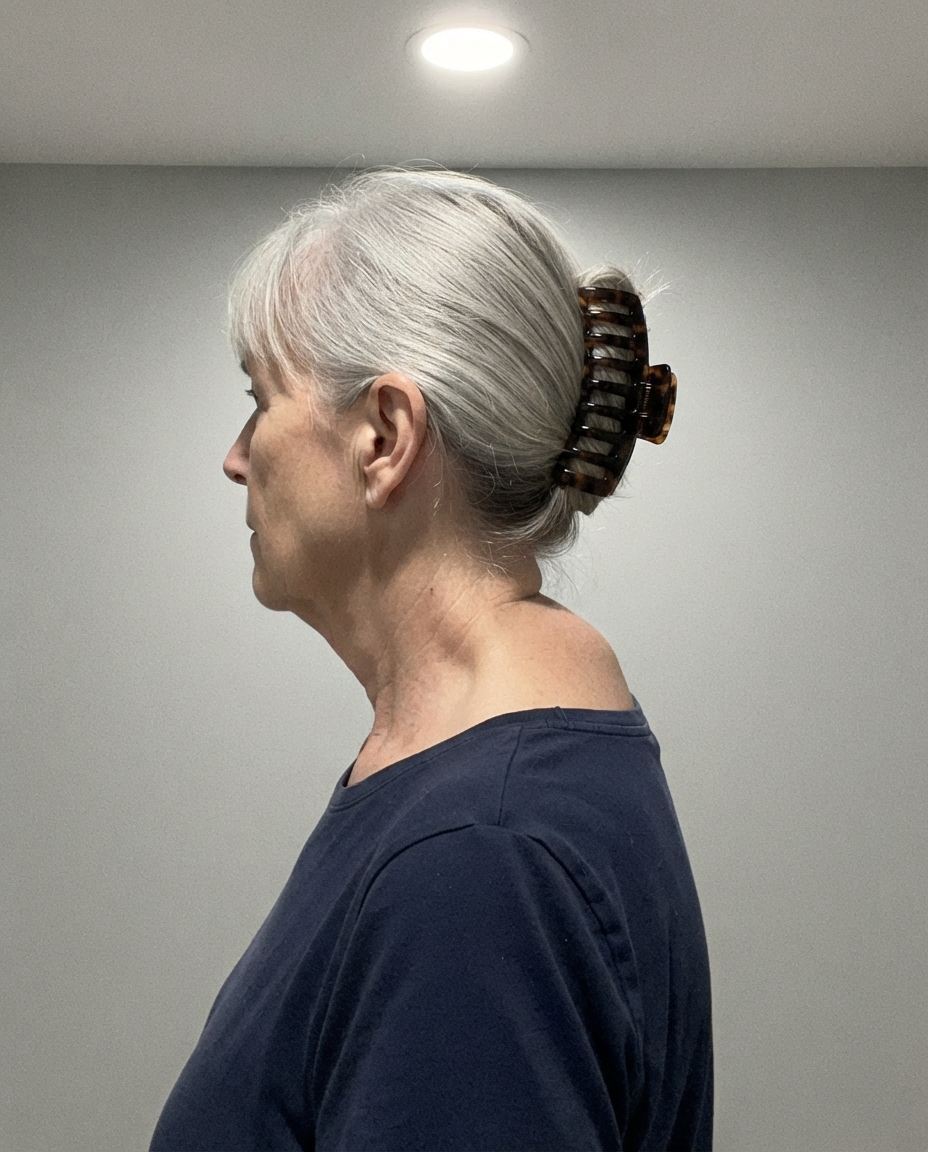
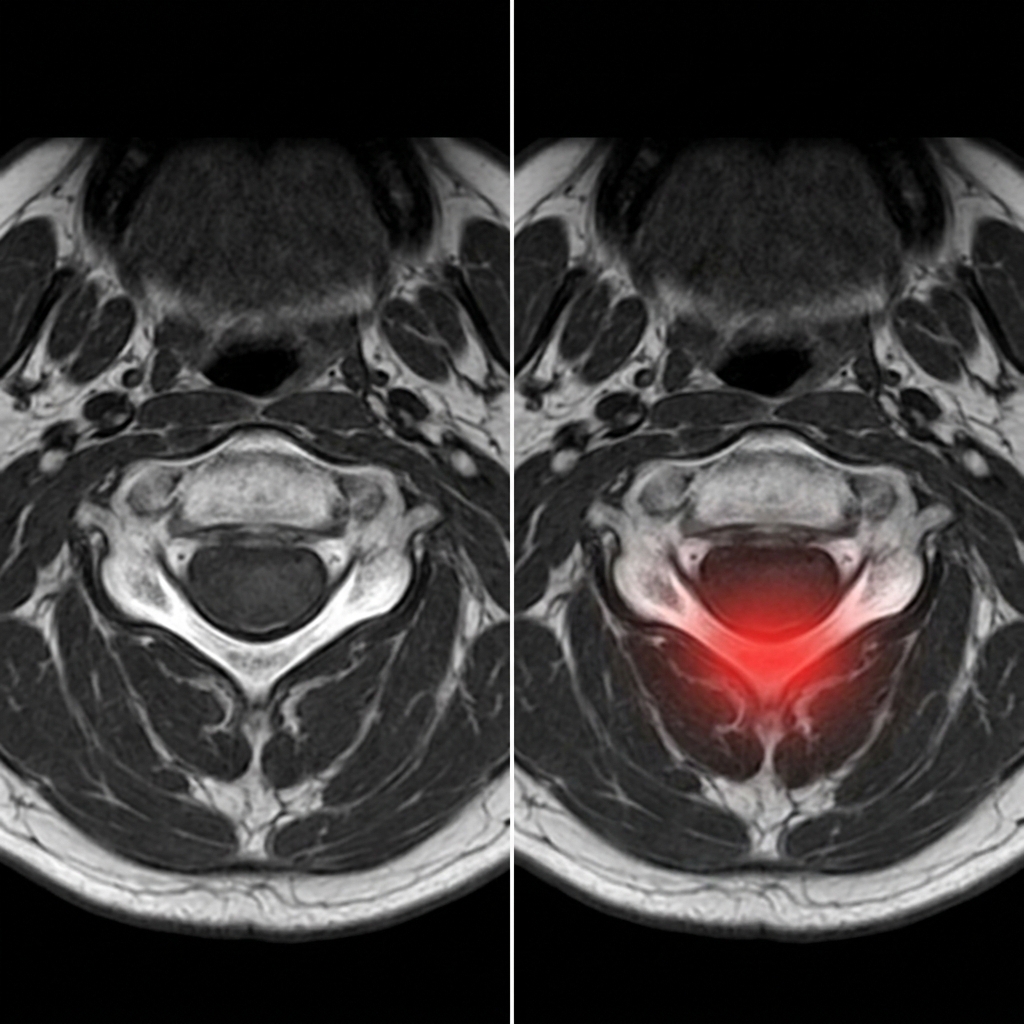
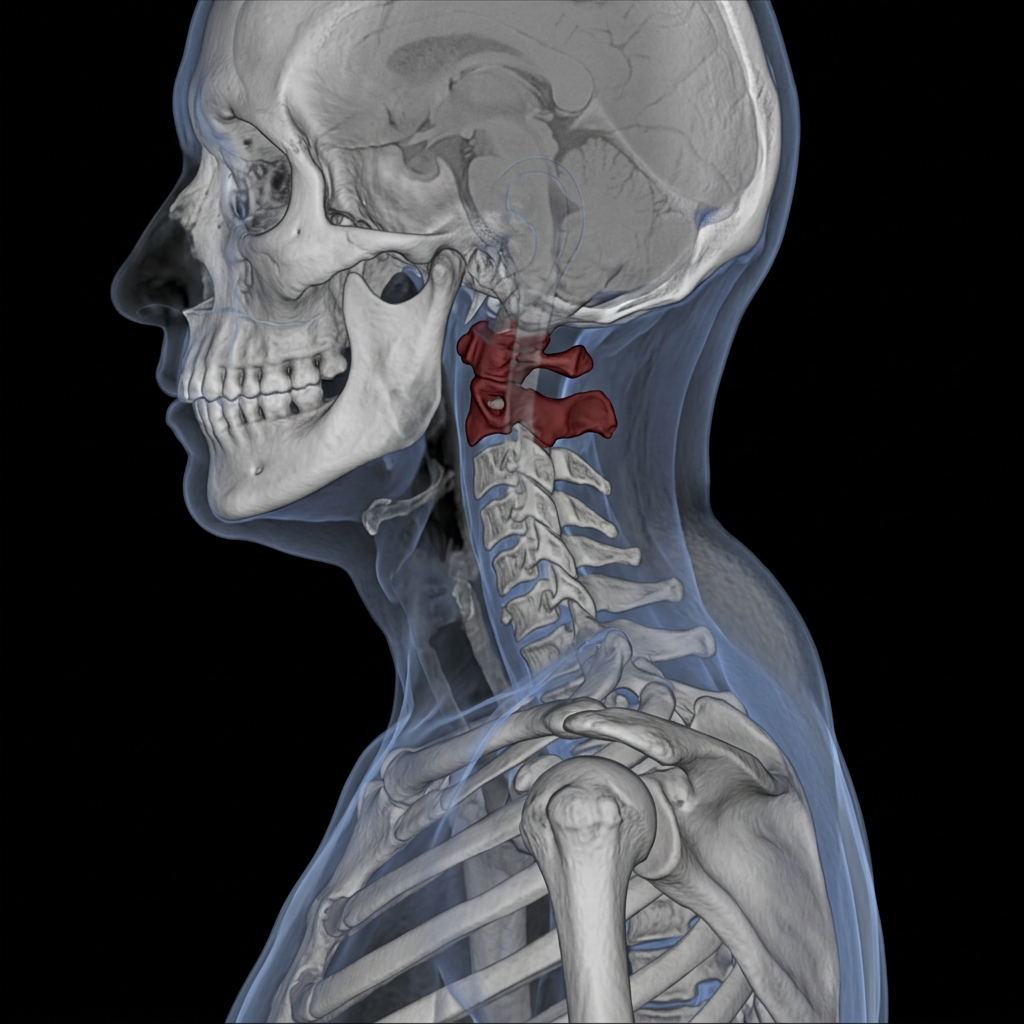
When a woman with a neck hump withdraws from her life, her practitioner doesn't write "neck hump" on the session notes. She writes "manageable progression." Or "tissue stable." Or "continue current protocol." The tissue is almost never the official reason for the withdrawal — even though it's almost always the actual one. There is a reason for that, and it has nothing to do with paperwork. It has to do with where cervical tissue progression does its real damage. And once you understand where, you understand why foam rollers, posture braces, and twice-weekly management sessions have never once "fixed" anyone — and why cervical biomechanics research published over the last decade may matter more to you, personally, than any protocol your practitioner has ever prescribed. I want to tell you what neck hump progression actually is. Not the textbook definition. The real one. Neck hump progression is a disease of the release mechanism disguised as a disease of tissue. The visible tissue is the symptom you can measure. It's the centimeter reading on the assessment. It's the thing your translation tracks. It's what every protocol in the standard management system is built to address. But the actual damage — the damage that takes your wardrobe, takes your photographs, takes your social presence, takes your ease in your own body, and eventually takes your participation in your own life — is happening one layer underneath. In a small zone at the base of your skull. In the muscles at C1-C2 that wrap the inside of your cervical structure from the skull base down to the upper thoracic spine. The suboccipital release mechanism is, functionally, the most important structure in your cervical system. Its job is to fire a release signal after every forward movement — the signal that tells your cervical muscles when to let go and return your head to center. The release signal is what keeps your tissue stable. It is what maintains your natural cervical alignment. It is what allows you to move through the world without calculating. When the release mechanism is healthy, the signal fires. Your tissue stays stable. Your head returns to center automatically. You get dressed in four minutes and don't think about it. But here's what five, ten, fifteen years of accumulated forward load does to that release mechanism. It silences it. Forward load — screens, reading, driving, desk work, decades of modern posture — gradually depletes the suboccipital muscles' ability to fire the release signal reliably. They lock into continuous contraction. The head stays pulled forward continuously. The body builds tissue at the cervical base to absorb the stress of the continuous forward pull. The release mechanism stops firing the release signal. The head can't return to center. Tissue doesn't stay stable — it compensates. And without the release signal arriving, your cervical structure can't self-correct. The tissue keeps building. The morning calculation gets longer. The wardrobe gets smaller. The social world gets more carefully arranged. It's all the same mechanism. The morning calculation. The stepped-back photographs. The wardrobe that changed. The social withdrawal. The ease that left. They are not five separate symptoms. They are five faces of one problem — a dormant release mechanism and a cervical structure that has been compensating for years. The published cervical biomechanics literature admits this. The three-input requirement — exact C1-C2 placement, gravity-assisted sustained delivery, minimum ten-minute hold — appears in the research of institutions around the world. Your practitioner knows that management mobilises above the mechanism. Your practitioner has known this since training. Now here is the part that should make you angry. There is not a single standard tool in the typical cervical management protocol that targets the release mechanism itself. Foam rollers don't. Cervical pillows don't. Posture braces don't. Traction devices decompress the joint above the mechanism, but they don't fire the release signal. The standard protocol manages your tissue measurements while the actual mechanism — the small zone at C1-C2 that determines whether you keep your ease, your wardrobe, your photographs, and your presence — keeps going quietly dormant. And then, when the tissue progresses further, they prescribe another protocol. That is not treatment. That is a treadmill. I have been calling it the management treadmill — and you have been on it for years. You started with a cervical pillow. Then they added a foam roller. Then a posture brace because the roller "wasn't enough anymore." Then twice-weekly sessions because the home tools weren't holding. Then specialist referral because the sessions weren't holding either. And the conversation at every appointment is the same. Your tissue index is up again. Your translation is creeping again. Let's increase the frequency and see you next week. Add. Add. Add. Never reach the mechanism. Never fix. Never finish. Just one more session. And one more. And one more. Forever. Your practitioner is not the one who is going to step you off this treadmill. I want to say that carefully, because I respect practitioners. Most of them are good people working inside a limited system. But I have to be honest with you about how the system works. Your practitioner has 45 minutes with you. Maybe 60 if you're lucky. Your practitioner was trained — through years of clinical education — in a system that teaches cervical tissue progression as something to be managed. Not reversed. Managed. Real reversal is possible — but only by addressing what the standard protocol was never designed to reach. So you are going to have to take the lead. Not by stopping your management sessions. Not by doing anything reckless. By learning what the system was never set up to teach you — how to support the one mechanism that determines whether the next twenty years of your life look like slow withdrawal, or whether you walk into every gathering and stand wherever you want and appear in every photograph without stepping back. The release mechanism. Here is what the cervical biomechanics research shows. The suboccipital release mechanism requires three simultaneous inputs to fire. Not one. Not two. Three — all delivered at the same time, at the exact right address, for the minimum required duration. Input one: exact C1-C2 anatomical placement. Not the thoracic spine. Not the mid-cervical region. The exact two-finger-width zone at the base of the skull where the locked muscles live. Placement precision is the single most documented variable in whether the release signal fires. Move one centimeter off the address and the signal doesn't reach the mechanism. Input two: gravity-assisted sustained delivery. Your own head weight providing consistent, unvarying force — not a practitioner's hand that fatigues and varies in pressure, not a foam roller that passes and releases. Consistent delivery means the input accumulates rather than resetting. Input three: minimum ten-minute hold duration. Eight to ten minutes of sustained input is the documented minimum for the release signal to complete rather than just begin. A two-minute hold starts the signal. A ten-minute hold fires it. This is the most consistently under-addressed element in standard cervical management — because sessions end and the delivery stops. A 2024 cervical biomechanics study tested direct suboccipital compression against standard management and postural correction in 612 patients with established tissue progression. Direct suboccipital compression — delivering all three inputs simultaneously at the exact C1-C2 address — was the only intervention that showed significant release mechanism reactivation. In 89% of patients, tissue stabilised. In 34%, tissue measurably reduced. The standard management sessions showed no statistically meaningful tissue reduction compared to patients who had stopped attending. I want to be careful and honest with you here, the way I wish more people in this industry were. This research is not a cure for tissue progression. It is not a replacement for working with your practitioner. Anybody who tells you a home tool "cures" or "permanently reverses" cervical tissue progression is overstating the evidence, and you should be skeptical of their page immediately. But what this research does support is something far more important than another miracle claim. That there is a real, scientifically validated, peer-reviewed pathway for supporting the function of the release mechanism that cervical tissue progression spends years silencing. A pathway your practitioner was likely never fully trained on. A pathway that involves mechanical engineering, not patents — which is one reason no management company has invested in delivering it as a home tool. Until now. This is where Cevera comes in. I'm not going to insult your intelligence with a "secret formula" pitch. You've seen too many of those. Posture correctors. Traction devices. Foam wedges. Cervical rolls. The "ancient neck restoration ritual." The "7-minute morning routine." You've been let down. So have your friends. So have your sisters. I'm going to do the opposite. I'm going to tell you exactly what's in the tool, exactly how it works, and exactly why. Cevera is built around two precision foam nodes engineered to deliver input at the exact C1-C2 anatomical address — the specific location the research identifies as the release mechanism address. Not approximate. Not adjustable. Locked to the exact suboccipital zone. But placement alone is only one piece. The release mechanism has three input requirements. So Cevera delivers all three simultaneously. Exact C1-C2 placement — the only documented address where the release signal can fire. Engineered to stay at the correct position through the full ten-minute protocol without drifting. Gravity-assisted delivery — your own head weight providing the consistent, unvarying sustained force. Not a practitioner's hand. Not a rolling pressure. The same force, at the same address, for the full duration. Ten-minute hold protocol — the minimum threshold duration documented in cervical biomechanics research. Not two minutes. Not five. Ten. Long enough for the release signal to complete. That is the formula. Three inputs. Delivered simultaneously. Every night before bed. That is the entire program. I want to draw a hard line, because if I don't, I'm no better than the traction-device crowd. Cevera is not a cure for cervical tissue progression. There is no such thing as a tool cure for established cervical tissue progression. Anyone who tells you otherwise is overstating the evidence. It is not a replacement for the management your practitioner has recommended. Do not stop your sessions or your home routine without discussing it with your practitioner. When you start to see your measurements move — and many women do — bring those measurements to your practitioner and ask about stepping down the frequency. That is the right path. It is not instant. Your release mechanism has been dormant for somewhere between five and twenty years. It is not going to fully reactivate in five days. The inputs that act fastest — exact placement, gravity-assisted delivery — begin engaging the mechanism within the first week. The deeper work of restoring reliable release signal firing happens over weeks and months. That is why the money-back guarantee is 90 days, not 30. We want you to have enough time to actually see what happens. That is the line. Now let me tell you what the women who are using Cevera have started to notice. Results are not typical. Your individual results may vary. With that understood — the first thing most women notice is the morning. The calculation that has been the first thing they do every day — the wardrobe assessment, the angle planning — gets quieter. Not gone immediately, in most cases. Quieter. Enough to reach for something different. The second thing most women notice is photographs. The automatic step backward that has been a reflex for years starts to hesitate. Women describe standing where they are standing at a gathering and not moving to the edge. Sometimes not noticing until afterward that they didn't move. The third thing is ease. Specifically, the background awareness that has been running constantly — the low-level management of presence that most women have stopped registering because it's been there so long — starts to lift. Women describe walking into rooms without the preliminary calculation. It feels unfamiliar at first. The fourth thing is the wardrobe. Clothes that have been at the back of the wardrobe for two or three years start coming out. Not because the tissue is gone. Because the morning calculation has shortened enough that the risk-benefit of wearing them has shifted. The fifth thing — and this is the one that takes two to four months — is the measurement. Many women come back from their next assessment with a translation that is 0.5cm lower, or 1cm lower, than the one before. Their practitioner looks at the chart and asks what they've changed. They tell them. Some practitioners are intrigued. Some are skeptical. Almost all of them say: keep doing whatever you're doing. The deepest piece of feedback we ever received — and I think about this one a lot — was from a woman in Ohio who wrote to us six months in to say: "I went to my granddaughter's school recital and sat in the front row. I haven't sat in the front row of anything in four years. I didn't plan it. I just sat down." I read that to the team. That is why we built this. I know you're skeptical. You should be. The cervical health tool industry has earned every ounce of your distrust. So I want to be plain about why I think Cevera is different — and then I'm going to give you a guarantee that takes essentially all the risk off your shoulders. The mechanism is real. The three-input requirement for suboccipital release mechanism activation is documented in peer-reviewed cervical biomechanics research. The endothelial-dysfunction-as-root-of-complications model won two Nobel Prizes. The equivalent model — release mechanism dormancy as the root of tissue progression — is published, validated, and documented in the biomechanics literature. We did not make any of this up. We built a tool to deliver what was already there. The design is transparent. Exact placement specifications published. Gravity-assisted delivery mechanism documented. Ten-minute protocol specified. No proprietary mystery. No "ancient restoration ritual." The inputs are real, the engineering is real, the research is real, and where the evidence is limited I just told you so. The format is precise. Two nodes, not adjustable, not approximate. Designed to stay at the right address for the full duration. The guarantee is 90 days. Not 30. Not 60. Ninety days. Use Cevera every night for three months. Get your assessment done. Bring it to your practitioner. If you don't see and feel meaningful progress on the things that matter — the morning ease, the photographs, the wardrobe, the measurements — return it and we will refund every dollar. No interrogation. No restocking fee. That is not a marketing trick. That is us putting our money where the research is. If the tool doesn't work for you, we lose money on your order. The only way that math works for us is if it works for most women. I want you to picture two different futures. In one future, you keep doing what you're doing. The sessions keep getting added. Your tissue index keeps creeping. The morning calculation keeps getting longer. Your wardrobe keeps getting smaller. Your daughter gets engaged and you start doing the math on where you'll stand in the photographs. The social invitations keep coming and you keep finding reasons to manage your position rather than simply be present. Your granddaughter has her school recital and you sit at the back because the angle at the front doesn't work. And eventually — five years, ten years, fifteen years from now — a quiet Tuesday afternoon arrives when the calculation has become so automatic, so constant, so woven into every moment of your life, that you can no longer remember what it felt like to simply walk into a room. In the other future, you start a program — today — that targets the actual mechanism that is silencing your release signal. You give it 90 days. You watch the morning calculation shorten. You watch the wardrobe open up. You watch your tissue measurement bend the wrong direction for the first time in years. You go to the practitioner with assessment results that surprise both of you. You ask them, for the first time, can we talk about stepping down the frequency. You sit wherever you want at your granddaughter's recital. You appear in your daughter's engagement photographs from the front row. You stand at her wedding and you are simply, completely, fully there. You break the pattern. You become the woman who broke it for everyone watching. That is not a guarantee. I am not allowed to make that guarantee, and I would not even if I were. But it is what is possible. And it is what is not possible if you stay on the treadmill. If you've read this far, you already know. You knew before you started reading. You knew when your tissue index came back elevated last quarter and your practitioner said "let's increase the frequency." You knew when the morning calculation started before you opened your eyes. You knew when you looked at the last family photograph and counted how many times you had stepped back. You don't need another piece of evidence. You need permission and a path. This is both. Tap below to try Cevera, backed by our 90-day money-back guarantee. Ten minutes a night. One mechanism your practitioner was never trained to address directly. One piece of research you almost never heard about. One chance — at 58, 62, 68 — to be the woman whose story ends with her sitting in the front row, instead of repeating the slow withdrawal of every woman before her. I'll see you on the other side of 90 days. 👉 https://trycevera.com/pages/adv-womens-wellness-report
Why Most Women With Neck Humps Are Quietly Losing Something Else.
Support your cervical release mechanism today with Cevera's precision three-input protocol. 90-day money-back guarantee.
LEARN MORELike this ad? Make it yours.
Crush rebuilds this exact creative around your product — your brand, your colors, your offer — in about a minute.