
Inactive· since Jul 3, 2026
- 27
- days it ran
- 0
- relaunches
Ad copy
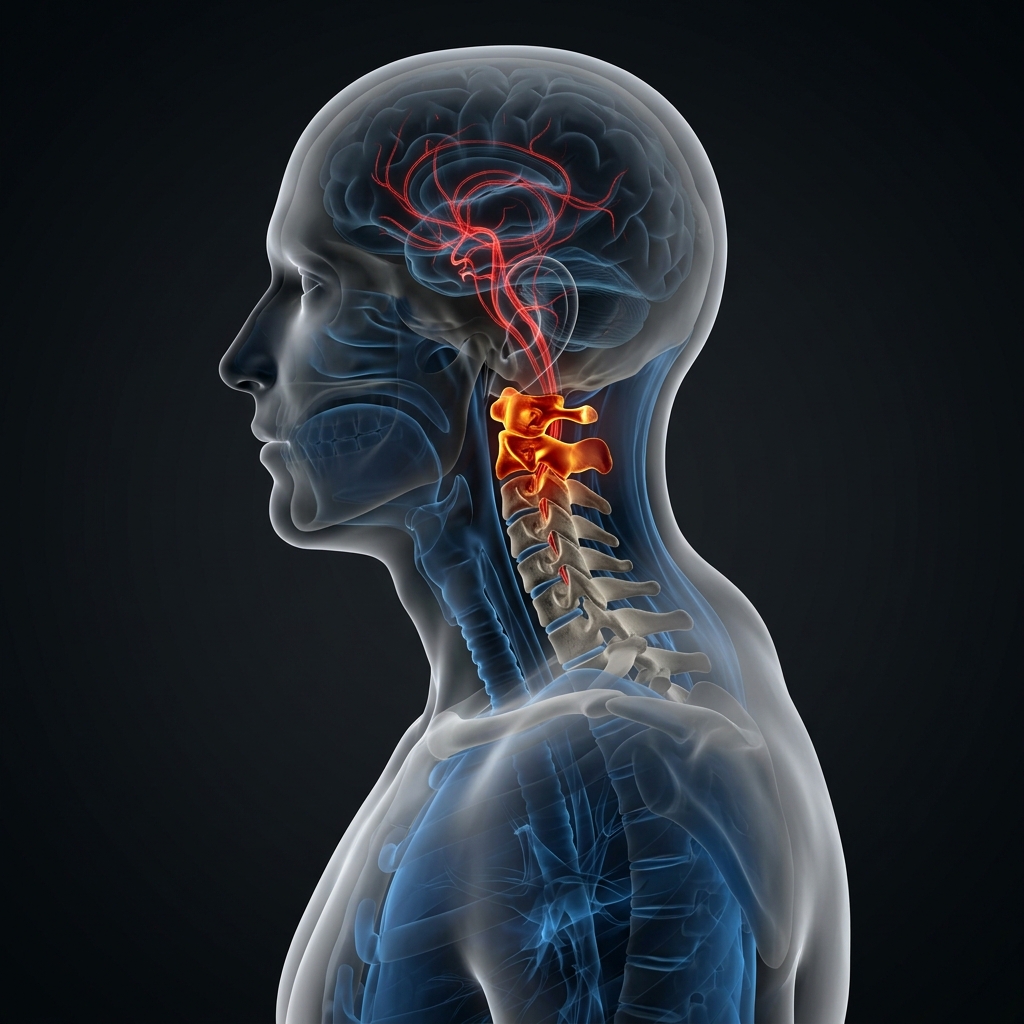
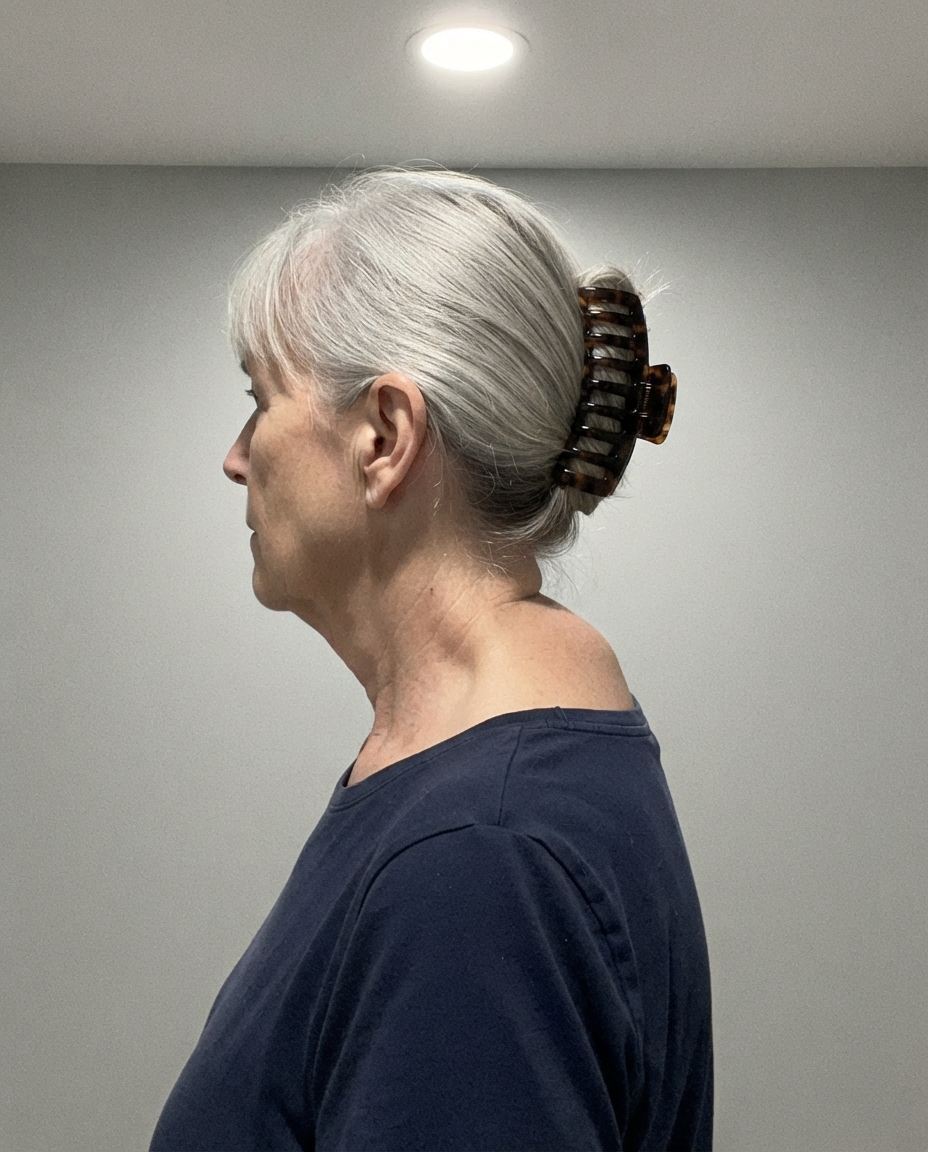
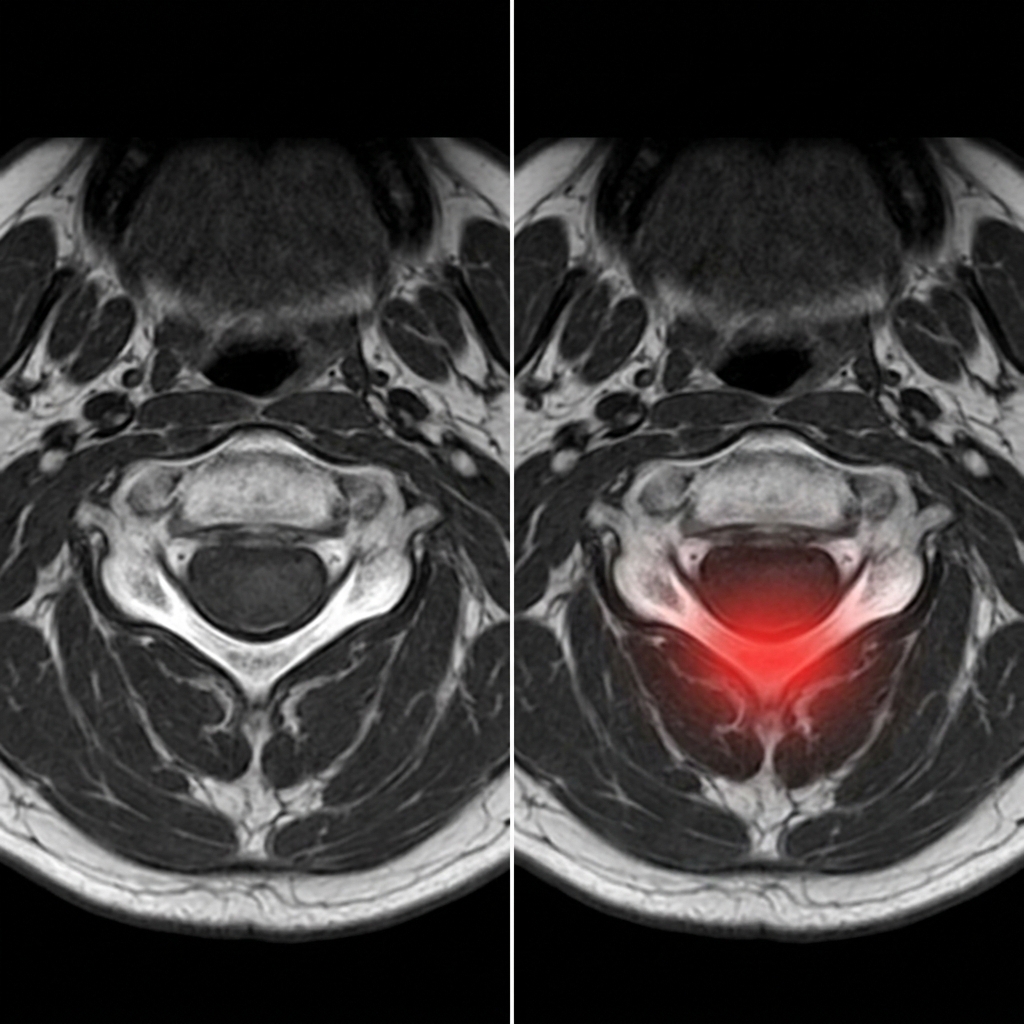
When my mother lived with me, her neck hump never got worse. Not once. I used the device with her every evening before bed. I checked her posture every single morning. I noticed every small change before it became a big one. Eighteen months at my brother's house, and her forward head displacement had progressed by almost two centimeters. I found it by accident. I went over to visit, went to help her get ready, because I'm always the one who actually does it, and there it was. A neck that had drifted so far forward I had to sit down on the bathroom floor. Nobody had told me. Nobody had been checking. And the part that still keeps me up at night: it could have been prevented. Every bit of it. While I was asking them to keep up the daily routine I had set up, they had put the device in a drawer and replaced it with a posture brace they'd seen recommended online. A miracle corrector. The device sat untouched for two months because someone read a review and decided soft, gentle, passive was better. That's the thing I've learned the hard way about caring for an aging body. The stuff that feels like you're doing something — the brace, the foam roller, the exercise sheet — is usually the stuff doing nothing at all for what's actually failing. I found that out from the rehabilitation specialist at the clinic. Mum ended up referred. I've been at her appointments for three hours at a stretch, off a demanding job, waiting for someone to tell me how bad it had gotten. The specialist didn't lecture me. She could see I was the one who cared. She said, "Can I tell you something nobody explains to families? This wasn't bad luck. And it isn't really about the brace." She asked how many hours a day she sits or stands without the device. "Most of the day now. That's when she seems most like herself." She nodded. "After sixty, the brain-muscle signal that keeps the deep cervical muscles holding starts to degrade under chronic load. The automatic holding capacity she used to have is almost gone. She's running on compensation now. And here's what families never get told —" She had me press my palm flat on the table. "Feel how solid that is? Now put a folded towel under your palm and press again. Does it help?" "For a second." "That's what a posture brace does. It feels supportive when you put it on. But under the weight of daily life, for hours, it compresses to nothing and the deep muscles still aren't getting the signal to hold. Blood flow to the signal pathway gets restricted. The activation starves. The hump builds quietly, while she's watching TV and everyone thinks she's fine. Passive doesn't mean restorative. That's just neuromuscular physiology." "So the brace they had her on—" "Was the posture version of that cream. It made everyone feel like the problem was handled." I asked her what actually works, because clearly the clinical side knows something families don't. "We don't add more passive support. We bypass the broken signal. Think of sending a message directly to a phone that's lost its network connection — you go around the broken signal and reach the device directly. Calibrated bilateral EMS does the same thing. It doesn't support the position. It activates the muscles." That night, in the clinic parking lot, I searched for it. Not "best posture brace for elderly" — I knew that search was useless now, it's just passive supports with a thousand reviews from people who owned them a week. I searched what she actually told me. Cervical neuromuscular stimulation. Bilateral EMS. The calibrated kind that bypasses the degraded pathway instead of holding around it. The thing clinical rehabilitation uses. Most of it was $800 clinical devices and $5,000 specialist protocols. Then I found the one a rehabilitation forum kept recommending. Same direct stimulation technology, made for home use. $69.95 for two. I'd spent more than that on the passive devices that had done nothing. When Mum finally came home, to my house this time, I set it up in her bathroom before she ever used it. It doesn't look glamorous. It looks almost clinical. A month ago I'd have scrolled right past it. But I wasn't shopping for comfortable anymore. I was shopping for effective. The visiting specialist pressed it on her first check. "This is what we recommend in outpatient rehab," she said. "Where did you find this?" That was a few months ago. The forward head displacement has reduced. My morning posture checks, the ones that used to make my hands shake, are routine now. Better alignment. Less collar-pulling. No new progression. I'm still angry at how it happened. I don't know if that ever fully goes away. But for the first time since I saw how far things had gone, I'm not afraid. I know the device on her bathroom counter is actually reaching what needs to be reached. I got that part right. If you're the one in your family who actually shows up — the one who attends the appointments, notices the changes, sets up the routines nobody else will — please hear what I wish I'd known before things progressed: Passive doesn't mean restorative. A brace that feels supportive in your hand compresses to nothing against deep signal failure, no matter how many stars it has. What she needs isn't more support. It's direct signal restoration — the technology clinical rehabilitation has used for decades, scaled down for home. The one I use is the Cevera Posture Release Pulse. Link below. You can't make everyone in your family care the way you do. But you can put the right thing in the right place. Take one fear off your list. You've earned that. https://trycevera.com/pages/adv2-womens-wellness-report
It could have been prevented. 👆
A calibrated EMS device that restores the brain-muscle signal behind a growing neck hump. Direct bilateral stimulation reaches the deep cervical muscles — unlike braces that compress flat and exercises that never reach the signal. Works in any chair: 15 minutes before bed.
LEARN MORELike this ad? Make it yours.
Crush rebuilds this exact creative around your product — your brand, your colors, your offer — in about a minute.