
Active· since Jun 30, 2026
- 76
- days running
- 0
- relaunches
Ad copy
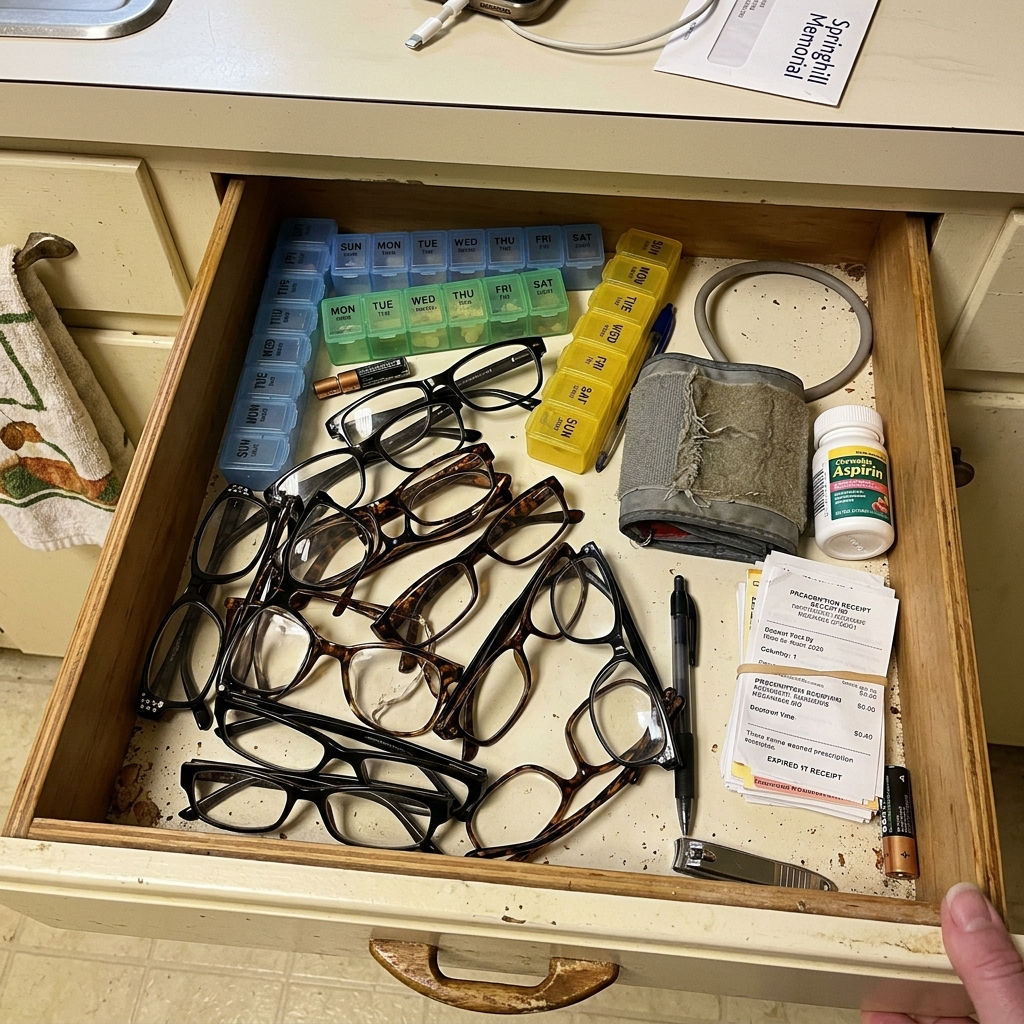
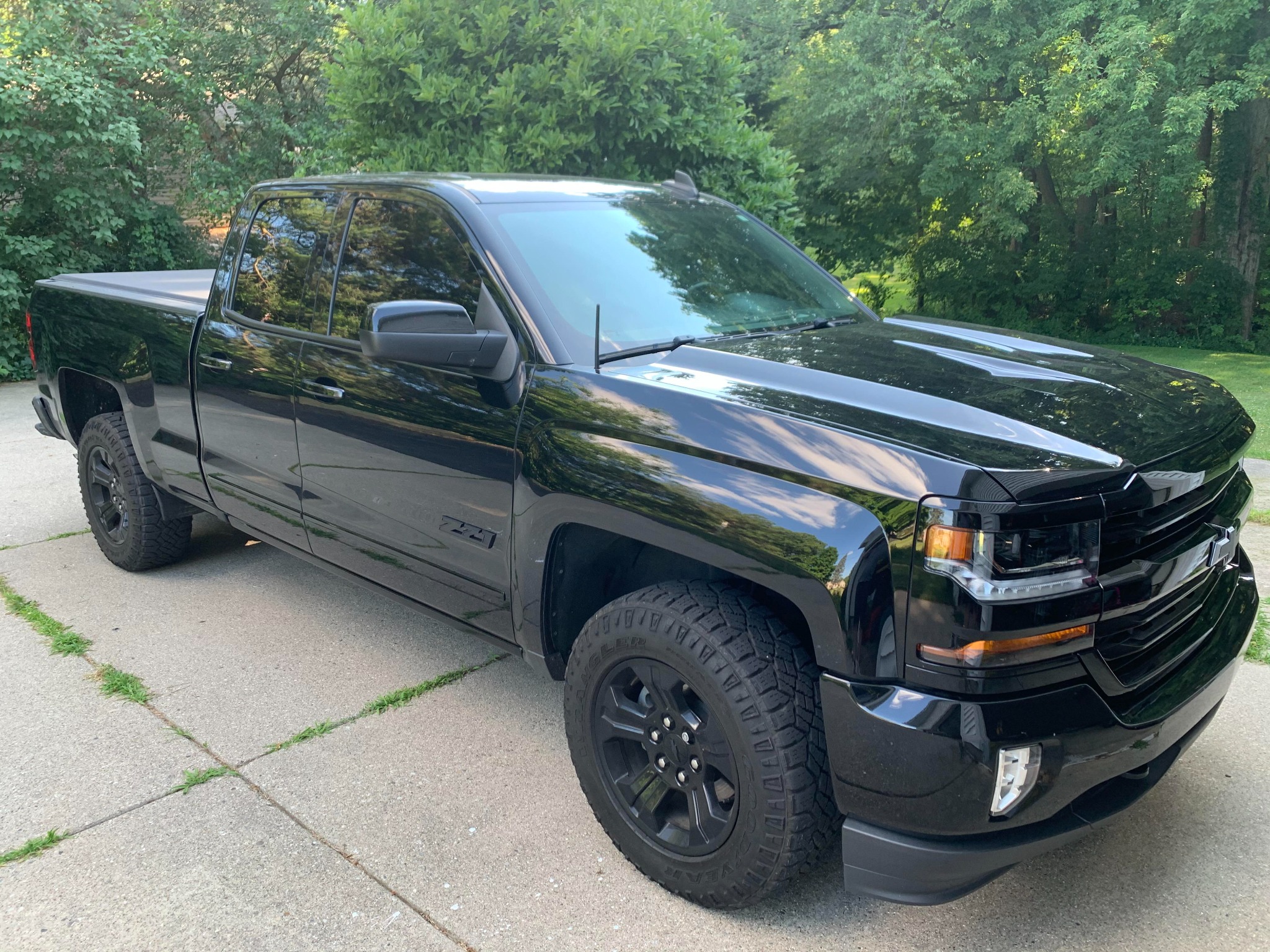
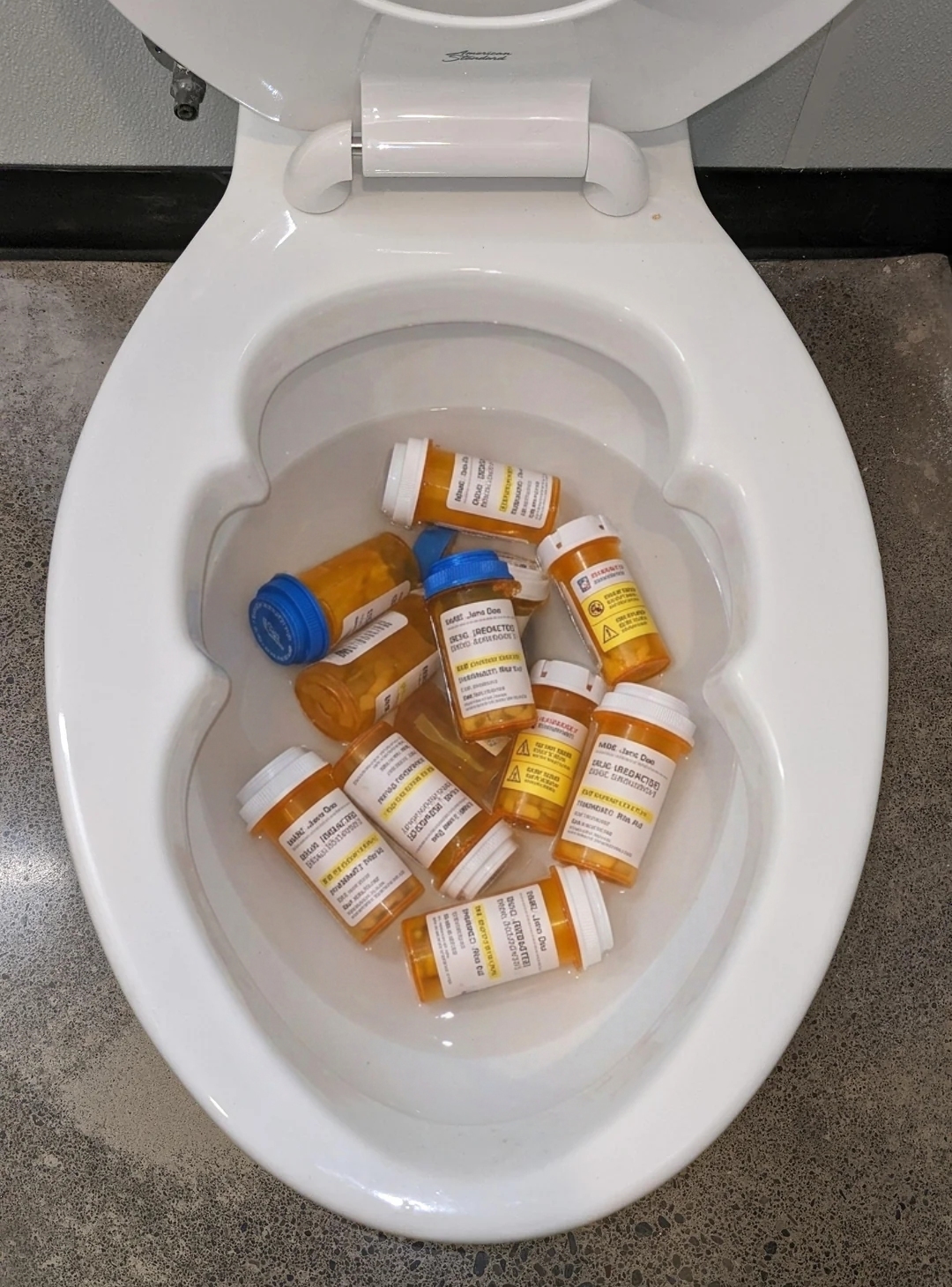
I was standing at my kitchen sink doing dishes when I looked out the window and saw Walt Preczewski mowing his lawn. The whole lawn. Not stopping to catch his breath at the halfway point the way he'd been doing all summer. Not parking the mower in the shade and sitting on his steps for ten minutes before finishing. Just going. Row by row, all the way to the back fence, turns that didn't slow down, not even at the far end where the yard dips a little toward the drainage ditch. I stood there with a soapy plate in my hand and watched him the whole time. I almost went outside to say something. To ask him what changed. To ask him how he felt. I didn't have to. He finished the front, cut the mower, and looked up and caught me watching him through the window like some kind of neighborhood spy. And he just smiled and pointed at himself and gave me a thumbs up. Like he knew exactly why I was staring. I need to back up. My name is Carol Pulaski. I'm 62 years old. I taught 4th grade at Ellet Elementary in Akron for 28 years before I retired. My husband Gary is 64. He drove a transit bus for the Summit County system for 31 years. We've lived on Overdale Avenue for 26 of those years in the same house we bought when our son Marcus was still in car seat. Walt Preczewski lives 3 houses down on the same side of the street. He and his wife Barbara have been there as long as we have. We're not close friends, exactly. More like the kind of neighbors who wave and stop and talk if you end up at the mailbox at the same time. We've been to their Christmas party twice. He's 67, worked at a parts warehouse until he retired a few years ago. Big guy. Polish family, like Gary's family. They have that in common and it comes up every time they talk. Walt had a scare of his own about 2 years back. Something with his heart that put him in Summa for a few days. After that, his wife Barbara was doing the mowing. Their son came on weekends sometimes and did the trimming. Walt would sit on the steps and watch. I noticed that the way you notice things about neighbors without meaning to. You just see it. And then last fall, Gary had his own scare. I'm not going to get into the details. Partly because they're private and partly because when I try to put it into words, even now, something in my chest gets tight and I'd rather not. What I'll say is that it was a Tuesday afternoon in October. Gary was in the kitchen getting a glass of water. I was in the other room. And then there was a sound I'd rather forget, and when I walked in, he was leaning against the counter holding his head, and everything after that was very fast and very frightening and involved a ride in an ambulance and a lot of people in the hallway of Summa talking to me while I tried to follow what they were saying. Gary came home after 3 days. He came home with instructions, and new prescriptions, and follow-up appointments, and a list of things to avoid. The doctor was kind and direct and I appreciated that. She said his numbers had been creeping the wrong direction for years and this was the body sending a message that needed to be heard. I heard it. Gary heard it. The thing is, Gary is not a man who complains. He drove a bus through Akron winters for three decades. He painted the whole outside of this house by himself the summer he turned 58. He built a deck in the backyard that has outlasted every other deck on this block. He doesn't quit things and he doesn't make a fuss and he doesn't say when something hurts. So when he started doing less, I knew it wasn't in his head. The walks we used to take got shorter. Not because I said anything. He'd just slow down and then we'd turn back a little earlier than the week before, and a little earlier than that. By February it was half a block out and half a block back and he'd settle into his chair when we got in like he'd done something real. The mowing stopped. That hit me harder than I expected. Gary has mowed that lawn since we moved in. He has opinions about mowing. The direction you run the rows. The height you set the blade by season. He has a whole system. When he handed me the keys to the mower last spring and said he just didn't feel up to it, I smiled and said no problem and went and did it myself and then cried a little in the garage with the door down where he couldn't hear. His chair moved closer to the TV. He started going to bed earlier. Not dramatically earlier. 9:15 instead of 10:30. But I noticed. I notice everything when I'm scared, and I was scared from October until the following spring without ever saying so out loud. I did the things you do. I changed what we were cooking. I read every label. I bought an arm cuff and learned how to use it. I went to every appointment with him and took notes. I did all of it and I was grateful to do it and it helped and it didn't help enough. His numbers steadied. They didn't go where I wanted them to go. The doctor adjusted things and said to give it time. I gave it time. Time passed and things stayed where they were and Gary got a little more careful and a little more quiet and I got a little more scared and said nothing about it to anyone. Until Walt Preczewski finished mowing his lawn and pointed at himself and gave me a thumbs up. I dried my hands and went outside. He was putting the mower away. I walked down the block and stood at the edge of his driveway and asked him how he was doing. And he said, "Better than I should be, Carol." Which is not something Walt Preczewski has ever said to me in 26 years. That's not his register. He's a warehouse man. He says things like "not bad" and "can't complain" and "surviving." So I pushed. "You look good," I said. "Feel good," he said. I asked him what changed. He looked at me for a second like he was deciding whether to say the thing or the shorter version of the thing. Then he said, "Come in for a minute, Barbara'll make coffee." I sat at their kitchen table and Barbara made coffee and Walt told me. It wasn't dramatic. He didn't present it like a revelation. He said he'd been struggling for about a year after the hospital. Energy was low. Blood pressure was doing what it wanted regardless of what he ate or didn't eat. He'd made all the changes they told him to make and he'd kept making them and the numbers would move a little and then drift back. Then his daughter, who lives in Cleveland and does something with natural health products, sent him something. Pomegranate extract. He said it like he was telling me what he had for lunch. Pomegranate extract. 2 capsules in the morning. "I thought she was joking," he said. "A fruit." Barbara put a hand up. "I told him to try it. He argued for a month." "I tried it," Walt said. "Figured what's the harm." He told me he started noticing something around week 4. Not a big dramatic shift. More like the pressure behind things easing. He was sleeping through the night more consistently. He was getting through mornings without the heavy feeling in his chest that had become so familiar he'd stopped calling it a feeling and started calling it just the way things were. He said his last appointment, his doctor looked at his numbers and asked what he'd changed. Walt told her. She didn't dismiss it. She said keep doing what he was doing and they'd check again in 3 months. I drove home and sat in my car in the driveway for a few minutes. Then I went inside and got on my laptop. I want to tell you what I found, because it changed how I understood what had been happening to Gary. Not just the scare in October. All of it. The years before the scare too. Your body has a system that keeps your blood pressure steady. It's been running since you were born and for most of your life you don't think about it at all, because it just works. Inside your blood vessels, your body produces a molecule called nitric oxide. That's its job. Signal the vessels to relax. Open up. Stay flexible. When that signal is reaching its destination, blood flows the way it's supposed to flow. Pressure stays in a range your body can manage. You don't feel it because there's nothing to feel. But here's what I didn't know before that afternoon at my kitchen table. That system wears down. Stress wears it down. Processed food wears it down. Decades of aging wear it down. And as it wears down, your body starts producing more and more oxidative stress, which researchers sometimes describe as being a bit like rust forming inside your blood vessels. And that rust has a target. The moment your body produces nitric oxide, that oxidative stress attacks it. Destroys it before it can reach the vessels. The signal never arrives. The vessels don't get the message to relax. They stay tight. Blood has to push harder to get through. That's what shows up in the numbers. And here's the thing that stopped me cold when I read it. All the things Gary and I had done right, all the diet changes and the walking and the monitoring, those things help. They're worth doing. But if the deeper problem is that the system producing and protecting the signal has worn down, then managing what you eat only goes so far. You're managing around the thing instead of supporting the thing. Nobody had explained it that way to me. In 8 months of doctors' appointments and reading and worrying, nobody had framed it like that. The food isn't the enemy. The system that's supposed to regulate what food does to your vessels is the one that needs support. That's where pomegranate comes in. And I want to be careful here about what I say, because I'm a retired 4th grade teacher in Akron, not a doctor or a scientist, and I can only tell you what I read and what I've seen. I'm not telling anyone to stop their medication or ignore their doctor. That's not what this is. What I read is this. Pomegranate contains compounds called punicalagins. They're found mostly in the peel, which is why regular pomegranate juice from the grocery store doesn't really have much of them. You need a concentrated extract, specifically one standardized for those compounds. What punicalagins have been studied for is their effect on exactly the system I just described. The oxidative stress that's attacking nitric oxide in your blood vessels. Research suggests that punicalagins can help neutralize that oxidative stress. When the attack eases, more of the nitric oxide your body is already producing can actually reach the vessels. The signal gets through. The vessels can relax more naturally. Not because something is forcing them. Because the thing that was blocking the signal is being cleared. There is also research suggesting pomegranate may work in another way, supporting an enzyme pathway that your body uses to help regulate blood pressure, similar to the pathway that certain blood pressure medications target. But through the food compound, not the drug. I'm not saying it replaces the medication. I'm saying the research on the mechanism is real and there's more of it than I expected. I went back and counted. I found reference to more than a dozen randomized controlled trials specifically on pomegranate and blood pressure outcomes. Multiple analyses pulling those trials together and finding consistent effects in the direction of support for healthy circulation and pressure levels. Not a folk remedy. Actual studies, actual humans, published in actual journals. I'd expected to find nothing. That's not what I found. I ordered Alevia Pomegranate that evening. It's a pomegranate extract supplement, 2 capsules a day, made in the United States. When I looked at what was in it relative to what the research was pointing to, the formulation made sense. Punicalagin-focused extract, concentrated, not diluted pomegranate juice with a label on it. I didn't tell Gary I ordered it. I just added it to the morning routine. Set his 2 capsules next to his other things. He took them without asking and didn't make it a whole conversation, which is the most Gary possible response. I watched. Week 3, he slept through until 6:40 one morning. Not up at 5am restless the way he'd been. Up at 6:40, made coffee, sat on the back porch before the heat got going. When I came downstairs he looked settled in a way I hadn't seen in a long time. Week 5, we walked to the end of the block and kept going. He didn't say anything. Neither did I. I just matched his pace and we went an extra two blocks and turned around, and when we got home his breathing was fine and he went to the garage to look for something he'd been meaning to find. Not for any reason. Just because. Week 7, I came home from running errands and heard something out back. Gary was on the mower. Not the whole lawn. The back half. He did the back half and then came in and sat down and I handed him a glass of water and he said, "I'll do the front tomorrow." He did the front the next morning. I had to do something with my face so he wouldn't see it. His last checkup, his doctor noted his numbers had held. Hadn't gone dramatically anywhere in either direction. Steady. She said steady was good. She said to keep doing what we were doing. Gary doesn't know I researched all of this. He knows he takes the capsules. He doesn't know what I went through reading until 11pm to understand why the system was fighting him. He doesn't know I cried in the garage. He doesn't know I stood at the kitchen sink watching Walt Preczewski mow his lawn like it was the most important thing happening in the world. But he did the front lawn. And last Saturday, Gary was out there at 8:30am with the edger he hasn't touched since August of last year, doing the strip along the sidewalk the way he likes it, the way that is part of the system and part of the standard he holds the yard to. Walt drove by and honked. Gary waved. I was watching from the window again. Some habits don't change. If any of this sounds like your house, I want you to hear me on something. When someone you love starts doing less, it doesn't always look like a health problem. It looks like a personality shift. It looks like they got quieter. It looks like the chair moved a little closer to the TV. It looks like the mower sitting in the garage. And you can spend a long time thinking it's just aging, or mood, or something abstract, before you understand that the body has been sending a signal and the signal is getting lost somewhere in a system that's been wearing down for years. The system can be supported. Not fixed overnight. Not guaranteed to do anything for any specific person. I'm one woman in Akron who watched her neighbor and did some reading. But the research on pomegranate and this specific mechanism, the nitric oxide system, the oxidative stress that interferes with it, the punicalagins that have been studied for supporting it, is more substantial than I think most people know about. It's not a pill that fixes anything. It's a compound that may support what your body is already trying to do. For Gary, something changed. I watched it change. Week by week, in the length of our walks and the depth of his sleep and the edger he picked up on a Saturday morning. Maybe it's worth 90 days of your time to find out. Alevia Pomegranate has a 90-day money-back guarantee. You try it for up to 90 days and if it isn't working for you, you send the bottle back and you get a full refund. That's the deal. No runaround. You have nothing to lose but the next lawn sitting untouched. 👉 alevia.com/pom/5 P.S. I told Walt what I'd found out. The science behind why pomegranate might be doing what it seemed to be doing for him. The nitric oxide system. The oxidative stress wearing it down. The punicalagins neutralizing the interference. He listened and nodded and then said, "So the rust analogy." I said yes. How did you know that? "My daughter explained it that way," he said. "She said imagine something is attacking the signal before it can get where it's going. Neutralize the thing doing the attacking, the signal gets through." I thought about Gary edging the sidewalk strip at 8:30 on a Saturday. "That's exactly it," I said. If your husband, your wife, or someone you love has a system that's been worn down by years and stress and time, and they've been doing all the right things and the right things haven't been enough, maybe they just need the signal to get through. Try it for 90 days. Send it back if it's not the right fit, and your money comes back. That's a risk-free 90 days to find out. 👉 alevia.com/pom/5 P.P.S. I still do the dishes at the kitchen sink. I still look out the window at the block. Some habits don't change. But what I'm watching out there has changed. Last week Walt and Gary stood in Walt's driveway for about 20 minutes talking about something that clearly required a lot of hand gestures. Barbara and I watched from her porch. "What do you think they're talking about?" she asked. I said probably mowing patterns. She said that sounded exactly right. If that's the version of life you want back, give yourself 90 days. Alevia Pomegranate. Return it if it isn't working and get every cent back. 👉 alevia.com/pom/5
Like this ad? Make it yours.
Crush rebuilds this exact creative around your product — your brand, your colors, your offer — in about a minute.