
Active· since Apr 4, 2026
- 162
- days running
- 0
- relaunches
Ad copy
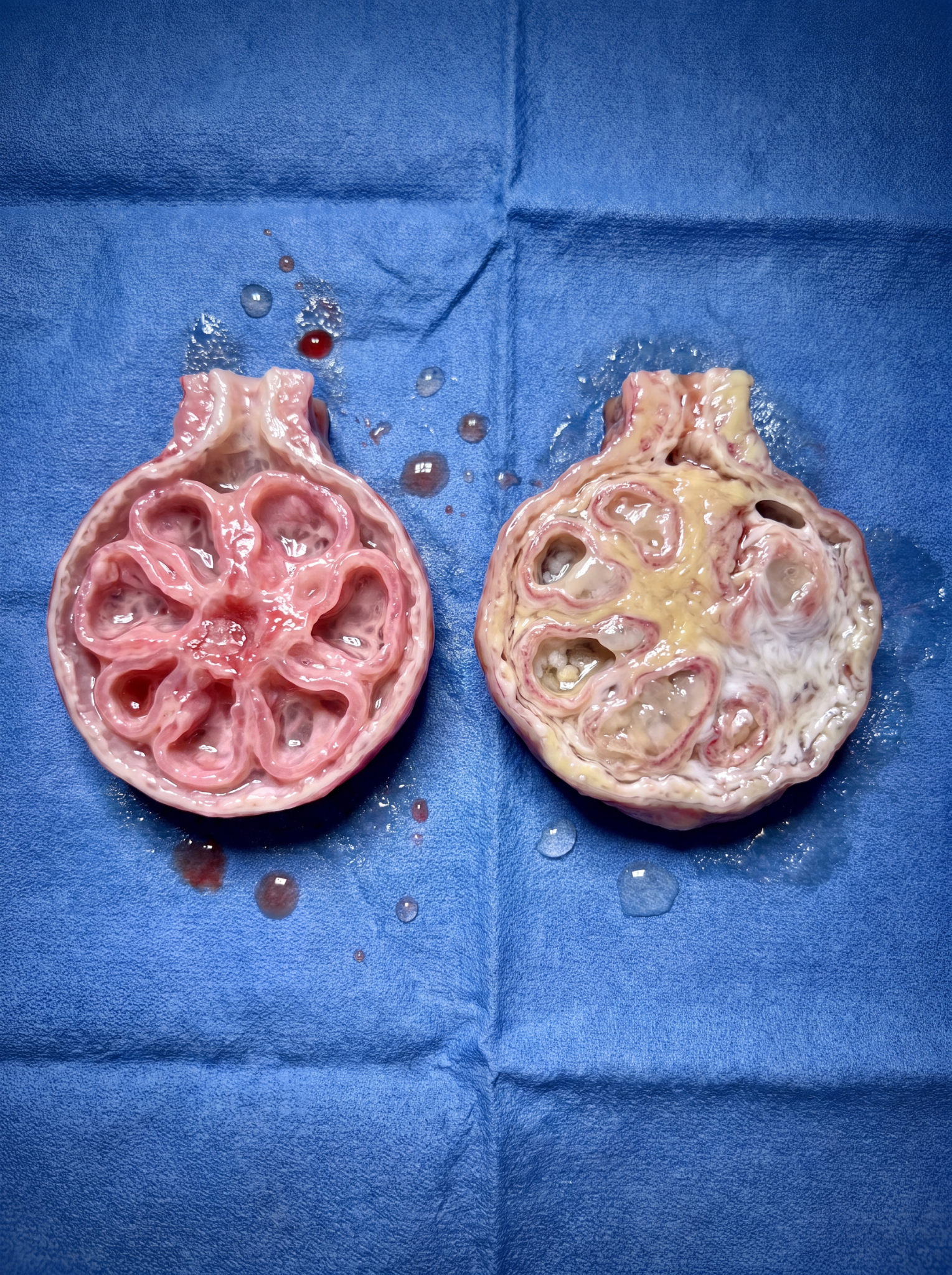
In 1696, a German physician named Johann Nicolaus Pechlin documented something that would puzzle European doctors for the next three centuries. He was treating patients in the Austrian region of Styria — a mountainous province where pumpkins grew wild across the hillsides. The local farmers crushed the seeds, pressed the oil, and drank it by the spoonful every morning. Pechlin noticed something strange. The Styrian farmers almost never complained of the bladder troubles that plagued men across Europe. They didn't wake up four times a night. They didn't describe the burning, the urgency, the feeling of never fully emptying. They didn't have the puffy faces and swollen ankles that marked kidney distress. He wrote about it. Other physicians dismissed him. But Pechlin had stumbled onto something that modern science would take another 300 years to fully explain. The Styrians weren't just eating pumpkin seeds. They were maintaining something their bodies desperately needed — something most modern people have lost entirely. In 2009, researchers in Japan conducted a study that would have vindicated Pechlin three centuries late. They gave pumpkin seed oil to men with overactive bladder symptoms — the constant urge to urinate, the nighttime trips to the bathroom, the low-grade kidney discomfort that doctors typically dismiss with "drink more water." After 12 weeks, the results were remarkable. Nighttime urination frequency dropped significantly. Daytime urgency improved. The participants reported sleeping through the night for the first time in years. The researchers didn't fully understand why it worked. They attributed it to the "phytosterols" in pumpkin seed oil — plant compounds that seemed to calm overactive bladder muscles. But they were only seeing part of the picture. In 2014, a Korean study revealed the second piece. Researchers documented that pumpkin seed oil reduced inflammation markers in the kidneys. Not by masking symptoms — by actually reducing the cellular inflammation that causes kidney tissue to swell, leak protein, and underperform. The foamy urine that millions of people notice in their toilet bowls? That's protein leaking through damaged kidney filters. The puffiness under the eyes each morning? That's fluid the kidneys couldn't properly drain overnight. The swollen ankles by evening? The same mechanism. When kidney inflammation drops, the filters work better. Protein stays in the blood where it belongs. Fluid drains properly. The puffiness resolves. The Styrian farmers didn't have the vocabulary for "kidney inflammation" or "proteinuria" or "nephritis." They just knew: drink the pumpkin seed oil, and you pee normally. You sleep through the night. Your face doesn't swell. Your rings still fit in the morning. Three hundred years of folk wisdom. Validated in a Korean laboratory. But there's a third piece — and this one explains why the problem has become an epidemic. Your kidneys are filters. They process roughly 200 quarts of blood every day, extracting waste and excess fluid, returning clean blood to your circulation. They're remarkably efficient organs — when they're healthy. But modern life assaults them constantly. Processed food pumps sodium through your system. High blood sugar damages the delicate filtering membranes. Chronic dehydration forces them to work harder with less fluid. Inflammatory seed oils — the same ones in almost every packaged food — trigger low-grade inflammation that accumulates over years. By the time you're 40, your kidneys have likely accumulated significant inflammatory damage. Not enough to require dialysis. Not enough to show up on standard blood tests. But enough to notice. You wake up to pee at 2 AM. Then again at 4 AM. You notice foam in the toilet that wasn't there a decade ago. Your face looks puffy in the morning. Your ankles swell by evening. You feel heavy, tired, like your body is holding onto something it should be releasing. This is subclinical kidney stress. The medical system doesn't have a treatment for it because they don't recognize it as a condition until it progresses to actual kidney disease. But your body recognizes it. That's why it's signaling you. In 2021, researchers at the University of Mannheim documented something remarkable about pumpkin seed oil. It contains a specific compound called delta-7-sterine — a phytosterol found almost nowhere else in nature. Delta-7-sterine directly supports the prostate in men, reducing the swelling that causes urinary urgency. But it does something else. It blocks the enzyme 5-alpha-reductase. This is the same enzyme that pharmaceutical companies target with prescription drugs like finasteride. When 5-alpha-reductase is overactive, it converts testosterone into DHT — the hormone that shrinks hair follicles and enlarges prostates. Pumpkin seed oil is a natural 5-alpha-reductase inhibitor. This explains why the Styrians had thick hair into old age. Why modern studies show pumpkin seed oil improving hair density in men with androgenic alopecia. Why women taking it for bladder symptoms noticed their hair stopped shedding. Same compound. Multiple benefits. The body doesn't separate "kidney health" from "hair health" from "bladder health" — it's all one interconnected system. When inflammation drops, everything improves. The Egyptians knew about pumpkin seeds. Archaeologists have found them in tombs dating to 7,000 BC — sealed with the dead as food for the afterlife. The Greeks and Romans cultivated them across the Mediterranean. Indigenous Americans used them for kidney ailments and parasites. Every culture that encountered pumpkin seeds eventually discovered their medicinal properties. Different languages, different medical theories, same observation: these seeds support urinary health, reduce swelling, and help the body release what it's holding. Modern chemistry can now name the compounds: Zinc — pumpkin seeds contain more zinc per ounce than almost any other plant food. Zinc is essential for immune function, wound healing, and maintaining the integrity of kidney tissue. Magnesium — the mineral most people are deficient in. Magnesium relaxes smooth muscle tissue, including the bladder. It reduces nighttime cramping and urinary urgency. Phytosterols — plant compounds that reduce inflammation and compete with cholesterol for absorption. They calm overactive tissues and reduce swelling. Omega fatty acids — in a ratio that reduces inflammation rather than promoting it. Unlike the industrial seed oils in processed food, pumpkin seed oil delivers fatty acids in the form your body evolved to process. Antioxidants — specifically tocopherols and carotenoids that protect kidney cells from oxidative damage. The same damage that accumulates over decades and eventually shows up as reduced kidney function on blood tests. All of this in one seed. Pressed into oil. Taken daily. The problem with raw pumpkin seeds is dosage. You would need to eat roughly 1/4 cup of raw pumpkin seeds daily to get a therapeutic dose of the active compounds. Every single day. For months. Most people try it for a week, find it inconvenient, and stop. The problem with pumpkin seed oil in bottles is oxidation. Once pressed, pumpkin seed oil begins to oxidize. Exposure to light, air, and heat degrades the delicate fatty acids and phytosterols. By the time you've used half a bottle, the remaining oil has lost significant potency. This is why the Styrians drank it fresh-pressed, immediately after processing. Softgel encapsulation solves both problems. The oil is sealed in an airtight softgel immediately after pressing. No oxidation. No degradation. The full potency of fresh-pressed oil, delivered in a dose you can actually take consistently. Everly Pumpkin Seed Oil Softgels contain 3000mg of cold-pressed pumpkin seed oil per serving. This is the therapeutic dose — the amount used in the clinical studies that showed reduced nighttime urination, improved kidney markers, and better urinary flow. The oil is cold-pressed from Styrian pumpkin seeds — the same variety the Austrian farmers have cultivated for centuries, bred specifically for oil content and phytosterol concentration. No fillers. No flow agents. No artificial additives. Just pure pumpkin seed oil in a softgel designed to release in the intestines where absorption is highest. Here's what the research — and thousands of users — report: Week 1-2: The first thing most people notice is reduced nighttime urination. Instead of waking up 3-4 times, it drops to once or twice. Sleep quality improves simply because you're not interrupted. Week 2-4: Morning puffiness begins to resolve. The under-eye bags diminish. Rings fit better. Ankles don't swell as much by evening. The body is releasing fluid it was previously holding. Month 1-2: Foamy urine decreases. This reflects improved kidney filtration — less protein leaking through the membranes. Energy increases as the kidneys function more efficiently. Month 2-3: Hair shedding slows noticeably. This is the 5-alpha-reductase inhibition taking effect — less DHT means hair follicles recover. Users report finding less hair in the shower drain, on the pillow, in the brush. Month 3+: The cumulative effects compound. Better sleep, better energy, better kidney function, healthier hair. The heavy, bloated feeling resolves. The body feels lighter — not from weight loss, but from proper fluid regulation. This isn't a quick fix. It's a restoration. The same slow process that damaged your kidneys over decades reverses over months. Compare this to the alternatives: Prescription medications like finasteride block 5-alpha-reductase but carry a risk of permanent sexual side effects. The FDA requires a black box warning. Many men refuse to take them. Diuretics ("water pills") force the kidneys to dump fluid, but they deplete electrolytes and don't address the underlying inflammation. They're a temporary pressure release, not a solution. "Kidney cleanses" and detox teas have no clinical evidence and may actually stress the kidneys by forcing them to process unnecessary compounds. Drinking more water helps — but only if your kidneys can actually process the fluid. If the filters are inflamed, more water just means more trips to the bathroom with the same underlying dysfunction. Pumpkin seed oil works with your body's existing systems. It provides the raw materials your kidneys need to reduce inflammation and function properly. It supports the prostate and bladder without disrupting hormones. It delivers the compounds your body recognizes and knows how to use. Johann Pechlin noticed it in 1696. The Styrian farmers had practiced it for generations before him. Modern science spent three centuries catching up. The studies are now published. The mechanisms are now understood. The compounds are now identified. But the seed is the same seed. The oil is the same oil. The benefits are the same benefits. Three softgels daily. 3000mg of cold-pressed Styrian pumpkin seed oil. The farmers in Austria still take it every morning. They still have lower rates of kidney disease, prostate problems, and urinary dysfunction than the rest of Europe. They still keep their hair. They don't know the clinical terminology. They just know what works. Everly Pumpkin Seed Oil Softgels — try.shopeverly.shop/esl 90-day money-back guarantee. Because if it worked for the Styrians for 400 years, it should work for you too.
The "Triple Relief" Solution No One Talks About
"I've been feeling stronger and more balanced since taking Everly Pumpkin Seed Oil. My bladder feels so much calmer, I'm sleeping through the night again, and my hair feels thicker than it has in years. I love how natural it feels — just pure support for my body."
LEARN MORELike this ad? Make it yours.
Crush rebuilds this exact creative around your product — your brand, your colors, your offer — in about a minute.