
Inactive· since Jul 10, 2026
- 24
- days it ran
- 1
- relaunches
Ad copy
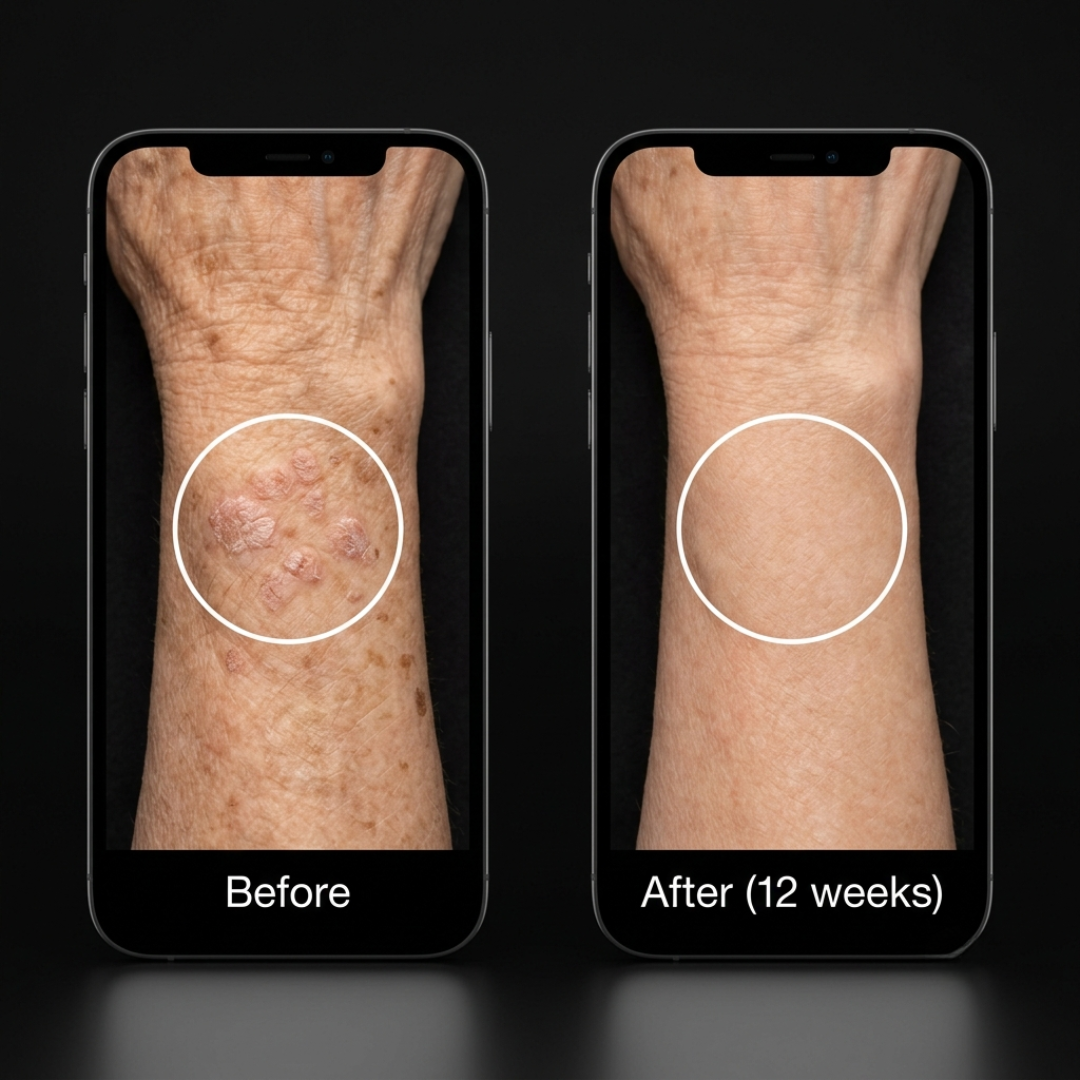
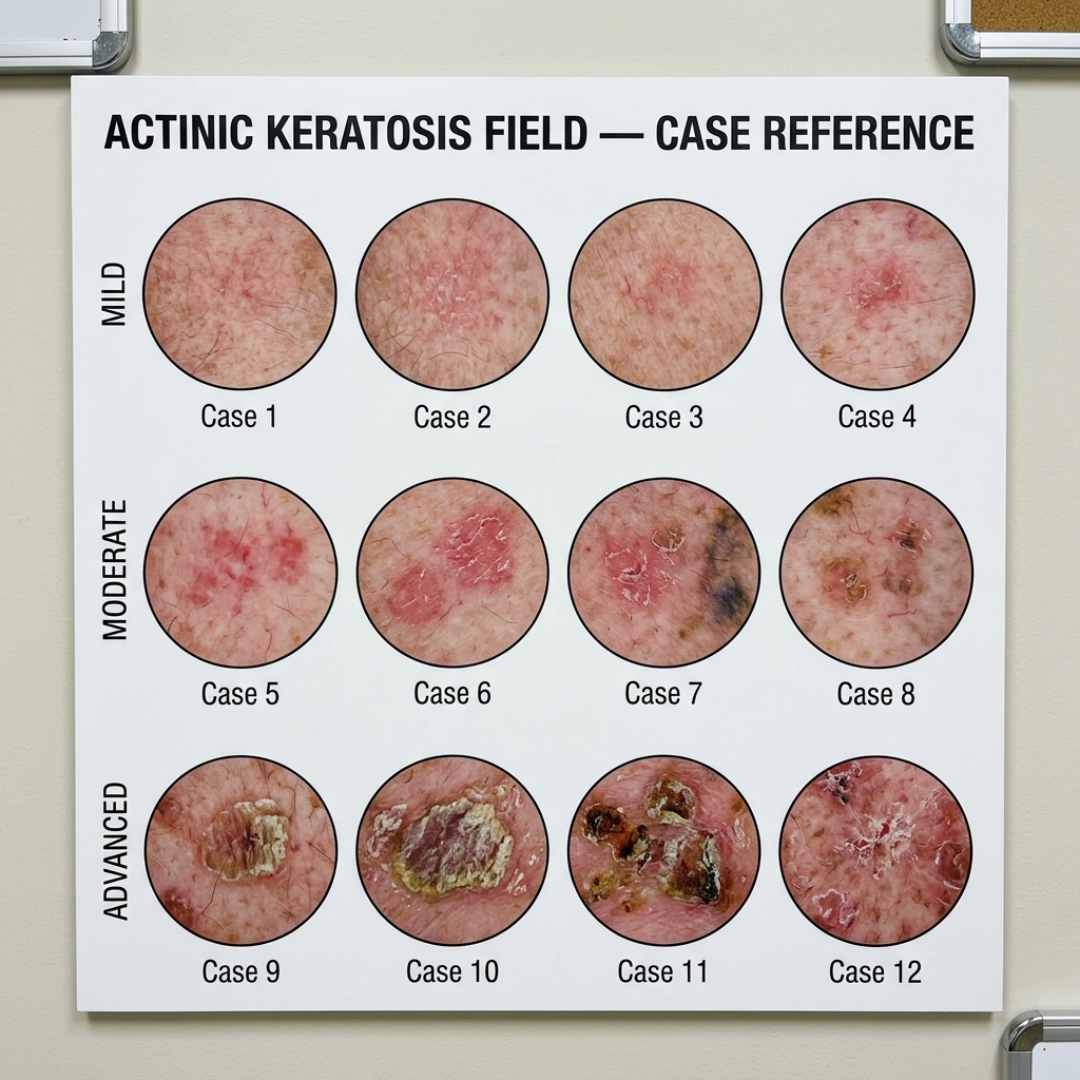
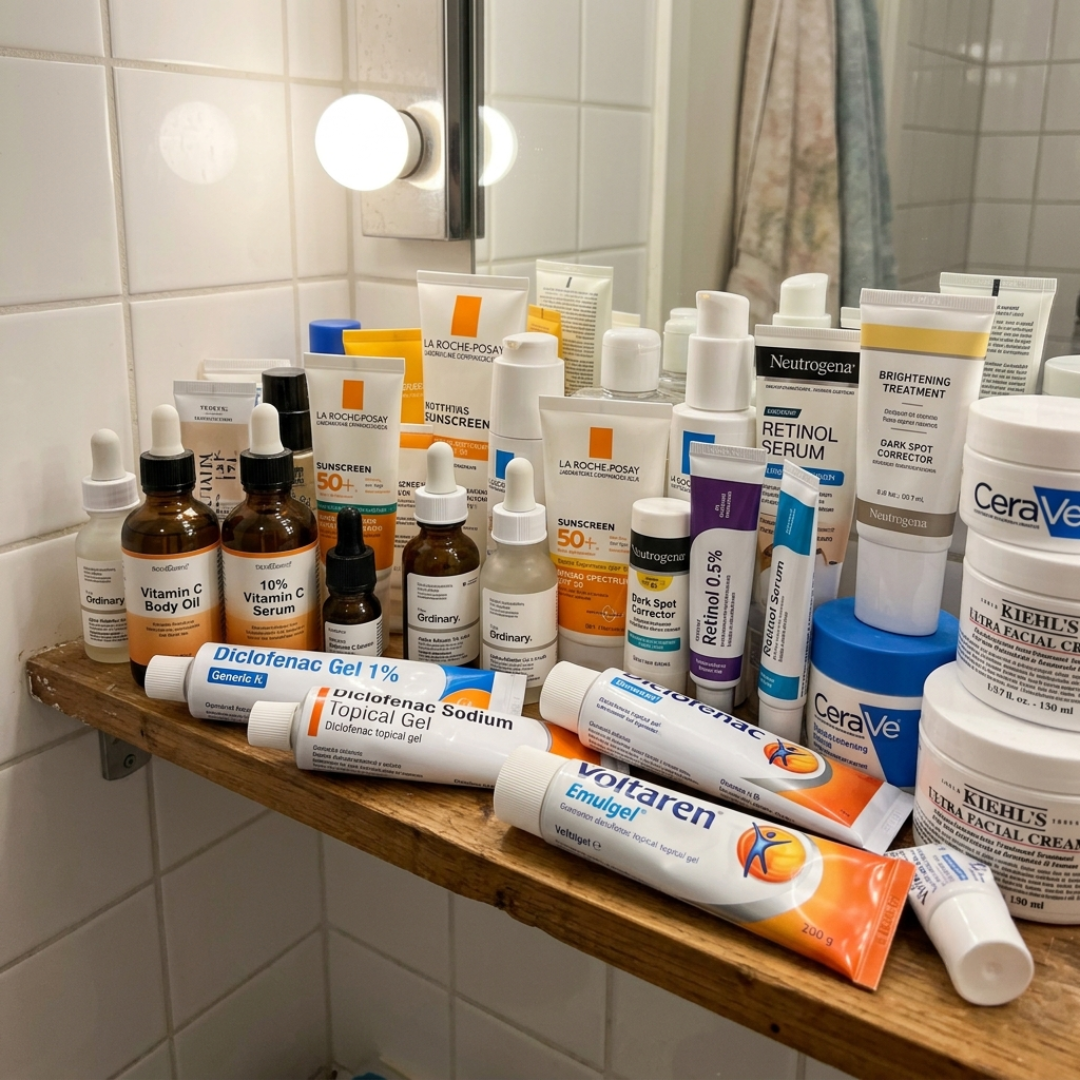
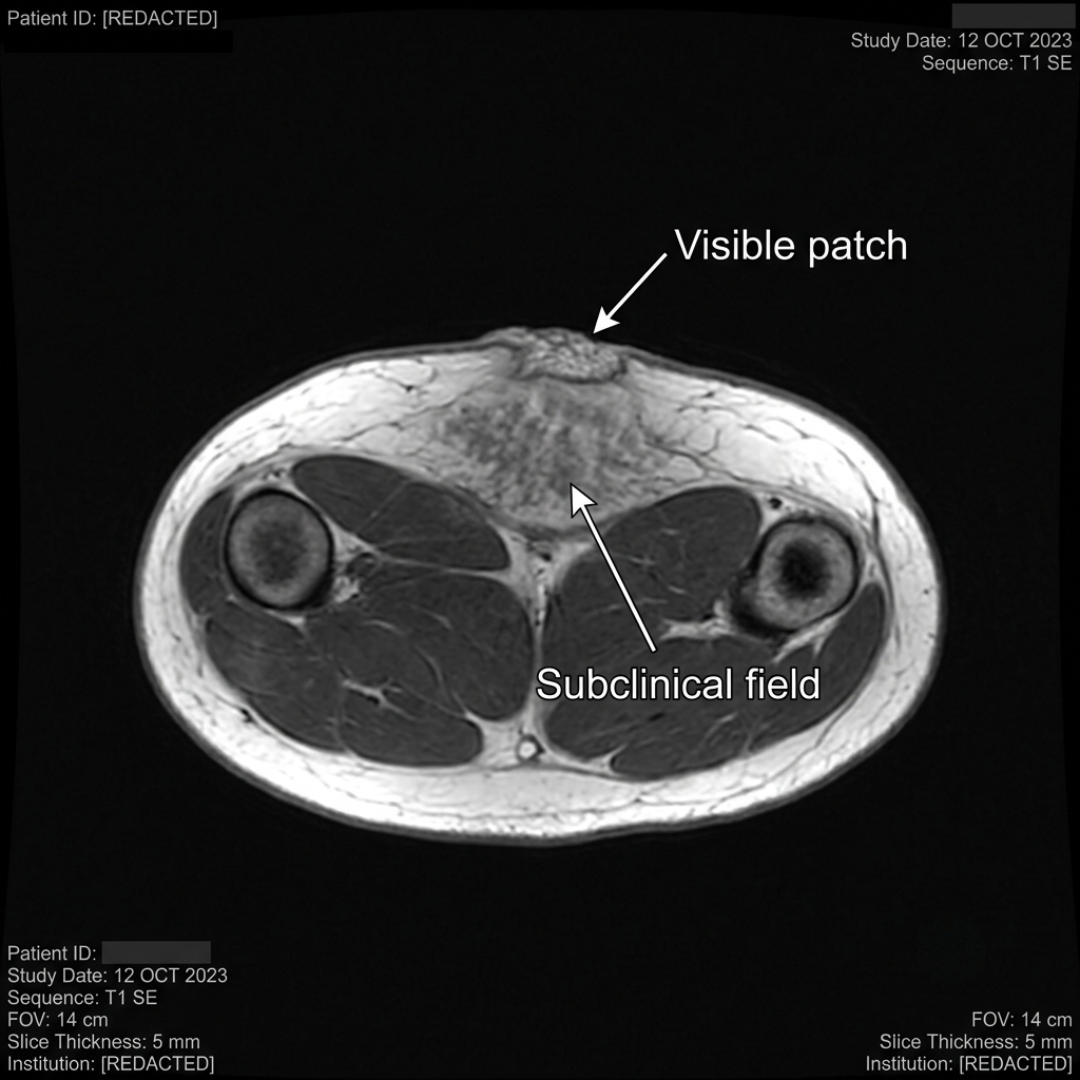
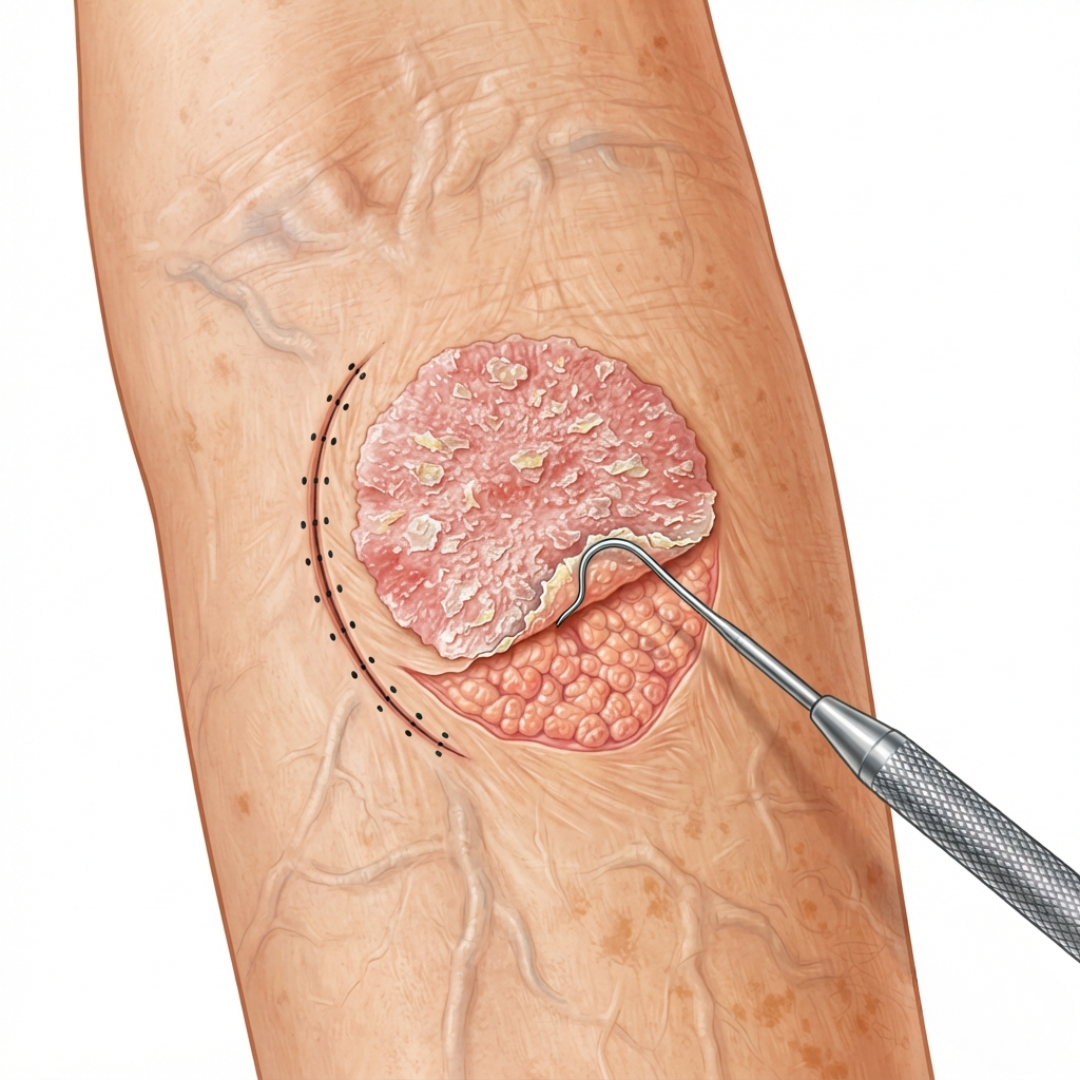
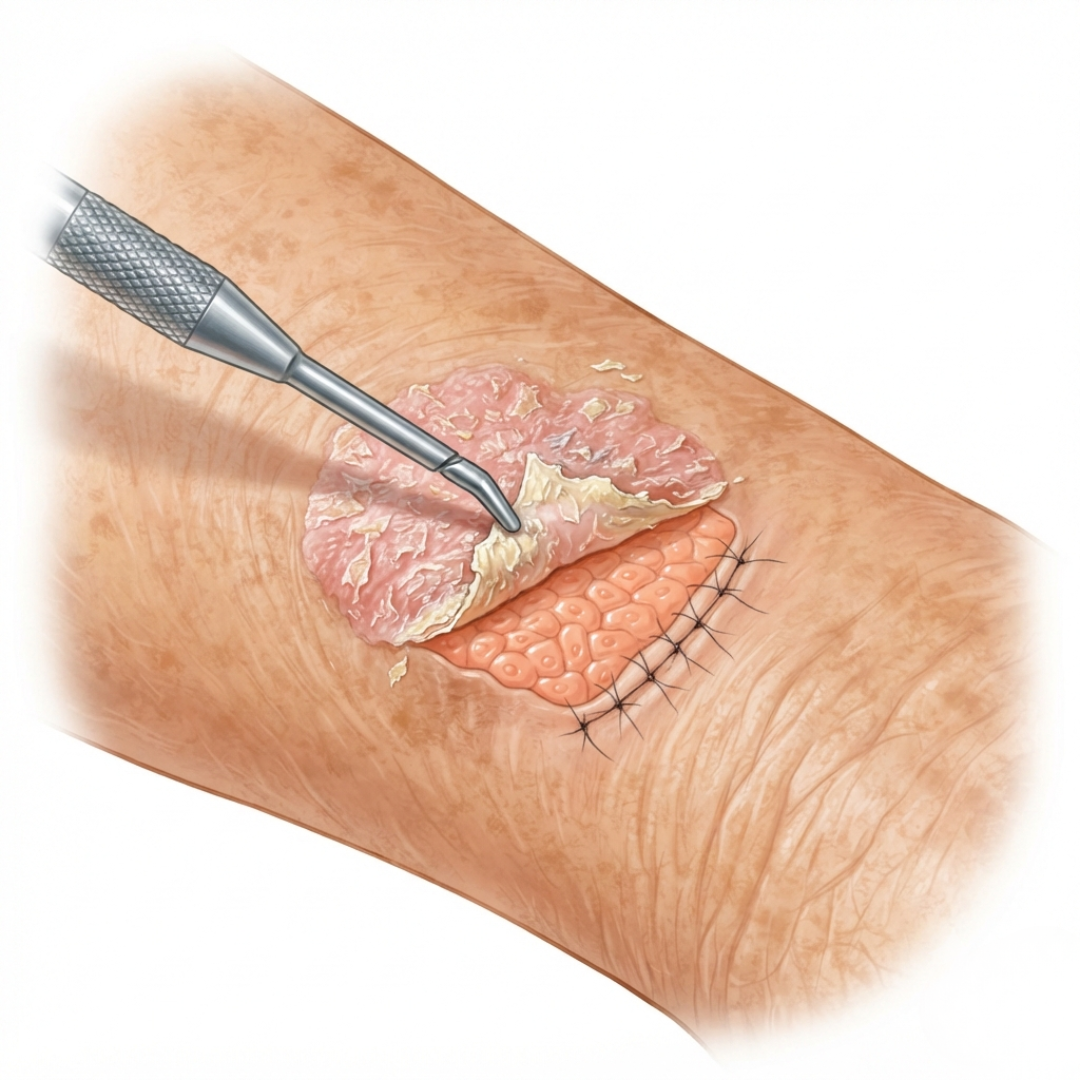
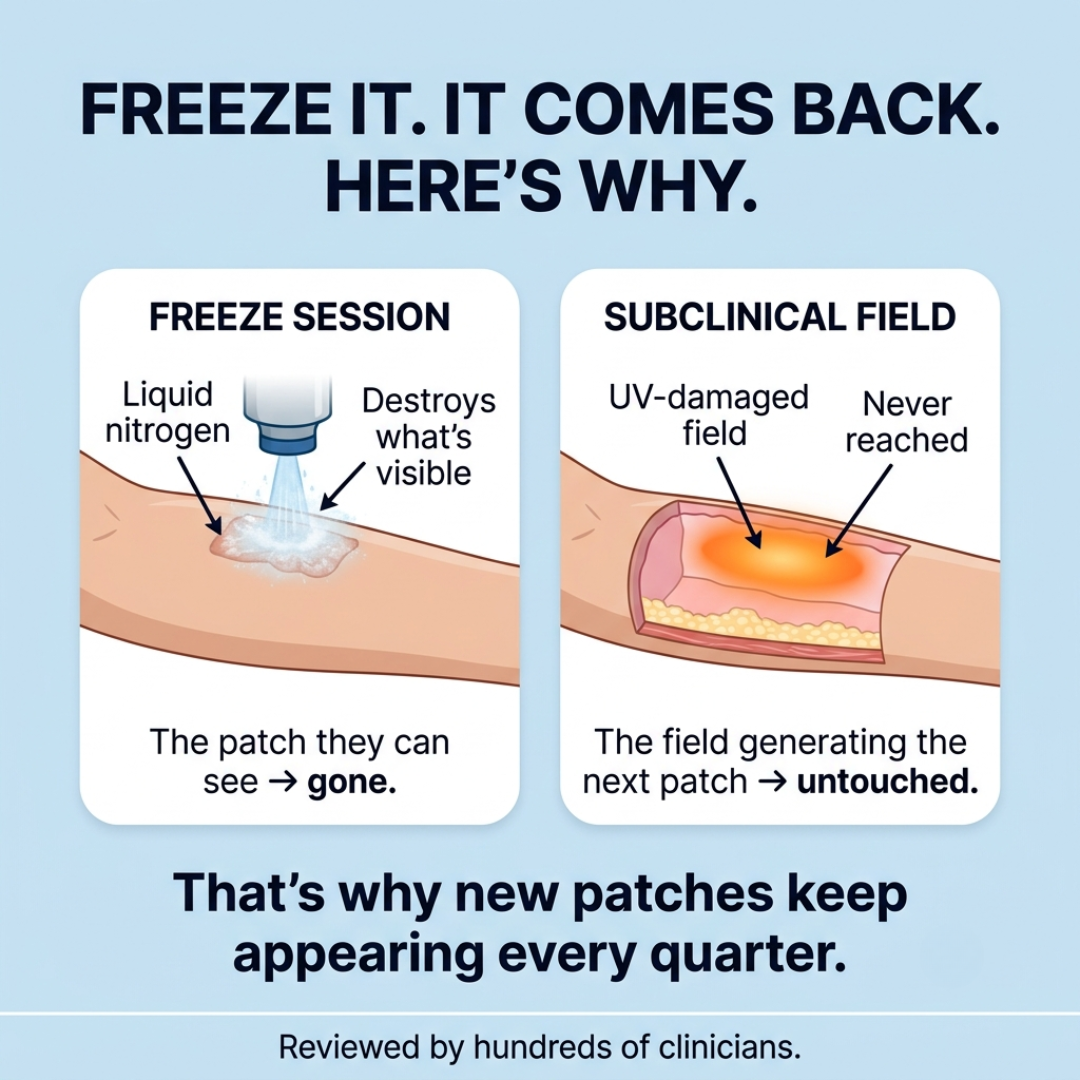
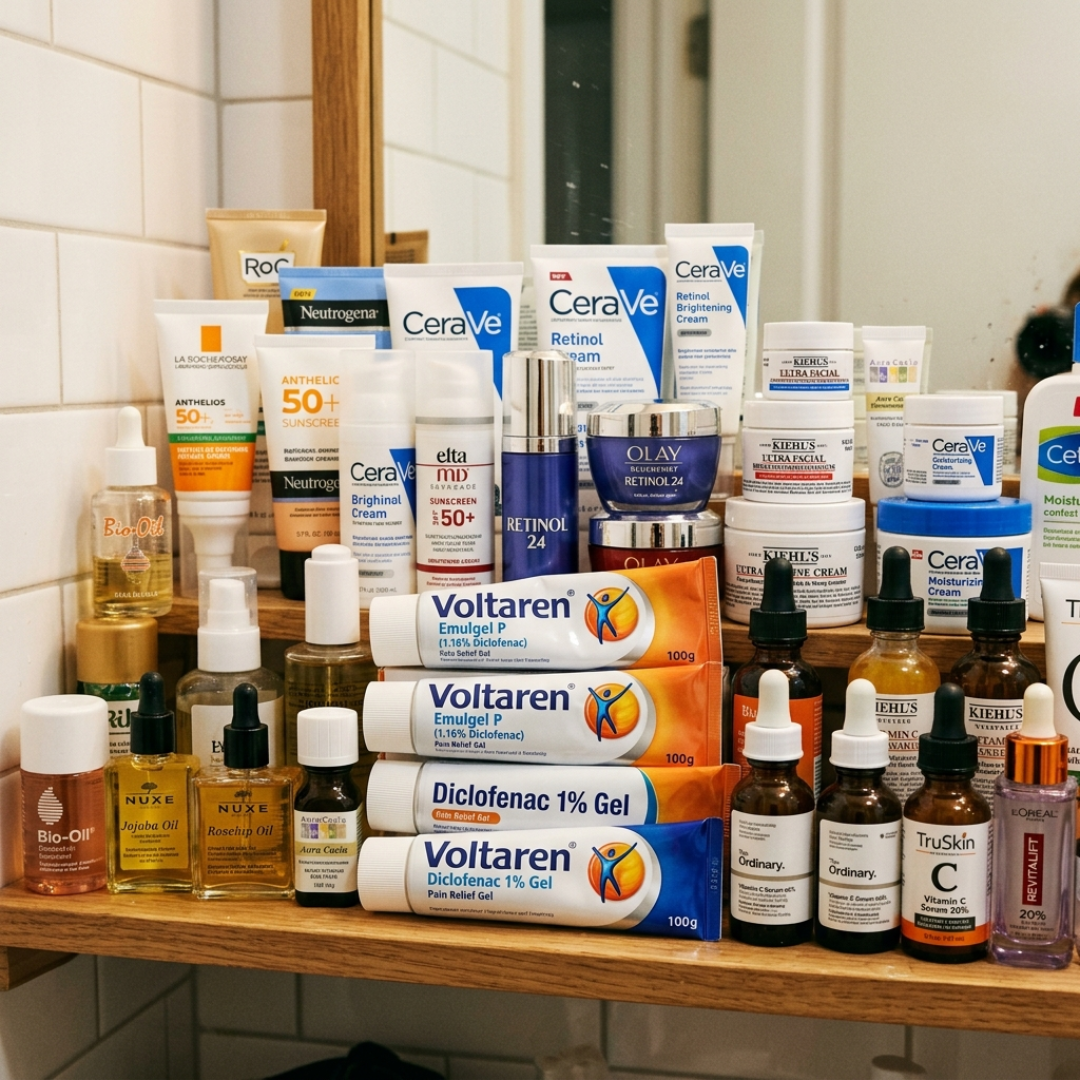
I am going to say something that nobody with actinic keratosis wants to hear and I don't give a f*k if it upsets you. My sister stopped ignoring her patches in March 2023. Threw out every drugstore cream. Switched to prescription diclofenac. Applied it twice a day without fail. Started wearing SPF 50 every morning. She did everything the dermatologist told her. She sat in the same chair every three months for two years and watched new patches appear every single visit. She was 63 years old. Started the new routine on March 14th. Used nothing her dermatologist didn't approve. Spent $1,800 on prescription creams, specialist visits, and skincare products. Applied diclofenac three miles worth of product, rain or shine. The freeze session bill was $2,160. The field therapy consultation was $2,740. Her diclofenac tube is still on the bathroom shelf. I can't move it. If I move it, those patches are really winning. I need to tell you what happened to Ruth. Because I'm seeing the same posts on Facebook that I was making just months before her field therapy failed, "my sister's dermatologist says her AK patches keep coming back, any tips?", and it makes me physically ill. If you're over 55 and you have rough patches on your arms that keep coming back, or someone you love does, please read this entire thing. I know it's long. I know you're scrolling. I know you have things to do. Eighteen months ago I would have given anything, everything, for someone to tell me what I'm about to tell you. Ruth went in for a routine skin check on February 28th, 2023. She felt fine. Better than fine. She'd just turned 62. She still tended her vegetable garden every weekend. She still walked three miles every morning with her neighbor. She thought she was healthy and honestly so did I. Four days later her dermatologist called. Four patches on her left forearm. Two on her right. "Actinic keratosis, Ruth. We need to start a freeze schedule." Ruth was quiet on the call. I was in the kitchen pretending not to listen. "How often?" "Every three months. We'll freeze anything new that appears. Diclofenac between visits. Come back if anything changes." Ruth hung up the phone and sat at the kitchen table for thirty minutes without saying anything. Then she stood up, walked to the bathroom, and cleared the shelf. I watched her throw out an old moisturizer. A half-used SPF lotion. Two body oils she'd bought from the health food store. The whole bathroom shelf, reorganized in under an hour. "That's it," she said. "I'm doing this properly." And she was. For 24 months, she didn't miss a single routine. No skipped diclofenac applications. No forgotten SPF. No lazy mornings. Not at our niece's birthday in June. Not at the family reunion in August. Not at her own 63rd birthday dinner in February where it was 85 degrees and she wore a long-sleeved blouse because she didn't want anyone to see her arms. She stopped going to the community pool with her grandchildren. She lost her gardening group — the one she'd been part of for twelve years — because she couldn't stand in the sun without feeling self-conscious about her arms. She started wearing cardigans in July. She stopped reaching for people when she talked. She lost a piece of herself she'd been carrying for decades. And she did it anyway. Because the dermatologist said to. She bought every product the internet recommended. A vitamin C serum — the expensive one. Retinol. Alpha arbutin. The whole cabinet. She used the diclofenac her dermatologist prescribed. She came back every three months without fail. She did everything right. The follow-up appointment came back on September 12th, 2023. Six patches now. Two new ones in skin that had looked completely clear at her last visit. She'd done everything perfectly for six months and the patches had gotten worse. The dermatologist said "this is normal. AK is chronic. Come back in three months. We'll freeze the new ones." Ruth came home that night and sat at the kitchen table again. The same table she'd sat at after the first call. She didn't say anything for a long time. Then she said: "I gave up everything. Everything. And it's still spreading." I told her to give it more time. I told her the dermatologist said it could take a year. I told her to trust the process. She nodded. She kept applying the diclofenac. She kept coming back every three months. She kept getting frozen. Five months later, she woke up one morning and counted the patches on her forearms before getting out of bed. Eleven. She called me from the bathroom floor. "Eleven patches, Carol. I can count them. I've been doing everything right for over a year. Eleven patches." By the time they took her to the new dermatologist at the referral clinic, the patches had spread to both hands, her upper arms, and the top of her chest. The new doctor, a young woman, couldn't have been 38, looked at Ruth's chart and her face did this thing. "Ms. Harrington, your actinic keratosis has spread significantly despite treatment. We're talking about field therapy — 5-fluorouracil twice daily for six weeks. Then photodynamic therapy. Three sessions. This is going to be aggressive." "But I did everything right for two years," Ruth said. The doctor just looked at her. "I know, Ms. Harrington. I'm sorry." Ruth spent eleven days deciding whether to go through with it. I learned things about skin I never wanted to know. I learned that when the subclinical field beneath UV-damaged skin keeps generating, the patches your arms have been producing for years, they start appearing faster than any freeze session can keep up. They call it field progression. It means your sister stops wearing short sleeves. She looks at her arms in the mirror every morning with a tightening around her jaw. She covers them before she answers the door. She stops letting the grandchildren hold her hands because she doesn't want them to feel the rough patches. On day 6 of her decision-making, Ruth covered her arms three times in twenty minutes when my daughter visited. She used to be the one who grabbed everyone's hands when she talked. She hadn't done that since the patches started. I learned that they apply 5-fluorouracil across the entire affected field when AK keeps progressing. The dermatologist told me it forces rapid cell turnover across the visible damaged area. She said it makes the skin weep and crust for weeks. She said it's the most aggressive topical option they have. She said at this stage it might buy Ruth some time before the patches spread further. It bought her eleven days of thinking before she agreed. Day 8, three new patches appeared at the edges of where the diclofenac had been working. The dermatologist said this was expected — the subclinical field generating underneath hadn't been reached. Day 11, October 19th, I was in the waiting room while Ruth had her photodynamic therapy consultation. At 4:17 PM a nurse I'd never seen walked into the waiting room. "Your sister has agreed to proceed. We'll start the 5-fluorouracil next week." I drove her home. The diclofenac tube was still on the bathroom counter. The vitamin C serum was by the bathroom door. The SPF was on the windowsill above the sink, next to the alpha arbutin she'd been applying every morning. Her favorite moisturizer, the expensive one she'd bought because the internet said it would help, was still on the shelf above the sink. Where it sits today. She sat in her chair. She didn't move for four hours. The house was so quiet I could hear the clock. Two years of long sleeves and covered arms. And now the only sound in her house was the clock ticking. The field therapy started November 3rd. My daughter drove up from Columbus. Our cousin called from Seattle. Ruth's gardening friends sent flowers. My five-year-old grandniece asked her: "Auntie Ruth, why do your arms look like that?" Ruth told her Auntie Ruth's skin needed some help right now. She said: "Does it hurt?" Ruth had to walk out of the room. After the therapy, I tried to go back to normal. I couldn't. Because every time I opened my phone I saw women my age, women Ruth's age, posting things like "dermatologist says my AK patches keep coming back, any tips?" or "been on the freeze schedule two years, new ones keep appearing, is this normal?" And I knew, I KNEW, some of them were doing exactly what Ruth did. Applying the diclofenac. Coming back every three months. Getting frozen. Watching new ones appear. And getting nowhere. I couldn't just sit there and watch it happen. So I started researching. Not because I wanted to. Because I had to. Because if Ruth went through two years of covered arms and long sleeves and field chemotherapy for nothing, if I can't save even one woman from what happened to her, then I can't live with that. I read for weeks. Dermatology journals I had to read three times to understand. Photoaging forums. Studies out of Germany and the Netherlands. And one thing kept coming up, over and over, that no dermatologist ever told us. The reason Ruth's patches didn't stop is that diclofenac and freeze sessions only treat what's visible. They don't reach what's actually generating the next patch. Specifically: the subclinical field. The subclinical field is the layer of UV-damaged keratinocytes spreading invisibly across the dermis beneath the skin that looks clear. These cells look normal to the eye. They feel almost normal to the touch. But they're already misfiring at the cellular level — dividing abnormally, generating the next visible patch before the current one has even been frozen. And here's what no one told us. Liquid nitrogen destroys the visible lesion. It was never designed to reach the dermis where the field lives. Diclofenac sits on the stratum corneum — the outermost skin layer — because it's water-based. Water cannot cross the lipid barrier of the stratum corneum to reach the dermis. It bounces off. Read that again. The patches weren't spreading because Ruth didn't comply. They were spreading because everything she was using was physically incapable of reaching the layer where the field was generating. And here's why two years of perfect diclofenac application didn't stop the field: applying a water-based compound to the surface stops surface inflammation temporarily. It doesn't reach the UV-damaged keratinocytes generating new lesions 4, 5, 6 skin layers deep. By the time the dermatologist told her to keep applying, the field was already generating in the dermis behind a lipid barrier that water-based compounds physically cannot cross. That's why her patches wouldn't stop. She covered her arms for two years to apply a compound that could never reach the source of the problem. I sat with that for three days. And then I started looking at what I'd been doing. I'd thrown out Ruth's old moisturizers the week after her field therapy started. But I bought new ones for myself. Because I'm 58. Because my arms had two patches my dermatologist said to "watch." Because I was terrified. I used them for three weeks. My dermatologist, a different one to Ruth's, who I called because I trusted her, shook her head when I told her what I was using. "These are water-based. The stratum corneum blocks them. You're moisturizing the surface while the field generates underneath. You're not reaching the dermis." Then she said something I'll never forget: "If Ruth had been on something that actually penetrated to the dermis, the picture might have been very different." I stopped breathing for a second. "Why didn't her dermatologist recommend that?" She was quiet for a long time. "Because we don't recommend cosmetic oils as treatment. And the thing that actually reaches the dermis isn't something we prescribe." I went to the health food store the next day. I stood in that skincare aisle for forty minutes. Vitamin C serums. Brightening creams. "Age spot correctors." "30-day renewal" kits. Retinol oils. Generic vitamin C body oils, $12.99, the cheap stuff. I bought the cheap vitamin C oil. Applied it for three weeks. No change to my patches. I started researching and what I found made me throw the bottle in the trash. Most cheap vitamin C body oils use ascorbic acid — the water-soluble form of vitamin C. It bounces off the stratum corneum the same way diclofenac does. And even the oils that use the right carrier — sunflower, jojoba — sit on the surface. They moisturize. They don't penetrate to the dermis. I had been doing the right thing in the wrong form. I was furious. About a week later I was in a Facebook group for women with AK, full of women like Ruth, "patches keep coming back" women, "tried everything" women, and a woman posted something that stopped me cold. She said her sister had been told her AK field was progressing at 60. She did everything — freeze sessions, diclofenac, vitamin C serums. Her patches kept spreading for eighteen months. Then she found a formula with cold-pressed camellia and sea buckthorn as the lipid carrier — the two oils that actually penetrate all seven skin layers — combined with oil-soluble vitamin C and bakuchiol. Her patches went from rough and spreading to smooth and flat in four weeks. Without doing anything else different. I read that post six times. I started looking into the formula she mentioned. And what I learned is that there are three things a serious AK field formula has to do at the same time, or it's a waste of your money: It has to penetrate all seven skin layers to the dermis. That's the lipid carrier — cold-pressed camellia oil and sea buckthorn oil — the only two botanical oils with the molecular structure to actually cross the stratum corneum and deliver oil-soluble actives to the dermis where the field lives. Not sitting on the surface. Going through it. It has to inhibit the UV-induced oxidative cascade driving abnormal keratinocyte proliferation. That's oil-soluble vitamin C — ascorbyl tetraisopalmitate, not ascorbic acid — at clinical concentration. Carried by the camellia and sea buckthorn into the dermis. Where the field lives. Where no water-based compound has ever arrived. It has to support normal cellular turnover from the dermis out. That's bakuchiol at clinical concentration — replacing the abnormal proliferation pattern with healthy keratinocyte cycling. Without the rebound irritation retinol causes in UV-damaged skin. Three things. All three. At the same time. In a zero-water formula. I went through every product I'd looked at in the health food store. Not one of them did all three. Most did one. The expensive ones used the wrong carrier. Not one had zero water. That's when I found Dermiqua. It was the only formula I could find that hit all three. Cold-pressed camellia and sea buckthorn as the lipid carrier. Oil-soluble vitamin C at clinical concentration. Bakuchiol for natural cellular turnover. Sixteen botanicals. Zero water. Zero filler. Applied morning and evening — because the field doesn't rest. 90-day money-back guarantee. If your patches don't improve, every penny back. I almost didn't order it. After the health food store aisle. After the cheap vitamin C oil. After Ruth. After everything. But I had a sister going through field chemotherapy. I had myself with two patches my dermatologist said to watch. I had the women in those Facebook groups posting at 2 AM. I ordered it. My sister. Came home from a follow-up with new patches still appearing at the edges of the treated field. Didn't know what to do. I sent her a bottle. I didn't ask. I just sent it. With a note that said "If you don't apply this every morning and evening I will never speak to you again, Ruth, I mean it." She applied it. She still covered her arms out of habit. She still wore the cardigan. But she applied it morning and evening. She went back to her dermatologist four weeks ago. Patches: smooth. The rough texture that had been spreading for two years — flat. Down from actively generating new lesions to nothing new at her last two visits. She hadn't changed anything else. Same diet. Same walks. Same life. The only thing she changed was the oil she applied morning and evening. She called me crying. My sister. 63 years old. Crying on the phone like a kid. She said: "I think I went through all of that because nobody told me about this." I had to hang up. Then there's my neighbor Janet. 57, three grandchildren, two patches her dermatologist said to "watch." Started applying it six weeks ago. She says the rough texture she'd been running her fingers across every morning is smoothing. She says she reached for her granddaughter's hand at the park last week without thinking about it. First time in two years. My friend Patricia from church. Her mother went through nine years of freeze sessions and field therapy before the patches finally stopped responding to treatment. Patricia is 55 and her arms have four patches her dermatologist is monitoring. She started applying it two days after I told her. She says it's the first time since her diagnosis that she doesn't feel like she's just waiting for the next one to appear. I told my daughter. I told Ruth's gardening group. I told the women in my book club. I told the women in those Facebook groups at 2 AM. I'm not a dermatologist. I'm not a scientist. I'm not selling anything and I don't get a penny from any of this. I'm a 58-year-old woman sitting at my kitchen table at 2 in the morning because I can't sleep and I can't stop thinking about Ruth and whether the field therapy is going to hold, and about the women posting in those groups right now doing exactly what Ruth did for two years. Here's what I know because I lived it: Freeze sessions clear what's visible. They don't reach the field generating the next patch. Diclofenac and water-based serums sit on the stratum corneum. They don't cross the lipid barrier to reach the dermis where the field lives. A water-based compound cannot penetrate to where the UV-damaged keratinocytes are generating. A lipid-based carrier can. Ruth covered her arms for two years and went through six weeks of field chemotherapy because nobody told her what was actually generating the patches. I wish someone had told us before February 28th, 2023. Before the routine skin check. Before the diclofenac on the bathroom shelf. Before the two years of long sleeves in July. Before the field therapy. I can't go back. Ruth's two years can't come back. Her diclofenac tube is still on the bathroom shelf and it's going to stay there. But you can still go forward. Your sister can. Your friend can. You can. The page that explains all of this — the subclinical field mechanism, why the patches don't stop when you apply harder, what your dermatologist doesn't know about lipid penetration, and what's inside Dermiqua — it's the page I found at 2 AM. Not treating. Reaching. That's the line that finally made it click for me. I want you to read it. Not for me. For whoever you'd rather not watch cover their arms every summer for the rest of their life. 👉 dermiqua.com/pages/actinic-keratosis Ruth used to say: "You can't unfreeze a patch that's already formed. But you can stop the field from making the next one." You can stop the field. — Carol, age 58, Cincinnati OH P.S. Ruth's diclofenac tube is still on the shelf. I still can't move it. Every morning I walk past it and for one second I forget. For one second I think she's about to call me and say she finally had a visit with nothing new to freeze. She hadn't had that in two years. Until now. Two years of covered arms. Six weeks of field chemotherapy. And a morning and evening oil that costs less than one freeze session — an oil her own dermatologist told me could have changed everything if we'd known. Please. Don't end up here. Don't let someone you love end up here. 👉 dermiqua.com/pages/actinic-keratosis P.P.S. I don't work for Dermiqua. I don't get a penny from this. I'm writing this at 2:23 AM because I can't sleep and Ruth is 63 and stubborn and I'm scared every time she calls. Share this with anyone you love whose patches keep coming back. Even "mild." Even "just monitoring." Even if they already apply the diclofenac perfectly. Especially then. Please.
Like this ad? Make it yours.
Crush rebuilds this exact creative around your product — your brand, your colors, your offer — in about a minute.