News4Americans.com
News4Americans.com Facebook ad: “Why First Aid Kits Kill”
Ran for 64 days, from July 21 to September 23, 2026, the last day Crush saw it.
Run by News4Americans.com on Facebook. Crush is not the advertiser and does not verify its claims. See this ad in Meta's Ad Library(opens in a new tab)
Want an ad like this for your product?
Crush makes new ad images for your product from this ad: your logo, your product photo, your offer.
Trials from $19.95 USD, then $79.95 USD a month. Cancel anytime.
About this ad
- Meta Ad Library ID
- 1574378600753923
- Platforms
- Facebook, Instagram, Audience Network, Messenger and Threads
- Relaunches
- 0
- Niche
- Pets
Ad text
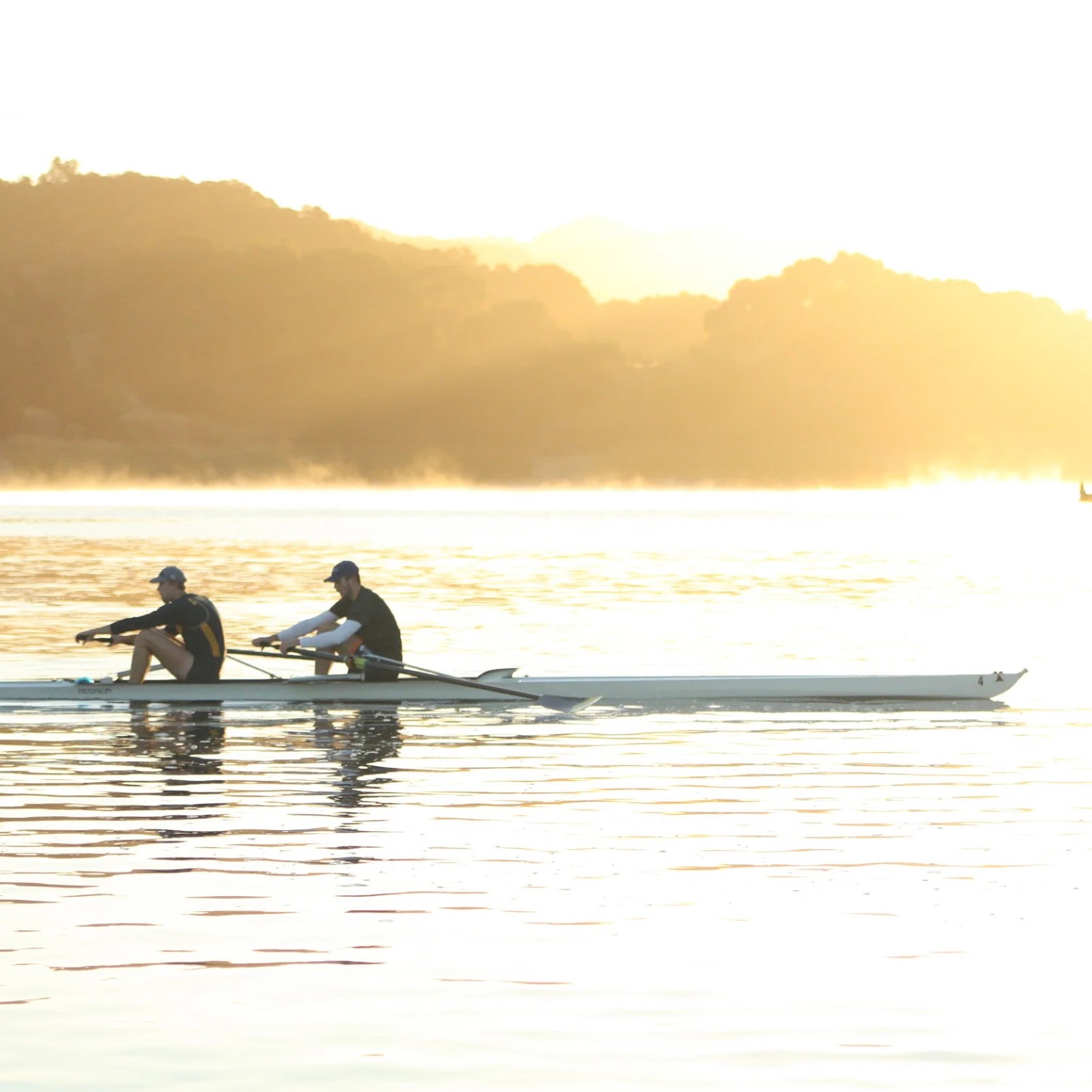
Frank's single flipped at stroke rate 28, 2500 meters from the dock, and I was in the safety launch. He caught a crab on a wake he never saw. Fifty seconds is a long time when the water is 62 degrees. Frank Miller is 66 years old. Retired eighth grade civics teacher out of Westerville, Ohio. Widowed at 63. His wife Diane went in the fall of 2023. He sold her Buick the following March, and put the money down on a used Empacher single scull. Thirteen thousand four hundred dollars. He named the shell Diane. Put the letters in white block paint on the bow. Every dawn since. Six days a week. Even when the launch dock had frost on it. Even the mornings the wind blew whitecaps up from the north end. Frank does not sit at home. Frank rows. You see, we row out of Alum Creek Reservoir north of Columbus. Small masters club, twenty two registered members between the ages of fifty one and seventy nine. Most of us in singles. A double, a mixed four, a coaching launch, and me driving it. I am 68. Retired shop teacher out of the same district Frank taught in. My knees stopped letting me pull a single as hard as Frank pulls his about four seasons back. So I coach the launch on our long Sunday rows and I sit port stern of whichever member is doing a piece. That morning Frank and I were prepping for Head of the Charles. Grand Master Singles this October. He had a shot at the podium in his age group. Splits down two seconds from May, blade work clean, no drag on the recovery. Steadier than he has been in five years. His plan for the piece was five thousand meters at open rate. Alum Creek at 5:20 a.m. in July, if you have never rowed a reservoir in the dark, is unlike anything the rest of the world sees. The lavender light before the sun clears the tree line. No wind. Glass water. The buoy line lit only by the club solar reflector every 250 meters. Frank warmed up. Ten minutes at rate 18. Then he called the piece over the water from the yellow start buoy. I was two hundred meters off his port stern in the launch. Four knots of headway. Whistle on my neck. Radio in the dash bracket. He hit the yellow buoy. Rate climbed. 22, 24, 26, up to 28. Puddles the size of dinner plates coming off the blades. Feathering tight. He looked twenty years younger than he had in the boathouse. When Frank rows, he does. Then it happened. Turns out there is only one thing that will roll a masters sculler in glass water. It is not the wind. It is not a rough puddle. It is a wake you did not see coming. An early bass boat had cut across the south end of the reservoir. I never saw the boat. But its wake did what wakes do. It rolled a mile north and slid under Frank's shell just as he was at the catch. The starboard blade went deep and locked. The recovery froze. The whole boat went over hard to port. I saw the port wing rigger flash up as the shell went belly up. Aluminum. Sharp edged where the pin block meets the swivel. I saw Frank's arms come up in the roll. Then he was in the water and the shell was upside down. Two seconds under. Then he came up on the port side of the hull. Right hand on the shell. Left arm hanging. He waved the I am okay wave with his right. Rowers' wave. Palm up, thumb out. It is what you do so the launch does not panic. But that is when I saw the bloom. Pink at first. Then thicker toward red where his left arm hung. He had gone in on the rigger and he did not know it yet. In 62 degree water, a body pulls blood into the core inside the first thirty seconds. You do not feel your arms. You do not feel a cut. I opened up the launch. Four knots became six. Six became eight. It was still fifty seconds to reach him. Here is what I was doing the whole way. Math I never wanted to do. Fifty seconds to reach him. Two minutes to pull him aboard. Twelve to sixteen minutes at eight knots back to the boathouse ramp. Then a call for EMS. Alum Creek's fire station is a twenty two minute run on a good morning. I know that because I timed it once, on a bet with a firefighter neighbor. I got to him. Killed the engine. Grabbed the throw bag off the launch deck. Told him to hold on and stay high. He was shaking now. Not the surprise shake. The deep, uncontrollable shake of cold water pulling core temperature down. I hauled him over the gunwale. Rolled him into the launch. Looked at his port forearm. Five inch opening on the underside. Wrist toward the elbow. Meat visible. Blood coming faster now that his heart was working harder against the cold. Not spurting. But wide. The rigger had gone in one inch below where his radial artery runs. One inch. I know that number because Frank's son in law is a vascular surgeon in Columbus, and he told me later on the phone from his hospital. One inch. Now here is what I have to tell you about the launch. For eleven years I had been the safety launch driver for our masters group. The kit in the launch, and I am not kidding, was two AA battery chargers for the club GPS, a bottle of drinking water, a hand pump for the bilge, and a pair of terrycloth boat towels for wiping oars. That was the kit. I tore my hoodie sleeve off at the shoulder. Pressed it against Frank's forearm. Told him to hold it there with his right hand. Radioed the boathouse. Told them to call 911 and stand by at the ramp with dry towels and the wool blankets we keep for hypothermia drill days. Twelve minutes back to the dock at open throttle. Frank kept saying he was fine. Teeth knocking together. Saying he was fine. We got in. The Alum Creek EMS truck had staged in the parking lot. They walked Frank to the rig, put pressure on the forearm with a real Israeli bandage they pulled from their own trauma pouch, and drove him to Ohio Health Grady in New Albany. He was home that night. Fourteen sutures. Antibiotics. Instructions to keep it dry and out of the sun for two weeks. He came back to the boathouse two days later on crutches. He had also banged his right knee on the shell coming in. Sat on the dock and watched the Sunday launch. Did not say much. I did not sleep for two nights. Here is what I could not stop thinking. It was one inch. One inch of forearm meat stood between Frank going home for stitches and me making a phone call I have not had to make in this life. Twenty six years of Master Nationals. Eleven summers in that shell. A whole second life he built after Diane went. All of it on one inch. And I had nothing in the launch that would have made a difference if it had been the other inch. So I did what a shop teacher does when he cannot sleep. I looked up numbers. The American College of Surgeons has documented that a person can bleed to death from a major limb wound in as little as five minutes. That is arterial. In cold water, faster, because the heart works harder pumping against the cold. The National Center for Cold Water Safety says it plainly. Water in the fifty to sixty degree range is just as capable of killing a strong swimmer as water a few degrees above freezing. The cold drives the blood to your core and takes your hands first, and a person in it can lose the use of his fingers inside a couple of minutes. Alum Creek was sixty two degrees that morning. Twenty two minutes on a good day is what it takes to get an ambulance from the station to our ramp. If the rigger had gone in one inch lower, that would have been a fight I could not have won with a hoodie sleeve. That was when it hit me. I had been the safety launch driver for eleven years. I was the safety. My daughter Julie is an ER nurse at Cincinnati Children's. I called her that Sunday night. Told her the whole thing. The wake, the flip, the sleeve, the twelve minutes, the one inch. She listened all the way through. Did not say a word. Then she said, Dad. I am going to text you a link. Put this in the launch. That was all she said. She did not sell it to me. She did not tell me what it was. She just texted the link. I clicked. I read. Long story short, I did not know that a whole category of gear existed for exactly the fifty seconds I had spent watching Frank Miller in the water. The next day a black nylon pouch showed up on my porch. Free next day shipping out of a warehouse in New York. I set it on the kitchen table and I laid every piece out on the counter. Eighty two items. A one handed windlass tourniquet in a sealed bag. A six in one Israeli bandage folded in its sleeve. A chest seal, then a second one. Gauze, the compressed kind, wound tight. A splint that rolls up small. An emergency rescue blanket. A CPR mask. Burn dressing. Alcohol pads. Medical tape. Medical scissors. A pair of PVC gloves. And more. Each item had its instructions printed right on the wrapper. No manual to hunt for. No app to open. No video to load on the launch driver's phone at 5:30 a.m. two miles from the nearest cell tower. The pouch itself was black MOLLE. Water sealed inner lining. High strength zippers. Quick release detachable buckle for one handed deployment. Composite nylon. It weighed less than my Concept2 heart rate monitor. The tourniquet was the piece I read about the longest. It is a windlass. A T-handle you twist to compress the limb and shut off arterial flow. It has a 92 percent success rate in real world testing. That is the number. I also looked up what happens when someone improvises. Belts. Shirt strips. Dog leashes. Hoodie sleeves. The peer reviewed data on improvised tourniquets is bad reading. A belt almost never occludes arterial flow because it cannot generate the compression an artery needs. My hoodie sleeve on Frank did not either. It slowed the venous bleed enough because his cut was not on the artery. If it had been, I would have watched him die on the ride in. I bought a second kit for Frank. Put it in his boathouse locker with a note. He unzipped it, took a long look, and did not say anything for a while. Which is Frank. I bought a third kit and mailed it to my grandson at MIT. He is going out for the freshman lightweight squad this fall. His mother did not ask me to. I did it anyway. This is what I need you to hear if you row a single, if you coach a masters four, if you drive a launch, or if you have ever watched a shell go by and thought that could be my dad. There is one inch of forearm between a good story and the phone call I did not have to make. One inch. And every rowing club in this country is running that inch on a hoodie sleeve. Frank's Empacher cost him thirteen thousand four hundred dollars in 2018. His port oar and starboard oar together were another twelve hundred. His club dues at Alum Creek are eight hundred and forty a year. His entry fee for Head of the Charles this October is one hundred and ninety. The pouch that would have kept him alive if the rigger had gone in one inch lower is fifty nine ninety five as I write this. Fifty nine ninety five. That is less than a pair of Croker sculls handles. Less than the erg monitor on his wrist. Less than one summer of dues split by twelve. I am not a salesman. I am a shop teacher who spent one weekend looking up numbers he did not want to know. The question I keep asking myself is this. If it is 5:30 a.m. and the water is 62 degrees and your clubmate goes over at stroke rate 28, do you want to be pressing a torn hoodie sleeve, or do you want to be reaching for a black pouch under the driver's seat? You are 66 or you are 68 or you are somewhere in between. You have twelve, maybe fifteen, maybe twenty summers of rowing left in you. The math is real. The rigger is real. The reservoir is real. One inch is real. Sixty percent off is what they had it at when I bought mine. I called the number on their site to double check for anyone in the club who was thinking about it. The woman told me the tag returns to one forty nine after today. Their site is one tap below this post. Their sale closes when the day does. Look while the tag still says fifty nine. EDITED TO ADD: Frank rowed out of Alum Creek yesterday morning for the first time since the flip. Fourteen sutures still healing under athletic tape. He asked me at the dock if I had the pouch under the launch driver's seat. I said yes. He said good. That is all he said. But for Frank that was a lot. P.S. Julie called me back Monday night after the kit arrived. Asked if I had opened it yet. I told her I had laid every piece out on the kitchen table. She said, Dad, that is exactly what you are supposed to do. She has been our club's launch driver's daughter for forty one years, and this is the first time she has ever told me she was proud of me for something on the water. That was the part I did not expect. P.S. Kit specs, since two of the guys asked me at the boathouse. Eighty two pieces. Waterproof lined. Five year shelf life. Instructions printed on every wrapper. Thirty days to send it back for a full refund if you want. It shipped free and landed the next day out of New York. Zip closed, it fits in the launch driver's tackle bin with room to spare. P.S. Somebody at the club raised the I could build this myself for less thing yesterday. My son in law priced the parts alone at over one hundred and fifty dollars, and that is before you factor in the hours of hunting real medical grade gear. He is a vascular surgeon. He knows. If you only get one thing this month, get this one. Put it under the seat of whatever moves you across the water.
Where the ad sends people
shop.1sthour.com
Why First Aid Kits Kill
Prepare for emergencies with the Tacright Trauma First Aid Kit, designed for rapid response in critical situations. This compact and durable kit includes all the essential tools needed for trauma care, making it perfect for outdoor enthusiasts, tactical professionals, and anyone who values safety an...
Learn more: shop.1sthour.com(opens in a new tab)