
Inactive· since Aug 13, 2026
- 29
- days it ran
- 0
- relaunches
Ad copy
Before I picked up my Lab puppy, I built a spreadsheet of what he'd cost me over 12 years. One line item was 40x bigger than all the others - and it was the one most owners never plan for. I know how this sounds. Who builds a spreadsheet before getting a puppy? I do. I build a spreadsheet before I do basically anything with a comma in the price, and a dog you're going to have for a decade-plus absolutely qualifies. My wife thinks it's a personality disorder. She's probably right. But it's the same instinct that had us buy the reliable car instead of the fun one, and it's saved us from a lot of dumb, expensive decisions over the years. So when we decided on a Labrador - we'd wanted one for years, finally had the yard for it - I did what I always do. Before the deposit was even down, I opened a blank sheet and started building out the real, twelve-year cost of ownership. Not to talk myself out of it. To go in with my eyes open. The routine stuff was easy to estimate. Food, and good food adds up but it's predictable. Annual checkups and vaccines. Flea and tick, heartworm prevention, the monthly stuff. Grooming, toys, the occasional boarding when we travel. Pet insurance premium. I had rows for all of it, twelve columns across for twelve years, and the bottom-line number was big but sane. The cost of a nice used car, spread over a dog's whole life. Fine. Worth it. We knew that going in. Then I got to the row I'd labeled "major medical / injury," and that's where the whole spreadsheet stopped being tidy. Because I'd started reading. Really reading - breed health resources, owner forums, the stuff people post when their dog is six and something's gone wrong. And the same theme kept surfacing for Labs and dogs like them: the joints. Specifically the cruciate ligaments in the back knees, and hips. Labs are one of the breeds that come up constantly in these conversations. Active, athletic, heavier-framed dogs that love to jump and twist and sprint - exactly the build and behavior that puts load on the joints. And the number attached to that risk stopped me cold. A cruciate repair - a TPLO, the common surgery - runs somewhere around $4,000 to $7,000 for a dog this size in a lot of places. (Costs vary a lot by region and clinic, but that range shows up over and over.) That alone was bigger than several years of my other rows combined. Then it got worse, from a planning standpoint. Two things I hadn't known: One - when a dog tears one cruciate, the other one is at real risk too. It's common enough that vets routinely warn owners to expect a possible second surgery. So the honest way to budget the worst case isn't one surgery. It's potentially two. Now I'm penciling in a number that could approach five figures on that single row. Two - the "cheaper" alternative, managing it long-term with daily anti-inflammatory meds, isn't as cheap or as clean as it sounds. Those NSAIDs were built for short-term pain but often get used for years, and long-term daily use carries documented risks to the gut, kidneys and liver. So the budget version can quietly grow its own follow-on bills. There was no tidy cheap escape hatch on this row. I sat back and looked at my nice organized spreadsheet, and the truth was ugly and simple: one row - joints - was something like forty times the size of most of my other line items, and it was the row I had the least visibility into and, I realized, had done the least planning for. Everybody budgets for food and vaccines. Almost nobody opens a sheet before the puppy comes home and stares at the five-figure joint row. Which is exactly backwards, when you think about it. The biggest, scariest number is the one that gets the least planning, because it doesn't show up as a monthly bill. It just sits there as a probability, waiting. So, being me, I went looking for the mitigation. If this was the row that could blow up the whole budget, what could I actually do about it - starting now, while my dog was a healthy puppy with perfect joints and zero problems? And here's the thing that genuinely surprised me: the single most-recommended preventive lever was also, by a mile, the cheapest line I could add to the sheet. Daily joint support. A real multi-ingredient chew - not a single-ingredient supermarket glucosamine tablet - that supports the joints and the surrounding structures continuously, from a young age, before there's ever a problem to react to. Cost? About a dollar a day. Thirty-ish dollars a month. Over twelve years that's a real number, sure, but it's a rounding error next to a single five-figure worst case - and it's the only row on the sheet that actively works to make that worst-case row less likely to ever fire. I was skeptical, obviously. Supplements have a reputation, and I don't spend money on hope. So I checked whether there was actual evidence or just marketing. There's a 2022 randomized, placebo-controlled, double-blind trial - gold-standard design, the same bar used for human drugs - where arthritic dogs on a daily dietary supplement showed measurably better mobility than dogs on a placebo. (Fair caveat: that was a supplement in the category, not one specific brand, so I read it as the approach being real, not a magic bullet.) That was enough. I don't need a guarantee to justify a dollar a day. I just need it to not be snake oil, and gold-standard trial evidence clears that bar easily. So here's the plan I actually landed on, and I think it's the plan more people should run: The best time to start supporting a dog's joints is not when they start limping at eight. It's when they're a healthy, bouncy puppy at one, with everything still perfect. You don't wait for the risk to show up to start hedging it - that's like buying fire insurance while you smell smoke. You start the cheap, evidence-backed preventive lever early, run it continuously, and you spend the dog's whole life quietly bending the odds on the one row that could otherwise wreck your whole plan. I want to be honest about the limits, because I'm not going to oversell my own spreadsheet. A daily chew is not a guarantee my Lab never tears a ligament. Genetics, luck, one bad landing off the couch - those are real and no supplement erases them. And this doesn't replace the vet; my vet is on board and is the one steering his actual health. What I'm claiming is narrower and, I think, bulletproof: starting joint support early is a cheap, evidence-supported way to tilt a very expensive probability in my favor, from the exact moment I have the most to gain and the least to lose. That's just good planning. I found PetGently while I was comparison-shopping the actual products for this row of the sheet. Multi-ingredient, built around the joint-support nutrients that have research behind them like freeze-dried green-lipped mussel, that dollar-a-day range, and a long money-back guarantee that told me the company wasn't nervous about people trying it. He's been on it since he was a young dog. He's a healthy, ridiculous, full-speed Labrador and that is the entire point - I'm not fixing anything. I'm running the cheapest, smartest line on a twelve-year spreadsheet, on purpose, from day one. So here's my pitch to you, fellow over-planner - because if you read this far, you're one of us. If you've got a puppy or a young dog, especially an at-risk breed like a Lab, a Shepherd, a Golden, a Rottweiler - do the thing I did. Actually price out the twelve-year cost, and be honest about the joint row. Look at what one surgery costs, then two, and notice that it dwarfs almost everything else on the page. Then look at what it costs to start hedging that row today, while your dog is perfect and you have all your runway. It's about a dollar a day. It's the best-value line on the whole sheet, and it's the one almost nobody fills in until it's too late to matter as much. If you want to see the same numbers I ran and the guarantee that makes trying it basically free, PetGently lays it out here: https://www.petgently.com/pages/joint-care-chews-stiff-joints The best time to plan for the big bill is before your dog ever gives you a reason to. That's the whole spreadsheet, honestly. P.S. - My wife still makes fun of the puppy spreadsheet. But she's the one who now says "did you put it on his chew yet" every morning before work. The dollar-a-day row is the one line item in twelve years of columns that neither of us has ever once questioned. Everything else we've trimmed at some point. Not that one.
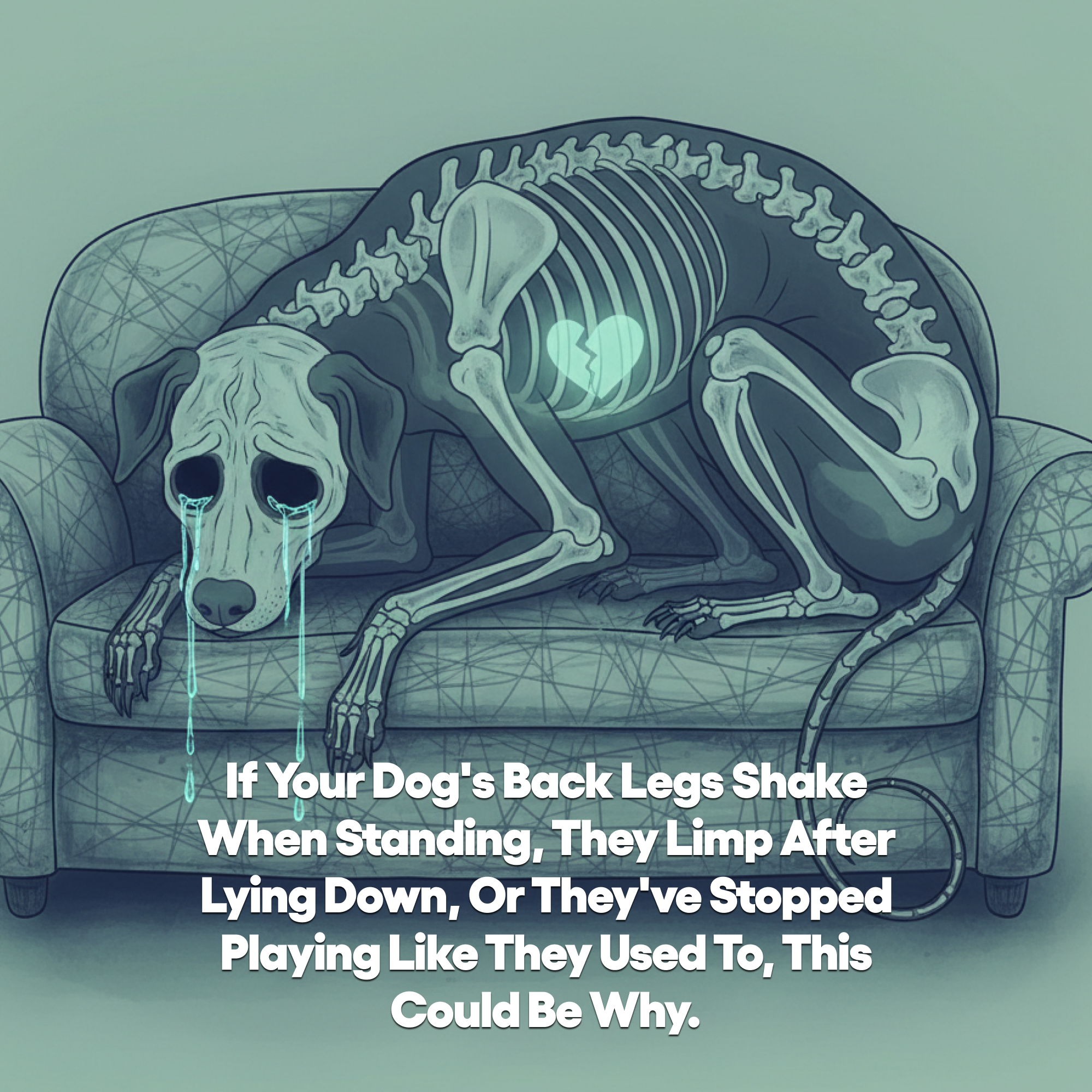
Read This If Your Dog Is Stiff & Sore 👆
Pure, transparent supplementation for dogs. Help them with joint issues, itchy skin and coat & general wellbeing.
LEARN MORELike this ad? Make it yours.
Crush rebuilds this exact creative around your product — your brand, your colors, your offer — in about a minute.