
Active· since Jul 13, 2026
- 66
- days running
- 0
- relaunches
Ad copy
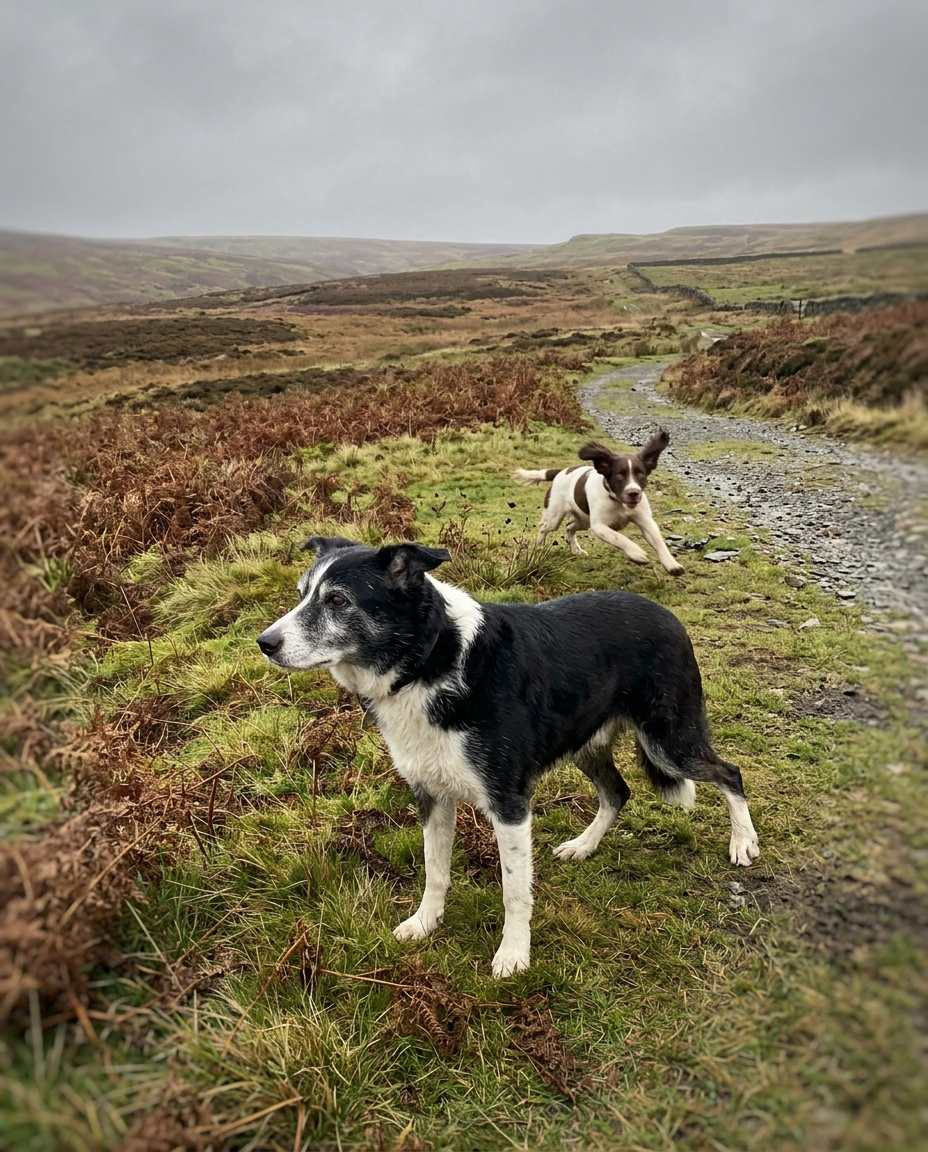
My dog "made a full recovery" from his knee op. Eleven months later I found out he never actually did - and I'd stopped helping him the exact week he needed it most. 👇 I don't post in here much but this one I have to share, because I made a mistake so quietly, so reasonably, that I'd probably make it again if I hadn't been shown the truth. And I think a LOT of people in here are about to make the same one. My dog's a springer spaniel called Bracken. Five last spring. If you know springers you know the type - a coiled spring with fur, never walks when he can sprint, never sprints when he can launch himself off something. He's the joy of my life and he's also a menace. Last year his back leg started skipping. You'd see it on walks - every so often the leg would kind of pop out and he'd hop for a stride or two, then carry on like nothing happened. The vet called it a luxating patella. His kneecap was slipping out of its groove. Left long enough it wears the joint down and turns into arthritis, so we booked him in for the surgery to fix it. It went well. £2,900, six weeks of restricted movement, a cone he hated, and a very sad springer who could not understand why he wasn't allowed on the sofa. We did the lot. Short lead walks. No stairs. The little physio exercises the nurse showed me. And here's the thing - he recovered beautifully. Textbook. By about week eight the limp was gone. By week ten he was trotting around the garden like his old self. The vet checked him over, said the knee felt stable and solid, and signed him off. "He's done really well. Back to normal." I was over the moon. I put the leftover recovery stuff in a drawer, stopped the little exercises because, well, he was better, and got on with life. Bracken went back to being Bracken. That's the mistake. Right there. Do you see it? I didn't. Not for eleven months. What I didn't know Fast forward almost a year. We were at a fun dog show, one of those charity ones with an agility taster and a "temptation alley." There was a woman there doing free movement assessments - she does gait analysis for sporting and working dogs, uses little motion sensors and slow-motion video to see how a dog actually moves. It was a fiver for charity so I let her run Bracken through it, mostly for a laugh. She wasn't laughing when she looked at the footage. She played it back for me, frame by frame, slowed right down. And she pointed at his back end. "See that? He's still not loading that repaired leg evenly. Watch the hip drop. He's taking a little more on the other side every stride. It's subtle - you'd never see it at normal speed - but it's there." I said, "But he recovered ages ago. The vet signed him off. He doesn't limp." She said something I've thought about every day since: "Walking fine and being healed aren't the same thing. A limp is what you see when the compensation gets bad enough to show. Everything before that point is invisible - and that's most of it." She explained that after a joint surgery, dogs very often settle into a slightly altered way of moving. A movement pattern that protects the leg that was sore. And because dogs are stoic and clever, they get so good at it that it looks completely normal to us. No limp. No yelp. Nothing to see. But underneath, the load is still going through the joints unevenly. Month after month. And that quiet, uneven loading is exactly the kind of thing that grinds a joint down over time - the healthy ones as much as the repaired one. "The dogs I worry about," she said, "aren't the ones still limping. Everyone helps those. It's the ones who 'made a full recovery' and got nothing afterward, because everyone relaxed. That's the dog whose other joints are quietly taking a beating no one's watching." I felt genuinely sick. Because I'd done exactly that. The week Bracken looked better was the week I stopped helping him. I'd taken the "he's fine" and run with it. The question I asked, and the answer I didn't expect I asked her the obvious thing. "So what do the dogs who hold up long-term actually get? The sporting dogs, the agility dogs - what's different about them?" She said the serious ones are never really "off." The good handlers keep their dogs on daily joint support as a permanent thing, not a recovery thing. Because they understand what I'd just learned the hard way - that the risk doesn't end when the limp does. The uneven loading, the wear on the compensating joints, the years of hard use - that's ongoing. So the support is ongoing too. "Rest fixes the acute problem," she said. "It does nothing for the joint that's quietly overloaded for the next two years. You have to actually feed the joints for that." And then, same as everyone sensible, she said she didn't care which brand - just something real, properly dosed, every single day, and don't stop when he looks better. So of course I was up half that night reading. I went looking to see if this was real or if I'd just been sold a fiver's worth of worry. It's real. Owner after owner in the recovery groups saying the same thing: "Vet signed him off at 10 weeks. Arthritis in the same knee by age 6. Nobody told me the recovery was really the start, not the end." "He never limped again after the op. But he slowed down way too young and the x-rays showed wear in the OTHER leg." "Best thing I did was keep him on joint support for good instead of stopping when he 'got better.'" And over and over in the UK groups, the same brand kept coming up for exactly this - the daily, keep-it-going support: PetGently. ⭐ Hannah, Cardiff - "Our spaniel had a patella op. I nearly stopped everything when the limp went. So glad I kept him on the PetGently chews instead - he's seven now and still bombing around." ⭐ Dan, Glasgow - "Kept our collie on these after his knee surgery, long after he 'recovered.' The rehab lady said his movement was some of the most even she'd seen in a post-op dog." ⭐ Meera, London - "He treats them like a snack, which is the only reason I've actually kept it up daily. Two years on, no problems in either back leg." I checked what was in them before I bought, because I'm not paying for a beige biscuit with a pinch of glucosamine. What sold me was that it lined up with exactly what the gait woman said Bracken's joints needed for the long haul - not just a quick post-op boost: 🦴 Glucosamine and chondroitin - building blocks to help maintain the cartilage in a healthy joint, the stuff that's under quiet strain when a dog loads unevenly 🌿 Green-lipped mussel and omega-3s - to help support a normal, healthy inflammatory response day to day ✨ MSM and turmeric - part of a 13-ingredient natural formula built for joint and mobility support 🇮🇪 Made in Ireland, no grains, soy, GMOs or artificial rubbish - real doses, not window dressing It wasn't medicine and it didn't pretend to be. It was daily nutritional support for the joints - the thing I should never have stopped. And crucially, it was a soft chew Bracken would actually eat, because I know myself and I know a daily routine only sticks if it's easy. The 90-day money-back guarantee made it a no-brainer to try. If he wouldn't eat them, I'd send them back. What happened next Day one: Bracken took the chew off my hand and then stared at the packet like I was withholding the rest. Good sign. Week two: No fireworks - it's a supplement, not a switch. But I was back to doing his little movement exercises alongside it, and I stopped feeling that guilty nagging feeling that I'd dropped the ball. Month two: I took him back to the gait woman (she does a monthly clinic). She reran the footage and the hip drop was noticeably less pronounced. "He's loading that leg more evenly," she said. I could've cried. Month four: He's moving beautifully. Not just "no limp" - actually even, both back legs sharing the work. And I finally understand the difference between those two things. He's on the chews for good now. That's the whole lesson. The surgery was a moment. Protecting his joints is the rest of his life. So here's who I'm writing this for. If your dog had knee, kneecap, or any joint surgery... and he's "recovered"... and the limp is gone and the vet signed him off and you breathed out and put the recovery stuff in a drawer... I need you to hear the thing I wish someone had grabbed me by the shoulders and said: The week your dog looks recovered is the exact week most owners stop helping - and it's often the week his joints need help the most. A limp is the loud, late signal. The uneven loading that wears joints down for years is silent. You won't see it. I didn't, for eleven months, and I love this dog more than almost anything. I'm not saying skip your vet or ignore the physio - do all of it, it matters. This just sat alongside it, and then kept going after everyone else stopped paying attention. That's the part that was missing. 👉 Here's the joint care range if you want a look: https://www.petgently.com/pages/joint-care-offer-adv Why I was comfortable trying it: 💚 90-day money-back guarantee - try it, and if it's not for your dog, send it back 🇮🇪 Made in Ireland, 13 natural ingredients, no nasties 🐶 Over 10,000 dog owners, 4.7+ average rating 🥩 A soft chew dogs actually queue up for - so you'll actually keep it daily P.S. - I still have that slow-motion video of Bracken on my phone. The before one, where he looks totally normal to the naked eye and is quietly overloading his good leg. I show it to every dog owner who tells me their dog "made a full recovery." Because so did mine. Don't stop the week he looks better. That's the week it counts. Read this if your dog "recovered" from a leg or knee op ☝️
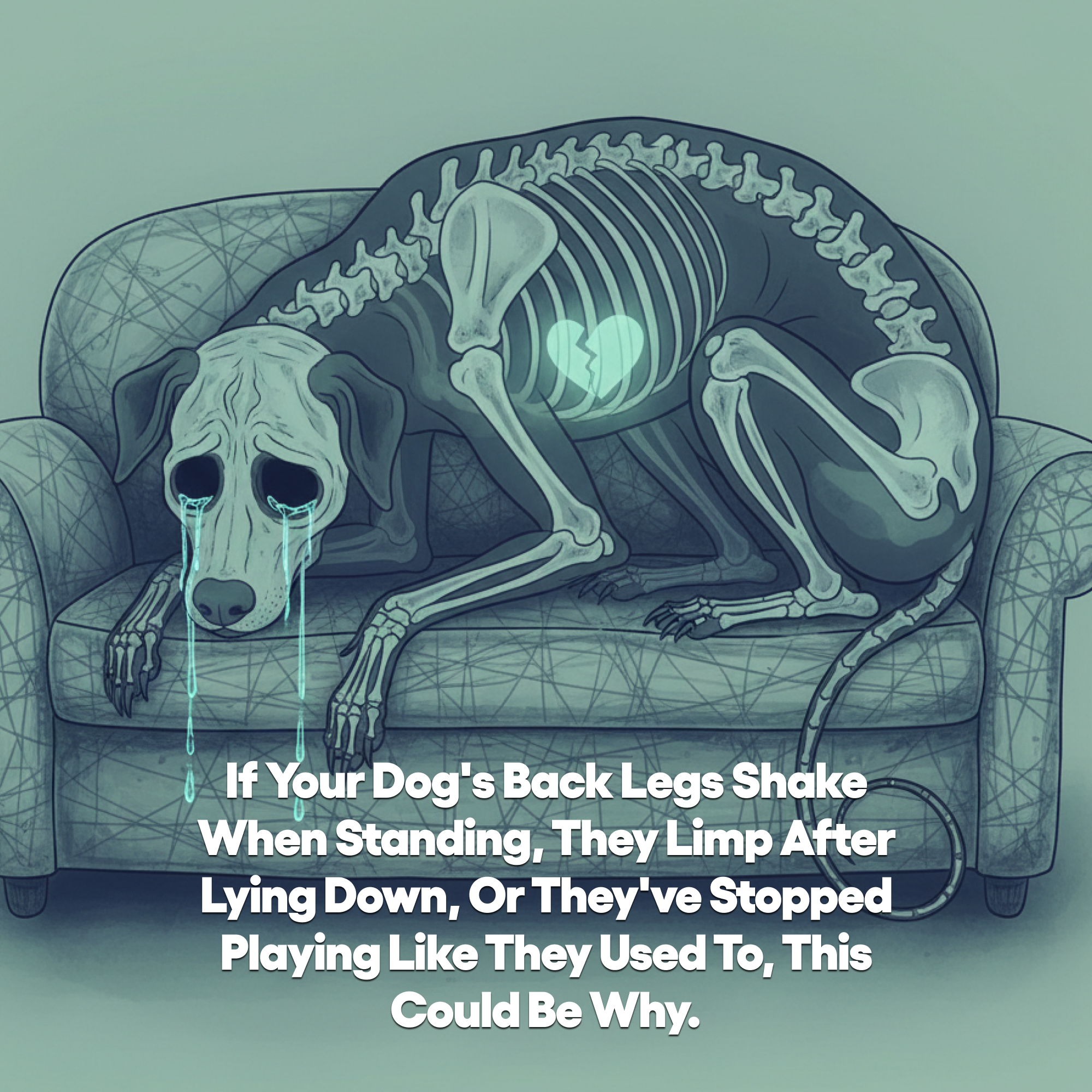
Read This If Your Dog Is Stiff & Sore 👆
Pure, transparent supplementation for dogs. Help them with joint issues, itchy skin and coat & general wellbeing.
LEARN MORELike this ad? Make it yours.
Crush rebuilds this exact creative around your product — your brand, your colors, your offer — in about a minute.