Healthy Dogs Insider
Healthy Dogs Insider Facebook ad: “Read If You Love Your Dog”
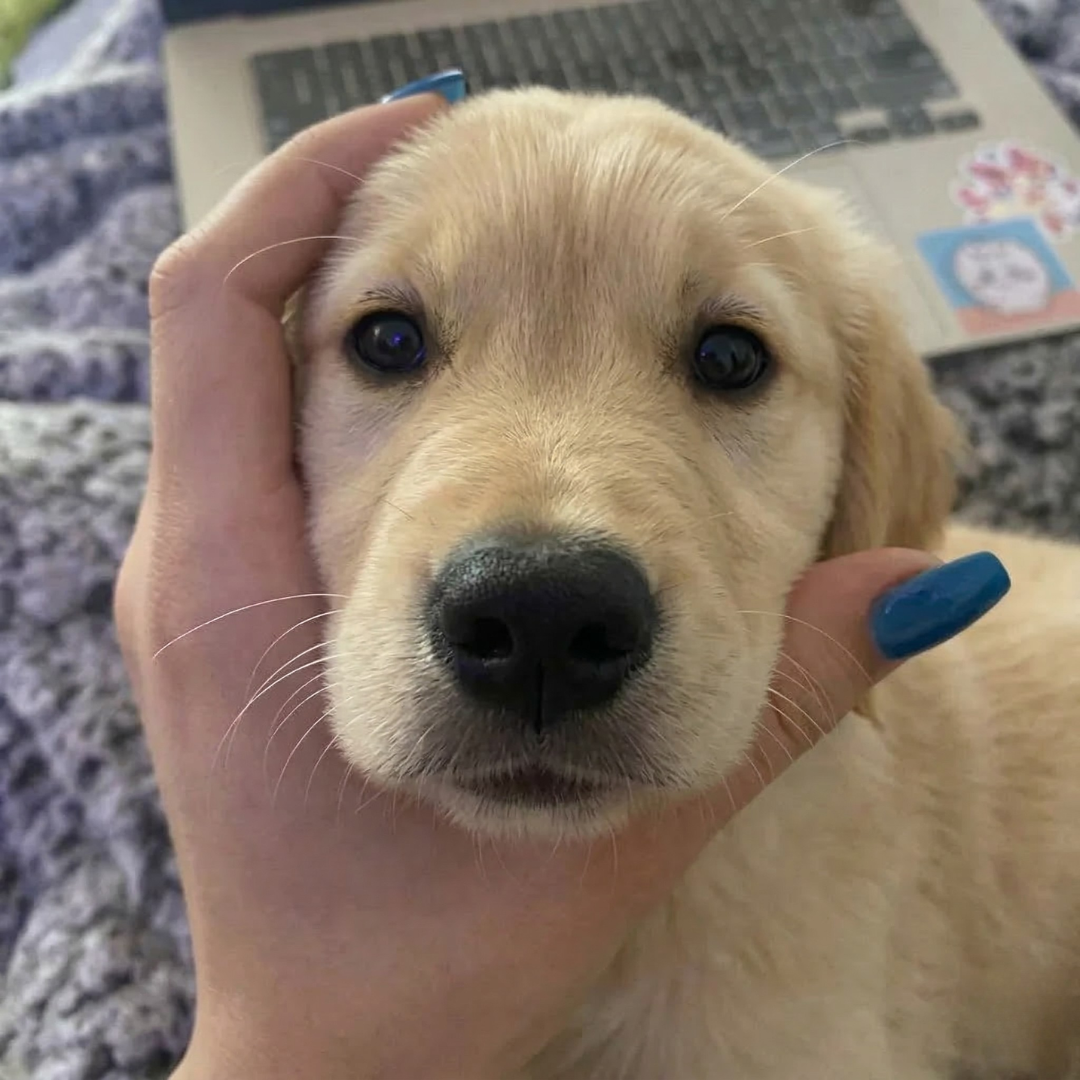
Ran for 64 days, from March 15 to May 18, 2026, the last day Crush saw it.
Run by Healthy Dogs Insider on Facebook. Crush is not the advertiser and does not verify its claims. See this ad in Meta's Ad Library(opens in a new tab)
Want an ad like this for your product?
Crush makes new ad images for your product from this ad: your logo, your product photo, your offer.
Trials from $19.95 USD, then $79.95 USD a month. Cancel anytime.
About this ad
- Meta Ad Library ID
- 1580743769819221
- Platforms
- Facebook, Instagram, Audience Network, Messenger and Threads
- Relaunches
- 0
Ad text
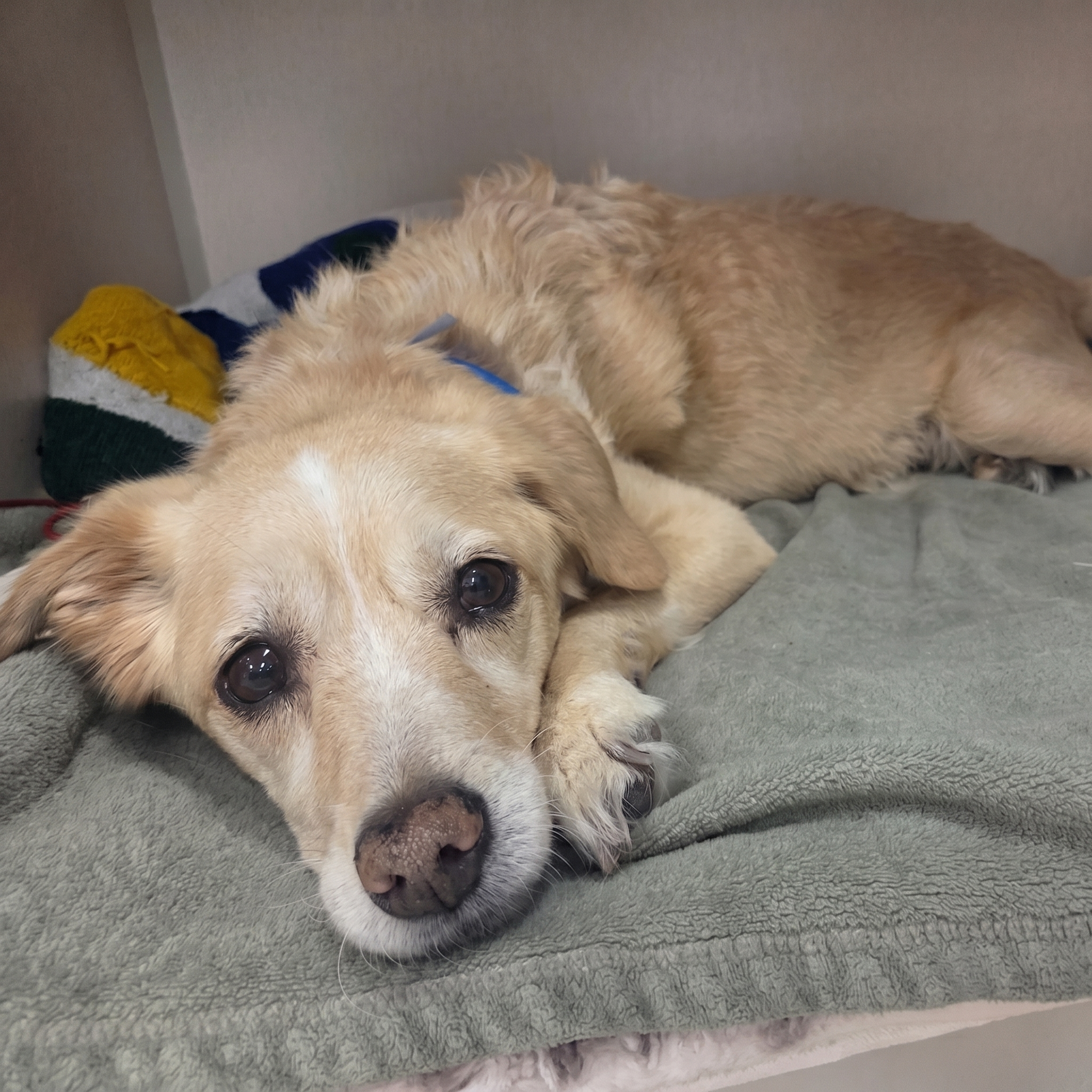
Please STOP washing your dog's bowl. I know that sounds insane — but that slippery film you keep scrubbing off? My vet told me it's been slowly destroying their kidneys. I'm Sarah. I'm 52. Dallas. Mom to an 8-year-old Golden Retriever named Bailey. Bailey was my shadow. Followed me from room to room. Slept at the foot of my bed. Waited by the door every single day at 6 PM for my husband to come home. Perfect health. Never missed a meal. Played fetch until WE got tired, not her. Last Tuesday, she was running full speed after tennis balls in the backyard. By Friday morning, I was sitting in an emergency vet office being told her kidneys were failing. "But that's impossible," I kept saying. "She was FINE three days ago." The vet — Dr. Harrison, I'll never forget her name — pulled up Bailey's bloodwork on the screen. "Only 25% kidney function remaining," she said quietly. "I'm sorry. This is advanced." Advanced? How could it be advanced when Bailey was literally playing fetch on Tuesday? "When did you first notice symptoms?" Dr. Harrison asked. "Yesterday," I said. "She wouldn't eat breakfast. Threw up twice. That's why we're here." Dr. Harrison nodded slowly. "The symptoms started yesterday. The kidney damage started years ago." Years ago? Bailey was only 8. Her last checkup six months ago was perfect. The vet had literally said "she's in great shape for her age." "I don't understand," I said. "How can she go from perfect bloodwork to kidney failure in six months?" "She didn't," Dr. Harrison said. "The bloodwork missed it. Kidneys don't show damage on standard panels until 75% of function is already gone. By the time we see it, most of the damage is permanent." I felt like I'd been punched in the stomach. Bailey stayed three days. IV fluids. Medications. $4,200. They stabilized her. Sent us home with instructions: prescription food, medications twice daily, subcutaneous fluids three times a week. "She might have six months," Dr. Harrison said. "Maybe a year if we're lucky. I'm sorry." I did everything they told me. Everything. Changed her food to the prescription kidney diet at $85 a bag. Set alarms for medications. Learned how to give fluids under her skin — sticking a needle into my dog three times a week while she looked at me with those trusting eyes. My entire life became managing Bailey's kidney disease. Two weeks later, we were back for a recheck. Same waiting room. Different energy. I was exhausted. Bailey was declining despite everything. Eating less. Sleeping more. That spark in her eyes was dimming. An older man sat down next to me with a grey-muzzled Lab. "Kidney disease?" he asked, nodding at my paperwork. I nodded. "How old?" "Eight," I said. My voice cracked. "They said maybe six months." "My guy's thirteen," he said. "Been managing kidney disease for four years." Four years with kidney disease and the dog looked like that. "Surgery?" I asked. "Nope. Figured out the real problem. Took me embarrassingly long." I looked at him. "What do you mean the real problem?" "Can I ask you something?" he said. "When you wash Bailey's bowl — does that slippery film keep coming back? Even hours after you've cleaned it?" I stared at him. "Yes. I always figured it was just mineral residue from the water." He shook his head slowly. "That's not mineral residue." He explained it quietly. The way you explain something to someone who needs to hear it but not be overwhelmed. That slippery film has a name. Biofilm. It's not loose bacteria floating in the water. It's a living colony — a structured community that anchors itself into the microscopic scratches that form in any bowl over time. Scratches from being set down on hard floors. From Bailey's tags clinking against the side. From the scrubbing brush I'd been using every single morning, thinking I was helping. Those scratches are invisible to the eye. But deep enough that soap and water pass right over the top of the colony living inside them. Every time I'd felt that slippery film and rinsed it off, I'd cleaned the surface while the colony underneath survived completely untouched. It rebuilt within hours. Every single day. "So every time Bailey drinks—" I started. "Her kidneys are filtering what that colony sheds into the water," he said. "Not from dirty water. Not from water that sat too long. From water you changed that same morning. Because the problem isn't the water going stale. It's the bowl turning clean water into something else — within hours of every single fill." It was like someone turned on a light in a dark room. I washed Bailey's bowl every morning. I thought I was being responsible. I was cleaning the surface while the real damage survived underneath. Eight years. "But I tried fountains," I said. "Three different ones. Bailey wouldn't go near them." "Did they keep the water moving continuously?" he asked. "Or did they just circulate the same contaminated water through a basic filter?" I didn't know how to answer that. He pulled up photos on his phone. "Most pet fountains move the water but don't solve either problem. The biofilm can't establish in genuinely moving, oxygenated water — that's why streams stay cleaner than puddles. That's why dogs will drink from a muddy puddle that's moving before a clean bowl that's sitting still. Their instincts already knew what we're only now figuring out. Stagnant water is dangerous. Running water is safe." He paused. "But movement alone isn't enough if the water itself contains what tap water contains. Chlorine compounds. Heavy metals. Pharmaceutical residue. Bacterial toxins. You need water that's continuously moving AND genuinely filtered — not just a carbon filter that removes chlorine taste, but triple-stage medical filtration that removes what the tap water brought in to begin with." He showed me photos of his dog. Before and after bloodwork. Creatinine from 4.2 to 2.1. BUN from 68 to 32. "Oliver blocked three times in one year," he said. "Once I understood both problems — the bowl and the water — everything changed. Zero blockages in four years." Bailey's name was called before I could ask anything else. I barely processed what Dr. Harrison said during the appointment. Something about values holding. About continuing current protocol. All I could think about was that slippery film. The one I'd rinsed off Bailey's bowl a thousand times. The one I'd never once questioned. That night I couldn't sleep. Part of me wanted to dismiss it. I'd already spent hundreds trying to do right by Bailey and she was still declining. But I kept coming back to that slippery film. I'd felt it that same morning. I'd rinsed it off and filled the bowl with fresh water and felt good about myself. And by the time Bailey drank from it three hours later, the colony was already rebuilding. At 1 AM I ordered WagWells. Triple-stage medical filtration — mechanical, activated carbon, ion exchange resin — running alongside continuous circulation that never lets the water sit still long enough for biofilm to establish. The same filtration standard used for critical patients in veterinary hospitals. Not moving contaminated water in circles. Clean water that stays clean. It arrived a few days later. I set it up in Bailey's usual spot. Filled it with tap water. Let it run through all three stages. Tested the output with the included strips. Clear. Every indicator stayed white. Bailey approached slowly. Still weak. Still sick. Sniffed it. Tilted her head at the gentle sound of the water moving. Then drank. Not her usual careful sips. Real drinking. Long, sustained lapping. She drank three times that first day. More than I'd seen her drink in weeks. By day three, her energy shifted. Not dramatic. Just... less exhausted. By day five, she finished her entire breakfast. By day seven, she brought me a tennis ball. Two weeks later, we went back for bloodwork. Dr. Harrison pulled up the results. Stared at the screen for a long moment. "Her creatinine dropped," she said slowly. "And her BUN is down." "Is that good?" "Sarah, kidney values don't go down. They hold if we're lucky. Or they climb." She looked at me. "What changed?" I told her everything. The man in the waiting room. The slippery film and what it actually was. The biofilm anchored in scratches that survived every single wash. The difference between water that moves and water that sits. The triple filtration that removes what tap water brings in to begin with. She listened without interrupting. "That actually makes sense," she finally said. "We use continuously filtered, circulating water for our critical inpatients. We've known for years it reduces kidney stress. I just..." She paused. "It never occurred to me to tell owners to replicate that at home." She looked at Bailey's bloodwork again. "You removed two constant sources of kidney stress simultaneously. And her kidneys are responding." Six months later, Dr. Harrison said five words that made me cry in the parking lot. "You can stop the fluids." No more needles. No more holding Bailey down three times a week while she looked at me with confused, trusting eyes. Bailey turned nine last month. She's supposed to be gone by now. Instead she plays fetch every evening. Sleeps at my feet. Follows me room to room like always. Her bloodwork isn't perfect. Eight years of damage can't be completely undone. But she's stable. Improving. Living. My neighbor's dog was just diagnosed with early kidney disease. I was at her door before she got home from the vet. "It can't be this simple," she said, when I told her. I showed her Bailey's before and after bloodwork. "It's not that it's simple," I said. "It's that nobody talks about it. Because there's no money in telling you the bowl is the problem. The kidney diet companies don't want you preventing kidney disease. They want you buying $85 bags of food for years." Her dog drinks constantly now. His recheck is next week. That slippery film on the inside of your dog's bowl right now? You've felt it a hundred times. Rinsed it off. Moved on. It rebuilt within hours. Every single time. And every time your dog drank from that bowl, their kidneys were filtering what that colony shed into the water. Day after day. Year after year. Fifty to a hundred nephrons dying every single day. Kidneys don't regenerate. Once function is gone, it's gone permanently. Your dog seems fine today. That's what I thought too. The damage is silent until 75% of function is already gone. By the time you see symptoms — the skipped meals, the vomiting, the stillness — most of it is permanent. WagWells is $74 right now. 30-day guarantee. Less than one bag of prescription kidney food. Nothing compared to the $4,200 emergency visit. Nothing compared to having Bailey here. Get the fountain. Test your water. Run your finger along the inside of your dog's bowl right now and feel what's been growing there. Because once kidney function is gone, you can't get it back. You can only stop losing more. Bailey was supposed to be gone by now. Instead she's asleep on the couch, snoring softly. Because a stranger in a waiting room asked me one question I'd never thought to ask myself. That slippery film you keep scrubbing off — do you know what it actually is? I didn't. Now Bailey is nine years old. And still bringing me tennis balls.
Where the ad sends people
trywagwells.com
Read If You Love Your Dog 💔
WagWells
Learn more: trywagwells.com(opens in a new tab)