
Inactive· since Aug 25, 2026
- 11
- days it ran
- 0
- relaunches
- 2,169
- EU reach
Ad copy
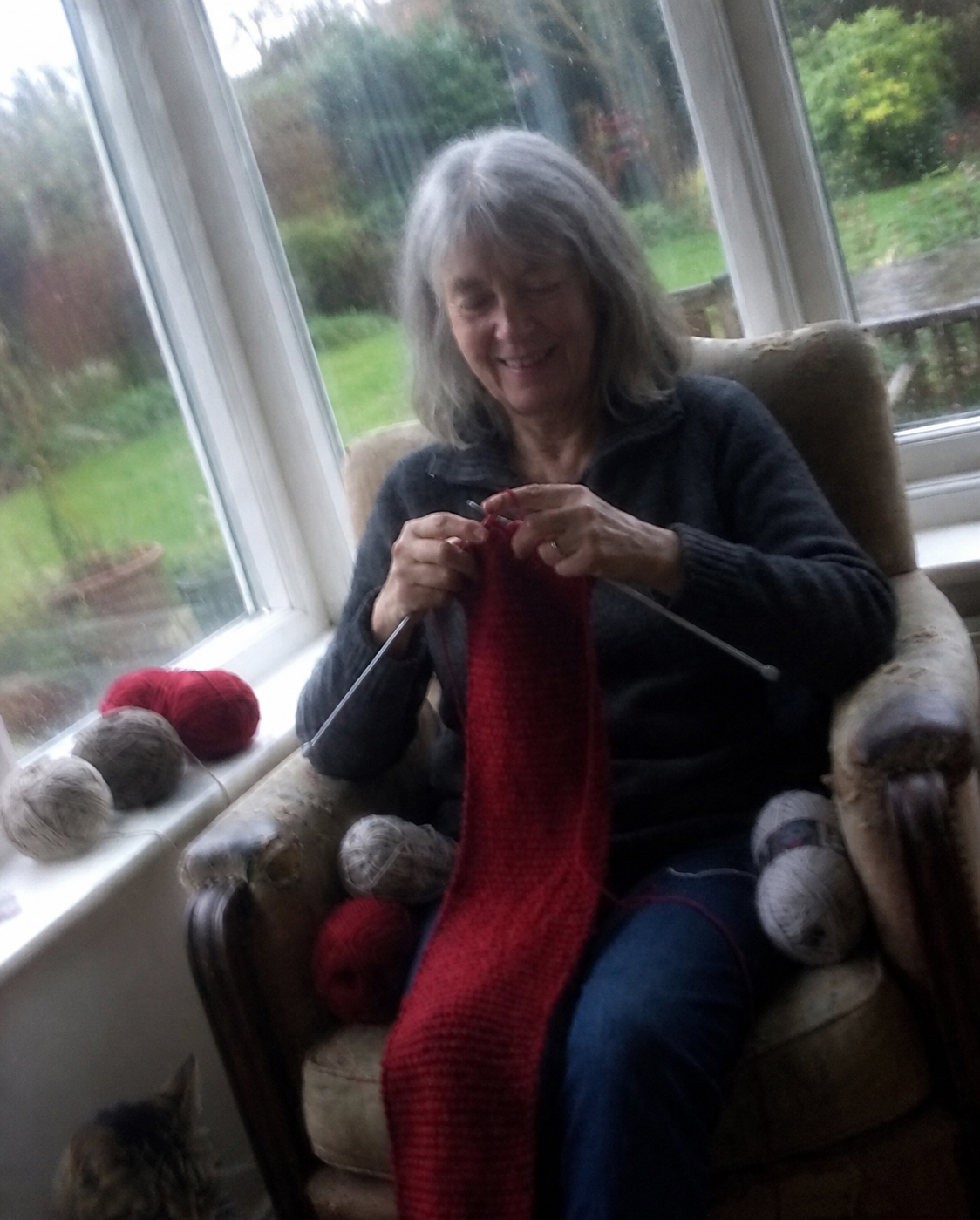
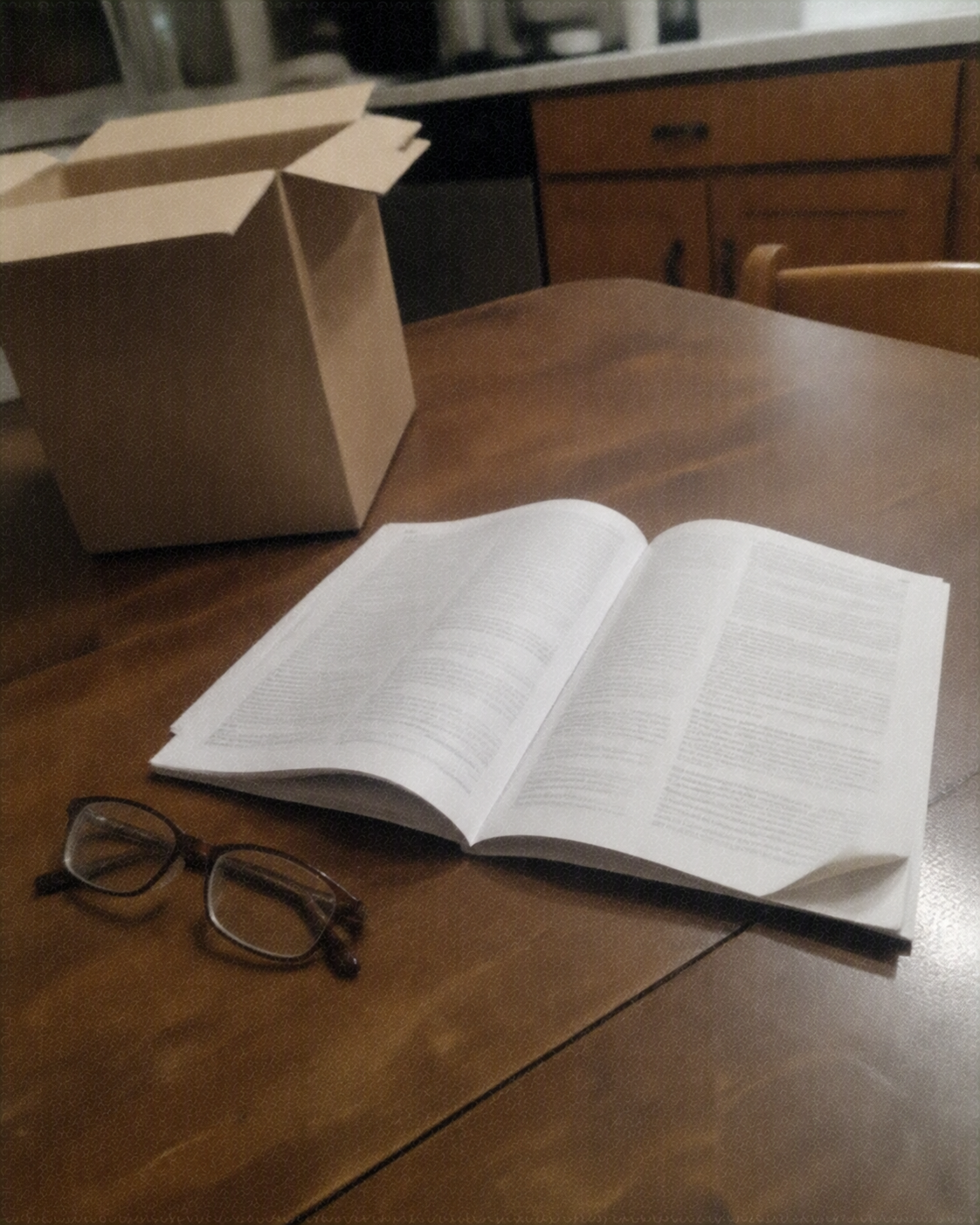
Every Family Has One Person Who Actually Reads the Fine Print. This Is About What Happened to Her Job. Picture a woman at a kitchen table with a new appliance box, and — this is the important part — the manual open. Not skimmed. Open. Page four. She will finish it. Call her Irene. Irene is an illustrative character for this story. Irene is sixty-two, and in her family, across three generations and two area codes, she holds an office nobody elected her to and nobody could do without. She is the one who reads everything. Let me show you the office, because you have one of these women in your family too — or you are her, in which case, pull up a chair, this whole essay is for you. When Irene's daughter bought a used car, the purchase agreement went to Irene first. Four pages. She found the fee on page three. She always finds the fee. When her brother-in-law got a new insurance policy, it sat on Irene's table for a weekend, and came back with tabs on it. Actual tabs. Warranty cards get returned in Irene's house. Manuals get filed — there is a drawer, and the drawer is organized, and when the dishwasher made the noise in 2019, the manual was produced in ninety seconds and the noise was on page eleven. Recipes get read all the way through before the store. Medication inserts get unfolded — fully unfolded, to the part where the print goes small — for every member of the family, on request, which is often. Nobody taught her this. It's not a hobby. It's a disposition — the same one that made her the treasurer of everything she ever joined, the keeper of the family's papers, the person everyone hands things to with the same five words: "Can you look at this?" Irene reads everything. Has for forty years. And here is the thing about Irene that everyone gets exactly backwards — including, lately, Irene. The family teases her, gently, the way families do. Fussy. Thorough. "It's fine, Irene, nobody reads that part." They have it upside down. Irene is not fussy. Irene is doing verification — the oldest, plainest form of care there is. Reading the thing before you trust the thing. Knowing what you're agreeing to, what you're buying, what you're putting in the cart and the body and the house. For most of human history, that job was doable. That's the part nobody notices. Her grandmother could read everything, because everything was short. A sack of flour said FLOUR. The tonic bottle had one paragraph, and her grandmother read it, and made her judgment, and that was a person being careful in a world sized for care. Irene inherited the disposition. The world quietly swapped out the material. Now watch what forty years did to her job. Watch her in a grocery aisle — really watch, the way this essay is asking you to. She picks up a jar. She turns it over. She reads. And the label has forty ingredients, eleven of them abbreviations, plus a website for "full disclosures." Watch her with the new phone's terms. Sixty screens. She tried. She is the only person either of us has ever heard of who tried. Watch her — and here the essay gets to the shelf you knew was coming — in the supplement aisle, holding a canister her sister swears by. The label wraps the whole cylinder. A blend with a trademarked name. An asterisk that points to another asterisk. Serving sizes in three units. A proprietary matrix — matrix — and sixty tiny words she came in genuinely willing to read. Irene does what Irene does: she reads it. Twice, in her reading glasses, in the aisle, like a woman auditing a lease. And she puts it back. Not because she found something bad. Because she couldn't finish the audit. Forty years of reading everything, and she has started encountering objects that cannot be read to the bottom — not by her, not by anyone, not really. So here's Irene's private situation, the one the teasing never sees. She does everything right. Everything. She is, objectively, the most careful consumer in three counties. And lately the whole enterprise feels off — not in her body; in her ledger. The care goes out and doesn't land anywhere. The reading gets done and settles nothing. The drawer of manuals is immaculate and the cart is still full of question marks. It isn't a crisis. It's a hum: the low, standing suspicion of a diligent woman that her diligence has stopped reaching the bottom of things — that somewhere in the last few decades, being careful went from a task to a career. She has wondered, privately, if she's slipping. If the fine print got harder or she got slower. She isn't slipping. And that's the whole discovery of this essay, so let's say it plainly: Care is a budget, not a superpower. Every person gets a finite amount of reading, checking, and verifying per week — and the things asking for it got longer, while the budget stayed the same. When a careful person feels like her care stopped working, the care isn't broken. The objects outgrew it. Irene's grandmother spent her care-budget on a world of one-paragraph labels, and it covered everything. Irene spends the same budget — a bigger one, honestly; she's better at this than her grandmother was — on a world of matrices and asterisks, and it covers a fraction. The diligence didn't fail. The denominators exploded. And once you see it as a budget, the strategy writes itself, and it isn't "read faster." It's what every good treasurer already knows: spend where the audit can actually finish. Give your care to short things. Let the unreadable things stay on the shelf — not as a defeat, as a ruling. An object that can't be read to the bottom has told you its opinion of your time. The careful ones were never fussy. They were the last line of a very old defense. They just deserve, at long last, some short documents. Which brings this essay — through that door, and no other — to beets. Because Irene's grandmother's cellar, like half the world's grandmothers' cellars, had beets in it. People have been eating them for thousands of years. They were in the root cellars and soup pots and pickle jars long before anyone could say why — kept, replanted, and put up every autumn on nothing more than the accumulated verdict of generations. The beet is a short document. It always was: one ingredient, itself, growing in plain sight, doing the same thing in every century's kitchen. Nothing about it has ever needed an asterisk. Today the why is better understood: beetroot naturally contains dietary nitrates, and the body converts those into nitric oxide, a molecule that helps support healthy blood flow.* Beets also carry betalains — the deep crimson pigments that give them their color and stain a cutting board for a week. Nature did the formulating a long time ago. The short documents just kept getting read. But Irene's honest situation — and probably yours — is that the beet's traditional forms all bill the other budget, the time one: the roasting hour, the stained board, the canning Saturday her grandmother ran inside a life built around a kitchen. Irene's week audits leases; it does not have a canning Saturday. So the question for a careful woman is the treasurer's question: is there a form of this her care-budget can actually finish? Rosabella Beetroot is built to be read to the bottom: two capsules, once a day. Here is the entire audit, and notice that it fits in one breath. 1,300mg of organic beetroot powder per serving — a serving being those two capsules. One active ingredient, with the dose printed plainly on the label, nothing to decode. Non-GMO, third-party lab tested, produced under GMP, made in the USA from globally sourced ingredients. It contains no caffeine. Sixty capsules in a bottle; thirty days. No blends. No trademarked matrix. No asterisk pointing at an asterisk. A label a woman in reading glasses can finish in a grocery aisle, twice, and put in the cart because she finished it. That's not a marketing flourish. That's the entire design brief. And now the part you don't usually read in something like this, so read it twice — Irene would: Nobody here is going to promise you a transformation. We're not going to tell you what you'll feel or when. Bodies are different, and yours doesn't owe an advertisement anything. We're not going to dress it up in a story either — Irene is an illustration, and we said so in the first lines, because that's the only honest way to use her. What we sell is a short document: what's on the label, at the dose on the label, in a form your care-budget can audit to the bottom before breakfast. The rest of the aisle can explain itself. One thing before anything goes in a cart: talk to your doctor or pharmacist before adding any supplement, especially if you take any medication. This goes alongside the rest of a routine — the meals, the walks, the sleep — not in place of any of it. Before adding it to the morning routine, Irene checked with her doctor or pharmacist, then put the bottle beside the coffee. On Amazon, Rosabella Beetroot sits at 4.4 out of 5 across more than 14,000 ratings as of August 2026. The ending of this essay is small, and it's exactly the size of Irene. Nothing dramatic happened. The drawer of manuals is still immaculate. The family still hands her things with the same five words, and she still finds the fee on page three, because the office is for life and she wouldn't resign it anyway. What's different is one spot on the kitchen counter, next to the coffee maker. A bottle. The one label in the house she has read to the bottom — twice, in the aisle, before it ever came home. Audited, closed, filed. It was there in June. It's still there in October. Not because Irene became a new woman — Irene was never the problem, and this essay has been saying so the whole time. Because for once, something asked her care for exactly as much as it had to give: one short read, one small daily act, the same every time. The careful one finally got a short document. She keeps it the way she keeps everything she's finished reading. P.S. If you're the Irene of your family — the tabs, the drawer, the fee on page three — the finding of this essay, plainly: you were never fussy, and you were never slipping. Your care is a budget, and the world's documents got longer while your budget stayed the same. Spend it where the audit can finish. Short labels, short lists, short promises. Anything that can't be read to the bottom has already answered your question. P.P.S. What it is, plainly: organic beetroot powder in capsules — 1,300mg per two-capsule serving, one active ingredient, dose on the label, no caffeine, non-GMO, third-party lab tested. Thirty days a bottle. That's the whole story. P.P.P.S. If you're not satisfied for any reason, return the product within 90 days of delivery for a full refund. Enough time to run the audit yourself, to the bottom — which is the only test that matters for deciding that. Individual experiences vary. These statements have not been evaluated by the Food and Drug Administration. This product is not intended to diagnose, treat, cure, or prevent any disease.
Support stamina and heart health every day
LEARN MORELike this ad? Make it yours.
Crush rebuilds this exact creative around your product — your brand, your colors, your offer — in about a minute.