
Inactive· since Aug 6, 2026
- 10
- days it ran
- 0
- relaunches
- 278
- EU reach
Ad copy
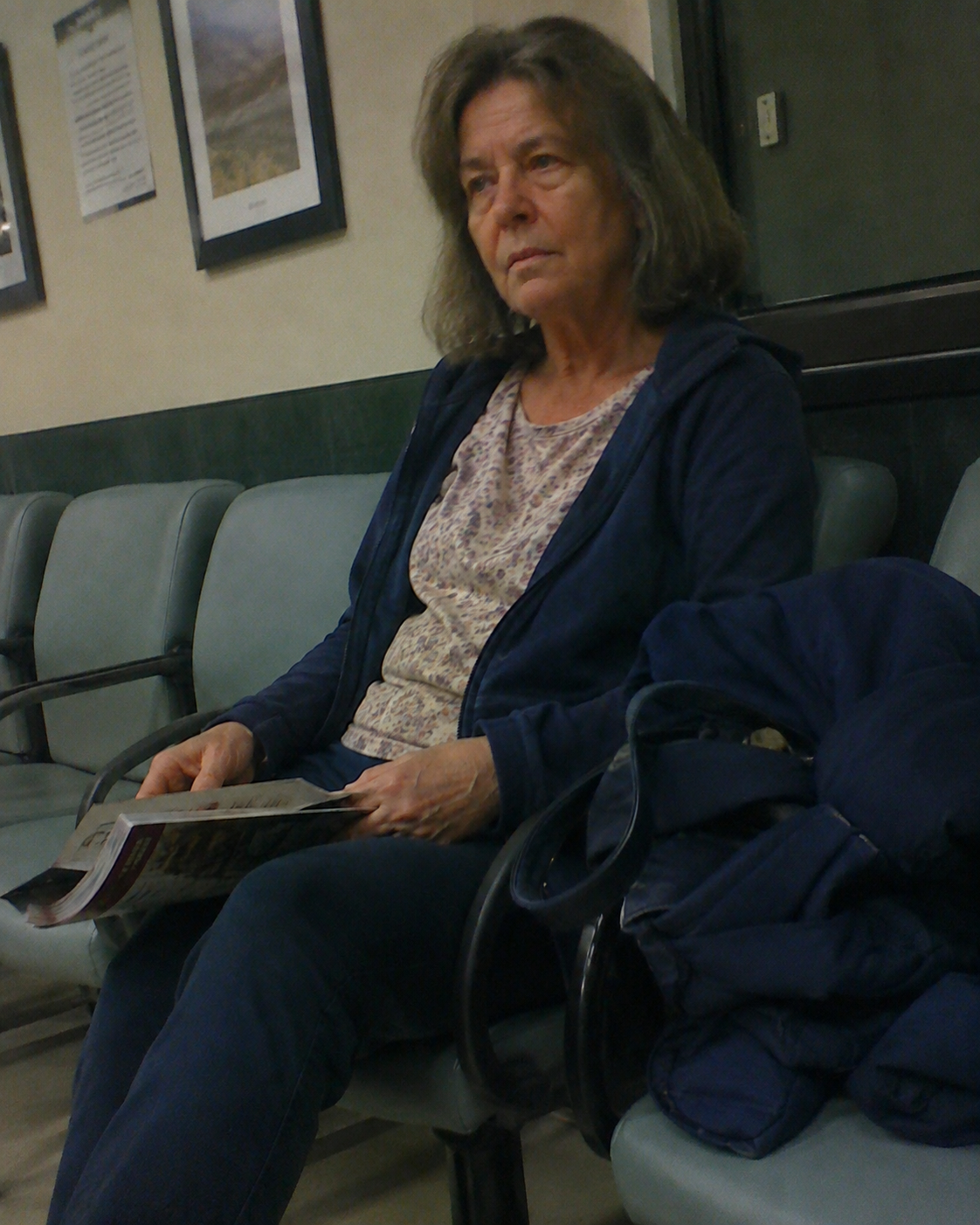
I spent six hours in a hospital waiting room while my husband had a minor procedure. the woman beside me changed how i see the last four years. I wasn't even there for anything serious. A routine thing. Day surgery. Gerald would be home by supper. But day surgery still means six hours in a vinyl chair under fluorescent lights, and somewhere in hour three, the woman next to me set down her magazine and we started to talk. By hour six I had a name written on the back of my parking receipt and a knot in my chest I'd been carrying for four years had finally, quietly come loose. My husband's name is Russell. He's sixty-six. For most of the thirty-nine years I've known him, the man was a force of nature. Up before dawn. On his feet all day. He ran a hardware store for thirty years and knew every customer's name and half their kids' names too. He had a big laugh you could hear across the parking lot. He had energy that filled a room. He was, in every way that counts, the strong one. That's the Russell I want you to picture before I tell you what the last four years did to him. Because over those four years, the force of nature quieted down. It came on so slowly I kept explaining it away. The dawn mornings got later. The all-day energy started giving out by mid-afternoon. The big laugh got rarer. He started sitting more. Doing less. By the evenings he'd be parked in his chair, worn out from days that hadn't asked much of him. "I'm just tired lately," he'd say. Lately. He said it for two years before I really heard it. We weren't ignoring his health. I want to be clear about that. Russell saw his doctor regularly. His blood pressure had run high for years, and his doctor was managing it, and Russell was doing what he was told — the medication, the check-ins, all of it. It was being managed. That was the word everyone used. Managed. And as far as the blood pressure went, it was. His doctor was doing a careful, responsible job of it, and I want to say that plainly, because none of what comes next is a complaint about his care. But the man kept fading anyway. His blood pressure was handled, and his numbers were where they were supposed to be, and the force of nature was still, somehow, draining out of him. We mentioned the tiredness at his appointments. His doctor, Dr. Nakamura, was thorough and kind. He'd check him over and say: "Russell, your pressure's well managed, your numbers are good. For sixty-six this is fairly normal. Stay active, keep doing what you're doing." Managed. Good. Normal. Keep doing what you're doing. And I'd sit in the chair by the door and want to stand up and say: Then explain why the big laugh is gone. Explain why a man who ran a store for thirty years is asleep in his chair by eight. Explain why "managed" and "good" don't match the man I'm watching fade. Where's the line on your chart for that? I never said it. You don't, in those rooms. But I knew. A wife knows. The chart said managed. The man was fading. And there's no line on any chart for a laugh you used to hear across a parking lot and haven't heard in a year. I'd half-talked myself into the word everyone hands you. Age. He's in his sixties. This is just what it looks like. And then I spent six hours in a hospital waiting room, and a stranger named Adele sat down beside me, and I stopped being able to accept it. She was there for her husband too — a knee thing, she said, nothing dangerous, but it meant hours of waiting, same as me. Seventies. Warm. The kind of woman who talks to strangers and makes it feel natural. We did the waiting-room small talk. Then it got realer, the way it does when two people are stuck in the same hard chairs for half a day with nothing to do but be honest. She asked about Gerald — about Russell, I mean — and I found myself telling her more than I'd told my own sister. About the fading. The laugh that went quiet. The "managed and good" that didn't match the man. Adele listened the whole way through. And when I ran out, she nodded slowly and said: "I know that exact look on your face. I wore it for about four years over my own husband." Her husband's name was Frank, she told me. Seventy-four now. "Same story as yours, near enough," she said. "Frank ran high blood pressure for years. His doctor managed it, did a fine job of it, numbers right where they wanted them. And meanwhile the man I married was just... winding down. Tired all the time. Quiet. In his chair by the evening. The spark going out of him a little more every year." She folded her hands. "And every visit it was the same. 'Pressure's well managed, everything's fine, it's just his age.' Which is the loneliest thing in the world to hear when you can see — plain as day — that fine isn't fine. That something's draining out of him that nobody's measuring." I think my throat closed up a little, because she was describing my own living room. "How is he now?" I asked. "Frank?" And her whole face changed. "He's down in pre-op right now telling the nurses bad jokes," she said, and laughed. "That's how he is. He's seventy-four and he's getting a knee tuned up so he can keep up with the grandkids, which tells you everything. The spark came back. Not all of it — he's not forty. But enough that I've got my husband again instead of a man fading in a chair." "What did you do?" I asked. And here's where I trusted her completely. Because instead of leaning in with a secret, she held up a hand and got serious. "Before I say one word," she said, "you need to hear me. I'm not a doctor. I'm a retired bookkeeper. I'm not pretending to be a doctor, and nothing I'm about to tell you is medical advice." "Whatever you do, you take it to Russell's doctor first, before you change a single thing — and especially because of the blood pressure and whatever he's on for it. You promise me that, or I'll go back to my magazine." "I promise." "Mean it." "I promise, Adele. Doctor first." She nodded, satisfied. And then she told me. "It wasn't a cure," she said. "I want that clear. There's no magic, and anybody selling you magic is selling you something." "It was one thing I added for Frank, after a lot of reading. One thing, on top of everything his doctor already had him doing — including his blood pressure medication, which he never stopped taking and never should have." "Beets," she said. I must have made a face, because she grinned. "I know. Everybody makes that face. But hear me out, because this one isn't nonsense." "Beetroot is one of the most researched ingredients in the whole cardiovascular wellness category," she said. "Decades of real study. Not a fad." "The reason people study it is a compound group called betalains. That deep red pigment — the stuff that stains the cutting board. That's the active part. One of the more potent antioxidants in the food supply." "And it does what?" I asked. "It supports things." She leaned on the word. "Supports cardiovascular wellness. Supports healthy circulation. Supports the body's natural antioxidant balance. Supports healthy blood pressure that's already in the normal range. Supports healthy energy." "Support. That's the honest word and the only one I'll use with you. It is not a treatment. It is not a replacement for one single thing his doctor has him on — not the medication, not anything." "It's support for the layer underneath the numbers. The part that just winds down as a person gets older, that nobody at the appointment is really looking at, because the things they measure all come back fine." She told me one practical thing more. "If you go looking — and only after you've talked to his doctor — how they make it matters. Those betalains are heat-sensitive. The cheap fast way uses high heat, and the heat wrecks the good part. The cooked-out stuff goes brown." "You want the kind that's cold-pressed at low temperatures. Keeps the betalains intact. The real thing's a deep dark crimson." Then the part she said slowest. "Talk to his doctor or pharmacist first — I can't say that enough, with blood pressure in the picture. Make sure it's fine alongside his medication. Then add it, don't change anything else, and don't touch his prescriptions. And don't expect a light switch. It's not a drug that flips on. Bodies are different. Weeks, not days. Some feel it early, some take a while, some not much. Go in with your eyes open." They called her name then — Frank was out of pre-op — and she gathered her things to go. Before she left she took my parking receipt out of my hand, turned it over, and wrote a brand name on the back with a pen from her purse. "Doctor first," she said again, pressing it into my hand. "I mean it. The medication is doing real work. This goes on top, or it doesn't go at all." "On top. Doctor first. I promise." She squeezed my shoulder. "I hope you get your laugh back, honey. The across-the-parking-lot one." And then she was gone down the corridor, and I never saw Adele again. I sat in that vinyl chair with a parking receipt in my hand and felt four years of a knot come loose in my chest. I called Dr. Nakamura's office that week. I told the nurse exactly what it was — organic beetroot, the dose, cold-pressed — and asked plainly whether it was alright to add to everything Russell was already taking, his blood pressure medication included. She put me on hold. She came back a few minutes later and said it was a sensible thing to add, that she saw no concern alongside his current medications, and to mention it at his next visit so it could go in the chart. I wasn't going to guess with my husband — not with his blood pressure in the mix. I asked the people whose job it is to know. They said go ahead. Then I told Russell. About the waiting room. About Adele. About Frank down in pre-op telling the nurses bad jokes. About the reading, and the nurse saying it was fine — on top of his medication, not instead of it. He was quiet a while. He knew exactly what I was getting at. He turned the bottle over in his hands. "I miss laughing like I used to," he said. Quiet. "I'd give a lot to feel like that man again." "Then let's try the thing," I said. "Two capsules and a glass of water. The doctor's office says it's fine alongside everything. You keep taking your pressure medication exactly the same. Tell me what we lose." "Nothing," he said. "We lose nothing." He started the next morning. Two capsules of cold-pressed beetroot. A tall glass of water. Right beside his coffee. Added to everything else — his blood pressure medication included, unchanged. Nothing taken away. Just added on top. Now — I'm going to be honest about this part. Because I don't trust stories that promise the world, and I won't tell you one. I don't know exactly what did what. I'm a wife, not a laboratory. I can only tell you, in order, what I watched. The first thing was the evenings. About two and a half weeks in, I noticed it was past nine and Russell was still awake. Still in the conversation. Eyes lit instead of glazed. It wasn't every night. But eight o'clock stopped being the wall it had been every single evening for years. I didn't say anything. Didn't want to jinx it. The second thing was the mid-afternoon. A few weeks later, the wall he used to hit around three o'clock — the one that emptied him for the rest of the day — started showing up later. Then some days, not at all. He'd get to the end of an afternoon with something still in the tank. I hadn't seen that in years. The third thing I'll keep until I die. It was a Saturday. The grandkids were over, running riot in the backyard. And one of them did something — I don't even remember what, something small and ridiculous — and Russell laughed. The big one. The one from the belly. The one you could once hear across the hardware store parking lot. I was at the kitchen window and I had to grip the edge of the sink, because I hadn't heard that laugh in over a year and I'd been quietly afraid I never would again. The small returns kept coming. Not all at once. One at a time, across the weeks. He started getting up earlier again — I'd come down to coffee already made. He went back to puttering in the garage on weekends. He started telling stories at dinner again, the long ones, the way he used to, instead of sitting quiet at the end of the table. The force of nature came creeping back. And his blood pressure stayed managed the whole time, exactly as before, because we never touched that part. I'm not telling you my husband is forty. He isn't. There's no magic here and I promised I wouldn't pretend there was. He's sixty-six. He still naps. Some evenings the chair still wins. And his blood pressure is still something his doctor manages with medication, exactly as it was. But the force of nature — the big laugh, the dawn mornings, the man who fills a room — he's been coming back to me in pieces. And our house is loud again in the way I'd missed most. Russell had his follow-up with Dr. Nakamura a few months in. The doctor checked his pressure, went through everything, the way he always did. Then he looked up — at the man, not the chart — and said: "Russell, your pressure's holding right where we want it, your numbers are good, and honestly you seem like you've got more life in you than last time I saw you. Whatever you're doing, keep doing it." Russell told him about the beetroot. Said he hadn't changed one other thing — same prescriptions, same doses, same blood pressure medication, just added the one thing in the morning, with the office's okay. Dr. Nakamura nodded and made a note. "That's a sensible thing to add," he said. "There's good research on antioxidant support for cardiovascular wellness. No concerns with it alongside what you're on. Keep doing what's working — and keep taking your pressure medication just like you are." In the car on the way home, Russell reached over and squeezed my hand — that small automatic thing he hadn't done in years — and said: "I feel like myself again, Margaret. I didn't think I'd get him back." I kept my eyes on the road so he wouldn't see what my face was doing. I'm telling you all of this because there's a fair chance you're watching a Russell of your own. A strong person quietly winding down. The spark going out a little more every year. The laugh gone rare, the energy gone by mid-afternoon, the chair winning by eight. His blood pressure "managed," his chart "good" — while the force of nature you married fades right in front of you, and everyone tells you it's just his age. If something in you has been saying this is more than just age — that the fading is too deep, that "managed" and "good" don't match the person you're watching — then I'd listen to that quiet voice. The doctor's been reading the chart, and doing a good and careful job of it. You've been living with the person. On the things the chart doesn't measure, you might be closer to the truth than the chart is. I went looking for one thing Russell could add. Not a cure. Not a replacement for anything — and absolutely not a replacement for his blood pressure medication, which he still takes exactly as prescribed. One thing, with real research behind it, that might support the layer the "managed" and "good" were hiding — cardiovascular wellness, healthy circulation, the body's natural antioxidant balance, healthy blood pressure already in the normal range, healthy energy. What I found was beetroot. The brand Adele wrote on the back of my parking receipt — the one I added to Russell's morning — is Rosabella. 1,300 milligrams of organic beetroot per serving, cold-pressed at low temperatures so the betalains stay intact — that deep dark crimson, not the cooked-out brown. Two capsules with a glass of water in the morning. Added to everything his doctor already had him on, in place of none of it. Talk to your doctor or pharmacist before you add any new supplement to existing care — and this matters most of all when there's blood pressure medication in the picture, so please don't skip it. That one phone call is what let me do this with a clear conscience. It's what I'd tell anyone to do first. It's what Adele made me promise before she'd say a word. That's the whole story. A stranger in a waiting room told me about her husband telling jokes in pre-op. A nurse said it was fine, on top of his medication. And a few months later I heard my husband's big laugh ring across our own backyard. P.S. If you're watching a strong person wind down for years while everyone keeps telling you their pressure's managed and they're fine — you're not imagining it, and you're not being dramatic. "Managed and fine" on the chart and "fading" in the living room can be the same person. I needed six hours in a hospital waiting room and a stranger with a magazine to stop calling it "just his age." I'm telling you now, in this much detail, so you don't have to wait for your own waiting room. Trust what your eyes have been seeing. P.P.S. The most important thing in this whole story is the part people are tempted to skip: the medication stays. Adele said it three times and I'll say it once more. If there's blood pressure medication in the picture, it keeps doing its job, exactly as prescribed. Anything you add goes on top of it, with the doctor's okay — never in place of it. That's not fine print. That's the whole rule. P.P.P.S. Here's exactly what I'd tell you to do, in order. First: check with the doctor or pharmacist — this matters most when there's blood pressure or heart medication involved, so don't skip it. Second: once they've said it's a sensible addition, two capsules with a tall glass of water in the morning. Third: don't change anything else, and don't touch the prescriptions. Just add this on top. Fourth: give it a couple of weeks, at minimum, before you decide anything. Some people notice something shift in the first week or two — a little more energy, an evening they stay awake through, an afternoon with something left in the tank. Others take much longer. Some don't notice much. Bodies are genuinely different, and anyone who promises you a timeline is selling you something. Be patient with his. P.P.P.P.S. Rosabella has a 90-day money-back guarantee. If you're not satisfied for any reason at all, every penny comes back, no questions asked. It's a sensible policy for a supplement — it means the only thing you're really risking is a few weeks and a little patience. You get plenty of time to actually see whether it does anything before you've committed. P.P.P.P.P.S. Rosabella is a small operation. They harvest and bottle on their own schedule, so I keep an extra bottle in the cupboard just in case. Russell takes his every morning with his coffee — right alongside the blood pressure medication he's never stopped — and I started taking it too, because I'm getting older right next to him, and there's good research on it for women as much as men. That afternoon in the waiting room taught me the truest thing I know now: the time to support what's still working is while it's still working, before more of it slips away into a chair by eight o'clock. It's morning as I write this, and the coffee's already made. Russell made it. He's out in the backyard with his cup, watching the birds at the feeder. The grandkids are coming over later. I expect I'll hear that laugh again before the day's out. That's where it starts again, sometimes. Coffee made before you're up. A big laugh across a backyard. Two capsules and a glass of water beside the morning coffee — right next to the medication that never went anywhere. Individual experiences vary. These statements have not been evaluated by the FDA. This product is not intended to diagnose, treat, cure, or prevent any disease.
Support stamina and heart health every day
LEARN MORELike this ad? Make it yours.
Crush rebuilds this exact creative around your product — your brand, your colors, your offer — in about a minute.