The Daily Wellness
 Facebook ad: “Stop blaming your age for leaks”
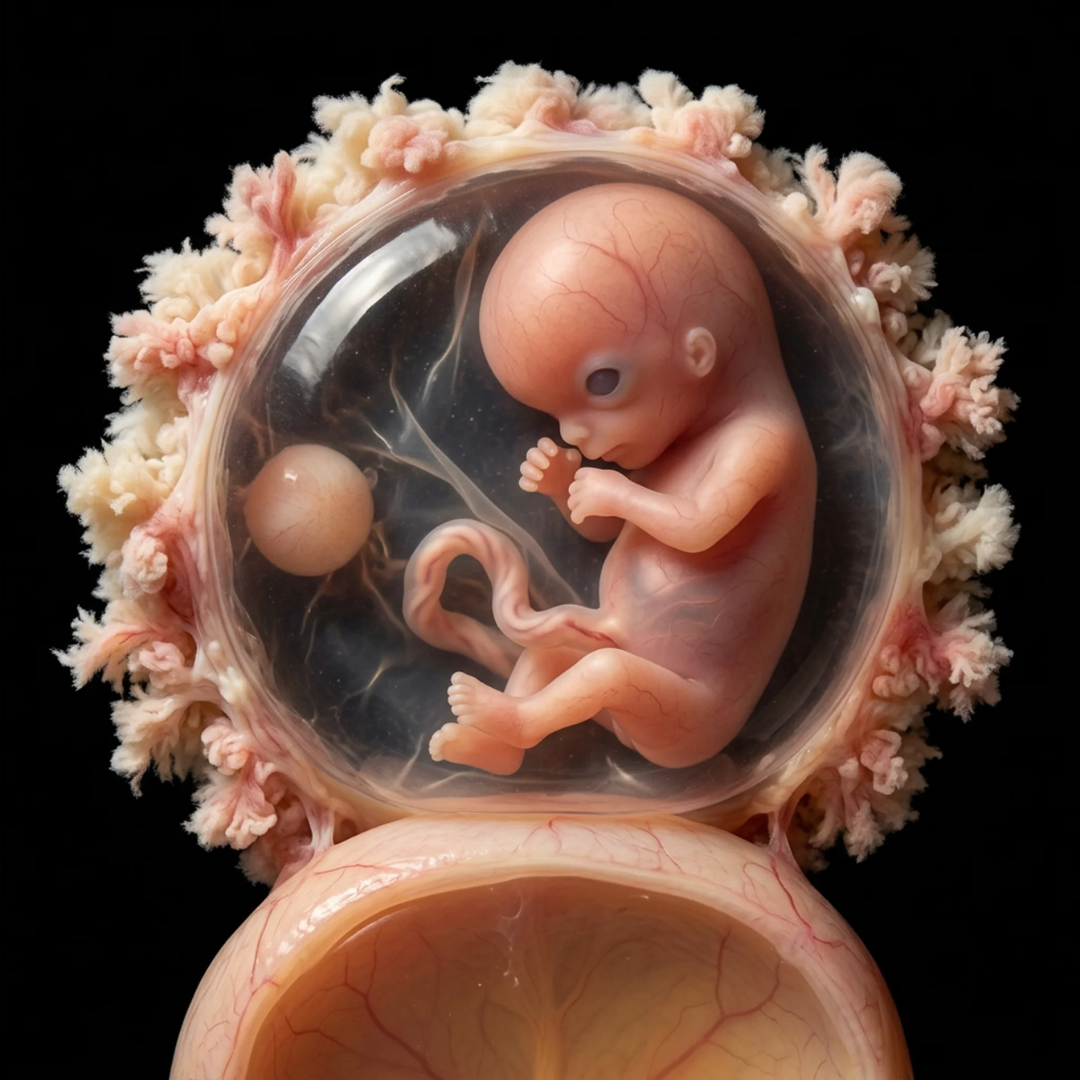
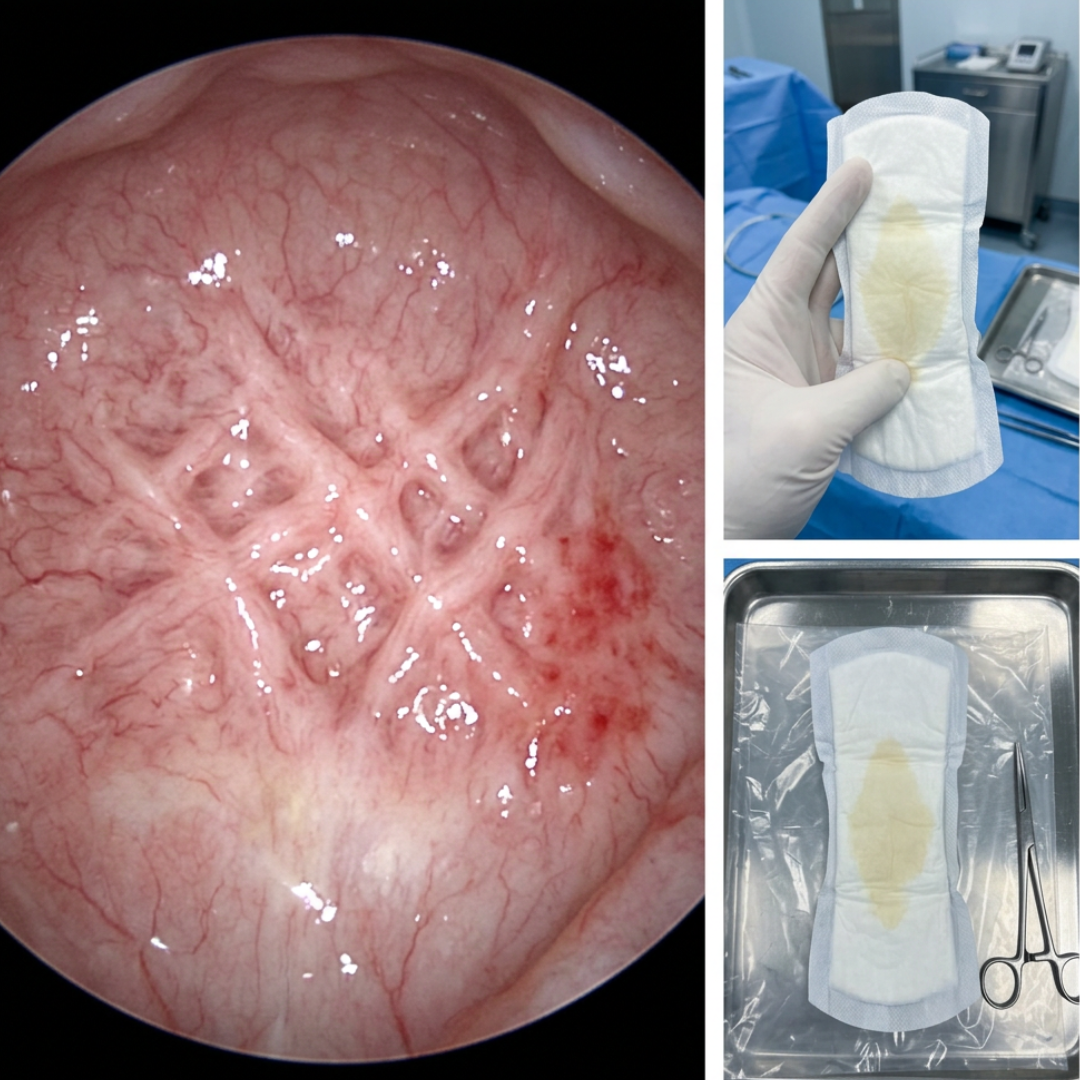
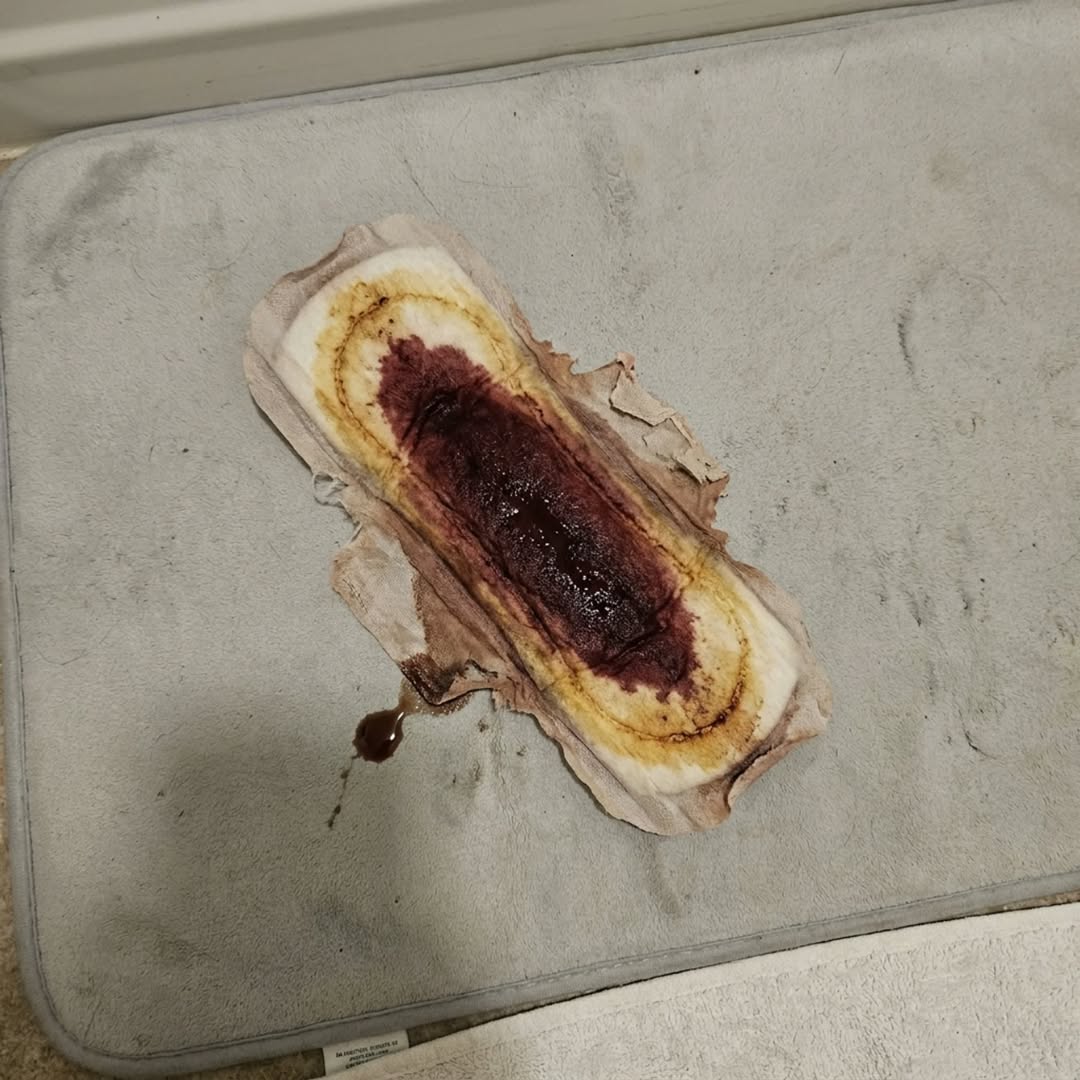
Ran for 10 days, from October 21 to October 31, 2026, the last day Crush saw it.
Run by The Daily Wellness on Facebook. Crush is not the advertiser and does not verify its claims. See this ad in Meta's Ad Library(opens in a new tab)
Make your own version of this ad
Crush makes it, launches it in your own Meta ad account, scales the winners and pauses the losers.
About this ad
- Meta Ad Library ID
- 1593488799132835
- Platforms
- Facebook, Instagram, Audience Network, WhatsApp and Threads
- Relaunches
- 0
- Niche
- Skincare & Beauty
Ad text
If you gave birth naturally years ago, especially after a long labour, forceps, a ventouse delivery, or a bad tear, and now your bladder suddenly empties the moment you stand up… ===== Stop blaming your age. Wee running down your legs before you reach the loo… Soaking straight through the pad you trusted… Or leaving you stuck in wet knickers in a shop, a café, or at a family do… May be connected to something that happened while you were giving birth. Something you couldn't really feel when it happened. Something your body covered for and kept hidden for years. And something almost nobody looks into when the leaking finally starts. ===== Instead, you're told it's the menopause. Weak pelvic floor muscles. Or simply part of getting older. ===== So you try the squeezes. The tablets. Thicker pads. But the accidents keep getting worse. Because during a long or difficult birth, the support around the bladder can change too. At first, your body copes. Then one day, the leak no longer feels like a leak. It feels like your whole bladder just lets go. You stand up… And before you can clench, react, or reach the loo, it's already running down your legs and soaking through your clothes. ===== That isn't a small nuisance. It decides what you wear. Where you go. How long you stay. And whether you feel safe leaving the house at all. ===== So let me tell you what happened with my cousin Janet. Because her story is going to open your eyes to how wrong this really is. ===== Janet is 59. She had her first baby at 26 after a gruelling twenty three hour labour. The baby got stuck low down in her pelvis. She pushed for hours. For all that time, that little head was pressing down on her bladder like a weight. In the end, the doctor had to use forceps to get him out. She had a bad tear and needed a lot of stitches. But the birth was called a complete success, and she believed it, because her baby was healthy, the tear healed in the end, and she felt truly grateful that the labour and the pain were finally over. That was thirty three years ago. What nobody told her was what was coming next. Not straight away. That's the cruel part. ===== For years, everything seemed fine. She went back to work at the building society. Raised her boys. Lived her life. No warning signs, no obvious complications, nothing that made her look back at that birth and think: Something is wrong. ===== Then, slowly, so slowly she didn't even notice at first, things started to shift. She started getting up once in the night. Then twice. She started knowing where every loo was the second she walked into a building. She started taking the aisle seat. Every time. She started saying no to long drives. No to weekends away. No to things she used to love without a second thought. She had a small accident at Zumba. Then at Sunday lunch. She started wearing a liner every single day, just in case. Then doubling up on bad days. ===== And here's what she told herself, every single time: "It's just age. I'm 57. This is what happens. I had two big babies. My body's been through a lot." She had a complete explanation. And it stopped her asking the one question that would have changed everything. Could that long labour, the forceps and that tear, all those years ago, have changed what holds her bladder up? ===== When she finally went to the doctor, she'd already been living like this for three years. She saw her GP. A gynaecologist. A continence specialist. Appointment after appointment, tests, the lot. And every single one of them said the same thing. "This is very common at your age." "Keep up your pelvic floor exercises." "There are tablets that can help with urgency." "Leaking after having children and the menopause is completely normal." Normal. She's up at 2am, planning her whole life around where the toilets are, and leaving her niece's 40th early because she's frightened of an accident… And they're handing her a prescription and telling her it's normal. ===== She went on oxybutynin. Her mouth dried out. The brain fog was so bad she thought something was seriously wrong. And her bladder? Still going every hour. Still leaking when she laughed. The tablets dulled the signals, but they didn't touch what was actually happening. ===== She did the pelvic floor exercises. Every day. For months. She even downloaded the NHS Squeezy app. She told me: "They help a little, I suppose." But the urgency didn't stop. The night waking didn't stop. The leaking every time she lifted, coughed or bent didn't stop. ===== And that's when I started asking the questions nobody wants you to ask. Why didn't the exercises fix this? She'd done them faithfully for months. Why did the tablets dull the signals but not stop the leaking? And why, when you actually look at the research, do women who had a long labour, forceps, a ventouse or a bad tear seem more likely to have pelvic floor and bladder trouble later in life? If it's just age, women with those births should have the same risk as everyone else. They don't. ===== So I went down a rabbit hole. And I found something that stopped me in my tracks. Not on the usual women's health pages, those all said the same thing. Exercises, tablets, cut back on drinks. I found it in the actual research. Published reviews. Work from major women's health and urology departments. Papers that had been published, checked by other doctors, and sitting in medical databases for years. And what they showed was something Janet's doctors never once mentioned in any of her appointments. During a long or traumatic birth, the whole structure of the pelvic floor can change. Not just where the tear or the stitches were. Everything around it. You see, the bladder doesn't just sit there. It's held up by a web of muscles, ligaments and connective tissue, and those same structures get stretched to the limit when you give birth. They help hold the bladder in position. They help keep the angle where the bladder meets the urethra, the angle that lets it hold wee under pressure. During a long labour, the baby's head can press down on the bladder and everything around it for hours. When forceps or a ventouse are needed, tissue that's already at breaking point can be stretched even further. And when there's a bad tear, the muscles and tissue can heal differently from how they were before. The birth can still be a complete success, a healthy baby, bleeding under control, stitches that heal, everything done properly, and those changes can still happen. Because that's what a hard birth can take out of a woman's body. ===== And here's the part that explains everything about Janet's timeline. Those changes don't always cause symptoms straight away. They change the ground the bladder sits on. They change what the research calls the pelvic "support architecture." And then, over months and years, that changed support starts to add up, especially when the menopause takes oestrogen away later on. Because oestrogen does something most people don't realise. It keeps the bladder wall, the urethra and the protective inner lining healthy, so everything works the way it's meant to. Stretch the pelvic support during a long labour. Lose some of its strength. Have a bad tear. Heal with scarred or changed tissue. Then lose your oestrogen at the menopause. And wait ten, twenty, sometimes thirty years while the body quietly tries to cope, until it can't anymore. That's not simply age. That's a specific chain of events with a specific starting point. Janet's bladder didn't just get old. It spent twenty three hours with a baby's head pressing on it, and it was never given what it needed to recover. And nobody told her. ===== Here's what actually breaks down, because it's not just one thing. It's three things, happening at the same time, for the same reason. First, the muscle and support. The muscles and tissue that help hold the bladder and urethra in place were stretched, squashed and torn during that birth. Over time, the bladder can shift, and when it shifts, the angle changes. That's where the leaking comes from. The leaking when you sneeze, laugh, or lift the shopping. It's not simply that your muscles are weak. It's that what's underneath them may have been changed by that long labour, the forceps, or that tear, and the bladder muscle and sphincter fibres are left struggling to hold on. No amount of squeezing can fully put back support that healed in the wrong place. Second, the bladder lining. Your bladder has a protective inner wall that keeps wee from irritating the sensitive tissue underneath. Oestrogen is one of the main things that keeps the bladder and urethra healthy. When the menopause takes oestrogen away, that lining and the tissue around the urethra can thin. And when they thin, wee can start irritating tissue it was never meant to touch. That's the burning. That's the urgency even when there's barely anything in there. That's waking at 2am desperate to go, and hardly passing a thing. Third, the nerve signals. The nerves that tell your bladder when to hold and when to let go run right through the pelvic floor. During a long labour, the baby's head can squash those nerves against the pelvis for hours. Forceps, a ventouse and heavy stretching can put even more strain on the same spot. When those signals are disturbed, they can misfire. They tell you to go when you don't need to. They wake you up when your bladder is half empty. They create urgency that doesn't match reality. Three systems. All knocked by the same hard birth. All getting worse over time as the body runs out of ways to cope. This is why the exercises didn't work. This is why the tablets dulled the signals but didn't stop the leaking. This is why Janet spent three years being told it was normal while the real cause went untouched. ===== And here's the part that made my blood boil. The research on pelvic floor and bladder changes after a difficult birth isn't hidden. It's in the medical journals. It's in women's health research. The link between a long labour, forceps, a bad tear, pelvic floor damage and leaking later in life has been written about for years. But after a hard birth? Almost none of it gets mentioned. Not because doctors don't know that childbirth affects the pelvic floor. Because the focus is on getting the baby out safely, dealing with any emergency, stitching the tear, and sending the mum home. There's no drug that tightens stretched tissue. There's no pill that undoes nerve damage from decades ago. What there IS, is a market for nerve dulling tablets you'll take forever. A market for pads you'll buy by the bulk pack. A market for follow up appointments for symptoms that never actually get better. Your sister's bladder. Your mum's bladder. Your bladder. All sitting on support that may have been changed the day you gave birth, getting the same half explanation, buying the same products that cover up the symptom and never touch what's underneath. ===== So I kept digging. Clinical studies. Nutrition research. People who actually understood what the bladder needs after the menopause to repair and maintain itself. And what I found was that there's a specific set of natural ingredients, in the right combination, that can reach the parts that have been weakened and give the body what it needs to start supporting them again. ===== Six specific ingredients: ===== Red clover, which works on the hormonal side for women after the menopause. The bladder lining and urethra lose part of their oestrogen support when the menopause hits. Red clover helps support what that hormonal drop took away, without going on HRT. ===== Sodium hyaluronate, and this is the one that goes straight to the lining. It's a natural building block of the bladder's inner wall, the same wall that gets more fragile as oestrogen drops. It's been documented in European clinical trials to help restore the integrity of that wall. The burning urgency, the "I have to go NOW even though there's nothing there" feeling, this is what it goes after. ===== Pumpkin seed extract, which strengthens the fibres of the bladder muscle and the sphincter that keeps you closed. That's the very muscle that was stretched and squashed during that labour, and it's what gives you control when you sneeze, laugh or lift. ===== Magnesium citrate, the mineral behind both muscle contraction and nerve signals. It regulates the calcium channels behind bladder contractions and calms those confused signals, so your bladder stops waking you at 3am for nothing. Plenty of women over 50 never get enough and have no idea. ===== Sea buckthorn, which helps repair the delicate mucous lining of the bladder. The thinning, the irritation, the burning, sea buckthorn works on the lining itself. ===== Cranberry extract, and not just for water infections. It helps calm inflammation and protects the bladder lining. It works on the lining, not just the bacteria. ===== Now here's what matters. I found published research on each of these. Not adverts. Actual research looking at these ingredients and urgency, muscle control, the bladder lining and healthy nerve signals. But you'll almost never hear them mentioned together at an appointment about bladder trouble decades after having a baby. ===== So I talked Janet into trying this. The problem? There was no single product with all six in proper amounts. She had to buy them separately, six different brands, online orders, health food shops, no way of checking quality or getting the doses right. Six bottles. Different times of day. No way of knowing if she was taking the right amounts. And she was spending over £140 a month. But she did it. Because after three years of being brushed off, medicated, and handed a bigger pack of pads, she was done waiting for someone to fix what her doctors wouldn't even link to that birth. ===== Four weeks in, she got through Sunday lunch without once looking for the loo. Six weeks in, she slept through the night. The whole night. Eight weeks in, she rang me crying. She'd just sat through her granddaughter's whole school play, front row, didn't move once. She said: "I thought this was just my life now. I thought having my babies broke something and I had to put up with it." She didn't have to put up with it. She just needed someone to tell her the truth about what may have happened to her body during that hard birth. ===== This is what they don't tell you after a long labour, forceps, a ventouse, or a bad tear. Not because the research doesn't exist. Because there's no prescription that simply undoes the strain of childbirth, and so little reason to bring the whole picture into a ten minute appointment. But once you give the bladder what it actually needs to repair and maintain itself, everything can start to change. The urgency calms. The lining gets support. The nerve signals settle. The muscle gets its strength back. Your body was always capable of responding. It just needed the right support, support that was never offered. ===== I spent weeks looking for a product that actually understood this. Not a company throwing trendy ingredients in a tub at tiny doses just to get them on the label. ===== Then I found the one I'd been looking for. When I looked at the formula, all six ingredients, nothing hidden in a "proprietary blend," made for women's bladders after the menopause, I could hardly believe it. This wasn't a marketing team guessing. There was a clear reason behind every ingredient and why the combination mattered. Two capsules a day with breakfast. That's it. When Janet was piecing this together herself? Over £140 a month across six separate products. This has everything in one formula, for a fraction of that. And right now, there's 50% off. ===== Janet has been taking it every day for several months now. The urgency? Gone. The night waking? Gone. The leaking? She threw away the pads. She goes where she wants, when she wants. She doesn't scan the room for the toilets before she sits down. She said to me last week: "I feel like myself again. Like the woman I was before all of this started." This is what they never told you about after your difficult birth. Your bladder didn't just get old. Something specific may have happened to it during that long labour, the forceps, the ventouse or the tear your body went through, and for the first time, you have a specific answer. ===== There's a 90-day money-back guarantee. If it doesn't work, you get every penny back. The link is below. https://www.serraphea.com/uk/urovital/sp Try one bottle. Give it a few weeks. See if your body responds the way Janet's did. Because your GP probably isn't going to connect what's happening in your 50s with a birth from thirty years ago. Nobody covered it on the maternity ward. The appointments since haven't mentioned it. And that may not change. But you can change what you do next. Now you understand what may have happened. And now you know what to do about it. Go and get it.
Where the ad sends people
serraphea.com
Stop blaming your age for leaks
A former chronic bladder patient reveals the trap of incontinence pads that cost £1,800 a year, and the discovery that ended leaks, urgency and sleep disturbances in her patients, without medication, surgery and a single pelvic floor exercise.
Learn more: serraphea.com(opens in a new tab)