The Daily Wellness
 Facebook ad: “Retired bladder surgeon's warning”

Running for 14 days since October 21, 2026. Crush last saw it on November 4, 2026.
Run by The Daily Wellness on Facebook. Crush is not the advertiser and does not verify its claims. See this ad in Meta's Ad Library(opens in a new tab)
Make your own version of this ad
Crush makes it, launches it in your own Meta ad account, scales the winners and pauses the losers.
About this ad
- Meta Ad Library ID
- 1631794048595026
- Platforms
- Facebook, Instagram, Audience Network, WhatsApp and Threads
- Relaunches
- 0
- Niche
- Skincare & Beauty
Ad text
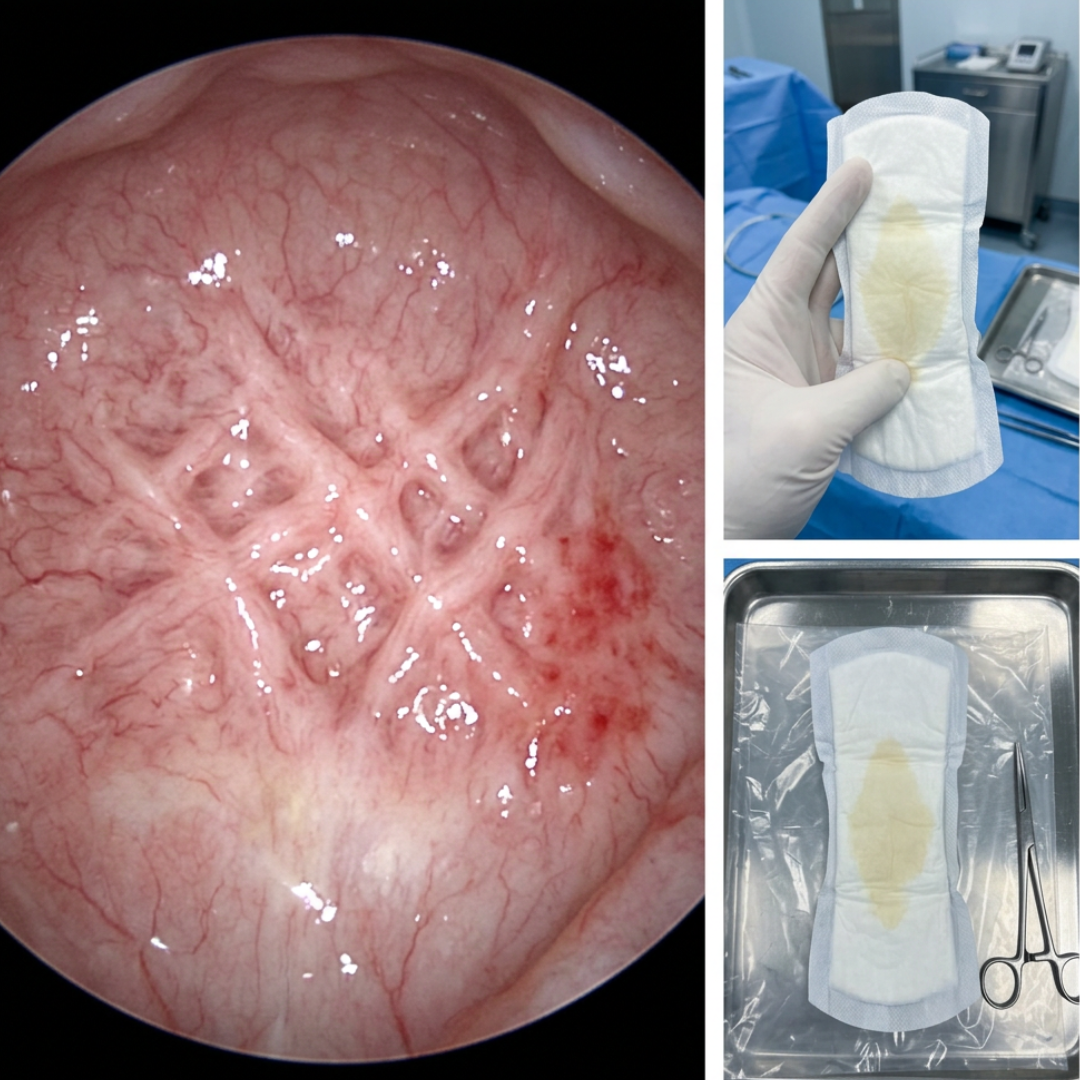
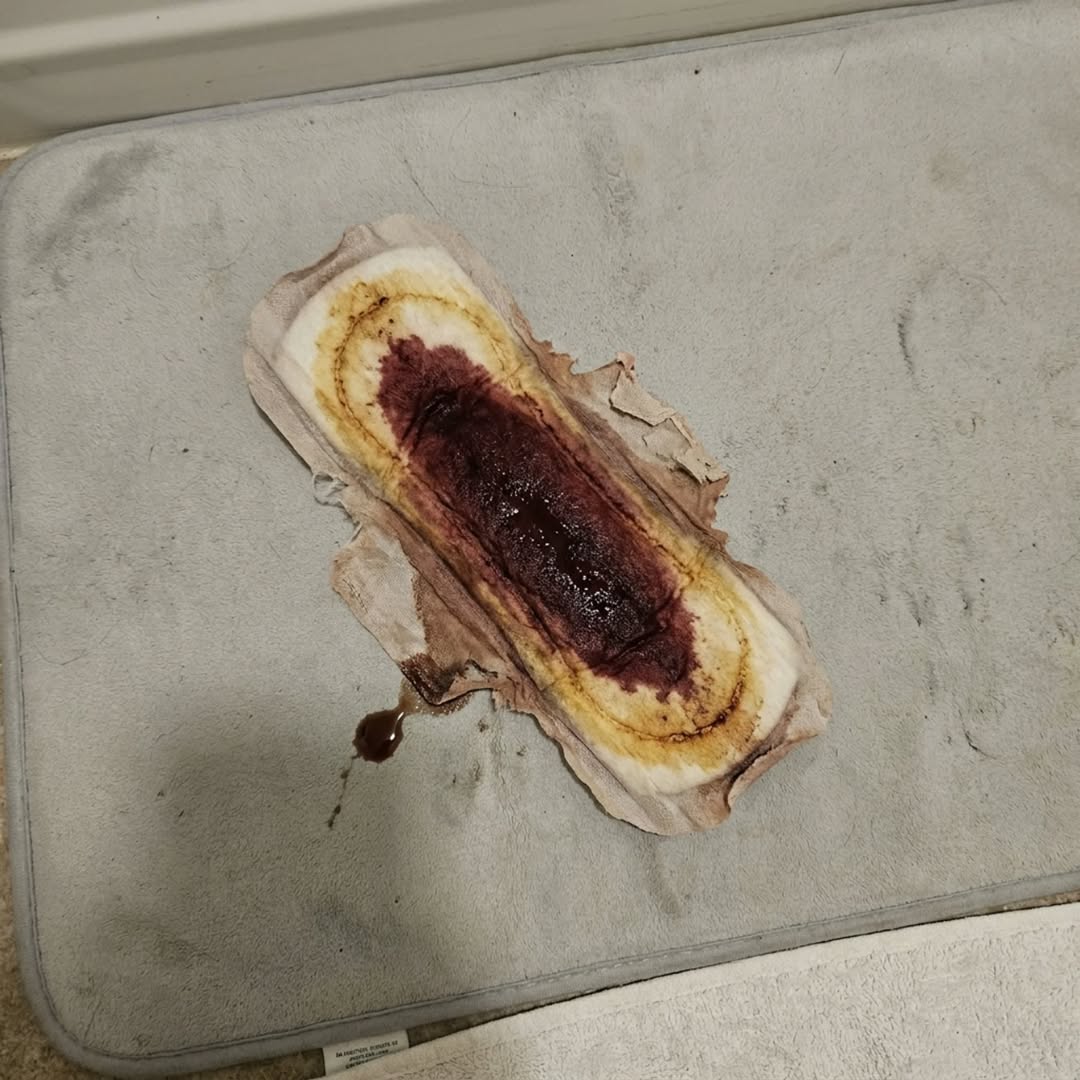
I spent 27 years as a urogynaecological surgeon. I looked inside more than 800 women's bladders with my own eyes, and operated on most of them with my own two hands. And I'm about to tell you something I should have said 15 years ago. My husband told me to leave it alone. I'm retired now. Nobody's career is on the line anymore, not mine, not the consultants', not the hospital's. But I'm 62 years old, and I looked into too many worn out bladders knowing the truth and saying nothing. So here it is. When you put a camera inside a woman's bladder during a cystoscopy, you don't just read a report about it. You see it. You see the colour of it. You see the difference between a healthy bladder wall and a wall that has been quietly thinning and fraying for decades while its owner was still walking around, still going to work, still doing everything her GP told her to do. And in 27 years, in bladder after bladder on my screen in theatre, I found the same thing. Walls worn thin where they should have been thick and smooth. Damage that had been building since the woman was in her forties, since the babies, since the menopause. Inflammation everywhere the lining had broken down. Red, raw patches that flared every time a drop of urine touched them. A muscle that had gone from strong and steady to slack in one place and twitchy in another. Damage that had been building for years. Sometimes decades. I found it in women who had done their pelvic floor exercises every day for ten years. I found it in women who had cut out tea and coffee completely. I found it in the ones who had been taking cranberry tablets every morning since their first leak and the ones whose GPs were still trying to "keep an eye on it" with bladder diaries. I found it in the teachers and the nurses and the nans who still did the school run. I found it in women whose husbands sat in my clinic and told me, "but she did everything the GP told her. She did the squeezes. She cut the tea. She took the tablets." Everything right. Every clinic letter I signed said the same thing. Overactive bladder. Stress incontinence. Mixed incontinence. Age related. Never what I actually saw. Never the truth. And almost every one of them had the same life. The aisle seat. The liners "just in case". Knowing where every loo in town was. The crossed legs before a sneeze. Nobody looked at these women and thought their bladder was failing. They thought, she's had children. She's getting older. It's just her age. That is what I need you to understand. The woman everyone said was "just getting older" had a bladder that had been breaking down for decades. I want to tell you about the two times I almost said something. And why I didn't. It was 2001. Four years into my consultant post. Her name was Margaret Foster. 64 years old. Retired postmistress. Diagnosed with an overactive bladder six years earlier, and her GP had told her what GPs told newly diagnosed women in 1995. Do your pelvic floor exercises. Cut the caffeine. Take the oxybutynin. We'll review in six months. Margaret did it. She did her squeezes three times a day. She gave up her tea after lunch. She took the oxybutynin every day for six years. Her bladder diary had gone from five trips a night to four. Her GP told her she was doing everything right. Margaret's husband found her at the bottom of their stairs on a Tuesday morning. She had got up at 3am, the fourth time that night, rushing for the loo in the dark. Her legs were unsteady from the tablets. She had missed the top step. She never made it to the hospital. The death certificate said head injury following a fall. When I pulled up the pictures from the cystoscopy I had done on her three weeks before, I understood what had actually happened. Her bladder wall was thin from top to bottom. The lining was inflamed and raw in patch after patch. The muscle was weak where it needed to hold and jumpy where it needed to rest. The damage had taken decades to form. Every drop was setting off an alarm. Six years of doing everything right, on a problem that had been quietly building for two decades before anyone noticed. And from the outside, Margaret just looked like a woman who needed the loo a lot. Nobody looked at her and thought, that woman's bladder is failing and it's going to kill her. They thought, she should drink less. Margaret's husband sat in my clinic three days later and asked me, quietly, if I had any idea why a woman who had done her exercises and taken her tablets for six years had died at the bottom of her own stairs at 3am. And I almost told him what I had seen. The thin wall. The raw lining. The muscle and nerves that nobody had ever fed, under a protocol that never once asked why her bladder was failing in the first place. But I didn't have an explanation that fit on a form, and it wasn't my place to offer one. I was 36. I had three kids and a mortgage and a post in a department that expected me to follow the guidelines without question. I had been told, not in writing, never in writing, just understood, that a surgeon's job is to operate, not to second guess the treatment that came before the surgery. So I told Margaret Foster's husband I was sorry for his loss. And I signed the paperwork as written and carried a question I couldn't shake. I went home that night and started a notebook. Not for anyone. Not for court. Just for me, because I couldn't carry it in my head anymore. Every patient. The date. The age. What the referral said. What the bladder said. What the woman had been told to do. Fifteen years later, I looked inside a bladder that made me want to walk out of theatre. Her name was Michelle Reyes. It was 2016. 52 years old. Primary school teacher. Married 25 years. Two daughters at secondary school. Big laugh. The kind of woman who made a staffroom feel safe just by walking into it. From the outside she looked like any woman in her fifties with "a bit of a weak bladder". Liners in her handbag. Always by the door. Everyone who knew Michelle thought it was just the babies and the menopause. Nobody looked at Michelle and thought her bladder was failing. They thought, she drinks too much tea. Michelle was not Margaret. Michelle had been diagnosed with an overactive bladder twelve years earlier. Her GP had put her on the newer, more aggressive pathway. Oxybutynin first, then a newer tablet when the dry mouth got too much. Physio with a pelvic floor specialist. The NHS Squeezy app. Then Botox injected into her bladder wall eighteen months earlier, when the tablets stopped working. Her urgency had dropped for the first time in years. Her consultant had told her, at her last review, that her bladder diary was "the best it has been since we started seeing you." Then the Botox wore off. And the second round left her unable to empty properly. She had to use a catheter at home. Then came the infections. One, then two, then three. Michelle died on a Sunday morning. The infection had spread to her blood while she was standing in her kitchen making birthday pancakes for her younger daughter. She was 15. She was sitting at the kitchen table when her mum collapsed. I had looked inside her bladder the Wednesday before, to plan the next round of injections. I didn't know it would be the last time. What I saw on that screen was worse than Margaret's had been. Not a little worse. The wall was thinner. The inflammation had spread further. The lining was raw and broken, with scarring from the injections and the catheter running through it. I sat with those pictures for a long time. Because the treatments had changed. The medications had changed. Her diary looked better than Margaret's ever had. Her urgency had actually come down. And the bladder on my screen was in worse shape than a woman who had never had the newer treatments at all. That was the moment I understood the treatments had never been aimed at what was actually failing. The urgency came down. The damage kept building. And nobody was watching the damage. They were all watching the diary. And I understood something else. Not one treatment Michelle had ever received gave her bladder what it needed to actually repair itself. Not one. I added a new column to the notebook that night. Whether she had been on oxybutynin. Botox. And in what combination. By the time I retired six weeks ago, that notebook had 1,847 entries. 1,847 families who shook my hand and thanked me for my care and never once heard what I was really thinking. That's what I carried for 27 years. Here's where it stopped being something I carried and became something I could not live with. My sister, Jean. We grew up in the same terrace in Lancashire. She's 58. Retired school cook. Worked on her feet her whole life. The kind of woman who never sat still, never complained, and never once thought of herself as unwell. But over the last fifteen years, her bladder had been changing in a way she laughed off as "just getting older." It started with the odd leak when she sneezed. Then when she laughed. Then on the way back from the shops with heavy bags. Then up in the night, once, then twice, then three times. She joked about her "dodgy bladder" even though it was ruining her sleep. Her husband joked about it. Her friends joked about it. Nobody was laughing at what was happening inside her. Menopause at 51. Liners every day for nine years. Pads for walks. She knew every loo between her house and the town centre. Her GP called it common at every visit. Then last year at her check up, her bladder diary came back with four trips a night. Leaks most days. Both worse than ever. The urine test was clear. No infection. Overactive bladder with stress incontinence, the letter said. Her GP told her exactly what Margaret Foster's GP had told her in 1995. Pelvic floor exercises three times a day. Cut the tea and coffee. Take the oxybutynin. We'll review in six months. Jean came round to my house and asked me what I thought. I looked at the diary. I thought about the 1,847 entries in my notebook. I thought about Margaret Foster's husband sitting across from me in 2001. I thought about Michelle Reyes's daughter waiting for pancakes. I told her to take the oxybutynin. I want you to sit with that. Because it is the single decision in 27 years of this work that I would give anything to have back. I had 1,847 entries in a drawer telling me the standard pathway wasn't the answer. And when my own sister was sitting in my kitchen asking me if she should start what every one of them had started, I told her to trust her GP. She took it faithfully. One tablet every morning with her breakfast. She did her squeezes. She cut her tea. She cut her coffee. She stopped drinking anything after six. Six months in, it started. The dry mouth. Not bad at first. Just enough that she kept a glass of water by the bed and couldn't drink it because of the night trips. She joked about it. "Getting old." I didn't joke back. Then the constipation. Her tummy felt full and hard all the time now. She could not get through a day without feeling bloated and heavy. She said it felt like everything had stopped moving. Then the fog. Her husband told me she was forgetting words halfway through sentences. She lost her car keys twice in a week. She burnt a pan of soup. She was losing her sharpness while the one thing the tablet was meant to fix kept going. Then the sore skin. Red and raw where the pads rubbed. Worse after long days. Then her first water infection in years. Then the review. Her diary had gone from four trips a night to five. Leaks every day now, not most days. Six months of doing everything right and the numbers had gotten worse. Her GP said, "Bladders take time. Sometimes it gets a little worse before it gets better. Keep doing what you are doing. We'll review in six months." Then the referral. Her consultant started talking about a stronger tablet. Then about Botox. Common. Of course it was. I knew what I was looking at. God help me, I knew. I knew because everything Jean was showing me was the front end of what I had been looking at on my screen for 27 years. The night trips. The leaks. The dry mouth. The fog. The infections. The symptoms climbing under a pathway that was not touching the damage. The tablets getting stronger while the wall kept thinning. The muscle weakening while the nerves kept firing false alarms. Jean was starting the story. I had only ever seen the end of it. I sat in my kitchen that night watching Jean get up from the table twice in one meal, her hand on her tummy, her legs crossed at the sink, her bag packed with pads by the door. And I felt the full weight of 27 years of silence. I was not going to see "fall at night" or "urosepsis" on my sister's notes. Not Jean. Not after everything I had seen. Not after I was the one who told her to take the oxybutynin in the first place. I did what any sister would do when the person she grew up with was falling apart in front of her. I tried the two things I had heard of. Cranberry capsules from the chemist. Little red capsules that cost £20 a bottle and claimed to support bladder health. If the oxybutynin was only blocking the signal, I figured giving her bladder something for the lining might actually reach further. And a bladder support blend from Amazon. Some proprietary mix of herbs with 3,000 five star reviews. Jean took both of them faithfully every morning with her breakfast, alongside the oxybutynin she was still on. She trusted me. I told her I was figuring it out. Six weeks. She was still up four times a night. She still leaked when she laughed. Her energy was still gone by 8 PM from the broken sleep. Her fog was still there. Her next diary had one more trip on it. I sat at the kitchen table one morning with those two bottles on the windowsill above the sink and I understood I was guessing. I had spent 27 years around the exact damage those two bottles were supposed to prevent, and I had no idea if either one of them was capable of reaching it. I was the right woman to catch this. I was not the right woman to fix it. I needed help. I went into my study that night and closed the door. I opened my laptop. I typed "repair bladder wall naturally" into Google. I went down the rabbit hole. Not because I wanted to. Because I had to. Because Jean's Botox appointment was booked in eight weeks and I was watching her turn into the front end of what I had spent my career looking at on a screen. Medical journals I still had access to through my hospital login. Bladder forums where daughters described the exact path I was watching in my own kitchen. European clinical trials that had never crossed my desk in clinic. And one thing kept coming up, over and over, that no GP had ever told us. The reason Jean's leaks were not stopping when she took the tablets is that the tablets only block the urgency signal. They do not give her bladder what it needs to actually repair itself. Your bladder is not one thing. It is three systems. The muscle. The protective inner wall. And the nerve signals between bladder and brain. They weaken at the same time. And no amount of squeezing or cutting drinks or oxybutynin feeds a single one of them. But I couldn't understand the whole picture from the papers alone. It was too clinical. Too abstract. Then I found a thread on a bladder forum with over 3,000 comments. The title: "Why does my 86 year old nan never need a pad?" I almost scrolled past. Something made me click. The post was from a woman whose nan had been a farmer's wife in the Yorkshire Dales. She lived to 94. Walked the fields every day of her life. Never once wore a pad. Never once got up in the night, as far as anyone knew. The post asked why some women from that generation never had bladder trouble, even after five children and a life of heavy lifting. Comment after comment. Stories. Studies. Pumpkin seeds. The lining of the bladder. Feeding it, not blocking it. The kind of thing country women had known for generations until we all started reaching for tablets. Someone posted a name. Agnes. A retired district nurse in her eighties who had run the continence clinic in a little Dales town for forty years. People in the thread said she had helped their mums understand what their bladders were actually missing. I looked at the clock. 2:39 AM. By 5:30 AM I was in my car. By lunchtime I was in the Dales. I didn't have an address. Just a village name and a description of the cottage. I drove until I saw a stone house with a green door and a garden that had been growing longer than I'd been alive. Sheep in the field behind it. Pumpkins along the wall. There was an older woman in the doorway. Had to be pushing 85. Small frame. Straight back. Bright eyes. Hands that looked like they'd been working in that garden for sixty years. I parked and walked up the path. "Excuse me," I said. "I don't want to bother you. But how old are you?" She looked up with sharp, clear eyes. "Eighty four." I stood there staring at her. Eighty four. No pad bag. No glance at where the loo was. Standing straight. My sister was 58 and had a bladder on the way to Botox that no doctor was capable of repairing. "My name is Helen. My sister is Jean. She has been diagnosed with an overactive bladder and leaks. She has done the exercises. She has taken the oxybutynin. Her diary keeps getting worse. I am a retired urogynaecological surgeon. I have looked inside 800 bladders in my career and I have no idea how to help my own sister. I read a thread online. Your name was in it. I drove four hours to find you." She dried her hands on her apron. Looked at me for a long moment. "You came here for a reason," she said. "Come inside." Her kitchen smelled like tea and toast and something baking in the Aga. She poured me a cup without asking. Pulled out a chair. "Tell me about your sister." I told her everything. The diagnosis. The oxybutynin. The nine months of squeezes that did not save her. The diary getting worse at every review. The cranberry capsules. The Amazon blend. The dry mouth. The fog. The sore skin. The infection. The four trips a night. The GP who kept saying keep doing what you are doing. She nodded through every failed treatment like she was ticking items off a list she already had in her head. When I finished, she was quiet for a moment. Then she said, "Your sister's treatment is fighting the wrong battle." I blinked. Not what I expected her to say. "The oxybutynin quiets one alarm. It blocks the urge so she feels it less. It never touches the wall that is setting the alarm off. The squeezes work the muscle a little. They never rebuild the lining or calm the nerves." "I know the bladder wall thins," I said. "I have seen it on a screen. I am not a stranger to this." She smiled. "Then you know more than most. But you do not know what your patients' bladders were actually missing. Because nobody teaches this. And without it, none of the rest matters." She folded her hands on the table. "There are three things failing in your sister's bladder. The muscle. The wall. And the nerves. They are NOT the same thing." She held up three fingers, separated. "The tablets work on one of them. The nerves. And only by blocking them. Sometimes it helps. Sometimes it does not. The muscle and the wall, the tablets never touch. And here is the part nobody told your sister. Her bladder can rebuild itself. The wall can thicken back up. The muscle can get its strength back. The nerves can settle. But only if they get what they need. Without it, the damage just sits there. Year after year." She paused. "Since the menopause, your sister's bladder has been running on empty. Not because her bladder was broken. Because her bladder was starving for what it needs to repair itself. Blocking the urge at 58 dulls the alarm. It does not touch years of damage that has nothing to repair it." I stared at her. "When your sister's bladder is that worn, three things happen at once. The muscle lets go when it should hold. That is why she leaks when she laughs. The wall is thin and raw, so every drop irritates it. That is why she has to go NOW even when there's nothing there. And the nerves send false alarms to the brain all night. That is why she is up four times. The three of them fail together. When one goes, the others follow." She leaned forward. "That is why the squeezes did not save her. That is why the oxybutynin did not save her. Both of those things are aimed at one corner. Neither of them gives the wall or the muscle a single thing they need. And her GP has been calling her decline 'a little worse before it gets better' for nine months, while the damage has been finishing what it started." She stood up and went to the dresser. Took down a jar of pumpkin seeds from her own garden. Then she reached into the cupboard and pulled out a little tin of magnesium powder and a jar of bright orange sea buckthorn berries. She set all three on the table. One at a time. "This one is her leaking when she laughs." She pointed to the seeds. "This one is her nerves waking her at 3am." She pointed to the magnesium. "This one is her raw, thin wall." She pointed to the berries. "Same bladder failing three ways. Her GP has been treating one problem with one tablet. It was always three. And the answer for all three was always food for the bladder, not a block on it." She put her hand flat on the table next to the jars. "The things your sister's bladder has not been getting for years." My chest tightened. "That is why her leaks did not stop when she did the squeezes. That is why the urge got worse even though she had done everything right for nine months. That is why the Botox they want to give her would do nothing for the cause. It paralyses the muscle. It does not rebuild the wall that is setting off the alarm. And there is nothing for the wall in oxybutynin. There is nothing for the wall in squeezes. There is nothing for the wall in cutting tea. There is nothing for the wall in Botox." She looked me straight in the eye. "Her diary counts how often the alarm goes off. It cannot see the wall that is setting it off. Those are two different things. And the one that matters, the wall, her GP was not looking at all." She reached across the table. "Now here is what a weak bladder really is. It was never just a number in a diary. It was years of your sister's bladder wearing down, one night at a time, because the things it needs to repair itself were never given to it. The tablets looked reasonable on paper. Her diary looked stable enough to keep going. Her bladder was falling apart underneath the treatment." She tapped the table once. "And here is the piece that will make you angry. Every doctor who ever wrote a script for oxybutynin and told a woman to do her squeezes was following the guidelines. That is what makes it dangerous. The guidelines never treated the bladder. They managed the symptoms. Year after year. While the wall kept thinning and the muscle kept weakening and nobody once mentioned feeding it. Until the woman ended up in your theatre with a bladder too far gone to save." My eyes started to water. "That is what has been happening to your patients. Not the diagnosis. Not the diary. The repair that nobody ever gave them. Bladders that starved every single day for decades while their doctors read their diaries and told them they were doing everything right." I couldn't speak. "Now hear me clearly," she said. "I am not telling you to throw the oxybutynin in the bin. If it helps your sister get through a day, that is between her and her GP. But understand what it is. It blocks the signal. It never repairs the bladder. Taken every morning, year after year, it lets her feel like she is treating it while the damage keeps building." I asked her what actually repairs it. She smiled. A small smile. "The bladder has an answer. For as long as women have been growing food, the answer has been sitting in the garden and the hedgerow. My mother ate pumpkin seeds by the handful. Her mother before her. Cranberries, red clover, sea buckthorn. Generations of women up here living into their nineties without a pad in the house." She stood. Went to the dresser. Picked up the jar of seeds. "Pumpkin seed," she said. "It strengthens the fibres of the bladder muscle and the sphincter, the ones that let go when you sneeze, laugh or lift. Magnesium calms the nerves that send the false alarms. And there's one more your sister has never had. Sodium hyaluronate. It's part of the bladder wall itself. It's what the wall is built from." I told her Jean had already tried cranberry capsules from the chemist and they did nothing. She must have read my face. "That is not what you think it is," she said. "Cranberry on its own does one job. It helps protect the lining. It does nothing for the muscle. Nothing for the nerves. Nothing to rebuild the wall. And half of what is on the chemist shelf is a proprietary blend, so you never know how much of anything you're getting. Just one ingredient on its own with nothing to back it up." She held up the jar. "What a worn bladder needs is all of it at once. Pumpkin seed for the muscle. Magnesium for the nerves. Sodium hyaluronate to rebuild the wall, documented in European clinical trials to restore it. Cranberry to calm the inflammation. Sea buckthorn to repair the lining. Red clover for the hormonal side, because after the menopause everything down there gets thinner. Six things. Your sister's bladder would know what to do with them, because it is what it has been missing all along. And once it has them, the repair finally has what it needs to start." She set the jar down. "Three things happen. The first. The muscle gets its strength back. The sphincter holds when she sneezes. The leaks when she laughs start to fade." She looked at me. "The second. The wall rebuilds. Once the lining is thick and smooth again, every drop stops setting off the alarm. The 'I have to go NOW' eases. She can walk past a loo without a second look." She paused. "The third. The nerves calm down. They stop waking her at 3am for nothing. She sleeps. Three things. From one morning habit. That is why the women in my family never wore pads. We fed our bladders. Always have. The parts of the garden your sister's generation stopped eating because the chemist was easier." I asked her if it had to be a certain kind. She nodded. "It has to be all six together, in the right amounts, every day. No proprietary blend, so you can see what's in it. No artificial additives. No fragrances. Nothing synthetic. One ingredient on its own is a waste of money. That is the only way it works." She paused. "Now I know you are not going to get your sister eating pumpkin seeds and sea buckthorn three times a day. I tried to get my own daughter to do it when she moved to the city. She would not bother. My granddaughter is the same. That is the problem. The answer has always been there. Women just will not do it anymore." She went to a cupboard and pulled down a small bottle. "My granddaughter found this. She lives in Manchester. Works in an office. Could not be bothered with the jars. She found a company that puts all six into two capsules. Pumpkin seed, magnesium citrate, sodium hyaluronate, cranberry, red clover and sea buckthorn. No proprietary blend. No artificial additives. No synthetic anything. Just the six, in a capsule you can swallow with your breakfast. 100% natural. Two capsules a day. That is the whole thing." She wrote the name on the back of an envelope and handed it to me. I ordered it that afternoon from a service station on my drive back. The bottles arrived four days later. The cranberry capsules I had bought Jean the first time were still on the windowsill. I went and got them. Turned the bottle round and read the label properly for the first time. One ingredient. Bulking agents. Colourings. A "proprietary blend" with no amounts listed. It looked like something made in a factory because it was. When I turned the new bottle round and read its label, all six ingredients were listed in plain sight. No proprietary blend. No artificial additives. No fragrances. A completely different thing, in every way that mattered. I read the leaflet that came with it. Six natural ingredients. Pumpkin seed for the muscle. Magnesium citrate for the nerves. Sodium hyaluronate for the wall. Cranberry, sea buckthorn and red clover for the lining and the hormonal side. No prescription. No side effects reported in their database. Two capsules every morning with breakfast. Jean took the first two that morning with her toast. Week 1 and 2: Nothing much. I told her Agnes had said to expect that. She grumbled. She kept going. Week 3: One night, she was up three times instead of four. She didn't say anything about it. I noticed because she wasn't yawning on the phone at nine. Week 4: The urge started coming less fast. And one evening she rang me and told me, carefully, like she didn't quite believe it, that she'd walked round the whole supermarket without looking for the toilets. Also that week, she laughed at something on the telly and didn't cross her legs first. She only noticed afterwards. Week 6: Her husband told me she'd gone from pads back to liners. Not because she was trying to save money. Because she wasn't leaking through them anymore. He said she was singing in the kitchen again. Week 8: She slept through the night. The whole night. For the first time in nine years. Her husband rang me. He said he'd woken at 7 and found her still asleep next to him and he'd checked she was breathing. Week 10: I drove over to Jean's house for Sunday dinner. I had not seen her in person in three weeks. When she opened the door I stopped on the step. She looked rested. Her eyes were clear. She stood up straight. She looked like the Jean I remembered from ten years ago. Her husband stood behind her and said, "Look at her. She's got her old self back." Jean smiled and looked at me. I couldn't say anything. I was thinking about every family I had sat across from and lied to. Every husband. Every son. Every daughter waiting for pancakes. All the ones whose wife, whose mum, whose sister had these same symptoms, the same dismissals, the same "let's keep an eye on it, we'll review in six months." The only difference was that I knew what to look for. And this time I had looked in time. The four trips a night were down to none most nights. She could sleep past dawn again. The leaks when she laughed had disappeared entirely. She went to a comedy night with her friends for the first time in years and laughed till she cried and felt nothing but happy. The pads that had made her skin sore were gone. Her skin had healed. She was carrying the shopping in from the car like she used to. The woman who had been checking every loo in town, ten months earlier, was walking the canal towpath at noon and asking her husband if he fancied a weekend in the Lakes. She said she felt like herself for the first time in nine years. Because she was herself again. The damage had stopped. Her bladder was doing what a bladder does when you finally give it what it needs to repair itself. That same week, she had her GP review. Her night trips had come down from five to under one on average. The best they'd been in nearly ten years. Her daytime trips had come down from fourteen to seven. Normal. Her leaks had gone from every day to none in the last fortnight. She had stopped using pads. Completely. She hadn't had a single water infection since week 2. Every number moved the right direction. Every single one. Her GP went through her diary twice because it looked so different from the last one that she thought Jean had filled in the wrong week. Then she cancelled the Botox referral. A few weeks later Jean had the follow up cystoscopy that had been booked months before. The report came back. The inflamed patches had settled. The wall looked healthier. The bladder was repairing itself. The GP asked Jean what she had changed. Jean told her she had added a natural bladder supplement her sister had recommended. She was quiet for a long time. Then she agreed to bring Jean's oxybutynin down, slowly, and see how she went. Told her whatever she was doing, she should keep doing it. Dry. But I will be honest with you. I have never cared less about a number in my life. Because I finally understood it was never the diary that was going to take her. It was the bladder that had been wearing down for years because nobody ever gave it what it needed to repair itself. And it repaired. And then there was the thing I still have trouble putting into words. The thing that, after 27 years, I did not believe I would ever see. Jean's bladder wall looked different. Not a little. On my screen I had only ever watched walls go one way. Thinner, redder, rawer. Hers had gone the other way. Calmer. Smoother. I have looked inside more than 800 bladders. I have watched more worn out walls than I can count. And I will tell you the one thing I never once had to wonder about in 27 years. A worn bladder doesn't come back. Once it's gone, it's gone. Every consultant who ever spoke to a family in my department said the same thing, in the same tired voice. Bladders only go one way. All we can do is manage it. Jean's went the other way. I started taking it myself the following week. The photo with this post was taken by my husband on the Langdale fells last summer, before I started. Look at my legs crossed. Look at my hand on my tummy. That grin is a woman with 27 years of bladder surgery behind her, three miles from the nearest loo, praying she makes it down. I'd stopped drinking water on walks. I'd been getting up twice a night for years and telling myself it was normal. The rest came the way it came for Jean. The night trips I had blamed on 27 years of on call nights, gone. I sleep through. I have energy I haven't felt since my 40s. My own urgency, which I had been ignoring for years, started easing within a month. I went back up those same fells in September with a full bottle of water and didn't think about a loo once. I laughed at the top. Properly laughed. Because my bladder was finally getting what it had been missing. I'm 62 years old and I feel better than I did at 45. We both take it every morning now. Two capsules with breakfast. It's the last thing either of us will ever skip. I've been retired for six weeks. I don't operate anymore. I don't sign clinic letters. I don't sit across from widowers in my clinic and say "I'm so sorry" and keep what I saw to myself. But I think about Margaret Foster. And Michelle Reyes. And their families sitting in my clinic with the same question and me giving them the same silence. The notebook in my desk drawer with 1,847 names in it. The families I sent home without ever telling them what I had seen, because I was told that was my place. And I think about Jean. How close she came to being entry 1,848. How her symptoms lined up, line for line, with what I had been seeing on my screen for 27 years. How her reviews came back "a little worse" and "very common" while a woman I loved was quietly being worn down from the inside. The only difference was that I finally spoke up. I drove to Agnes. And then to Jean. And then to her GP through her. That's why I'm telling you now. Because I finally can. The little leak when you sneeze that you've been crossing your legs for. The urge that hits the moment you put your key in the door. The pads you resent with every purchase. The three or four trips a night that leave you shattered by the afternoon. The loo you check for the second you walk into a shop. The tea you've stopped drinking. The walks you've stopped going on. The laughing you've stopped doing. The knickers you rinse out in secret. The water infections. The bladder your GP calls "very common at your age." Those aren't separate problems. Those are warnings. Something is happening inside you right now. Your bladder wall has been wearing down since the menopause. Silently. Under a diagnosis your GP calls common. Your reviews will come back "a little worse" and "let's keep an eye on it." Your GP will say bladders take time. Sometimes it gets a little worse before it gets better. I've read those exact words in the notes of women whose bladders ended up on my screen. Hundreds of them. Women whose bladders were worn out silently, because everyone was watching the wrong thing. The diary counts how often the alarm goes off. It does not see the wall setting it off. It never has. And the oxybutynin your GP mentions does the same thing. It blocks the signal. It never reaches the wall, the muscle or the nerves. Cutting tea does nothing to it. Squeezes alone do nothing to it. Botox does nothing to it. Cranberry capsules on their own do nothing to it because one ingredient can't repair three systems. When one stops working they add a second and then offer you a physio and a review in six months, and not one of them goes within a mile of the wall that is failing. I'm not telling you to stop taking what your GP prescribed. That conversation belongs to you and your GP. What I'm telling you is that the pathway only ever did a third of the job. And the parts it skips are the parts that end up in my theatre. That reassurance is the same lie I signed 1,847 times. The comfortable diary and the comfortable word "common" on the letter are the same lie, told at two ends of the same problem. The only thing that works gives your bladder what it needs to repair itself at the source. The muscle. The wall. The nerves. All three. Pumpkin seed strengthens the muscle. Magnesium calms the nerves. Sodium hyaluronate rebuilds the wall. Cranberry, sea buckthorn and red clover protect and repair the lining. The same things that kept Agnes's mother dry into her nineties. That's what these capsules do. Six natural ingredients. No prescription. No proprietary blend. No artificial additives. No fragrances. Recommended by urologists. Over 12,000 verified reviews. Two capsules every morning with breakfast. That's the whole thing. 90 day money back guarantee. If your night trips don't drop, if the leaks don't fade, if the urge doesn't ease, if there's no real improvement in 90 days, you email your order number and every penny comes back. No forms. No proof. No waiting. Most of what calls itself a bladder supplement at the chemist or on Amazon will do nothing for you, and now you know why. It is one ingredient with nothing to back it up, or a proprietary blend that won't tell you the amounts, padded with fillers and colourings. They write "bladder support" and "natural" on the label. Then they fill it with rubbish. I spent 27 years watching what happens when women wait. I documented it 1,847 times in a notebook nobody was ever supposed to see. I'm not carrying it anymore. I'm 62. I'm retired. And for the first time in 27 years, I'm telling the truth. The wall won't rebuild on its own. The muscle won't strengthen on its own. The nerves won't settle on their own. The night trips won't stop on their own. I'd have told you that myself six months ago, and I'd have been wrong. None of it turns around until you stop blocking the alarm and start feeding the bladder what it needs to repair itself. Stop silencing the alarm. Fix what's setting it off. I've added the link below Helen, age 62, retired urogynaecological surgeon P.S. I need to say this as plainly as I can, because Jean came down off her oxybutynin in this story and I do not want you doing the same thing on your own. She came down because her GP looked at her diary at week 12, a drop from five night trips to under one that she had never seen on any tablet, and made that call herself. That is the only version of coming off any medication I would ever defend. If you are on oxybutynin, another bladder tablet, or anything else, do not stop on your own. Take your diary to your GP after 60 or 90 days on these capsules and let your GP decide. And if you're on immunosuppressants or blood thinners, check with your doctor first. The point is not to fight your GP. The point is to put the thing on the table that the prescription pad never did. P.P.S. Do not quit early on this. The first two weeks are quiet. What the six ingredients do in those weeks happens inside the bladder wall, where you cannot feel it, as the lining starts to rebuild and the muscle starts to strengthen. Agnes told me at the start what to expect and it landed exactly the way she said it would. One less night trip usually comes first, around week 3 or 4. The urge comes less fast next. The leaks when you laugh fade. The full change usually comes around weeks 6 to 8. A 90 day course is what's recommended, because a bladder that has worn down over years needs time to repair. Give it the full 90 days. That is exactly what the guarantee window covers. I've added the link to the learn more button below P.P.P.S. The guarantee is the part I keep coming back to. A company selling six natural ingredients in a capsule will bet its own money that this helps you. If there's no real improvement in 90 days, you email your order number and every penny comes back. The oxybutynin Jean took every morning for nine months never came with a promise like that. Nobody ever offered her a refund on the pads, the pelvic floor trainer or the app her GP recommended. Fewer than 3% of women send it back. You can decide for yourself what that tells you. I've decided what it tells me. P.P.P.P.S. It is not on Amazon. It is not in the chemist. Six natural ingredients with no proprietary blend and no fillers is expensive to make and impossible to fake at chemist prices, which is why the company sells direct from its own site and nowhere else. Right now it's 50% off there. If you see it listed on Amazon or eBay, it is not the real product. The link below is the only place the real one is available. I don't work for this company. I don't get a penny from this. I'm writing this at 2:15 AM, and not because I'm up for the loo anymore. I can't sleep because my notebook of 1,847 entries is in a drawer in my desk and every one of them is a Jean who didn't get the warning in time. Share this with any woman you know who leaks. Even "a little." Even "only when I sneeze." Even if she's doing her squeezes perfectly. Especially those. Because "doing everything right" was what every single one of them was told, right up until the end.
Where the ad sends people
serraphea.com
Retired bladder surgeon's warning
A former chronic bladder patient reveals the trap of incontinence pads that cost £1,800 a year, and the discovery that ended leaks, urgency and sleep disturbances in her patients, without medication, surgery and a single pelvic floor exercise.
Learn more: serraphea.com(opens in a new tab)