The Daily Wellness
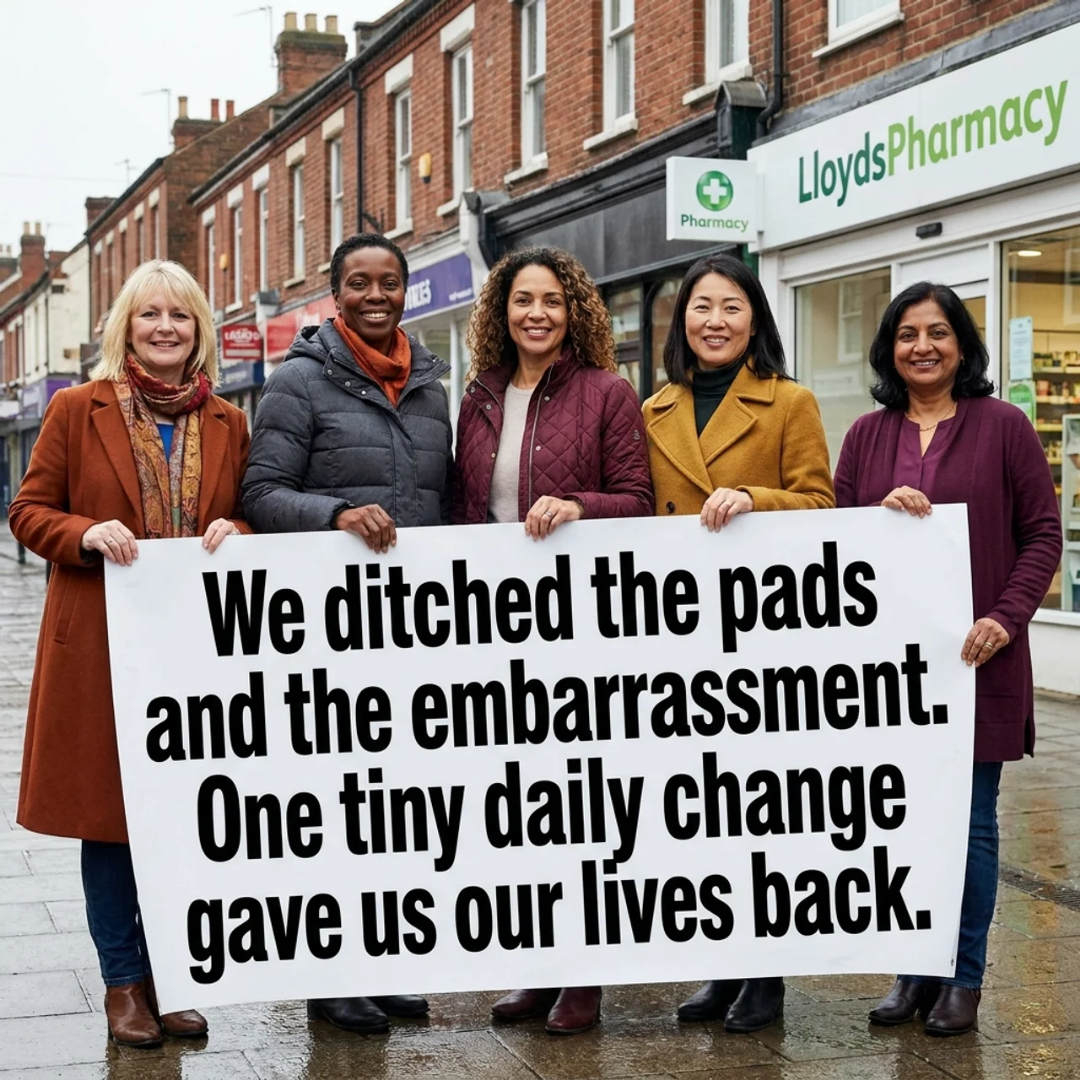
 Facebook ad: “If you're using incontinence pads for bladder weakness…”
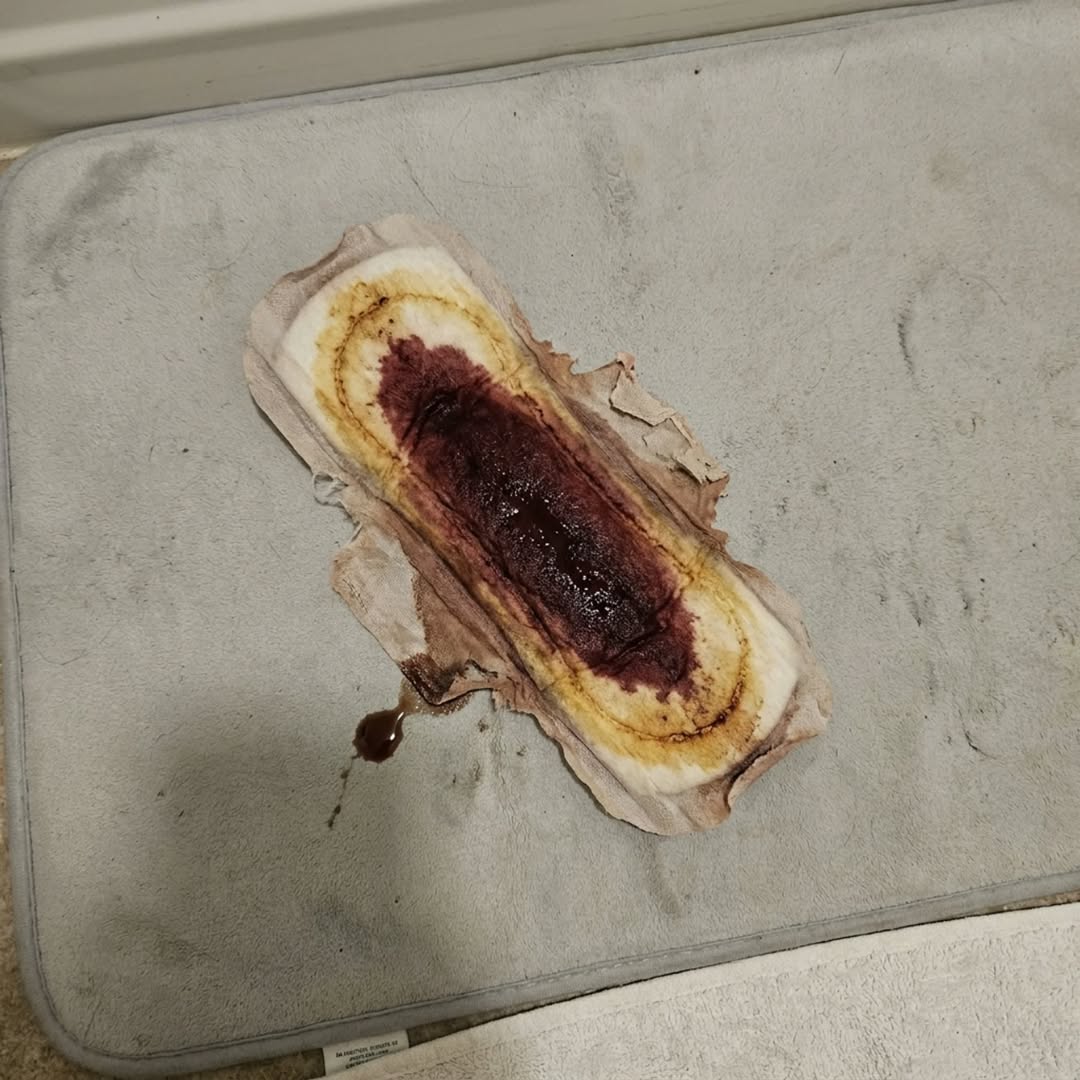
Running for 15 days since October 20, 2026. Crush last saw it on November 4, 2026.
Run by The Daily Wellness on Facebook. Crush is not the advertiser and does not verify its claims. See this ad in Meta's Ad Library(opens in a new tab)
Make your own version of this ad
Crush makes it, launches it in your own Meta ad account, scales the winners and pauses the losers.
About this ad
- Meta Ad Library ID
- 1648137713365071
- Platforms
- Facebook, Instagram, Audience Network, WhatsApp and Threads
- Relaunches
- 0
- Niche
- Skincare & Beauty
Ad text
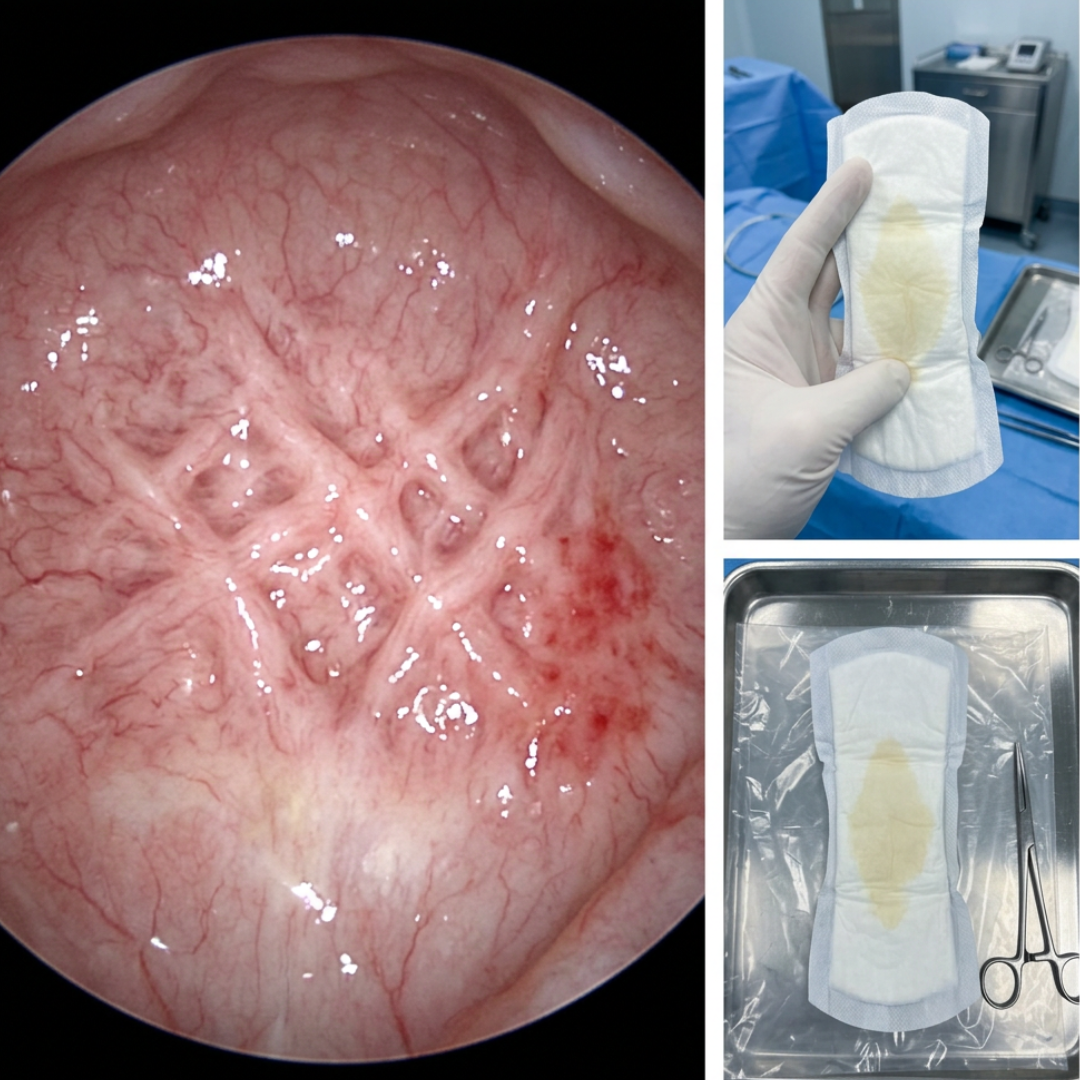
I have to warn every woman who's been told that incontinence pads are her only option for urinary leakage. So. There, I've said it. I've been struggling with bladder weakness for six years now, and for nearly all of that time I thought I only had two choices. Either keep buying incontinence pads for the rest of my life, or learn to live with the side effects of prescription medication. I had no idea there was actually something that could get to the root of the problem. Let me start from the beginning, because I think my story is far more common than we realise. The bladder weakness started after menopause. It crept in slowly. At first just a few drops when I coughed or got up too quickly. And like most women, I assumed it was just part of getting older. My GP said it was normal, gave me some pelvic floor exercises and sent me home again. The exercises barely helped. It only got worse. Within a year I was using three or four pads a day, always carried spares with me everywhere, and planned my entire life around never being caught without protection. And that was bad enough on its own. But what came next was even worse After about six months, the skin irritation started. At first I thought it was just ordinary chafing because the pad sits against the skin all day. But this wasn't ordinary chafing. The skin turned red, sore, and itched constantly, and it never got the chance to heal properly. Every morning I put a fresh pad on skin that was already damaged from the day before. I genuinely tried every brand. Thin ones, thick ones, with a cotton surface, the expensive "for sensitive skin" ones. Every evening still ended with the same burning, itching, irritated skin. Then came the urinary tract infections. Three in five months. My doctor prescribed antibiotics every time and said the pads were likely contributing, because the synthetic material traps heat and moisture all day. Perfect conditions for bacteria. I was furious. The product I thought was helping me was actually creating a vicious cycle of infections that kept sending me back to the doctor again and again. But the moment it all really hit me came late one night. I couldn't sleep because I'd already been up three times before midnight to go to the toilet. I started reading about what disposable pads actually contain, and I felt sick. Article after article about PFAS, the so-called forever chemicals, that some manufacturers use in pads and liners. They're called forever chemicals because the body doesn't break them down. They stay there and build up over time. And they'd been pressed against my most sensitive skin, for hours every day, for years. I'm no scientist and I won't pretend I understood every study I read that evening. But I understood one thing very clearly. For years I'd been pressing synthetic chemicals against skin that had already become thinner and more sensitive after menopause. And nobody had ever warned me. Not my doctor. Not the companies. Nobody. That's when something broke inside me. I didn't want another pad. I wanted to never need pads again. Was that even possible? My doctor had spent six years telling me this was simply my life now. But I needed to know if there was actually a way out. So I started searching and tried everything you could think of. The first thing I tried was Botox injections in the bladder. My urologist recommended it and I had real hope, because the idea of actually treating the problem instead of just masking it sounded like a genuine solution. And honestly, the first treatment worked. For about three months I had significantly fewer problems and it felt like I'd got my life back. I was so relieved I nearly cried at the follow-up appointment. But then the effect wore off. Slowly at first, then all at once. By the fourth month I was back to square one. My urologist said this was completely normal and that I'd need new injections every three to six months to maintain the effect. Each treatment cost over £350 out of my own pocket. So there I was, facing between £700 and £1,400 a year for something that gave me a few good months before everything came back. I had a second treatment. Same story. A few months better, then back to the start. I couldn't justify the money for something that would never be permanent. It felt like I was buying temporary relief instead of a real solution. I read up on sling surgery. Read women's experiences. Decided immediately, not in a million years. I tried pelvic floor training. It helped a little with the urgency, but the leakage didn't go away. I tried Oxybutynin. The side effects were unbearable. My mouth was so dry I couldn't sleep, I became constipated, and got a brain fog that made me think I was losing my mind. After six weeks I stopped. Then I read that long-term use had been linked to dementia in older women, and I went cold at the thought I'd even taken it. Nothing helped. And the options were running out. Then the women in my online group changed everything. I'd joined a Facebook group a few years earlier, full of women with exactly the same problem. It was the only place I could speak honestly without feeling embarrassed. We shared everything. Good days, bad days, embarrassing stories, products that had let us down. One evening, a woman called Margaret wrote a post that caught my attention. She wrote that she'd found a supplement that had reduced her bladder weakness more than Botox ever had. And that she hadn't used pads in two months. Honestly, most of us just rolled our eyes. We'd already been through pelvic floor exercises, medications, injections, and the endless cycle of treatments that promised results and delivered disappointment. The last thing we needed was another miracle cure. We'd all been let down before. I'd personally wasted money on three different "bladder supplements" from the chemist and online. One with cranberry, one full of B vitamins, one with magnesium. None of them made any difference. I just produced expensive urine, as one woman in the group put it. When Margaret mentioned the word "supplement," half the group nearly scrolled straight past. But Margaret wasn't finished. She said she understood exactly why we were sceptical, because she'd thought the same thing herself at first. She just asked us to hear her out. She explained that after years of failed treatments, she'd started asking a different question. Instead of "how do I get the muscles to work harder?" she asked herself: "What if the muscles aren't even the main problem?" That changed everything for her. She explained step by step what she'd discovered. And by the time she finished, we understood why this was completely different from every other supplement we'd tried before. She'd discovered that the bladder isn't just a muscle. It's an organ with three parts that all weaken at the same time as we get older. The muscle itself. The protective lining inside the bladder. And the nerve signals between the bladder and the brain. Most women's bladders don't weaken because of "age" or because the pelvic floor is too weak. They weaken because the tissue in the bladder lacks the specific nutrients it needs to repair itself. When hormone levels drop, the lining becomes thinner. The thinner lining means urine comes into contact with sensitive tissue. The sensitive tissue makes the nerves overreactive. The nerves send urgency signals at the wrong moments. And the muscle weakens because magnesium deficiency is extremely common in women over 50 and almost never gets tested. You can do pelvic floor exercises until you drop. If the tissue itself in the bladder is damaged, the muscles around it can't compensate for that. The brand she used was called Urovital. Six ingredients, all studied for bladder health. Pumpkin seed extract for the bladder muscle. Magnesium citrate for the nerve signals. Sodium hyaluronate to rebuild the protective lining. Cranberry extract against inflammation. Red clover for the hormonal side. Sea buckthorn to repair the mucous lining. All in two capsules a day. No prescription. No strong medication. No PFAS, no synthetic chemicals, no fragrances, no unnecessary additives. When I read "no synthetic chemicals," it actually got to me emotionally. After everything I'd been through with disposable pads, the idea of something natural meant more than I can explain. Something that would actually support my body instead of exposing it to even more chemicals. I ordered a bottle that same evening, fully convinced I'd be let down again. Ladies, I have never been so glad to be wrong. For the first two weeks I barely noticed anything and honestly I came close to giving up. I'd been disappointed so many times before that I assumed this was just another expensive mistake. Week three I slept five hours straight. That hadn't happened in two years. Week four I was walking round the supermarket and suddenly realised I hadn't planned my route around where the toilets were. I'd just shopped like a normal person. Halfway home I started crying so much I nearly had to pull over. Week six I sneezed in the kitchen. A proper hard sneeze. The kind that used to cost me a clean pair of knickers. And nothing happened. I sat down at the kitchen table and cried again. Not because of a supplement. But because my life had become so small for so long that I hadn't even noticed it, until I suddenly felt normal again. Week eight I was only using one pad a day, mostly out of habit. Most days it stayed dry. Week ten I stopped buying them altogether. Within two months, the irritation that had been there for years started disappearing. By the third month, it was gone completely. I haven't had a single urinary tract infection since. My skin feels normal again. I'd forgotten what that felt like. The capsules are ridiculously simple. Two with breakfast. Done. Urovital doesn't promise to fix everything overnight. Neither did Botox, and that cost me thousands of pounds. But Urovital did something Botox never even attempted. It helped the tissue repair itself. And my skin finally healed after years of damage from products I thought were helping me. I sometimes think about all the money I wasted. The pads. The Botox treatments. The Oxybutynin. The creams for the skin irritation the pads caused. The antibiotics for the urinary tract infections the pads contributed to. Thousands of pounds treating problems that were actually created or hidden by the products I thought were helping me. One bottle of Urovital nearly paid for itself within a month, just from no longer buying pads. And I didn't get a single side effect. If you're trying to manage bladder weakness with incontinence pads that are wrecking your skin, or if you've spent a fortune on Botox that still stops working, or if you're taking prescription medication that leaves you dizzy and dry-mouthed, I genuinely think you should look into Urovital. Not because anyone's paying me to say it. But because a 61 year old woman, with four years of sore skin and six years of her bladder running her entire life, wants you to know there's something better. Six natural ingredients in two capsules. Not another product that just tries to hide the symptoms. You deserve to actually heal. Not just get better at hiding the problem. You deserve to feel safe in your own body again. 👉 Click "Read More" to find out more about Urovital. EDIT: Sorry, I forgot to add this earlier and my inbox is full of questions. Just click "Read More" and you'll find everything there.
Where the ad sends people
serraphea.com
If you're using incontinence pads for bladder weakness, read this
A former chronic bladder patient reveals the trap of incontinence pads that cost £1,800 a year, and the discovery that ended leaks, urgency and sleep disturbances in her patients, without medication, surgery and a single pelvic floor exercise.
Learn more: serraphea.com(opens in a new tab)