Health Insider
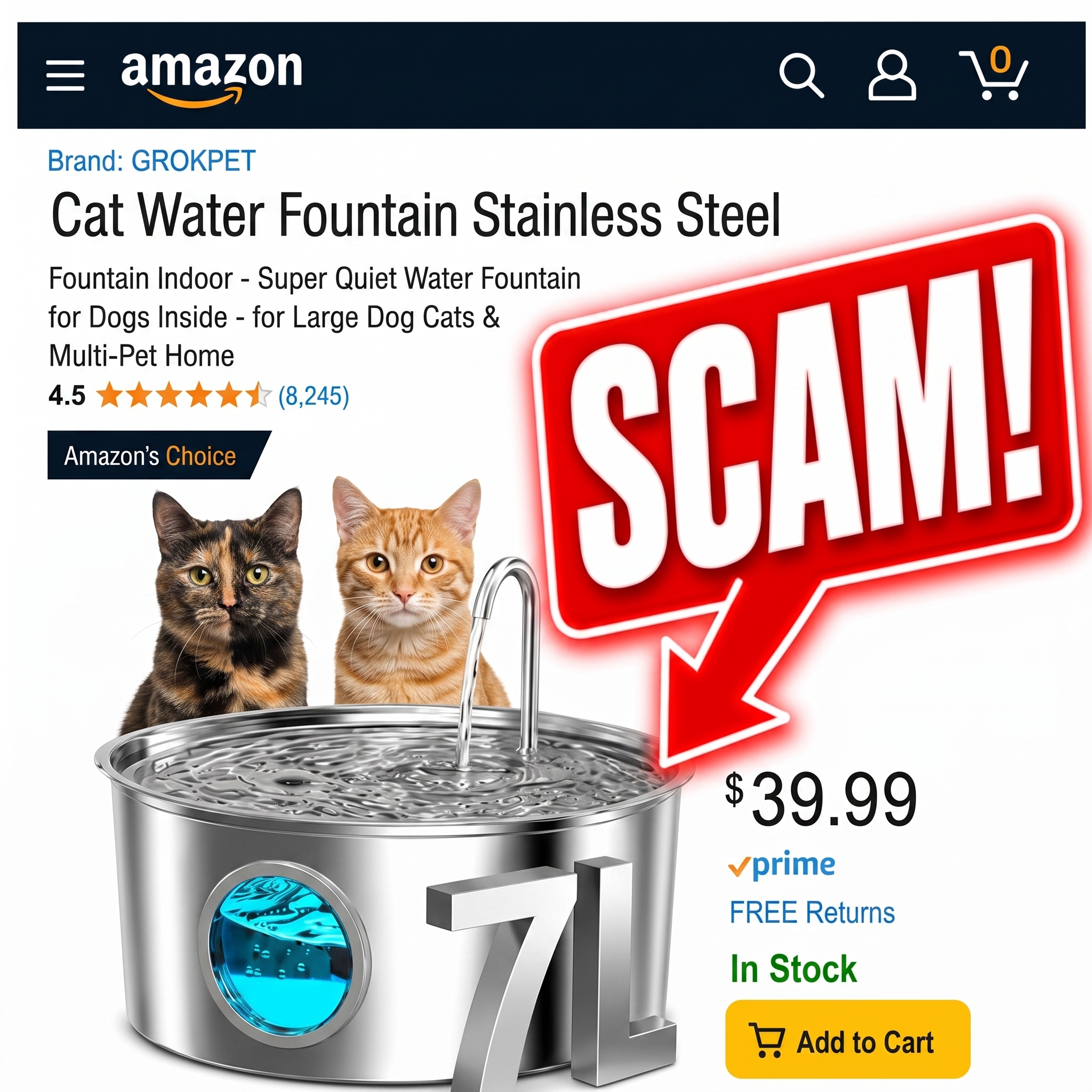
Health Insider Facebook ad: “Read This If You Care About Your Cat's Health”
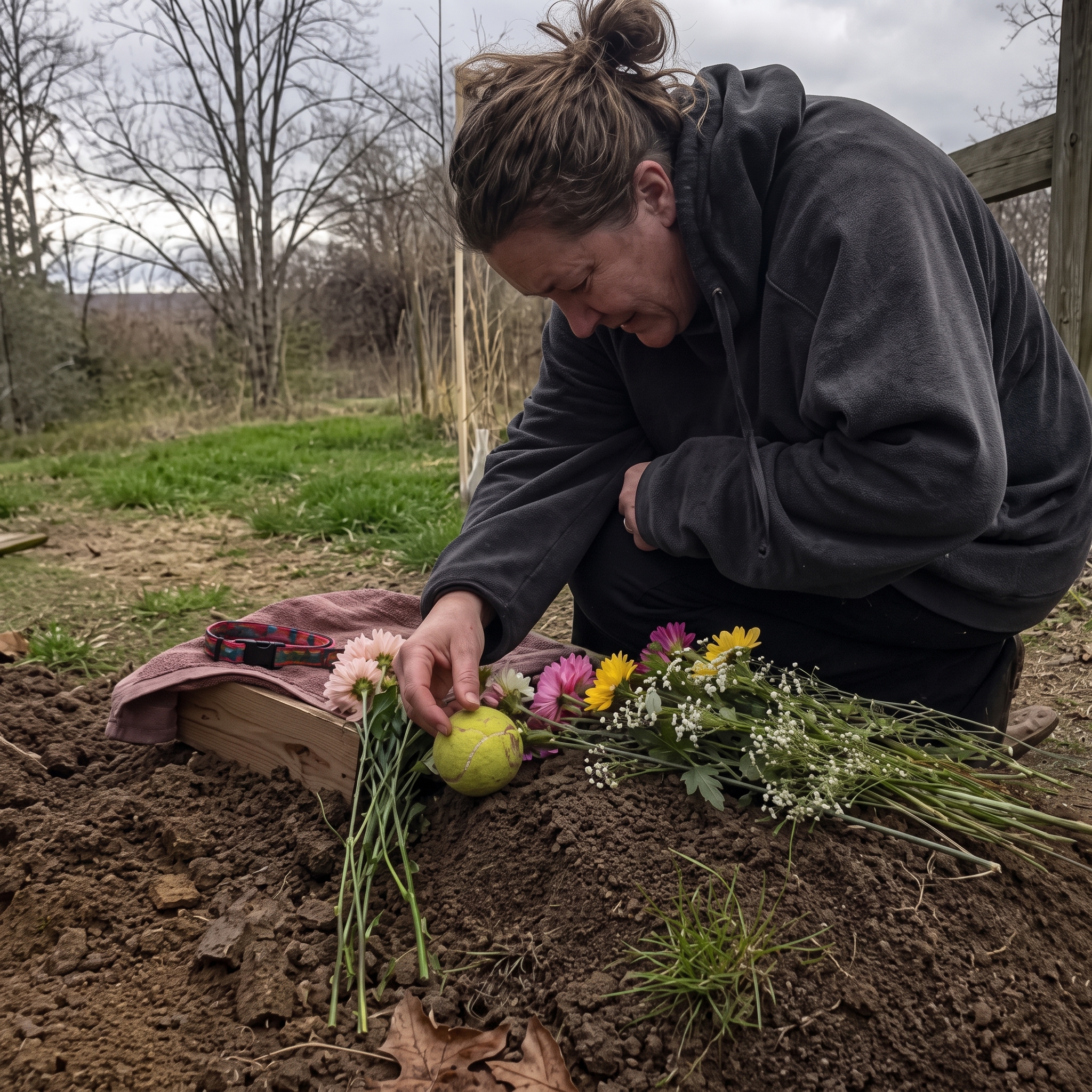
Ran for 8 days, from August 9 to August 17, 2026, the last day Crush saw it.
Run by Health Insider on Facebook. Crush is not the advertiser and does not verify its claims. See this ad in Meta's Ad Library(opens in a new tab)
Make your own version of this ad
Crush makes it, launches it in your own Meta ad account, scales the winners and pauses the losers.
About this ad
- Meta Ad Library ID
- 1597031245088528
- Platforms
- Facebook, Instagram, Audience Network, Messenger and Threads
- Relaunches
- 0
- Niche
- Pets
Ad text
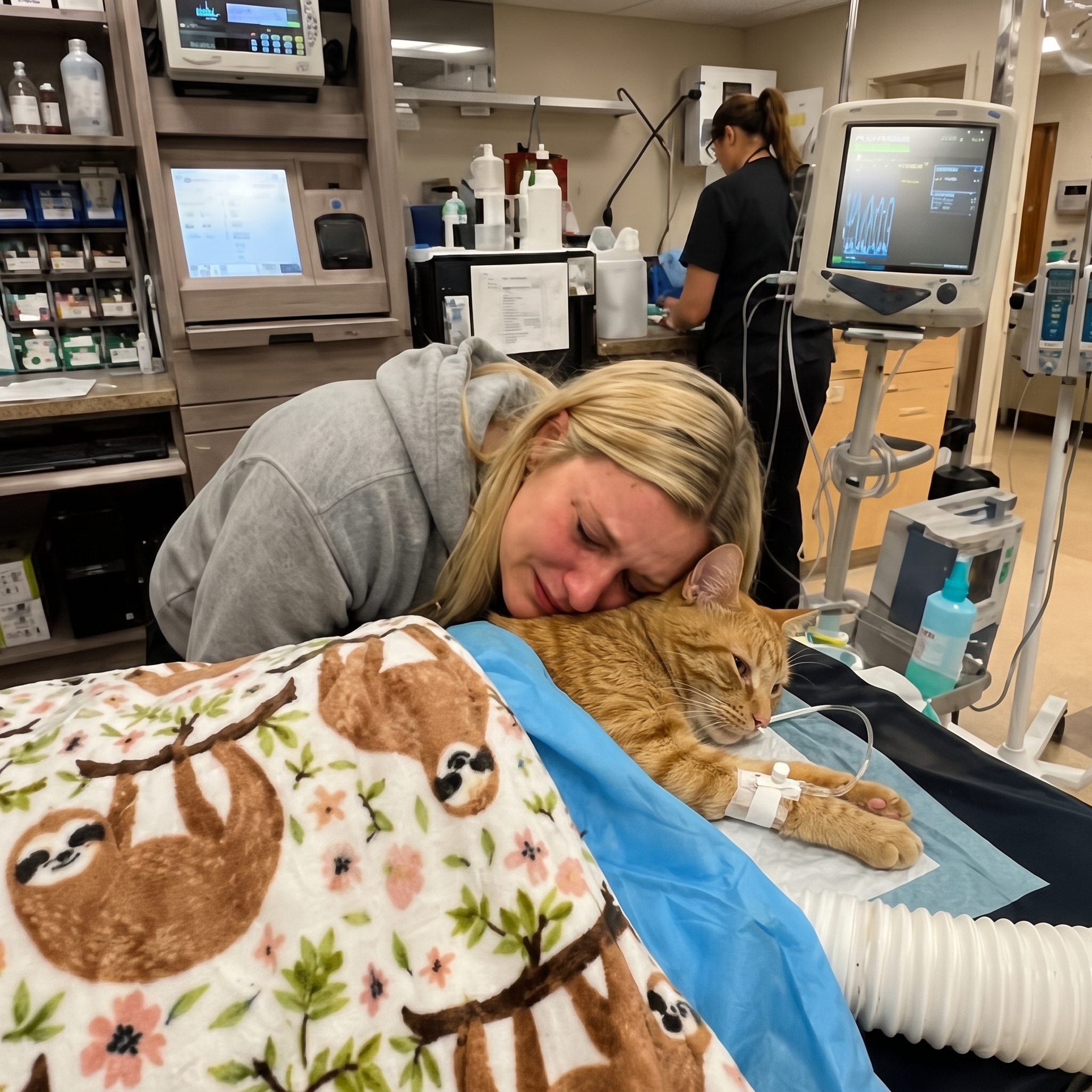
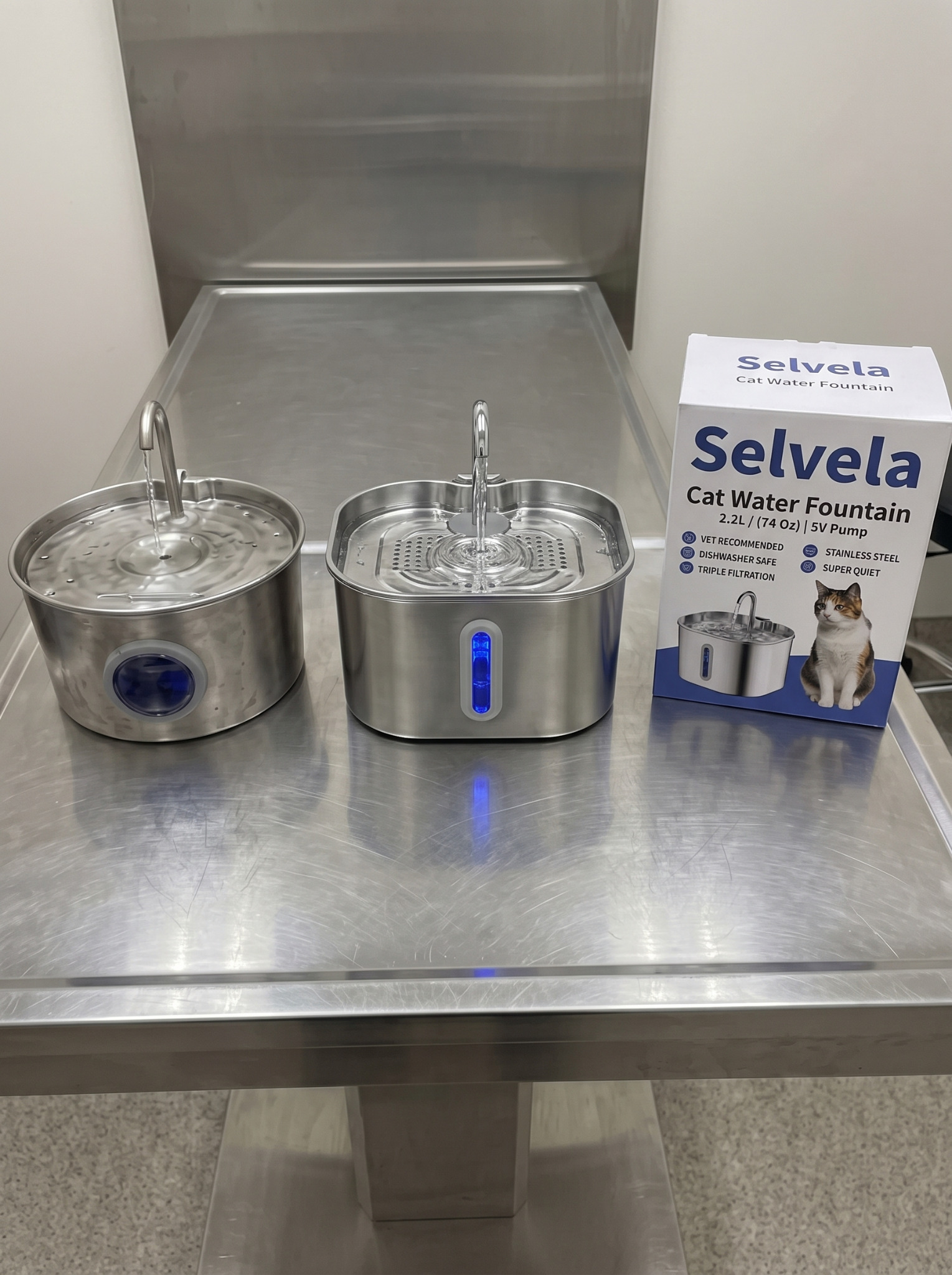
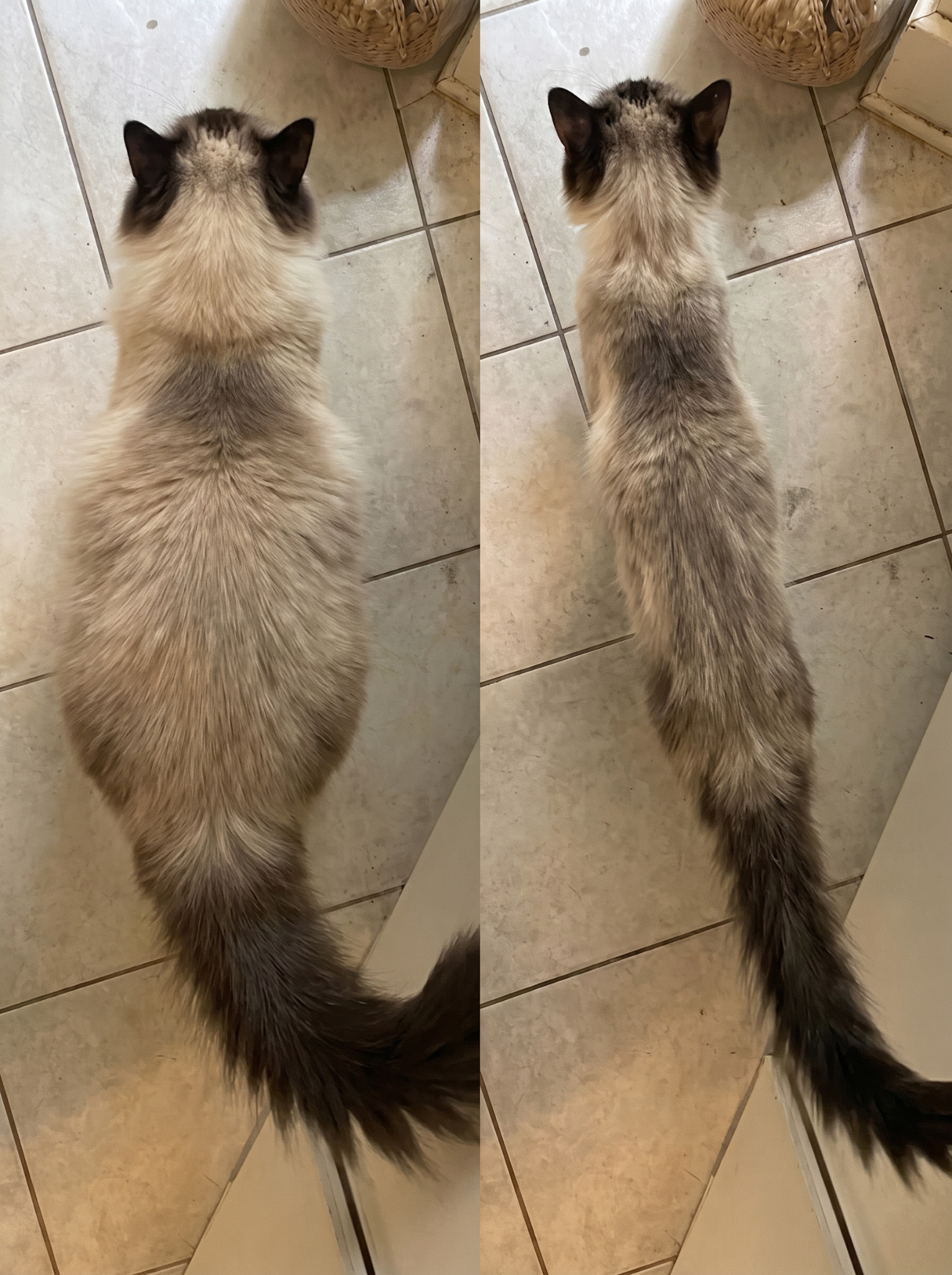
My cat died with a full water bowl three feet from where I found him. The vet said one sentence that made me realize I'd been watching him die for five years without knowing it. His name was Bear. He was six years old. And I need to tell you what happened to him, because the thing that killed him is probably happening to your cat right now. And you have no idea. Just like I had no idea. Bear was a big orange cat with a face like a disapproving professor and a personality like a grumpy old man trapped inside a cat's body. Deeply opinionated about everything. Personally offended by the vacuum cleaner. Convinced every couch cushion belonged to him and only him. He slept at the foot of my bed every night. Same spot. Same slow blink when he settled in like the day had been impossibly hard. Same warm weight against my feet that I didn't appreciate enough until it was gone. I'm 47. I live alone. Bear was my constant. The kind of cat where you walk in the door after the worst day of your life and just sitting on the floor next to him for ten minutes makes it survivable. I talked to him like he understood every word. "You want the last bite?" "Do you think I should text him back?" "Don't judge me, it's cereal for dinner again." He'd narrow his eyes and stare at me like he was forming an opinion. If you're reading this, your cat is probably that for you. So please keep reading. Because what I'm about to tell you could save his life. I'd give anything — anything — to have read something like this five years ago. Every morning, Bear ended up at the bathroom faucet. Not desperately. Not like something was wrong. He'd just leave his bed, leave the couch, walk into the bathroom and sit next to the sink. Staring at it. Waiting. The kind of thing you glance at and think: "Cats are weird. He just likes running water." He had a routine with the bowl, too. Walk up to it. Sniff it. Stand there. Walk away. Come back twenty minutes later. Sniff again. Walk away again. Sometimes he'd drink — a few quick laps right after I poured fresh water. Then nothing for hours. The bowl barely moved all day. And the shower floor. After every shower, Bear would jump into the tub and lick the wet tile. Not the water from the faucet — the tile itself. The droplets. Like he was collecting whatever moisture he could from wherever he could find it. I used to take photos of it. "Bear's doing his spa day again." My friends laughed. I laughed. It wasn't funny. I noticed all of it. The faucet sitting. The bowl sniffing. The shower licking. I saw every single sign. I just didn't know what I was looking at. The day it happened was a Thursday in November. Nothing special about it. I topped off his water before work. Clean bowl. Filtered water from the pitcher I kept just for him. Scratched him behind the ears. Told him I'd be home by six. Checked the camera around lunch. He was on the couch. Curled up in his spot. I smiled and put my phone away. I got home at ten past six. The house was wrong. I knew it the second I opened the door. Not the usual quiet — the kind where he'd already be there, rubbing against my ankles before I could put my bag down. The little chirp he always made when he heard my keys. This was a different kind of quiet. The kind where something is missing. I called his name. Nothing. I found him on the kitchen floor. Near the bowl. On his side. Eyes half open. I don't remember picking him up. I remember the weight of him — twelve pounds that felt heavier than anything I've ever carried. I remember he was still warm. I remember saying his name over and over and over, like if I said it enough times he'd blink. I wrapped him in the throw blanket from the couch. The one he always kneaded before falling asleep. Drove to the emergency vet. I don't remember the drive. I remember the fluorescent lights in the parking lot. The sliding doors. A tech taking him from my arms. She came back fourteen minutes later. I know because I watched the clock the entire time. "I'm so sorry. He's gone. His kidneys failed. He was severely dehydrated." I said the bowl was full. I said I refilled it every single day. I said I did everything right. She told me she'd lost two cats that month. Same thing. Every owner said the same words I just said. The bill was $3,800. For fourteen minutes and a dead cat. I sat in the parking lot for a long time after. Engine running. I remember thinking: the water bowl was full. Right there next to him. Full. The vet called the next morning. She said she wanted to explain what happened. That most owners never get this explanation. "Your bowl was clean," she said. "The water was filtered. But that's not why Bear wasn't drinking." She explained it simply. And I will never forget it. A cat is a desert animal. Its ancestors survived by getting moisture from prey, not from standing water sources. The domestic cat inherited that exact physiology. Its thirst drive is suppressed by design — it does not feel thirst in proportion to its need. It never has. You can place a clean bowl next to a cat that is measurably dehydrated and it will walk past it. Not out of stubbornness. Because the signal to drink simply doesn't fire. But there's something worse. Even when a cat does approach the bowl, its nose — roughly fourteen times more sensitive than yours — evaluates the water before a single lap. And within hours of pouring, bacteria begins forming a layer called biofilm on the surface of the bowl. Microscopic. Invisible. You cannot see it. You cannot scrub it out of the tiny grooves in the material. But your cat can smell it. Then she said the sentence that changed everything: "Think about the last time you went to drink from a glass that had been sitting on your nightstand too long. You didn't even think about it — you dumped it and poured a fresh one. That's what Bear was doing every time he sniffed the bowl and walked away. He was telling you the water had gone bad. Except his nose detected it in hours, not days. And he couldn't pour himself a fresh one." That was it. That was the sentence. And every single thing I'd watched Bear do for five years suddenly made sense. The faucet every morning? His body searching for any water source that was still clean. Running water doesn't grow biofilm. The sniffing and walking away? Him telling me the bowl had already gone bad. Hours after I poured it. The shower floor? Collecting whatever clean water he could find. Droplets that hadn't sat long enough to contaminate. The barely-touched bowl? Not a low-maintenance cat. A cat whose nose was rejecting contaminated water every single day. Then she said the part that broke me: "And unlike a dog, a cat won't show you it's in trouble. A dog drinks heavily when it's thirsty — you notice immediately. A cat just stops. A cat that is chronically dehydrated looks exactly like a healthy cat. It eats. It sleeps. It grooms. It acts completely normal while its kidneys quietly fail. You could live with him for years and think he was fine." She paused. "This isn't a certain-type-of-cat thing. It's not just older cats or overweight cats or cats with existing conditions. It's physiology. Every domestic cat descended from a desert species with a suppressed thirst drive. Every bowl grows biofilm. Every cat's nose detects it. Most of the time they cope — they drink just enough to get by. But it's a slow accumulation of damage. And sometimes, after years of quiet under-drinking, the kidneys cross a line you didn't know was there." That's what haunts me. It didn't look like an emergency. It looked like a normal cat with a full water bowl. And that's exactly why I missed it. I didn't sleep much in the weeks after he died. I read everything. Joined every cat group. Called two other vets. And I started understanding why everything I'd been doing — everything every cat owner does — doesn't actually solve the problem. Refilling the bowl? Gives the cat a short window where the water smells acceptable. Bacteria reforms within hours. You're resetting a timer you don't know exists, and it runs out long before you refill again. Cheap plastic fountain? Moves water on the surface. But the reservoir underneath is plastic. Biofilm colonizes the microscopic scratches within days. The cat's nose finds it. That's why they use it for three days and quit. Multiple bowls around the house? Just multiple sources of the same contaminated water. More bowls doesn't mean cleaner water. Adding tuna water or broth? Masks the smell temporarily. Does nothing about the bacteria growing in the material itself. And the cat stops falling for it after a while. Every solution out there either refreshes the water briefly or hides the contamination. None of them do the two things that actually matter: give the cat a surface that bacteria cannot colonize, and kill the bacteria living in the water itself. The vet told me: "The answer isn't more water. It's not fresher water. It's water your cat's nose will accept all day, every day. That means surgical-grade steel bacteria can't grip. And sterilization that kills what's floating in the water before colonies can form. That's what would have saved Bear." That's it. That's what would have saved him. I found it at 2 AM on a Thursday in October, scrolling through a cat group with swollen eyes and cold coffee on the nightstand. A woman named Sarah. She'd lost her cat to the same thing — kidney failure, full water bowl in the kitchen, vet said chronic dehydration — two years earlier. Her post wasn't selling anything. She was sharing what she'd learned since. She described her new cat's behavior: "She used to sniff the bowl and walk away every single time and I thought she was just picky. She'd sit at the bathroom faucet every morning waiting. Since the fountain, she drinks multiple times a day without hesitation. The faucet sitting is gone. The bowl sniffing is gone. She just drinks." Someone asked what she was using. Selvela. Not a plastic flower fountain. Not a "stainless steel" fountain with a hidden plastic tank. Not something with a cheap carbon filter and a loud pump that grows mold inside. A fountain built around the actual problem: 316 surgical-grade stainless steel with an antibacterial coating across every surface the water touches — the same grade used in medical implants, non-porous, so bacteria literally cannot colonize it. Built-in UV sterilization that kills bacteria in the water itself before colonies can ever form. Triple-stage hospital-grade filtration that removes chlorine, heavy metals, and pharmaceutical residue. Whisper-quiet. Dishwasher-safe. If the problem is contaminated water in a material that breeds bacteria, the solution is a material that can't be colonized and a sterilization system that keeps the water itself clean. No biofilm on the surface. No bacteria in the water. Nothing for the cat's nose to detect. Nothing to reject. I wasn't ready for another cat. Not even close. But I ordered it that night. Because when I was ready, it needed to be running from day one. 👉 https://selvela.com/products/selvela-cat-water-fountain It arrived and I plugged it in. Set it up in the living room where Bear's bowl used to sit. The UV sterilization glowed faint blue. The water moved quietly. I ran my finger along the steel. Smooth. Really smooth. Nothing like the cheap bowls and plastic fountains that had filled my kitchen for five years. Three months later, I brought Margot home. Same coloring. Same round face. Same slow blink when she settles in. People asked how I could do it. Another cat. After what happened. I told them: because I know something now that I didn't know before. And this time, I'm ready. The Selvela was already running. Had been for weeks. First day with Margot, I watched her like I'd never watched anything in my life. Hour 1: She sniffed the fountain. Circled once. Walked away. I sat on the couch and waited for the faucet sitting to start. Nothing. She came back ten minutes later. Sniffed again. Longer this time. Hour 3: She drank. Not a cautious taste. Not a quick lap. She drank for almost thirty seconds straight. Long, slow, unhurried. Like she'd found something her body had been waiting for. Hour 6: She went back. Drank again. Same long, relaxed laps. No sniffing and walking away. No hesitation. I ran my finger along the inside of the steel basin. After a full day running — still smooth. Still clean. No film. End of day: I realized I'd been holding my breath since morning. The faucet sitting that started every day with Bear? It never came. The bowl sniffing and walking away? Margot didn't do it. She went to the fountain and drank. Just drank. Week 2: I took Margot to the vet for her first checkup. Same clinic. Same vet who called me the morning after Bear died. She checked her hydration, listened to her heart, ran a baseline panel. "She's doing beautifully. Urine is well diluted. Kidneys look exactly like what we want to see." I told her about the fountain. She nodded. "That makes sense. If the material can't grow biofilm and the UV is killing bacteria in the water, there's nothing for her nose to reject. She's drinking the way a cat should drink." The first time I noticed — really noticed — I sat on the floor next to her and cried. Not sad crying. The kind that comes when you finally understand something that came too late for one cat but not too late for another. I still fill the water bowl out of habit sometimes. Still buy the treats she goes completely feral for every evening. But I don't check the camera twelve times a day anymore. I don't lie awake wondering if she's drinking enough. The knot in my stomach when I leave for work — it's gone. Not because I stopped caring. Because I finally addressed the one thing I didn't know was killing Bear. I'm writing this because I sat in that vet's parking lot with the engine running and promised myself I'd tell every cat owner I could. If your cat sniffs the bowl and walks away and you've never really thought about why. If he sits at the faucet every morning. If she only drinks right after you pour fresh water. If the bowl is always nearly as full as when you filled it. Even if none of it looks like a big deal. It probably isn't. Today. But it's your cat telling you the water isn't acceptable. And the damage from under-drinking adds up. Day after day. Month after month. Year after year. Silently. In a species that hides illness. With a thirst drive that never sounds the alarm. I keep the Selvela running in the living room. The UV light glows faint blue. The water moves quietly. Margot drinks from it multiple times a day without hesitation. Here's what I wish someone told me about the money: I spent $3,800 at the emergency vet that night. For fourteen minutes. For nothing. The Selvela costs $89.99. Less than a single vet visit. Less than the cheap fountains I burned through that never worked. Less than what most of us spend on cat treats in a year. Cleaning kit and starter filters included. And they do a 30-day money-back guarantee. If I'm wrong — if you set up the fountain and your cat keeps sniffing and walking away, keeps sitting at the faucet, keeps barely touching the water — you get every penny back. No questions. But if I'm right, and your cat is showing you even one of the signs Bear showed me, you'll wish you hadn't waited. One more thing: you don't have a deadline from me. You have one from your cat's kidneys. Every day of quiet under-drinking is another day the damage accumulates invisibly. By the time symptoms show up — by the time the bloodwork comes back wrong — 75% of kidney function is typically already gone. There is no reversing that. There is no getting those years back. Bear's bowl was full the day he died. That bowl sitting in your kitchen right now, barely touched since this morning, is telling you the same thing his told me. I just didn't know how to read it. You do now. 👉 https://selvela.com/products/selvela-cat-water-fountain Margot's on the couch right now. Same spot where Bear used to lie. Curled up. Purring. Hydrated. Her coat is soft. Her kidneys are clean. Her eyes are bright. I can hear the quiet hum of the fountain from the living room. And for the first time since that Thursday in November, I'm not afraid of what I'll come home to. Don't wait for your Thursday. 👉 https://selvela.com/products/selvela-cat-water-fountain P.S. Bear sat at the bathroom faucet every morning for five years and I took photos of it. I posted them. I showed people. "Look how funny he is, he thinks he's a person." He wasn't being funny. He was looking for clean water because every bowl and every surface I gave him was already contaminated by the time he got to it. Margot has never once sat at the faucet. Because there has never been a reason. The animal in your kitchen has been telling you what it needs since the day it arrived. You just have to stop thinking it's a personality. P.P.S. Go look at your cat's water bowl right now. If it's nearly as full as when you filled it, you have just seen with your own eyes what I missed for five years. That bowl is not evidence of a low-maintenance cat. It is the most important medical document in your house. 👉 https://selvela.com/products/selvela-cat-water-fountain
Where the ad sends people
selvela.com
Read This If You Care About Your Cat's Health
Selvela
Shop now: selvela.com(opens in a new tab)