
Inactive· since Mar 26, 2026
- 67
- days it ran
- 0
- relaunches
Ad copy
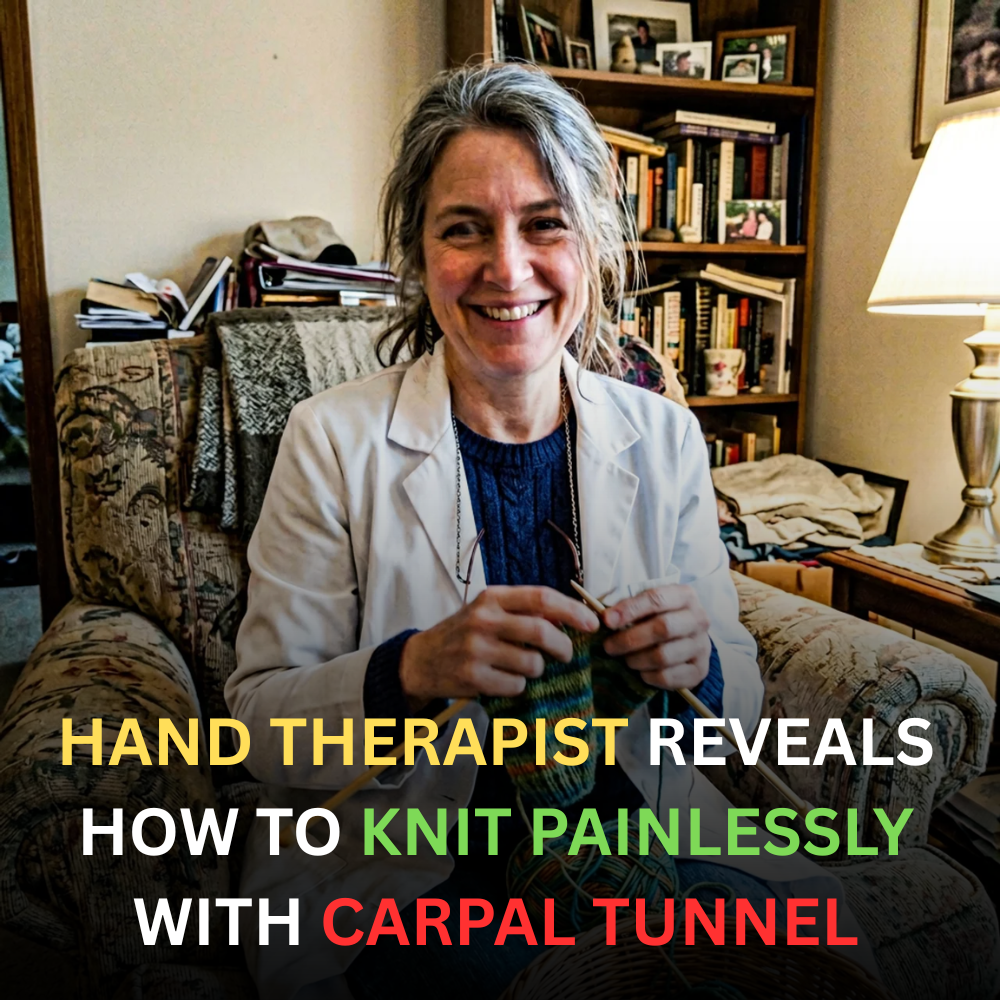
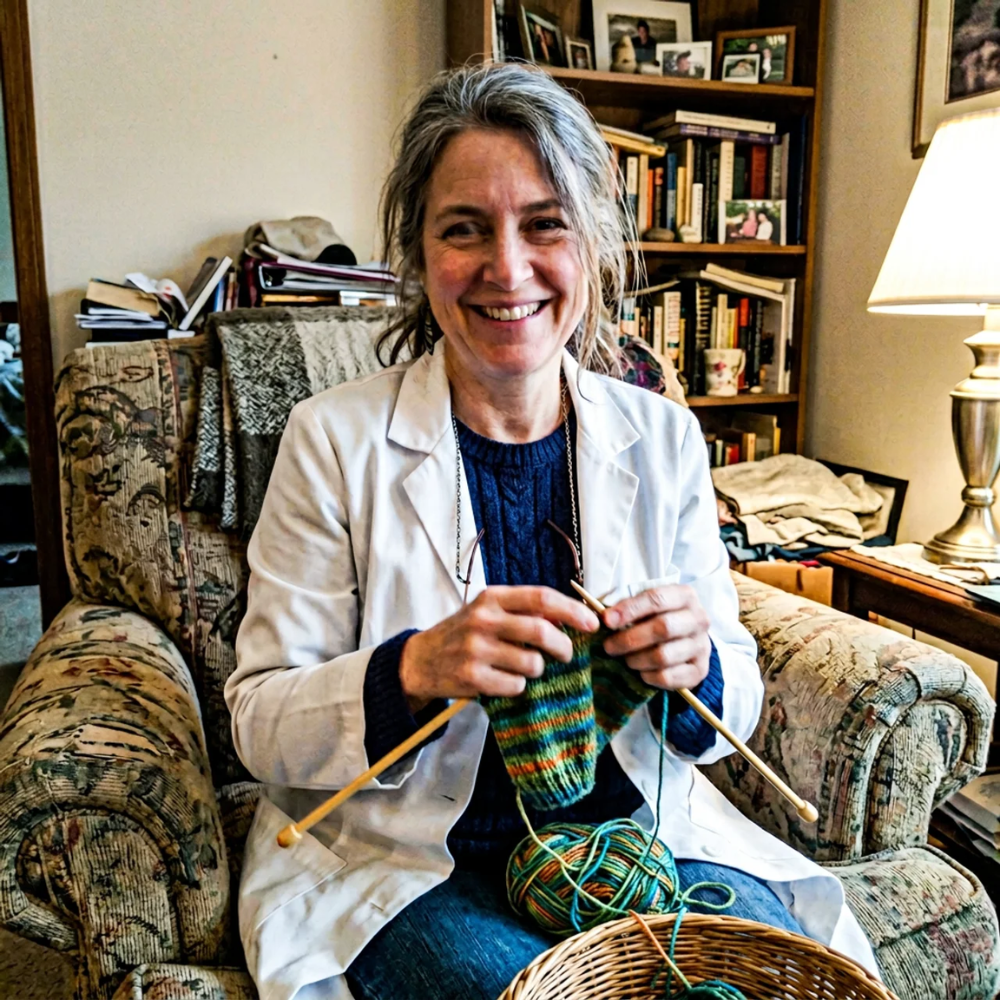
I’m a hand therapist and I need to say something that’s going to make a lot of doctors angry. If you were told to “just stop knitting” because of thumb pain, you were given incomplete advice. And it’s probably making your problem worse. My name is Dr. Claire Ashford. I’m a certified hand therapist. I’ve been treating hand and wrist injuries for fourteen years, and in the last five years the fastest-growing group of patients in my clinic is knitters. Not weekend hobbyists. Serious, daily knitters. Women in their 40s, 50s, 60s who knit the way other people meditate or exercise. It’s how they decompress. For many of them it’s the only time their mind actually gets quiet. And almost every single one comes to me after seeing another doctor who told them the same thing. “Stop knitting. Wear this brace. Take ibuprofen. Come back in six weeks.” That advice is not wrong. But it is dangerously incomplete. And the gap between what these women are told and what they actually need to know is ruining their hands and their quality of life. Here is what I see in my clinic every week. Two types of women. Both suffering. Both following their doctor’s advice. Both getting worse in different ways. The first type listened. She stopped knitting completely. Wore the brace every night. Rested for weeks, sometimes months. The sharp pain faded. But she never went back. She’s sitting at home with empty hands every evening, feeling a low, heavy sadness she can’t explain to anyone. She tells me she feels ridiculous for being this upset about a “hobby.” She avoids her yarn. She avoids her craft room. Some of these women are showing signs of genuine depression. The second type couldn’t stop. She tried. But knitting is her emotional regulation and without it she started unraveling. So she knits in secret. A few rows after her husband goes to bed. She feels guilty every time. And the pain keeps coming back because she’s knitting without any support. She’s caught in a cycle of sneaking, hurting, resting, and sneaking again. Both of these women are failed by the same gap in their treatment. Let me explain what that gap is. Because once you understand it, you’ll immediately see why everything you’ve tried so far has failed. Knitting does something to your thumb that almost no other daily activity does. Every stitch requires a small, precise motion between your thumb and the needle. You grip, adjust, tension, and release. And you repeat that motion hundreds of times in a single sitting. But the real problem isn’t just repetition. It’s the side-to-side movement your thumb makes during every stitch. Those tiny flicking motions happen constantly while you knit. Small. Fast. Over and over again. Thousands of times in a single session. And those side-to-side movements are what irritate your thumb. Here’s why. Two tendons run through a small tunnel at the base of your thumb. That tunnel is called a sheath. When your thumb moves, those tendons slide through the sheath. Normally that movement is smooth. But knitting doesn’t just move the tendons forward and backward. The stitching motion also shifts them side to side inside the sheath. So instead of gliding straight through, the tendons start rubbing against the inner walls. Flick. Stitch. Flick. Stitch. Over and over again. If you pay attention the next time you knit, you can actually see this happening. Your thumb isn’t just bending. It’s making tiny side-to-side flicking motions with every stitch. Almost no other activity forces your thumb to repeat that same movement this many times in a row. Typing uses your thumbs differently. Cooking uses your grip differently. Even texting doesn’t shift the tendons inside the sheath the same way knitting does. And every time the tendon rubs the inside wall of that sheath, it creates irritation. Think of it like yarn rubbing against the same spot again and again. Eventually friction builds up. The same thing happens inside the sheath. At first you don’t notice it. But over time the inside of the sheath becomes inflamed. It starts swelling inward. The space gets tighter. Now the tendons can’t glide smoothly anymore. They start dragging against the swollen walls. Rubbing. Catching. Snagging. That is the clicking you feel. That is the sharp pain at the base of your thumb. That is De Quervain’s tenosynovitis. And this is the part most people never get told. Knitting itself isn’t the issue. The real issue is a lack of stability. That those side-to-side movements are happening with nothing stabilizing them. So the tendons keep shifting and rubbing the walls of the sheath thousands of times every session. And that’s why the pain keeps coming back. Compression gloves squeeze your whole hand evenly. That might feel nice, but they don’t stop those side-to-side tendon movements. The rigid wrist brace your doctor gave you stabilizes your wrist. But the moment you start knitting again, those tendons are still shifting side to side inside that irritated sheath. So the rubbing continues. That’s why rest helps temporarily but the pain comes right back. When you rest, the swelling inside the sheath calms down. But the moment you return to knitting, the side-to-side movement starts again, and the irritation builds right back up. It’s not because you knit too much. It’s because the tendons are rubbing the sheath walls thousands of times in a single knitting session. So what actually works? Stabilizing those side-to-side movements. That means targeted compression directly over the sheath. Firm, focused pressure on that exact spot so the sheath stays stable while the tendons move through it. Not a brace that locks your wrist. Not a glove that squeezes everything equally. Support placed exactly where the problem lives, while leaving your fingers and wrist completely free to move. Because once those side-to-side movements are stabilized, the tendons stop rubbing the sheath walls. And that means you can get back to knitting without the pain coming back. Most thumb supports on the market are designed for workplace injuries, sports injuries, or gaming. They are not designed for these side-to-side movements. They don’t account for the specific range of motion your thumb needs during handcraft. They either restrict too much so you cannot knit at all, or they miss the problem area entirely. The sleeve I recommend to my patients was designed specifically for handicrafts. Knitting, crochet, embroidery. It was built around the exact thumb motion these activities demand. It puts firm compression directly over the sheath while preserving the full range your thumb needs for every stitch. That is why it works where generic braces and gloves do not. It was designed for the problem knitters actually have. If you stopped knitting and you’re sitting at home with empty hands feeling like a piece of yourself is missing, you are not being dramatic. You did the right thing by resting. But rest only calms the swelling. It does not stabilize the sheath for when you go back. You deserve both halves of the answer. And if you couldn’t stop, if you knit after everyone goes to bed and feel guilty about it, you are not weak. The problem is not that you keep knitting. The problem is that those side-to-side movements are rubbing an unsupported sheath every single session. Fix that one thing and the cycle breaks. I’ve linked the sleeve below. It is the only one I’ve found designed from the ground up for handicrafts, not repurposed from a sports catalog. You do not have to choose between your hands and knitting. That is a false choice created by dismissive doctors. And I am tired of watching women make it.
Like this ad? Make it yours.
Crush rebuilds this exact creative around your product — your brand, your colors, your offer — in about a minute.