
Active· since Mar 8, 2026
- 194
- days running
- 0
- relaunches
Ad copy
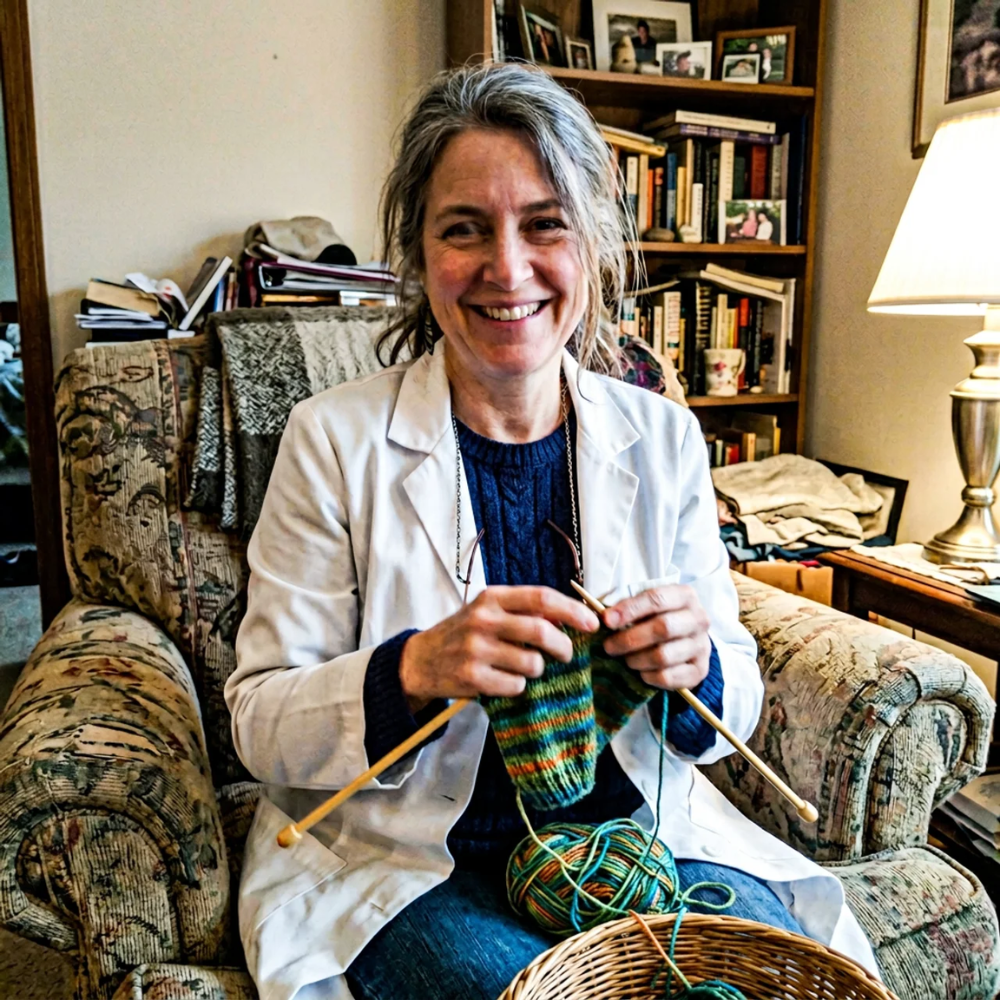
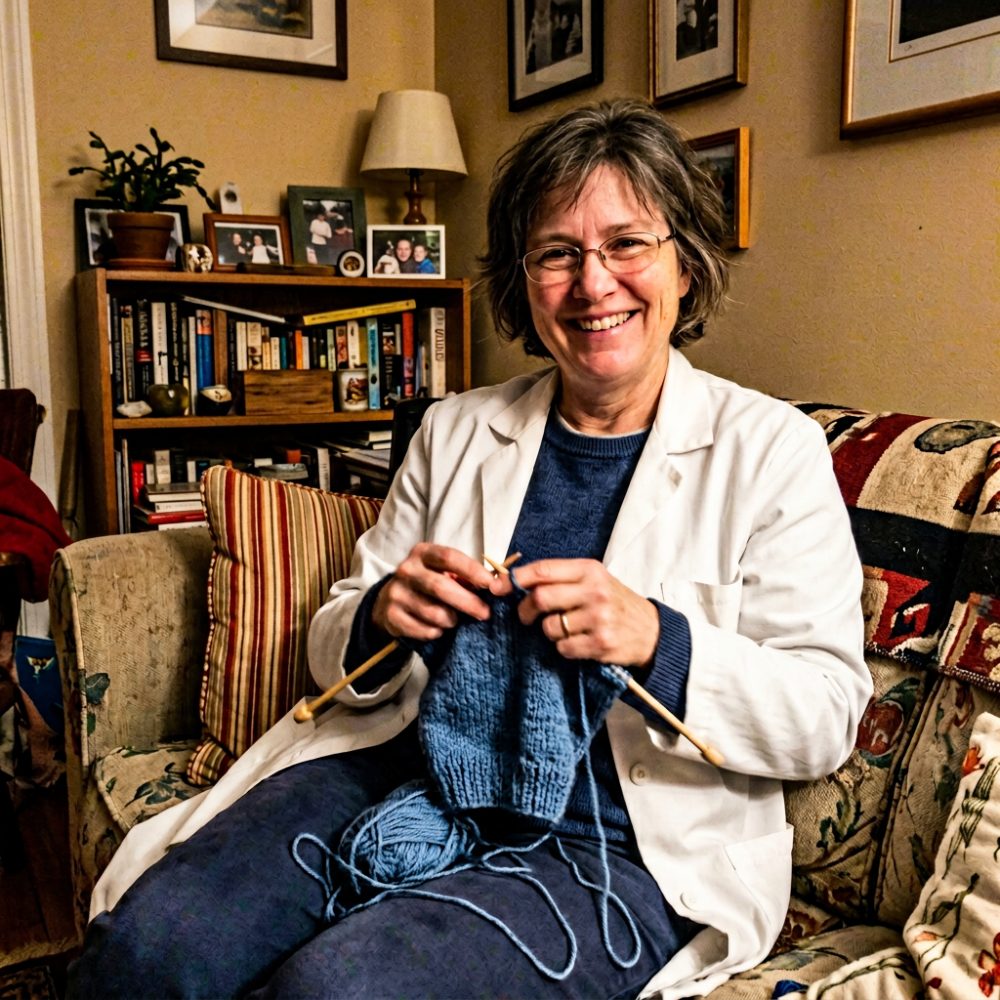
My name is Dr. Claire Ashford. I'm a certified hand therapist. I've spent nineteen years treating hand and wrist conditions. And for the last seven of those years I've specialized in one population that the rest of the medical system consistently fails. Crafters. Knitters. Crocheters. Quilters. Embroiderers. Women who use their hands for hours every day doing intricate, repetitive, precise work that they love more than almost anything else in their lives. And when their wrists start hurting, they go to their doctor. Their doctor runs a nerve conduction test. The test comes back showing median nerve compression. The doctor says carpal tunnel. And then the doctor says the five words that devastate every single one of them. You need to stop knitting. I have heard this story hundreds of times. The details change. The devastation doesn't. And here's what bothers me. What has bothered me for years. The diagnosis is usually correct. It is carpal tunnel. The median nerve is compressed. The symptoms are real. The tingling. The numbness. The weakness. The pain that wakes them up at three in the morning. But the treatment plan is almost always wrong. Because it's based on a misunderstanding of what's actually causing the compression in the first place. Let me explain what I mean. When most doctors see carpal tunnel in a knitter, they assume the repetitive motion itself is damaging the nerve. So the treatment is simple. Stop the motion. Rest. Brace. If that doesn't work, cortisone. If that doesn't work, surgery. But in the vast majority of crafters I treat, the nerve is not being damaged by knitting. It's being crushed by inflammation. And the inflammation isn't caused by the act of knitting. It's caused by the wrist being completely unsupported while knitting. This is the part every doctor misses. When you knit, your wrist makes a small lateral shift every time you wrap and pull through. Side to side. A tiny movement you'd never notice. But you're making that micro-adjustment roughly three hundred times per minute. For two or three hours. Sometimes more. Three hundred micro-movements per minute with nothing stabilizing the joint. Over months and years, those unsupported movements create chronic low-grade inflammation inside the wrist. That inflammation swells the tissue inside the carpal tunnel. And the swollen tissue squeezes the median nerve. That's the tingling. That's the numbness. That's the carpal tunnel diagnosis. The nerve isn't damaged. It's being compressed by swelling that is being caused by instability that nobody is addressing. This is why braces don't work for knitters. A brace immobilizes the wrist. That helps at night when you're sleeping because your wrist isn't moving anyway. But a brace is a parking brake. The second you take it off and start knitting, you're right back to three hundred unsupported micro-movements per minute. The inflammation comes right back. This is why compression gloves don't work. They squeeze your fingers. Your fingers aren't the problem. Your wrist is. This is why cortisone is temporary. It reduces the inflammation for a few weeks. But it does nothing about the instability that caused the inflammation. So the swelling comes back. And the compression comes back. And the doctor says see, I told you to stop knitting. But the answer was never to stop knitting. The answer was to stabilize the joint that was taking all the impact. About four years ago I started using a handicraft wrist sleeve with my patients. It was the first product I had ever seen that was designed specifically for crafters. Thin. Flexible. It wraps just the wrist. Not the fingers. Not the palm. Not the forearm. Just the joint. It doesn't immobilize anything. It moves with the wrist. But it limits those lateral micro-shifts that cause all the inflammation. The wrist still works. The fingers are completely free. But the joint that has been absorbing hundreds of tiny impacts per minute finally has something holding it steady. The results changed my practice. The woman I mentioned at the beginning. Margaret. Sixty-three years old. Forty-one years of knitting. Moderate carpal tunnel in her right wrist. Her surgeon had told her to stop. She came to me shaking. I fitted her with the sleeve and told her to knit with it on. Start with thirty minutes. See what happens. She called me two days later. She'd knitted for an hour and forty minutes. No tingling. No numbness. She said her wrist felt like something was holding it steady from the outside. She said she cried when she realized she'd passed the one-hour mark without pain. At her six-week follow-up, the inflammation markers in her wrist had decreased significantly. At ten weeks she told me she'd finished a project she started before her diagnosis and had begun a new one. A colorwork cardigan she'd been afraid to attempt because she thought her hands couldn't take it. Her surgeon had recommended cortisone injections. She never scheduled them. Not because she was ignoring the problem. Because the problem was changing. Margaret is not unusual. I see this pattern every week. Knitters and crocheters who were told they were done. Who were grieving the loss of the thing that gave them purpose and peace and identity. Who tried every product on the market and none of them worked because none of them were designed for what their hands actually do. Braces are designed for rest. Gloves are designed for fingers. Nothing was designed to stabilize a crafter's wrist during the actual motion that causes the problem. Until this. I can't make medical claims. Every case is different. But I can tell you what I've seen with my own eyes over four years and hundreds of patients. When you address the instability, the inflammation can decrease. When the inflammation decreases, the nerve compression can ease. And when the compression eases, many of my patients go back to doing what they love. If you have carpal tunnel and you've been told to stop knitting or crocheting or quilting, I am not telling you to ignore your doctor. I am telling you to ask a question that your doctor probably never considered. Is my wrist supported while I craft? If the answer is no, that may be the missing piece. I've linked the Handicraft Wrist Wraps below. They're the ones I use in my practice.
Like this ad? Make it yours.
Crush rebuilds this exact creative around your product — your brand, your colors, your offer — in about a minute.