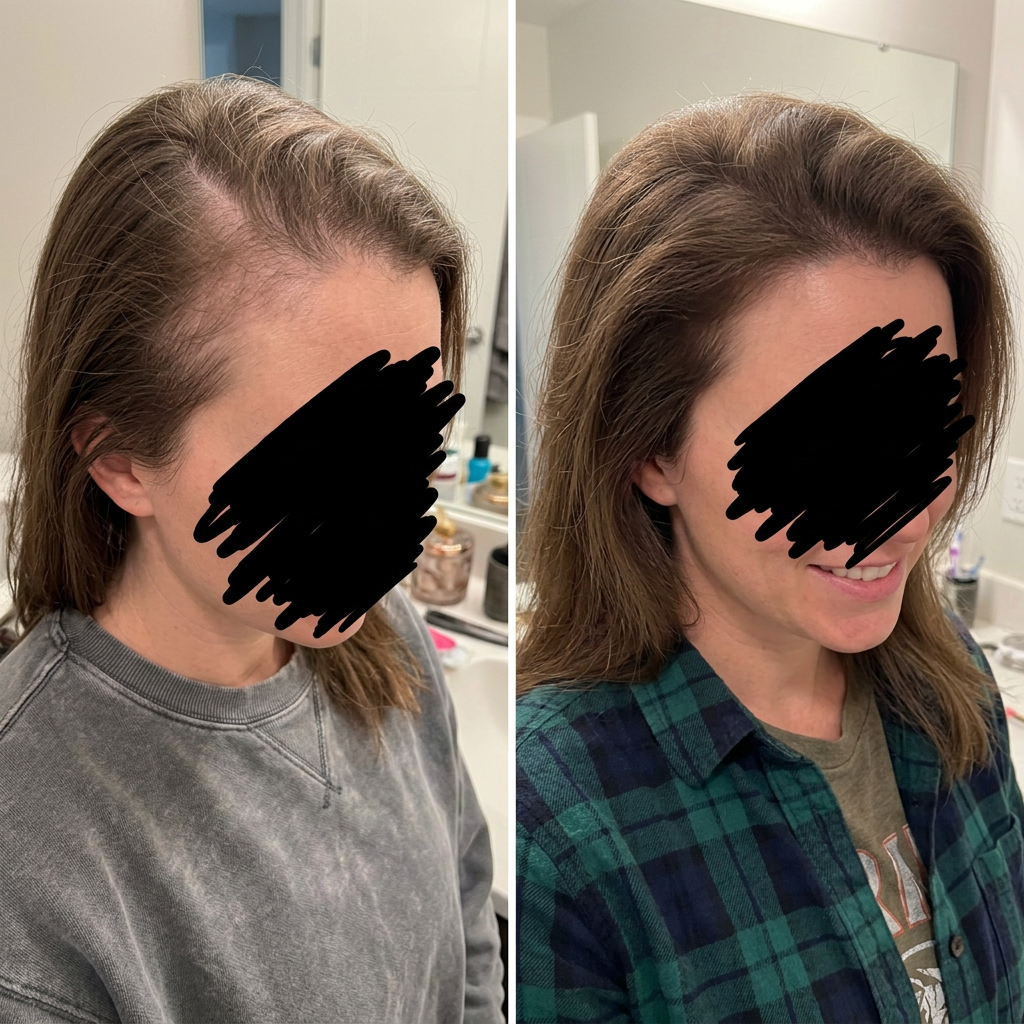
Dr. Amelia Carter
Dr. Amelia Carter Facebook ad: “Click here and restore your levo dose ASAP”
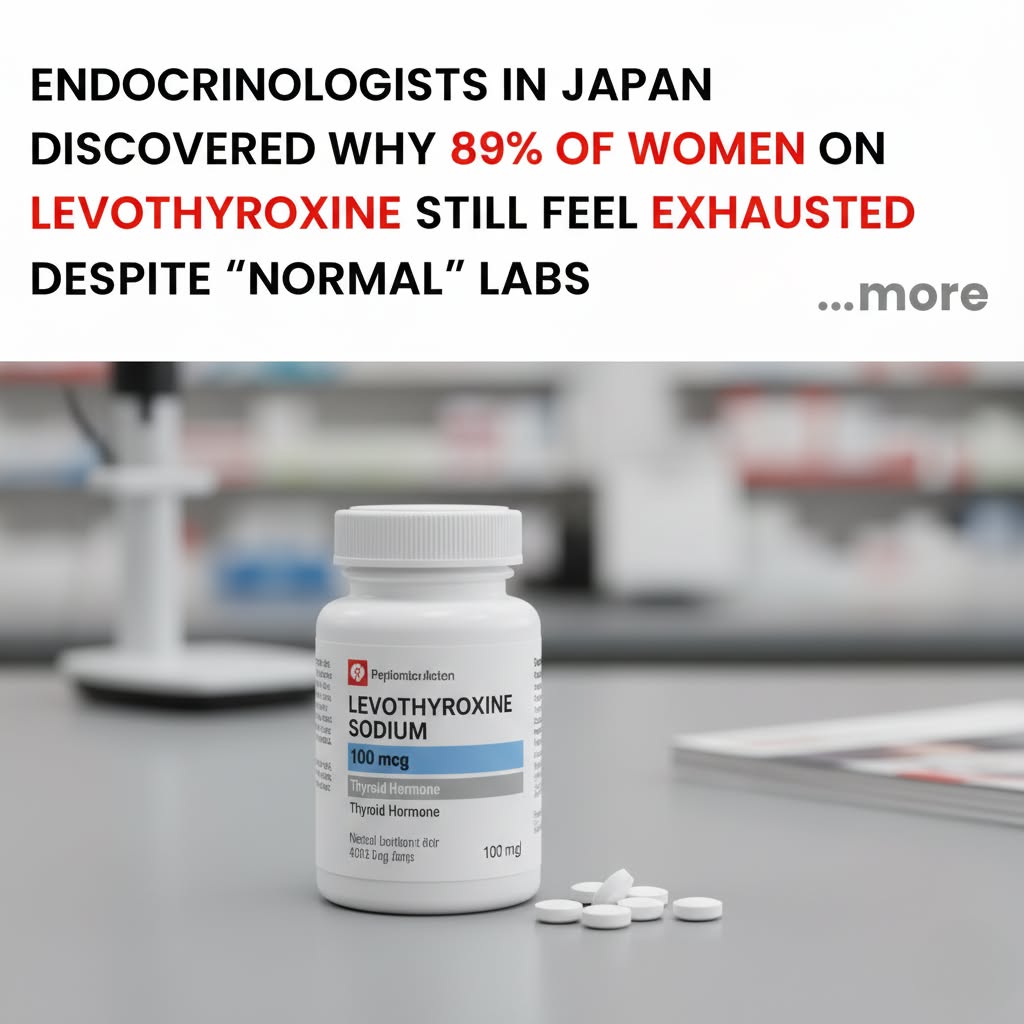
Ran for 115 days, from January 26 to May 21, 2026, the last day Crush saw it.
Run by Dr. Amelia Carter on Facebook. Crush is not the advertiser and does not verify its claims. See this ad in Meta's Ad Library(opens in a new tab)
Want an ad like this for your product?
Crush makes new ad images for your product from this ad: your logo, your product photo, your offer.
Trials from $19.95 USD, then $79.95 USD a month. Cancel anytime.
About this ad
- Meta Ad Library ID
- 1603026664030167
- Platforms
- Facebook, Instagram, Audience Network, Messenger and Threads
- Relaunches
- 0
Ad text
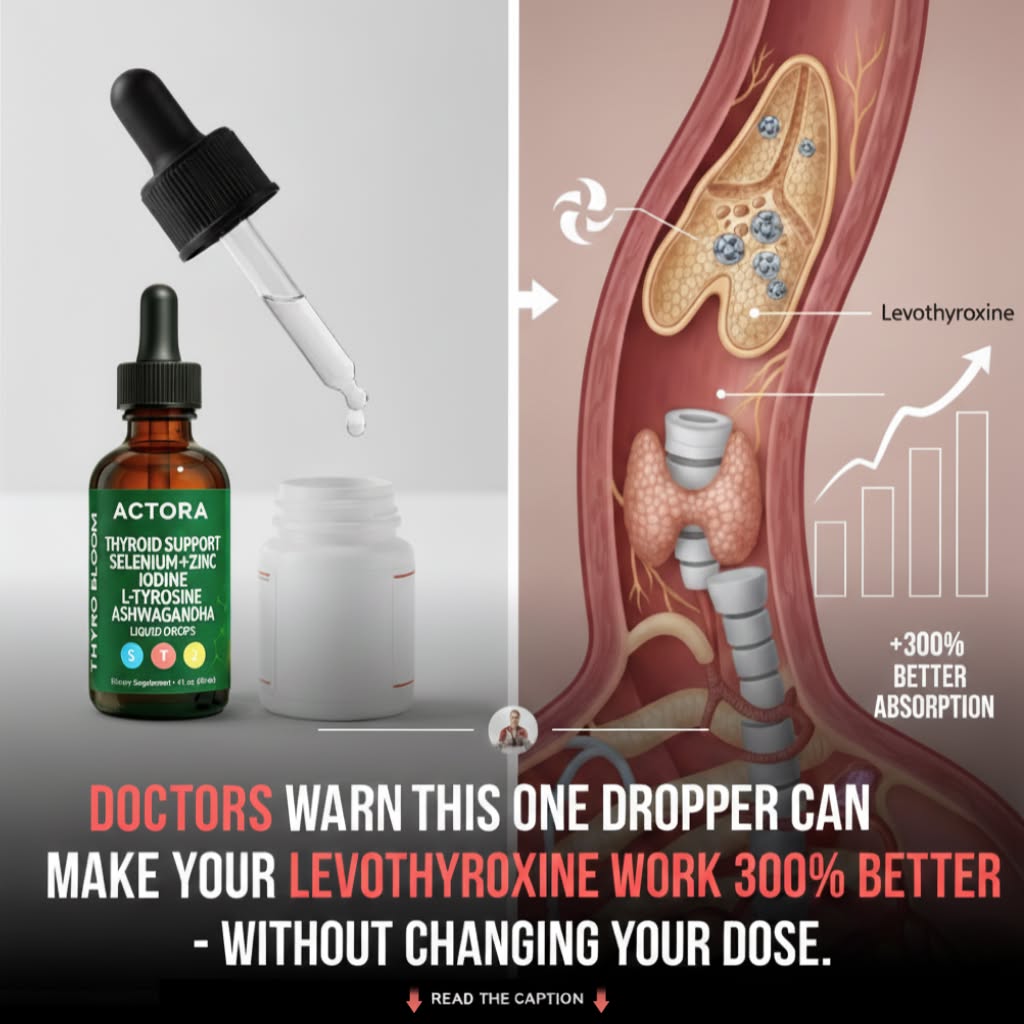
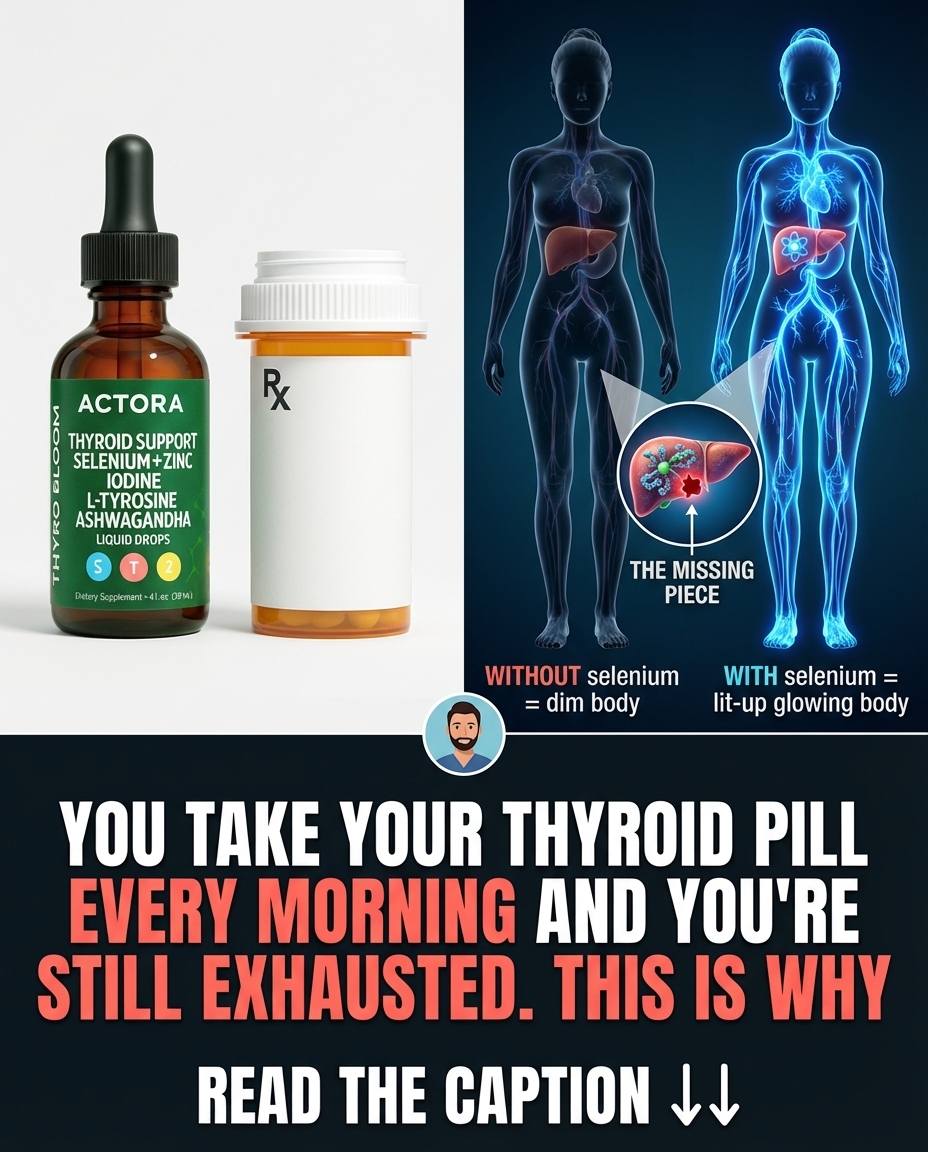
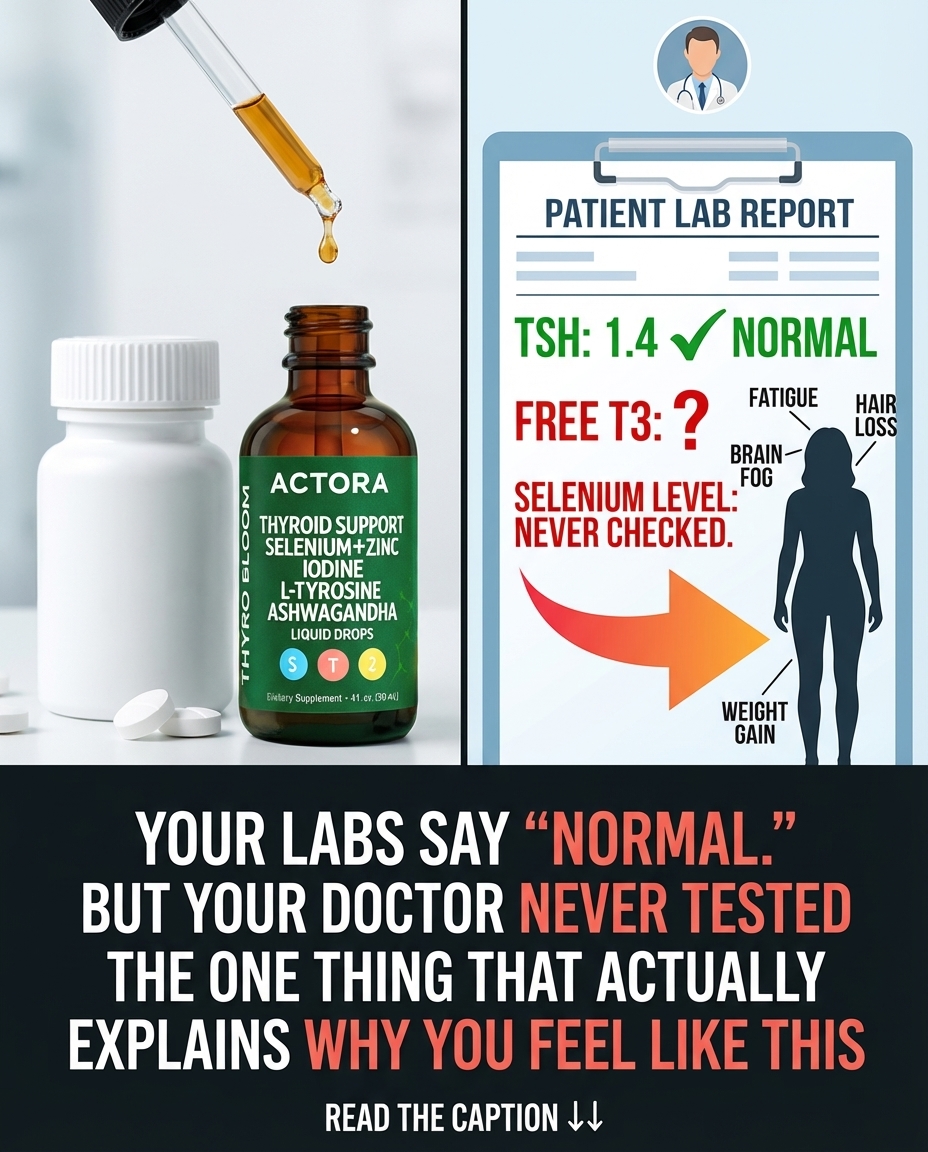
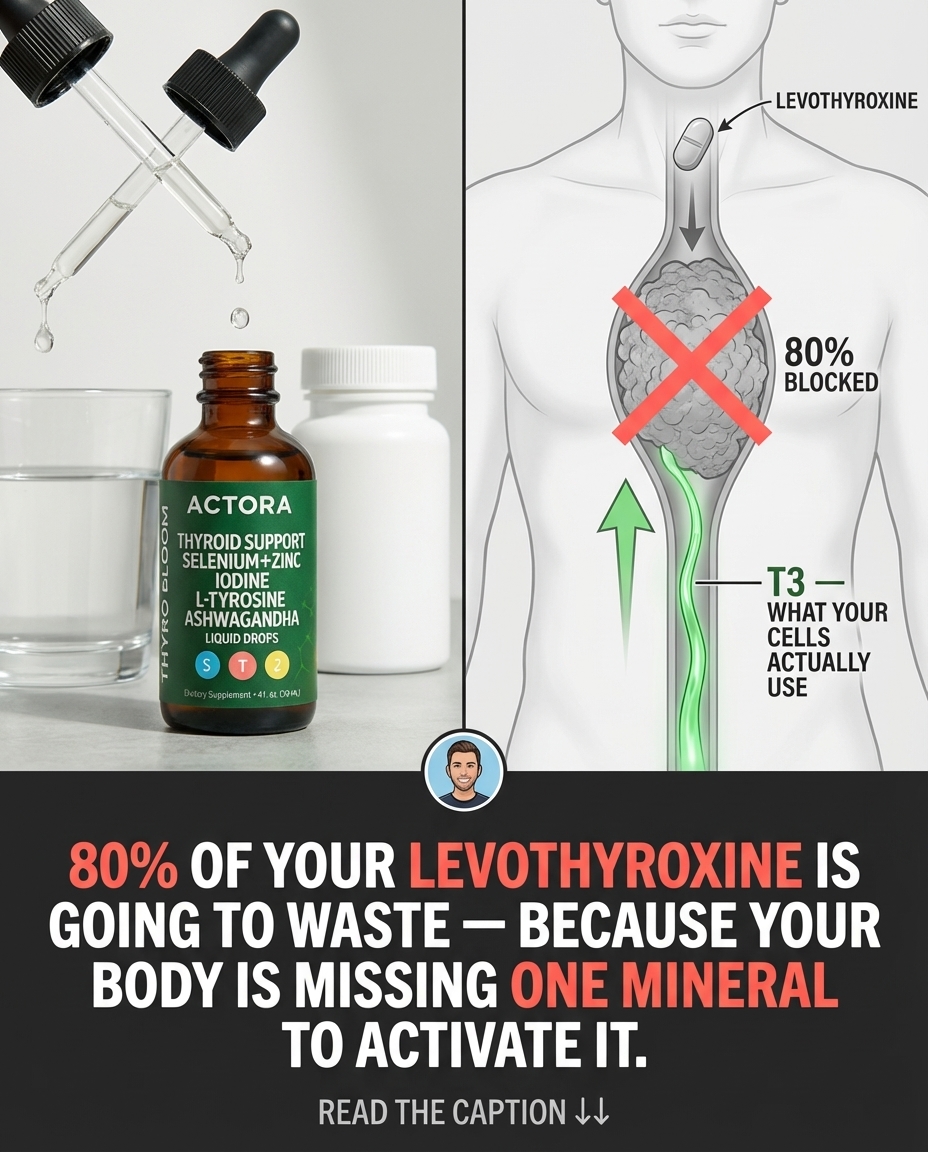
My name is Dr. Amelia Carter, I'm a board-certified endocrinologist, and I need to tell you something that's going to make you angry. For the last SIXTEEN YEARS, I've been prescribing levothyroxine to patients with hypothyroidism. Sixteen years. Thousands of patients. Adjusting doses, monitoring TSH levels, following protocol. And the majority of them STILL felt terrible. Last month, I sat across from a patient—let's call her Sarah—who'd been on levothyroxine for eight years. Her TSH was perfect. 2.1. Textbook optimal. She was exhausted. Gained 40 pounds despite eating 1200 calories daily. Brain fog so severe she couldn't remember her grandson's name. I pulled up her latest labs and showed her: "Sarah, your TSH is exactly where we want it." She started crying. "Then why do I still feel like death?" I had no answer. That's when everything changed. Let me back up. Four years ago, I attended an endocrinology conference in Tokyo. A Japanese research team presented findings on women taking levothyroxine. They'd done something unusual: instead of just measuring blood TSH levels, they analyzed CELLULAR scans of thyroid hormone conversion. The results were shocking. 89% of levothyroxine patients showed a specific cellular build-up blocking T4-to-T3 conversion at the cellular level. Their TSH looked perfect on standard blood tests. But at the cellular level? Complete blockage. Same diagnosis. Same medication. Same "normal" labs. The only difference? These patients had severe selenium and zinc depletion creating cellular debris that prevented hormone conversion. When the Japanese team told me this, I was skeptical. "Dr. Carter," the lead researcher said, "levothyroxine gives patients T4. But it doesn't give them the minerals needed to convert T4 to active T3. Your patients' cells are starving." She showed me research about deiodinase enzymes—the cellular machinery that converts T4 to T3. These enzymes require three specific minerals: 1. Selenium ✓ 2. Zinc ✓ 3. Iodine (in precise amounts) ✓ Levothyroxine doesn't provide ANY of these. It only replaces T4 hormone. She explained it like this: "It's like giving someone gasoline but removing their car's spark plugs. The fuel is there. But the engine can't use it." I thought about all those patients. All those dose adjustments—increasing from 50mcg to 75mcg to 100mcg to 125mcg. And their cellular conversion enzymes were DEPLETED the entire time. The researcher had been testing pharmaceutical-grade mineral supplementation alongside levothyroxine in her Tokyo practice. Six months later, her patients reported that their atrophy of symptoms had "reversed beyond expectations" and their cellular conversion capacity was "remarkably restored." Meanwhile, my patients had been getting levothyroxine alone. And they were still losing ground—just with "normal" TSH levels. I was furious. Not at levothyroxine—it's doing what it's designed to do. But at the APPROACH. How is it that we prescribe a medication that requires mineral cofactors but never test for mineral deficiency? How is it that endocrinology training focuses on TSH levels but ignores cellular conversion capacity? How is it that patients spend thousands on medication but nothing to support the enzymes that actually ACTIVATE that medication? I flew back to the States and immediately started researching. Every major study confirmed it: T4-to-T3 conversion requires selenium-dependent deiodinase enzymes. When selenium is depleted, conversion crashes. Period. I started testing my existing levothyroxine patients for selenium and zinc levels. The results were devastating. 78% were deficient in selenium. 71% were deficient in zinc. 64% were deficient in BOTH. These were patients I'd been treating for YEARS. Adjusting their doses. Telling them their labs looked "perfect." And they had severe mineral depletion blocking cellular conversion the entire time. I called Sarah that week and asked her to come back for mineral testing. She was deficient. Severely. I explained, "Sarah, this won't reverse all the damage that's been done. But it can help your body actually USE the levothyroxine you're already taking. Give it 8-12 weeks to build up at the cellular level." I recommended pharmaceutical-grade sublingual minerals—not pills that get destroyed in the stomach, but liquid drops that absorb directly into the bloodstream. She started immediately. What choice did she have? Keep taking levothyroxine alone while her cells starved for the minerals needed to convert it? Week 1-2: Just taking her daily dropper alongside her levothyroxine. Nothing to report. Week 3: She called me. Less exhaustion in the afternoon. Usually she'd collapse at 3pm. This time she had energy until dinner. Week 5: She noticed the brain fog lifting. She could remember conversations. Focus on reading. Think clearly. Week 7: Her energy was consistent throughout the day. No more crashes. No more forcing herself through simple tasks. Week 9: She'd lost 8 pounds without changing her diet. Her metabolism was finally working again. Week 12: I ran a full thyroid panel including Free T3. Her Free T3 had jumped from 2.3 to 3.6—well into optimal range. "The minerals are working," I told her. "Your cells can finally convert the T4 medication into active T3." She started crying again. But this time from relief. "Why didn't anyone tell me this EIGHT YEARS ago?" she asked. I had no answer. Because I should have known. We ALL should have known. Here's what makes me angry: Levothyroxine costs patients hundreds per year. Brand-name Synthroid can cost over $1,000 annually. And nowhere—not in medical school, not in endocrinology training, not from pharmaceutical companies—did anyone emphasize that this medication REQUIRES mineral cofactors to work. Levothyroxine replaces T4. But it doesn't provide the minerals needed to convert T4 to active T3. I was treating patients with half a strategy. I'm writing this for two reasons: First: If you're taking levothyroxine (or Synthroid, or any T4 medication), you're only addressing HALF the problem. These medications replace thyroid hormone. That's important. But they don't restore cellular mineral levels. They don't rebuild your deiodinase enzyme capacity. They don't provide the three minerals your cells desperately need for conversion. For that, you need complete mineral support—all THREE minerals in pharmaceutical-grade sublingual form, not cheap pill forms that don't absorb. Second: If no one told you this, please don't blame your doctor. Endocrinologists are focused on TSH optimization. Mineral testing isn't part of standard thyroid treatment protocols. But it should be. And WE can add it ourselves. I now recommend pharmaceutical-grade mineral support to EVERY levothyroxine patient in my practice. Their hypothyroidism hasn't been cured. The cellular blockage that developed over years is being cleared. But their cellular conversion capacity has been restored. Their Free T3 levels have normalized. Their symptoms have dramatically improved. Patients report sharper thinking, consistent energy, natural weight loss, warmer body temperature—all from supporting the cellular conversion their medication depends on. I wish I'd learned about this sixteen years and thousands of struggling patients ago. But at least I know now. I'm sharing this because that Japanese researcher shared it with me. This is how we help patients when the standard treatment protocol is incomplete. If you're taking levothyroxine or any thyroid medication, ask yourself: What am I doing to support my cellular conversion capacity? If the answer is "nothing" or "just the medication," you're only fighting half the battle. The research is clear on sublingual mineral delivery—it bypasses digestive destruction and delivers minerals directly to cells where conversion happens. But honestly, after seeing the results in my practice, I'd recommend it regardless. Because levothyroxine alone isn't enough. The science is clear: replace the hormone + support cellular conversion = best chance of restoring thyroid function. I've been in endocrinology for sixteen years. I've seen patients struggle with "normal" TSH levels while feeling terrible. I'm not letting more patients suffer from incomplete treatment. Neither should you. Make sure your mineral support has all THREE cofactors in pharmaceutical-grade sublingual form—Selenium, Zinc, AND Iodine in precise ratios. Your thyroid cells will thank you. 👉 https://actora.shop/pages/dr-amelia-carter
Where the ad sends people
actora.shop
👉 Click here and restore your levo dose ASAP
Actora
Learn more: actora.shop(opens in a new tab)