
Inactive· since Aug 13, 2026
- 3
- days it ran
- 0
- relaunches
- 1,327
- EU reach
Ad copy
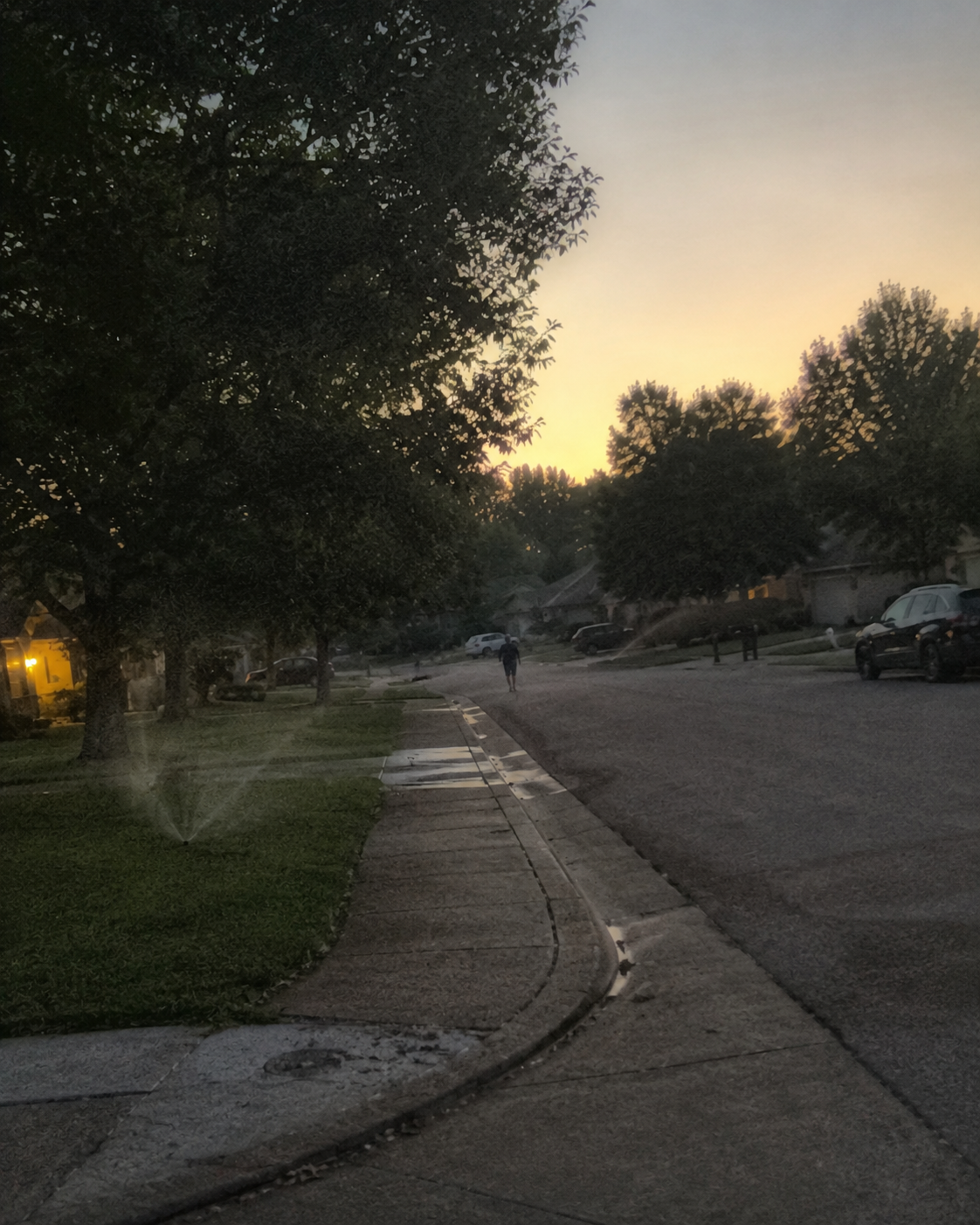
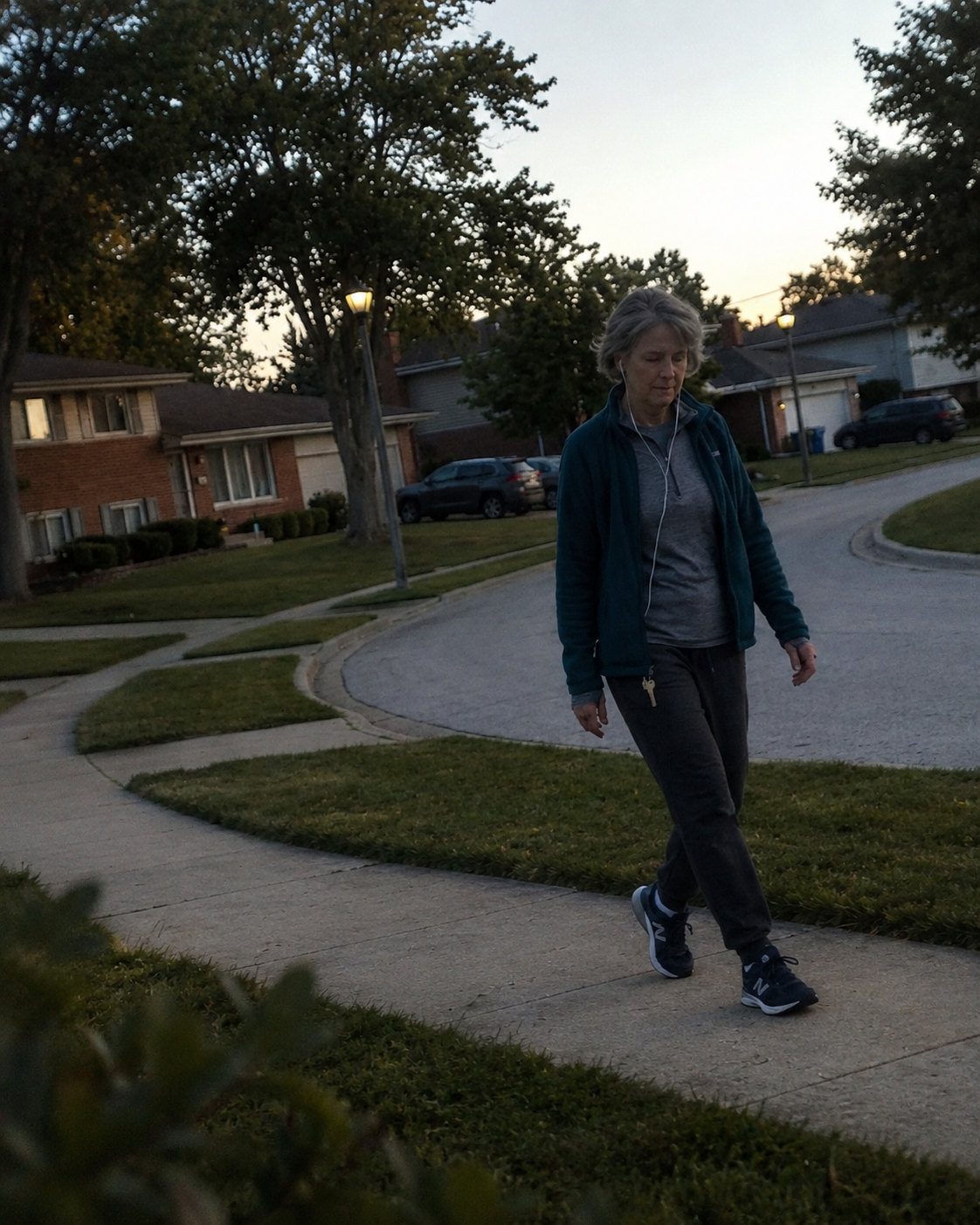
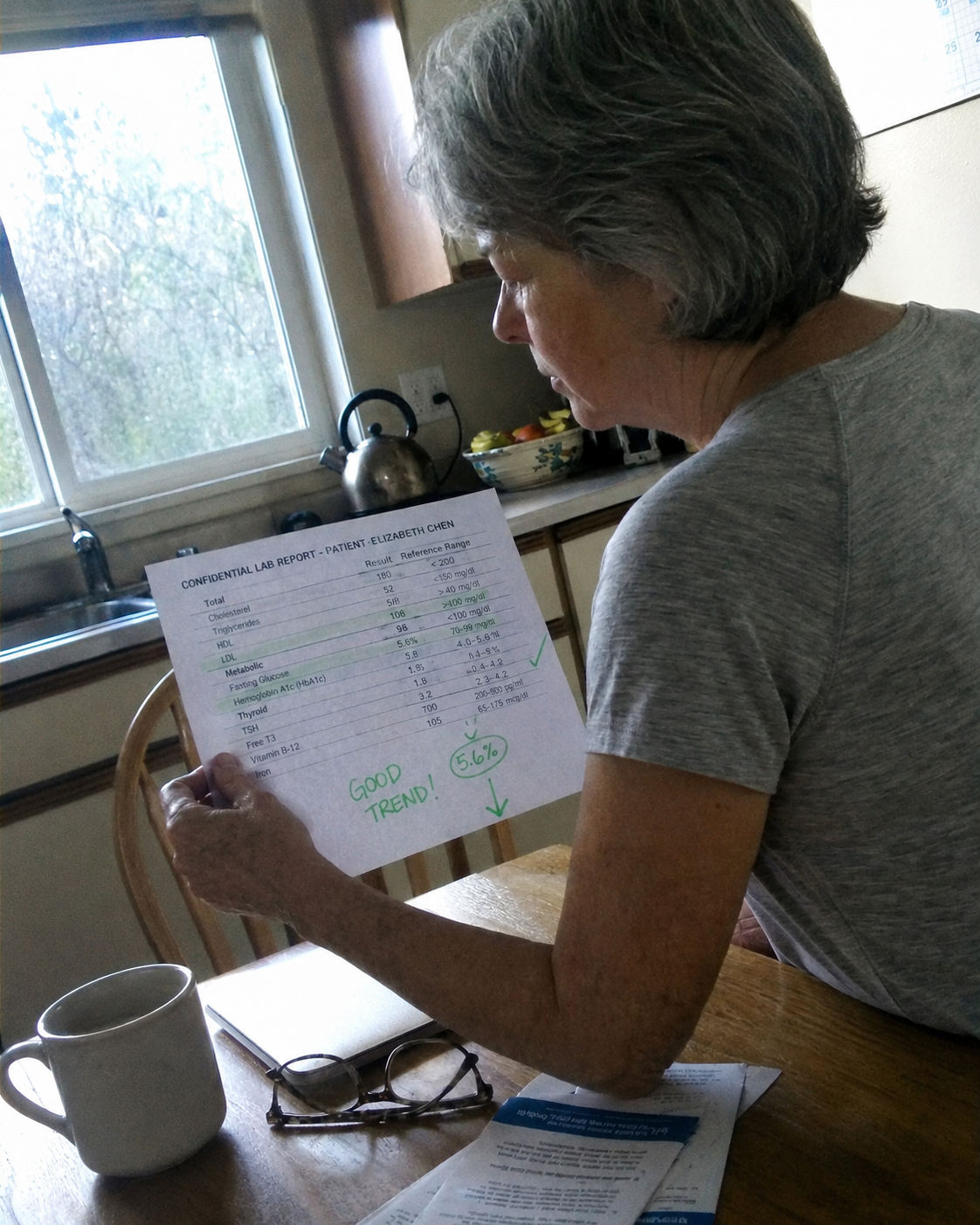
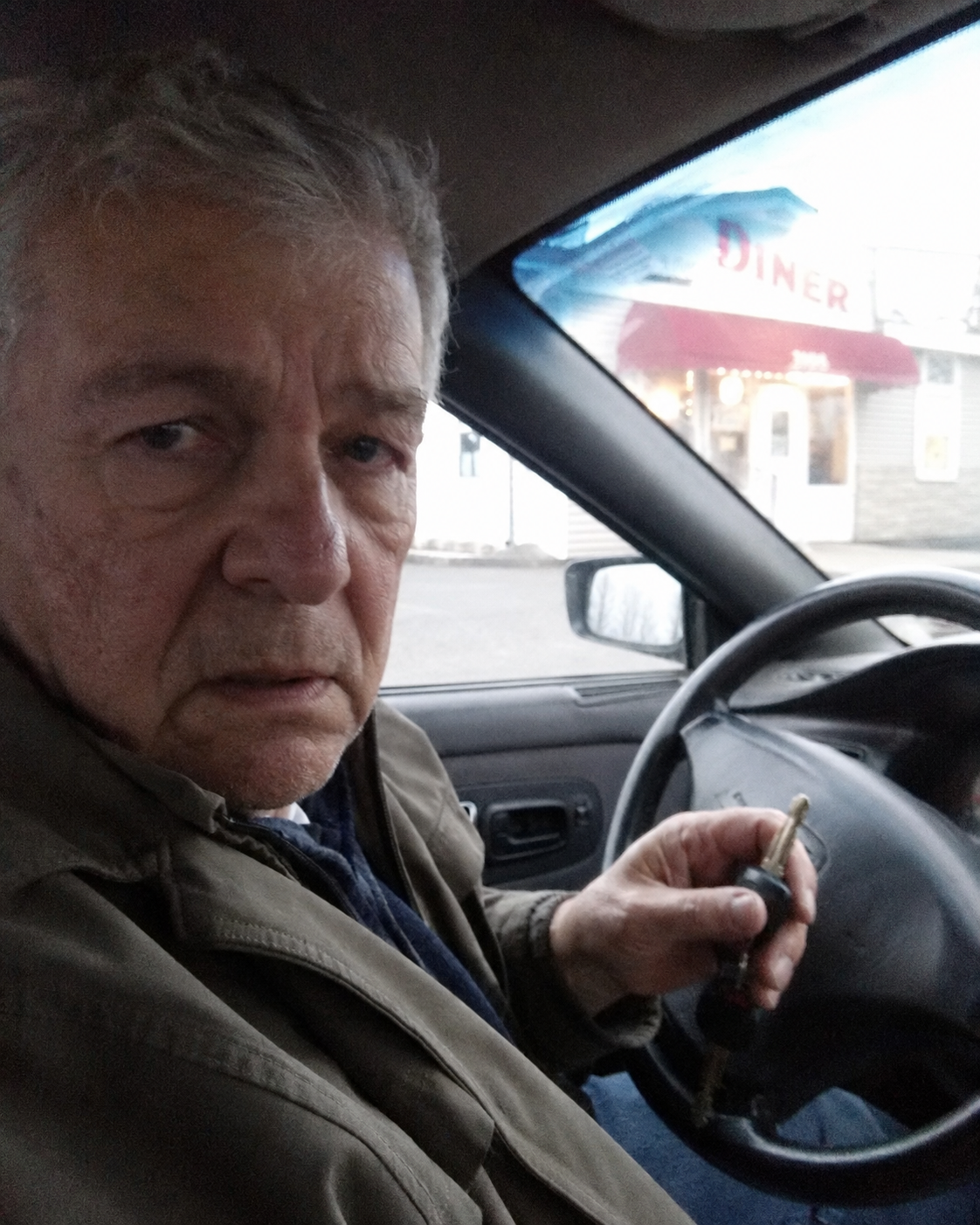
For fifteen years i walked six blocks to have breakfast with the same four guys. last year i started driving it, and i couldn't tell anybody why. Six blocks. Flat sidewalk. A walk I'd made in rain, snow, and August heat for fifteen years. And one morning I got my keys and drove it, and parked where I could see the diner door, and sat in the car a minute feeling like a man with a secret. Because the truth was the walk had gotten too tiring. Six flat blocks. And I couldn't say that out loud to four men I'd known for forty years. I want to tell you what I did about it. No miracle. No magic. Just one thing I tried, what I noticed, and — this part matters most — what I honestly can't prove. I'll give it to you straight, the way I'd want a friend at that table to give it to me. I'm sixty-seven. And for most of my life, I was a man with a motor. I worked the loading docks for thirty years, then drove a delivery route after. Up early, on my feet, never sat still. After I retired, the walking kept me going — the six blocks to breakfast, the loop around the park after, errands on foot out of plain stubbornness. I had energy that lasted the whole day. That was just who I was. Now, I'll tell you something else about me, because it matters to this story. My blood pressure has run high for a long time. Years. My doctor manages it. I take my medication every morning, same time, never miss. I do my check-ins. The numbers sit right where he wants them. It's managed. It's been managed for years, and managed well, and I want to say plainly: my doctor's done right by me on it, and nothing in this story changes one thing about that part of my life. Not one pill, not one dose. Keep that in your pocket. It matters later. Because here's the thing nobody warned me about. The blood pressure was managed. The numbers were good. And I was fading anyway. It came on so slowly I kept explaining it away. The six blocks got longer somehow. I'd arrive at the diner a little worn instead of warmed up. The loop around the park after breakfast quietly disappeared — "knees," I told the guys, which wasn't really it. The errands on foot became errands in the car. The afternoons developed a wall around two o'clock. The evenings ended in my chair by eight, the TV watching me. "I'm just tired lately," I told my wife. Lately. I said it for two years. And then one morning I drove six flat blocks to breakfast and sat in the car like a man hiding something, and I finally admitted what I was hiding: the motor was running down, and I didn't know why, and I was ashamed of it. I brought it up with my doctor. More than once. Dr. Kessler is sharp and thorough, and he's looked after me a long time. He took it seriously. Checked everything — the pressure, the heart, the blood sugar, thyroid, iron, the whole panel. And it came back the way it always did. "Your pressure's well managed," he said. "Numbers are right where we want them. The rest of this looks good for sixty-seven. Honestly, some of this is just the years. Stay active, keep taking your medication just as you are, keep doing what you're doing." Here's how that landed, and if you've heard it, you know. It should've been good news. Everything's managed. Everything's fine. But when you're hiding your car keys from your breakfast club, and every test says you're fine, "fine" doesn't feel like relief. It feels like a door closing. It feels like: this is just it now. The driving, the wall at two o'clock, the chair by eight. This is the back half, and there's nothing even to fix, because officially everything's handled. The chart said managed. The man was running down anyway. And there's no line on a chart for six blocks you can't walk anymore. I'd about made my peace with the word. Age. I'm sixty-seven. This is what it looks like. And then one Tuesday at the diner, Earl — oldest of our bunch, eighty-one, walks in swinging his arms like a parade — gave me a look when I pulled out my keys after breakfast. He didn't say anything. He's not a sayer. But the look said: I'm fourteen years up the road from you, son, and I walked here. I drove home angry. Not at Earl. At the deck chair my life was turning into. So I sat down that night and started reading. Not the wild stuff. I've got no patience for the cure-everything corners of the internet — and let me say this part hard, because it matters: The internet is full of garbage about blood pressure. Stop-your-meds garbage. Nature-heals-everything garbage. I knew enough to know that anybody telling a man to drop his blood pressure medication for a vegetable is a man trying to get somebody killed. That was never what I was looking for. My medication wasn't going anywhere. I was looking for something else — something for the layer the medication wasn't aimed at. The tiredness. The motor. And underneath all the noise, one plain thing kept surfacing. Beetroot. I laughed the first time. Beets. My grandmother's pickle jar, the big secret. But I kept reading, because it wasn't what I expected. Beetroot turns out to be one of the most researched ingredients in the whole cardiovascular and wellness category. Decades of real study behind it. Not a fad somebody cooked up to sell last year. The reason it gets studied is a group of compounds called betalains. That deep red pigment — the stuff that stains the cutting board and turns your hands pink. That's the active part. One of the more potent antioxidants in the food supply. The more I read, the more I stopped smirking. Here's the part I made very sure I understood, because with my blood pressure in the picture I wasn't going to fool around. These compounds support things. That was the honest word in the honest sources, and it's the only one I'll use. They support cardiovascular wellness. They support healthy circulation. They support the body's natural antioxidant balance. They support healthy blood pressure that's already in the normal range. They support healthy energy. Support. Not treat. Not cure. Not medicine. Not a replacement for medicine — not mine, not anybody's. Support for the layer underneath the numbers. The exact layer that seemed to be running down on me — the energy, the circulation, the engine-room stuff — while everything they measure came back managed and fine. The layer nobody at the appointment was even looking at. For the first time, I'd found something that described what I was feeling instead of telling me I shouldn't be feeling it. I learned one practical thing too. How the beets get processed matters, because betalains are heat-sensitive. The cheap, fast way runs them through high heat, and heat is hard on the active part. The cooked-out stuff goes brown. The slower, cooler way keeps more of it. You can almost see the difference — the real thing is a deep, dark crimson. So I went looking for the kind that's cold-pressed at low temperatures. And then — and with blood pressure medication in my mornings, this part was non-negotiable — I did the one thing I'd tell any man in my shoes to do first. I called Dr. Kessler's office. I told the nurse exactly what it was — organic beetroot, the dose, cold-pressed — and I asked the question straight: is this alright to add alongside my blood pressure medication and everything else I take? She put me on hold. She came back a few minutes later and said it was a sensible thing to add, that she saw no concern alongside my current medications, and to mention it at my next visit so it could go in the chart. I wasn't going to guess. Not with my pressure in the mix. I asked the people whose job it is to know. They said go ahead. Then I started. Two capsules of cold-pressed beetroot, a tall glass of water, every morning with my coffee — right next to the blood pressure pill I've taken at that same hour for years. Added on top. Nothing taken away. Nothing changed but the adding. Now — here's where I have to be straighter with you than the internet usually is. I can't prove a thing I'm about to tell you. I changed one thing and then I paid attention, and I genuinely cannot swear to you that what I noticed was the beetroot and not the spring coming on, or me walking more because Earl shamed me, or plain hope doing what hope does. I'm a retired dock worker, not a scientist. So I won't dress it up. I'll just tell you what I noticed, in order, and you do what you want with it. The first thing was the evenings. About two and a half weeks in, I noticed it was past nine and I was still up. Still in the conversation with my wife. Eyes open instead of glazed. It wasn't every night. But eight o'clock stopped being the wall it had been every single evening for years. I didn't say anything. Didn't want to jinx it. The second thing was the two o'clock wall. A few weeks later, the afternoon heaviness started showing up later. Then some days, not at all. I'd get to the end of an afternoon with something left in the tank. Enough for the errands. Enough to want to do them on foot. Was it the beetroot? Was it that I felt hopeful and moved more, and the moving did the rest? I can't separate those threads. I can only tell you the afternoons came back and I noticed. The third thing I'll keep. It was a Tuesday, about two months in. Breakfast morning. I picked up my keys out of habit. Looked at them. Put them back in the bowl. And I walked. Six blocks, flat sidewalk, the morning cool and the town waking up. Arrived warmed up instead of worn out, the way I had for fifteen years before the fade. Earl looked up when I came in. Looked at my hands. No keys. He didn't say anything. He's not a sayer. But he pushed the cream over to me before I asked, and that's about as close to a hug as Earl gets. The small returns kept coming. Not all at once. One at a time, across the weeks. The loop around the park came back after breakfast — short at first, then the whole thing. The errands went back on foot. I stopped hiding things from four men I've known for forty years, which mattered more than the walking, if I'm honest. And my blood pressure, through all of it, stayed exactly where Dr. Kessler wants it — same pill, same dose, same morning hour — because that part of my life was never on the table. I'm not telling you I'm forty. I'm not. There's no magic here and I promised I wouldn't pretend there was. I'm sixty-seven. I still nap. Some days the wall still shows up at two o'clock. And my blood pressure is still a thing my doctor manages with medication, exactly as it's been for years. But the man with the motor — the one who walks it instead of driving it — he's been coming back in pieces. And the keys stay in the bowl on Tuesday mornings. I had a follow-up with Dr. Kessler a few months in. He checked the pressure. Right where he wanted it, same as always — that part never wavered, because we never touched it. Then he looked at me, at me and not the screen, and said, "You've got more life in you than last time you were in here. More color. Whatever you're doing, keep doing it." I told him about the beetroot. Told him I hadn't changed one other thing — same prescriptions, same doses, same blood pressure medication at the same hour, just added the one thing with the office's okay. He nodded and made a note. "Sensible thing to add," he said. "There's good research on antioxidant support for cardiovascular wellness. No concerns alongside what you're on. Keep doing what's working — and keep taking your pressure medication just like you are." That last sentence, I pass along to you exactly as he said it. It's the most important one in this whole story. I'm telling you all of this because there's a fair chance you're somewhere near where I was. A man — or a woman — whose blood pressure is managed, whose numbers are good, who does everything the doctor says. And who's fading anyway. Driving the distances you used to walk. Hiding it from your friends. Hitting the wall at two and the chair by eight. And getting the loneliest good news there is — everything's managed, everything's fine, it's just your age — while you sit there knowing the person with the motor is somewhere on the other side of all this, and nobody can tell you how to reach him. If that's you, I'd just tell you what I found. Not as a promise. As a "here's what one stubborn dock worker tried." You're not imagining it. A well-managed chart and a fading motor can live in the same person at the same time. I know, because I'm him. I went looking for one thing to add. Not a cure. Not medicine. Not a replacement for anything — and I'll say it one more time, plainly: absolutely not a replacement for my blood pressure medication, which I take today exactly as I took it before any of this. One thing, with real research behind it, that might support the layer the "managed and fine" wasn't measuring — cardiovascular wellness, healthy circulation, the body's natural antioxidant balance, healthy blood pressure already in the normal range, healthy energy. What I found was beetroot. The brand I added to my mornings is Rosabella. 1,300 milligrams of organic beetroot per serving, cold-pressed at low temperatures so the betalains stay intact — that deep dark crimson, not the cooked-out brown. Two capsules with a glass of water in the morning. Added to everything my doctor has me on, in place of none of it. Talk to your doctor or pharmacist before you add any new supplement — and if you take blood pressure or heart medication, that conversation isn't optional, it's the whole ballgame. That one phone call is what let me do this with a clear conscience. It's the first thing I'd tell anyone at my breakfast table to do. That's the whole story. A man started driving six flat blocks and hiding it, an eighty-one-year-old gave him a look, a nurse said the beetroot was fine alongside his medication, and a few months later the keys stayed in the bowl. P.S. If your numbers are managed and you're fading anyway — you're not imagining it, and you're not ungrateful for good care. "Managed and fine" on the chart and "running down" in the body can be the same person. I needed to catch myself hiding my car keys from my oldest friends before I'd admit it. I'm telling you now, plainly, so you don't have to wait for your own Tuesday in the parking lot. What you're feeling is real, even when every number is where it should be. P.P.S. The most important thing in this whole story is the part I refuse to let anybody skip: the medication stays. Mine never moved — same pill, same dose, same hour, before the beetroot, during it, today. If there's blood pressure medication in your life, it keeps doing its job exactly as prescribed, and anything you add goes on top of it, with your doctor's okay — never, ever in place of it. Anybody on the internet who tells you different is playing games with your life. That's not fine print. That's the whole rule. P.P.P.S. Here's exactly what I'd tell you to do, in order. First: call your doctor or pharmacist — with blood pressure or heart medication in the picture, this step is the whole ballgame, so don't skip it. Second: once they've said it's a sensible addition, two capsules with a tall glass of water in the morning. Third: don't change anything else, and don't touch your prescriptions. Just add this on top. Fourth: give it a couple of weeks, at minimum, before you decide anything. Some people notice something shift early — an evening they stay awake through, an afternoon without the wall, a walk that feels like it used to. Others take much longer. Some don't notice much. Bodies are genuinely different, and anyone who promises you a timeline is selling you something. Be patient with yours. P.P.P.P.S. Rosabella has a 90-day money-back guarantee. If you're not satisfied for any reason at all, every penny comes back, no questions asked. It's a sensible policy for a supplement — it means the only thing you're really risking is a few weeks and a little patience. You get plenty of time to see for yourself before you've committed. P.P.P.P.P.S. Rosabella is a small operation. They harvest and bottle on their own schedule, so I keep an extra bottle in the cupboard just in case. I take mine every morning with my coffee — right next to the blood pressure pill that's been there for years and isn't going anywhere. The thing I keep coming back to, walking those six blocks on a Tuesday with the town waking up around me, is that the time to support what's still working is while it's still working. Not after you've driven so many short distances you forget you ever walked them. It's Tuesday as I write this. Breakfast morning. The keys are in the bowl. The sidewalk's dry. Earl will be there before me — he always is — and he'll push the cream over without a word. That's where it starts again, sometimes. Keys left in a bowl. Six blocks on foot. Two capsules and a glass of water beside the morning coffee — right next to the medication that never went anywhere. Individual experiences vary. These statements have not been evaluated by the FDA. This product is not intended to diagnose, treat, cure, or prevent any disease.
Support stamina and heart health everyday
LEARN MORELike this ad? Make it yours.
Crush rebuilds this exact creative around your product — your brand, your colors, your offer — in about a minute.