Dr. Robert Whitaker
Dr. Robert Whitaker Facebook ad: “Explore the power of aged garlic today!”
Ran for 17 days, from August 4 to August 21, 2026, the last day Crush saw it.
Run by Dr. Robert Whitaker on Facebook. Crush is not the advertiser and does not verify its claims. See this ad in Meta's Ad Library(opens in a new tab)
Want an ad like this for your product?
Crush makes new ad images for your product from this ad: your logo, your product photo, your offer.
Trials from $19.95 USD, then $79.95 USD a month. Cancel anytime.
About this ad
- Meta Ad Library ID
- 1615453260291913
- Platforms
- Facebook, Instagram, Audience Network, Messenger, WhatsApp and Threads
- Relaunches
- 0
Ad text
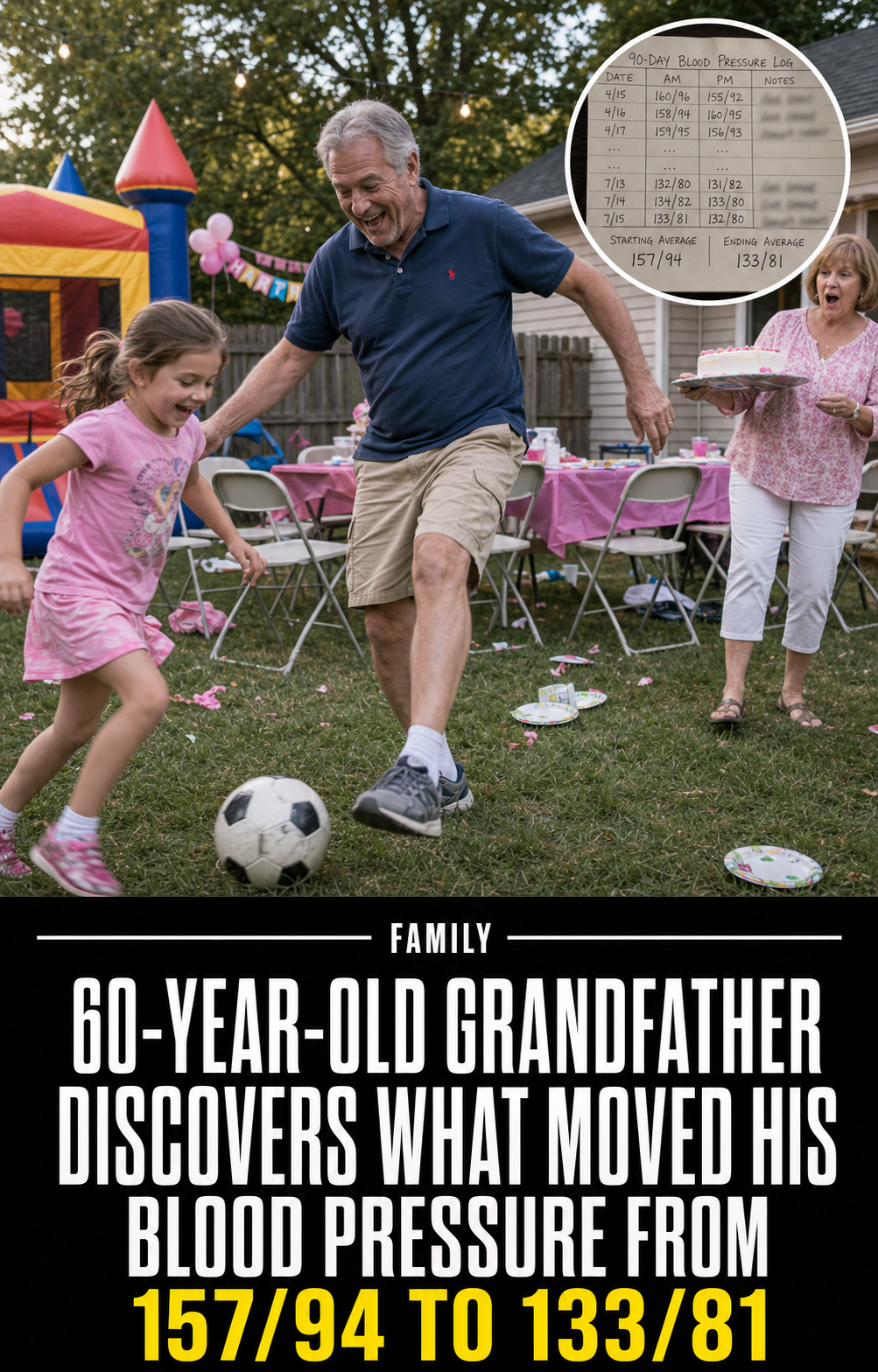
Nobody in my family knows I take aged garlic every morning, which is exactly how I want a health routine to work. There’s no smell on my breath, no taste in my coffee, and no bottle coming to dinner with me. It handles its business before the toaster does. One odorless Elare softgel. One sip of coffee. Done. That may not sound remarkable until you understand what heart health used to look like in our house. My wife, Nancy, could track every new health phase by what appeared on the kitchen counter. The beet powder phase left red fingerprints around the sink. The fish-oil phase announced itself every time I burped. During the raw-garlic phase, Nancy opened the bedroom window in February. I tried nitric-oxide drinks, magnesium blends, CoQ10 and one “complete cardiovascular system” containing nineteen ingredients I couldn’t pronounce. Every new product arrived with a new ceremony. Mix this. Refrigerate that. Take two before eating. Take the other three after eating. Don’t combine these. Remember another dose at dinner. I would follow the instructions for two weeks, miss a day, miss three more and eventually move the half-empty container into the cabinet where failed health plans go to expire. Nancy stopped asking what each product was supposed to do. She would see another bottle and say: “How long are we dating this one?” Usually, not long. The problem was that my blood pressure kept moving in the wrong direction. At 60, my seven-day morning average was 157 over 94. My doctor had already put me on medication, and I took it. But the number wasn’t the only thing bothering me. My hands stayed cold even inside the house. My feet tingled after sitting through a long meeting. The grooves around my ankles from my socks lasted until bedtime. Walking up the hill behind our house made my calves tighten before I reached the top. I could still do everything. I just needed more private pauses between things. Carry the groceries inside. Pause. Climb the basement stairs. Pause. Push the mower through the back corner. Pause. Stand at the kitchen counter pretending to read the mail until my breathing sounded normal again. Nobody had to tell me what that direction could mean. My father had his first stroke at 65. He survived, but he never recovered the strength in his right hand. For the last nine years of his life, my mother opened every jar, buttoned half his shirts and cut anything on his plate that required more coordination than a fork. He hated needing help. She hated that he hated it. Watching them taught me that a cardiovascular event doesn’t end when somebody leaves the hospital. It can quietly reorganize an entire family. I was five years away from the age when it happened to him. That was why I kept buying things. Not because I enjoyed supplements. I was trying to find a prevention routine I could follow long enough to matter. But every product seemed determined to become a visible part of my personality. Nancy had to smell it, clean it, make room for it or remind me to take it. The family knew whenever I was trying something new because the routine demanded an audience. Then I found Elare. I almost scrolled past it because the main ingredient was garlic. Garlic was already responsible for the February bedroom-window incident. But this wasn’t raw garlic powder covered with an “odorless” claim. Elare uses garlic aged for 24 months—730 days—before it becomes the extract inside one odorless softgel, positioned as a 7,500 mg whole-garlic equivalent for circulation, arterial and heart support.Elare-Aged-Garlic-Extract-Offer-Brief.pdf That made me stop. Two full years of preparation. Three seconds of effort from me. The aging process was more than a way to hide the smell. Controlled aging changes garlic’s compound profile and produces stable, water-soluble compounds such as S-allyl cysteine, a marker commonly associated with aged-garlic preparations.Elare-Aged-Garlic-Extract-Research-Dossier.pdf I had spent years treating every garlic product as if it were the same ingredient in different packaging. It wasn’t. Raw garlic was the starting point. Aged garlic extract was what controlled time created. For once, the complicated work happened before the product entered my kitchen. I ordered one red bag and didn’t mention it to Nancy. Not because I was hiding anything important. I simply didn’t want to announce another experiment. No speech. No promise that this one would be different. No new container occupying half the counter. I put the bag behind the coffee filters. Every morning, I swallowed one softgel while the toaster warmed up. Then I recorded what happened. My pressure. Cold hands. Tingling feet. Ankle marks. The hill behind the house. Energy after work. I gave myself 90 days. I kept taking my medication and didn’t introduce another new supplement. I wanted a clean timeline instead of changing seven things and crediting whichever bottle I liked best. My starting average was 157 over 94. During the first week, the most noticeable result was what didn’t happen. No taste. No smell. No garlic breath. No burps arriving halfway through my morning meeting. No powder stuck to the side of a glass. Nancy didn’t notice a new routine because there was almost nothing to notice. I took the softgel before breakfast and moved on. On day nine, I was sitting beside her on the couch when she reached for my hand. She held it for a moment, then rubbed her thumb across my fingers. “Did you turn the heat up?” “No.” “Your hands are warm.” I blamed the coffee. The cup had been empty for nearly an hour. Two nights later, I noticed my feet weren’t cold beneath the blanket. That had been so normal for so long that I didn’t recognize its absence immediately. I wrote it down. Day 11: hands and feet warmer. During week three, I drove 90 minutes to our daughter’s house. Normally, the outside edge of my right foot started tingling around the one-hour mark. When I arrived, I would stand beside the car for thirty seconds and wait for it to feel normal before walking inside. That day, I parked, grabbed our granddaughter’s birthday present and went directly to the door. No tingling. No private recovery beside the car. I didn’t tell anyone. I wrote it down when we got home. Day 19: long drive without foot numbness. My three-week pressure average was 148 over 89. Nine points lower on top. Five lower on the bottom. That was enough to interest me but not enough to convince me. I had seen good readings before. A few quiet days, less salt or one decent night of sleep could create a week that looked promising. The question was whether the direction would hold. The first real test came on our granddaughter’s birthday. My son-in-law had rented a bounce house and set up folding tables across the backyard. When the party ended, I started carrying chairs into the garage. Normally, I would take two at a time, arrange them carefully and give myself a reason to stand still before returning. That afternoon, I carried four chairs per trip. Then I helped collapse the tables. Then our granddaughter asked me to kick a soccer ball with her. Usually, after helping clean up, I would have told her: “Give Grandpa five minutes.” Five minutes meant I hoped she would get distracted. This time, I followed her into the yard. We played until Nancy called us inside for cake. On the drive home, she said: “You didn’t sit down once this afternoon.” I told her I hadn’t needed to. She looked at me for a second, waiting for the rest of the explanation. I didn’t have one yet. At the end of week four, my average was 144 over 87. My hands remained warm. The foot tingling had become occasional instead of automatic. The ankle grooves were lighter at night. And the hill behind our house was changing. For years, Nancy and I had walked to the bottom, turned left and followed the flat road. She thought that was simply our route. The truth was that I had designed it around avoiding the hill. One evening, instead of turning left, I kept walking straight. Nancy stopped. “We don’t go this way.” “We do tonight.” The first half still made my legs work. But the familiar tightness didn’t arrive. I reached the top without pretending to inspect a mailbox or admire somebody’s landscaping. Nancy came up beside me and asked: “Since when do you like hills?” “I don’t. I just don’t hate this one anymore.” We walked over it again two nights later. By week six, my morning readings were regularly landing in the high 130s and low 140s. More important, my body had stopped feeling as if it were slowly withdrawing permission from ordinary life. I wasn’t thinking about where I could sit. I wasn’t dividing weekend projects into pieces based on how many pauses they required. I wasn’t arriving home with just enough energy to eat and occupy a chair. One Thursday, I came home, changed clothes and fixed the leaking outdoor faucet before dinner. The replacement washer had been sitting on my workbench for three months. Nancy stepped into the garage while I was putting away the wrench. “You fixed it?” “Yes.” “On a work night?” “It took twenty minutes.” She laughed. “I know. That’s why I’ve been confused about the three months.” She was right. The faucet was never the problem. I had been protecting the small amount of energy I had left. Anything that could wait until Saturday waited. Then Saturday arrived, and I used half of it recovering from the week. That night, after dinner, Nancy asked whether I wanted to watch television. I asked if she wanted to walk instead. She looked toward the window to check whether the weather had suddenly become perfect. It hadn’t. We walked over the hill. Then we kept going. At eight weeks, my seven-day average was 137 over 83. I brought the notebook to my next appointment. My doctor compared the first two weeks with the most recent two and asked what I had changed. I told him: “One aged-garlic softgel every morning. And I’m walking farther because walking doesn’t feel like a negotiation anymore.” I showed him the Elare bag. He read the label, asked how long I had been taking it and looked through the readings again. Then he said: “The trend is clearly better.” Trend. That word had frightened me six months earlier. Now it was the reason I kept going. Prevention is difficult to feel because the event you’re trying to avoid hasn’t happened. Nobody congratulates you for the stroke that didn’t occur. You don’t receive a photograph of the blockage that never finished forming. What you can see is direction. My old direction was higher readings, colder hands, heavier legs, more pauses and a life increasingly arranged around conserving myself. The new direction was reaching farther. Warmth reaching my fingers. Comfort reaching my feet. Strength carrying me over the hill. Energy surviving the workday. Enough of me reaching home that my wife didn’t have to choose between sitting beside me and doing something without me. At day 90, my seven-day morning average was 133 over 81. The cold hands were gone. The tingling after normal drives had mostly disappeared. The sock marks no longer lasted until bedtime. Nancy and I were walking nearly three miles four evenings a week. I had stopped using the flat route. And I could spend an afternoon helping our daughter, then still say yes when my granddaughter wanted to play. That was when Nancy finally discovered the red bag. She was looking for a new pack of coffee filters and pulled it from the cabinet. “What’s Elare?” “The reason you keep asking why my hands are warm.” She turned the bag over and read it. “You’ve been taking garlic?” “Every morning.” She leaned toward me and smelled my breath. Then she looked genuinely confused. “For how long?” “Three months.” “How have I not known this?” That was the best question she could have asked. She hadn’t known because the routine never became her problem. She didn’t have to smell it. She didn’t have to clean red powder from the counter. She didn’t have to watch me carry capsules to dinner. She didn’t have to remind me about a second dose. All she experienced was the part that mattered. Warmer hands holding hers. Longer walks. Fewer pauses. More energy after work. A husband who followed his granddaughter into the yard instead of asking for five minutes. The red bag went back behind the coffee filters. That’s still where it stays. Every morning, I take one odorless Elare softgel before the toast comes up. Nobody has to watch. Nobody has to participate. Nobody has to rearrange breakfast around my health. The garlic already spent 730 days becoming aged garlic extract. My part is over before the toaster does its job. Then I leave the kitchen and use the rest of the day to find out how much farther my life can reach.
Where the ad sends people
elare.store
Explore the power of aged garlic today!
Elaré Aged Garlic Extract - 7500mg Odorless Premium aged garlic extract dietary supplement for adults 50+. Each capsule contains 7500mg equivalent of - Elare
Shop now: elare.store(opens in a new tab)