Dr. Robert Whitaker
Dr. Robert Whitaker Facebook ad: “Lirae: Blood Sugar Support That Actually Works-Or You Pay…”
Ran for 5 days, from July 29 to August 3, 2026, the last day Crush saw it.
Run by Dr. Robert Whitaker on Facebook. Crush is not the advertiser and does not verify its claims. See this ad in Meta's Ad Library(opens in a new tab)
Want an ad like this for your product?
Crush makes new ad images for your product from this ad: your logo, your product photo, your offer.
Trials from $19.95 USD, then $79.95 USD a month. Cancel anytime.
About this ad
- Meta Ad Library ID
- 1692896495094200
- Platforms
- Facebook, Instagram, Audience Network, Messenger, WhatsApp and Threads
- Relaunches
- 0
Ad text
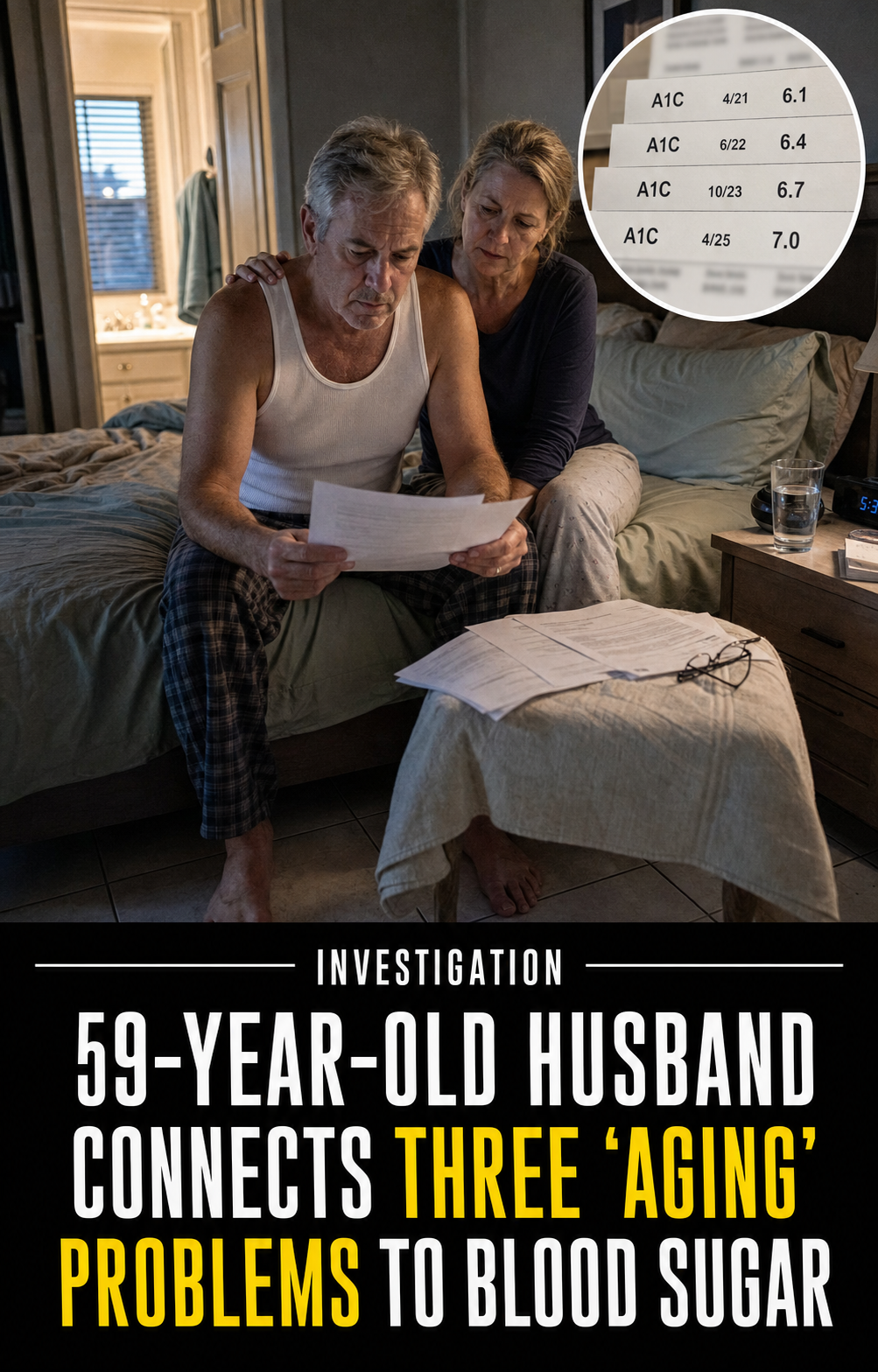
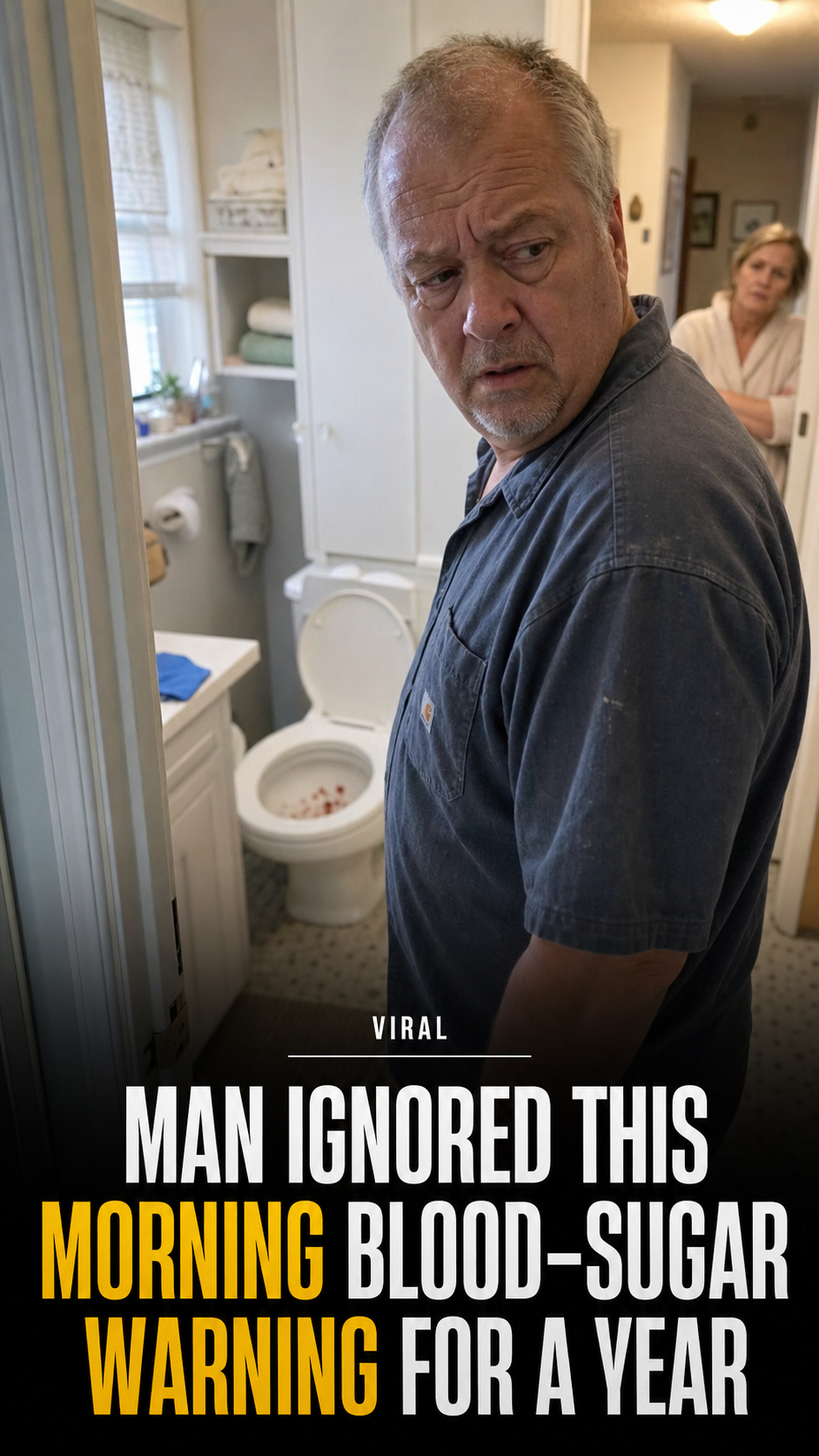
If you see foam in the toilet every morning, stop letting people tell you it means nothing. Once can mean nothing. Every morning is a pattern. And patterns are how the body asks you to pay attention before it is forced to make you. I’m Dr. Marcus Hale. I spent 19 years as a nephrologist in Columbus, Ohio. I’ve watched patients arrive with swollen ankles, tingling feet, crushing fatigue, and kidney function that had been declining quietly for years. And when I asked when they first suspected something was wrong, many gave me the same answer. “The foam.” Foam that covered the surface of the water. Foam that stayed after they flushed. Foam they saw every morning but ignored because somebody told them it was dehydration. Or the cleaning solution. Or the force of the urine hitting the bowl. Sometimes it was. But sometimes it was protein passing through kidney filters that were supposed to keep it inside the blood. And by the time those patients reached my office, the foam was no longer the only warning. Their shoes felt tighter by dinner. Their feet burned at night. They woke up two or three times to urinate. Their energy disappeared halfway through the afternoon. Their GFR dropped every time new labs were drawn. Yet many had an A1C their doctor called controlled. That word gave them comfort. Until it didn’t. Because an acceptable average does not automatically mean the organs beneath it are untouched. I learned this most painfully from a patient named Daniel Brooks. Daniel was 62. A school-bus mechanic from Dayton. Married for 34 years. Two daughters. Four grandchildren. Type 2 for nine years. Metformin in the morning and evening. Blood-pressure medication with breakfast. He had given up soda, white bread, pasta, and nearly every dessert his wife made. His A1C had stayed between 6.6 and 7.1 for three years. Nobody was celebrating it. But nobody was panicking either. “Controlled” was the word written in his chart. Then Daniel started seeing foam in the toilet every morning. Not a few bubbles around the edge. A thick layer that floated across the water and stayed there. His primary-care doctor told him to drink more water. So Daniel bought a two-liter bottle and carried it everywhere. The foam stayed. He changed the toilet cleaner. The foam stayed. He stopped drinking coffee. The foam stayed. Six months later, his ankles began swelling at the end of his shifts. His wife noticed deep lines where his socks had pressed into his skin. Then the exhaustion started. Not ordinary tiredness. The kind that made him sit in his truck for twenty minutes after work because he didn’t have enough energy to walk inside. When his laboratory results came back, his GFR had fallen from 64 to 55. His urine albumin was 376 milligrams. His A1C was 6.9. Controlled. His blood sugar average looked acceptable. His kidneys were sending a different message. Daniel sat across from me and asked: “How can I be controlled and getting worse at the same time?” That question stayed with me. Because Daniel hadn’t ignored his health. He had reorganized his entire life around it. He ate eggs while his grandchildren ate pancakes. He ordered burgers without the bun. He skipped birthday cake, then told everyone he was full. He walked around the block after dinner even when his knees hurt. He took every pill. Kept every appointment. Checked every box. The chairs in a dialysis unit are not filled only with people who ignored the rules. They are also filled with people who followed every rule they were given while the damage underneath the headline number continued. Daniel’s A1C told us how much glucose had attached to his red blood cells over roughly three months. It gave us an average. But it did not show every post-meal surge. It did not show glucose repeatedly passing through the tiny capillaries inside his kidneys. It did not show protein escaping through filters that once held it back. Think of your kidneys like coffee filters. Water and waste should pass through. Protein should remain behind. But those filters are delicate. When they are repeatedly placed under metabolic strain, the mesh can become less selective. Things that should stay in the blood can begin appearing in the urine. And when protein enters urine, it can create persistent foam. That doesn’t mean every bubble is kidney damage. But foam that appears repeatedly—especially alongside swelling, fatigue, changing urine tests, or declining kidney function—should not be dismissed as bathroom trivia. Once can be random. Every morning is information. Daniel’s doctor had already helped reduce the amount of glucose entering circulation. His diet reduced it further. Walking after meals helped his muscles use some of it. But I started wondering whether we were focused only on reducing the flood while ignoring the pace of the cleanup. Food puts glucose into the bloodstream. Insulin signals the body’s cells to take that glucose in and use it. But when normal glucose handling becomes less efficient, the cleanup can fall behind. The glucose does not vanish because the meal ended. It remains in circulation longer than the body would prefer. It keeps passing through the same vessels. The same filters. The same delicate tissue. Imagine a restaurant kitchen. One order arrives. The cooks handle it. Five orders arrive at a steady pace. The cooks handle those too. But when ninety tickets hit the rail at once, even a good kitchen gets buried. The staff did not quit. The equipment did not disappear. The pace overwhelmed the system. That became the question I couldn’t stop asking: What if Daniel’s body wasn’t broken? What if his cleanup was simply buried? I started examining nutritional compounds studied for their role in healthy glucose metabolism. That brought me back to cinnamon. I almost skipped over it. Daniel had already tried cinnamon. A friend told him to buy capsules online. He found a bottle for $11.97. “Extra-strength cinnamon,” the front said. He took two capsules every morning for five months. Nothing happened. The foam stayed. His energy stayed low. His readings barely changed. So Daniel did what most people do. He decided cinnamon was another natural-health story that sounded better than it worked. Then I asked him to bring me the bottle. The label did not say Ceylon. It did not say Cinnamomum verum. It did not identify the growing region. It did not list an extract ratio. It contained ordinary cinnamon powder inside a dry capsule. Daniel hadn’t tested a precise Ceylon cinnamon formula. He had tested cheap, unidentified brown powder. And the supplement industry had taught him to treat those two things as identical. They aren’t. The cinnamon in most kitchens is Cassia. True Ceylon cinnamon is a different species. Then there is the difference between raw powder and concentrated extract. And the difference between a dry capsule and an oil-based softgel. Species. Concentration. Format. Three details most cinnamon labels train people to ignore. That was when Daniel’s daughter told me about Lirae. She had found it while researching why her father’s cinnamon capsules had done nothing. I read the specifications. True Ceylon cinnamon extract. Cinnamomum verum. A 12:1 concentration. 600 mg of extract, equivalent to 7,200 mg of raw Ceylon cinnamon bark. Coconut MCT oil. Softgel format. Third-party tested. Non-GMO. Gluten-free. One softgel daily. This wasn’t another bottle hiding behind the word “cinnamon.” It identified the species. It identified the concentration. It quantified the extract. It used an MCT-oil softgel instead of another capsule filled with dry spice dust. I told Daniel exactly what I tell anyone adding something to an existing health routine. Keep taking your prescribed medication. Keep every laboratory appointment. Keep working with the clinician managing your condition. Do not mistake a supplement for emergency care or a replacement for treatment. Lirae was not a cure. It was a once-daily Ceylon cinnamon routine designed to support healthy glucose metabolism. Not a cure. A pace. Daniel started taking one softgel with breakfast. The foam did not disappear overnight. The first change was quieter than that. On day six, his wife noticed that he had not fallen asleep after dinner. Daniel hadn’t noticed. She had. By the end of week two, he was getting through an entire shift without sitting in his truck afterward. At week four, his fasting readings—which had usually appeared between 137 and 151—started showing up between 119 and 132. He checked the meter twice the first morning it read 121. At week six, the lines around his ankles were less pronounced when he removed his socks. Then, during week seven, Daniel called my office. “The foam is different,” he said. “What do you mean?” “It’s not covering the whole bowl anymore.” Some mornings it was still there. Other mornings there were only a few bubbles around the edge. By week ten, the persistent layer he had seen every day for nearly a year was appearing only occasionally. At twelve weeks, Daniel returned for another panel. His A1C had moved from 6.9 to 6.4. His GFR read 59. His urine albumin had moved from 376 milligrams to 228. I looked at the report. Then I pulled up his previous labs. Then I looked at Daniel. “What changed?” He smiled. “My breakfast didn’t.” He reached into his coat and put the Lirae bag on my desk. “This did.” I did not tell him his kidneys had been cured. I did not tell him to stop his medication. I told him the same thing his previous doctor had told him—but this time the sentence felt different. Keep doing what you’re doing. Not because one panel proves what caused the change. But because after more than a year of watching the same markers move in the wrong direction, we finally had a reason to keep watching for something better. Daniel’s story also changed the questions I started asking other patients. Not just: What is your A1C? But: What is your GFR doing? Is protein appearing in your urine? Are your ankles swelling? Are your feet tingling? Are you waking repeatedly at night? Is there foam in the toilet every morning? And what exactly is inside the cinnamon bottle in your cabinet? One patient named Lorraine had been taking “Ceylon cinnamon” for eight months. At least that was what the advertisement claimed. The bottle itself listed only “cinnamon bark.” No species. No extract ratio. No raw-bark equivalent. No meaningful sourcing information. She switched to the same once-daily Lirae routine. The first thing she noticed was that lunch stopped erasing the rest of her afternoon. Then her morning routine felt steadier. At her next appointment, her physician compared the new report with the old one and asked: “What did you change?” Another patient, Raymond, had dismissed foam in his urine for two years. He said it looked like somebody had poured dish soap into the bowl. His A1C remained around 7.0 while his GFR declined at three consecutive appointments. He had also tried ordinary cinnamon powder. Two capsules with breakfast. No clear species. No concentration. No oil-based format. He didn’t need more cinnamon. He needed to stop pretending every product with cinnamon on the label was the same product. Here’s what I would look for. First: true Ceylon cinnamon. Look for Cinnamomum verum. Not generic “cinnamon bark.” Not an unidentified blend. Not whatever cheap powder was easiest to place inside a capsule. Second: a concentrated extract. Lirae uses 600 mg of a 12:1 Ceylon cinnamon extract, equivalent to 7,200 mg of raw Ceylon cinnamon bark. A concentrated extract is not the same thing as a decorative dusting of powder. Third: an intentional format. Lirae combines the extract with coconut MCT oil in a softgel. Not dry powder. Ceylon in MCT. Fourth: a routine simple enough to maintain. One softgel daily. Not four different supplements before every meal. Not cinnamon powder floating on top of coffee. Not another complicated protocol that lasts nine days. Fifth: quality markers you can identify. Third-party tested. Non-GMO. Gluten-free. Three hundred softgels per bag. A formula built around a specific species, concentration, and format—not just the familiar word “cinnamon.”Offer-Brief-For-Lirae-Ceylon-Cinnamon-With-MCT-Oil.pdf If you see foam in the toilet once, it may be nothing. But if it covers the water every morning… If it stays after you flush… If your ankles swell by dinner… If your feet burn at night… If your energy disappears by midafternoon… If your GFR loses another point every time you return for labs… Stop letting people dismiss the pattern. Ask for the appropriate testing. Keep working with your medical team. Keep taking prescribed medication unless the clinician managing your care tells you otherwise. And stop wasting money on cinnamon products that cannot even tell you which cinnamon they contain. Because maybe you already tried cinnamon. Maybe you took it faithfully. Maybe nothing changed. But unidentified powder in a cheap capsule is not the same as true Ceylon cinnamon in a concentrated MCT-oil softgel. Maybe cinnamon didn’t fail you. Maybe the cinnamon pill did. Lirae comes with a 30-day money-back guarantee. Take one softgel daily as directed. Keep the meter on the counter. Pay attention to your energy. Pay attention to your sleep. Pay attention to the patterns your body has been showing you. If Lirae does not feel like a meaningful addition to your routine, use the guarantee. Daniel spent nearly a year being told the foam was nothing. It wasn’t nothing to him. It was the first visible sign that the average in his chart was not telling the whole story. Once can be random. Every morning is a pattern. And a pattern should never be ignored just because it appears in a toilet instead of on a laboratory report. True Ceylon cinnamon. 12:1 concentrated extract. 7,200 mg raw-bark equivalent. Coconut MCT oil. One softgel daily. That is Lirae. The foam was the warning. The falling numbers were the pattern. The cleanup wasn’t gone. It was behind. Not a cure. A pace. Dr. Marcus Hale Nephrologist Columbus, Ohio 19 years in kidney care
Where the ad sends people
getlirae.com
Lirae: Blood Sugar Support That Actually Works—Or You Pay Nothing
30-day risk-free trial. Lower your A1C and blood sugar naturally—or pay nothing. Lirae helps your cells respond to insulin again, so your kidneys and body finally get relief. Thousands of diabetics trust Lirae. Join them today.
Shop now: getlirae.com(opens in a new tab)